Whirling Dervishes in Istanbul: Where & How to See a Sema Ceremony
The Sema is one of the world's oldest living spiritual rituals, and Istanbul has several places to witness it. This guide breaks down every major venue, current prices, seasonal schedules, and the etiquette you need to know before you go.
Plan and book this trip
Tools from our partner Travelpayouts help you compare flights and hotels. If you book through them, we may earn a commission at no extra cost to you.
Flights
Hotels map
TL;DR
- The Sema is a Sufi religious ritual with 800 years of history, not a folk dance performance. Treat it accordingly.
- Three main venues: Hodjapasha Culture Center (Sultanahmet/Sirkeci), the Galata Mevlevi Museum, and a Sultanahmet lodge show. Each has a different atmosphere and price point.
- Galata is the most authentic setting; Hodjapasha is the most tourist-friendly and reliably scheduled.
- Prices range from 150 TL at the Galata museum to around USD 115 through tour operators at Hodjapasha. Book early in peak season.
- Silence, no flash photography, and modest dress are expected at all venues.
What the Sema Actually Is (and Why It Matters)
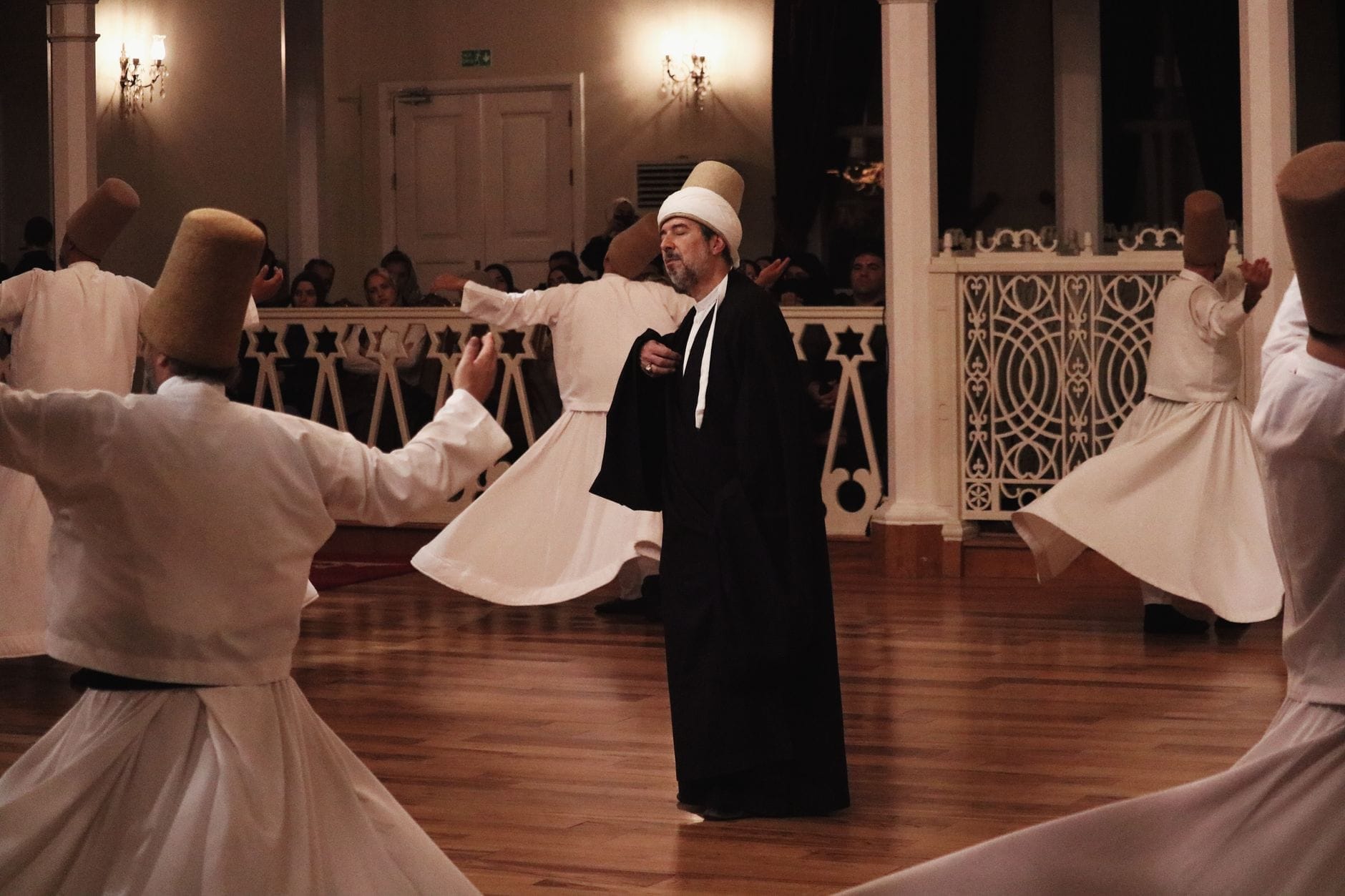
The Whirling Dervishes in Istanbul are not a cultural show staged for tourists. The Sema ceremony is a formal act of worship belonging to the Mevlevi Sufi order, founded in the 13th century by the followers of the poet and mystic Mevlana Jalaluddin Rumi in Konya, Turkey. The order spread through the Ottoman Empire, establishing lodges called tekkes across Istanbul. When the Turkish Republic abolished religious orders in 1925, the tekkes were shuttered. What survived did so through cultural preservation efforts, and today the ceremony exists in a complicated space: officially recognized as culture, spiritually experienced as devotion.
UNESCO recognized the Mevlevi Sema ceremony as a Masterpiece in 2005 within the Oral and Intangible Heritage of Humanity program, and it was added to the Representative List of the Intangible Cultural Heritage of Humanity in 2008. The ritual follows a structured sequence, sometimes described as seven parts or four selams (greetings), each with distinct symbolic meaning. The opening represents the birth of humanity and the moment of creation. The whirling itself, called devran or sema, symbolizes the soul's ascent through divine love toward union with God. The dervishes extend their right hand upward to receive divine grace and their left hand downward to transmit it to the earth. This is not improvisation or performance. The movements are codified, trained, and intentional.
ℹ️ Good to know
The costume has specific meaning: the tall camel-hair hat (sikke) represents the tombstone of the ego. The white robe (tennure) is its shroud. When the dervish removes his black cloak at the start of the whirling, he is symbolically shedding worldly attachments.
The Three Main Venues in Istanbul
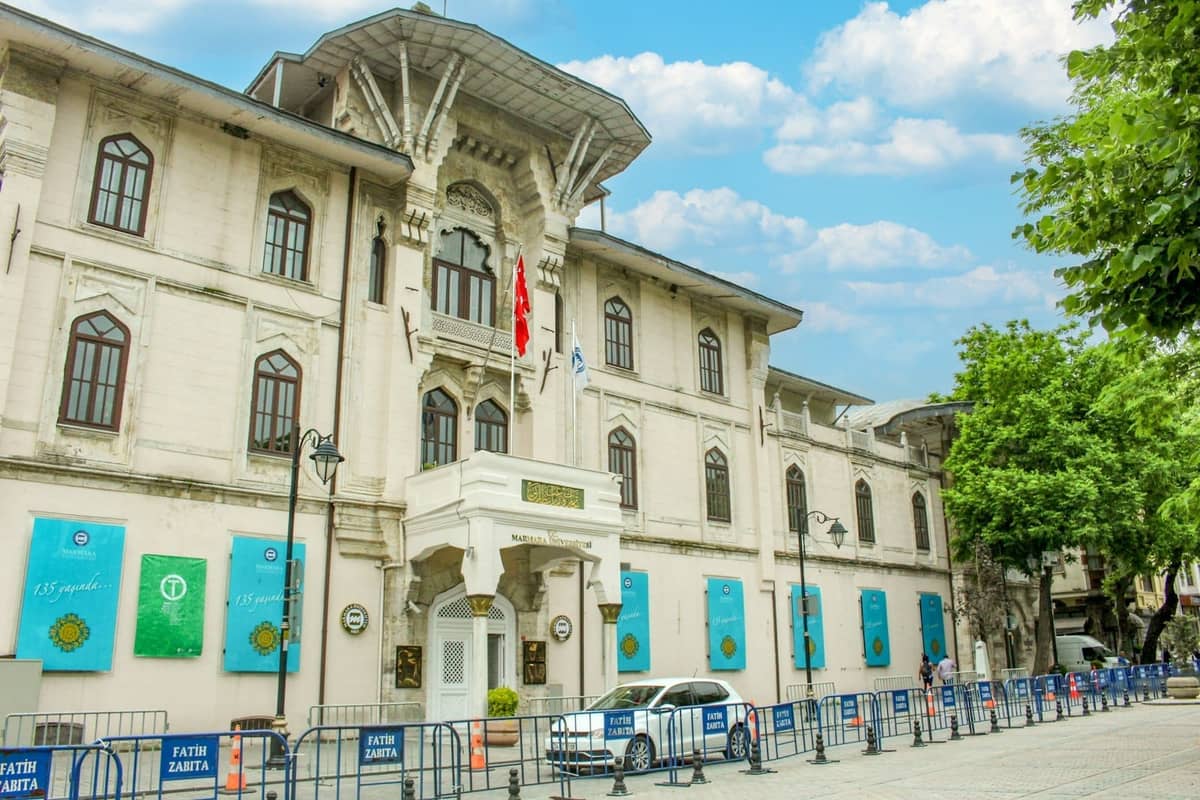
Istanbul has three venues that regularly host Sema ceremonies for visitors. They differ significantly in setting, price, authenticity of atmosphere, and how far in advance you need to plan.
- Galata Mevlevi Museum (Galata Mevlevihanesi) A functioning historic tekke on Galipdede Caddesi near Tünel, at the base of Istiklal Avenue. This is the most historically significant setting in Istanbul for a Sema. Ceremonies typically run every Sunday at 17:00. Tickets are sold on-site from Saturday around noon, capacity is around 150 people, and they sell out regularly. Entry is 150 TL per person; children without their own seat are free. No tour operator markup, no hotel pickup, no English commentary. Just the ceremony in the original lodge.
- Hodjapasha Culture Center (Sultanahmet / Sirkeci area) Housed in a converted 15th-century Ottoman hammam near Sirkeci train station. The most tourist-accessible option: daily shows in high season, multiple time slots (typically 19:00, with optional 17:00 and 20:30 shows), and easy booking through platforms like GetYourGuide. The program runs about one hour, with roughly 15 minutes of classical Turkish music before the Sema begins. Through tour operators, prices reach around USD 115 per person for 2026 packages, though booking directly through the venue's own site (istanbuldervishceremony.com) may offer better rates. Hotel pickup is often included in packaged bookings.
- Sultanahmet Lodge Show (Istanbul Whirling Dervishes) A smaller, more intimate venue in the Sultanahmet area. The exact address is provided after booking at istanbulwhirlingdervishes.com. Performances run on Wednesday, Friday, Saturday, and Sunday at 18:30, lasting approximately one hour. Pricing is 20 EUR for adults, 15 EUR for students under 12. This sits between the Galata museum and Hodjapasha in terms of scale and commercialization.
✨ Pro tip
If you want the Galata Mevlevi Museum experience, plan to arrive at the ticket window on Saturday morning when it opens. Sunday shows sell out before noon. There is no online booking option for the museum itself, which is what keeps the queue real and the setting unspoiled.
Seasonal Schedules and When to Book
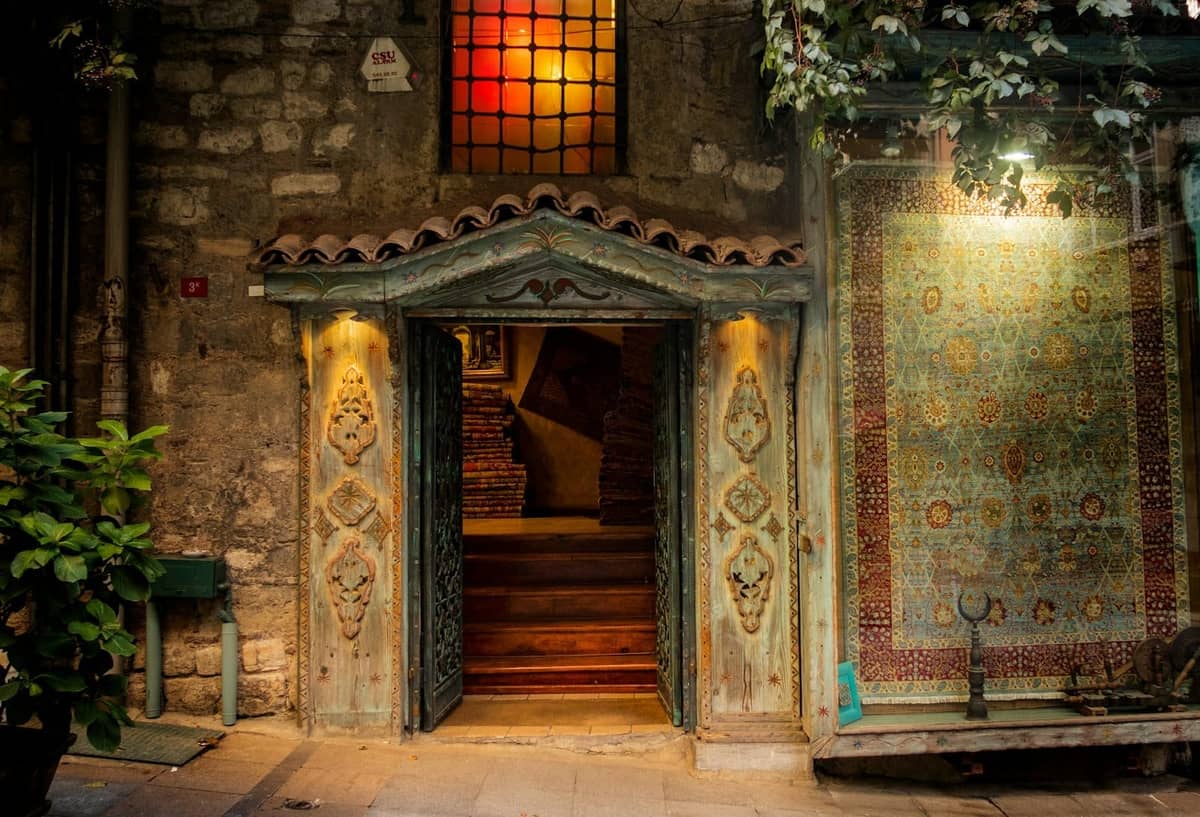
Timing your visit correctly makes a real difference. At Hodjapasha, the low-season schedule (roughly November through February) typically runs ceremonies on Tuesday, Thursday, and Saturday at 19:00. From March onward, as tourist volume climbs, shows shift to daily. If you're visiting Istanbul in spring or summer, you'll have more flexibility, but you'll also be competing with more visitors for seats.
April through June and September through October are the most comfortable months to visit Istanbul generally. For a Sema specifically, these are also the months when demand spikes. The Galata Mevlevi Museum's Sunday show is the hardest ticket to get without advance planning: there is no online reservation, so showing up Saturday at noon is your best strategy. For everything else, GetYourGuide and direct operator sites allow advance booking. See the best time to visit Istanbul guide for how to align your trip with crowd patterns and weather across the city.
⚠️ What to skip
During Ramadan, the Sema takes on added spiritual weight and some venues adjust their schedules significantly. If your visit overlaps with the Islamic holy month, verify current schedules directly with venues before booking. See the Istanbul Ramadan guide for broader context on how the city shifts during this period.
Pricing Breakdown and Where to Book
The price gap between venues is significant and worth understanding before you commit. The Galata Mevlevi Museum charges 30 TL, which at current exchange rates is a fraction of what packaged tours cost. You get no frills: no hotel pickup, no translation, no cushioned seating. What you get is the original lodge, a smaller audience, and a ceremony that feels less like hospitality and more like being allowed to observe something private.
The Sultanahmet lodge show (istanbulwhirlingdervishes.com) sits at 20 EUR for adults and 15 EUR for students under 12, with Wednesday, Friday, Saturday, and Sunday performances. This is a reasonable middle ground if the Galata museum is sold out or if Sunday does not fit your schedule.
Hodjapasha, booked through tour operators, runs around USD 115 per person for 2026 packages. That price typically includes hotel pickup and a bilingual program. The ceremony itself is the same ritual, but the setting is a converted hammam rather than an original tekke, and the audience is usually larger. For travelers who value convenience over atmosphere, it is a solid option. Children aged 0-2 attend free.
- Galata Mevlevi Museum: 30 TL, online tickets only, Sundays at 18:00
- Sultanahmet lodge: 20 EUR adults / 15 EUR students, Wed/Fri/Sat/Sun at 18:30
- Hodjapasha (via operators): ~USD 115, daily in high season, multiple time slots
- GetYourGuide lists multiple Hodjapasha and Sultanahmet-area packages, useful for comparing inclusions
- Children under 2 at Hodjapasha: free.
Getting There: Location and Transport
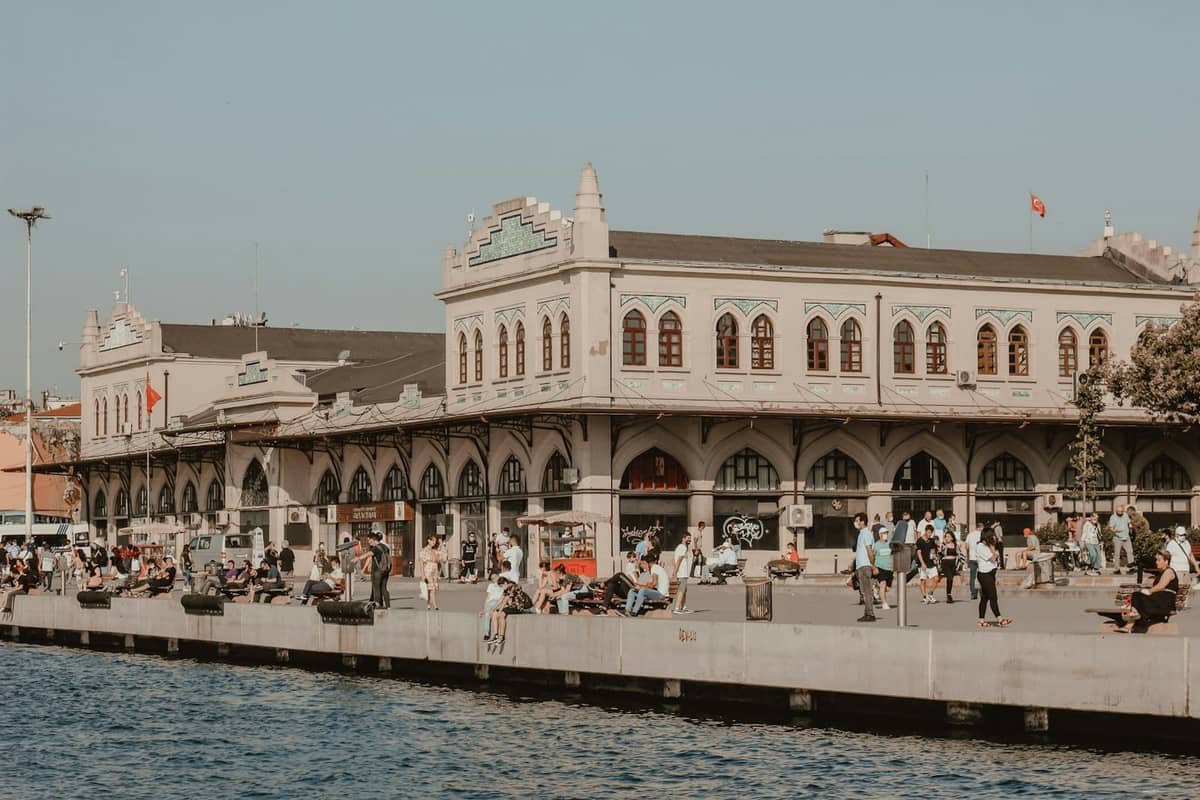
Hodjapasha Culture Center is just a few minutes' walk from Sirkeci train station, which is served by the Marmaray commuter rail line and easy to reach from both Sultanahmet and Karaköy. If you're staying on the historic peninsula, you can walk there in under 15 minutes from the Blue Mosque area.
The Galata Mevlevi Museum is on Galipdede Caddesi, a short walk downhill from Galata Tower and just a few minutes from the Tünel funicular stop at the southern end of Istiklal Avenue. From Taksim Square, take the nostalgic tram or walk down Istiklal and turn left at Tünel. Total walking time from Taksim is around 20-25 minutes.
Istanbul's public transport system is navigable with an Istanbulkart smart card, which works on metro, tram, bus, and most ferries. The T1 tram connects Kabataş to Sultanahmet and stops at Sirkeci, making Hodjapasha particularly convenient. For a broader look at getting around the city, the getting around Istanbul guide covers all transport options in detail.
Etiquette, Dress Code, and What to Expect
Arriving without knowing the etiquette is the easiest way to disrespect both the performers and the other audience members. The Sema is a religious act. Even in the most visitor-oriented settings, the dervishes are engaging in genuine devotional practice. Silence is not a suggestion: talking during the ceremony, including whispering to companions, is inappropriate. Most venues will not remove you if you do, but other audience members will notice, and you will have diminished something that matters to the people performing it.
- No flash photography at any venue. Non-flash photography is generally permitted, but follow the specific venue's instructions.
- Dress modestly. There is no formal dress code at these venues, but shoulders and knees covered is the appropriate standard. This is not a mosque, but the ritual is devotional.
- Arrive 10-15 minutes early, especially at the Galata museum where seating is limited and fixed.
- Do not leave during the ceremony. The Sema has a defined structure with a formal ending. Leaving early is disruptive and disrespectful.
- Applause at the end is acceptable at commercial venues; at the Galata museum, follow the lead of the audience around you.
- Mobile phones should be on silent. Video is usually permitted without flash, but check with each venue.
The ceremony itself lasts around one hour at all venues. At Hodjapasha, approximately 15 minutes of classical Turkish music precedes the Sema. The music includes the ney (end-blown reed flute), which is central to Mevlevi tradition. The sound is meditative and quiet. If you're traveling with children, consider whether they can sit still and silent for an hour. The Istanbul with kids guide has clear advice on which cultural experiences work well for families and which don't.
FAQ
Is the Whirling Dervishes show in Istanbul authentic or just a tourist performance?
It depends on the venue. The Galata Mevlevi Museum hosts the most authentic setting: a historic tekke where Mevlevi practice was originally centered, with performers connected to the tradition. Commercial venues like Hodjapasha stage the same ritual in converted spaces and with more tourist infrastructure, but the ceremony itself follows the same codified structure and is performed by trained practitioners. It is not folk dancing or theatrical recreation. All three major Istanbul venues involve genuine Sema, though the surrounding context differs considerably.
Do I need to book Whirling Dervish tickets in advance?
Yes, especially in peak season (April-June, September-October). The Galata Mevlevi Museum does not offer online booking, so arrive at the ticket window on Saturday when it opens for Sunday's show. Hodjapasha and the Sultanahmet lodge can be booked through GetYourGuide, the operators' own websites, or tour agencies. Tickets at smaller venues sell out days in advance during summer.
How much do Whirling Dervish tickets cost in Istanbul?
Prices vary significantly by venue. The Galata Mevlevi Museum charges 150 TL (the most affordable option). The Sultanahmet lodge show is 20 EUR for adults and 15 EUR for students under 12. Hodjapasha packages through tour operators run around USD 115 per person for 2026, though booking directly through the venue may be cheaper. Always verify current prices directly with venues before booking, as exchange rates and seasonal pricing can shift these figures.
What should I wear to a Whirling Dervish ceremony?
There is no strict formal dress code, but modest, respectful clothing is appropriate. Covered shoulders and knees are the practical standard. The ceremony is a religious ritual, and even in commercial settings, dressing as you would for a visit to a significant religious site is the right approach.
Can I see Whirling Dervishes in Istanbul for free?
Genuinely free, publicly accessible Sema ceremonies in Istanbul are rare and not regularly scheduled for general visitors. The Galata Mevlevi Museum's 150 TL ticket is the lowest-cost option for a reliable, scheduled ceremony. Occasionally, public Sema events are held during cultural festivals or on December 17, the anniversary of Rumi's death (called Şeb-i Arus), which sometimes features ceremonies open to the public. Check Istanbul city event listings closer to that date.