Getting Around Istanbul: Metro, Ferries, Trams & Taxis Explained
Istanbul's transport network spans metro lines, trams, Bosphorus ferries, buses, and ride-hailing apps across a city of Istanbul's transport network spans metro lines, trams, Bosphorus ferries, buses, and ride-hailing apps across a city of nearly 15.7 million people.. This guide breaks down every option by cost, convenience, and route, so you can move around Istanbul without confusion or overpaying.
Plan and book this trip
Tools from our partner Travelpayouts help you compare flights and hotels. If you book through them, we may earn a commission at no extra cost to you.
Flights
Hotels map
TL;DR
- Get an Istanbulkart immediately: it works on metro, tram, bus, funicular, and ferries, and costs less per ride than single tickets.
- The T1 tram is the most useful line for sightseers, connecting Kabataş to Sultanahmet and the Grand Bazaar area in one straight run.
- Ferries are not just scenic: they are a practical, fast way to cross between the European and Asian sides, often faster than driving.
- İETT buses are Istanbulkart-only in regular operation. Cash is not accepted on standard bus routes.
- Fares are time-sensitive and subject to change. Always verify current prices via the official İETT site or the Istanbul on a budget guide before you travel.
Start Here: The Istanbulkart
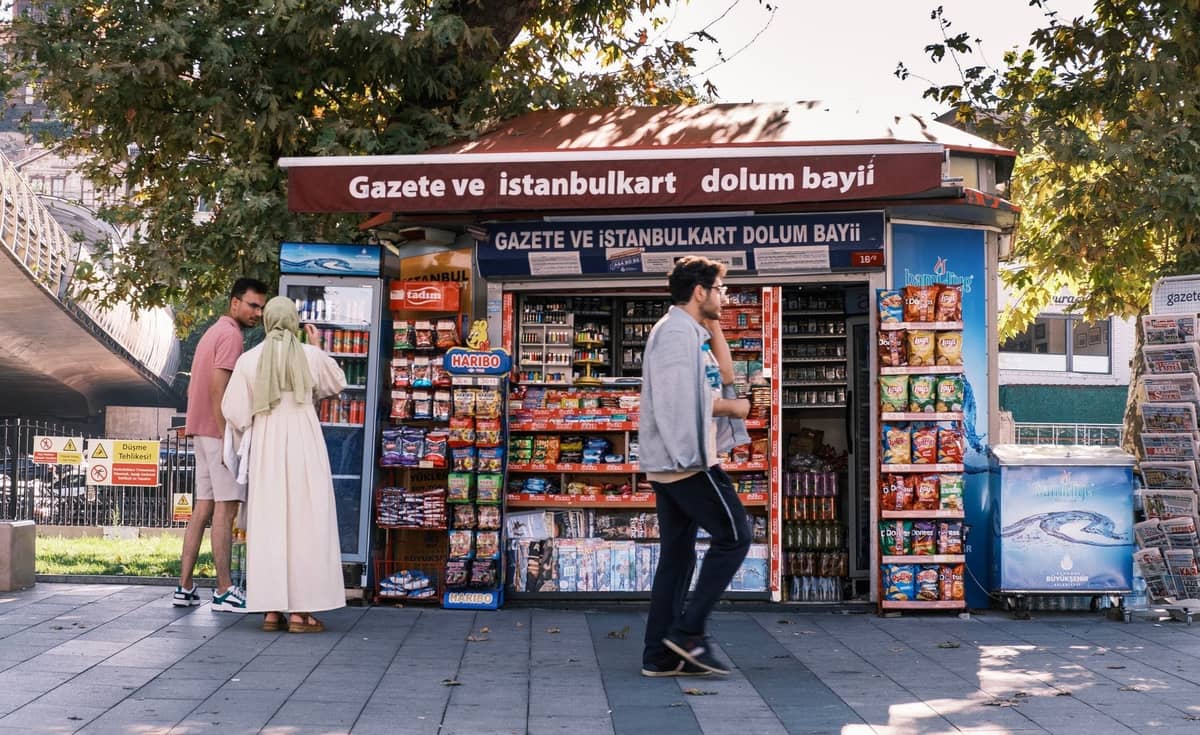
Before you plan any route, get an Istanbulkart. Before you plan any route, get an Istanbulkart. This contactless smart card is the backbone of Istanbul's public transport system. It works on the metro, tram, bus, Marmaray commuter rail, metrobus, city ferries, and funicular lines. Buying one at the airport or a major metro station is usually quick, and the difference in fare between using a card and buying individual tickets is significant enough to matter even on a short trip. and the difference in fare between using a card and buying individual tickets is significant enough to matter even on a short trip.
As of recent fare guides, a standard ride with Istanbulkart costs As of recent fare guides, a standard ride with Istanbulkart costs around 42 TL, while a single paper ticket for the same journey costs more. Bundles are available: roughly 60 TL for 1 ride, 110 TL for 2 rides, 170 TL for 3 rides, 250 TL for 5 rides, and 480 TL for 10 rides. These figures are subject to change given Turkey's inflation environment, so verify current prices before you travel. The card itself has a small deposit fee, which is refundable. The card itself has a small deposit fee, which is refundable.
⚠️ What to skip
İETT buses in Istanbul generally require an Istanbulkart in regular operation. If you board without one, you may not be able to pay. Pick up your card at the airport, at metro station vending machines, or at kiosks near major stops.
Metro, Tram & Rail: The Backbone of the Network
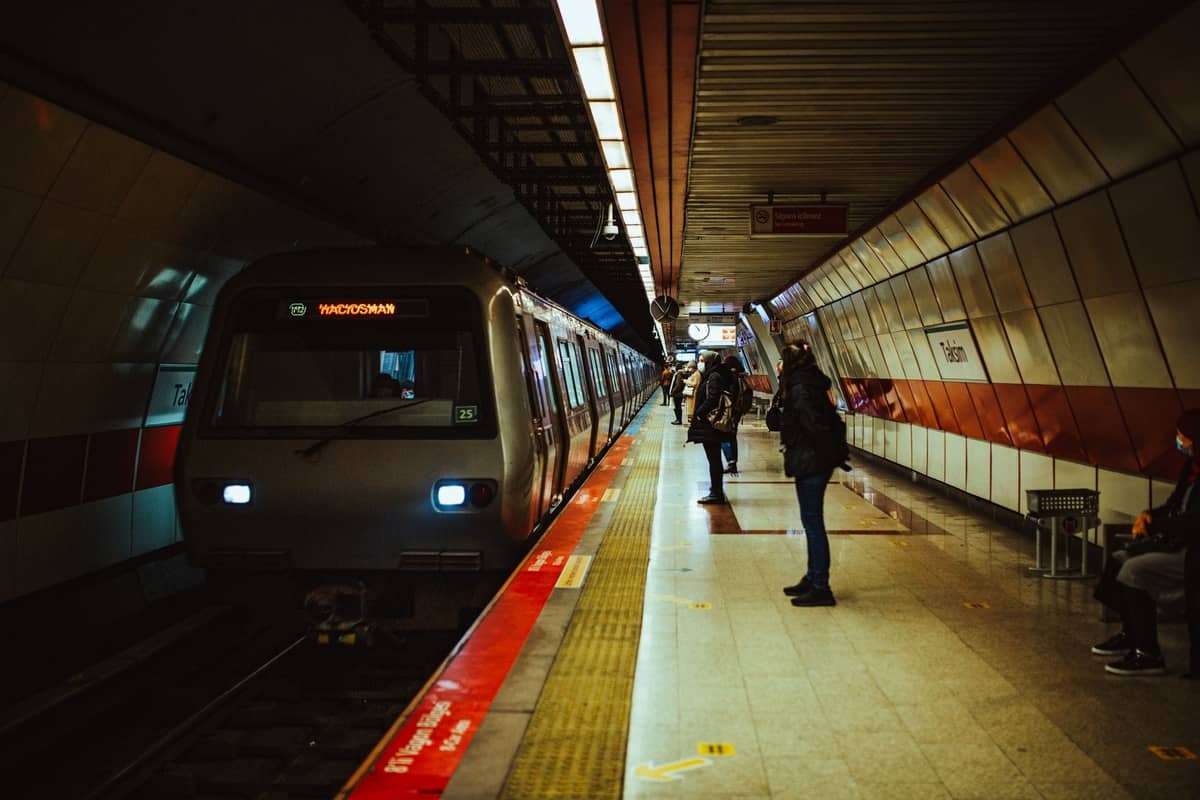
Istanbul's metro system (İstanbul Metrosu) has expanded rapidly and now covers both the European and Asian sides with multiple lines. The M1 runs from Yenikapı through Aksaray toward the airport area; the M2 connects Yenikapı to Hacıosman through Taksim; the M4 links Kadıköy on the Asian side all the way out to Sabiha Gökçen Airport. The M11 is the dedicated airport express connecting Istanbul Airport (IST) to Gayrettepe. Metro trains generally run from around 06:00 to midnight, with some variation by line and day.
For visitors staying in or around Sultanahmet or Beyoğlu, the T1 tram line is the single most useful route on the network. It runs from Kabataş (connecting to the Taksim funicular) along the waterfront through Karaköy, across the Galata Bridge, and down into the historic peninsula, stopping at Sultanahmet, Çemberlitaş, and Beyazıt (for the Grand Bazaar). This one line covers almost everything a first-time visitor needs.
- M11 Airport Express Connects Istanbul Airport (IST) to Gayrettepe on the M2 line. Journey time is around 35-45 minutes. Far cheaper than a taxi for mga solo traveler.
- T1 Tram Kabataş to Bağcılar via Sultanahmet. Essential for the historic peninsula. Runs frequently and gets crowded in summer afternoons.
- Marmaray Commuter rail tunnel under the Bosphorus. Connects Kazlıçeşme on the European side to Gebze on the Asian side, with a stop at Sirkeci. Fares vary by distance; the cap for non-personalized Istanbulkart is around 59.76 TL on longer journeys.
- M4 Metro (Asian Side) Runs from Kadıköy to Sabiha Gökçen Airport. Key for reaching the Asian side quickly from ferry terminals.
- Metrobus (BRT) Rapid bus running along the D100 highway from Beylikdüzü to Söğütlüçeşme. Fast for cross-city European-to-Asian travel, but confusing for first-timers and crowded at rush hour.
- Funiculars (F1 & F2) F1 connects Kabataş to Taksim Square (the underground funicular, about 90 seconds). F2 runs from Karaköy up to Beyoğlu. Both use the Istanbulkart.
💡 Local tip
Crossing between Europe and Asia by metro via a bridge (Metrobus or certain bus routes) Crossing between Europe and Asia by metrobus or certain bus routes may cost more than a standard single ride, depending on the line and distance. Taking the Marmaray tunnel or a Şehir Hatları ferry is usually cheaper and more direct for most tourist itineraries. Taking the Marmaray tunnel or a Şehir Hatları ferry is usually cheaper and more direct for most tourist itineraries.
Ferries: Fast, Cheap, and Genuinely Useful
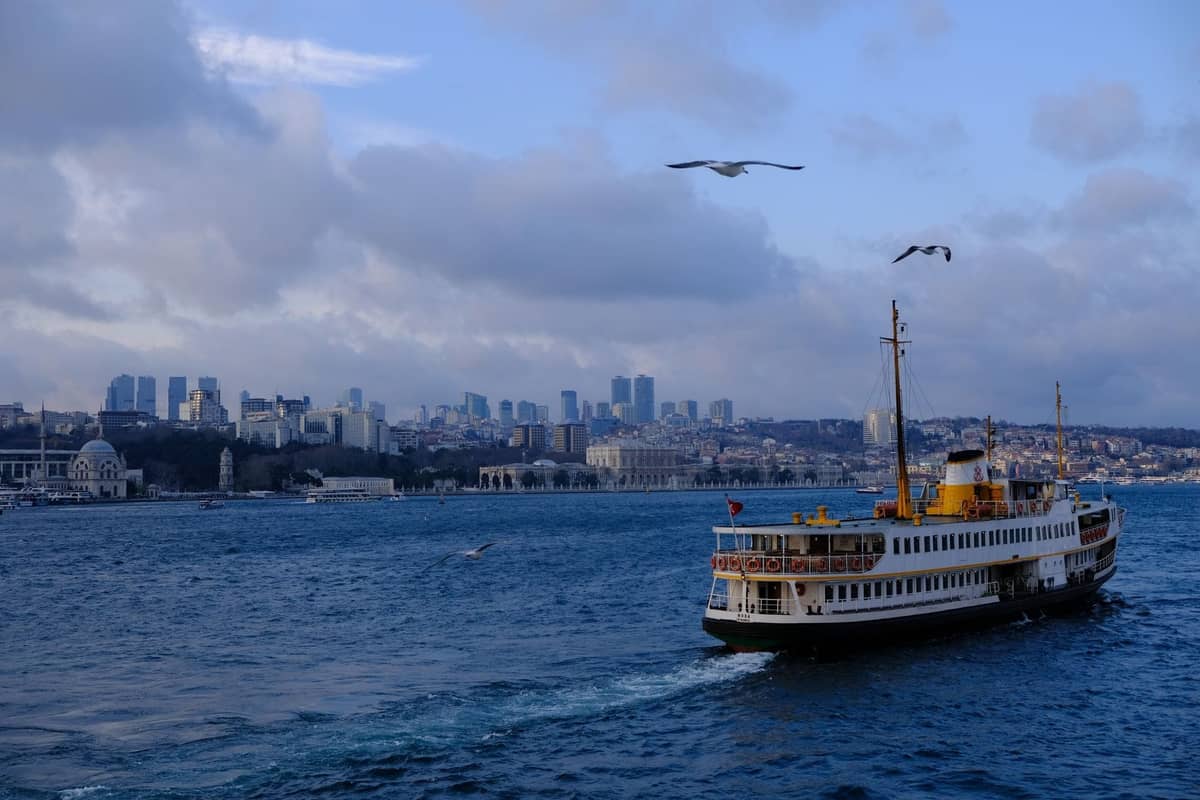
Istanbul's ferry network is one of its most underrated transport assets. Visitors often treat it as a scenic option, but locals use ferries for daily commutes precisely because they cut through traffic. Şehir Hatları operates the main city ferry routes, including Eminönü to Kadıköy, Beşiktaş to Üsküdar, and Kabataş to Bostancı. These routes run on regular schedules throughout the day, Istanbul's ferry network is one of its most underrated transport assets. Visitors often treat it as a scenic option, but locals use ferries for daily commutes precisely because they cut through traffic. Şehir Hatları operates the main city ferry routes, including Eminönü to Kadıköy, Beşiktaş to Üsküdar, and Kabataş to Bostancı. These routes run on regular schedules throughout the day, and city ferries are Istanbulkart-compatible.
For the classic Bosphorus crossing, the Eminönü to Kadıköy ferry takes around 20-25 minutes and costs the same as a metro ride with an Istanbulkart. Compare that to driving across the Bosphorus Bridge, which can take 45-90 minutes in traffic and costs extra. If you are planning to explore Kadıköy or Üsküdar from the European side, the ferry is almost always the better choice.
Private sea buses (IDO and Dentur Avrasya) supplement the city ferries and offer faster sea crossings to destinations like Yenikapı and Bostancı, though they cost more. For a dedicated look at Bosphorus travel, the Bosphorus cruise guide covers the full range of boat options, including public and private tour boats.
Getting from the Airports to the City
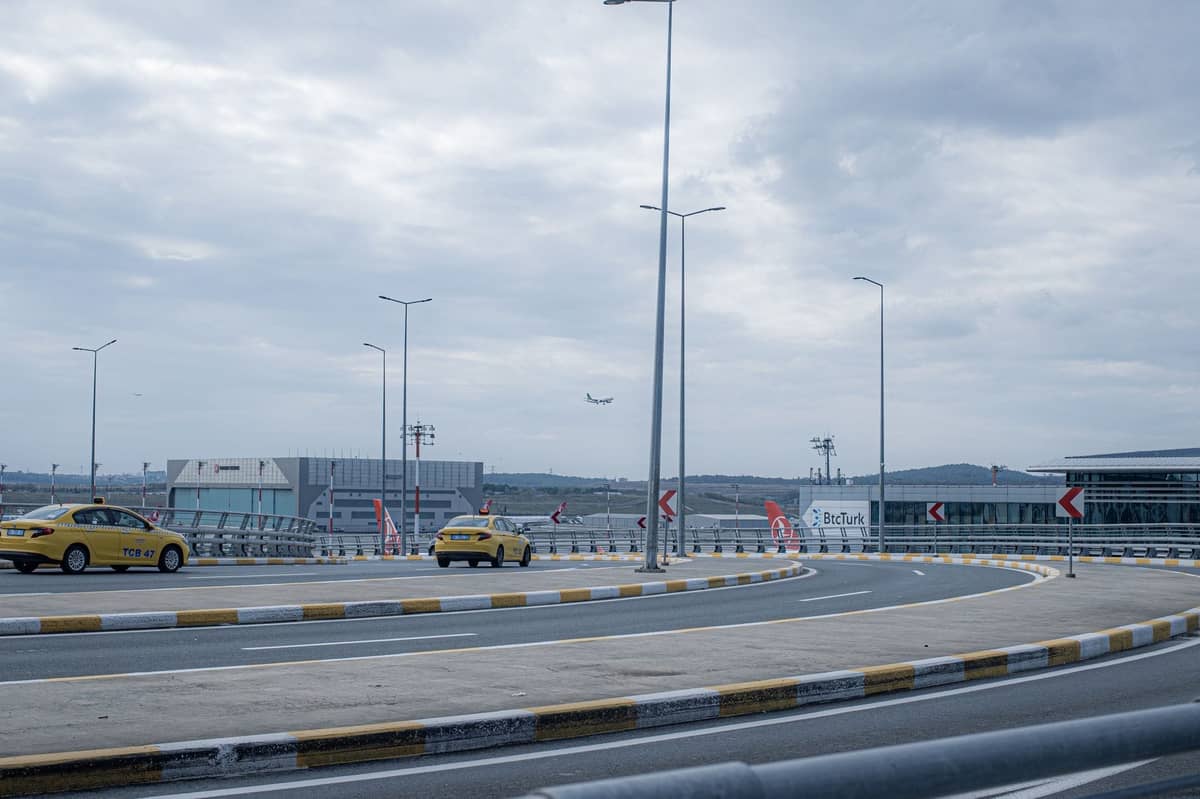
Istanbul has two international airports, and which one you land at significantly affects your transport strategy. Istanbul has two international airports, and which one you land at significantly affects your transport strategy. Istanbul Airport (IST) sits on the European side, roughly 35-45 km northwest of central districts like Taksim and Sultanahmet. Sabiha Gökçen (SAW) is on the Asian side, in Pendik district, about 40-50 km from the European center depending on your destination.
- From IST: Metro (M11) The M11 line runs directly from the airport to Gayrettepe, where you connect to the M2 for Taksim or Yenikapı. This is the best option for most travelers: predictable journey time, no traffic, Istanbulkart-compatible. Journey to Gayrettepe takes around 35-45 minutes.
- From IST: Havaist Airport Buses Havaist (HAVAİST) bus lines serve multiple destinations including Taksim, Sultahnamet, Kadıköy, and Beşiktaş. Useful if you have heavy luggage and want a direct connection. Frequency varies by route; check current schedules at the airport.
- From IST: Taxi Official yellow taxis are metered and available 24/7. The fare to Taksim or Sultanahmet can reach 500-800 TL or more depending on traffic, time of day, and route. Not the cheapest option, but practical for groups or late arrivals.
- From SAW: Metro (M4) The M4 line now connects Sabiha Gökçen directly to Kadıköy, from where you can take the Marmaray to the European side or a Şehir Hatları ferry. Journey from SAW to Kadıköy takes around 40-50 minutes by metro.
- From SAW: HAVABUS HAVABUS services run to Taksim and Kadıköy. These are slower than metro due to traffic but offer direct connections to specific neighborhoods.
- From SAW: Taxi Crossing from Sabiha Gökçen to the European side by taxi can take 60-90 minutes and cost considerably more than IST taxis, especially with bridge tolls. The metro option is strongly preferable for budget travelers.
✨ Pro tip
If you are arriving at Istanbul Airport (IST) late at night If you are arriving at Istanbul Airport (IST) late at night, confirm the last M11 departure time before you land. Havaist buses run later than the metro on some routes and can be a better fallback than paying peak taxi fares., confirm the last M11 departure time before you land. Havaist buses run later than the metro on some routes and can be a better fallback than paying peak taxi fares.
Taxis, Ride-Hailing & Getting Around Without a Transit Card
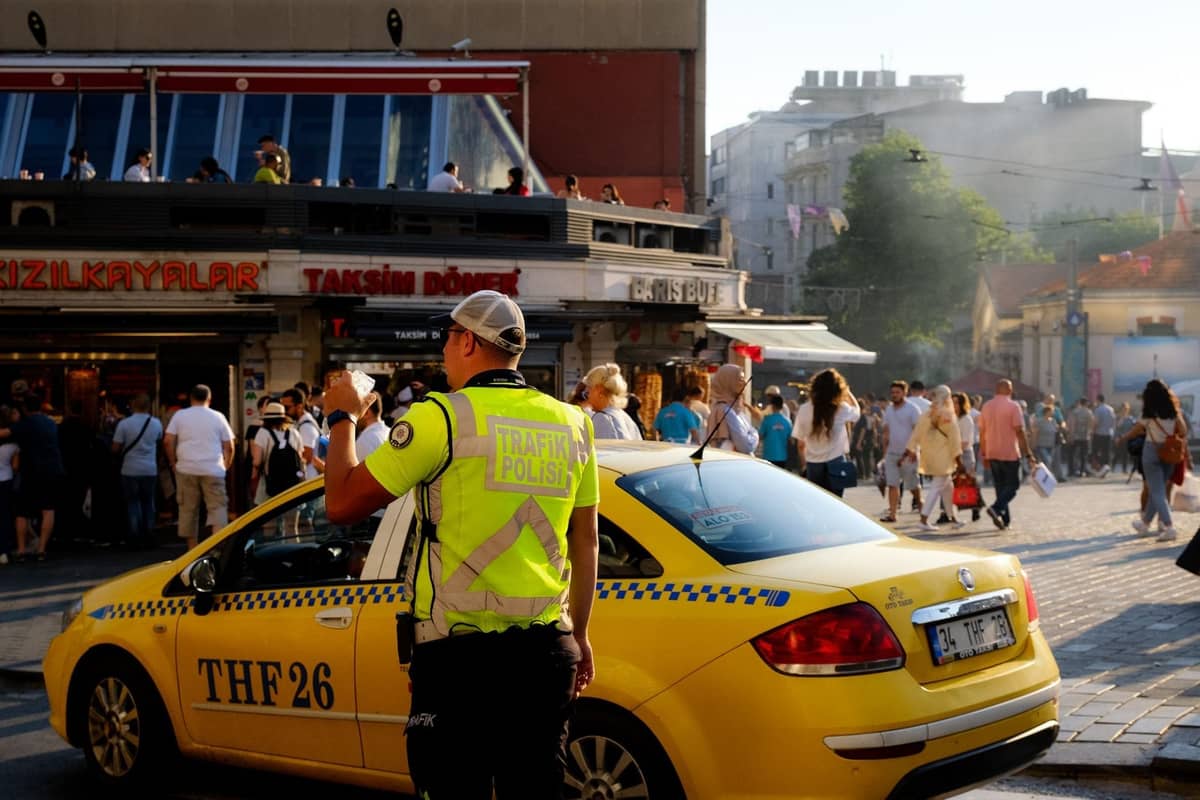
Istanbul's yellow taxis (sarı taksi) are metered and widely available. They are licensed, regulated, and generally reliable for short trips when public transport is inconvenient, such as late at night or when traveling with luggage between neighborhoods not well-served by rail. Fares are metered, starting with a flag-fall charge and a per-kilometer rate. Always ensure the meter is running when you get in.
For app-based rides, BiTaksi and iTaksi are the main local platforms and use licensed taxi drivers. Uber also operates in Istanbul, but works through licensed taxi fleets rather than private drivers following regulatory changes, so fares are similar to street taxis. For app-based rides, BiTaksi and iTaksi are the main local platforms and use licensed taxi drivers. Uber also operates in Istanbul, but works through licensed taxi fleets rather than private drivers following regulatory changes, so fares are similar to street taxis. The advantage of apps is price transparency before you confirm the ride, which can reduce the risk of dispute over routes or fares. This matters on longer trips such as airport transfers. This matters on longer trips such as airport transfers.
⚠️ What to skip
Tourist-targeted overcharging does happen in Istanbul's taxi industry, particularly around Sultanahmet, Taksim, and the airports. Always confirm the meter is on, or use a ride-hailing app to lock in a price upfront. Sharing the app-displayed route on your phone screen is also a reasonable safeguard.
Practical Tips for Moving Around the City
Istanbul is large and its topography is hilly, which affects walking distances significantly. On the Sultanahmet peninsula, the major monuments are within walking distance of each other, but the hills between the waterfront and the upper streets are steep. Comfortable shoes are not optional. If you are combining the historic peninsula with Karaköy-Galata or Beyoğlu in one day, use the T1 tram and the Tünel funicular rather than walking the full distance uphill.
Rush hours run roughly 07:30-09:30 and 17:00-19:30 on weekdays. During these windows, metro and bus services are packed, and road traffic slows significantly across all bridges and tunnels. If your sightseeing schedule is flexible, shifting popular crossings or connections outside these windows makes the experience noticeably easier. Check the 3-day Istanbul itinerary for a route structure that works with the city's traffic rhythms rather than against them.
Most services run from around 06:00 to midnight. Night buses (labeled with an 'N' prefix on some routes) continue after midnight on selected corridors, but frequency drops sharply. If you are planning a late night out in Beyoğlu or Kadıköy, either budget for a taxi home or confirm your night bus route in advance at iett.istanbul.
- Load at least 200 TL onto your Istanbulkart when you first buy it if you want to avoid topping up repeatedly during a short trip. to avoid topping up repeatedly during a short trip.
- Use Google Maps or Moovit for real-time transit directions. Both apps handle Istanbul's multi-modal network well and show ferry departure times.
- Ferry terminals (iskelesi) are sometimes a short walk from metro stations. Budget this time into connections. Budget this time into connections.
- Istanbulkart can be shared between travelers: one person can tap for a companion on most turnstiles within a short time window, though rules vary by mode.
- Keep small change (coins) for a street simit or tea while waiting at a ferry terminal. This is not related to transport costs, but it is part of how locals use the pause between connections.
For visitors planning to cover a lot of ground across multiple days, understanding the district structure helps. The European side holds most major tourist sites: the historic peninsula (Fatih district), Beyoğlu, Beşiktaş and Ortaköy, and the neighborhoods further north. The Asian side offers a different pace, centered on Kadıköy and Üsküdar. A day on the Asian side is worth planning separately rather than trying to cross back and forth multiple times in one day.
FAQ
What is the easiest way to get around Istanbul as a tourist?
The T1 tram plus the Istanbulkart covers most tourist needs on the European side. For Bosphorus crossings, The T1 tram plus the Istanbulkart covers most tourist needs on the European side. For Bosphorus crossings, the Şehir Hatları ferries from Eminönü or Beşiktaş are among the fastest and cheapest options. Get an Istanbulkart on arrival and use Google Maps or Moovit to plan specific routes. Get an Istanbulkart on arrival and use Google Maps or Moovit to plan specific routes.
How do I get from Istanbul Airport (IST) to Taksim or Sultanahmet?
Take the M11 metro from the airport to Gayrettepe, then switch to the M2 line toward Taksim (one stop) or continue to Yenikapı for Sultanahmet. Journey time is roughly 45-60 minutes depending on connections. Havaist airport buses also serve both areas but are slower in traffic.
Can I use cash on Istanbul public transport?
No. İETT buses are Istanbulkart-only and do not accept cash in regular operation. Metro and tram turnstiles also require an Istanbulkart or a contactless bank card on some newer gates. Single-use tokens (jeton) exist for the metro but cost more than using a card. Always have an Istanbulkart loaded and ready.
How much does a ferry ride across the Bosphorus cost?
City ferries operated by Şehir Hatları cost the same as a standard public transport ride when paying with an Istanbulkart, around 35 TL as of recent guides (verify current fares before travel, as prices change frequently). This makes the ferry one of the best-value crossings available.
Is it safe to take taxis in Istanbul?
Licensed yellow taxis are generally safe, but overcharging and long routes are common complaints, especially near tourist areas and airports. Using a ride-hailing app like BiTaksi or iTaksi gives you an upfront fare estimate and a route record, which significantly reduces the chance of dispute. Always confirm the meter is running if you take a street taxi.