Istanbul Weather: A Month-by-Month Climate Guide for Smart Travelers
Istanbul's climate surprises most first-time visitors. Winters are cold and wet, summers are warm but rarely scorching, and the best windows for sightseeing are narrower than you'd expect. This guide breaks down every month so you can pack right, plan better, and avoid the most common weather-related mistakes.
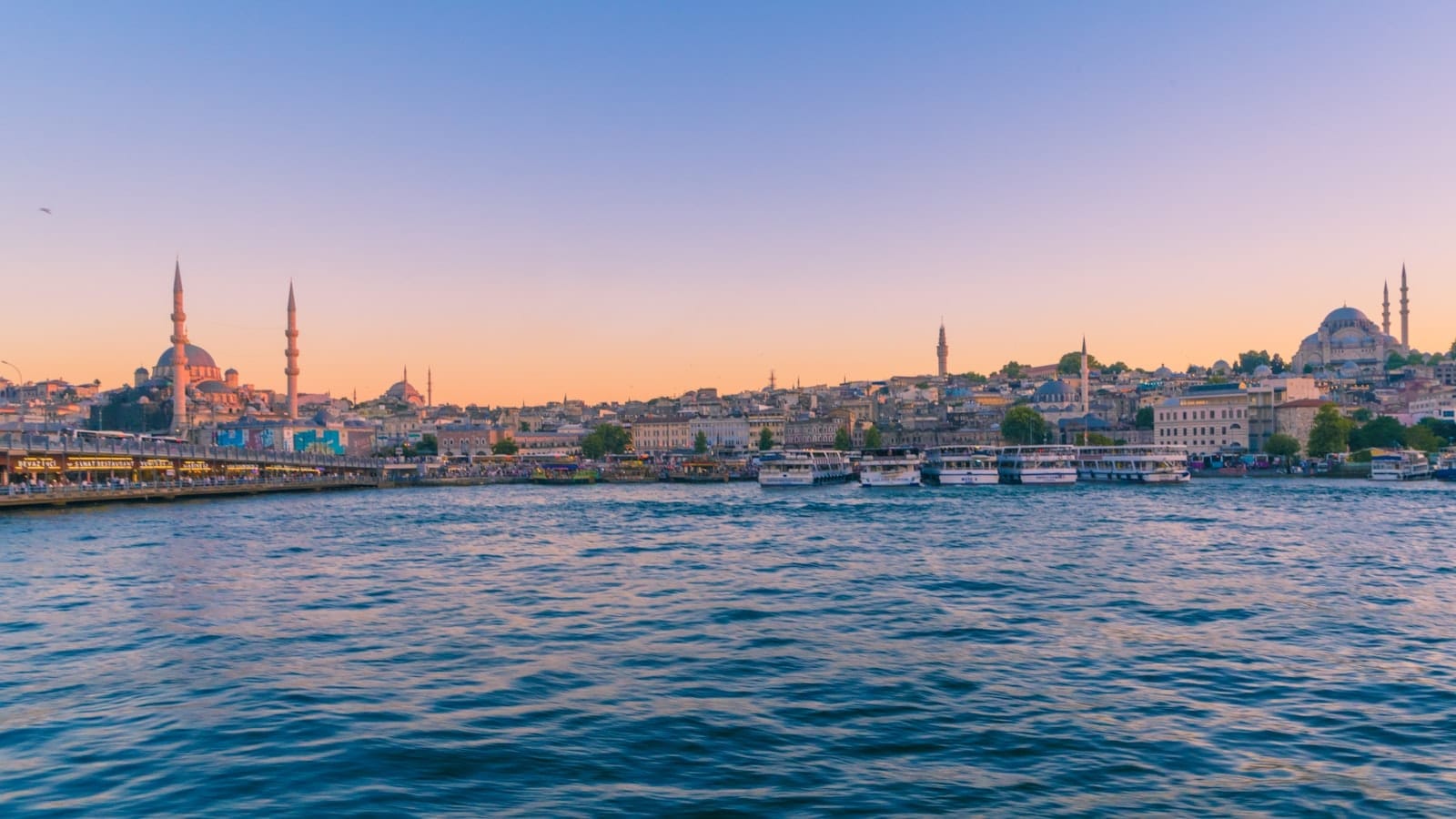
Plan and book this trip
Tools from our partner Travelpayouts help you compare flights and hotels. If you book through them, we may earn a commission at no extra cost to you.
Flights
Hotels map
TL;DR
- Istanbul has a temperate, transitional climate between oceanic and Mediterranean: cool, wet winters (3–11°C) and warm, moderately dry summers (average August highs around 26–28°C).
- The best months for sightseeing are May, June, September, and October — mild temperatures, manageable crowds, and fewer rainy days.
- December through February brings genuine cold, frequent rain, and occasional snow — not ideal for outdoor exploration, but great for Istanbul in winter if you prefer quiet museums and low hotel rates.
- Annual rainfall is around 728 mm, spread fairly evenly but concentrated in late autumn and winter — pack a light rain jacket regardless of season.
- For a deep dive into timing your trip around events, prices, and crowds, see the best time to visit Istanbul guide.
Understanding Istanbul's Climate: The Basics
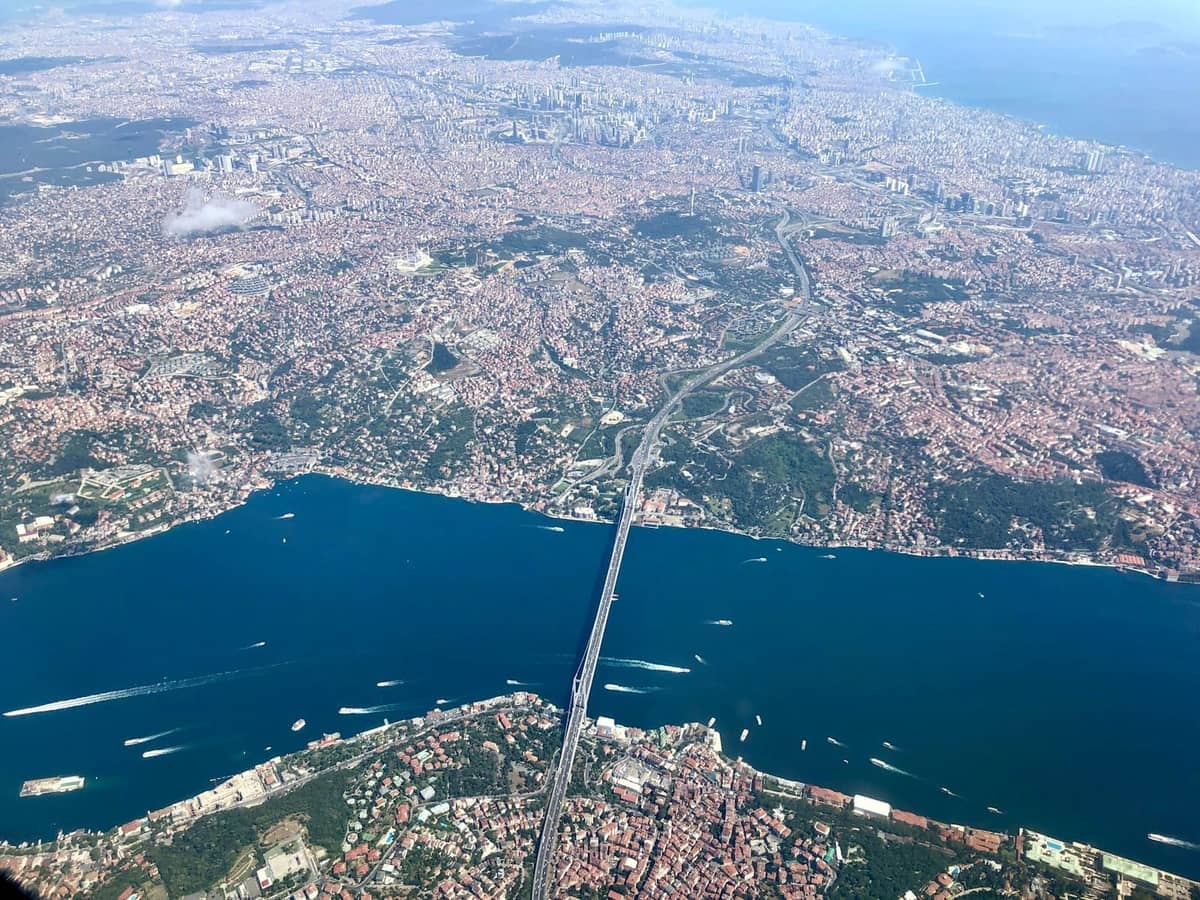
Istanbul sits at roughly 41°N latitude, straddling Europe and Asia across the Bosphorus Strait. Its climate sits at an interesting crossroads: often described as a temperate transitional climate between Mediterranean and oceanic, it behaves more like an oceanic city in winter and a proper Mediterranean one in summer. The Black Sea to the north is responsible for occasional heavy snowfalls, while the Sea of Marmara to the south moderates temperature extremes. The result is a city that is distinctly four-seasoned — each period with a distinct character, not just a slight variation on one mode.
The long-term annual mean temperature sits around 14–15°C (57–59°F). The coldest month is typically February, averaging around 5–6°C (41–43°F), while August is the warmest at roughly 23–24°C (73–75°F). Annual rainfall is approximately 728 mm — notably higher than cities like Athens or Rome, though lower than London. The wettest months are January and December, when overcast skies and persistent drizzle are the norm rather than the exception.
ℹ️ Good to know
Turkey operates on Turkey Time (TRT), which is UTC+3 year-round. Turkey does not observe daylight saving time, so the time difference with Western Europe changes seasonally — keep this in mind when checking live weather forecasts from international apps.
Month-by-Month Breakdown: What to Actually Expect
- January The coldest and one of the wettest months. Average highs around 8–9°C, lows near 3–4°C. Rain is frequent — expect around 100 mm of precipitation. Snowfall is possible but not guaranteed every year. Menschenmengen are minimal and hotel prices are at their lowest.
- February Statistically the coldest month. Similar to January in terms of rainfall and temperature. The cold is damp and penetrating rather than crisp. A good month for indoor attractions like the Topkapı Palace or the Basilica Cistern.
- March The city starts to shake off winter, but slowly. Average highs climb to around 12°C by mid-month. Rain remains frequent. Some years see a warm March; others are stubbornly grey. Pack layers and expect variability.
- April One of the best months to visit. Highs reach 16–18°C, rain eases off noticeably, and the Tulip Festival in Emirgan Park draws locals out in large numbers. Menschenmengen build but have not hit peak summer levels.
- May Arguably the single best month for weather. Highs around 21–22°C, plenty of sunshine, low humidity, and comfortable evenings. Ideal for long days of walking between historic sites.
- June Still excellent. Highs push toward 26°C by end of month. Humidity begins to climb slightly. Early June is nearly as pleasant as May; late June starts to feel more summery.
- July Peak summer. Average highs around 28–29°C. Humidity is noticeable but not tropical. Tourist crowds reach their maximum. Outdoor sightseeing between 11am and 4pm can be tiring. Early mornings at major sites are strongly advisable.
- August The hottest month, with highs occasionally exceeding 32–33°C. Sea temperatures in the Marmara region peak around 22°C — the best month for swimming. The city is at its most crowded and expensive.
- September A turning point. Temperatures remain warm (highs around 24–25°C early in the month) but humidity drops and crowds thin. By late September the light is golden and evenings are pleasant. One of the two best months for visiting.
- October Ideal for sightseeing. Highs around 18–20°C, low rainfall, and noticeably fewer tourists than summer. Occasional rain returns toward the end of the month. A reliable choice for first-time visitors who want good weather without the midsummer crush.
- November Autumn winds down quickly. Highs drop to around 13–14°C and rainfall picks up substantially. November can feel like a preview of winter by its second half. Not the worst time to visit, but the weather margin starts to narrow.
- December Full winter. Average highs around 8–10°C, frequent rain, and overcast skies. Occasional snow, especially in late December or early January. Festive atmosphere around New Year; hotel rates climb briefly then drop again.
Seasonal Sightseeing: How Weather Shapes the Experience
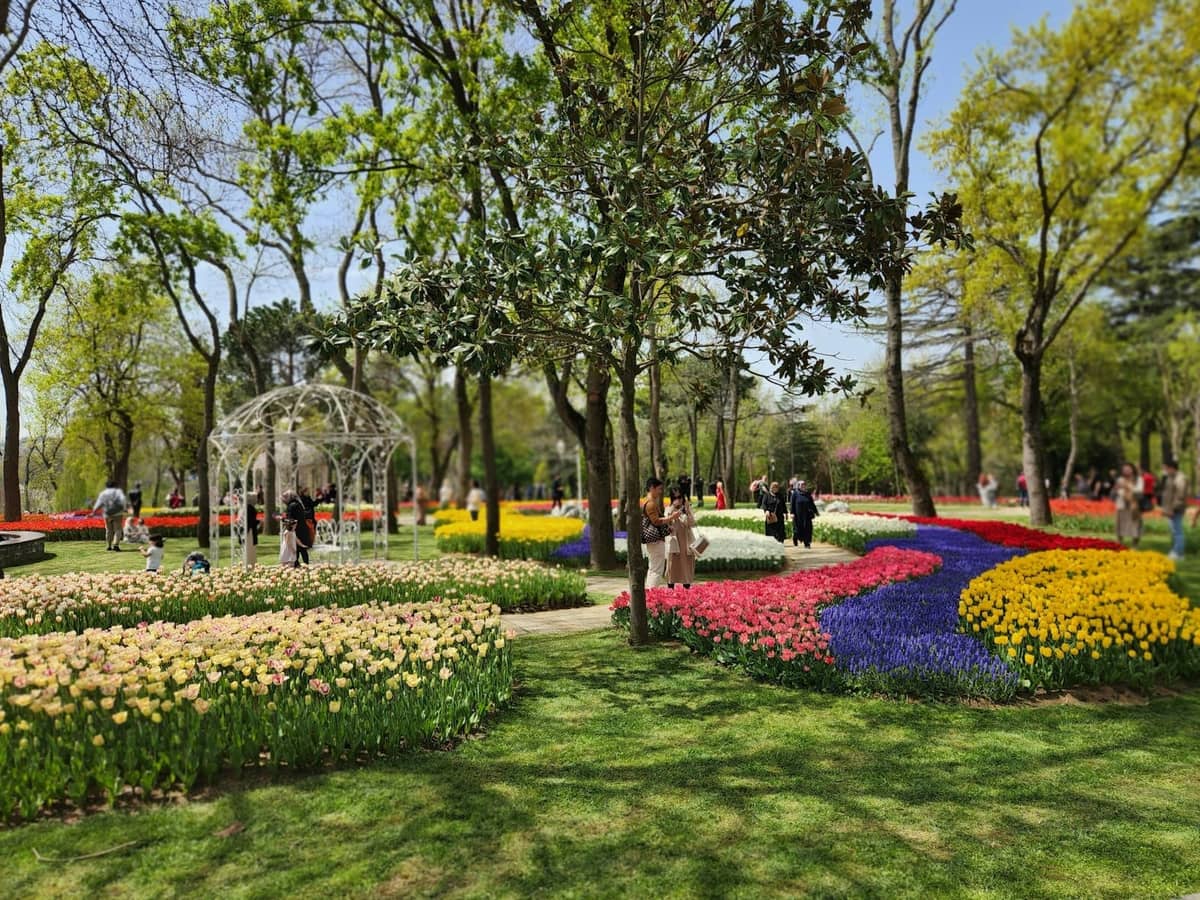
Spring (April to June) is the window most experienced Istanbul travelers book around. The Emirgan Park tulip displays in April are spectacular and worth timing a trip around. Temperatures in May are ideal for the long walking routes needed to cover the historic peninsula — you can comfortably do 20,000+ steps a day without overheating. The main caveat: April can still deliver grey, drizzly days, especially in the first two weeks.
Summer brings real heat to the outdoor queues at Hagia Sophia and Topkapı Palace. Arriving at opening time (typically 9am) makes a substantial difference in comfort. The Bosphorus breeze helps on exposed waterfront areas, but the enclosed streets of the Grand Bazaar area can feel stifling on a 30°C day. Summer is also when Istanbul's rooftop bars, ferry routes, and outdoor meyhanes come into their own — the city earns its warm-season reputation in the evenings, even when midday is challenging.
Autumn, particularly September and October, is the season most often overlooked by first-time visitors. The light is softer, the queues shorter, and accommodation rates begin to drop from their August peak. A Bosphorus cruise in October, with the hills on both sides turning gold, is a markedly different experience from the same trip in July surrounded by 400 tourists.
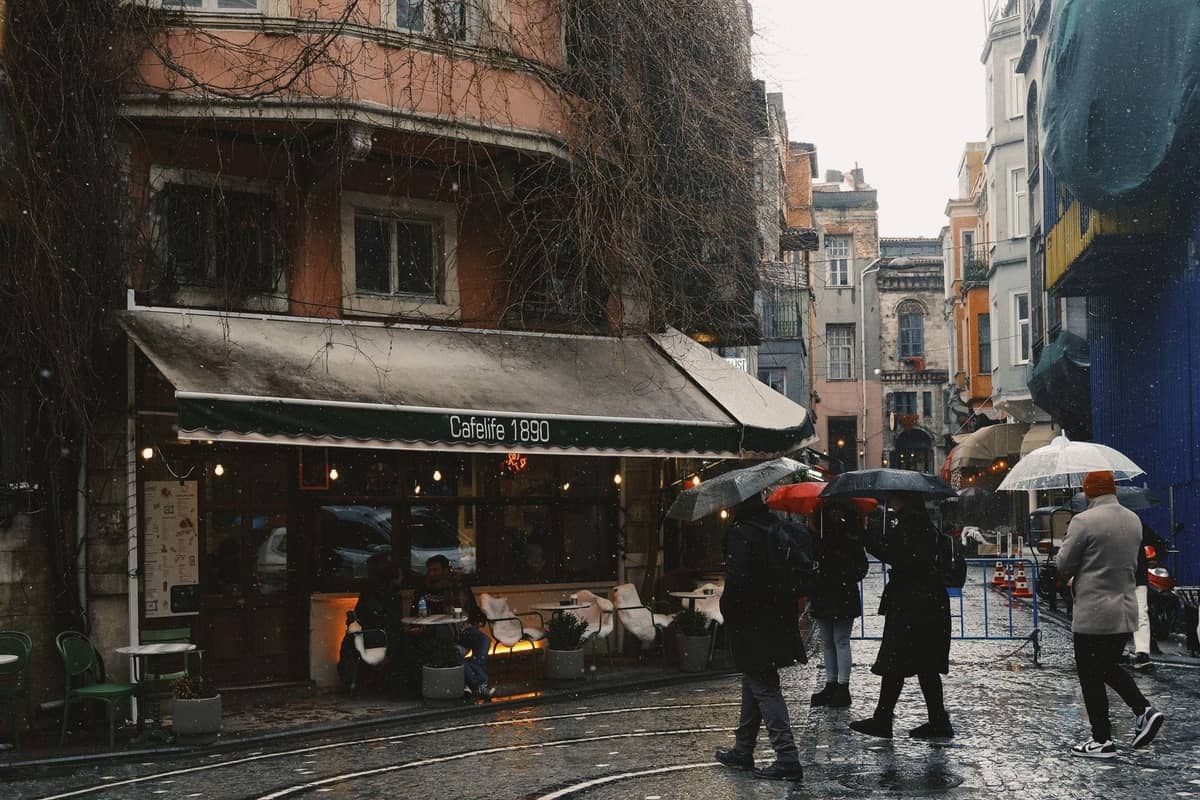
Winter is cold and often wet. This is not a selling point for outdoor sightseeing, but Istanbul in winter has its own appeal: Hagia Sophia without a 45-minute queue, the Basilica Cistern in near-silence, and a city that feels lived-in rather than performed for tourists. Snow on the minarets, when it happens, makes for extraordinary photographs.
⚠️ What to skip
Istanbul can receive significant snowfall in January or February due to cold air masses from the Black Sea. When snow hits, the city's hilly terrain causes transport disruption — trams and buses slow or stop, and the cobbled streets in Sultanahmet and Beyoğlu become dangerously slippery. If you're visiting in winter, budget extra time for getting around and keep indoor alternatives ready.
Rainfall, Sunshine, and What to Pack by Season
Istanbul's annual rainfall of roughly 728 mm is distributed across the year with a clear bias toward the cooler months. December and January are typically the wettest, each often recording around 80–110 mm of precipitation. July and August drop to around 20–35 mm — still enough for the occasional short thunderstorm, but considerably drier than the rest of the year. Summer sunshine hours are considerably higher than those of most Western European cities at a similar latitude, which partly explains the city's sunburnt, Mediterranean feel during July and August despite the moderate temperatures.
- Spring (April–June): Light rain jacket, layers for cool mornings, comfortable walking shoes. Sunscreen for May and June.
- Summer (July–August): Breathable clothing, sun hat, high-SPF sunscreen. A compact umbrella for the occasional afternoon storm.
- Autumn (September–October): Layers are essential by October. A waterproof jacket for late October onward.
- Winter (December–February): A proper warm coat, waterproof boots, and gloves. Istanbul's cold is damp, which makes it feel colder than the temperature suggests.
✨ Pro tip
Whatever month you visit, carry a compact folding umbrella in your bag. Istanbul's weather can shift within hours, and getting caught in a downpour in the Grand Bazaar area means navigating crowds to find shelter. A small umbrella weighing 200g eliminates the problem entirely.
Key Weather Windows for Specific Activities
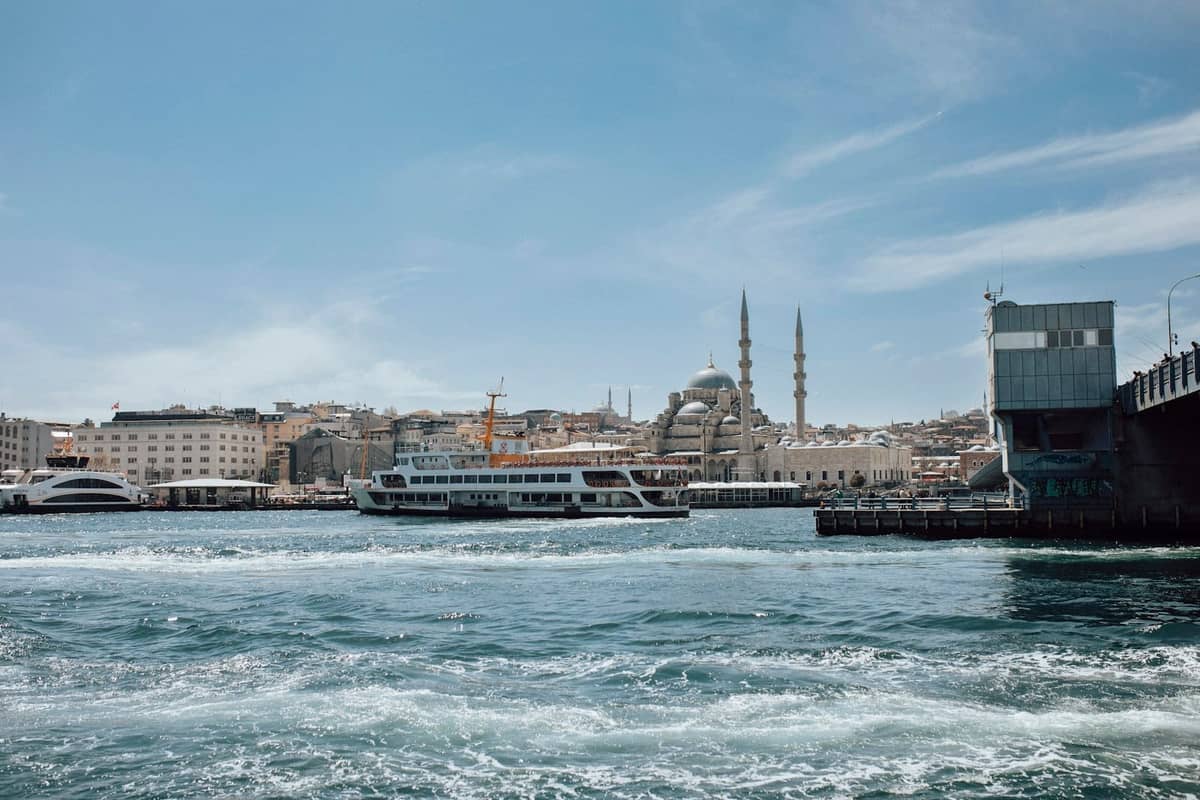
The weather window matters more for some activities than others. If the Istanbul Tulip Festival is on your list, you need to be there in mid-to-late April — the blooms are weather-dependent and may peak earlier or later by a week depending on the year. If you want a Bosphorus cruise with clear visibility and calm water, May through September gives you the most reliable conditions.
For day trips out of the city, weather considerations extend further. The Princes' Islands are pleasant from May through October but feel bleak and cold in winter when most facilities close. The forests near Belgrad Forest are at their best in spring and autumn when temperatures make walking comfortable. Coastal areas like Kilyos on the Black Sea are only practical for swimming between June and September.
For indoor-heavy itineraries focused on Istanbul's museum circuit — Topkapı Palace, the Archaeology Museums, the Pera Museum — January and February are actually workable if you don't mind the cold commutes between sites. The Istanbul Museum Pass makes this kind of concentrated indoor itinerary highly cost-effective regardless of season.
Common Misconceptions About Istanbul Weather
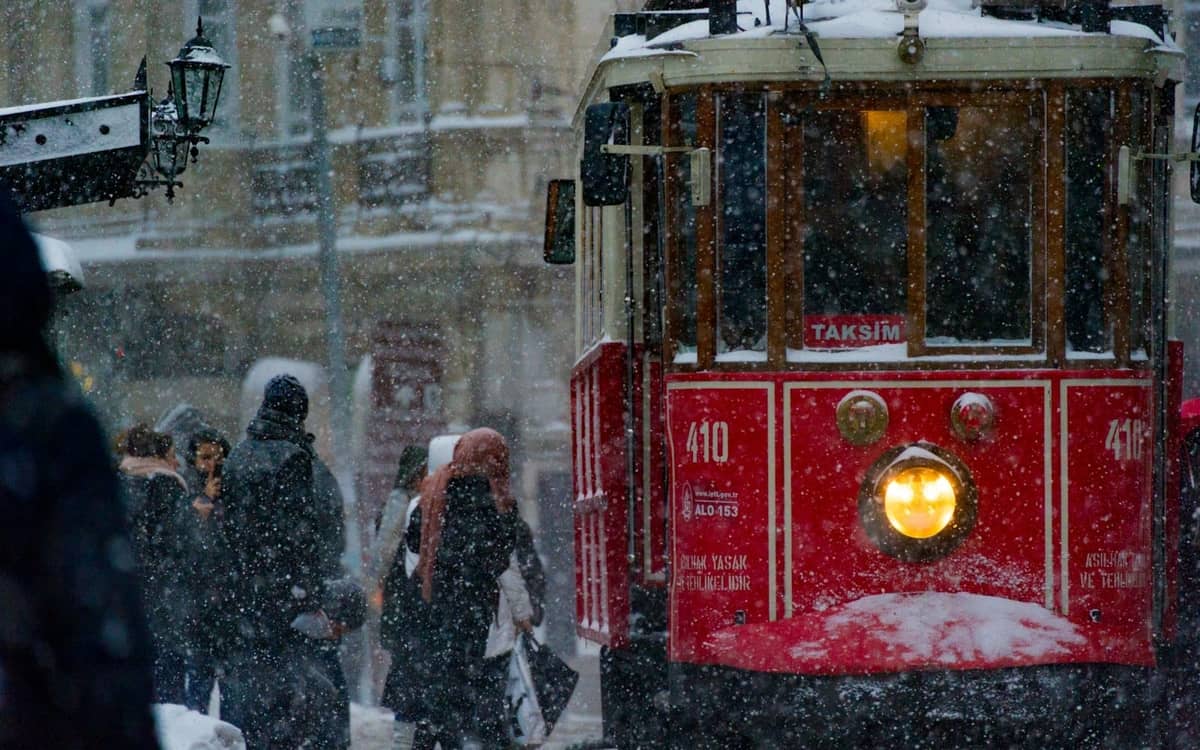
The most persistent myth is that Istanbul is always hot. In reality, temperatures regularly drop near or below freezing in January and February, and the damp sea air makes it feel colder than a dry-cold city like Ankara or Budapest at the same temperature. Snow falls most winters, sometimes heavily enough to cause disruption. Visitors who pack for "Turkey in winter" expecting Mediterranean warmth will be cold.
The opposite misconception is that summers are unbearably scorching. Istanbul is actually sheltered from the extreme heat that affects inland Turkey. The typical summer maximum hovers around 28–30°C, and temperatures above about 35°C are notable enough to make local news. The humidity is more of an issue than raw heat — it can make 28°C feel heavier than a drier 32°C elsewhere. By comparison, Ankara, Konya, or Antalya regularly push well past 35°C in July and August.
A third misconception: that the Asian and European sides of Istanbul have the same weather. In practice, they are very similar, but the Asian side sits slightly more sheltered from the prevailing northerly winds off the Black Sea, occasionally making Kadıköy or Üsküdar a degree or two warmer on cold days. This is a minor difference but worth knowing if you're planning a walking itinerary in January.
FAQ
What is the weather like in Istanbul in December?
Istanbul in December is cold and frequently wet. Average highs are around 9–10°C (48–50°F), with lows dropping to 4–5°C (39–41°F). Rainfall is common, and overcast days outnumber sunny ones. Snow is possible but not typical in December — it tends to come more often in January and February. It is not the most comfortable time for outdoor sightseeing, but crowds are thin, hotel prices are low (except around New Year's Eve), and indoor attractions like Topkapı Palace and the Basilica Cistern are easy to enjoy without queuing.
What is Istanbul weather like in October?
October is one of the best months to visit Istanbul. Early October still delivers warm, settled weather with highs around 20–22°C (68–72°F). By late October, temperatures drop noticeably to around 16–17°C and rainfall increases. The first two to three weeks of October offer an excellent combination of comfortable temperatures, reduced crowds compared to summer, and lower hotel prices. Carry a light jacket and be ready for occasional showers, especially in the second half of the month.
Does Istanbul get snow in winter?
Yes, Istanbul does receive snow, most commonly in January and February. Snowfall is influenced by cold air masses from the Black Sea and happens most winters, though the amount varies significantly from year to year. Some winters bring only a light dusting that melts within a day; others see proper accumulation that disrupts transport. The city's hilly terrain makes movement difficult when snow falls, so build flexibility into your plans if visiting in mid-winter.
What is the weather in Istanbul in April?
April in Istanbul is transitional. Early April can still be grey and cool, with highs around 14–15°C and a real chance of rain. By mid-to-late April, conditions improve noticeably: highs reach 17–19°C, sunshine becomes more reliable, and the city's parks fill with tulips for the annual Tulip Festival. A waterproof layer is still advisable throughout April, but it is a genuinely pleasant month overall and one of the best for visiting.
When is the best time to visit Istanbul for good weather?
May and early June, and then September and October, are the most consistently reliable windows for good weather. May offers the best balance of warm temperatures (highs around 21–22°C), low rainfall, and manageable tourist numbers. September is the best autumn option — warm enough for outdoor activities, significantly quieter than July and August, and with noticeably lower accommodation prices. If you have to pick a single month, May edges ahead for overall comfort and conditions.