Belgrad Forest: Istanbul's Great Outdoor Escape
Belgrad Forest (Belgrad Ormanı) is a 5,442-hectare forested reserve on Istanbul's European side, about 20 km north of the city center. Once an Ottoman hunting ground and water source, it now serves as the city's primary green lung, offering walking trails, picnic areas, and centuries-old dams.
Quick Facts
- Location
- Sarıyer / Eyüpsultan districts, European side, ~20 km north of central Istanbul
- Getting There
- M2 metro to Hacıosman, then bus, dolmuş, or taxi toward Belgrad Ormanı
- Time Needed
- 2–5 hours depending on activity
- Cost
- Free on foot; vehicle entry/parking fees apply (verify current TRY amounts locally)
- Best for
- Hikers, families with children, cyclists, runners, and anyone needing a break from the city
What Is Belgrad Forest?
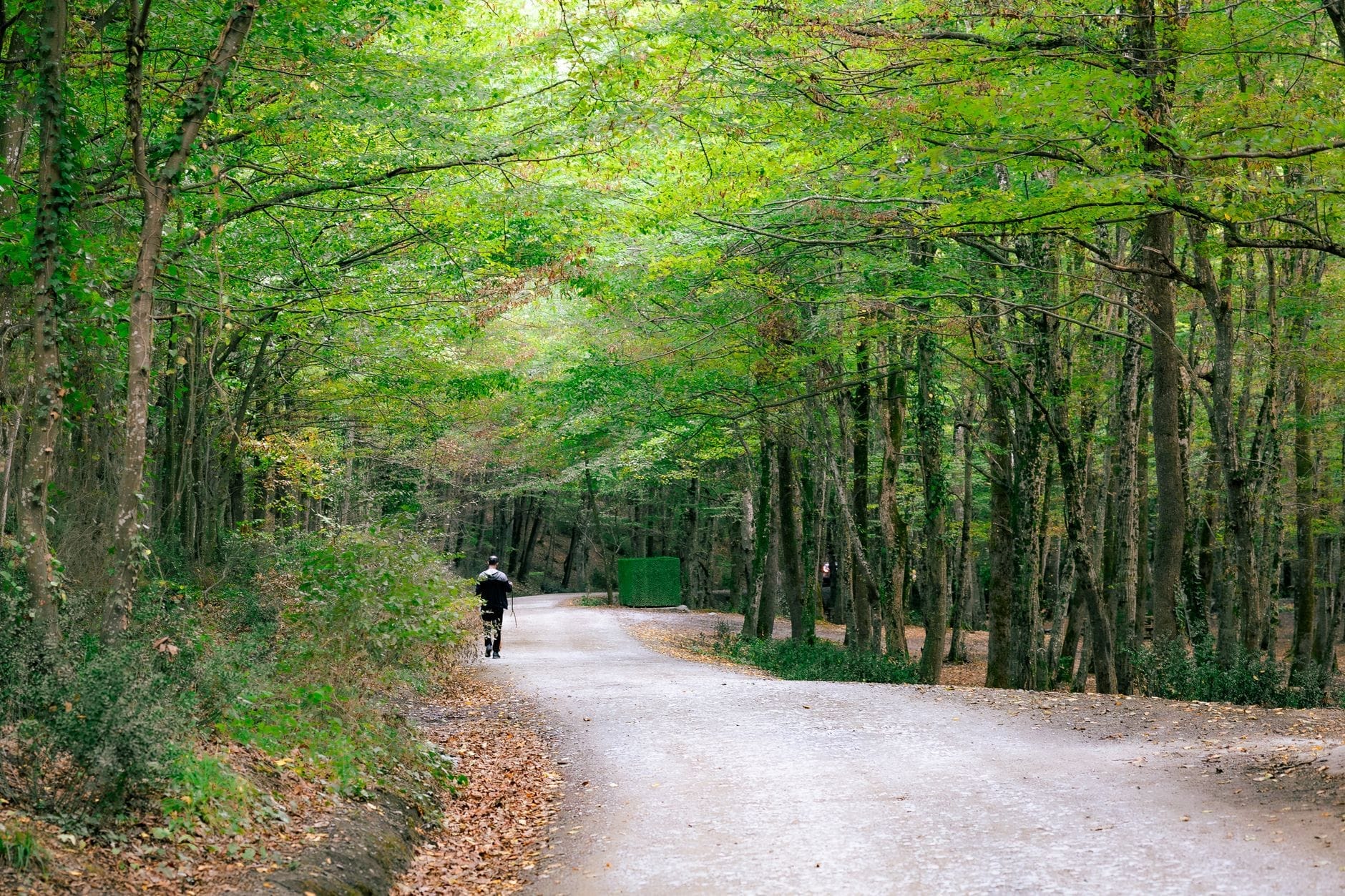
Belgrad Forest, known in Turkish as Belgrad Ormanı, is the largest forested area in and immediately around Istanbul, covering roughly 5,442 hectares of mixed woodland on the city's European side. That is approximately 13,600 acres of oak, hornbeam, beech, and pine, sitting less than an hour by road from Taksim Square. For a city of nearly 16 million people, having intact forest this close to the center is genuinely unusual.
The forest is not a manicured park. Paved jogging and cycling tracks run through several sections, and designated picnic zones with facilities make family visits comfortable, but much of the terrain is natural woodland with uneven, rooted ground. If you come expecting a tidy city garden, you will be surprised. If you come expecting a working forest with fresh air, birdsong, and a sense of actual distance from the city, you will find exactly that.
ℹ️ Good to know
Entry on foot is free. If you drive, vehicle entry and parking fees apply at certain gates. Fee amounts in Turkish lira change periodically, so check current rates locally before arriving by car.
Ottoman Origins: Why This Forest Has a Serbian Name
The name is not coincidental. After Sultan Suleiman the Magnificent conquered Belgrade in 1521, he relocated a group of Serbian settlers to this forested area north of Istanbul. They established a village here, which became known as Belgrad Köyü. That village is long gone, but the name endured, and so did the forest's significance to the city.
Throughout the Ottoman period, the forest served two essential functions: as a hunting reserve for the imperial court, and as the primary source of timber and fresh water for Istanbul. The water infrastructure built here is still visible and remarkably well-preserved. The Kırkçeşme system, constructed in the 16th century under the direction of the imperial architect Mimar Sinan, carried water from forest springs and reservoirs south into the city through a network of aqueducts and dams. A later 18th-century system, the Taksim water network, added more capacity.
Walking the forest today means walking past these structures. Several Ottoman dams, including Büyük Bent (the Great Dam) and Ayvat Bendi, still stand in various states of preservation. They are not roped off behind glass. You can approach them, touch the stonework, and appreciate the scale. For anyone following Istanbul's broader Ottoman history, a visit to Süleymaniye Mosque in the city center and then spending the following morning at these dams gives a tangible sense of the empire's engineering ambition across a single day.
Tickets & tours
Hand-picked options from our booking partner. Prices are indicative; availability and final rates are confirmed when you complete your booking.
Bosphorus sunset cruise on luxury yacht with guide
From 55 €Free cancellationIstanbul and Bosphorus cruise on private boat - half day afternoon tour
From 40 €Instant confirmationFree cancellationWhirling Dervishes live show and exhibition
From 29 €Instant confirmationBasilica Cistern fast-track entry ticket and optional audio guide
From 34 €Instant confirmation
The Experience at Different Times of Day
Arrive early on a weekday and the forest feels almost private. By 7 or 8 a.m., you will encounter runners on the paved tracks, a few dog walkers, and the steady sound of wood pigeons and tits moving through the canopy. The air carries the smell of damp soil and pine resin, notably different from the exhaust and salt air of central Istanbul. Light filters through the tree cover in long, thin bands early in the morning.
Midday on a summer weekend is a different situation entirely. Istanbul families come here in large numbers, especially to the Neşet Suyu and Mehmet Akif Ersoy picnic areas, which have tables, grills, and tea vendors. These zones become very lively by late morning, with the smell of charcoal and grilled meat drifting across the clearings. If you want quiet, arrive before 9 a.m. or head deeper into the forest away from the main picnic zones.
Late afternoon brings a more moderate crowd. The light becomes warmer through the trees, the temperature drops noticeably under the canopy compared to the open city, and the main parking areas start to clear out. Autumn afternoons here, when the oak and beech foliage turns amber and copper, are among the most visually rewarding times to visit.
💡 Local tip
Weekday mornings between April and June or in September and October offer the best combination of pleasant weather, low crowds, and optimal forest conditions. Avoid summer weekend afternoons if you value quiet.
What to Do and Where to Walk
The forest has a network of paved and unpaved trails. The main paved circuit, popular with joggers and cyclists, loops through the interior and passes several of the historic water structures. It is wide and flat enough for most fitness levels and is one of the few places in Istanbul where you can run or cycle for an extended period without navigating urban traffic.
The Ottoman dams are the main historical draw. Büyük Bent, the largest, sits behind a forested ridge and can be reached via a moderate walk from the main entrance area. The stone masonry is in good condition and the reservoir behind it reflects the surrounding trees. Ayvat Bendi is smaller but more picturesque, set in a narrower valley. Neither involves serious hiking, though the ground can be slippery after rain.
The Neşet Suyu area is the most accessible and most popular, with a small stream, picnic tables, and a tea house. It works well for families with young children. The Mehmet Akif Ersoy recreation area is slightly larger and has more open grass. Both areas can get crowded on warm weekends. Deeper forest trails beyond these zones see far fewer visitors and offer genuine solitude, but are less maintained.
⚠️ What to skip
After heavy rain, unpaved forest paths become muddy and some slopes turn slippery. Wear closed shoes with grip. The forest has no significant infrastructure for emergencies in its deeper sections, so stick to known trails if you are unfamiliar with the terrain.
Getting There and Practical Logistics
The most reliable public transport route is the M2 metro line to Hacıosman, the northern terminus on the European side. From there, dolmuş (shared minibuses) and buses run toward Sarıyer and can drop you near the forest entrance, though services vary in frequency. A taxi from Hacıosman is a straightforward and relatively affordable option. The drive from Taksim by car or taxi typically takes around 45 minutes when traffic is reasonable, though Istanbul traffic can extend this considerably during rush hours.
If you are combining this with a visit to the upper Bosphorus villages, the geographic logic works well. The forest sits in Sarıyer district, and the waterfront neighborhoods of the northern Bosphorus are nearby. For a broader picture of Istanbul's European side, the guide to getting around Istanbul covers public transport options in detail.
Driving gives you the most flexibility, but parking near the main entrances fills up by mid-morning on weekends. If you arrive by car after 10 a.m. on a Saturday or Sunday in spring or summer, expect to queue or park further out and walk in. Weekdays are rarely a problem.
Weather, Seasons, and When the Forest Changes
Spring, from March to May, brings the forest back with real energy. The undergrowth turns green quickly, wildflowers appear along the trail edges, and the air is clear without summer humidity. April and May are particularly good months, with mild temperatures in the 15 to 20°C range and the canopy at its freshest.
Summer heat is noticeable even under the tree cover, though the forest is always several degrees cooler than central Istanbul. The real limitation in July and August is the number of people. These are the months when the forest becomes a genuine release valve for the city, and the main picnic areas lose any sense of tranquility.
Autumn is arguably the finest season for Belgrad Forest. Between October and early November, the deciduous sections turn yellow, orange, and brown, and the forest has a quieter, more contemplative character. Winter visits are entirely possible and sometimes peaceful, but muddy trails, leafless trees, and grey skies require the right expectations. For general planning across seasons, the Istanbul weather guide provides a useful seasonal breakdown.
Who Should Think Carefully Before Visiting
Belgrad Forest is not for visitors with very limited time in Istanbul who have not yet seen the city's core historical sites. The forest offers nature and history, but not the concentrated architectural drama of Hagia Sophia, Topkapı Palace, or the Grand Bazaar. If you have three days in Istanbul, the forest is a secondary priority unless outdoor space is important to you personally.
Wheelchair users and visitors with significant mobility limitations will find the experience restricted. The paved tracks in the main recreation areas are usable, but the terrain throughout most of the forest is uneven and often unpaved. The Ottoman dams in particular involve walking on irregular ground. There are no dedicated accessibility facilities in the deeper forest sections.
Visitors whose primary interest is urban culture, markets, and architecture may find the 45-minute journey from the city center hard to justify. In that case, closer green spaces like Gülhane Park or the gardens of Yıldız Palace offer a more accessible contrast to the historic districts without a significant transit commitment.
Insider Tips
- The Ottoman dams are the most underappreciated feature of the forest. Most visitors stick to the Neşet Suyu picnic area and never find Büyük Bent or Ayvat Bendi. Follow trail signs toward the bends (dams) from the main entrance paths. They are worth the extra 20 to 30 minutes of walking.
- If you are driving on a weekend, arrive before 9 a.m. The main parking areas near Neşet Suyu fill early and the entry road gets congested. Early arrival also means you will have the paved tracks largely to yourself before the picnic crowds build up.
- Bring your own food and water. While tea vendors operate near the main picnic areas, there are no restaurants or cafes in the deeper forest sections. On busy days, the tea houses run out of supplies. A packed lunch, especially for a group, is the sensible approach.
- The forest is dense enough that mobile phone signal becomes unreliable in the interior sections. Download an offline map of the area before you arrive. The main trails are not complicated, but the forest is large enough to cause disorientation if you wander off the marked paths.
- Late October and early November offer the most visually striking conditions: autumn foliage, low crowds compared to spring and summer weekends, and cool temperatures that make long walks comfortable. This is the season locals who know the forest tend to prefer.
Who Is Belgrad Forest For?
- Runners and cyclists looking for a paved circuit away from city traffic
- Families wanting a natural picnic setting with basic facilities
- History-minded visitors interested in Ottoman water engineering and aqueduct infrastructure
- Travelers on multi-day itineraries who want one full day away from the urban core
- Photographers drawn to forest light, autumn foliage, and ancient stone dam structures
Nearby Attractions
Combine your visit with:
- Ağva
Ağva is a small resort town in Istanbul's Şile district where the Göksu and Yeşilçay rivers converge at the Black Sea coast. About 115 km from the city center, it draws Istanbulites seeking calm water, forested riverbanks, and a pace of life that the megacity simply cannot offer. This guide covers how to get there, what to expect, and whether it suits your trip.
- Büyükada (Princes' Islands)
Büyükada is the biggest of Istanbul's Princes' Islands, sitting in the Sea of Marmara about 20 km from the city center. No private cars, no exhaust fumes, no urban noise. Just Victorian-era wooden mansions, pine-scented hills, Byzantine monastery ruins, and a ferry pier busy with Istanbulites escaping the city for the day.
- Heybeliada
Heybeliada, the second largest of the Princes' Islands in the Sea of Marmara, offers a rare counterpoint to Istanbul's intensity. With motor vehicles banned, the island moves at the pace of bicycle wheels and electric shuttles, framed by 19th-century wooden mansions and the scent of pine.
- Kilyos Beach
Kilyos Beach sits on Istanbul's Black Sea coast, about 30 kilometers north of the city center in the Sarıyer district. It is the most accessible seaside escape for Istanbul residents and visitors, offering wide sandy shoreline, seasonal beach clubs, and a dramatically different atmosphere from the Bosphorus waterfronts.