Shopping in Istanbul: The Complete Guide
Istanbul is one of the world's great shopping cities, layering 4,000-shop historic bazaars over modern malls and independent boutique streets. This guide covers every major shopping district, what to actually buy, realistic price ranges, and the practical details most guides leave out.
Plan and book this trip
Tools from our partner Travelpayouts help you compare flights and hotels. If you book through them, we may earn a commission at no extra cost to you.
Flights
Hotels map
TL;DR
- The Grand Bazaar (Kapalıçarşı) has over 4,000 shops across 60+ covered streets and is the best place for carpets, ceramics, jewelry, and leather. Bargaining is expected.
- The Spice Bazaar is the go-to for culinary souvenirs: spices, Turkish tea, coffee, lokum, and dried fruit. Prices here are more fixed than the Grand Bazaar.
- For contemporary fashion and independent designers, head to Nişantaşı or walk the length of İstiklal Caddesi in Beyoğlu.
- Always carry Turkish lira cash in bazaars. Many smaller stalls are cash-only, and paying in lira often gets you a better price than card or foreign currency.
- The Asian side's Kadıköy market is where locals actually shop. Fewer tourist markups, better prices on fresh goods and everyday items.
The Grand Bazaar: What to Expect and How to Shop It
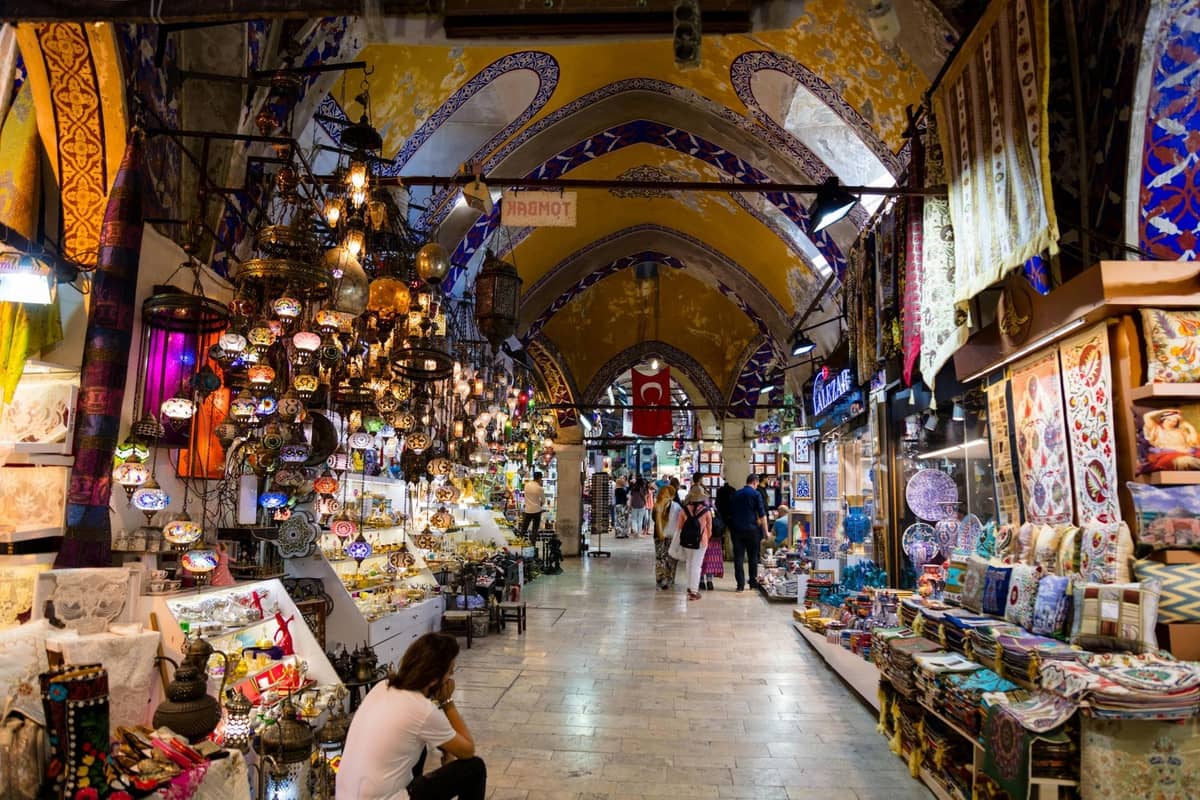
The Grand Bazaar (Kapalıçarşı) is the anchor of shopping in Istanbul and one of the oldest covered markets in the world. With more than 4,000 shops spread across 60-plus covered streets, it functions less like a single market and more like a small city dedicated to commerce. The sheer scale disorients first-time visitors, which is part of why many leave feeling overwhelmed or overcharged.
The key is knowing which sections to target. The inner bedesten (the oldest, vaulted core) specializes in antiques, silver jewelry, and high-quality textiles. The outer streets branch into leather goods, ceramics, lamps, and souvenirs of varying quality. Prices in the outer streets drop significantly compared to shops right at the main entrances, which are optimized to catch arriving tourists.
💡 Local tip
The Grand Bazaar is open Monday to Saturday, roughly 08:30–19:00, and closed on Sundays and most public and religious holidays. Arrive before 10:30 or after 16:30 to avoid the worst of the midday tour group crowds. Verify current hours on the official Grand Bazaar website before visiting, especially around national holidays.
Bargaining is not just accepted here, it is structurally built into pricing. Vendors quote an opening price that assumes negotiation. A reasonable starting counter-offer is 30–40% below the first price for carpets, lamps, and jewelry. For ceramics and smaller items, the margin is narrower, maybe 10–20%. The most important rule: never make an offer you are not prepared to honour. Walking away after agreeing on a price is considered rude.
⚠️ What to skip
Beware of the 'tea invitation' tactic: a friendly offer of çay (tea) is often a preamble to a high-pressure carpet sales pitch. There is no obligation to buy after accepting tea, but knowing this in advance lets you enjoy the hospitality without feeling trapped.
- Best buys in the Grand Bazaar Hand-painted Iznik-style ceramics, gold and silver jewelry, wool or silk carpets, kilims, embroidered textiles, copper and brass items, leather bags and belts.
- Skip in the Grand Bazaar Mass-produced 'Evil Eye' keychains near the main gates, cheap pashminas labelled as silk, and any carpet shop that won't quote a price without showing you a laminated certificate.
- Payment tips Cash in Turkish lira (TRY) generally gets better prices. Cards are widely accepted but some traders add a small surcharge for card payments. Avoid paying in euros or dollars as the exchange rate offered in-shop is typically poor.
The Spice Bazaar and Eminönü: Culinary Shopping Done Right
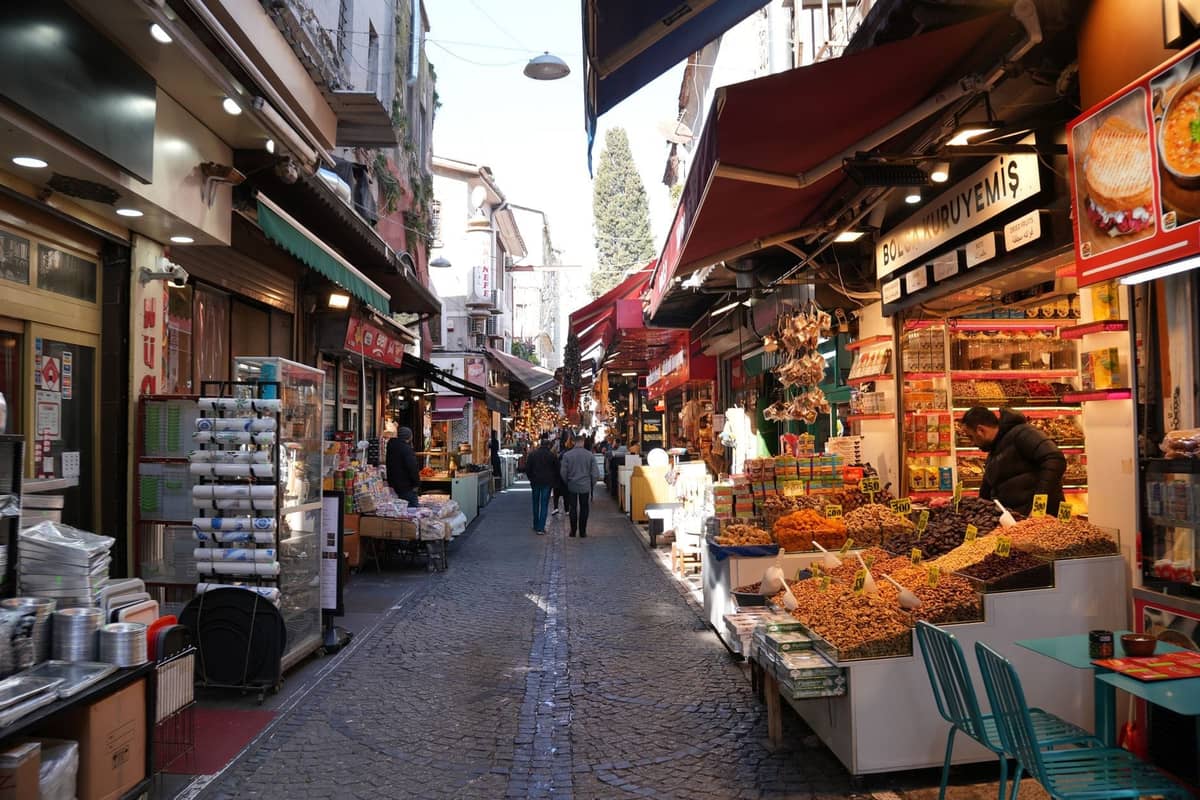
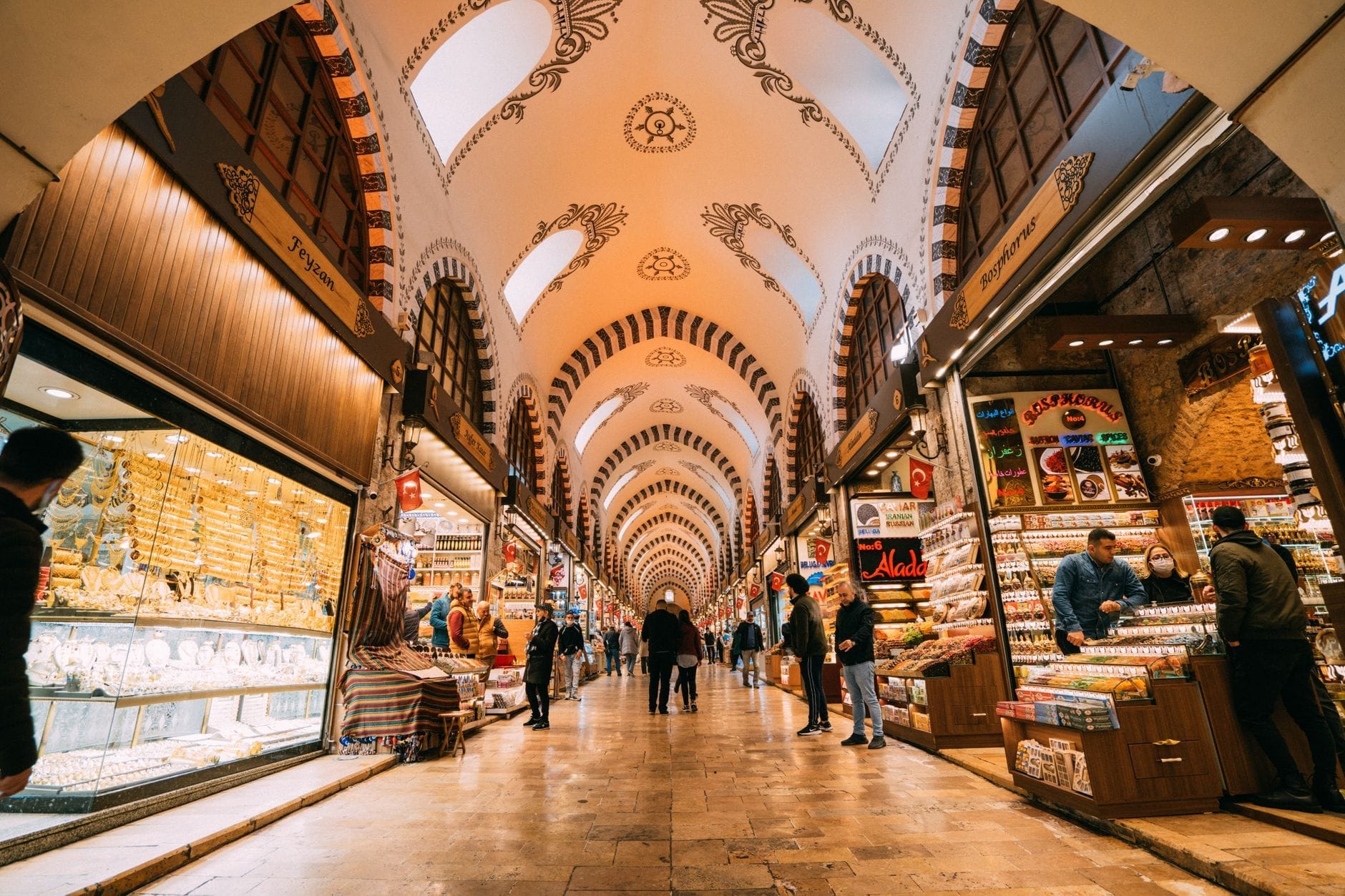
The Spice Bazaar (Mısır Çarşısı, or Egyptian Bazaar) sits in the Eminönü district near the waterfront and opens daily from around 08:00 to 19:30. It is a tighter, more navigable experience than the Grand Bazaar: two covered halls lined with spice merchants, tea sellers, dried fruit and nut stalls, lokum shops, and vendors specializing in everything from saffron to sumac.
This is the best place in Istanbul to buy food-related gifts. Quality saffron sold here is substantially cheaper than in Western Europe, though as always, very cheap saffron is almost certainly adulterated. Good lokum comes in proper large blocks here, not the tourist-sized tins sold near Hagia Sophia. The same goes for Turkish tea (çay) and coffee: shops around the bazaar stock multiple grades and will vacuum-seal purchases for travel.
Prices at the Spice Bazaar are less negotiable than the Grand Bazaar, but not fixed. For bulk spice purchases, asking 'en iyi fiyat?' (best price?) often produces a small discount. The streets immediately surrounding the bazaar, particularly Hasırcılar Caddesi, often have the same goods for lower prices than the indoor stalls, with a more local, less performative atmosphere.
✨ Pro tip
For the freshest and cheapest dried fruits, nuts, and spices, walk two blocks east of the Spice Bazaar into the Eminönü street market. These open-air stalls cater to Istanbul's restaurant trade and charge accordingly.
İstiklal Caddesi and Beyoğlu: Fashion, Books, and Independent Shops
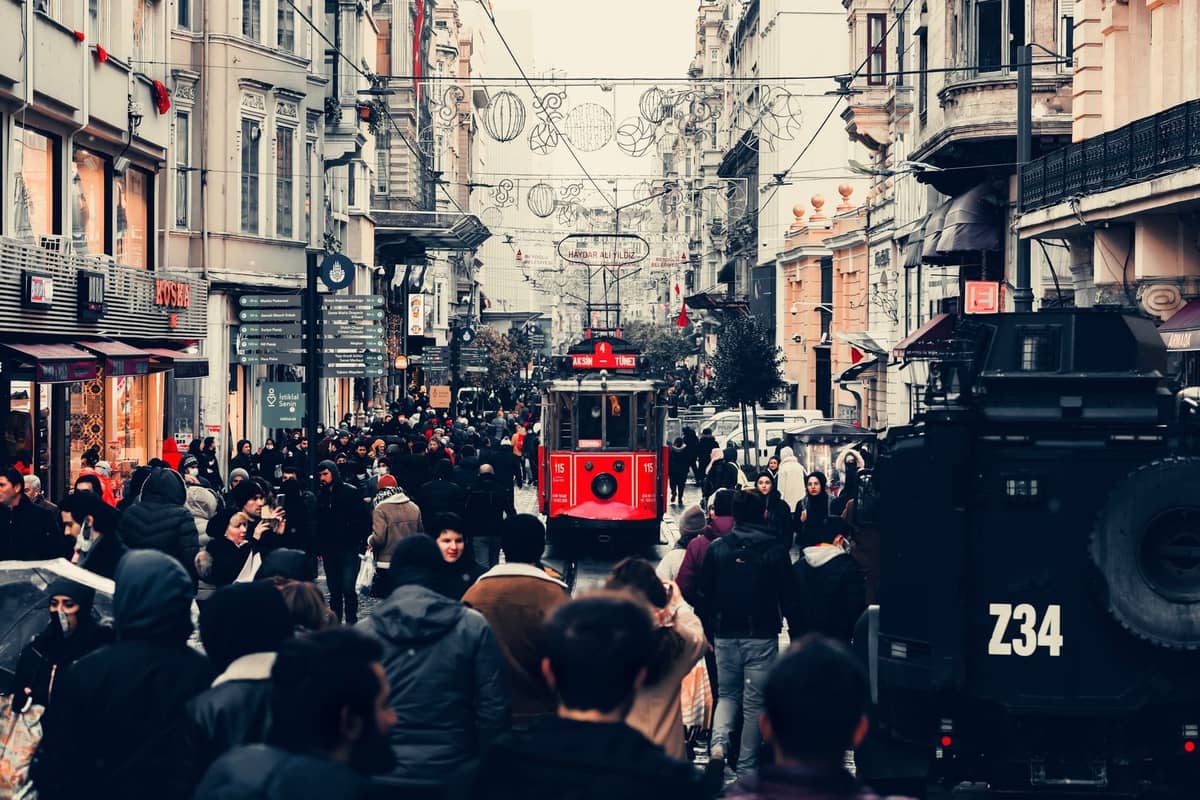
İstiklal Caddesi is a 1.5 km pedestrianized street running from Taksim Square down to Tünel, and it is the backbone of modern shopping in Beyoğlu. The street itself mixes international chain stores (Zara, Mango, H&M) with Turkish brands, music shops, bookstores, and a dense concentration of cafés. Most shops open around 10:00 and stay open until 21:00 or 22:00, sometimes later in summer.
The more interesting shopping in this area happens off İstiklal rather than on it. The side streets descending toward Galata and Karaköy contain independent clothing boutiques, vintage shops, design studios, and concept stores run by local designers. Çukurcuma, a short walk downhill, is Istanbul's best neighbourhood for antiques and vintage furniture. It is worth an afternoon if you have any interest in pre-republic Ottoman objects, old maps, 20th-century European furniture, and curated secondhand finds.
Nişantaşı: Istanbul's Upscale Shopping District
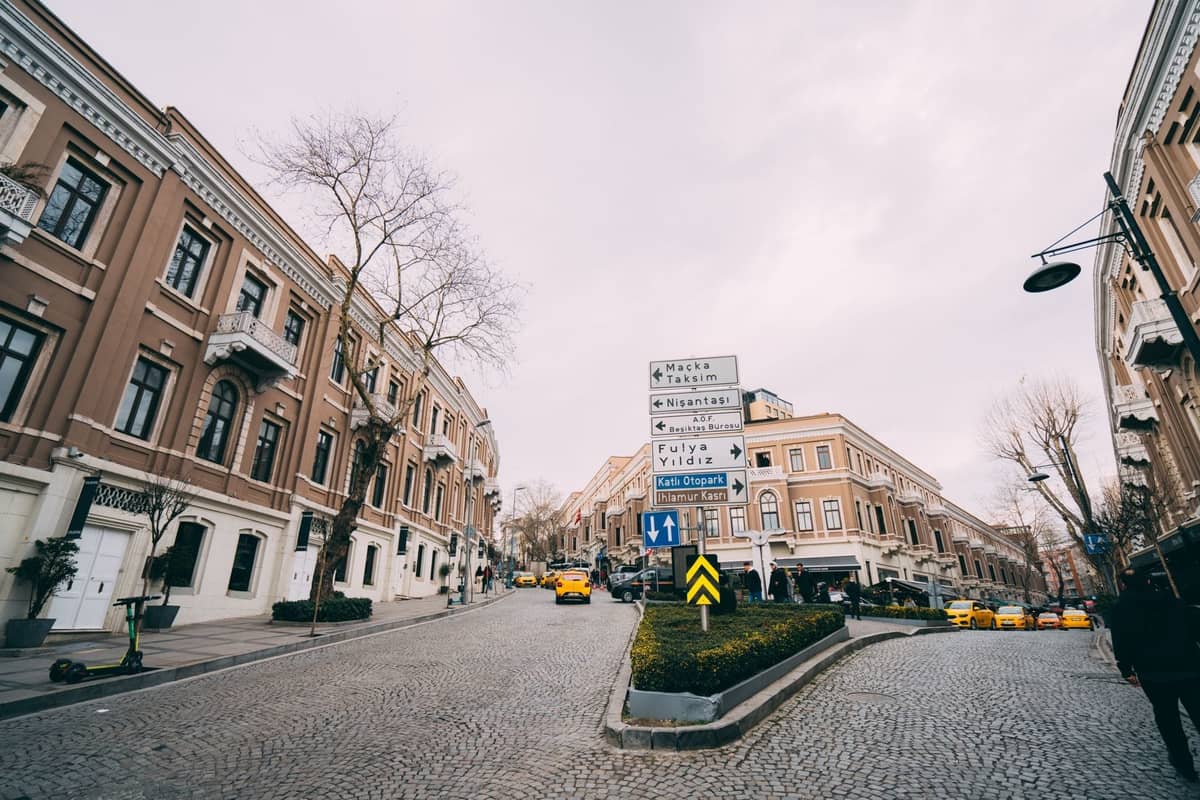
If you want contemporary Turkish fashion and international luxury brands without the tourist-market atmosphere, Nişantaşı is the answer. Centred on Abdi İpekçi Caddesi and the surrounding streets, this district houses flagship stores for Turkish designers like Vakko and Beymen alongside Gucci, Louis Vuitton, and other European luxury brands.
This is not a bargain destination. But it is where Istanbul's fashion-literate residents actually shop, which means the quality is high and the experience is relatively straightforward. No bargaining, no guided tours, no tea invitations. Prices are in line with what you would pay in Milan or Paris for the same international brands, and slightly lower for Turkish designers. The neighbourhood itself is pleasant for walking, with wide tree-lined streets and good café options for breaks.
Kadıköy and the Asian Side: Where Locals Shop
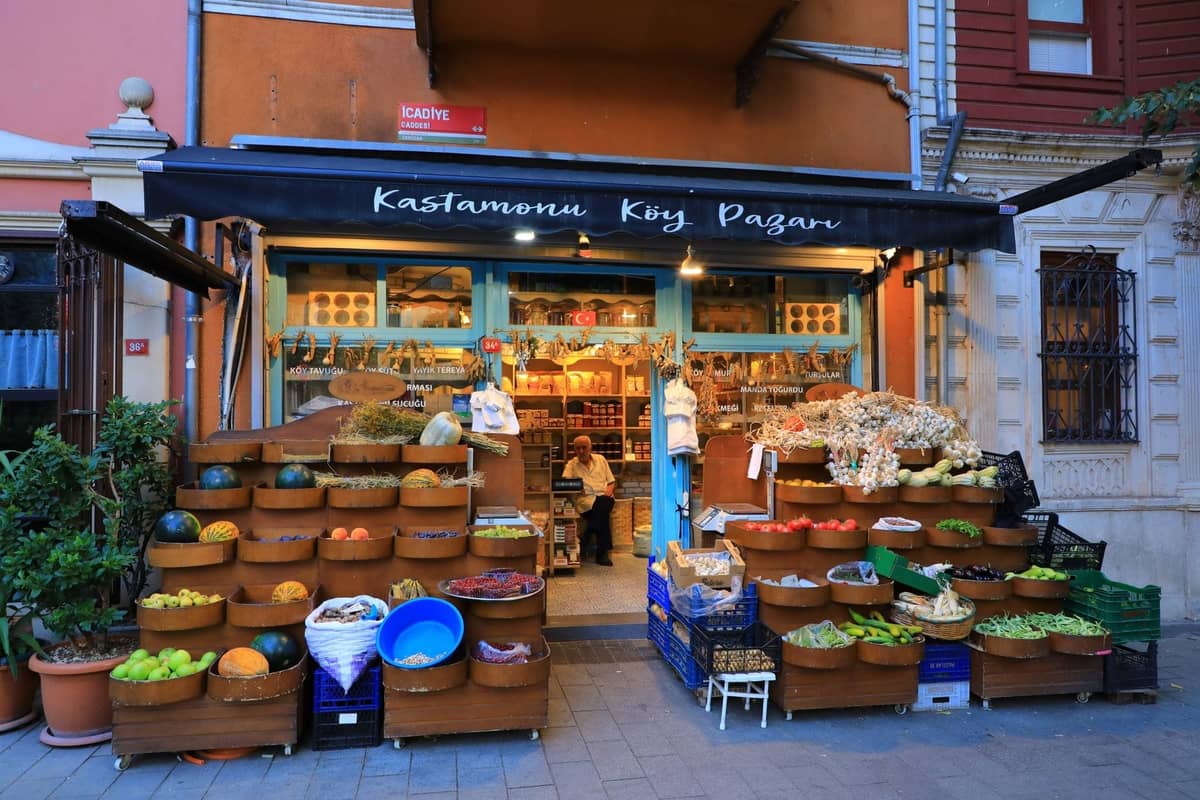
Taking the ferry across to the Asian side specifically to shop in Kadıköy is one of the better decisions a visitor can make. The neighbourhood's market runs through a grid of covered streets east of the ferry terminal, selling fresh produce, olives, pickles, cheese, street food, clothing, and household goods at prices aimed at Istanbul residents, not tourists.
The Kadıköy market (Kadıköy Çarşısı) generally operates daily from morning into the evening, with surrounding streets continuing trading later. The surrounding streets continue trading later. Beyond the market, Kadıköy has a strong independent bookshop scene, several vinyl record stores, and a growing number of concept stores selling work by local ceramicists, illustrators, and textile designers. This is where you find locally made products rather than items manufactured for export.
ℹ️ Good to know
The ferry from Eminönü or Karaköy to Kadıköy takes around 20 minutes and costs a single Istanbulkart fare. It is one of the most practical and enjoyable ways to cross the Bosphorus, and the Kadıköy market is easily combined with lunch in the neighbourhood's excellent restaurant streets.
What to Buy: Istanbul's Best Souvenirs and Gifts
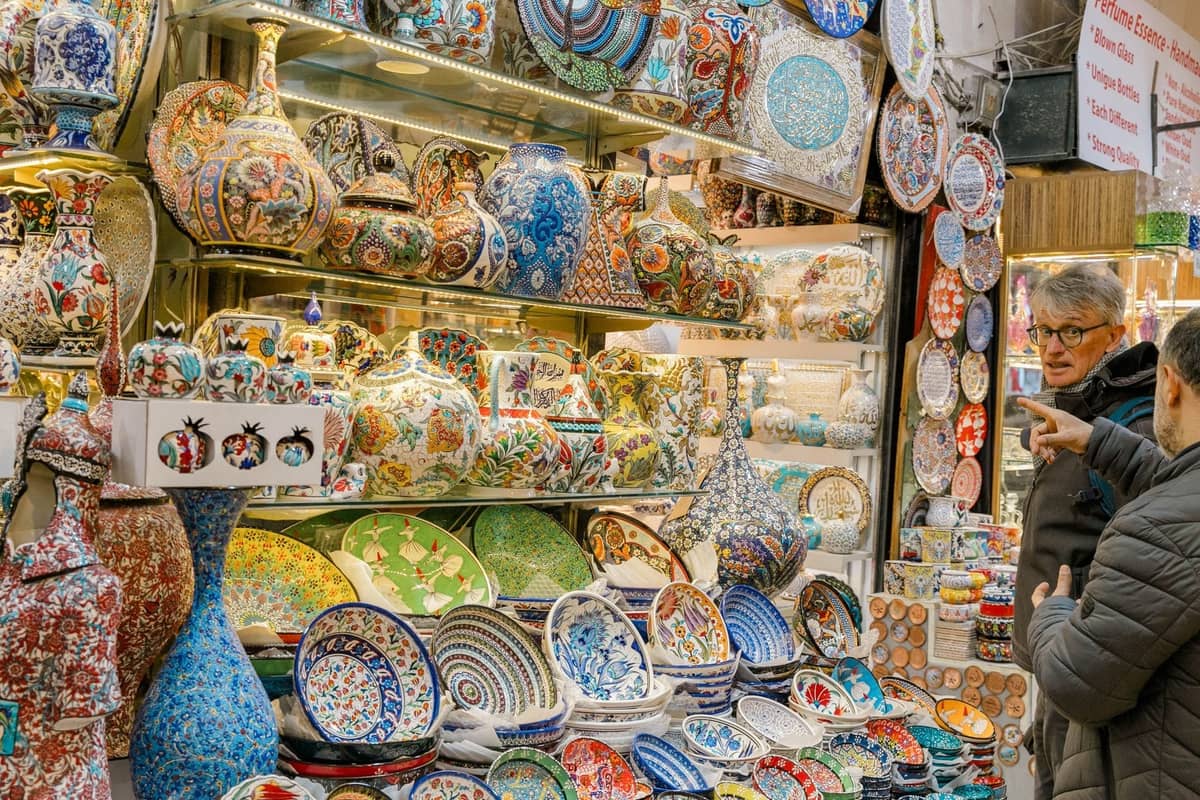
Istanbul produces or trades in a specific set of goods that are genuinely worth buying: hand-knotted carpets and kilims, Iznik-style ceramics (the real thing is made in İznik and Kütahya, not Istanbul, but quality pieces are sold here), hammam towels (peştemal) in cotton or linen, hand-blown glass, antique copper and brassware, and quality leather goods. Turkish tea, coffee, spices, and lokum make practical edible gifts that pack flat and travel well.
- Carpets and kilims The Grand Bazaar has the largest concentration of dealers. Quality ranges enormously. Handmade wool carpets start around a few hundred USD for small pieces and go to several thousand for silk or antique items. Always ask for provenance details and a receipt.
- Ceramics Small hand-painted plates start from around 200–500 TRY depending on size and intricacy. Avoid pieces with obvious transfer-print decoration rather than hand-painted work.
- Peştemal (hammam towels) Flat-woven cotton or linen towels used in Turkish baths. Lightweight, practical, and useful. Prices start around 150–300 TRY for good quality. Found in the Grand Bazaar and at specialist shops around Sultanahmet.
- Leather goods Istanbul has a long leather-working tradition. Belts start around 200–400 TRY, jackets vary widely by quality. The Grand Bazaar leather section and shops in Beyoğlu are both reliable areas. Avoid anything priced suspiciously low.
- Spices and food gifts Saffron, sumac, dried rose petals, Turkish tea, ground Turkish coffee, and vacuum-sealed lokum all travel well and represent genuine value compared to prices in Western Europe.
Practical Shopping Tips: Payment, Bargaining, and Logistics
Cash in Turkish lira is the most useful tool for shopping in Istanbul's traditional markets. Many smaller stalls accept only cash, and paying in lira rather than euros or dollars avoids the unfavourable in-shop exchange rates most traders apply. ATMs are plentiful throughout the city, including inside the Grand Bazaar. Withdraw lira from an ATM rather than exchanging cash at airport bureaux de change, where rates are consistently poor.
For larger purchases like carpets or ceramics, many established shops can arrange international shipping. Get a written shipping quote and retain all receipts. Turkey applies VAT (KDV) at a standard rate of 20% on most goods, and non-EU visitors can in principle claim a tax refund on purchases over a certain threshold at the airport. The process requires a Tax Free form stamped at the point of sale and presented at customs before departure. Check current thresholds with your retailer, as these change. For more logistical advice on getting around between shopping areas, see the getting around Istanbul guide.
- Bargain on carpets, lamps, jewelry, leather, and crafts in traditional bazaars. Don't bargain in supermarkets, chain stores, or the Spice Bazaar's packaged goods section.
- Opening counter-offer tip: 30–40% below the first quoted price for major items, 10–20% for smaller goods. Let the vendor come down two or three times before agreeing.
- Summer months (June–August) see extended shopping hours in tourist areas, sometimes until 22:00 or later.
- The Grand Bazaar and many traditional shops close on Sundays and Turkish national holidays. Check dates if your visit overlaps with Republic Day (October 29), Eid al-Fitr, or Eid al-Adha.
- Shops around Hagia Sophia and the Blue Mosque carry some of the highest tourist markups in the city. The same ceramics and textiles are available 500 metres away in the Grand Bazaar for significantly less.
FAQ
Is bargaining expected everywhere in Istanbul?
Bargaining is standard practice in the Grand Bazaar, carpet shops, jewelry stalls, and most traditional craft markets. It is not expected in supermarkets, chain clothing stores, or restaurants. In the Spice Bazaar, prices are more fixed but a polite negotiation on bulk purchases often yields a small discount. Shops in Nişantaşı and modern malls have fixed prices.
What are the best things to buy in Istanbul?
Hand-knotted carpets and kilims, quality leather goods, Iznik-style ceramics, peştemal (hammam towels), Turkish tea and coffee, saffron and spices, lokum, and hand-blown glass. These represent genuine local craftsmanship or trade traditions and offer real value compared to equivalent products bought elsewhere.
Do Istanbul shops accept credit cards?
Most larger shops, department stores, and established bazaar vendors accept Visa and Mastercard. Smaller stalls, street vendors, and some traditional market traders are cash-only. It's worth carrying a few hundred Turkish lira at all times when shopping in bazaars. Some traders add a small surcharge for card payments, so confirm before finalizing a purchase.
When is the best time to visit Istanbul for shopping?
April to June and September to October offer the most comfortable shopping conditions: mild temperatures, lower tourist density than July–August, and no major holiday closures. Summer brings longer opening hours but heavier crowds in the Grand Bazaar. Avoid shopping trips around major national or religious holidays when bazaars may close unexpectedly.
Is the Grand Bazaar worth visiting or is it a tourist trap?
It depends on what you're buying and how you approach it. For carpets, quality ceramics, gold jewelry, and handmade textiles, the Grand Bazaar remains one of the best places in the world to buy these things, provided you research prices beforehand and are prepared to negotiate. The shops near the main entrances do charge tourist prices. Moving deeper into the covered streets and the inner bedesten finds better quality and more straightforward pricing. Mass-produced souvenirs are available throughout but are not the reason to visit.