Turkish Bath (Hamam) in Istanbul: A Complete Guide
Istanbul's hammams are among the most atmospheric in the world, operating in buildings that have steamed visitors since the Ottoman era. This guide covers what actually happens inside, which hamams are worth the price, what things cost, and how to make the most of the experience without getting overcharged.
Plan and book this trip
Tools from our partner Travelpayouts help you compare flights and hotels. If you book through them, we may earn a commission at no extra cost to you.
Flights
Hotels map
TL;DR
- A Turkish bath (hamam) follows a set sequence: warming on the heated marble slab (göbek taşı), body scrub (kese), foam wash, and optional massage.
- Prices vary enormously: neighborhood hamams start around €20-30, while famous historic venues charge €70-150+ for a full treatment.
- The most famous hamams sit in or near Sultanahmet and are genuine historic buildings, but they are also the most tourist-oriented and most expensive.
- Most traditional hamams separate men and women by section or time slot. Private cabins and mixed sessions exist mainly at modern spa-style venues.
- Always confirm opening hours and prices directly before visiting. Online listings are frequently outdated.
What Is a Turkish Bath and What Actually Happens Inside
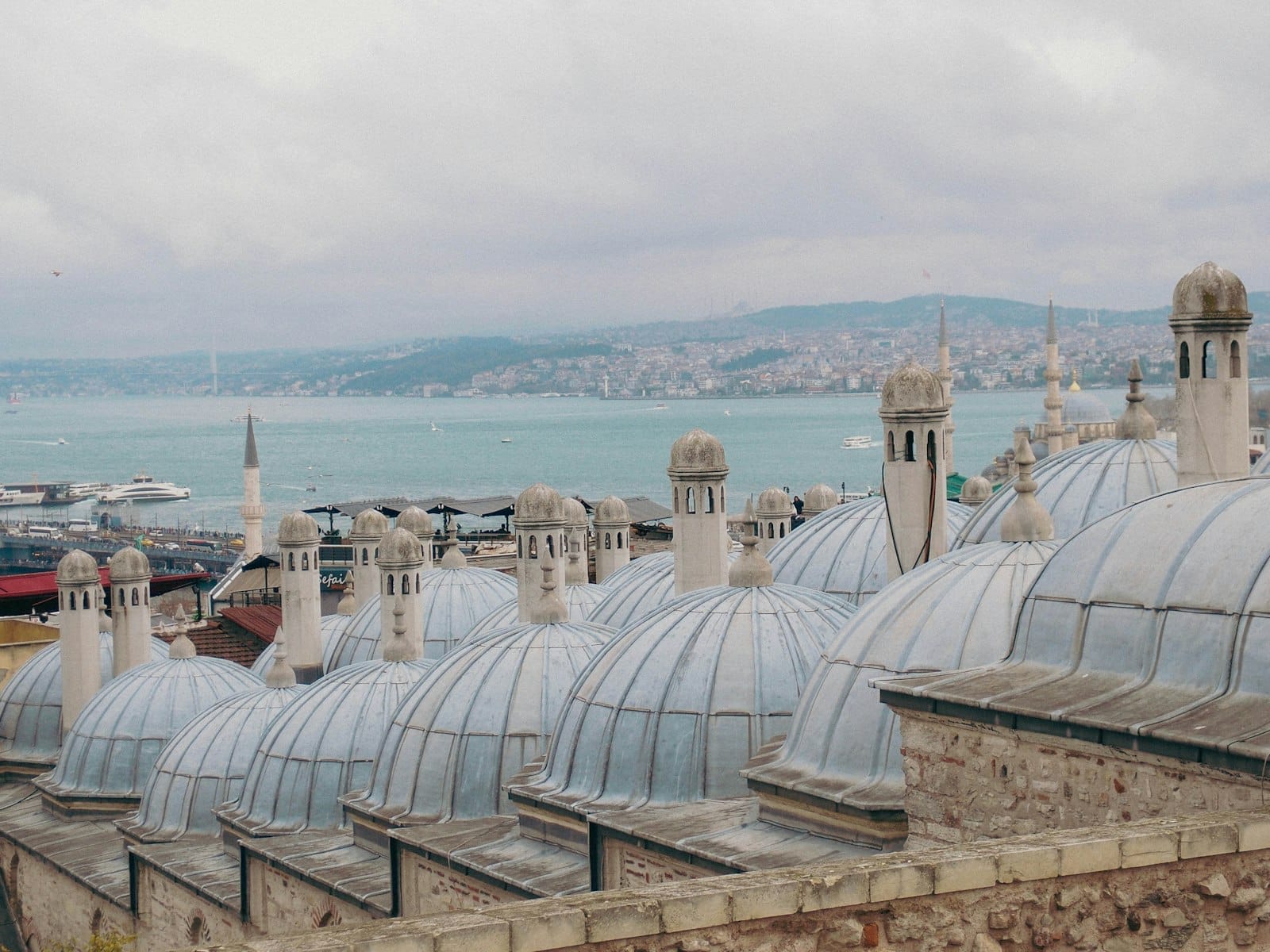
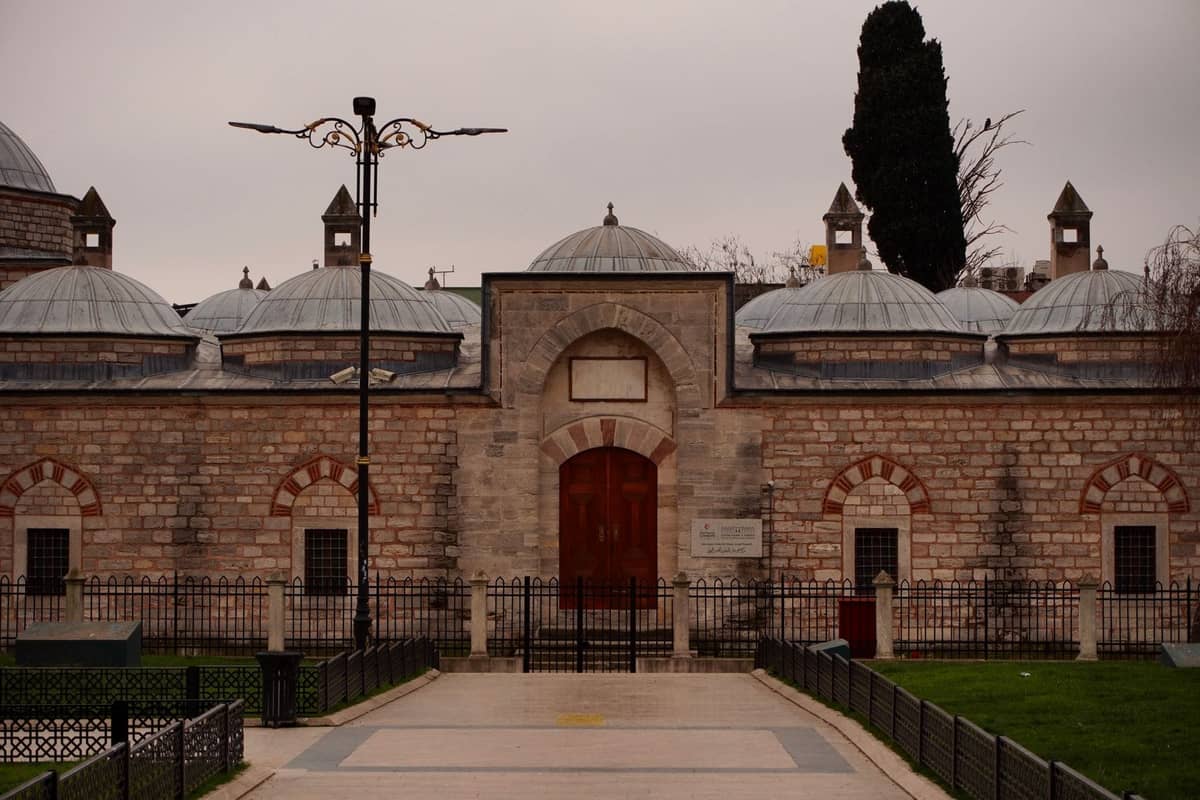
A hamam is a steam bath rooted in Ottoman civic culture, where public bathing was both a hygienic necessity and a social ritual. The architecture is immediately distinctive: a domed central hall (camekan) for undressing and cooling down, a warm intermediate room (soğukluk), and the hot room (sıcaklık) at the core, where the heated marble platform known as the göbek taşı sits at the center.
The standard sequence runs like this. You're given a thin cotton wrap (peştemal) and wooden clogs (takunya), then guided to the hot room where you lie on the marble slab. The heat and steam open your pores over 15-20 minutes. A bath attendant (tellak for men, natır for women) then performs the kese, an exfoliation using a coarse mitt that removes dead skin in visible rolls. This is followed by a foam wash using a large soapy bag worked across the body. An oil massage can be added on, typically for an extra fee. The full sequence usually runs 45-90 minutes depending on the venue and package.
ℹ️ Good to know
The kese (scrub) is the defining part of the hamam experience and one that many first-timers find surprisingly intense. The attendant is thorough. If you have sensitive skin, mention it beforehand. The exfoliation is genuine, not cosmetic, and you'll see the results clearly.
The Best Hamams in Istanbul: A Practical Comparison
Istanbul has dozens of functioning hamams, ranging from 15th-century monuments to modern hotel spas using the same format. The key distinction is between hamams primarily serving tourists and those still used by local residents. Neither is inherently better, but they offer very different experiences at very different prices.
- Çemberlitaş Hamamı (Sultanahmet, built 1584) Designed by Mimar Sinan for Nurbanu Sultan. One of the most architecturally impressive hamams in the city, with a large starred dome over the hot room. Standard packages run around €68. Heavily tourist-oriented but historically significant. Open approximately 07:30-22:30.
- Cağaloğlu Hamamı (Sultanahmet, built 1741) Often cited as Istanbul's most famous hamam, listed in historic travel literature. Packages range from roughly €90 to €400 for premium treatments. The building is exceptional. Expect a primarily tourist crowd. Open approximately 09:00-22:00.
- Ağa Hamamı (Beyoğlu, 16th century) A mid-size hamam in the Çukurcuma district with a published price list. Entrance around 1800 TL, scrub 900 TL, foam bath 900 TL, 20-minute oil massage 2000 TL (prices subject to change; check their official site before visiting). A reasonable balance between atmosphere and accessibility.
- Gedikpaşa Hamamı (Fatih, built 1475) One of Istanbul's oldest surviving hamams. Historically used by the local neighborhood rather than tourists. More affordable than the famous Sultanahmet venues, though prices have risen. Reported discrepancies between online hours and actual hours: call ahead to confirm.
- Hürrem Sultan Hamamı (Sultanahmet, built 1556) Designed by Sinan and recently restored, located between Hagia Sophia and the Blue Mosque. Premium pricing and a polished, high-end experience. Best for those who want a luxury version of the ritual in an extraordinary building. Open approximately 08:00-22:00.
If you're staying in Beyoğlu or the Galata area, Ağa Hamamı is convenient and well-run. If you're based in Sultanahmet and want a genuine historic building, Çemberlitaş offers the most consistent experience at a price that's high by local standards but more reasonable than Cağaloğlu's top-tier packages.
How Much Does a Turkish Bath Cost in Istanbul
The price range across Istanbul's hamams is wider than most visitors expect. The common assumption that a hamam is an inexpensive local experience is outdated when it comes to the well-known historic venues. Prices here reflect 2026 data and should be verified directly before visiting, as Turkish lira pricing shifts frequently with inflation.
- Budget / local neighborhood hamams: basic entrance with use of facilities from around €10-25. Scrub and wash add to this. Little to no English spoken.
- Mid-range historic hamams (Ağa, Gedikpaşa): full treatment packages in the €30-60 range, though lira pricing fluctuates.
- Premium tourist hamams (Çemberlitaş, Cağaloğlu standard): full treatment packages from approximately €68-90.
- Luxury packages (Cağaloğlu top tier, Hürrem Sultan): €150-400, including private cabins, extended massages, and additional treatments.
- Online booking platforms (Viator, GetYourGuide): packaged 2-hour experiences typically listed from around US$50-80, which can include transport or extras not available at the door.
⚠️ What to skip
Tipping is expected at most hamams. A tip of around 10-20% for the attendant who performed your scrub and wash is standard practice. At higher-end venues this can add €10-20 to your total cost. Factor this into your budget before you arrive.
Practical Etiquette and What to Bring
Most hamams provide everything you need: peştemal wrap, towels, and wooden clogs. You don't need to bring a swimsuit, though you can wear one if you prefer. At traditional hamams, the standard is to keep the peştemal wrapped around your waist (men) or covering more of the body (women). Nudity norms vary by venue, so following what others do is the safest approach.
Leave valuables locked in a locker before entering the hot rooms. Phones and cameras are generally not appropriate inside the bathing areas. Drink water before and after, as the heat is dehydrating. If you have a medical condition such as heart disease, low blood pressure, or are pregnant, check with a doctor before booking, since the high heat of the sıcaklık is not suitable for everyone.
- Arrive 10-15 minutes before your appointment, especially for a booked session.
- Shower before entering the hot room if the hamam has shower facilities, though the sequence is designed to begin without one.
- Do not eat a heavy meal immediately beforehand.
- The peştemal gets very wet. Wear or bring flip-flops that can get soaked, separate from the ones the hamam provides.
- If you have sensitive skin or skin conditions, tell the attendant before the kese begins so they can adjust pressure.
- Most historic hamams separate genders by section or by time slot. Check in advance which applies to your chosen venue.
✨ Pro tip
Visiting a hamam on a weekday morning is the most relaxed option at tourist-heavy venues. Weekend afternoons at Çemberlitaş or Cağaloğlu can feel rushed, with attendants moving through clients quickly. A mid-week morning slot gives a noticeably slower, more attentive experience.
Historic Context: Why Hamams Matter in Istanbul
Istanbul's hamams are not a recent wellness trend. They are functional remnants of an Ottoman urban infrastructure that once included hundreds of public baths across the city. At their peak, hamams served a population without private plumbing, functioning as community centers where bathing, socializing, and pre-wedding rituals took place. The city's Ottoman heritage is embedded in these buildings as directly as it is in any palace or mosque.
Gedikpaşa Hamamı dates to 1475, making it one of the oldest still in operation. Çemberlitaş was commissioned by Nurbanu Sultan and designed by Mimar Sinan in 1584, the same architect responsible for the Süleymaniye Mosque. Cağaloğlu was built in 1741 under Sultan Mahmud I, partly to fund the nearby library. These are not themed spa experiences. They are working buildings with documented histories going back centuries.
If the architecture of the hamam interests you, it's worth combining a visit with broader exploration of Istanbul's Byzantine and Ottoman layers in the historic peninsula. The density of significant buildings within walking distance of Sultanahmet is unlike anywhere else in the city.
Tourist Traps and What to Avoid
The hamam industry in Istanbul's tourist districts has produced some genuine complaints worth knowing about. The most common issue is upselling: arriving for a basic entrance and being guided toward packages that cost three or four times more. At the busiest venues, attendants may assume you want the full package and proceed accordingly unless you specify clearly beforehand.
A second issue is quality inconsistency at peak times. The famous historic hamams are beautiful buildings, but during high-season weekends they operate like conveyor belts. A scrub that should take 15-20 minutes may be rushed to 8-10. If you're paying €90+ for an experience, this matters.
Approach hamams being actively promoted by touts in the street near the Grand Bazaar or the Blue Mosque with caution. Legitimate hamams do not need street promotion. Book directly through the hamam's own website or through a reputable booking platform, and confirm the price of every element of your chosen package before agreeing.
When to Go and How It Fits Into an Istanbul Itinerary
Hamams operate year-round and the indoor environment makes them seasonal-independent. That said, they fit especially well into a winter or rainy-day itinerary when outdoor sightseeing becomes less appealing. If you're visiting during Istanbul's cooler months, a hamam session in the late afternoon works as a warm, restorative break between mornings at major attractions. For context on seasonal patterns, the best time to visit Istanbul guide covers crowd levels and weather across all seasons.
For a three-day itinerary, a hamam session fits naturally on day two or three, after the initial sightseeing rush. If you're planning a longer stay, a one-week Istanbul itinerary can incorporate both a historic hamam in the old city and, if you want comparison, a more local-oriented neighborhood bath elsewhere in the city.
💡 Local tip
Book your hamam session for late afternoon, around 16:00-17:00, on a weekday. You'll miss the morning rush and be finished before the evening crowd. You'll also be relaxed for dinner, which is when Istanbul's restaurant scene is at its best.
FAQ
Do I need to be naked in a Turkish bath in Istanbul?
No. At traditional hamams, both men and women keep the peştemal (thin cotton wrap) on throughout the treatment. Full nudity is not standard at most Istanbul hamams. At modern spa-style venues, swimwear is sometimes preferred. The specific customs vary by hamam, so check the venue's own guidance when booking.
How long does a Turkish bath experience take in Istanbul?
A basic hamam session including the hot room, scrub, and foam wash typically takes 45-60 minutes of active treatment time. Add changing, cooling down, and tea afterward and you should plan for 90 minutes to 2 hours total. Premium packages with extended massage can run up to 2.5 hours.
Are Istanbul hamams safe and hygienic?
Reputable historic and mid-range hamams are regularly cleaned and attendants use fresh mitts and linens for each guest. The kese mitt used for scrubbing should be new or freshly washed per client. If anything looks questionable, ask. The major established hamams have strong reputations to protect and maintain reasonable hygiene standards.
What is the difference between a hammam and a spa in Istanbul?
A traditional hamam is a specific Ottoman bathing ritual in a historic building format, centered on the heated marble platform and the scrub-and-wash sequence performed by a trained attendant. A hotel spa or modern wellness center may offer 'hammam treatments' using similar techniques in a contemporary setting. The experience differs significantly in atmosphere, architecture, and cultural weight, though the treatments themselves may be comparable in quality.
Should I book a hamam in advance or can I just walk in?
For famous tourist-oriented hamams like Çemberlitaş and Cağaloğlu, advance booking is strongly recommended, especially for weekend visits or high season (June-September). Walking in is possible at off-peak hours on weekdays, but you may face a wait. Smaller neighborhood hamams generally operate on a walk-in basis with no booking system.