Ottoman Istanbul: A Complete Guide to the Empire's Capital
Istanbul served as the heart of the Ottoman Empire for nearly 500 years, and the city still carries that history in stone, tile, and ceremony. This guide covers the essential sites, the historical context behind them, and the practical details you need to visit them well.
Plan and book this trip
Tools from our partner Travelpayouts help you compare flights and hotels. If you book through them, we may earn a commission at no extra cost to you.
Flights
Hotels map
TL;DR
- Ottoman Istanbul began on 29 May 1453 when Mehmed II conquered Constantinople, and the empire ruled from here until 1923.
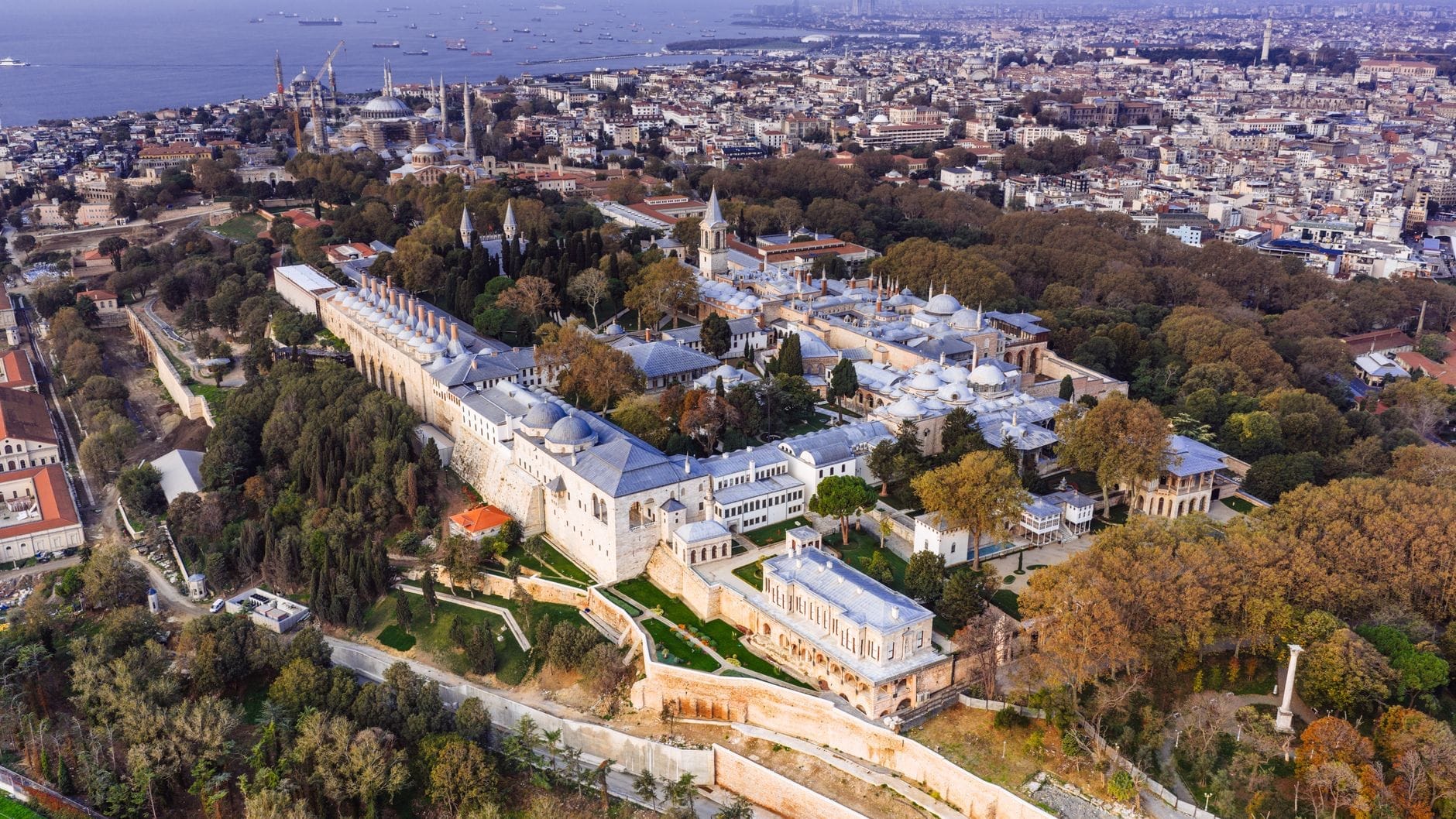
- Topkapı Palace was the seat of Ottoman power for roughly four centuries — it is the single most important site for understanding Ottoman sultans and should be your first stop on the Topkapı Palace visit.
- Book Topkapı and Hagia Sophia tickets online in advance — queues at peak season (April–June, September–October) are genuinely long.
- Hagia Sophia is Byzantine in origin (537 AD), not Ottoman — the minarets and Islamic interior elements were added after 1453.
- Use the Istanbul Museum Pass to save money across multiple Ottoman-era sites.
How Ottoman Istanbul Came to Be
On 29 May 1453, Sultan Mehmed II led Ottoman forces through the walls of Constantinople, ending the Byzantine Empire after more than a thousand years. He was 21 years old. The conquest was not just a military event — it was a deliberate act of city-building. Mehmed immediately began repopulating the depopulated city, converting churches into mosques, and commissioning new structures to signal that this was now the center of a new world order. He took the title Kayser-i Rum, Caesar of Rome, and set about making Constantinople his.
The city's geography made it almost uniquely suited to imperial ambition. Sitting at the intersection of the Bosphorus Strait, the Golden Horn harbor, and the Sea of Marmara, it controlled trade routes between Europe and Asia and offered natural harbor defenses that no other city in the region could match. For a deeper look at the city's strategic and physical setting, the historic peninsula guide covers the layout in detail.
Ottoman power reached its peak under Süleyman I, known in the West as Süleyman the Magnificent, who ruled from 1520 to 1566. Under Süleyman, the empire stretched from Budapest to Baghdad and from Algeria to the Persian Gulf. Istanbul was rebuilt on a monumental scale during his reign, with the architect Mimar Sinan designing dozens of structures that still define the city's skyline — most prominently the Süleymaniye Mosque complex, completed in 1558.
ℹ️ Good to know
A common misconception: Istanbul is Turkey's largest city, but it is not the capital. Ankara has been the capital of the Republic of Turkey since 1923, when Mustafa Kemal Atatürk moved the seat of government there after the Ottoman Empire's dissolution. Istanbul is the former imperial capital, not the current one.
The Core Ottoman Sites: What to Visit and in What Order
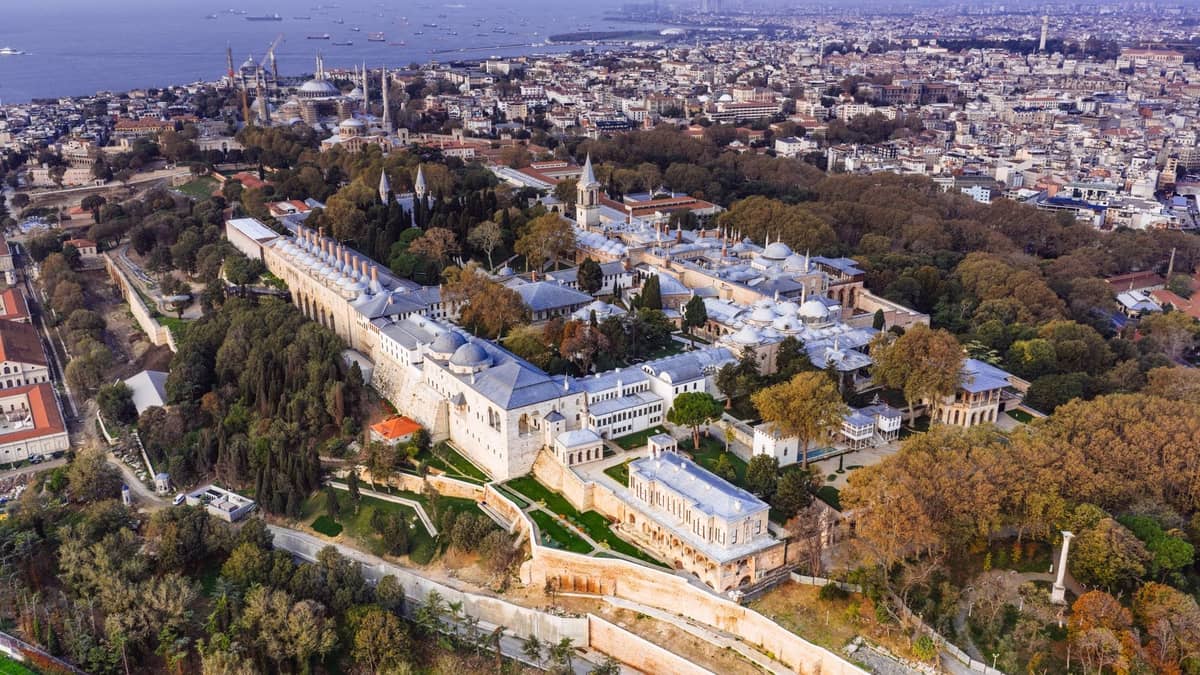
The concentration of Ottoman monuments on the historic peninsula is extraordinary. Most of the major sites sit within walking distance of each other in the Sultanahmet area — though 'walking distance' means hills, cobblestones, and crowds during peak season. A well-planned two to three days covers the highlights without rushing. See the 3-day Istanbul itinerary for a structured approach.
- Topkapı Palace (Topkapı Sarayı) The primary seat of Ottoman power from the late 15th century until the mid-19th century. This is where the Ottoman sultans governed, received ambassadors, and kept the imperial treasury and holy relics. Allocate at least three hours; the Harem section requires a separate ticket and is worth it. Book online through the official Museums of Türkiye platform to skip the queue.
- Süleymaniye Mosque Mimar Sinan's masterwork, completed 1558. Less crowded than the Blue Mosque, architecturally more sophisticated, and still a functioning place of worship. Süleyman the Magnificent is buried in a türbe (mausoleum) in the grounds. Entry is free; modest dress is required.
- Blue Mosque (Sultan Ahmed Mosque) Built 1609–1616 under Sultan Ahmed I, directly facing Hagia Sophia. Notable for its six minarets — a controversial choice at the time, as it matched the number at Mecca's Grand Mosque. Still an active mosque, so it closes to tourists during prayer times. Budget roughly 20-30 minutes for the visit itself.
- Grand Bazaar (Kapalıçarşı) Originally established by Mehmed II in the 1450s and expanded over centuries into a covered commercial city with 61 streets and over 4,000 shops. Come for the architecture and atmosphere as much as the shopping. The bazaar is generally open Monday to Saturday.
- Dolmabahçe Palace The late-Ottoman answer to Versailles, built in 1856 under Sultan Abdülmecid I. This is where the Ottoman court moved when it abandoned Topkapı — a deliberate shift toward European tastes and architecture. Atatürk died here in 1938. Tickets are sold through the Turkish National Palaces administration (Milli Saraylar).
⚠️ What to skip
Hagia Sophia is not an Ottoman-era building. It was constructed as a Byzantine cathedral in 537 AD and converted into an imperial mosque after 1453 — the minarets, mihrab, and calligraphic medallions are Ottoman additions, but the structure itself is Byzantine. It was a museum from 1934 until 2020, when it was reconverted into a working mosque. Tourists are welcome but must respect prayer times and dress codes.
Understanding the Ottoman Sultans Through Their Buildings
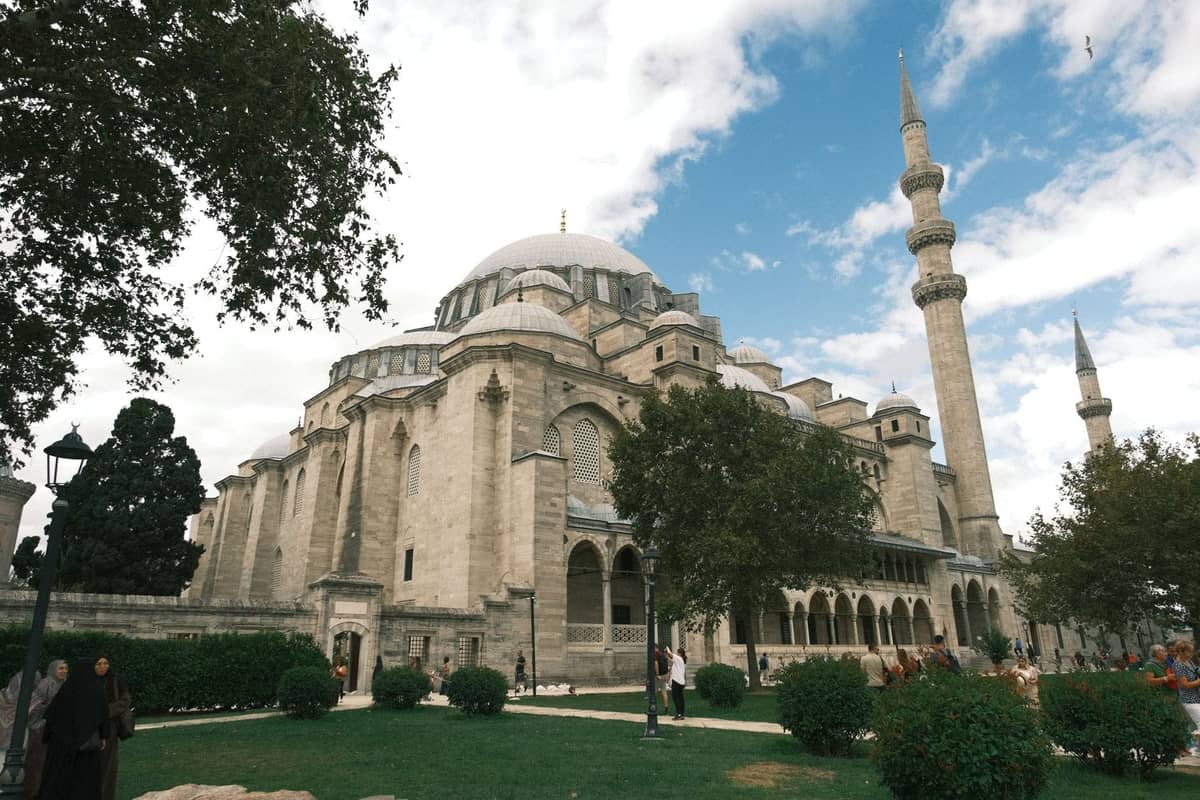
One of the most rewarding ways to engage with Ottoman history is to understand that the sultans expressed power, piety, and legitimacy almost entirely through architecture. Each sultan was expected to build — mosques, bridges, caravanserais, hospitals, soup kitchens. The külliye, a complex grouped around a mosque that typically included a school, a library, a public kitchen, and a bathhouse, was the defining Ottoman urban institution. Süleymaniye is the best surviving example in Istanbul.
Mimar Sinan, who served as chief imperial architect under Süleyman, Selim II, and Murad III from around 1539 to 1588, is the dominant figure of Ottoman architecture. He designed or supervised over 300 structures, including the Süleymaniye Mosque and the Rüstem Pasha Mosque — the latter a smaller but exquisitely tiled gem near the Spice Bazaar. The Rüstem Pasha Mosque is consistently overlooked by visitors, which makes it one of the more rewarding detours in the city.
The Harem at Topkapı deserves a separate mention. It is often reduced to clichés about concubines, but it was functionally the private residence and administrative heart of the dynasty. The Valide Sultan, the sultan's mother, held enormous political influence from within these walls. The Harem tour covers around 40 rooms of the roughly 400 that exist — but those 40 rooms contain some of the finest Iznik tile work anywhere in the city.
✨ Pro tip
Visit Topkapı Palace on a Wednesday or Thursday morning when crowds are thinner. The palace is currently closed on Tuesdays — verify the latest schedule on the official Museums of Türkiye website before visiting. Arriving before 9:30am gives you roughly an hour before tour groups arrive in large numbers.
Ottoman History Beyond the Obvious: Sites Worth Seeking Out
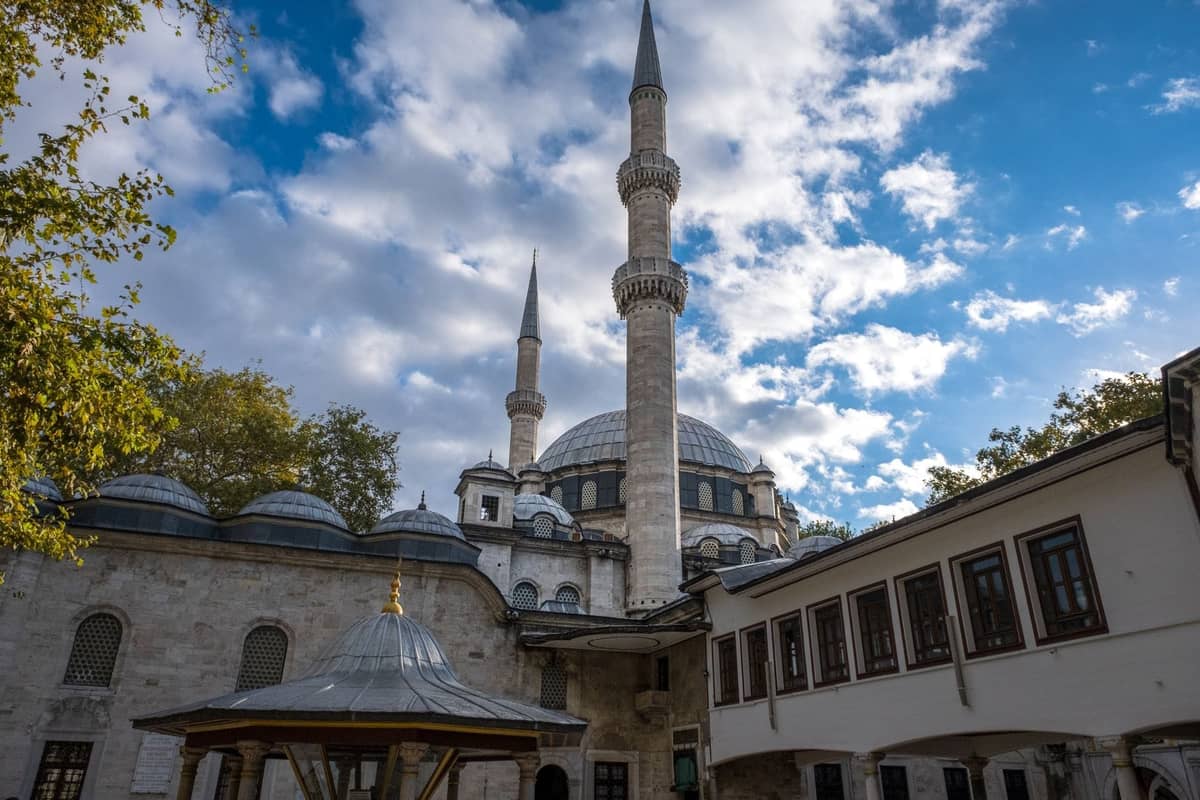
Most visitors concentrate on Sultanahmet and miss the fact that Ottoman-era monuments are distributed across the entire city. The Eyüp Sultan Mosque complex at the head of the Golden Horn is one of the most significant Ottoman religious sites in Istanbul — it is where sultans were ceremonially girded with the Sword of Osman as part of their coronation ritual. It sits outside the old city walls and sees far fewer foreign tourists than Sultanahmet.
The Theodosian Walls, which stretch for roughly 6.5 kilometers across the western edge of the historic peninsula, are Byzantine in origin but carry profound Ottoman significance: it was through a breach near the Edirnekapı gate that Mehmed II's forces entered the city in 1453. The walls are largely intact and walkable. The nearby Yedikule Fortress incorporates both Byzantine towers and Ottoman additions, and the Panorama 1453 Museum at Topkapı (not to be confused with Topkapı Palace) offers an immersive diorama of the conquest.
- Yeni Cami (New Mosque) near the Spice Bazaar: despite its name, it dates from the early 17th century and anchors the Eminönü waterfront.
- Fatih Mosque: built by Mehmed II immediately after the conquest on the site of the Church of the Holy Apostles; the current structure is an 18th-century rebuild after an earthquake.
- Pierre Loti Hill in Eyüp: a hilltop café and cemetery area with views over the Golden Horn, named after the French novelist who frequented it — the Ottoman-era cemetery behind it is one of the largest in the city.
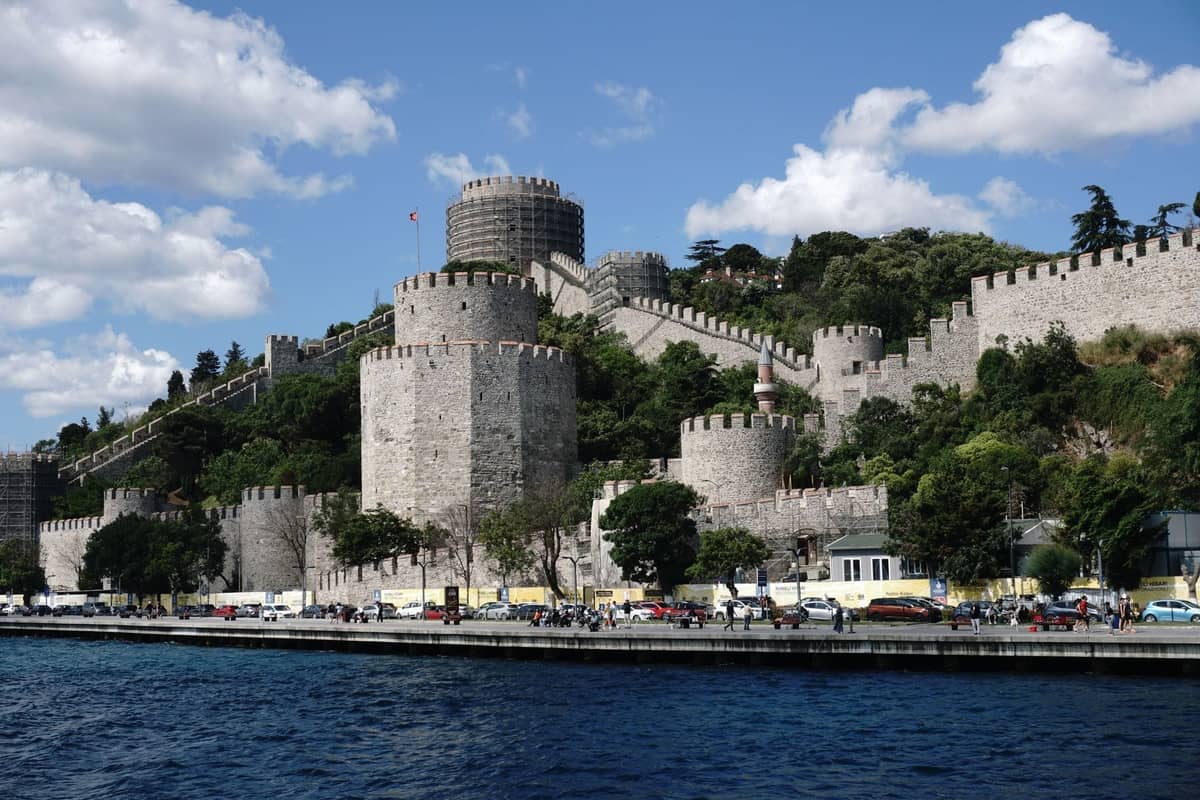
- Rumeli Fortress (Rumelihisarı): built by Mehmed II in just four months in 1452, immediately before the conquest, to control Bosphorus shipping. The site is open to visitors and offers strong Bosphorus views.
- Sakıp Sabancı Museum in Emirgan: houses an important collection of Ottoman calligraphy and manuscripts, often overlooked in favor of the bigger state museums.
Practical Tips for Visiting Ottoman Istanbul
Ticket logistics matter more here than in most cities. Topkapı Palace, the Harem, and Hagia Sophia all require separate tickets and have different queuing systems. The Istanbul Museum Pass (Müze Kart) covers Topkapı, the Harem, and several other state-managed sites and pays for itself quickly if you plan to visit more than two or three attractions. Full details on what it covers and current pricing are in the Istanbul Museum Pass guide.
Getting around the historic peninsula is straightforward. The T1 tram line runs from Kabataş through Sultanahmet to the Grand Bazaar area and beyond. For the Bosphorus-side palaces (Dolmabahçe, Beylerbeyi), ferries from Eminönü or Karaköy are both practical and scenic. A full breakdown of transport options is in the guide to getting around Istanbul.
- Dress code: cover shoulders and knees for all mosque visits; women are asked to cover their hair inside active mosques. Scarves are usually available at mosque entrances, but bringing your own is more practical.
- Shoes: you will remove footwear at every mosque — slip-on shoes save time and awkwardness.
- Prayer times: mosques close to non-worshippers five times daily. The Blue Mosque closure period lasts roughly 90 minutes including the midday and afternoon prayers; plan around this if you have a tight schedule.
- Photography: permitted in most sites, but flash photography is prohibited in Hagia Sophia and Topkapı Palace interiors. The Harem prohibits photography in certain rooms.
- Peak vs. off-peak: April–June and September–October are the most comfortable months but also the most crowded. Winter visits (December–February) bring significantly thinner crowds, though some outdoor areas like the Topkapı courtyard feel bleak in wet weather.
Connecting Ottoman History to the Wider City
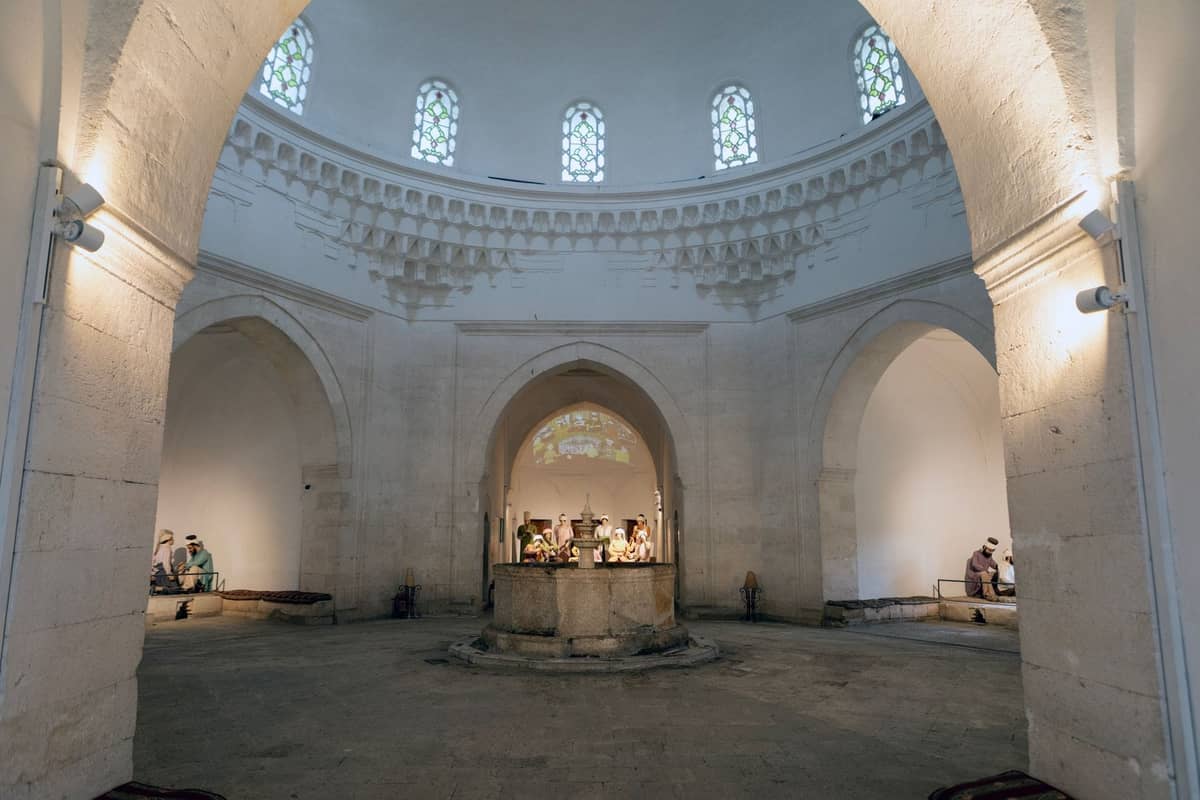
Ottoman history in Istanbul does not stop at the palace gates. The city's food culture, its café and tea house traditions, its hamam (bathhouse) culture, and even its street layout in older neighborhoods all carry Ottoman imprints. Taking a traditional Turkish bath in a historic hamam is one of the more direct ways to experience an Ottoman institution that is still functioning as it was intended — the Çemberlitaş Hamamı (built by Mimar Sinan in 1584) is a particularly well-preserved example.
The Spice Bazaar (Mısır Çarşısı), built in the 1660s as part of the Yeni Cami complex, gives a clear picture of how Ottoman trade networks worked — spices, herbs, and dried goods from across the empire funneled through Istanbul's commercial heart. It remains operational as a food market today. The broader Eminönü-Golden Horn area, just outside the bazaar, is worth time on its own. The Eminönü and Golden Horn neighborhood retains much of its Ottoman commercial character.
For visitors with more time, the Byzantine history guide provides essential context for understanding what the Ottomans inherited and transformed when they took Constantinople. The two histories are inseparable in this city — Hagia Sophia is the most obvious example, but the relationship runs through the Hippodrome, the Basilica Cistern, and the city walls.
FAQ
Which Ottoman site in Istanbul should I prioritize if I only have one day?
Topkapı Palace, without question. It served as the administrative and residential center of the Ottoman Empire for roughly four centuries, and it holds the imperial treasury, the Harem, and the Pavilion of the Holy Mantle (containing relics associated with the Prophet Muhammad). Allow at least three hours, book tickets online in advance, and add the Harem with a separate ticket — it is not included in the general entry price.
Is the Blue Mosque or the Süleymaniye Mosque better to visit?
For architectural merit, most experts favor the Süleymaniye Mosque — it is Mimar Sinan's finest work in Istanbul and is significantly less crowded. The Blue Mosque has the visual drama of its six minarets and the famous blue Iznik tile interior, and its position facing Hagia Sophia makes it photogenic. If you only visit one, the Süleymaniye offers a more authentic and less touristic experience. If you have time, visit both — they are about 15 minutes apart on foot.
Was Dolmabahçe Palace ever the main Ottoman seat of power?
Only in its final decades. Topkapı Palace was the primary residence of Ottoman sultans from the late 15th century until 1856, when Sultan Abdülmecid I moved the court to the newly built Dolmabahçe. The shift reflected a broader Ottoman effort to modernize and signal alignment with European powers. Dolmabahçe was the seat of power until the end of the empire, and Atatürk used it as his Istanbul residence — he died there in 1938.
When is the best time of year to visit Ottoman sites in Istanbul?
April to early June and mid-September to October offer the best balance of weather and manageable crowds. Summer (July–August) brings heat and very large tourist volumes, particularly at Hagia Sophia and Topkapı. Winter visits are quieter and can be atmospheric — many of the mosque interiors look particularly striking in low light — but outdoor areas like the Topkapı courtyards are less pleasant in cold, wet weather.
Do I need to book tickets for Ottoman sites in advance?
For Topkapı Palace and the Harem, advance booking via the official Museums of Türkiye platform is strongly recommended from April through October — same-day queues can add an hour or more to your wait. For Hagia Sophia, entry is currently free (as of the most recent information available) but the site gets extremely crowded; arriving before 9am helps. The Istanbul Museum Pass covers Topkapı and several other state-managed sites but not the Harem, and is worth calculating against individual ticket prices before you buy.