Museum of Innocence: Where a Novel Becomes a Place
Housed in a 19th-century wooden house in Çukurcuma, the Museum of Innocence transforms Orhan Pamuk's celebrated novel into a physical collection of over a thousand objects from everyday Istanbul life. Winner of the European Museum of the Year Award 2014, it is one of the most original museum experiences in Turkey.
Quick Facts
- Location
- Firuzağa Mahallesi, Çukurcuma Caddesi, Dalgıç Çıkmazı No: 2, Beyoğlu, Istanbul
- Getting There
- Tram T1 to Tophane, then ~10–15-min walk via Cihangir; or walk from Istiklal Avenue / Galata
- Time Needed
- 1.5 to 2.5 hours
- Cost
- Approximately 750 TRY (adult, mid-2026 estimate); Museum Pass Istanbul not valid. Verify current price before visiting.
- Best for
- Literature lovers, design enthusiasts, slow travelers, couples, solo visitors
- Official website
- en.masumiyetmuzesi.org
What Is the Museum of Innocence?
The Museum of Innocence (Masumiyet Müzesi) is unlike almost any other museum in Istanbul. It did not begin with a collection and then find a building. It began with a novel. Nobel laureate Orhan Pamuk conceived the museum and the book simultaneously during the 1990s, publishing the novel in 2008 and opening the physical museum in spring 2012. The result is a place where fiction and artifact blur in a way that few cultural institutions in the world have attempted, let alone achieved.
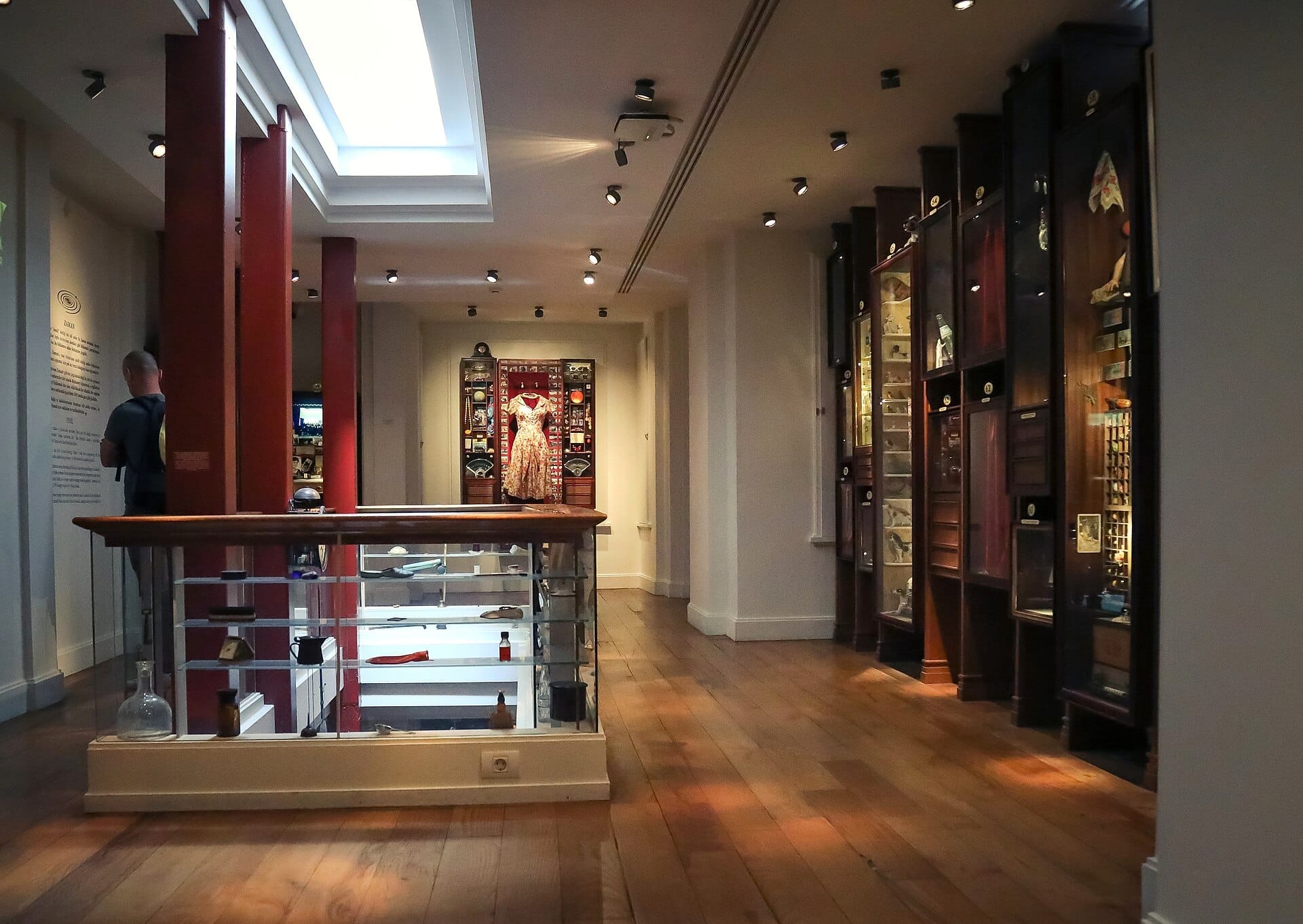
The novel follows Kemal, a wealthy Istanbullu, and his obsessive love for a distant relative named Füsun, set against the social texture of Istanbul between the 1970s and 1990s. To mark each chapter, Pamuk and his team assembled real objects from that era: cigarette butts, movie tickets, salt shakers, combs, door handles, newspaper clippings, and photographs. More than a thousand objects fill the building across 83 display cases, each corresponding to a chapter of the book. In 2014, the museum won the European Museum of the Year Award, a recognition that confirmed what many visitors had already sensed: this is a serious work of art in its own right, not simply a promotional installation for a novel.
💡 Local tip
You do not need to have read the novel to enjoy the museum. The objects and their arrangements communicate directly. That said, readers will find an additional layer in every case.
The Building and Its Neighborhood
The museum occupies a 19th-century wooden house on the corner of Çukurcuma Caddesi and Dalgıç Çıkmazı, in the Çukurcuma quarter of Beyoğlu. The choice of location is not incidental. Çukurcuma is one of Istanbul's well-known antique and secondhand furniture districts, a neighborhood of narrow streets where dealers have traded in reclaimed objects for generations. Arriving here, you notice the smell of old wood and the sound of delivery carts moving between cramped doorways. The museum fits its surroundings with precision: it is itself a collection of salvaged everyday life.
The four-storey wooden house is painted a deep red, making it easy to spot among the stone and plaster facades of the street. Inside, the floors creak under your feet, the ceilings are low in places, and the staircase between floors narrows considerably. This is not a sleek white-cube museum. It breathes and settles like an old apartment. The building is also close to other attractions worth combining into a half-day: the Çukurcuma antique quarter stretches along the same street, and the walk down to Galata and Karaköy passes through Cihangir, one of Istanbul's most pleasant residential areas.
⚠️ What to skip
The building has multiple floors connected by steep, narrow staircases. There is no confirmed lift or wheelchair ramp. Visitors with significant mobility limitations should contact the museum directly before planning a visit.
Tickets & tours
Hand-picked options from our booking partner. Prices are indicative; availability and final rates are confirmed when you complete your booking.
Bosphorus sunset cruise on luxury yacht with guide
From 55 €Free cancellationIstanbul and Bosphorus cruise on private boat - half day afternoon tour
From 40 €Instant confirmationFree cancellationWhirling Dervishes live show and exhibition
From 29 €Instant confirmationBasilica Cistern fast-track entry ticket and optional audio guide
From 34 €Instant confirmation
What You See Inside: A Floor-by-Floor Impression
Entering, you receive a small printed map and, if you choose, an audio guide. The ground floor introduces the novel's emotional premise through the first display cases, which are modest in scale but immediately arresting. A glass case holds 4,213 cigarette butts, each one associated with the character Füsun, mounted on a wooden panel like a field of tiny monuments to obsession. It is the first thing many visitors stop and stare at for longer than they expect to.
Moving upward through the floors, the cases multiply and the objects grow stranger and more specific: a worn pair of shoes, a broken clock, fragments of cloth, Atatürk portraits from different decades, newspaper front pages, salt and pepper shakers collected from Istanbul restaurants. Taken individually, these are ordinary things. Grouped and labeled with carefully written explanatory texts, they become a portrait of a city's daily life across three decades. The curators have organized everything so that each case functions both as a chapter illustration and as a small cultural document of Istanbul in the 1970s and 1980s.
By the upper floors, the rooms feel more intimate and the light coming through the wooden window frames shifts depending on the time of day. The museum is not enormous, but its density rewards slow looking. Visitors who rush through in 45 minutes will miss most of what makes it interesting. Budget at least 90 minutes; 1.5 to 2 hours is better if you are reading the case texts.
How the Experience Changes by Time of Day
The museum opens at 10:00 Tuesday through Sunday, and the first hour is typically the quietest. The interior rooms are small and visitor numbers matter: arriving early means you can linger at each case without navigating around tour groups. Midday, particularly on weekends from spring through autumn, sees the largest crowds. The upper floors feel noticeably warmer in summer afternoon heat, since the wooden building retains heat.
Friday is worth planning around. Like other days, the museum is open from 10:00 to 18:00, and the late-afternoon window, roughly 15:00 to 17:00, offers a distinctly different quality of visit. The Çukurcuma streets outside settle into a quieter pace, light fades in through the narrow windows in warm tones, and the museum feels closer to the private apartment it is meant to evoke. This is probably one of the best times to visit if your schedule allows it.
💡 Local tip
Late Friday afternoons before closing at 18:00 offer an atmospheric visit. Combine it with a slow walk through Çukurcuma and dinner in Cihangir afterward.
The Free Entry Ticket Hidden in the Novel
In the closing pages of The Museum of Innocence, in the Turkish edition and most translated editions, there is a printed admission ticket. Pamuk designed this as part of the book itself: readers who finished the novel could bring it to the museum and receive one free entry. The ticket must be stamped by the museum. This is not a stunt or a marketing device that has lapsed. It remains valid. If you own a copy of the novel, check the closing pages before you visit.
This detail is emblematic of how the whole project operates. The boundary between the literary work and the physical museum is deliberately permeable. Pamuk has described the museum as the place where the novel lives in three dimensions. The free ticket is one small proof that he meant it.
Getting There and Practical Planning
From Sultanahmet and the historic peninsula, the most straightforward route is the T1 tram to Tophane, followed by a 15-minute walk uphill through the Cihangir neighborhood. The walk itself is pleasant and passes through a characterful slice of residential Beyoğlu. From Istiklal Avenue or Taksim, the walk down to Çukurcuma takes about 15 to 20 minutes on foot and requires no public transit. Galata and Karaköy are similarly close on foot.
The museum is open Tuesday through Sunday, 10:00 to 18:00, and closed on Mondays, on 1 January, and on the first days of Eid al-Fitr (Ramazan Bayramı) and Eid al-Adha (Kurban Bayramı). Hours and ticket prices have changed over the years and are likely to continue changing with inflation. Always check the official website at en.masumiyetmuzesi.org before your visit. Note that the Istanbul Museum Pass is not valid here.
If you are combining this with other Beyoğlu highlights, the Pera Museum is a short walk away and offers a more conventional but excellent art collection including Orientalist painting. The Galata Tower is further downhill and easy to include in the same afternoon. For a broader picture of what to see in this part of the city, the Istanbul hidden gems guide covers several Beyoğlu spots that complement a visit here.
Photography and What to Bring
Photography is generally permitted inside the museum without flash, subject to staff instructions. The display cases are lit in warm, low light, and the glass fronts create reflections. The most photographed case is the cigarette butt installation, which is difficult to capture without reflections but rewards patience and a slight angle adjustment. The upper floors near the windows offer the best natural light for photography.
There is no café inside the museum. Wear comfortable shoes: the floors are uneven in places and the stairs require some care. In summer, the upper floors can be warm; bring water. In winter, the building stays reasonably heated. If you plan to read the case texts carefully, the visit takes longer than most people expect, so leave time in your itinerary.
Who Should Skip This Museum
The Museum of Innocence is a slow, text-heavy, emotionally introspective experience. Visitors looking for grand historical spectacle, panoramic views, or interactive displays will likely leave underwhelmed. Children generally find little to engage with here. The narrow staircases and multi-floor layout make it genuinely difficult for visitors with mobility limitations. If your Istanbul itinerary is already packed with mosques, palaces, and bazaars and you are short on time, this museum rewards those who specifically seek out its particular tone. It is not for everyone, and it does not try to be.
Insider Tips
- If you own a copy of the novel The Museum of Innocence in any edition, check the closing pages for the printed ticket that entitles you to one free entry, stamped at the museum.
- Visit on a Friday afternoon between 16:00 and 18:00. The crowds thin, the light shifts beautifully through the wooden windows, and the atmosphere comes closest to the private, melancholic mood the museum is designed to create.
- The audio guide adds meaningful context to many of the cases and is available for an additional fee. If you have not read the novel, consider it worth the small extra cost.
- Pair the museum with a browse through the antique shops on Çukurcuma Caddesi before or after your visit. The dealers here sell exactly the kind of mid-century Istanbul domestic objects on display inside, which adds an odd resonance to the experience.
- The Istanbul Museum Pass does not cover entry here. Budget separately and verify the current ticket price on the official website before arriving, as prices have increased significantly with Turkish inflation.
Who Is Museum of Innocence For?
- Readers of Orhan Pamuk's novel who want to experience the story in three dimensions
- Travelers interested in 20th-century Istanbul social history and everyday material culture
- Design and exhibition enthusiasts who appreciate unconventional curatorial approaches
- Couples and mga solo traveler who prefer slow, contemplative museum experiences
- Anyone spending a half-day exploring Beyoğlu and Çukurcuma on foot
Nearby Attractions
Other things to see while in Beyoğlu:
- Çukurcuma Antique Quarter
Tucked between Cihangir and Galatasaray in Beyoğlu, the Çukurcuma Antique Quarter is a steep tangle of cobbled streets lined with over 150 antique and second-hand shops. Free to explore and steps from İstiklal Avenue, it rewards slow walkers with Ottoman brass, Soviet cameras, and vintage curiosities spilling out of storefronts onto the pavement.
- Galata Mevlevi Museum
Tucked along Galip Dede Street in Beyoğlu, the Galata Mevlevi Museum occupies a 15th-century dervish lodge that once formed the spiritual heart of Istanbul's Mevlevi Sufi order. Today it houses rotating collections of calligraphy, musical instruments, and ceremonial objects, arranged around a serene courtyard that feels worlds away from the crowds of nearby İstiklal Avenue.
- İstiklal Avenue
İstiklal Caddesi stretches 1.4 km through the heart of Beyoğlu, connecting Tünel Square to Taksim Square along a corridor of Belle Époque apartment buildings, independent bookshops, historic churches, and the iconic nostalgic tram. Free to walk at any hour, the avenue rewards visitors who go beyond the obvious and turn into its side streets.
- Pera Museum
Set inside a restored 19th-century hotel on Meşrutiyet Caddesi, Pera Museum blends Ottoman cultural artifacts with ambitious international loan exhibitions. It's compact enough to explore in two hours but rich enough to reward a longer stay.