Kuzguncuk: Istanbul's Quiet Asian Shore Village with a Layered Past
Kuzguncuk is a residential neighborhood on the Asian shore of the Bosphorus with a centuries-old Jewish, Armenian, and Greek heritage, pastel-painted wooden houses, a community garden, and a waterfront strip where locals gather at every hour. It asks for no admission fee and rewards slow, unhurried exploration.
Quick Facts
- Location
- Kuzguncuk, Üsküdar, Asian side of Istanbul
- Getting There
- Ferry to Üsküdar, then bus 15 series (alight at Kuzguncuk stop, approx. 3rd stop) or dolmuş toward Beykoz
- Time Needed
- 2 to 3 hours for a relaxed walk; half a day if you linger at cafés or the waterfront
- Cost
- Free to enter and walk. Costs only for cafés, restaurants, and private venues.
- Best for
- Architecture lovers, history-seekers, slow travelers, photographers, and anyone wanting a break from tourist crowds
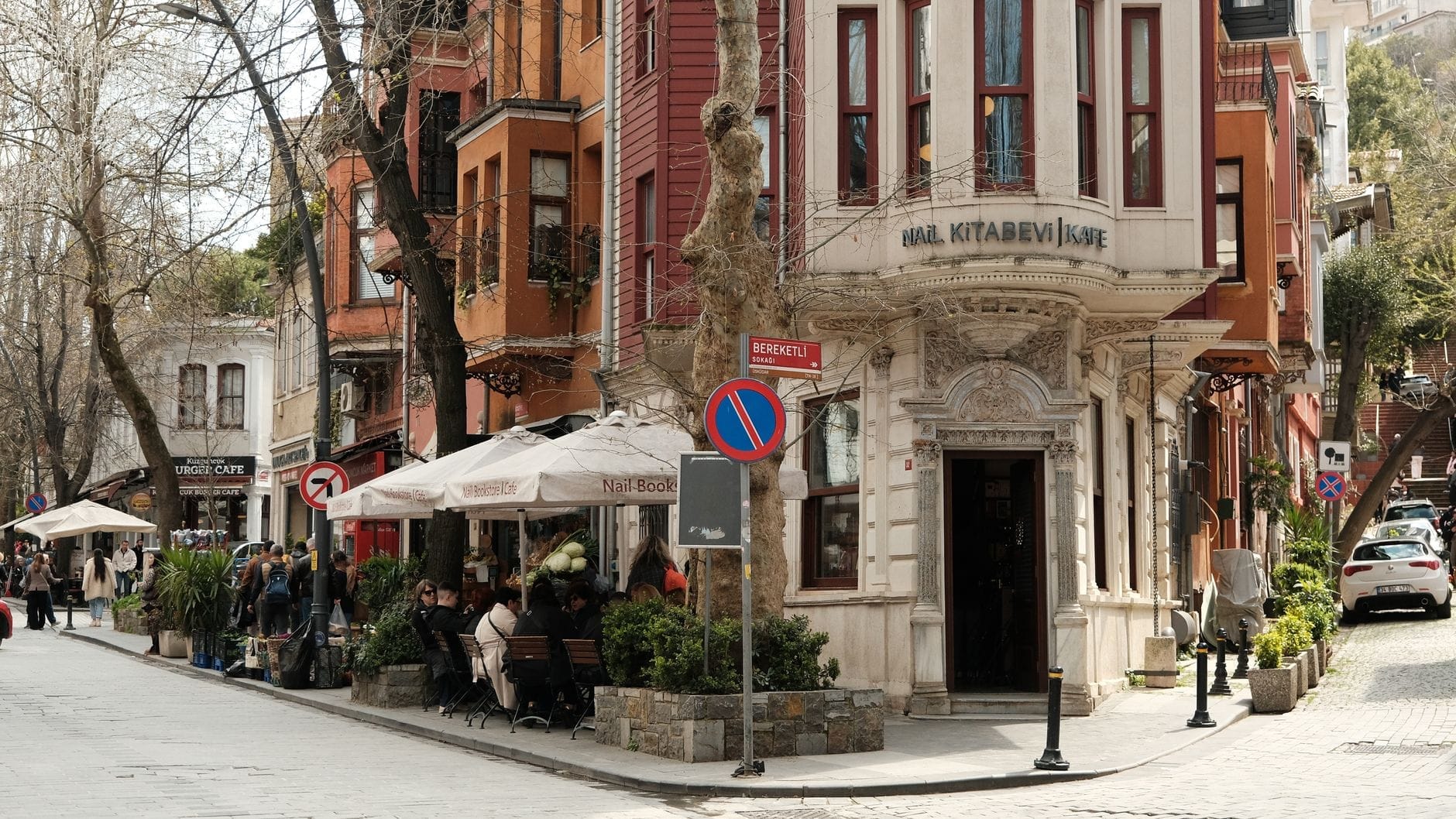
What Kuzguncuk Actually Is
Kuzguncuk is not a museum district or a converted tourist quarter. It is a working residential neighborhood on the Asian shore of the Bosphorus, bordered by Beylerbeyi to the south and the Bosphorus waterfront to the west, within Üsküdar district. Streets are lined with original late Ottoman wooden houses painted in mustard, sea-green, and terracotta. Cats occupy most staircases. The bakery near İcadiye Caddesi operates on the same schedule it always has, indifferent to visitors.
The formal name is Kuzguncuk Mahallesi, meaning Kuzguncuk neighbourhood, and it has no entrance gate, no ticket booth, and no operating hours. The waterfront and streets are accessible at any time of day or night. What makes Kuzguncuk worth a detour is the density of its surviving architecture, the unusual multi-faith history concentrated in a very small area, and the fact that it has not been remade for tourism in the way that comparable neighborhoods elsewhere in Istanbul have.
💡 Local tip
Arrive on a weekday morning if you want the streets largely to yourself. On weekend afternoons, Istanbul residents from across the city come here specifically to walk and eat, and the waterfront cafés fill quickly.
A History Built on Tolerance, Then Absence
The area's recorded history begins before the Ottoman era. During the Byzantine period it was called Chrysokeramos, meaning Golden Tile in Greek, a name derived from a church whose roof was covered in gilded tiles. That church no longer stands, but the memory of it survives in the name's etymology, which is still cited in local histories.
After the Ottoman conquest of Constantinople in 1453, Kuzguncuk became one of the first Jewish settlements on the Asian side of the Bosphorus. Sephardic Jews who had been expelled from Spain in 1492 settled here in significant numbers. The neighborhood was described in Jewish accounts as the last stop before reaching the Holy Land, a phrase that conveys both its geographic position at the edge of Istanbul and its emotional resonance as a resting point in the Sephardic diaspora.
For several centuries, Kuzguncuk operated as one of Istanbul's most multi-faith communities. Synagogues, an Armenian apostolic church, and a Greek Orthodox church stood within a few hundred meters of each other. That religious mix encapsulates something about the social composition that persisted here long after other Istanbul neighborhoods had changed. The community has since thinned considerably through emigration over the 20th century, but the physical evidence of that coexistence remains visible on almost every block.
For deeper context on Istanbul's Byzantine and Ottoman layers, the guides on Istanbul's Byzantine history and Ottoman Istanbul provide useful background before a visit.
Tickets & tours
Hand-picked options from our booking partner. Prices are indicative; availability and final rates are confirmed when you complete your booking.
Bosphorus sunset cruise on luxury yacht with guide
From 55 €Free cancellationIstanbul and Bosphorus cruise on private boat - half day afternoon tour
From 40 €Instant confirmationFree cancellationWhirling Dervishes live show and exhibition
From 29 €Instant confirmationBasilica Cistern fast-track entry ticket and optional audio guide
From 34 €Instant confirmation
Walking the Neighborhood: What You Will Actually See
The main artery is İcadiye Caddesi, which runs from the waterfront up into the residential core. It is wide enough for a single lane of traffic, lined with small grocers, a few independent cafés, and the kind of hardware shop that has not changed its signage in thirty years. The wooden houses on the side streets off İcadiye are the architectural centerpiece of the neighborhood. Many are two or three storeys with overhanging upper floors supported on carved brackets, the paint faded but structurally intact.
Perihan Abla Street, named after the popular Turkish television series filmed here in the 1980s, is the most photographed block in Kuzguncuk. The houses along it are well-preserved and densely packed, with flower boxes at windows and painted shutters. This is where most visitors point cameras. The association with the TV series made the street a kind of soft pilgrimage site for Turkish viewers, which has indirectly contributed to its preservation.
The Ayios Panteleimon Greek Orthodox Church, built in 1831 with its bell tower added in the early 20th century, sits quietly on a side street. It is not a formal tourist attraction and opens primarily for Sunday services rather than for visitors at scheduled hours. The exterior, a pale ochre with arched windows, is visible from the street. The Surp Krikor Lusarovich Armenian Church is similarly understated in its street presence. Both are active religious sites, and visitors should approach them with appropriate discretion.
Kuzguncuk Bostanı, the community garden established on a formerly vacant plot, is one of the more unusual features of the neighborhood. Run as a communal urban agriculture project, it grows vegetables on land close to the Bosphorus waterfront. Entry is free. It operates as a gathering point for local residents and represents a style of urban green space that is genuinely rare in Istanbul.
ℹ️ Good to know
The Fethi Paşa Grove (Fethi Paşa Korusu) is a forested hillside park immediately adjacent to Kuzguncuk, free to enter, with steep paths through pine and cypress. It provides elevated views over the Bosphorus and is a pleasant extension of a walking visit.
The Waterfront and How the Neighborhood Changes by Hour
The Kuzguncuk waterfront is a narrow strip along the Bosphorus shore where a path runs between the water's edge and a row of café terraces. In the early morning, before 8am, the light comes off the water at a low angle and the cafés are not yet open. Fishermen set up along the railing. The sound is almost entirely water and birds. This is the quietest version of Kuzguncuk and the most revealing one, because it shows the neighborhood as residents rather than visitors experience it.
By mid-morning on weekdays, the cafés open and a mix of retirees, students working remotely, and the occasional tour group arrive. The pace is relaxed. The afternoon brings the widest range of visitors, particularly on weekends when the ferry from Üsküdar delivers families and groups who come specifically to walk the streets and eat at the restaurants along the waterfront. By late afternoon, the light turns golden on the wooden facades and the Bosphorus traffic of tankers and ferries creates a backdrop that photographers work hard to include in their compositions.
In the evening, the neighborhood quiets again. The restaurants stay open and the waterfront path remains walkable, but the sense of the place shifts back toward the residential. It is a different atmosphere from the daytime: warmer in feeling, more local in character, and worth staying for if you are already in the area.
Kuzguncuk is one stop on a longer Asian-side itinerary. The Bosphorus villages guide covers the wider stretch of shore settlements worth combining with this visit.
Getting There and Getting Around
The most pleasant approach is by ferry to Üsküdar, then the bus. From the Üsküdar Cami Önü bus stop, take a bus in the 15 series toward Kuzguncuk and get off at the Kuzguncuk stop. Alternatively, dolmuşes running toward Beykoz pass through and can be flagged down. The journey from Üsküdar takes around ten minutes by bus.
If you are crossing from the European side, take a Şehir Hatları city ferry to Üsküdar. The ferry ride itself gives you a Bosphorus crossing with views of the waterfront before you arrive, which sets the tone for the neighborhood visit. Payment is by Istanbulkart on ferries and buses.
Kuzguncuk is walkable on foot once you arrive. The main streets, the waterfront path, and İcadiye Caddesi are flat and paved. Side streets climb gentle hills and some are cobbled or uneven, which makes them less comfortable for pushchairs or mobility aids. There is no official step-free route mapped through the neighborhood, and visitors with significant mobility limitations may find certain sections of the residential streets more difficult.
💡 Local tip
Wear comfortable walking shoes with grip. Some of the most interesting streets are slightly uphill and have irregular stone surfaces. The payoff is architecture that looks like it has not been staged for visitors, because it has not.
Photography, Timing, and Practical Tips
Kuzguncuk photographs extremely well in spring and autumn when the trees along İcadiye Caddesi are either in bloom or in color. The wooden house facades show up best in morning or late afternoon light, when shadows are long and the warm tones of the paint read clearly. Midday sun bleaches the facades and creates hard shadows that flatten the texture.
Be honest with yourself about expectations. Kuzguncuk is not a theatrical experience. There is no single landmark, no world-class museum, and no dramatic viewpoint within the neighborhood itself. Its value is cumulative: the texture of many intact streets, the density of history in a small area, and the feeling of a part of Istanbul that has not been rebuilt to resemble what visitors expect Istanbul to look like. If you need a climax moment from an attraction, this is not the right place. If you find satisfaction in slow, observational walking, it will reward several hours.
For visitors exploring this part of the Asian shore, Beylerbeyi Palace is a short distance south along the waterfront and adds a formal architectural counterpoint to Kuzguncuk's domestic scale.
If you are building a broader Asian-side day, the Istanbul Asian side guide maps out how to combine Kuzguncuk with Üsküdar and Kadıköy without backtracking.
Insider Tips
- The synagogues in Kuzguncuk are not generally open for casual visits, but the exterior of Bet Yaakov synagogue on İcadiye Caddesi is visible from the street and worth noting for its architectural contrast with the surrounding wooden houses.
- The community garden, Kuzguncuk Bostanı, sometimes hosts weekend events and small markets. Check local listings before you go if you want to overlap with one.
- Fethi Paşa Grove is immediately walkable from the neighborhood and almost no day visitors continue up into it. The forest paths are pine-shaded and provide Bosphorus views without any infrastructure or crowds.
- If you are visiting on a Sunday morning, walk past Ayios Panteleimon Church around service time to hear the bells, a sound that has a strange effect against the tanker traffic on the Bosphorus behind you.
- The bus back to Üsküdar runs frequently, but if the day is clear, consider walking south along the waterfront path toward Paşalimanı instead. The path is flat, quiet, and lined with fishing spots.
Who Is Kuzguncuk For?
- Architecture and urban history enthusiasts who want to see intact late Ottoman residential fabric
- Photographers working in natural light, particularly in spring or autumn
- Travelers who have already covered the major monuments and want contrast
- Anyone interested in the Sephardic Jewish and Eastern Christian heritage of Istanbul
- Slow travelers who prefer neighborhoods to landmarks
Nearby Attractions
Other things to see while in Bosphorus Villages:
- Anadolu Kavağı & Yoros Castle
At the far northern tip of the Bosphorus, where the strait meets the Black Sea, a medieval Byzantine fortress watches over a sleepy fishing village. Yoros Castle is free to enter, rarely crowded, and rewards the uphill walk with one of the most dramatic panoramas in all of Istanbul.
- Arnavutköy
Arnavutköy is a historic neighbourhood on Istanbul's European Bosphorus shore, sitting between Ortaköy and Bebek in the Beşiktaş district. Its wooden Ottoman yalıs, cobblestone backstreets, and working waterfront make it one of the city's most atmospheric places to walk, eat seafood, and slow down.
- Bebek Waterfront
Bebek Waterfront stretches along one of the Bosphorus's most photogenic bays on Istanbul's European shore. Free to enter, open around the clock, and flanked by waterside cafes and 19th-century architecture, it offers a side of Istanbul that belongs to the city's residents as much as its visitors.
- Borusan Contemporary
Borusan Contemporary transforms the historic Perili Köşk mansion in Rumelihisarı into one of Istanbul's most distinctive art spaces. Housed inside Borusan Holding's headquarters, the collection spans video art, digital installations, and works by major Turkish and international contemporary artists.