Arnavutköy: Istanbul's Prettiest Bosphorus Waterfront Village
Arnavutköy is a historic neighbourhood on Istanbul's European Bosphorus shore, sitting between Ortaköy and Bebek in the Beşiktaş district. Its wooden Ottoman yalıs, cobblestone backstreets, and working waterfront make it one of the city's most atmospheric places to walk, eat seafood, and slow down.
Quick Facts
- Location
- Beşiktaş district, European shore of the Bosphorus, between Ortaköy and Bebek
- Getting There
- Bus or minibus along the Bosphorus coastal road from Beşiktaş; taxi or ride-hailing to Arnavutköy İskele (pier)
- Time Needed
- 2–3 hours for a relaxed walk; half a day if you stop for a meal
- Cost
- Free to enter and explore; individual cafés and restaurants set their own prices
- Best for
- Ottoman architecture, Bosphorus views, slow-travel walkers, food lovers
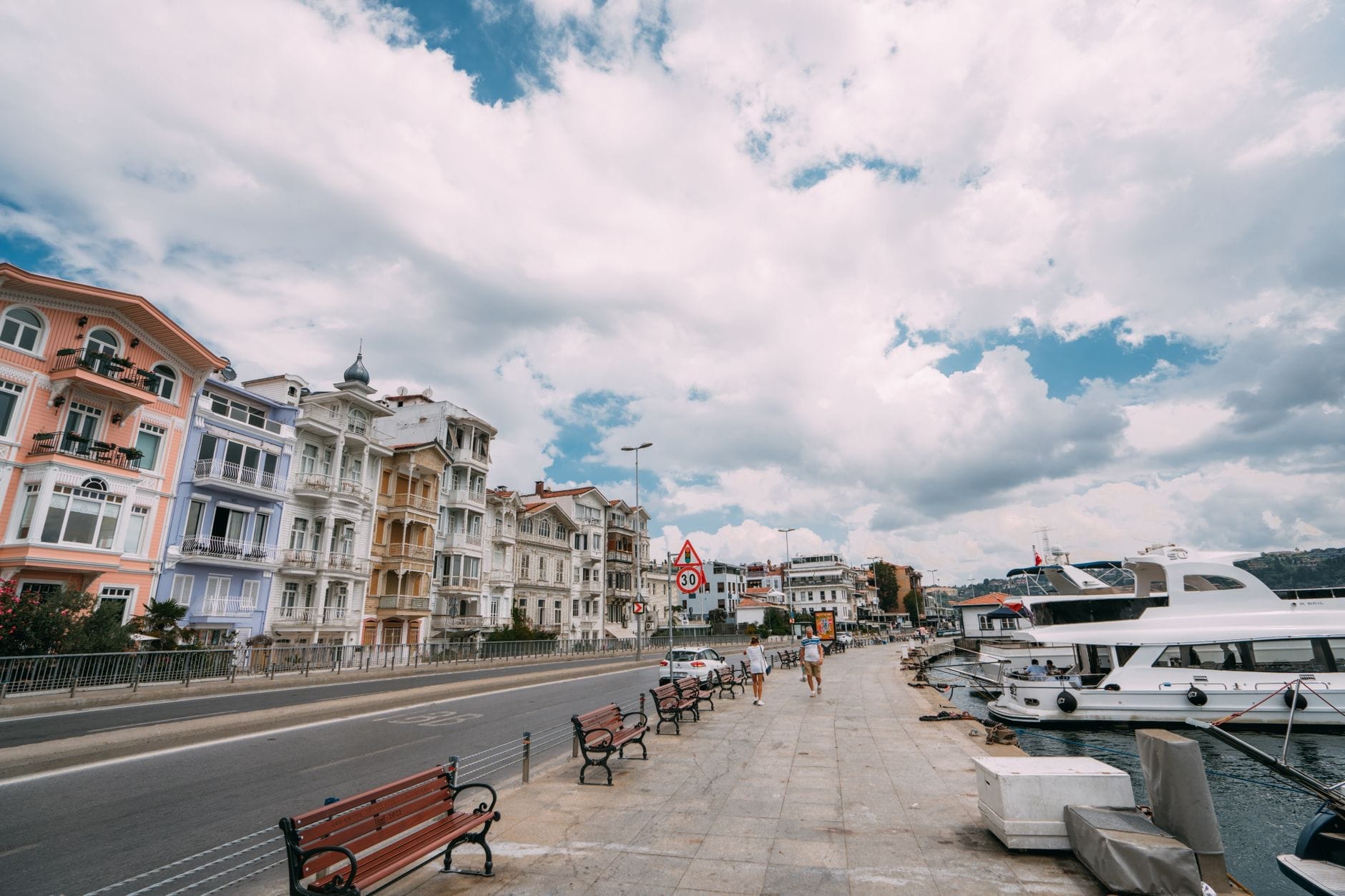
What Is Arnavutköy?
Arnavutköy is an urban neighbourhood rather than a ticketed attraction, which is part of what makes it so rewarding. There are no queues, no entrance gates, and no tour groups following a flag. What you get instead is a stretch of the Bosphorus shoreline that still looks and feels like Ottoman Istanbul, right down to the timber-framed waterfront mansions that lean slightly over the water as if checking the current.
The name translates from Turkish as 'Albanian village', a reference to the Albanian community that once lived here alongside Greeks, Jews, and Turks. That layered demographic history is still visible today: a mosque, a Greek Orthodox church, and a synagogue all stand within a few hundred metres of each other, a concentration of religious heritage that is rare even by Istanbul's standards.
Arnavutköy sits between Bebek to the north and Ortaköy to the south, both of which are well-known and much busier. Arnavutköy occupies the quieter middle ground and, as a result, has held onto more of its original character. If you are building a day around the European Bosphorus shore, this neighbourhood fits naturally into a wider exploration of the Bosphorus villages.
The Waterfront: What You Actually See
The focal point is the seafront promenade running along the Bosphorus, anchored at its centre by the Arnavutköy İskele, the neighbourhood's old ferry pier. The pier itself is no longer a major ferry stop, with only infrequent ferries calling here, but it remains a social hub: fishermen line the railings with their rods at almost any hour, and the smell of brine and faintly of diesel from passing tankers is constant.
The row of yalıs (Ottoman waterfront mansions) directly behind the promenade is what most visitors come to see. These are private residences, not museums, so you observe them from the street. Up close, the detail is striking: ornate window frames in faded pastel blues and yellows, wooden balconies with turned balusters, and in some cases foundations that extend directly into the Bosphorus. Many date from the 18th and 19th centuries. A handful have been carefully restored; others are in various stages of gentle decay, which gives the streetscape an honest, lived-in quality.
💡 Local tip
The best light on the yalıs falls in the late afternoon, when the sun drops toward the European hills behind the neighbourhood and the facades catch a warm, low glow. Morning light is flatter but the streets are quieter, making it easier to photograph without pedestrians in frame.
The promenade itself is flat and comfortably walkable. Small restaurants and meyhanes occupy the ground floors of many of the waterfront buildings, with outdoor tables set almost at the water's edge. On weekday mornings these are mostly empty and calm. Weekend afternoons draw Istanbul locals for a long lunch, and tables fill up quickly at the better-known fish restaurants by early evening.
Tickets & tours
Hand-picked options from our booking partner. Prices are indicative; availability and final rates are confirmed when you complete your booking.
Bosphorus sunset cruise on luxury yacht with guide
From 55 €Free cancellationIstanbul and Bosphorus cruise on private boat - half day afternoon tour
From 40 €Instant confirmationFree cancellationWhirling Dervishes live show and exhibition
From 29 €Instant confirmationBasilica Cistern fast-track entry ticket and optional audio guide
From 34 €Instant confirmation
The Backstreets: Cobblestones and Climbing
Step away from the waterfront and Arnavutköy reveals a second, steeper character. The streets climbing up from the shore are narrow, paved with irregular stone, and in some places steep. Houses here are older and less polished than the restored yalıs on the water: wooden structures with bay windows, wrought-iron details, and small gardens pressed behind low walls. Cats, which are a fixture of Istanbul street life generally, appear here in particular numbers.
The uphill streets are worth the effort for what they reveal about how the neighbourhood was actually built and lived in. You will find a small market, local bakeries, and tea houses that cater entirely to residents rather than visitors. This is a functioning community, not a preserved open-air museum. For a deeper read on how this fits into Istanbul's broader cat culture and neighbourhood character, the Istanbul cats guide gives useful context.
⚠️ What to skip
The cobblestone backstreets are difficult to navigate in a wheelchair and uncomfortable in heels or hard-soled shoes. Wear flat, grippy footwear if you plan to explore beyond the waterfront promenade.
History and Cultural Context
Arnavutköy's multi-ethnic past is not just a footnote: it shaped the physical layout of the neighbourhood in ways you can still trace on foot. The Greek Orthodox community maintained a significant presence here well into the 20th century, and their church, dedicated to the Taxiarches (Archangels), remains an active place of worship. The synagogue and the mosque in the same compact area reflect centuries of Ottoman urban planning in which different communities lived in close proximity and governed their own religious institutions.
The neighbourhood was also historically associated with a locally grown strawberry variety, smaller and more intensely flavoured than standard cultivars, which was sold along the Bosphorus shore in season. The tradition has largely faded, but you occasionally find vendors with small hand-picked strawberries at the market in spring.
Arnavutköy sits within the broader arc of Bosphorus history that spans centuries of trade, diplomacy, and imperial leisure. The Ottoman sultans used the Bosphorus shore as a summer retreat corridor, and the concentration of wooden mansions in Arnavutköy reflects that pattern. For the wider story of the waterway and the palaces and fortresses along it, the Bosphorus cruise guide provides useful historical framing.
How Arnavutköy Changes Through the Day
Early morning, roughly 7–9am, is the most atmospheric time to arrive. Fishermen are already at the pier, bread is being delivered to the tea houses, and the light on the water is pale and flat. The neighbourhood belongs to residents at this hour, and a short walk along the promenade with a glass of çay from one of the small cafés is genuinely unhurried.
Midday brings a moderate flow of visitors, mostly couples and small groups rather than coach parties. The fish restaurants start setting outdoor tables around noon, and the smell of grilled fish mixes with salt air along the waterfront. This is a reasonable time to eat but expect some wait for tables at the more popular spots on weekends.
Late afternoon and early evening, from about 4pm onward, is when the light is best for photography and the neighbourhood is at its most social. Istanbul residents drive or taxi out here for dinner, and the outdoor tables fill. If you want a waterfront table at a known restaurant on a Saturday evening, arrive before 6pm or book ahead. After 9pm on weekdays, the neighbourhood quiets down considerably and the streets are peaceful.
ℹ️ Good to know
Arnavutköy is significantly quieter than Ortaköy or Bebek on weekends. If those two feel too crowded, this is a practical alternative that is a short taxi or bus ride away.
Eating and Drinking in Arnavutköy
Seafood is the dominant choice along the waterfront, ranging from straightforward fish plates at casual lokantalar to more formal meyhane-style dinners with mezes and rakı. The proximity to the Bosphorus means the fish is generally fresh, and the setting justifies slightly higher prices than you would pay further inland. Expect to pay more than in neighbourhood restaurants in Fatih or Kadıköy, but less than in more tourist-heavy waterfront spots in Ortaköy.
The neighbourhood also has several good pastry shops and börek spots in the backstreets, and a handful of tea houses that serve the standard Istanbul çay without any tourist markup. If you are building a broader food itinerary for Istanbul's Bosphorus shore, the Istanbul food guide covers what to eat, where, and how much to expect to pay across the city's different neighbourhoods.
Practical Information
Arnavutköy is a public neighbourhood with no opening hours and no admission charge. You can arrive at any time. The waterfront is accessible year-round, though the experience shifts considerably with weather: on grey, windy winter days the Bosphorus is dramatic but the outdoor restaurant culture disappears, and many waterfront businesses reduce their hours or close. Spring and autumn are the most comfortable seasons for walking the area.
To get there, take a bus or minibus from Beşiktaş along the coastal road, or use a taxi or ride-hailing app to be dropped at the Arnavutköy İskele. Journey time from Taksim by taxi is typically 20–30 minutes depending on traffic, which can be heavy on the coastal road on weekend afternoons. For general guidance on moving between neighbourhoods across the city, the getting around Istanbul guide covers all the main options.
There is no dedicated car park. If arriving by private vehicle, street parking along the coastal road is very limited, particularly on weekends. Public transport or a drop-off by taxi is significantly more practical.
The waterfront promenade is flat and accessible. The backstreets are not suitable for wheelchairs due to the cobblestone surfaces and gradients. Visitors with mobility limitations can still enjoy the full length of the waterfront walk comfortably.
Insider Tips
- Walk north from the pier toward Bebek rather than south toward Ortaköy: the street narrows and the yalıs become more densely packed, and you will find yourself almost alone on the pavement within five minutes of the pier.
- The fish restaurants with the most visible signage and English menus are not necessarily the best ones. Look for places where the clientele is entirely local and the menu is on a chalkboard: these tend to offer better value and fresher fish.
- Arnavutköy is one of the few Bosphorus neighbourhoods where you can watch large tankers pass at close range from an outdoor table. The ships navigating the strait are enormous at this scale, and the contrast with the 19th-century wooden houses behind you is striking.
- If you visit in late spring, ask locally about small strawberry vendors. The historic Ottoman strawberry variety associated with this area occasionally reappears at small street stalls in April and May, sold in tiny wooden crates.
- Avoid the neighbourhood on weekend afternoons if you are looking for quiet: locals drive out from across Istanbul for waterfront lunches, and the coastal road becomes congested. Weekday mornings offer a completely different experience.
Who Is Arnavutköy For?
- Walkers who want Bosphorus atmosphere without large crowds
- Architecture enthusiasts interested in Ottoman wooden residential buildings
- Food travellers looking for seafood restaurants with local clientele
- Photographers seeking waterfront light on 19th-century facades
- Travellers who want to combine a neighbourhood walk with the wider Bosphorus shore route between Ortaköy and Bebek
Nearby Attractions
Other things to see while in Bosphorus Villages:
- Anadolu Kavağı & Yoros Castle
At the far northern tip of the Bosphorus, where the strait meets the Black Sea, a medieval Byzantine fortress watches over a sleepy fishing village. Yoros Castle is free to enter, rarely crowded, and rewards the uphill walk with one of the most dramatic panoramas in all of Istanbul.
- Bebek Waterfront
Bebek Waterfront stretches along one of the Bosphorus's most photogenic bays on Istanbul's European shore. Free to enter, open around the clock, and flanked by waterside cafes and 19th-century architecture, it offers a side of Istanbul that belongs to the city's residents as much as its visitors.
- Borusan Contemporary
Borusan Contemporary transforms the historic Perili Köşk mansion in Rumelihisarı into one of Istanbul's most distinctive art spaces. Housed inside Borusan Holding's headquarters, the collection spans video art, digital installations, and works by major Turkish and international contemporary artists.
- Emirgan Park
Emirgan Park, officially Emirgân Korusu, is one of Istanbul's largest public parks, stretching across forested hillsides above the Bosphorus shore in the Sarıyer district. Entry is free year-round, and the park holds particular fame as the principal venue for Istanbul's annual Tulip Festival each April.