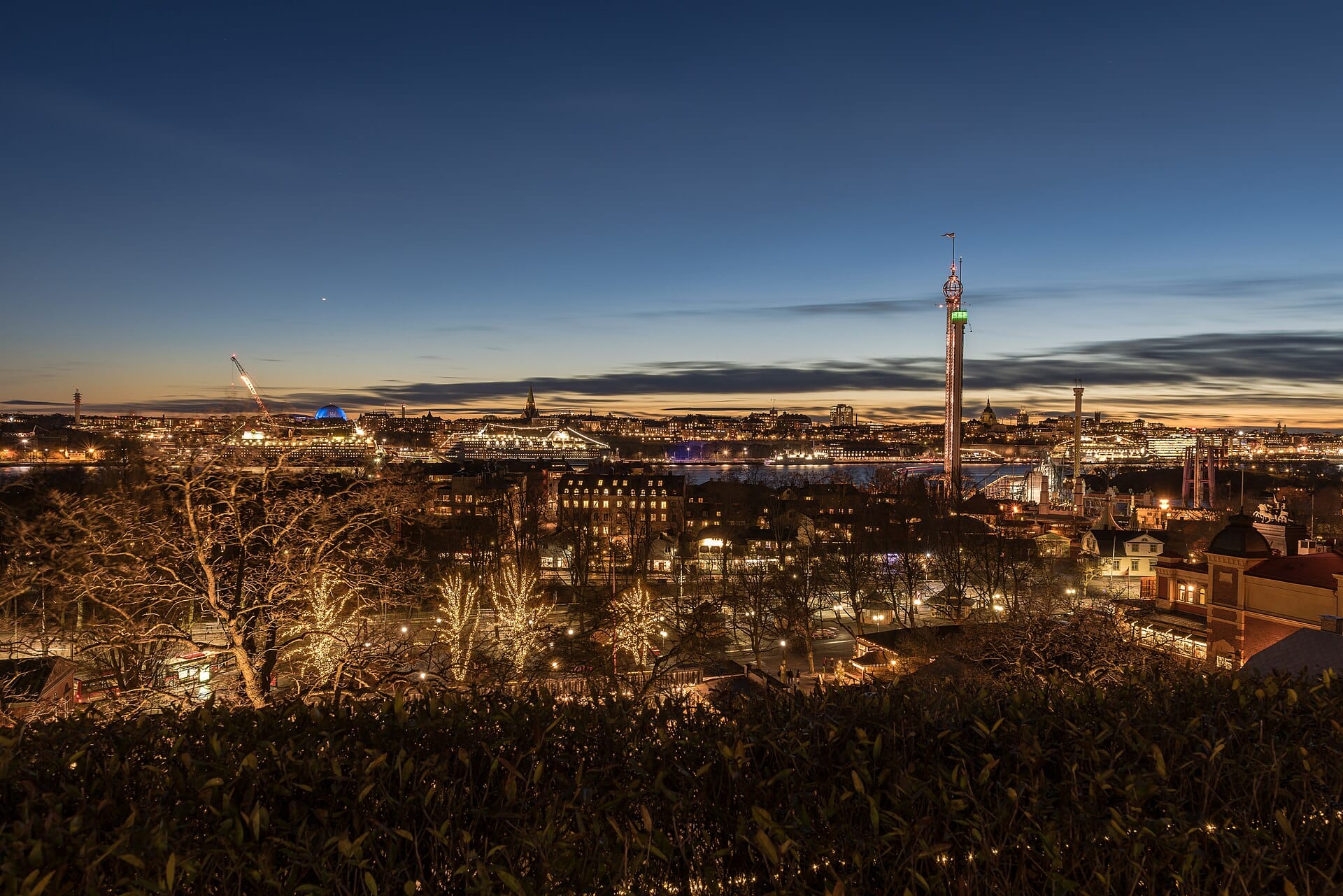
Djurgården is a royal park island in eastern central Stockholm, home to some of Sweden's greatest museums, an amusement park, and vast stretches of forest and meadow. Once a hunting ground for Swedish royalty, it now draws millions of visitors each year while still feeling surprisingly open and unhurried away from the main attraction strip.
Djurgården is where Stockholm keeps its cultural crown jewels: the Vasa Museum, Skansen, the Nordic Museum, and the ABBA Museum all sit within walking distance of each other on this long, green island east of the city centre. But step even a few hundred metres off Djurgårdsvägen and you're in old-growth forest, past centuries-old oak trees, with the water visible through the branches on both sides.
Orientation
Djurgården lies directly east of Stockholm's inner city, separated from the mainland by narrow waterways. The island is large by urban standards, covering roughly 279 hectares, but its population is tiny at around 800 residents. Almost everything visitors come for is concentrated along the western and central sections of the island, clustered around Djurgårdsvägen, the main road that runs east from the bridge.
To the north, the bay of Djurgårdsbrunnsviken separates the island from Östermalm. To the south, the water channel of Djurgårdskanalen and Baggensfjärden face Södermalm in the distance. The western tip of Djurgården, where the bridge and ferry docks are, is the most visited section. The further east you go, the wilder and quieter the island becomes, eventually giving way to forested parkland that is part of the Royal National City Park (Nationalstadsparken), one of the few urban national parks in the world.
A useful mental anchor: Djurgårdsbron, the ornate iron bridge connecting Djurgården to Östermalm, is the main pedestrian and traffic gateway. If you arrive by tram or on foot from the city, this is your entry point. Ferry passengers arrive slightly further south at the Allmänna gränd or Vasa Museum quays. From either arrival point, the major museums line up along Djurgårdsvägen heading east: the Nordic Museum on the left, the Vasa Museum shortly after, then Skansen and Gröna Lund further along. The ABBA Museum sits near the Gröna Lund entrance.
Character & Atmosphere
Djurgården operates on a different rhythm from the rest of Stockholm. It is not a neighbourhood in the conventional sense. There are no morning commuters queuing for coffee, no neighbourhood grocery stores or corner bars. What you get instead is a place that shifts between genuinely peaceful parkland and Stockholm's most concentrated stretch of world-class museums, sometimes within the space of a single block.
Early morning on Djurgården is something else entirely. Before the museums open and before the trams start running full, joggers and cyclists have the lanes to themselves. The light in late spring and summer comes in low and golden off the water, catching the pale trunks of the old oaks. The smell is fresh and slightly maritime. By 10am, the first tour groups are crossing the bridge and the queue outside the Vasa Museum begins to form.
Midday in July or August is when the western strip gets genuinely crowded, particularly around Gröna Lund and Skansen. The area near the ferry docks fills with families. Ice cream lines form. The noise from the amusement park drifts across the water. This is Stockholm at its most touristy, and there is no point pretending otherwise. But even then, walk ten minutes east past Skansen into Djurgårdens allé or down toward the Waldemarsudde headland and the crowds thin dramatically.
After dark, Djurgården quietens significantly. Gröna Lund hosts concerts through summer and the fairground lights up, but the museum strip goes quiet once closing time passes. The island is not a nightlife destination. It is one of the few central Stockholm areas where you can genuinely hear birds and wind at 9pm in summer.
💡 Local tip
Visit the major museums on weekday mornings to avoid the worst crowds. Skansen in particular is far more atmospheric when it is not at capacity. If you are visiting in summer, Gröna Lund concert nights bring a surge of visitors to the island even for those not attending the show.
What to See & Do
The Vasa Museum is the single most visited museum in Scandinavia, and the reason is straightforward: nowhere else can you stand directly next to a near-perfectly preserved 17th-century warship that sank on its maiden voyage in 1628 and was raised from Stockholm's harbour in 1961. The scale of the vessel inside its purpose-built museum is genuinely hard to comprehend until you are standing under it. Allow at least two hours.
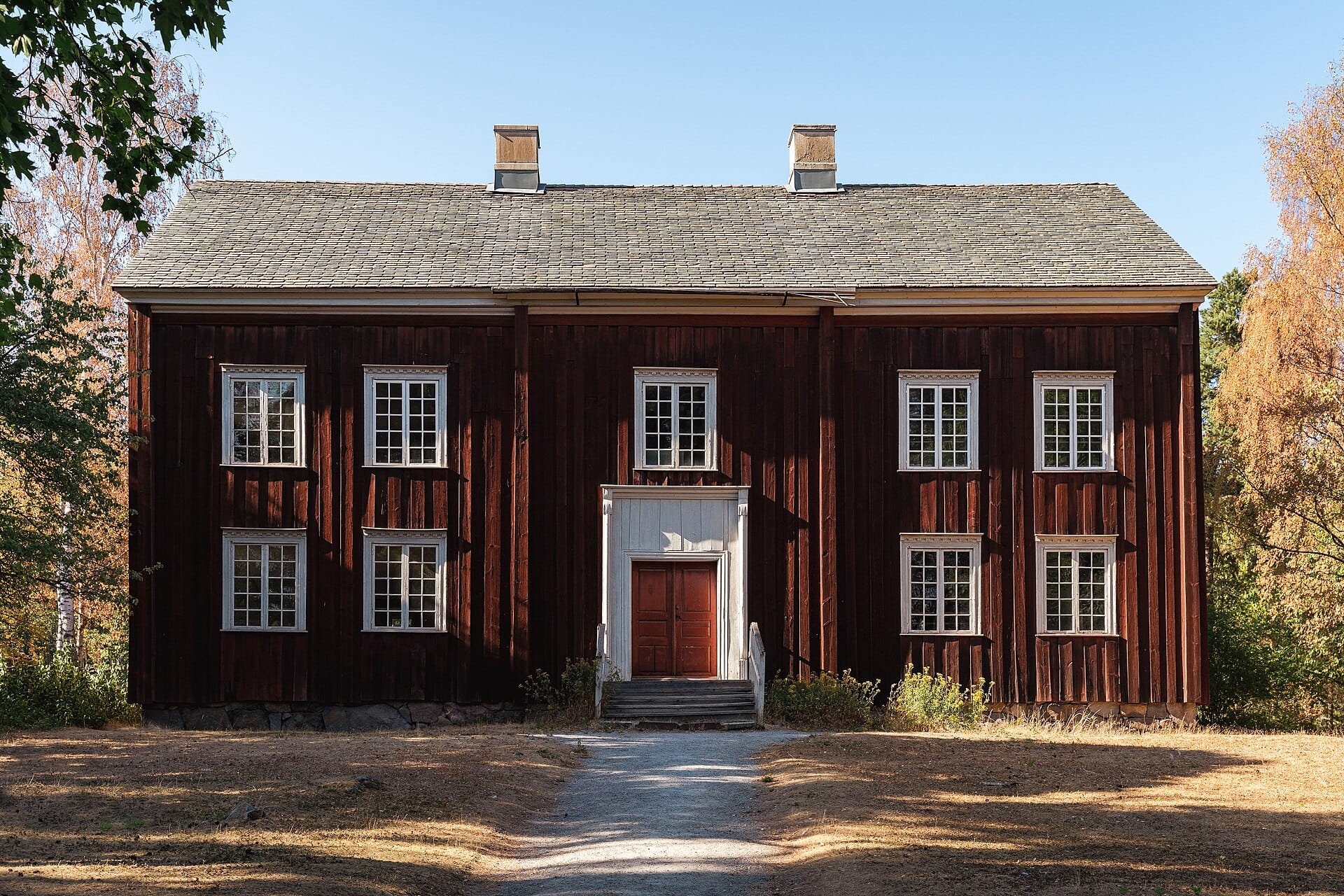
Skansen Skansen is the world's oldest open-air museum, opened in 1891. It combines a zoo of Nordic animals with a living village of relocated historical buildings from across Sweden, staffed by people demonstrating traditional crafts. It sounds folksy but the execution is serious, and the hilltop site has some of the finest views in central Stockholm. During Stockholm's Christmas market season, Skansen runs one of the most atmospheric winter markets in the city.
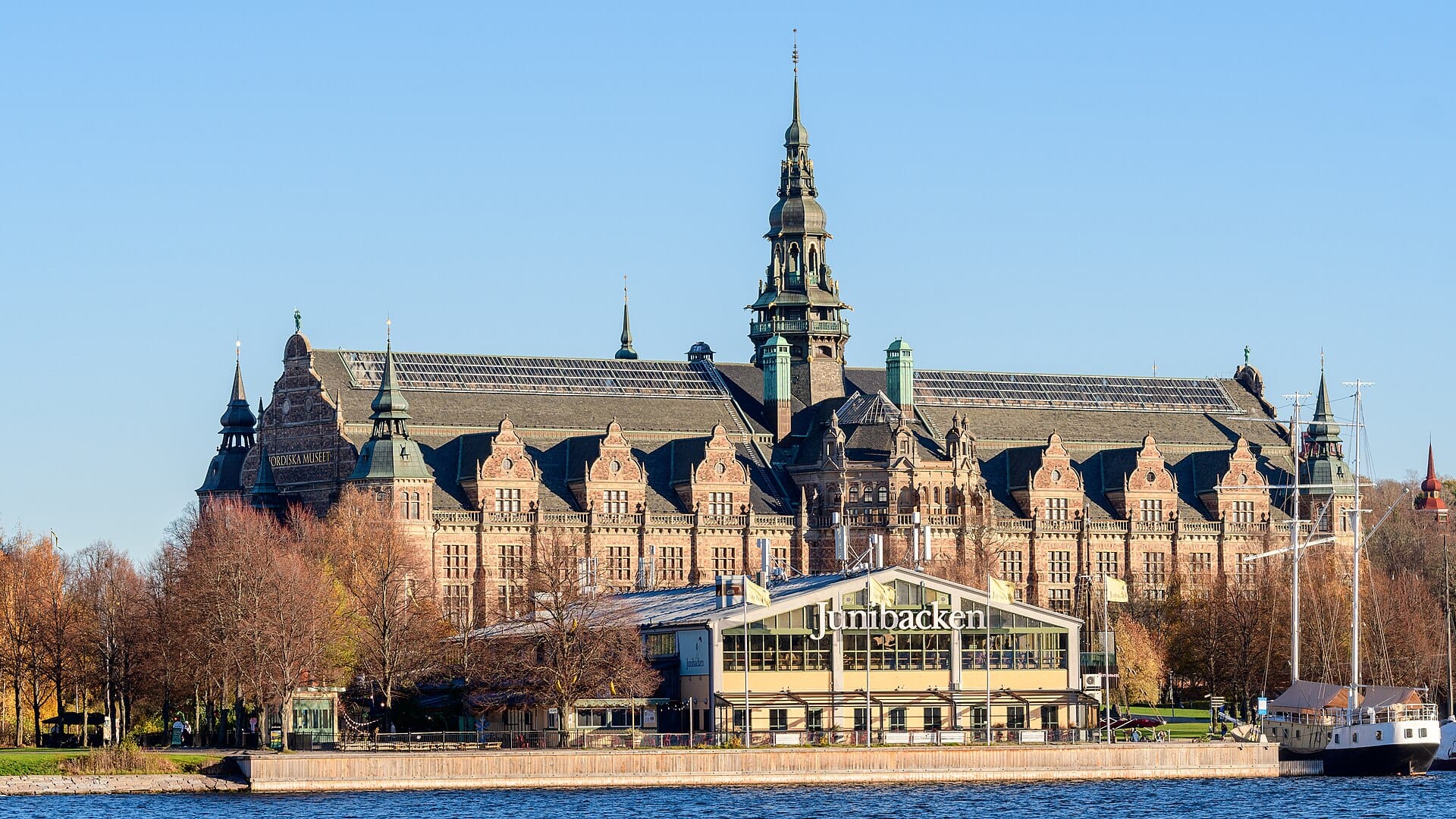
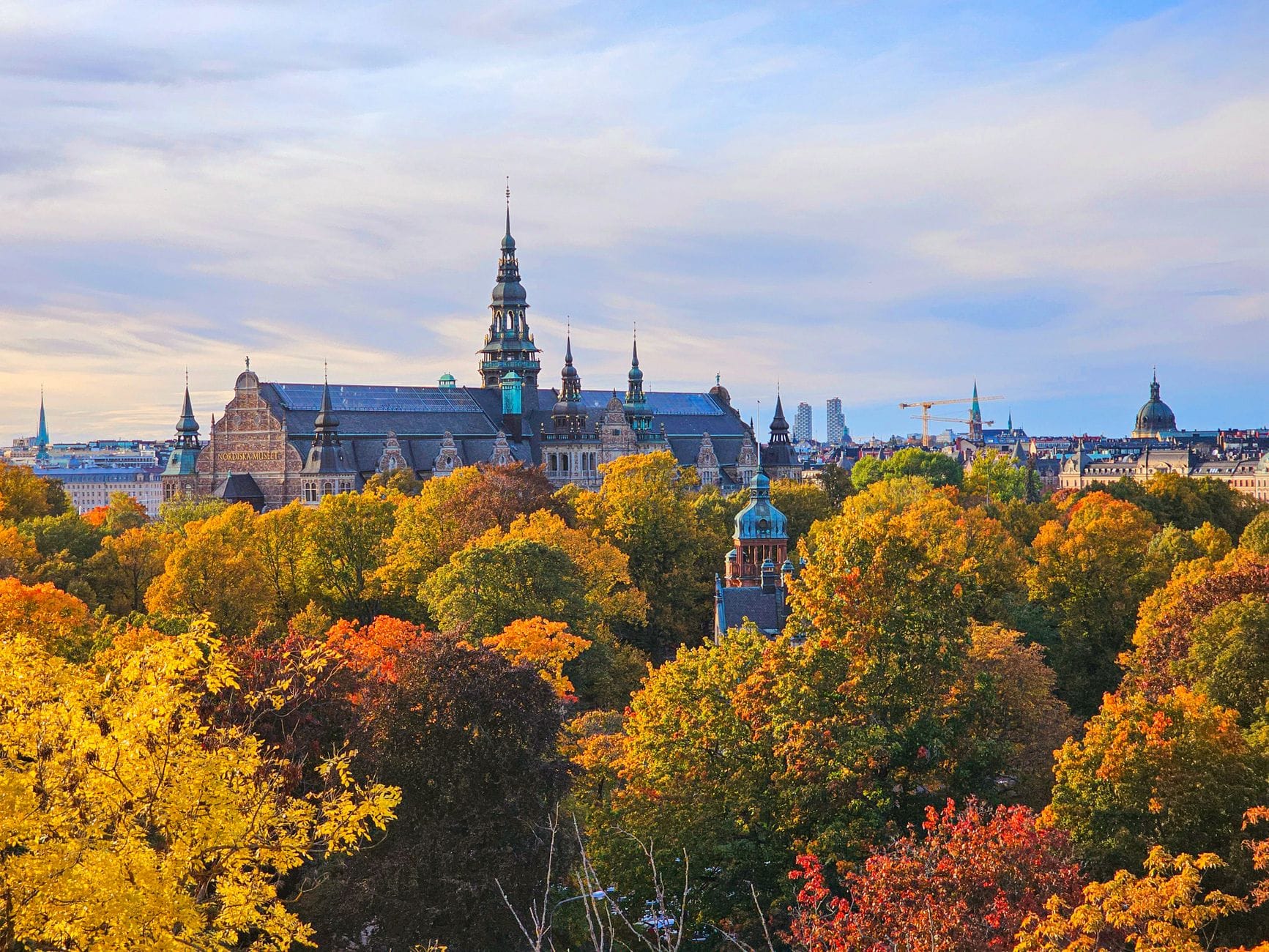
The Nordic Museum (Nordiska museet)The Nordic Museum occupies a spectacular neo-Renaissance palace just inside the bridge. Its permanent collection covers everyday Swedish life from the 1500s to today, and it is less crowded than the Vasa Museum while being equally serious in scope. The building alone, designed by Isak Gustaf Clason and completed in 1907, is worth the entrance.
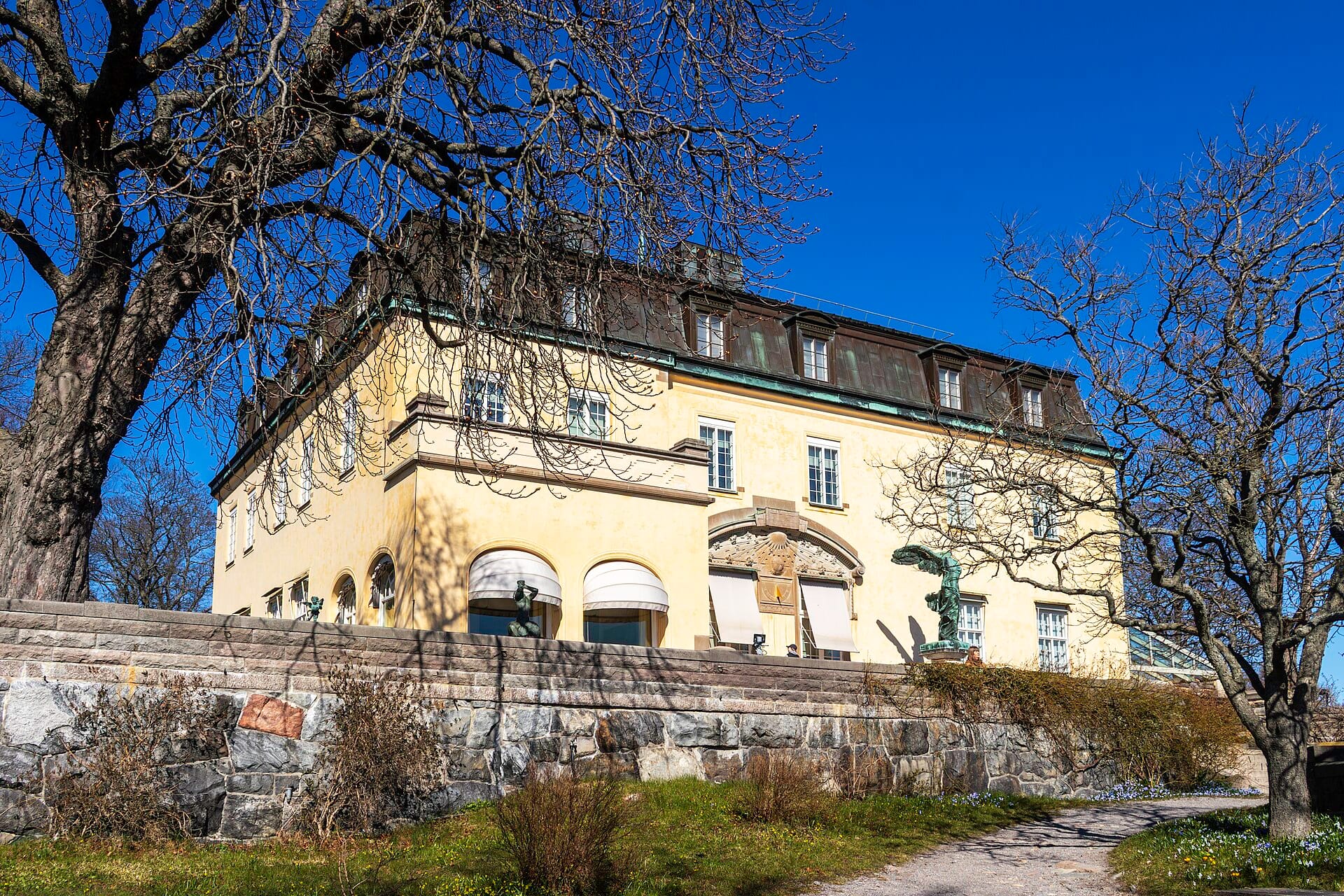
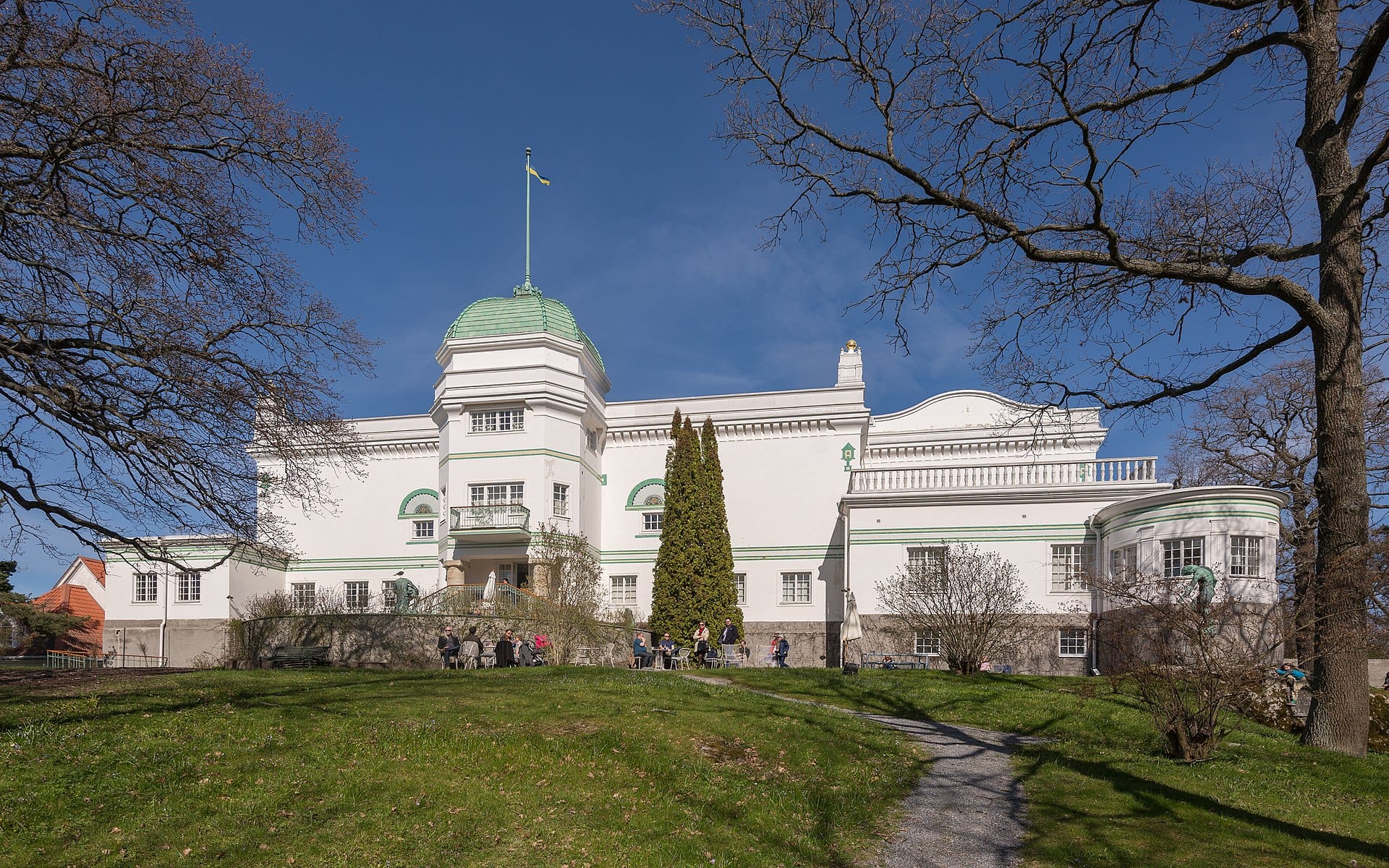
For art, the island holds two important galleries. Prins Eugens WaldemarsuddePrins Eugens Waldemarsudde is an early 20th-century villa and gardens that belonged to Prince Eugen, a working painter and significant collector. The collection focuses on turn-of-the-century Scandinavian art and the gardens facing the water are among the most beautiful in Stockholm. Further east, the Thielska Galleriet is a banker's villa turned gallery with outstanding works by Edvard Munch, Carl Larsson, and other Nordic masters.
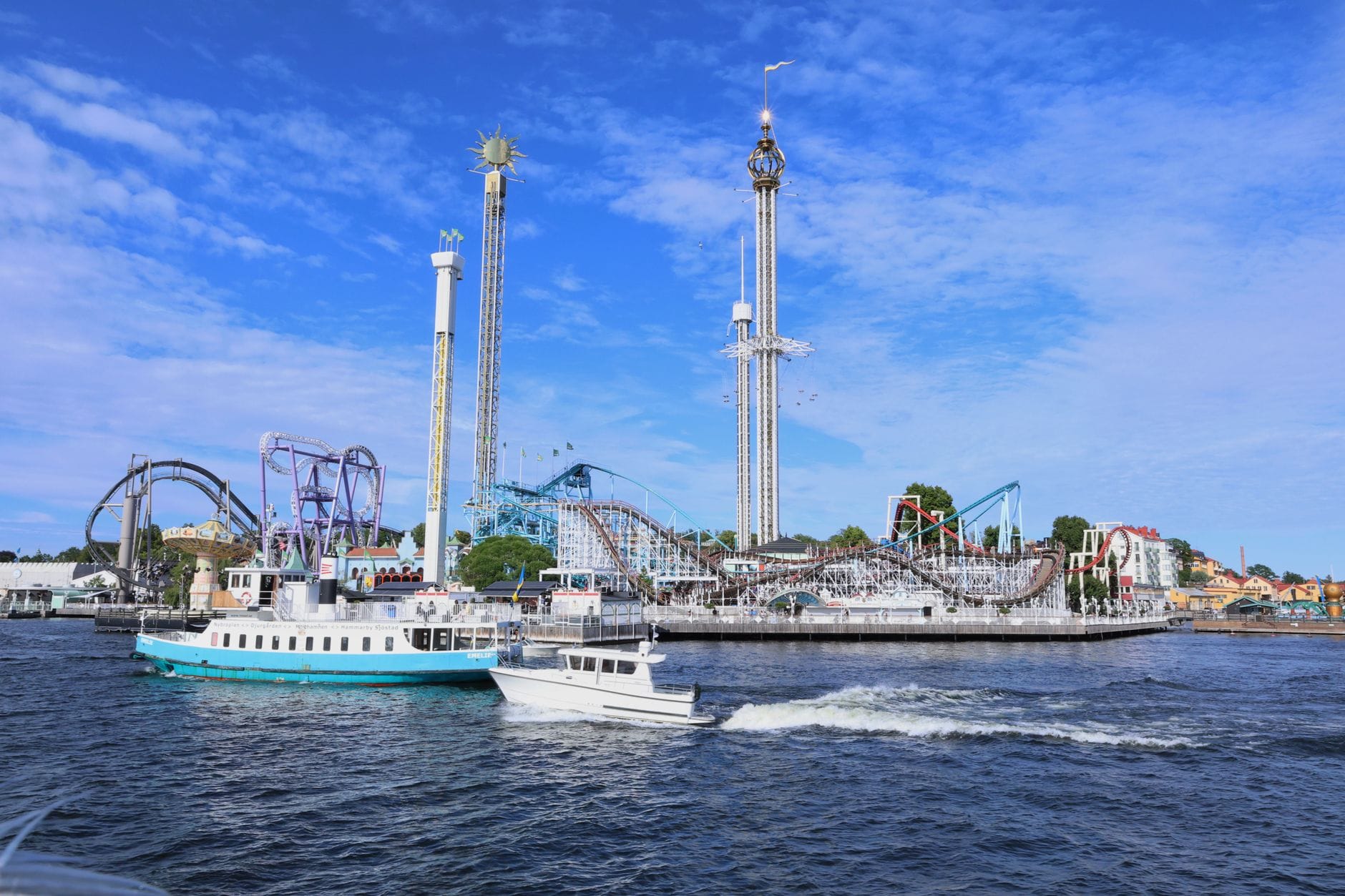
Gröna LundGröna Lund is a traditional amusement park with a compact waterfront site that has been operating since 1883. It is not large by international theme park standards, but the setting is striking and the summer concert programme brings major international acts. It draws a different crowd from the museums, younger and louder, and its presence means the western tip of the island has an almost resort-like character in summer.
Vasa Museum: the 17th-century warship, allow 2+ hours
Skansen: open-air museum and Nordic zoo, best on a weekday
Nordic Museum (Nordiska museet): Swedish cultural history in a striking palace
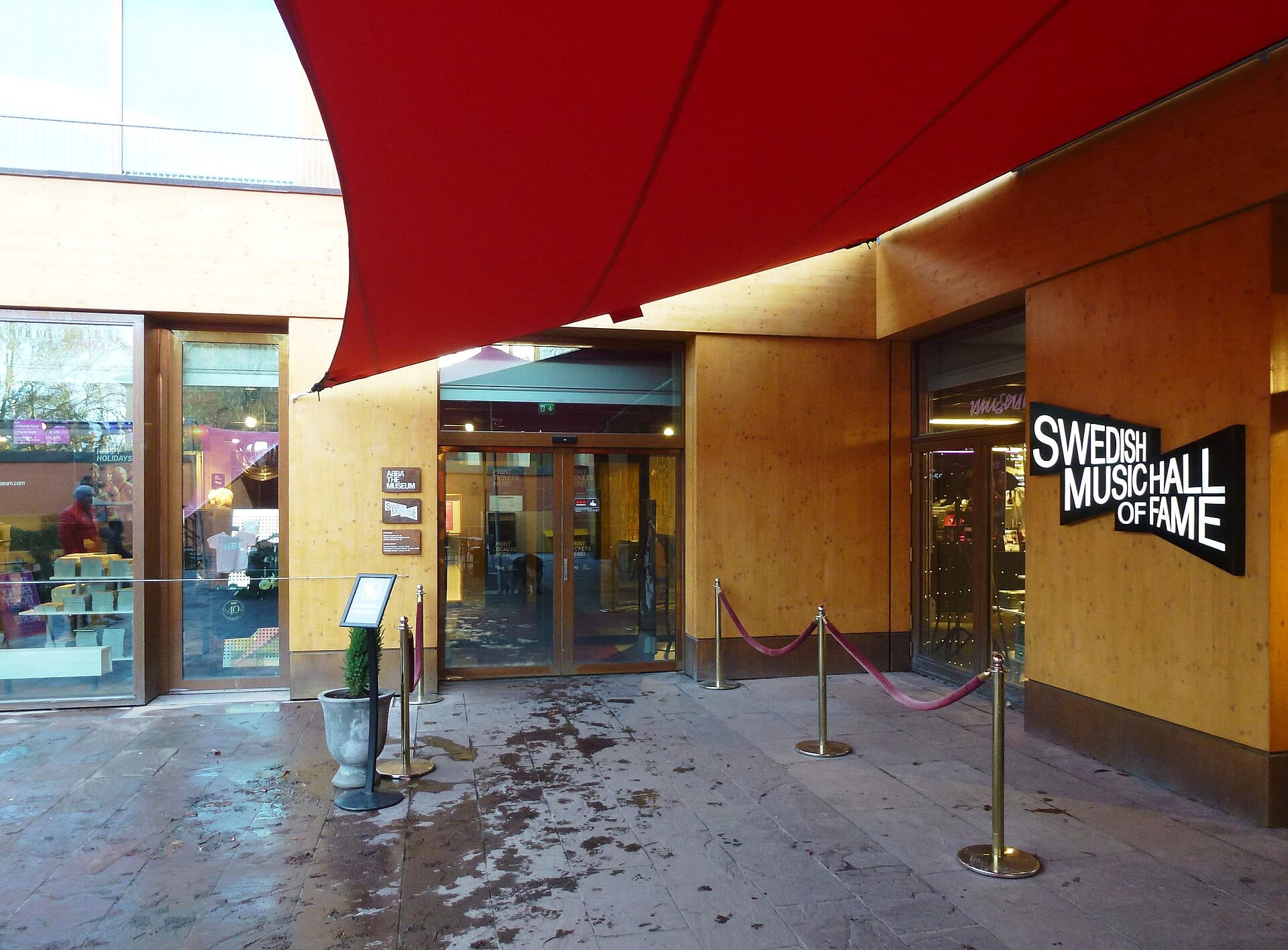
ABBA The Museum: interactive pop-music experience, book tickets in advance
Prins Eugens Waldemarsudde: art collection and waterfront gardens
Thielska Galleriet: Munch, Larsson, and Nordic fin-de-siècle art in a villa
Gröna Lund: waterfront amusement park and summer concert venue
Djurgårdens allé and eastern forest paths: walking and cycling in old-growth parkland
ℹ️ Good to know
Djurgården is part of the Royal National City Park (Nationalstadsparken), a protected green area that extends into Haga and Ulriksdal. The park is free to enter and open at all times. The eastern half of Djurgården is particularly good for long walks through ancient oak forest.
Eating & Drinking
Djurgården is not a food destination in the way that Södermalm or Östermalm are. The eating options are concentrated near the main attractions and skew toward cafés, museum restaurants, and casual food stands. That said, quality has improved considerably and there are genuinely good options if you know where to look.
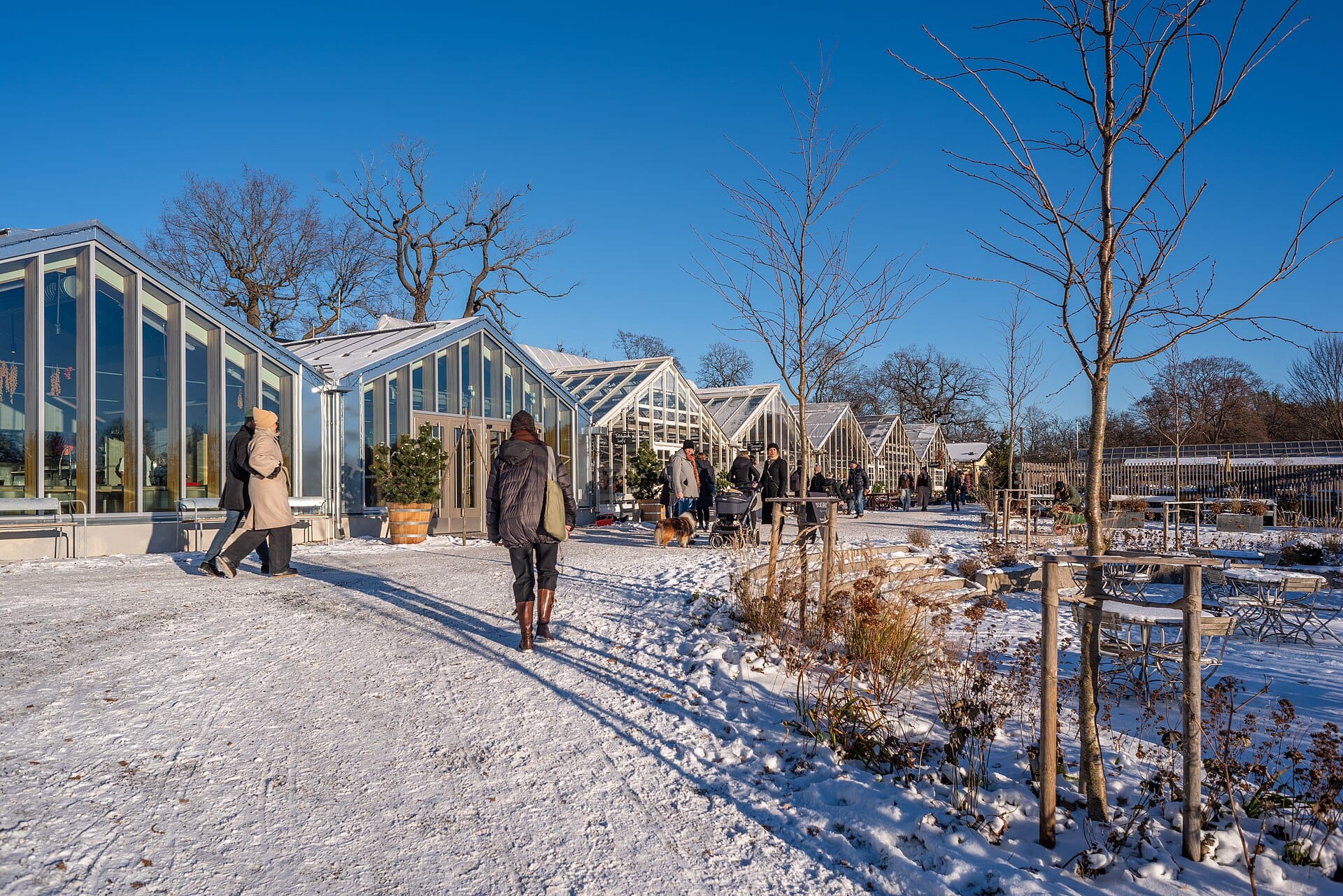
The Rosendals Trädgård is one of the most pleasant places to eat on the island. This biodynamic garden café and bakery serves open sandwiches, seasonal salads, and exceptional pastries in a walled garden setting a short walk from Skansen. It operates largely on organic produce grown on site. The queues on summer weekends are substantial, but the atmosphere justifies the wait.
The museum restaurants are generally reliable. The Vasa Museum café is functional rather than special, but decent enough for lunch. Skansen has multiple food points inside, including traditional Swedish smörgåsbord options that fit the museum's educational focus. The Nordic Museum has a café in the main hall that is architecturally memorable even if the food is straightforward.
Around the Gröna Lund entrance and the ferry quays, there are snack kiosks and casual food stands selling waffles, grilled corn, and similar fairground-adjacent food. These are fine for a quick bite but not worth seeking out. If you want a proper meal, either book ahead at Rosendals or plan to eat in Östermalm or the city centre before or after your Djurgården visit.
For coffee specifically, the Swedish fika tradition is well represented at Rosendals and at a handful of smaller cafés near the bridge. The café inside the Nordic Museum is worth considering for a mid-morning break before the crowds arrive.
⚠️ What to skip
Prices throughout Djurgården are noticeably higher than in the rest of central Stockholm, reflecting the captive tourist audience. Bring water and snacks if you are planning a full day, particularly if you are visiting with children.
Getting There & Around
Djurgården has no metro station. This is the one practical limitation visitors sometimes overlook. Access requires a tram, bus, ferry, or your own legs.
The most straightforward route from central Stockholm is tram line 7, which runs from T-Centralen and Nybroplan in the city centre out across Djurgårdsbron and along Djurgårdsvägen past the Nordic Museum and Gröna Lund to Skansen and beyond. This is the most direct public transit connection and runs frequently. The journey from central Stockholm takes around 10 to 15 minutes depending on traffic.
The Djurgården ferry is the most scenic option. SL ferry line 80 runs from Slussen (near Gamla Stan) and Nybroplan in Östermalm to the Allmänna gränd dock on Djurgården, stopping near both the Vasa Museum and Gröna Lund. The ferry is covered by a standard SL ticket or travel card, making it a practical rather than merely tourist option. In summer, the open-air upper deck makes this one of the more pleasant short journeys in the city.
Walking from Östermalm across Djurgårdsbron takes about 25 minutes from Stureplan, or roughly 15 minutes from the bridge on the Östermalm side. Cycling is excellent on Djurgården, with dedicated paths running the length of the island. Bike hire is available near the bridge. Once on the island, most of the major western attractions are within easy walking distance of each other, roughly 500 to 800 metres from the bridge to Skansen.
For broader Stockholm navigation context, the Stockholm transport guide covers SL tickets, the Tunnelbana, and how to plan journeys across the city. All tram and ferry connections to Djurgården are covered by the standard SL fare zone.
Where to Stay
Djurgården itself has almost no accommodation. The island's permanent residential population is tiny and concentrated in the small historic Djurgårdsstaden area, which is not a hotel zone. If you want to stay as close as possible to the island's attractions, Östermalm is the logical base, sitting immediately across Djurgårdsbron and offering a range of hotels from budget to high-end.
Alternatively, Norrmalm around Stockholm Central Station puts you within tram reach of Djurgården in under 15 minutes, with the widest spread of hotel options at every price point. Staying in central Stockholm and treating Djurgården as a day-visit destination is by far the most practical approach for most travellers. The Stockholm accommodation guide covers each central neighbourhood's hotel character in detail.
Is Djurgården Worth Your Time?
For first-time visitors to Stockholm, Djurgården is essentially non-optional. The Vasa Museum alone is one of the most extraordinary museum experiences in Europe. Skansen gives context to Swedish history and culture that no amount of city walking quite replicates. And the parkland quality of the island means that even a day spent museum-hopping doesn't feel urban in the way that a comparable museum day in London or Paris would.
For return visitors or travellers more interested in local neighbourhoods, bars, and residential character, Djurgården has less to offer. It is not where Stockholmers spend their daily lives, and it doesn't pretend to be. The honest comparison is to something like the National Mall in Washington: serious, world-class, and not where you go to feel like a local. Pair a Djurgården morning with an afternoon in Södermalm's SoFo district or Östermalm's food hall for a more complete picture of the city.
If you are planning a full Stockholm itinerary, the 3 days in Stockholm guide dedicates a full day to Djurgården alongside the city's other major areas. For families specifically, the island is one of the most child-friendly zones in the city, combining Junibacken (a children's museum based on Astrid Lindgren's characters) with Skansen's animals and Gröna Lund's rides.
TL;DR
Djurgården is Stockholm's primary museum island, home to the Vasa Museum, Skansen, the Nordic Museum, and the ABBA Museum within walking distance of each other.
The western strip gets crowded in summer; the eastern parkland stays peaceful year-round and is excellent for walking and cycling.
No metro access: tram line 7 and SL ferry line 80 are the main connections from central Stockholm.
Eating options are limited and expensive; Rosendals Trädgård is the standout, but plan to eat in the city centre for a proper meal.
Best for: first-time Stockholm visitors, families, anyone serious about Scandinavian history and culture. Less suited to travellers prioritising neighbourhood atmosphere, nightlife, or local daily life.
Three days is the sweet spot for a first visit to Stockholm. This itinerary covers Gamla Stan, Djurgården's world-class museums, Södermalm viewpoints, and a day-three excursion to the archipelago or Drottningholm Palace, with practical transport and budget advice throughout.
Stockholm has well over 100 museums, and the range is genuinely extraordinary. This guide cuts through the options to bring you the best across art, history, science, and culture, whether you have one afternoon or a full week to explore.
Stockholm rewards visitors in every season, but the experience changes dramatically depending on when you go. This guide breaks down weather, crowds, hotel prices, and key events month by month so you can choose the timing that fits your priorities.
Stockholm's geography, built across islands where Lake Mälaren meets the Baltic, creates extraordinary viewpoints at every turn. This guide covers the city's finest panoramas, from free clifftop walks on Södermalm to ticketed towers, waterfront promenades, and elevated galleries with views to match the art inside.
Stockholm's surroundings pack in Viking history, royal palaces, and thousands of Baltic islands within an hour of the city center. These are the best day trips from Stockholm, whether you travel by scenic boat, regional train, or local bus.
Stockholm is one of Europe's most rewarding cities to explore on a tight budget. From UNESCO-listed cemeteries and free permanent museum collections to clifftop viewpoints and underground art, here are the best free things to do in Stockholm.
Stockholm's public transport network is one of Europe's most integrated, covering metro, buses, trams, commuter rail, and ferries under a single fare system. This guide breaks down exactly how to navigate the city, get in from the airport, and avoid the most common ticketing mistakes.
Stockholm rewards those who look beyond Gamla Stan and the Vasa Museum. From a clifftop promenade with jaw-dropping harbor views to a UNESCO-listed forest cemetery and an underground art gallery spanning the entire metro system, these are the places Stockholmers actually spend their time.
Stockholm is Sweden's capital, built across 14 islands where Lake Mälaren meets the Baltic Sea. This guide breaks down what the city genuinely offers, who it suits best, and what the honest drawbacks are, so you can decide whether it belongs on your itinerary.
Stockholm is Scandinavia's most sophisticated capital, where waterfront palaces sit beside Michelin-starred restaurants and boutique design hotels. This guide covers everything you need to plan a genuinely high-end trip: where to stay, what to eat, how to move around, and which luxury experiences are worth the premium.
Midsommar is Sweden's most beloved celebration, and Stockholm offers everything from Skansen's traditional maypole to archipelago parties. This guide covers where to go, what to bring, what shuts down, and how to avoid the most common mistakes.
The Nobel Prize ceremony in Stockholm is one of the world's most prestigious annual events, but the award ceremony itself is closed to the public. This guide explains what actually happens during Nobel Week, which events you can attend as a visitor, and how to make the most of being in Stockholm in early December.
Stockholm rewards even the shortest visit. Built across 14 islands where Lake Mälaren meets the Baltic Sea, the Swedish capital packs medieval history, world-class museums, and striking waterfront scenery into a surprisingly walkable core. This guide shows you exactly how to spend one day in Stockholm — with a practical hour-by-hour structure, honest cost breakdowns, and advice on what to skip.
The Stockholm Archipelago stretches across roughly 30,000 islands, islets, and skerries east of the city. This guide breaks down how to reach the islands, which ones are worth your time, how much to budget, and when to go — whether you have two hours or two days.
Stockholm Arlanda Airport (ARN) is Sweden's main international hub, sitting roughly 42 km north of the city center. This guide breaks down every transfer option, current prices, journey times, and the common mistakes travelers make, so you can get into Stockholm without overpaying or wasting time.
Stockholm transforms in late November and December into one of Scandinavia's most atmospheric Christmas destinations. This guide covers the city's best Christmas markets, what to expect at each, how much you'll pay, and how to make the most of the short winter days.
Stockholm is the living capital of Scandinavian design, where minimalism, natural materials, and functional craft shape everything from flagship store interiors to everyday café furniture. This guide covers the best design districts, essential shops, museums, and practical advice for navigating the city's design scene across every budget.
Fika is Sweden's most beloved daily ritual: a proper pause for coffee and something sweet, shared with others. This guide covers the best cafés in Stockholm for fika, what to order, how much to pay, and how to do it like a local rather than a tourist.
Stockholm in summer is a genuine high point for the city: long days, mild temperatures, and the full range of outdoor experiences from archipelago hopping to rooftop dining. This guide covers the weather honestly, breaks down the best activities by month, and flags where the crowds and prices bite hardest.
Winter in Stockholm is a study in contrasts: candlelit Christmas markets set against medieval stone, short days that fade by 3pm, and a city that genuinely knows how to make cold weather feel worth it. This guide covers everything from the Stortorget market to surviving the dark season with your sanity intact.
Stockholm nightlife runs deeper than its expensive reputation suggests. This guide breaks down every major district, venue type, cover charge reality, and seasonal shift — so you spend your nights well, not wandering the wrong street at midnight.
Stockholm has a reputation as one of Europe's pricier capitals, but that reputation is only half the story. With the right approach to accommodation, food, transport, and sightseeing, you can experience one of the world's most beautiful cities on 500-949 SEK per person per day. This guide breaks down exactly how.
The Stockholm Pass promises free entry to 60+ attractions plus hop-on hop-off buses and boat tours. But does the math actually work in your favor? This guide breaks down the real costs, the best-value itineraries, and the cases where you're better off skipping it entirely.
Stockholm has a remarkably varied shopping scene, from the flagship luxury corridor along Biblioteksgatan to the independent vintage stores of Södermalm's SoFo district. This guide breaks down where to shop, what to buy, and how to get the most out of your budget in Sweden's capital.
Stockholm takes wellness seriously, blending century-old bathhouse traditions with modern urban spas and wild archipelago sauna experiences. This guide covers the best spas in Stockholm across every budget and travel style, from Centralbadet's 1909 Art Nouveau interiors to wood-fired saunas on the Baltic coast.
Stockholm and Copenhagen are roughly 522 km apart, connected by direct trains, flights, and buses. This guide breaks down journey times, realistic costs, and which option makes sense depending on your priorities, budget, and travel style.
The overnight ferry from Stockholm to Helsinki is one of Scandinavia's classic travel experiences, covering 214 nautical miles across the Baltic Sea in around 16 hours. This guide covers operators, pricing, cabin choices, departure logistics, and how to get the most from the crossing.
The Stockholm to Oslo route covers roughly 416 km and can be done by high-speed train, overnight bus, or short-haul flight. This guide breaks down every option honestly, including what each mode actually costs, how long it takes door-to-door, and when to book for the best fares.
Stockholm is one of Europe's most genuinely family-friendly capitals, with stroller-accessible transport, free museum entry for under-18s, and an entire island dedicated to children's attractions. This guide covers the best activities, honest pricing, seasonal strategies, and practical logistics for families visiting Stockholm.
Stockholm is one of Europe's most rewarding capitals, spread across 14 islands where Lake Mälaren meets the Baltic Sea. This guide covers the best things to do in Stockholm, from world-class museums and medieval streets to boat tours and local neighborhoods, with honest advice on what's worth your time and what to skip.
Stockholm sits at the heart of Viking-Age Scandinavia, and the city's museums and surrounding landscape hold some of the most significant Norse artifacts and burial sites in the world. This guide covers every serious option, from the immersive Viking Museum on Djurgården to the archaeological treasures at Historiska Museet, plus the best day trips for those who want to stand on actual Viking ground.
Stockholm's food scene runs far deeper than meatballs and Michelin stars. This guide covers the classic Swedish dishes worth seeking out, where to find them by neighborhood, how to eat well without overspending, and the food halls and lunch deals locals actually use.
Stockholm's accommodation scene splits sharply by neighborhood, budget, and travel style. This guide breaks down every major area, what you'll actually pay, and which districts are worth the price premium versus the ones that only look good on a map.