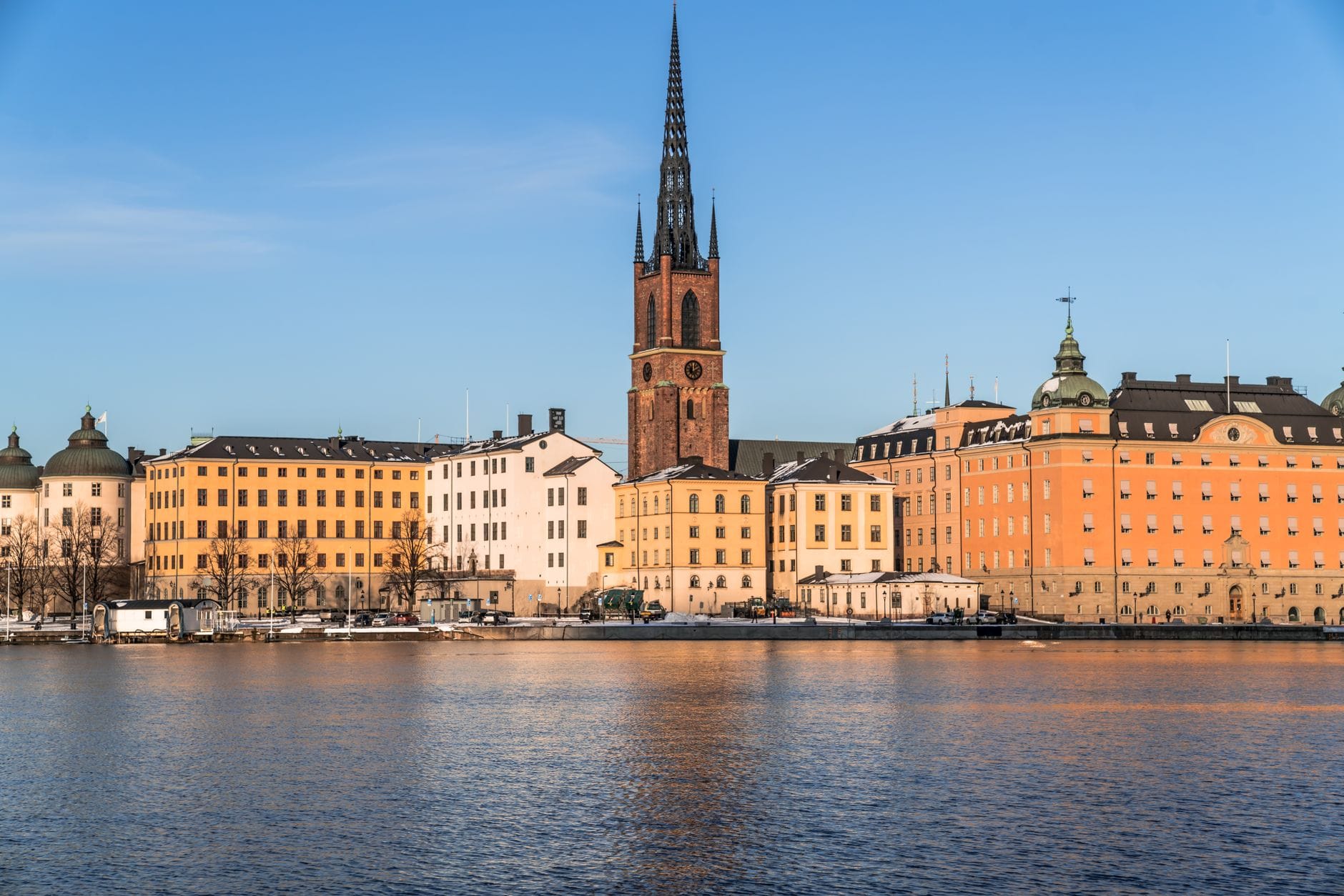
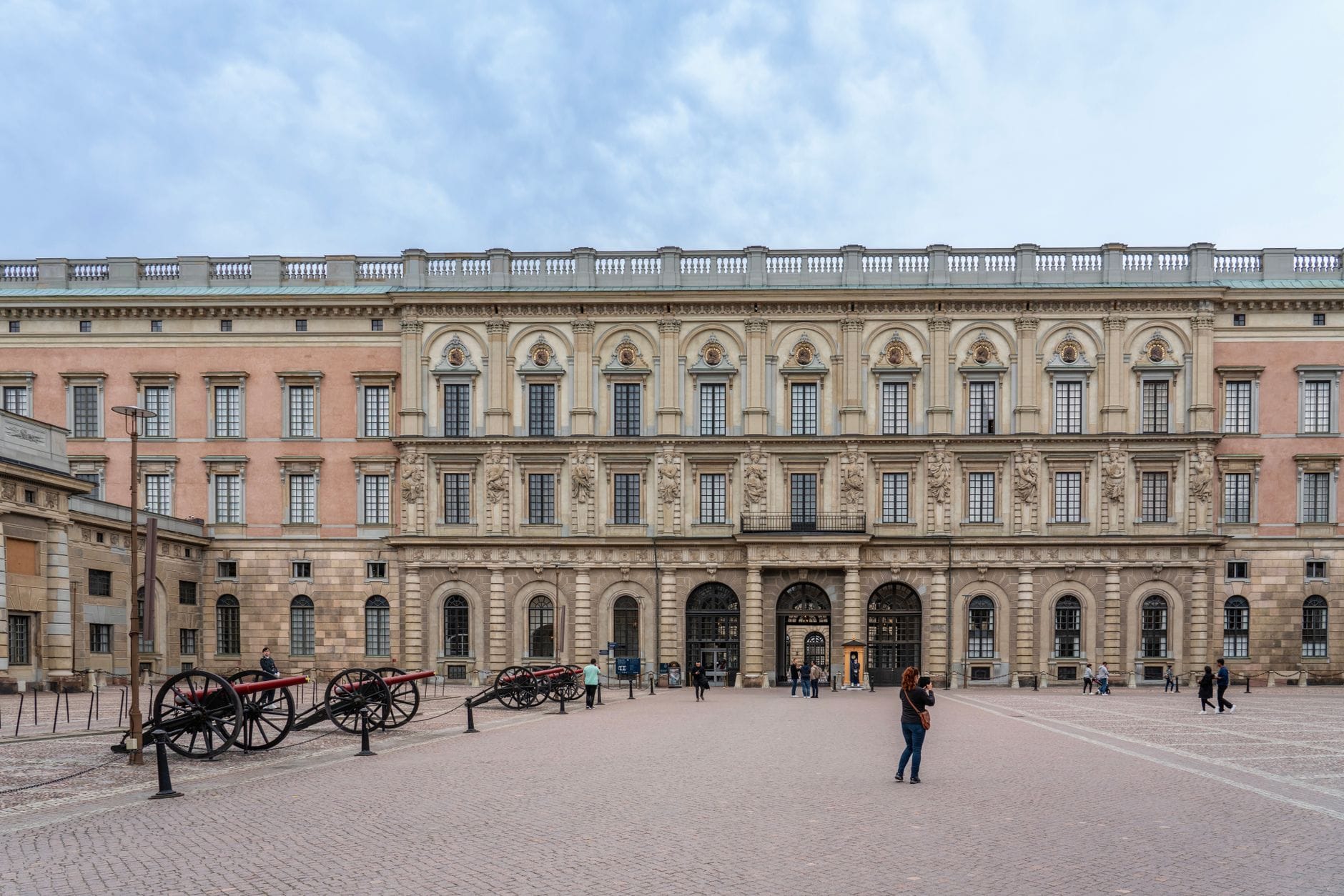
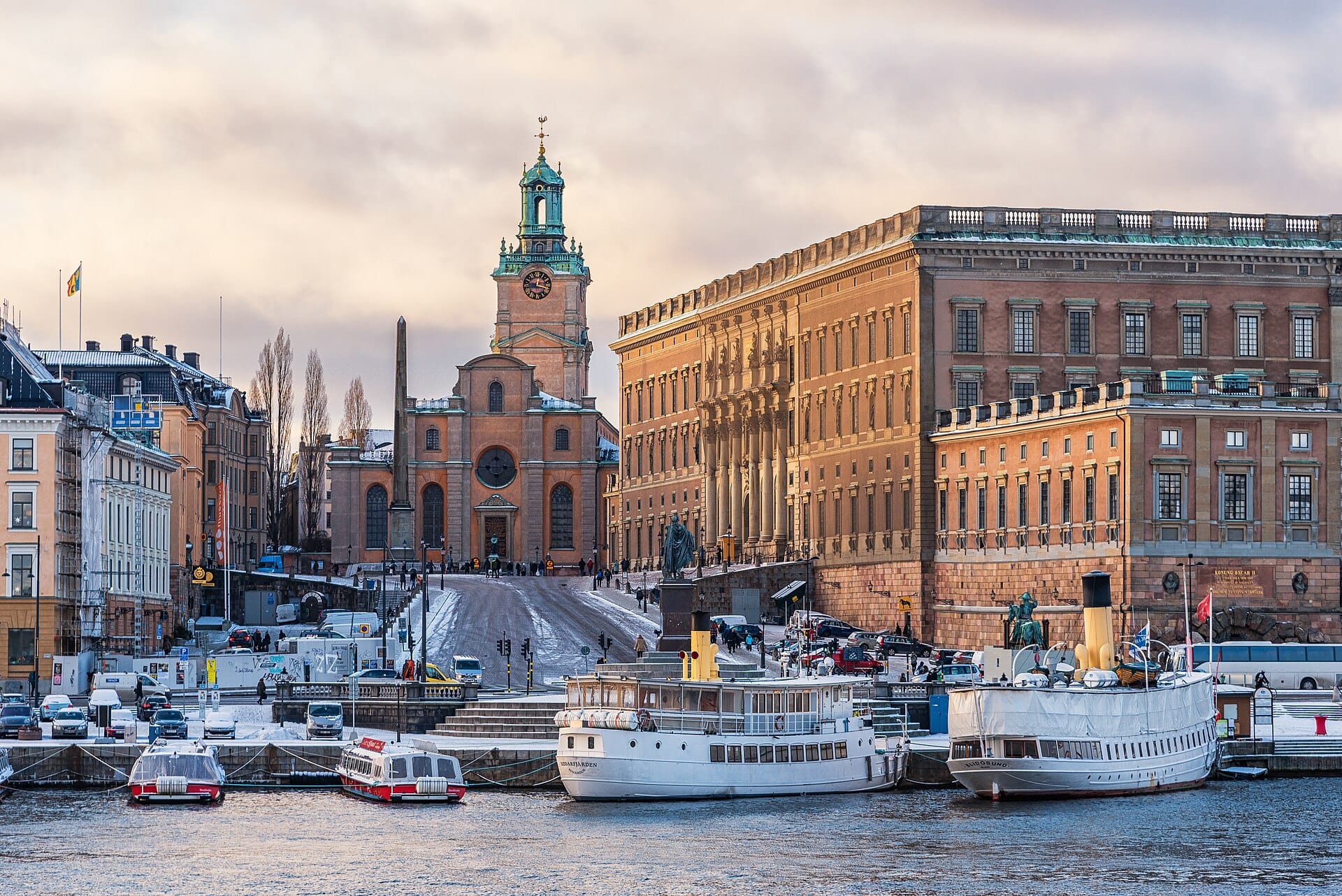
Gamla Stan is Stockholm's medieval heart, built on the island of Stadsholmen and stretching back to the 13th century. Compact enough to walk in an afternoon yet dense with history, it holds the Royal Palace, Stockholm Cathedral, and a tightly packed street grid that has changed little since the 16th century.
Gamla Stan is where Stockholm began. Occupying the small island of Stadsholmen between Lake Mälaren and the Baltic Sea, this medieval quarter packs centuries of royal, religious, and civic history into less than half a square kilometre of ochre-painted facades, cobbled lanes, and crooked rooftops. It draws more visitors than anywhere else in the city, and for good reason.
Orientation: Where Gamla Stan Sits in Stockholm
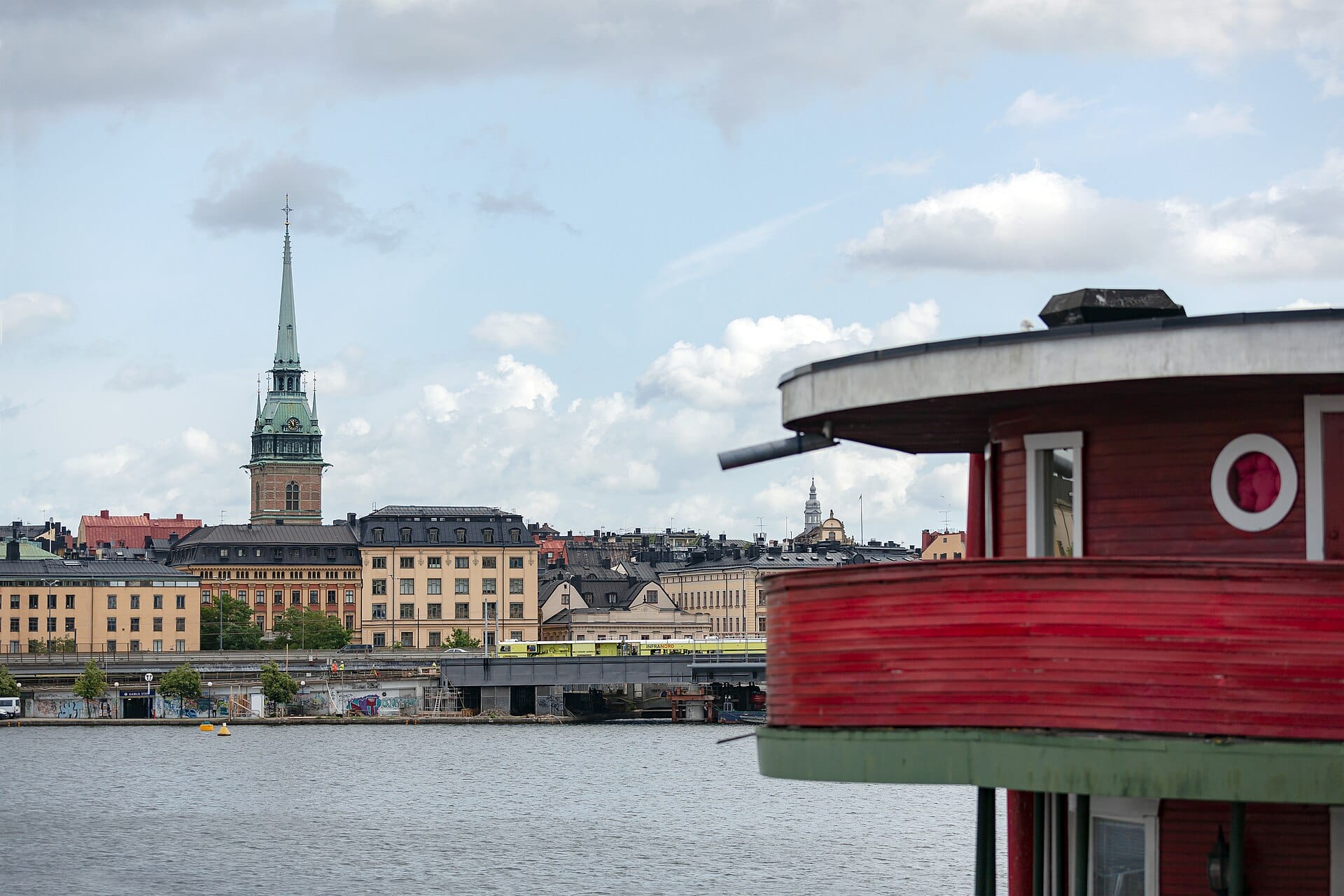
Gamla Stan occupies Stadsholmen, a small central island that sits at the precise meeting point of Lake Mälaren to the west and the Baltic inlet of Saltsjön to the east. The island is roughly 600 metres wide and about 700 metres from north to south, making it one of the most compact major historic districts of any Scandinavian capital. Officially, the Gamla Stan district also includes three adjacent islets: Riddarholmen to the southwest, Helgeandsholmen to the north, and the tiny Strömsborg in the middle of the Norrström channel.
The island connects to Norrmalm, Stockholm's central business district, via the bridges across Norrström to the north. To the south, Södermalm is reached across Slussen, a major transit interchange recently rebuilt as a modern waterfront hub. To the west, a short bridge leads to Riddarholmen, which in turn connects to Kungsholmen. This geography means Gamla Stan genuinely feels like an island: step off any of its bridges and the character of the city shifts immediately.
The district boundaries are easy to grasp once you know the two long parallel streets that run north to south through Stadsholmen. Västerlånggatan is the main commercial artery on the western side, while Österlånggatan runs along the eastern edge, somewhat quieter and more residential in feel. Most visitors spend the majority of their time between these two streets, but the tightest medieval alleys, some barely wide enough for two people to pass, branch off them at steep angles heading uphill. For a broader sense of how Gamla Stan fits into Stockholm's layout, the guide to things to do in Stockholm provides useful city-wide context.
Character and Atmosphere
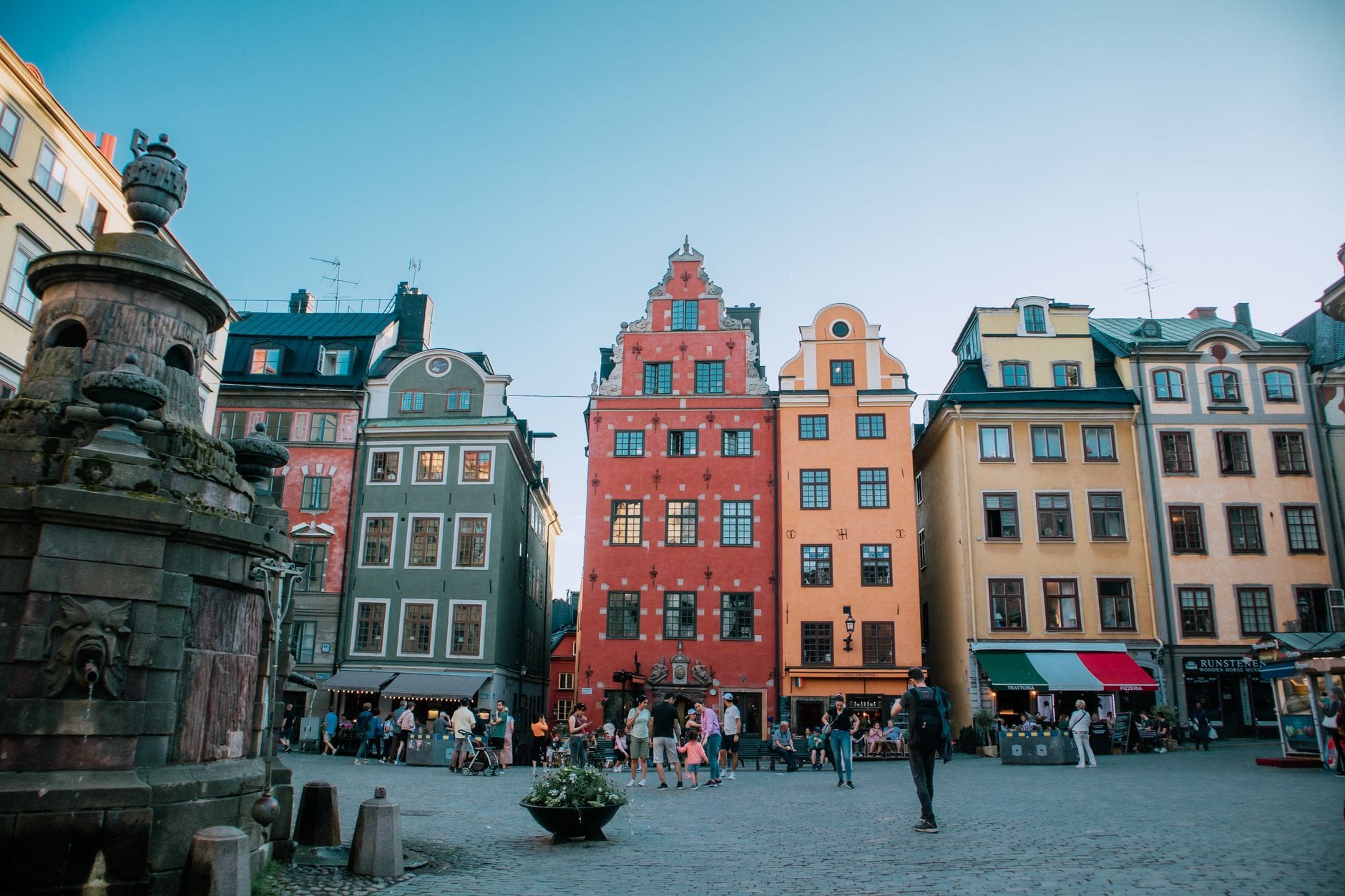
At 7am on a weekday, Gamla Stan belongs to its roughly 3,000 residents. Delivery vans navigate impossibly narrow entrances, bakeries open their shutters, and the cobblestones are wet and quiet. The light at this hour is particular: it bounces off the ochre, terracotta, and pale yellow facades in a way that makes the whole island feel like a stage set that hasn't quite opened yet. This is when the scale of the place becomes clear. The buildings are tall and close together, and the sky above many alleys is just a strip.
By mid-morning, tour groups arrive and Västerlånggatan fills steadily. By noon in summer, the main street is genuinely crowded. The souvenir shops, which are numerous, open their doors and the smell of freshly made cinnamon rolls drifts from the cafes tucked into ground-floor vaults. This is the version of Gamla Stan most visitors experience, and while it is undeniably touristy along the main commercial strip, even a short detour down an unmarked side alley removes most of the crowd noise.
In the evening, the district changes again. The day-trippers leave, restaurant tables fill, and candlelight appears in windows at street level. The stone streets retain some warmth from the day, and the lack of heavy through-traffic makes it feel more like a film location than a working part of a modern capital. In winter, when the days are short and snow occasionally settles on the copper rooftops, Gamla Stan achieves something close to a genuine fairy-tale quality, and the Christmas market at Stortorget is one of the oldest and most atmospheric in Scandinavia.
💡 Local tip
Visit before 9am or after 6pm to experience Gamla Stan at its calmest. The main streets clear dramatically once evening tours end, and many of the best restaurant tables open up from around 7pm.
What to See and Do
The Stockholm Royal Palace is the defining landmark of Gamla Stan and one of the largest functioning royal palaces in the world, with over 600 rooms. It sits at the northern tip of Stadsholmen, facing Helgeandsholmen and the Riksdag building across the water. The changing of the guard ceremony takes place in the outer courtyard and draws large crowds in summer, typically around midday. Several museums inside the palace complex are open to visitors, including the Treasury and the Royal Armory.
A short walk southwest from the palace brings you to Storkyrkan, Stockholm Cathedral, which has stood in various forms on this spot since the 13th century. The current interior is largely baroque and contains the dramatic medieval sculpture of Saint George and the Dragon. The cathedral faces directly onto the palace courtyard and is still an active place of worship, which means it closes for services.
On the western edge of Stadsholmen, the Riddarholmen Church on the adjacent islet of Riddarholmen serves as the burial church for Swedish monarchs and is one of the few remaining medieval brick churches in Stockholm. The walk along the western waterfront from Riddarhustorget towards Riddarholmen is one of the better quiet routes in the area, with views across the water to Kungsholmen and Stockholm City Hall.
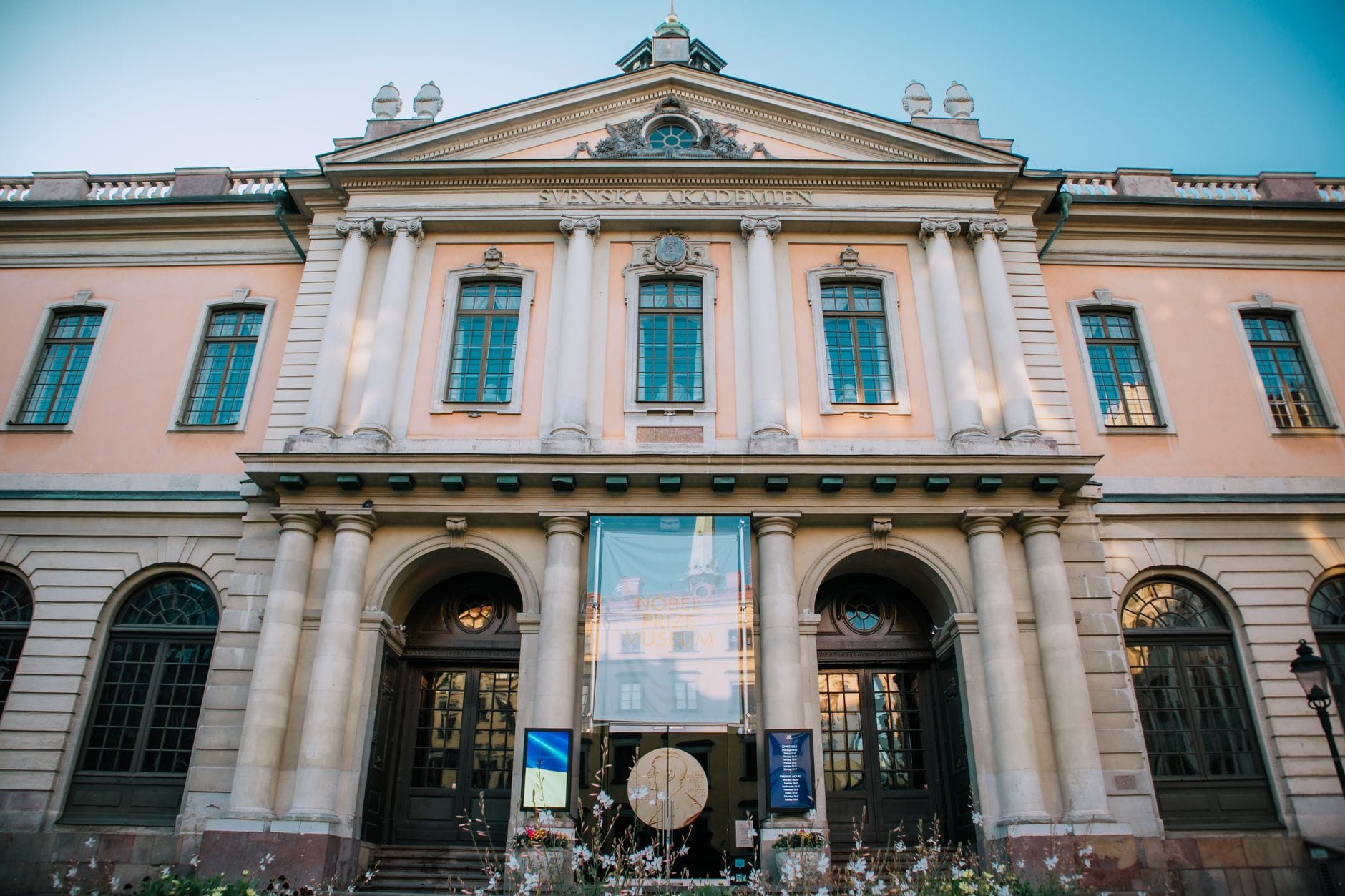
Stortorget, the main square at the centre of Stadsholmen, is the oldest square in Stockholm and the site of the Stockholm Bloodbath of 1520. Its colourful merchant houses date primarily from the 17th and 18th centuries. The Nobel Museum occupies the old Stock Exchange building on the north side of the square. It covers the history of the Nobel Prize and the laureates across all categories. The collection is well-curated and manageable in size, making it a reasonable two-hour visit.
Stockholm Royal Palace and the Tre Kronor Museum
Storkyrkan (Stockholm Cathedral)
Nobel Museum at Stortorget
Riddarholmen Church and western waterfront walk
Mårten Trotzigs Gränd, the narrowest alley in Stockholm at 90cm wide
The medieval vaults beneath several historic buildings, some open as cellar restaurants
The Finnish Church (Finska kyrkan) in the southeastern corner of Stadsholmen
Gamla Stan is also a practical base for reaching other major Stockholm attractions. The Nationalmuseum is a short walk north across the Norrström bridges, and the ferry from Slussen or the nearby Skeppsbron quay reaches Djurgården and its cluster of major museums within minutes.
Eating and Drinking
The food scene in Gamla Stan is a study in contrasts. Västerlånggatan is lined with tourist-facing restaurants that trade on location over quality, and it pays to walk one or two streets away before choosing where to eat. That said, the density of visitors means the area sustains a reasonable number of genuinely good restaurants, particularly in the cellar dining rooms that occupy the ground floors of medieval buildings.
Swedish classics are well represented: meatballs with lingonberry, gravlax, pickled herring, and the traditional husmanskost dishes that form the backbone of everyday Swedish cooking. Several restaurants offer a set lunch (dagens lunch) on weekdays that gives a more affordable entry point into the local food culture than dinner menus. The price level overall is on the higher end by Stockholm standards, which are already higher than most European cities.
For fika, the Swedish coffee-and-pastry ritual, there are cafes throughout the island. Some occupy medieval cellars with low vaulted ceilings; others have a few outdoor tables squeezed onto the cobblestones. The quality of the cardamom buns and cinnamon rolls (kanelbullar) varies, but finding a decent version is not difficult. For a broader understanding of this tradition, the guide to Stockholm fika is worth reading before your visit.
Drinking options lean toward wine bars and cocktail spots in renovated cellar spaces rather than large venues. The area quiets down relatively early compared to Södermalm or Norrmalm, and it is not the main destination for late-night activity. For a serious evening out, most locals head across the bridges after dinner.
⚠️ What to skip
Restaurants directly on Stortorget and along the main stretch of Västerlånggatan charge a premium for their location. Walk a block off the main street and prices typically drop while quality improves. Check if a restaurant offers a weekday lunch menu before committing to dinner prices.
Getting There and Around
The Gamla stan metro station (T-bana) sits on the western edge of Stadsholmen on the Green and Red lines and is the most direct transit connection. From the station exit it is a five-minute walk north into the heart of the old town via the Järntorget square. The station itself is worth a glance: like much of Stockholm's metro network, it features distinctive platform art.
From Stockholm Central Station and T-Centralen, the walk to Gamla Stan takes around 15 minutes on foot heading south across Riksbron and Stallbron, passing the Riksdag building. This is a scenic route and entirely flat. Alternatively, take any metro train one stop south from T-Centralen to Gamla stan station. For more detail on navigating the city's public transport, the guide to getting around Stockholm covers the SL network comprehensively.
Several bus routes cross the bridges connecting the island to Norrmalm to the north and Södermalm to the south. The Slussen interchange on the southern edge, now rebuilt as a modern transit hub, connects buses, the metro (Slussen station on the Green and Red lines), and the Djurgården ferry service. Arriving at Slussen and walking north across the bridge into Gamla Stan is a good approach if you are coming from Södermalm.
Once inside Gamla Stan, walking is the only practical way to get around. Streets are too narrow and irregular for cycling or vehicle access in most areas, and many alleys are pedestrian-only. The island is small enough that you can cross it in ten minutes. Cobblestones are uneven throughout, which can be tiring with luggage or difficult for mobility-impaired visitors.
ℹ️ Good to know
The Stockholm metro (Tunnelbana) is covered by SL passes and tickets, which are also valid on buses and commuter trains. A single journey card covers 75 minutes of travel across all modes. If you plan to travel frequently over several days, a multi-day SL card is significantly more economical than single tickets.
Where to Stay
Gamla Stan has a modest supply of hotels, mostly boutique properties occupying historic buildings. Rooms in converted 17th-century townhouses are the most atmospheric option, and some offer views over the water or across rooftops. The trade-off is that rooms can be small, ceilings low, and the cobblestones outside your window loud until the evening crowds thin out. For a broader overview of Stockholm accommodation options, the guide to where to stay in Stockholm compares all the main neighbourhoods.
Staying in Gamla Stan makes sense if your priority is walkable access to the Royal Palace, the Cathedral, and the Nobel Museum, and if you want to experience the island after the day visitors leave. It is less practical if you plan to spend significant time in Södermalm, Östermalm, or Djurgården, since you will be crossing bridges at the start and end of each day. Families with pushchairs or anyone with heavy luggage should factor in the cobblestones and the general absence of lifts in historic buildings.
The eastern side of Stadsholmen, along Skeppsbron, is quieter at night than the central streets. Hotels on this side tend to offer water views and slightly more calm after dark, while still being within a short walk of everything the island offers. The western waterfront, facing Riddarfjärden, also has appealing outlooks but fewer accommodation options.
Honest Assessment: Who Gamla Stan Is For
Gamla Stan is non-negotiable on a first visit to Stockholm. The concentration of historic architecture, royal landmarks, and genuine medieval street layout is unlike anything else the city offers, and crossing into the island for the first time produces a real sense of arrival somewhere significant. The Royal Palace alone justifies the visit, and the Nobel Museum is one of the better-curated attractions in the city.
But it is worth being honest about what Gamla Stan is not. It is not where Stockholm's contemporary cultural life happens. The design studios, serious restaurants, music venues, and local neighbourhood identity that define places like Södermalm or Vasastan are largely absent here. The main commercial street, Västerlånggatan, is lined with amber jewellery shops and Viking souvenir stalls at a density that can feel relentless by midday.
For those who want more than monuments, Gamla Stan works best as a morning or evening destination rather than a base for the whole trip. Pair it with a visit to the Moderna Museet on nearby Skeppsholmen or spend the afternoon walking across to Södermalm to balance the historic with the contemporary. If you are planning a one-day itinerary in Stockholm, Gamla Stan is the logical starting point before moving outward.
TL;DR
Gamla Stan is Stockholm's medieval core on Stadsholmen island, containing the Royal Palace, Stockholm Cathedral, the Nobel Museum, and one of Europe's best-preserved medieval street layouts.
Compact and walkable: the whole island can be crossed in ten minutes, with the Gamla stan T-bana station providing direct metro access and Stockholm Central Station a 15-minute walk north.
Best experienced in the early morning or evening, when the day-tripping crowds thin out and the candlelit streets take on a completely different character.
Tourist infrastructure is dense along Västerlånggatan: eat one street off the main drag and both quality and price improve considerably.
Ideal for history-focused visitors and anyone on a first visit to Stockholm; less suited to those seeking contemporary Stockholm culture, which lives in Södermalm, Vasastan, and Östermalm.
Three days is the sweet spot for a first visit to Stockholm. This itinerary covers Gamla Stan, Djurgården's world-class museums, Södermalm viewpoints, and a day-three excursion to the archipelago or Drottningholm Palace, with practical transport and budget advice throughout.
Stockholm has well over 100 museums, and the range is genuinely extraordinary. This guide cuts through the options to bring you the best across art, history, science, and culture, whether you have one afternoon or a full week to explore.
Stockholm rewards visitors in every season, but the experience changes dramatically depending on when you go. This guide breaks down weather, crowds, hotel prices, and key events month by month so you can choose the timing that fits your priorities.
Stockholm's geography, built across islands where Lake Mälaren meets the Baltic, creates extraordinary viewpoints at every turn. This guide covers the city's finest panoramas, from free clifftop walks on Södermalm to ticketed towers, waterfront promenades, and elevated galleries with views to match the art inside.
Stockholm's surroundings pack in Viking history, royal palaces, and thousands of Baltic islands within an hour of the city center. These are the best day trips from Stockholm, whether you travel by scenic boat, regional train, or local bus.
Stockholm is one of Europe's most rewarding cities to explore on a tight budget. From UNESCO-listed cemeteries and free permanent museum collections to clifftop viewpoints and underground art, here are the best free things to do in Stockholm.
Stockholm's public transport network is one of Europe's most integrated, covering metro, buses, trams, commuter rail, and ferries under a single fare system. This guide breaks down exactly how to navigate the city, get in from the airport, and avoid the most common ticketing mistakes.
Stockholm rewards those who look beyond Gamla Stan and the Vasa Museum. From a clifftop promenade with jaw-dropping harbor views to a UNESCO-listed forest cemetery and an underground art gallery spanning the entire metro system, these are the places Stockholmers actually spend their time.
Stockholm is Sweden's capital, built across 14 islands where Lake Mälaren meets the Baltic Sea. This guide breaks down what the city genuinely offers, who it suits best, and what the honest drawbacks are, so you can decide whether it belongs on your itinerary.
Stockholm is Scandinavia's most sophisticated capital, where waterfront palaces sit beside Michelin-starred restaurants and boutique design hotels. This guide covers everything you need to plan a genuinely high-end trip: where to stay, what to eat, how to move around, and which luxury experiences are worth the premium.
Midsommar is Sweden's most beloved celebration, and Stockholm offers everything from Skansen's traditional maypole to archipelago parties. This guide covers where to go, what to bring, what shuts down, and how to avoid the most common mistakes.
The Nobel Prize ceremony in Stockholm is one of the world's most prestigious annual events, but the award ceremony itself is closed to the public. This guide explains what actually happens during Nobel Week, which events you can attend as a visitor, and how to make the most of being in Stockholm in early December.
Stockholm rewards even the shortest visit. Built across 14 islands where Lake Mälaren meets the Baltic Sea, the Swedish capital packs medieval history, world-class museums, and striking waterfront scenery into a surprisingly walkable core. This guide shows you exactly how to spend one day in Stockholm — with a practical hour-by-hour structure, honest cost breakdowns, and advice on what to skip.
The Stockholm Archipelago stretches across roughly 30,000 islands, islets, and skerries east of the city. This guide breaks down how to reach the islands, which ones are worth your time, how much to budget, and when to go — whether you have two hours or two days.
Stockholm Arlanda Airport (ARN) is Sweden's main international hub, sitting roughly 42 km north of the city center. This guide breaks down every transfer option, current prices, journey times, and the common mistakes travelers make, so you can get into Stockholm without overpaying or wasting time.
Stockholm transforms in late November and December into one of Scandinavia's most atmospheric Christmas destinations. This guide covers the city's best Christmas markets, what to expect at each, how much you'll pay, and how to make the most of the short winter days.
Stockholm is the living capital of Scandinavian design, where minimalism, natural materials, and functional craft shape everything from flagship store interiors to everyday café furniture. This guide covers the best design districts, essential shops, museums, and practical advice for navigating the city's design scene across every budget.
Fika is Sweden's most beloved daily ritual: a proper pause for coffee and something sweet, shared with others. This guide covers the best cafés in Stockholm for fika, what to order, how much to pay, and how to do it like a local rather than a tourist.
Stockholm in summer is a genuine high point for the city: long days, mild temperatures, and the full range of outdoor experiences from archipelago hopping to rooftop dining. This guide covers the weather honestly, breaks down the best activities by month, and flags where the crowds and prices bite hardest.
Winter in Stockholm is a study in contrasts: candlelit Christmas markets set against medieval stone, short days that fade by 3pm, and a city that genuinely knows how to make cold weather feel worth it. This guide covers everything from the Stortorget market to surviving the dark season with your sanity intact.
Stockholm nightlife runs deeper than its expensive reputation suggests. This guide breaks down every major district, venue type, cover charge reality, and seasonal shift — so you spend your nights well, not wandering the wrong street at midnight.
Stockholm has a reputation as one of Europe's pricier capitals, but that reputation is only half the story. With the right approach to accommodation, food, transport, and sightseeing, you can experience one of the world's most beautiful cities on 500-949 SEK per person per day. This guide breaks down exactly how.
The Stockholm Pass promises free entry to 60+ attractions plus hop-on hop-off buses and boat tours. But does the math actually work in your favor? This guide breaks down the real costs, the best-value itineraries, and the cases where you're better off skipping it entirely.
Stockholm has a remarkably varied shopping scene, from the flagship luxury corridor along Biblioteksgatan to the independent vintage stores of Södermalm's SoFo district. This guide breaks down where to shop, what to buy, and how to get the most out of your budget in Sweden's capital.
Stockholm takes wellness seriously, blending century-old bathhouse traditions with modern urban spas and wild archipelago sauna experiences. This guide covers the best spas in Stockholm across every budget and travel style, from Centralbadet's 1909 Art Nouveau interiors to wood-fired saunas on the Baltic coast.
Stockholm and Copenhagen are roughly 522 km apart, connected by direct trains, flights, and buses. This guide breaks down journey times, realistic costs, and which option makes sense depending on your priorities, budget, and travel style.
The overnight ferry from Stockholm to Helsinki is one of Scandinavia's classic travel experiences, covering 214 nautical miles across the Baltic Sea in around 16 hours. This guide covers operators, pricing, cabin choices, departure logistics, and how to get the most from the crossing.
The Stockholm to Oslo route covers roughly 416 km and can be done by high-speed train, overnight bus, or short-haul flight. This guide breaks down every option honestly, including what each mode actually costs, how long it takes door-to-door, and when to book for the best fares.
Stockholm is one of Europe's most genuinely family-friendly capitals, with stroller-accessible transport, free museum entry for under-18s, and an entire island dedicated to children's attractions. This guide covers the best activities, honest pricing, seasonal strategies, and practical logistics for families visiting Stockholm.
Stockholm is one of Europe's most rewarding capitals, spread across 14 islands where Lake Mälaren meets the Baltic Sea. This guide covers the best things to do in Stockholm, from world-class museums and medieval streets to boat tours and local neighborhoods, with honest advice on what's worth your time and what to skip.
Stockholm sits at the heart of Viking-Age Scandinavia, and the city's museums and surrounding landscape hold some of the most significant Norse artifacts and burial sites in the world. This guide covers every serious option, from the immersive Viking Museum on Djurgården to the archaeological treasures at Historiska Museet, plus the best day trips for those who want to stand on actual Viking ground.
Stockholm's food scene runs far deeper than meatballs and Michelin stars. This guide covers the classic Swedish dishes worth seeking out, where to find them by neighborhood, how to eat well without overspending, and the food halls and lunch deals locals actually use.
Stockholm's accommodation scene splits sharply by neighborhood, budget, and travel style. This guide breaks down every major area, what you'll actually pay, and which districts are worth the price premium versus the ones that only look good on a map.