Stockholm Nightlife: Best Bars, Clubs & After-Dark Experiences
Stockholm nightlife runs deeper than its expensive reputation suggests. This guide breaks down every major district, venue type, cover charge reality, and seasonal shift — so you spend your nights well, not wandering the wrong street at midnight.
Tickets & tours
Live prices and dates from our booking partner. If you book, we may earn a commission at no extra cost to you.
TL;DR
- Stockholm nightlife is anchored in three zones: upscale Stureplan, relaxed Södermalm, and the emerging Slakthusområdet club district.
- Bars typically close between 01:00 and 03:00; larger clubs run until 03:00–05:00, with underground techno events going well past dawn.
- Drinks are expensive by European standards — budget around 100–160 SEK per cocktail in central venues.
- Summer (June–August) is peak season for outdoor venues like Trädgården; many switch to indoor concepts in autumn. See our guide to Stockholm in summer for the full seasonal picture.
- Age minimums at upscale clubs can reach 23–25, and dress codes at Stureplan venues are strictly enforced — sneakers and casual jeans are a common rejection reason.
How Stockholm Nightlife Actually Works
Stockholm nightlife has a reputation for being cold, expensive, and hard to crack. That reputation is partly earned and partly outdated. Yes, a cocktail at a Stureplan club will cost you 130–160 SEK (roughly 12–15 EUR). Yes, the door staff at certain venues will turn you away for wearing the wrong shoes. But the city also has a genuinely diverse after-dark scene, from low-key craft beer bars in Södermalm to world-class techno parties that don't even publish their address until the evening.
The key to a good night out here is understanding that the different districts operate almost as separate cities after dark. Stureplan caters to a dressed-up, bottle-service crowd. Södermalm runs more casual, music-first. Slakthusområdet, a former abattoir complex in the south of the city, has become the home of Stockholm's most credible club nights. Knowing which zone fits your vibe before you head out saves a lot of time and disappointment.
ℹ️ Good to know
Sweden's indoor smoking ban has been in effect since 2005 — all bars, clubs, and restaurants are smoke-free inside. Many venues have outdoor smoking areas, but in winter these fill up fast.
The Main Nightlife Districts
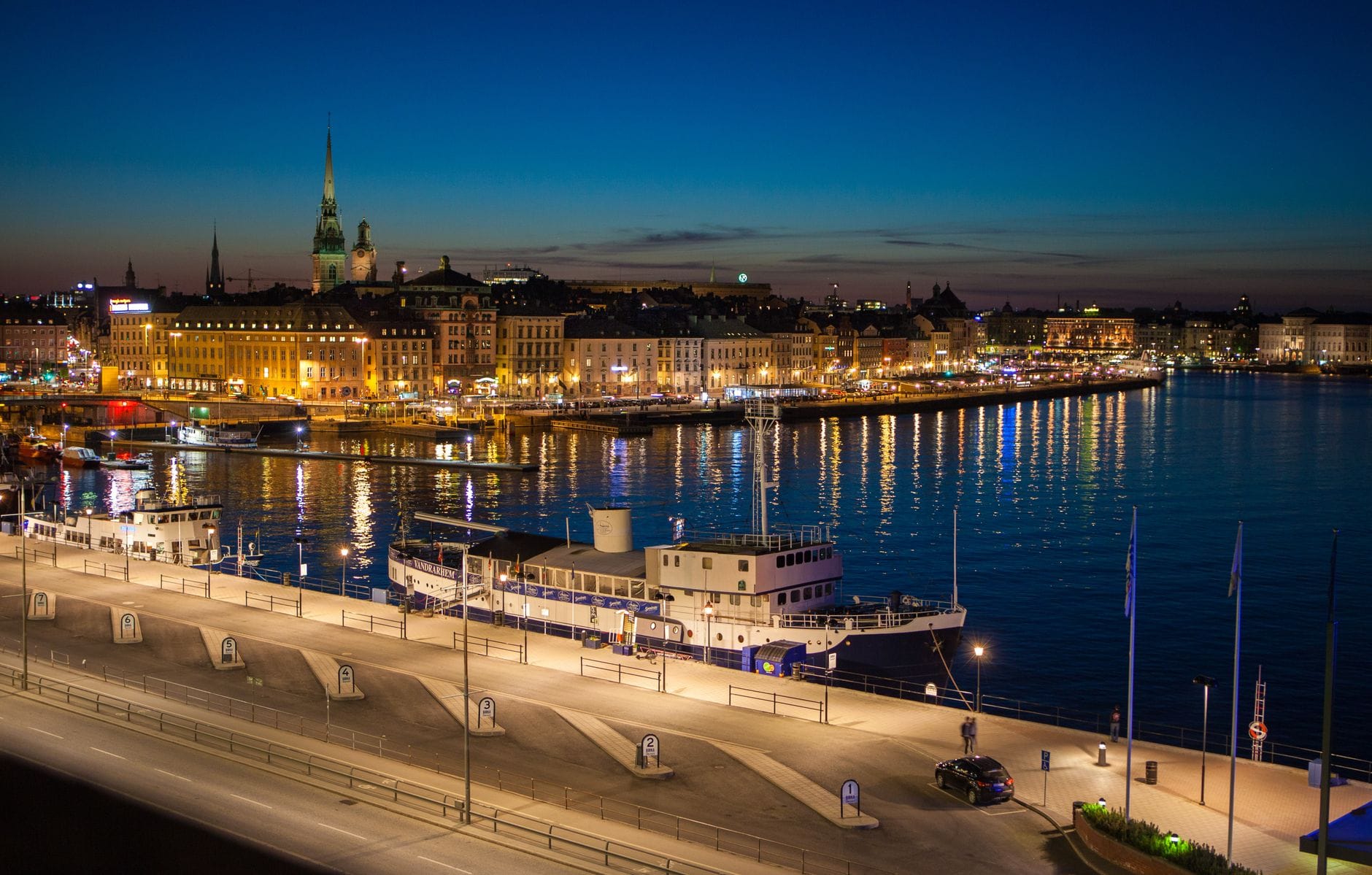
Stureplan, the roundabout and surrounding streets in Östermalm, is Stockholm's most famous nightlife hub. Venues like Spy Bar, Sturecompagniet, and Café Opera draw large queues on weekends. The crowd skews toward a polished, fashion-conscious demographic. Minimum age requirements range from 20 to 25 at the most selective spots, and door staff do check ID. Getting in often depends on how early you queue, how you're dressed, and, frankly, the mood of the door. For visitors, arriving by 23:00 and dressing smartly is the best strategy.
Södermalm operates on a completely different frequency. The bars here tend to open earlier, close by 01:00–02:00, and attract a mixed crowd of locals, musicians, and visitors who prefer conversation over table service. The area around Medborgarplatsen and the SoFo district — the neighbourhood south of Folkungagatan — has the highest concentration of independent bars and live music venues. Dress codes are minimal to nonexistent.
Slakthusområdet, a former slaughterhouse district near Stockholm South train station, has transformed over the past decade into the city's most serious club area. It hosts large-capacity venues running proper DJ lineups, often until 05:00 or later. The scene here leans toward house, techno, and electronic music. Events are promoted primarily through venue social media and ticket platforms, not centralized listings, so following the venues directly is the only reliable way to stay informed.
Gamla Stan has bars and pubs, but it is more tourist-facing than local. The Irish-style pubs and cocktail bars here are perfectly fine for an early evening drink, but they are not where Stockholm's nightlife culture actually lives. It is worth knowing this before committing an entire evening to the area.
Key Venues Worth Knowing
Trädgården is arguably the most beloved summer venue in the city. Located under the Skanstull bridge on Södermalm, it operates as an open-air club and beer garden from late spring through early autumn, typically May to September. The space holds several thousand people across multiple outdoor areas and attracts a broad crowd. It is casual, relatively affordable by Stockholm standards, and runs a consistent lineup of DJs. When temperatures drop, the same location reopens as Under Bron, an indoor club in the space beneath the bridge. Same address, very different atmosphere.
Berns, on Berzelii Park near Norrmalm, is a historic concert hall turned nightclub and bar complex. It hosts ticketed live music events alongside its club nights, so checking the program in advance is essential. Café Opera, at the Royal Opera House on Gustav Adolfs Torg, is one of Stockholm's oldest club institutions and operates late on weekends. Both venues are on the expensive side but reliably well-run. Himlen, a rooftop bar on the 26th floor of a tower in Södermalm, offers some of the best panoramic views in the city alongside cocktails. It is more of a bar experience than a club, but the setting is hard to beat on a clear summer evening.
- Trädgården / Under Bron Outdoor summer club under Skanstull bridge (Södermalm). Switches to indoor Under Bron concept in autumn. Casual, large-capacity, consistent DJ programming.
- Spy Bar Stureplan institution. Open until around 05:00 on weekends. Dress code enforced, minimum age typically 23+. Expect queues after midnight.
- Café Opera Club inside the Royal Opera building. One of Stockholm's oldest late-night venues. Dress smartly; operates late on Friday and Saturday.
- Berns Historic concert hall near Norrmalmstorg. Hosts live events and club nights. Check the program — not every night is a club night.
- Himlen Rooftop bar on the 26th floor in Södermalm. Best for sunset cocktails and views rather than serious dancing. Book a table in advance.
- Slakthusområdet venues Multiple club spaces in the former abattoir district. Best for house and techno. Events promoted via venue social channels and ticket platforms.
⚠️ What to skip
At Stureplan venues, dress codes are enforced seriously. Sneakers, sportswear, and casual jeans are common grounds for rejection — not just at the most exclusive clubs, but at mid-range bars too. If you are not sure, overdress. A collared shirt and clean shoes for men will get you through most doors.
The Underground Techno Scene
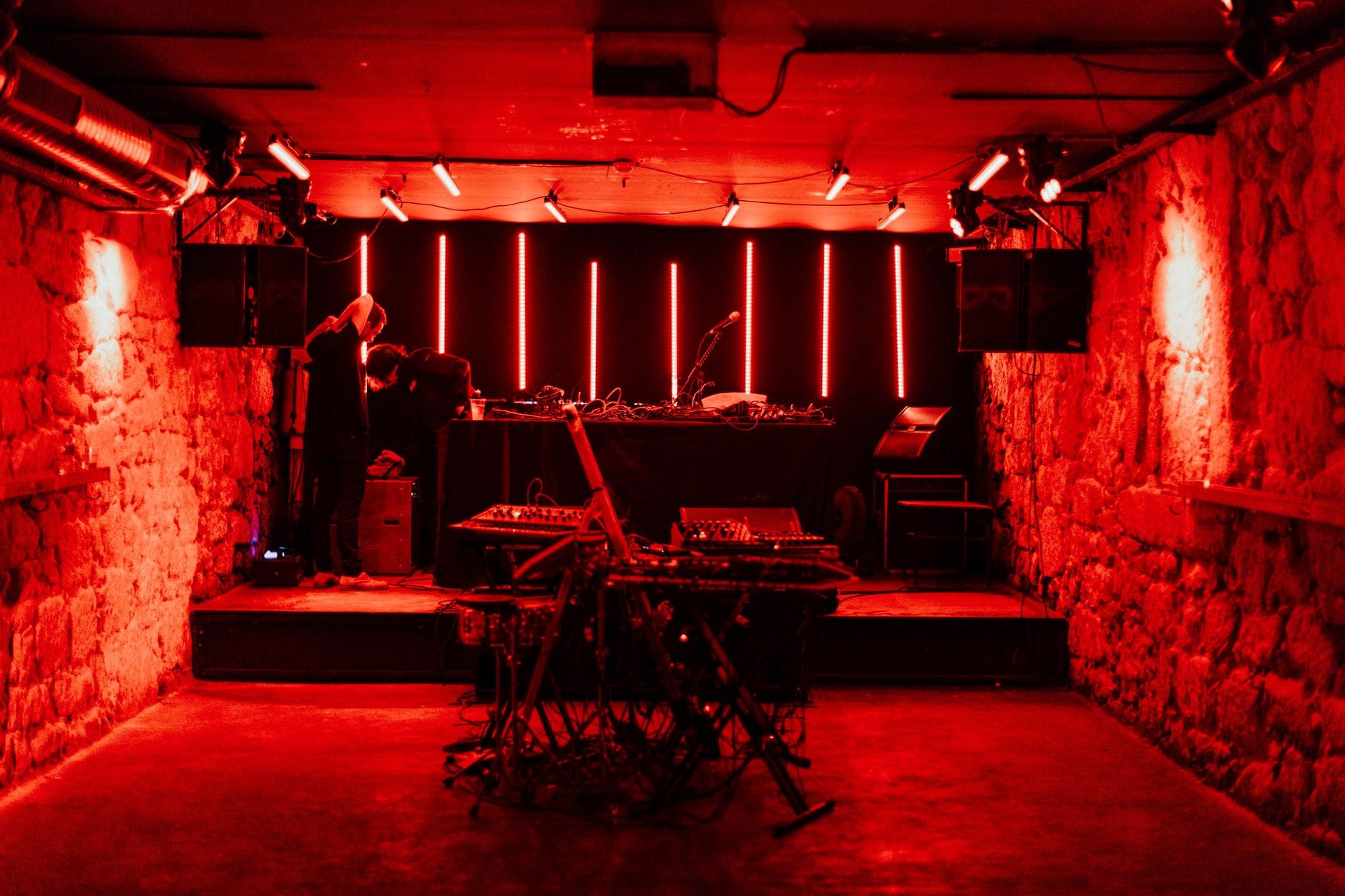
Stockholm has a legitimate and active underground techno and rave scene that many visitors never discover because it does not advertise itself through conventional channels. These parties typically take place on Friday and Saturday nights, starting around 01:00 and running until late morning. Ticket sales happen in advance through specific online platforms, and the venue address is sent to ticket holders by email on the day of the event. Prices are usually reasonable — often 150–250 SEK entry.
Finding these events requires some research before you arrive. Following Stockholm-based electronic music promoters and labels on social media is the most reliable approach. Resident Advisor (RA) lists many of the larger underground events. The community is welcoming to serious music fans regardless of where they are from, but the scene is not tourist-facing by design, which is part of what keeps the quality high.
✨ Pro tip
For the underground techno scene, buy tickets as soon as they go on sale — often a week in advance. The address-by-email system means you commit to a ticket before knowing the venue, so only buy from known promoters with a track record. Resident Advisor reviews and community forums are useful for vetting events.
Prices, Cover Charges, and What to Budget
Stockholm is genuinely expensive for nightlife by most European comparisons. A beer at a Södermalm bar runs around 75–95 SEK. Cocktails in Norrmalm or Östermalm clubs typically cost 120–160 SEK. Bottle service at Stureplan venues runs into thousands of SEK per table. There is no way around these numbers, but there are ways to manage them.
Systembolaget, the state-owned alcohol retail chain, closes around 19:00 on weekdays and 15:00 on Saturdays (closed Sundays), so pre-drinking at accommodation is a common local strategy. Cover charges at mid-range clubs usually range from 100–200 SEK; larger events and concerts cost more. If budget is a primary concern, our guide to Stockholm on a budget covers strategies for managing costs across the full trip, including nightlife.
- Beer at a Södermalm bar: 75–95 SEK
- Cocktail at a central cocktail bar: 120–160 SEK
- Cover charge at a mid-range club: 100–200 SEK
- Underground techno party entry: 150–250 SEK
- Arlanda Express back to hotel (if staying near airport): around 300 SEK one-way — factor this into late-night plans
Seasonal Shifts: When You Go Changes Everything
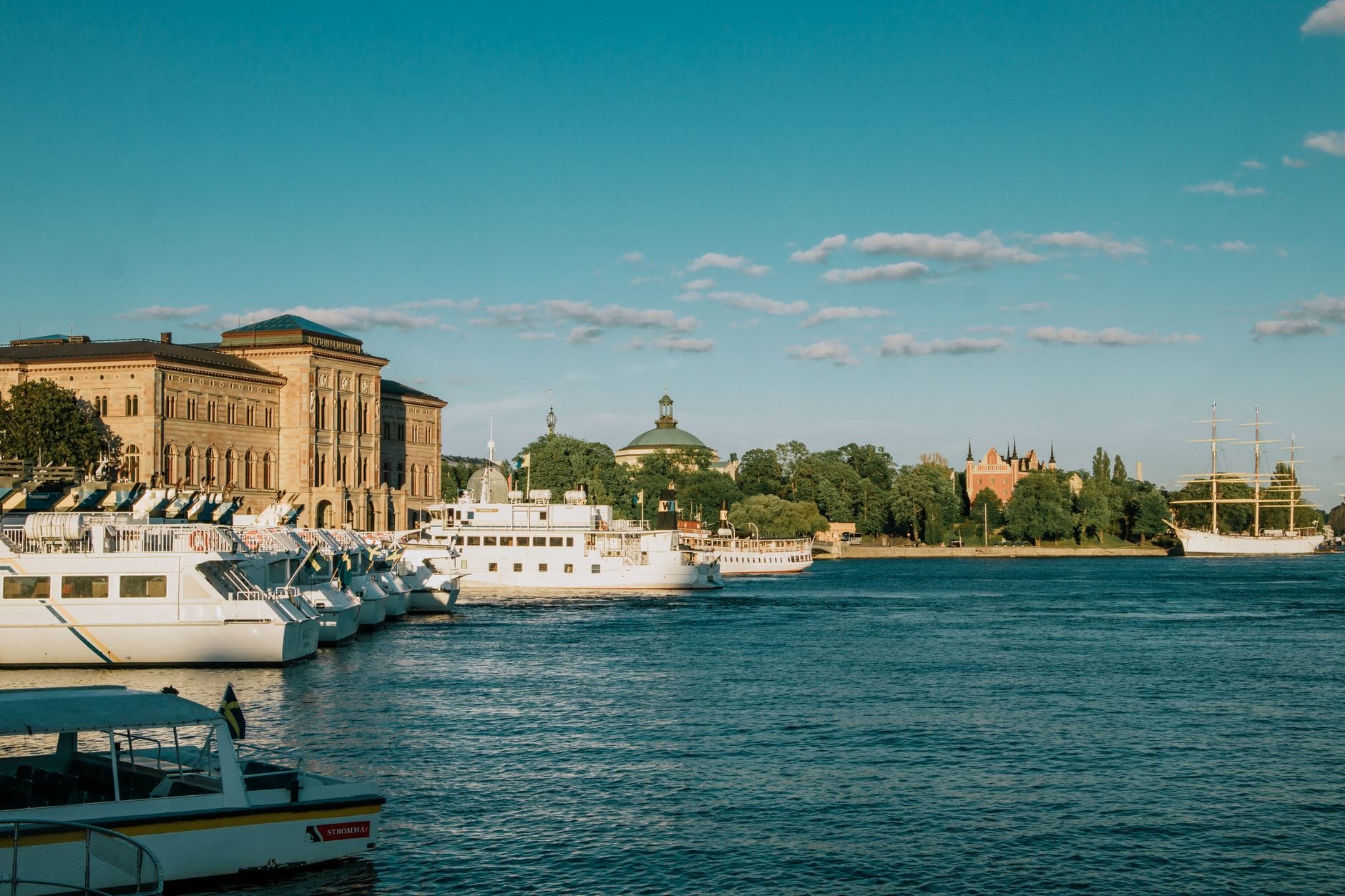
Stockholm nightlife peaks in June, July, and August. The city's geography — spread across multiple islands with waterfront access everywhere — makes summer evenings genuinely spectacular. Outdoor terraces, floating bars, and venues like Trädgården and Strandbryggan draw large crowds until late. The long daylight hours mean it is still light at 22:00 in midsummer, which creates an odd, energizing atmosphere. For context on the full summer experience, see what Stockholm is like in summer.
Winter narrows your options but does not eliminate them. The indoor club scene continues year-round, and the atmosphere inside venues on a cold January night has its own appeal. Stureplan is actually busiest in winter when outdoor alternatives disappear. For a full assessment of the cold-season experience, Stockholm in winter is worth reading before you plan. The Midsommar weekend in late June deserves a specific mention: the city empties slightly as Stockholmers head to the countryside, so some venues are quieter than expected.
Practical Details Before You Go Out
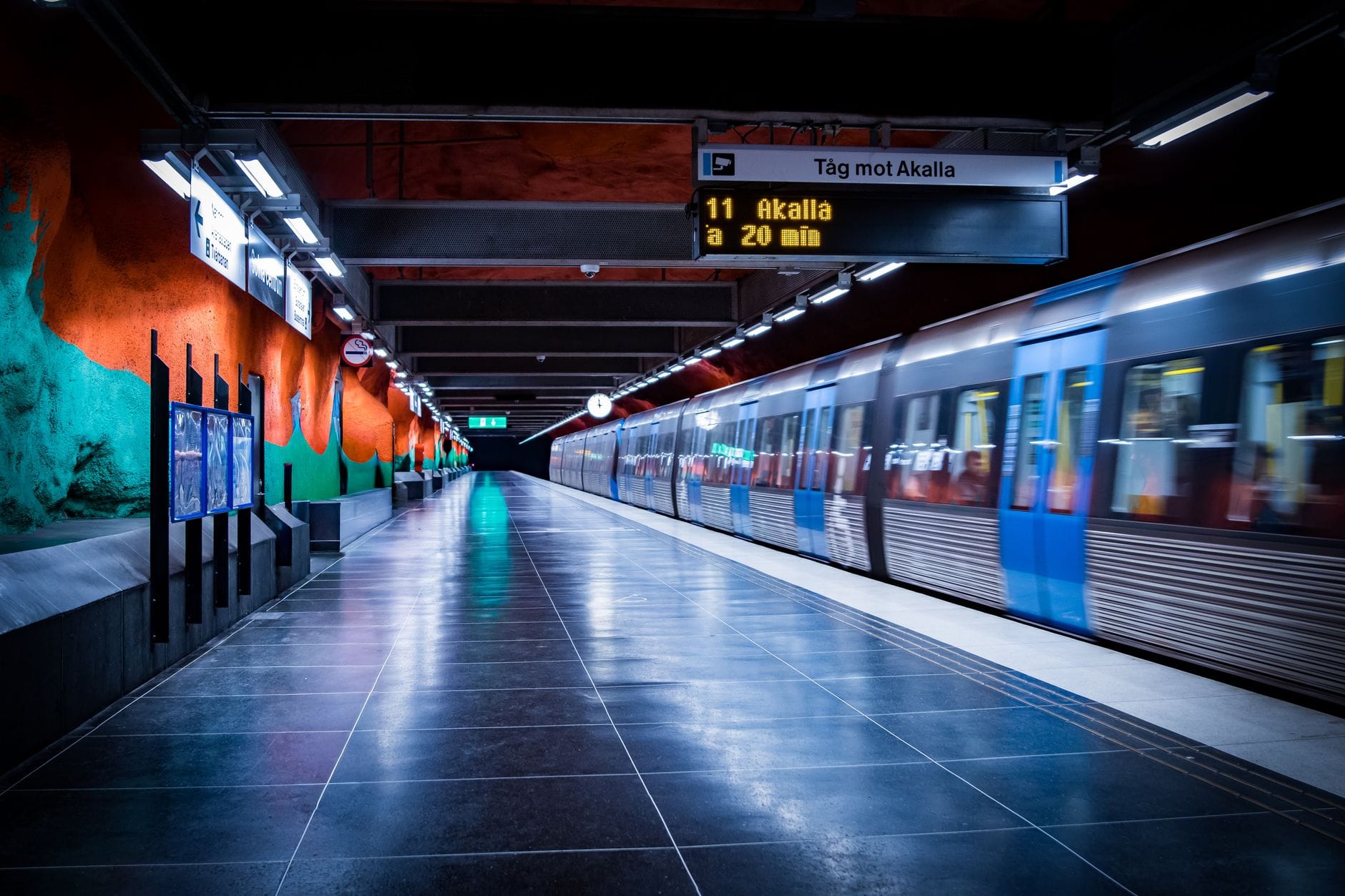
Getting around Stockholm at night is straightforward. The Tunnelbana (metro) runs until around 01:00 on weekdays and runs through the night on Friday and Saturday, making it practical for most nightlife scenarios. Night buses fill gaps in the metro schedule. For a full breakdown of how the transit system works, getting around Stockholm covers routes, tickets, and the SL app. Taxis and ride-hailing apps including Uber and Bolt operate in Stockholm; late-night surge pricing can be significant after clubs close, so the metro is almost always the better option if you can time it.
Sweden's emergency number is 112 for police, fire, and medical emergencies. For non-urgent police matters, the number is 114 14. English is spoken fluently by virtually all bar and club staff in Stockholm, so language is never a barrier. Tipping is not mandatory — service charges are included in Swedish bills — but rounding up or leaving 10% at a bar you like is appreciated and becoming more common.
If you are planning to combine nightlife with a broader Stockholm trip, it is worth knowing which neighborhoods to base yourself in. Södermalm puts you walking distance from the best bars, while Östermalm positions you near Stureplan. Our guide on where to stay in Stockholm covers the tradeoffs in detail.
FAQ
What time do bars and clubs close in Stockholm?
Most bars close between 01:00 and 03:00. Larger nightclubs, particularly around Stureplan and Slakthusområdet, stay open until 03:00–05:00 on weekends. Underground techno events can run until 08:00 or later.
Is Stockholm nightlife expensive?
Yes, by European standards. A beer at a regular bar costs 75–95 SEK, cocktails run 120–160 SEK in central venues, and cover charges at clubs are typically 100–200 SEK. Pre-drinking at accommodation before heading out is a standard local practice.
What is the minimum age for clubs in Stockholm?
The legal drinking age in Sweden is 18, but many clubs in Stockholm set their own minimum age at 20, 23, or even 25 — especially around Stureplan. Always carry ID. Some venues also apply different age limits on different nights.
What is the best area for nightlife in Stockholm?
It depends on what you want. Stureplan is best for upscale clubs and a dressed-up scene. Södermalm is better for casual bars, craft beer, and live music. Slakthusområdet is the place for serious electronic music and club nights. Gamla Stan has tourist-friendly pubs but limited local nightlife culture.
Does Stockholm have an underground club scene?
Yes. Stockholm has an active underground techno and rave scene running most weekends, with parties typically starting around 01:00. Tickets are sold in advance online, and the venue address is sent to ticket holders by email on the day. Follow Stockholm promoters on social media or check Resident Advisor to find events.
Tickets & tours
Live prices and dates from our booking partner. If you book, we may earn a commission at no extra cost to you.
Planning a trip? Discover personalized activities with the Nomado app.