Stockholm in Winter: Christmas Markets, Dark Season & What to Do
Winter in Stockholm is a study in contrasts: candlelit Christmas markets set against medieval stone, short days that fade by 3pm, and a city that genuinely knows how to make cold weather feel worth it. This guide covers everything from the Stortorget market to surviving the dark season with your sanity intact.
Tickets & tours
Live prices and dates from our booking partner. If you book, we may earn a commission at no extra cost to you.
TL;DR
- Stockholm's Christmas markets run late November to around 23 December — most close before Christmas Day, so plan accordingly.
- Daylight in December is just 6-7 hours, concentrated around midday; outdoor plans should account for darkness by mid-afternoon.
- The Stortorget market in Gamla Stan is free to enter; Skansen charges regular admission (around 305 SEK for adults).
- Temperatures run from -3°C to +2°C with frequent wind and damp — waterproof layers matter more than heavy wool.
- Winter is low season for crowds but not for prices — see our best time to visit Stockholm guide for a full seasonal comparison.
What Stockholm Winter Actually Looks Like
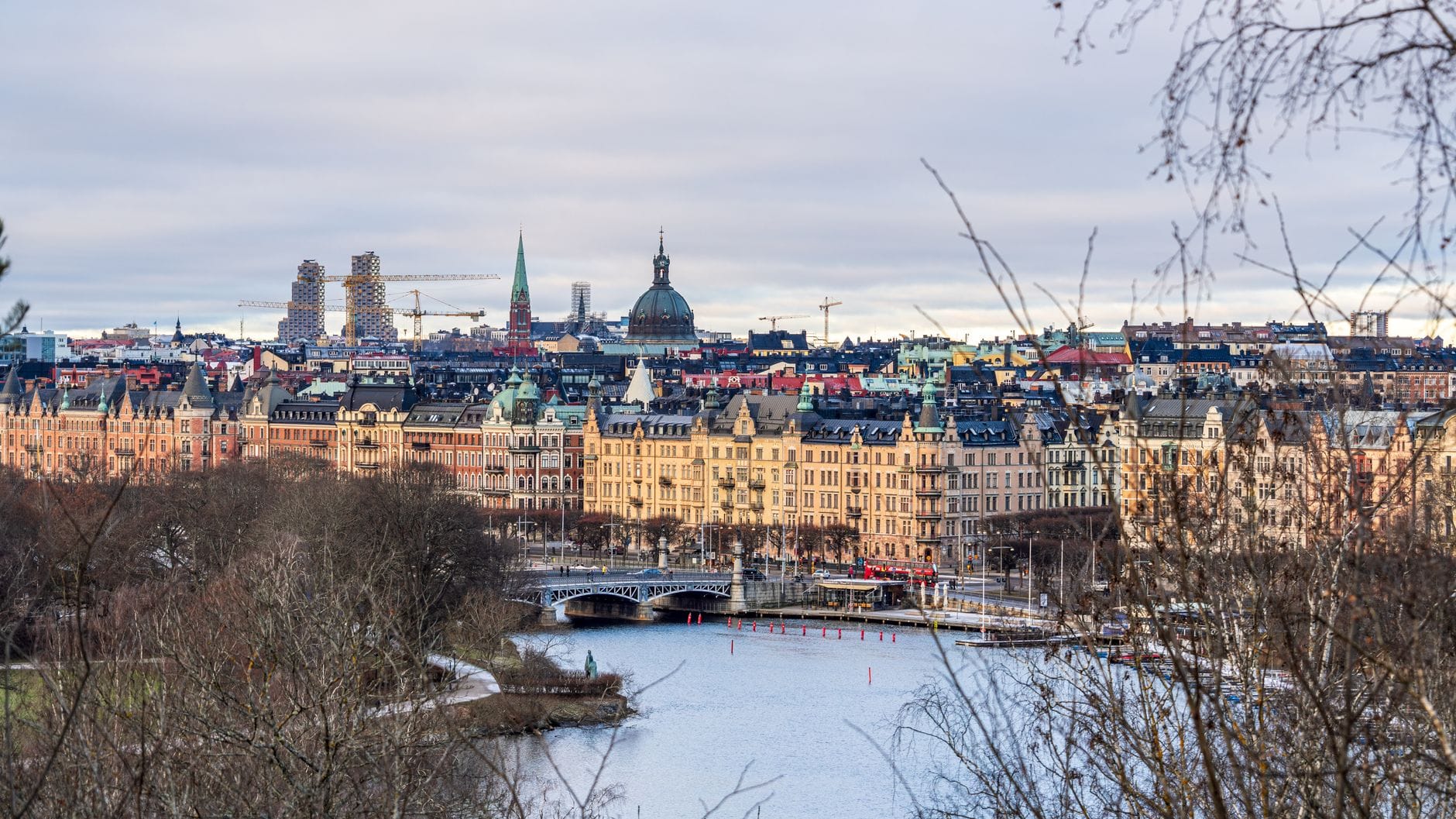
Stockholm sits at roughly 59°N latitude, which puts it significantly further north than most Western European capitals. The practical consequence in December: the sun rises around 8:45am and sets before 3pm. You get perhaps six usable hours of daylight, and overcast skies are the norm rather than the exception. This is not a dealbreaker, but it does reshape how you should structure your days.
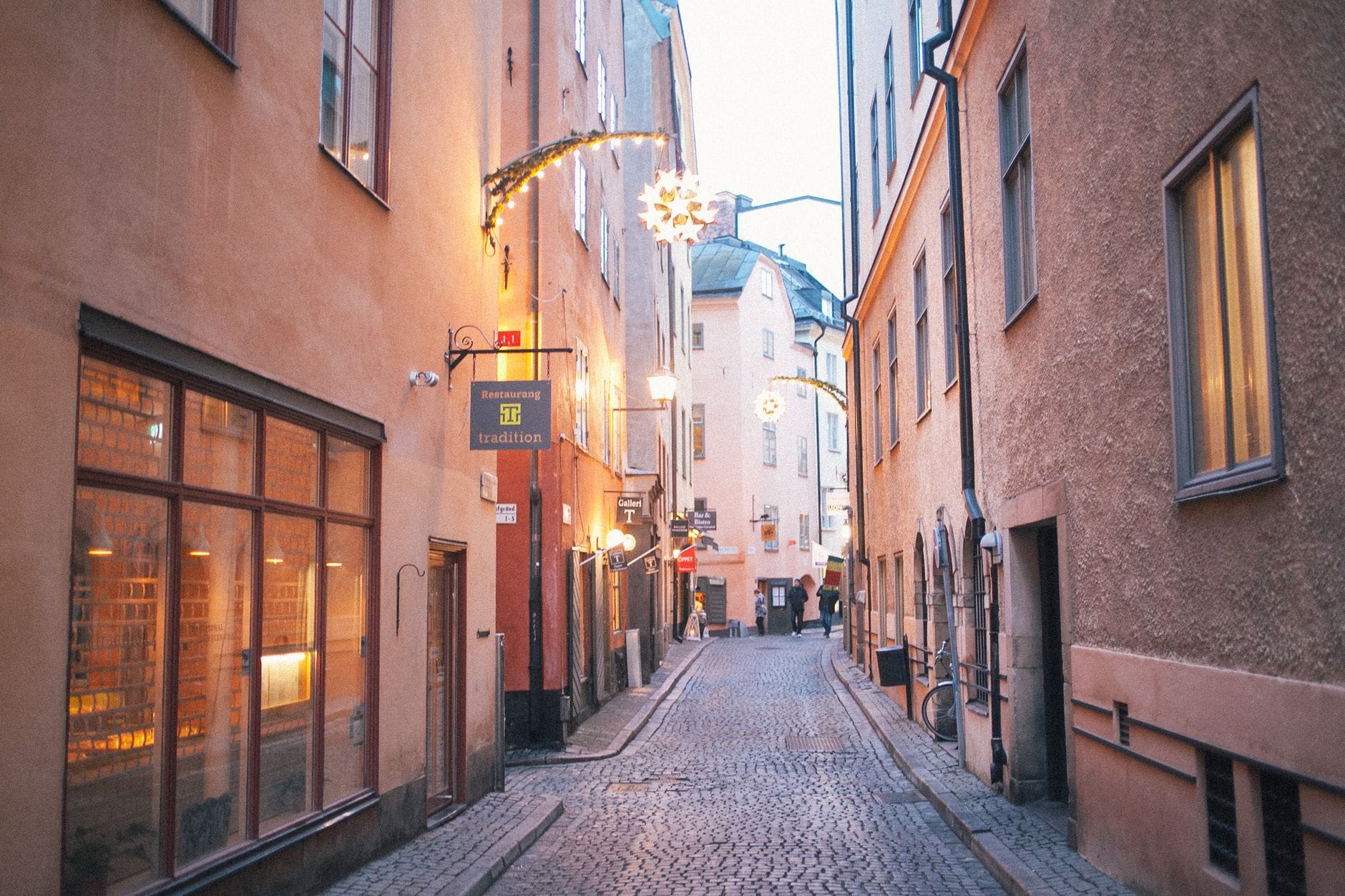
Temperatures from December through February typically range between -3°C and +2°C in the city centre. Snow is possible and occasionally spectacular, particularly in January and February, but it is not guaranteed. More often, Stockholm winter means grey skies, damp air, and icy patches on cobblestones. Wind off the water cuts through clothing quickly. What this means practically: waterproof outer layers, non-slip shoes, and warm accessories are not optional.
⚠️ What to skip
Gamla Stan's medieval cobblestones become genuinely treacherous when icy. Wear shoes with grip, not fashion boots. Pharmacies (Apotek) sell stick-on traction aids for soles if you underpack.
Stockholm does not experience polar night — there is no 24-hour darkness here. But the psychological weight of very short days is real, and the city responds to it actively. Cafes stay lit and warm into the evening, museums run full hours, and the Christmas markets are specifically designed to be experienced in the dark, with lanterns, fires, and candle-lit stalls turning the gloom into atmosphere.
The Christmas Markets: What's Worth Your Time
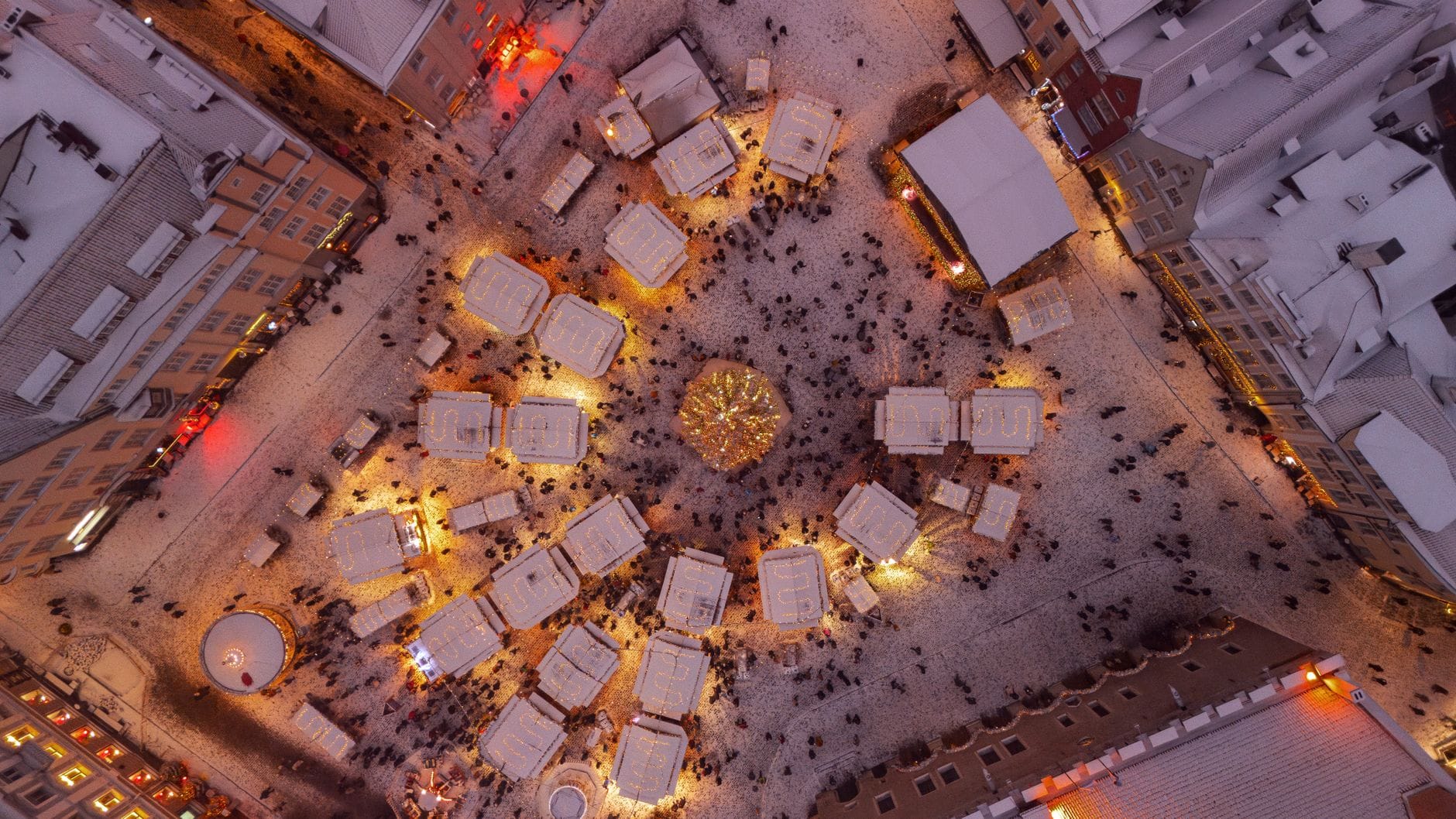
Stockholm's most famous Christmas market occupies Gamla Stan's medieval square, Stortorget. Running annually since the early 20th century, it typically opens in late November (around 23 November) and closes on 23 December. Hours are generally 11:00-18:00 daily. Entry is free. The square is small enough that it fills quickly on weekends — arriving before noon or after 4pm helps. The stalls sell traditional Swedish crafts, glögg (mulled wine), pepparkakor (gingerbread), and julkorv (Christmas sausage). It is photogenic and genuinely atmospheric, though it is also compact and sells out of the best items fast.
The Skansen Julmarknad, held at the open-air museum on Djurgården, is a different proposition entirely. Running since 1903, it operates on Fridays through Sundays from late November to around 20 December, typically 10:00-17:00. Adult admission to Skansen runs around 245 SEK, with discounts for students and seniors; children aged 0–15 get free admission (pre-booked ticket required) rather than entering free. The market occupies the full museum grounds, which means historic farm buildings, live animals, craft demonstrations, and dozens of stalls spread across a large area. This is the better choice for families or anyone wanting more than 45 minutes of browsing.
- Stortorget (Gamla Stan) Free entry. Daily 11:00-18:00, late Nov to 23 Dec. Small, atmospheric, crowded on weekends. Best for photos and traditional glögg.
- Skansen Julmarknad (Djurgården) Paid admission (~305 SEK adults). Fri-Sun, late Nov to ~20 Dec. Sprawling, traditional, great for families. Book tickets online.
- Bondens egen Julmarknad (Södermalm / Tessinparken) Farmers' market format. Approx. late Nov to 21 Dec, 10:00-15:00. Focus on local food producers, less touristy.
- Hovstallet (Royal Stables) Small entry fee. Usually one weekend in early December (around 6-8 Dec), 10:00-19:00. Boutique crafts in an unusual setting.
- Rosendals Trädgård Weekend market in December at the garden on Djurgården. Organic produce, crafts, and excellent baked goods. Worth combining with a Djurgården visit.
ℹ️ Good to know
Most Stockholm Christmas markets close on or before 23 December, not after. If you are visiting between 24 December and late January, expect no Christmas markets and significantly fewer seasonal events. Verify current dates on each market's official website before booking travel.
Indoor Activities for the Dark Months
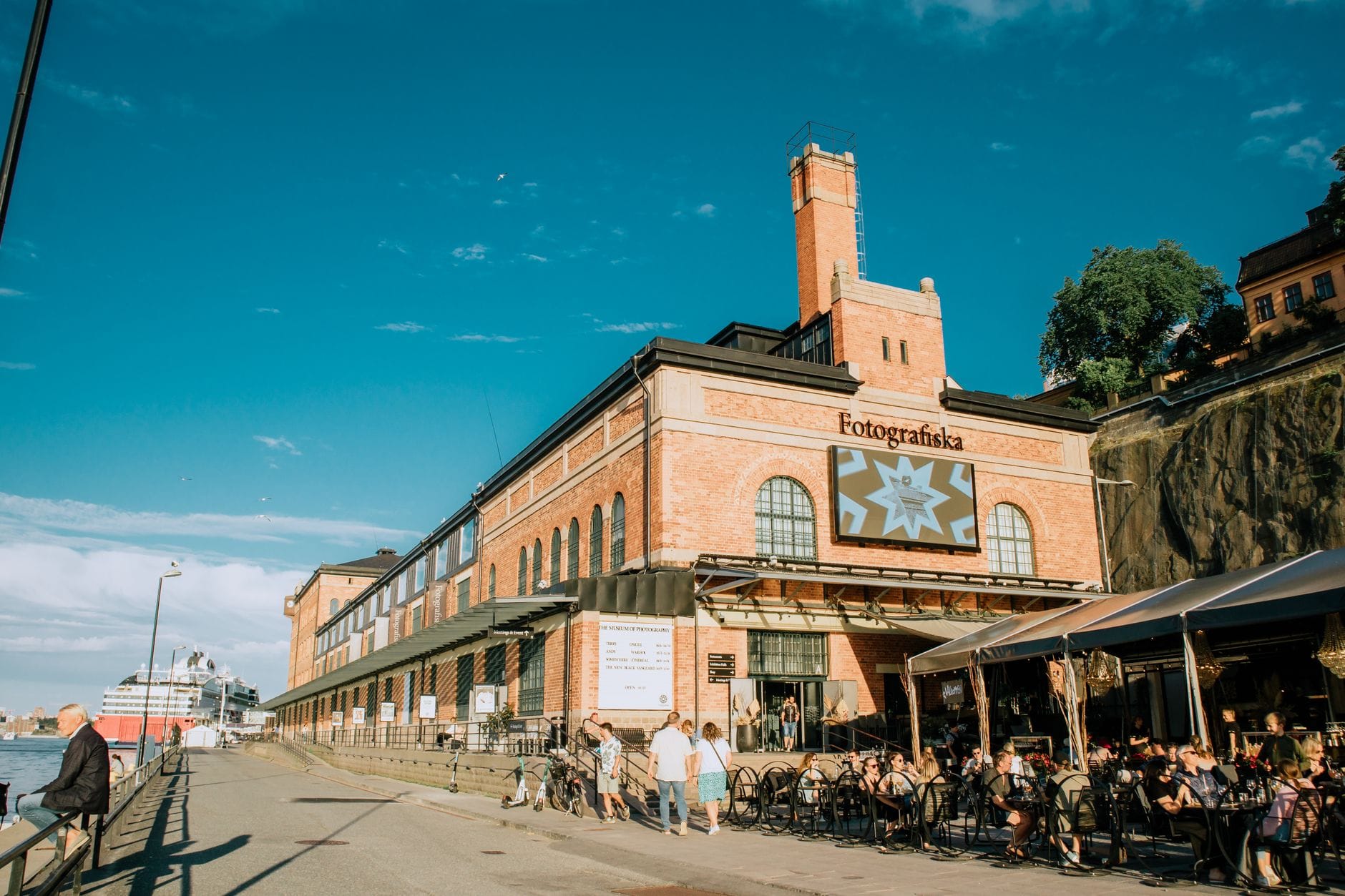
Short days make Stockholm's museum scene more relevant in winter than at any other time of year. The Vasa Museum on Djurgården houses a near-complete 17th-century warship in a climate-controlled building — it is one of the best museums in Scandinavia and easily fills two to three hours. The Fotografiska photography museum on Södermalm stays open late (until 11pm on most nights), making it ideal for winter evenings when darkness has already fallen by 3pm.
The Nordiska museet covers Swedish cultural history from the 16th century to the present and dedicates significant space to Swedish Christmas traditions — worth visiting specifically in December for context on what you are seeing in the markets. The Historiska museet (Swedish History Museum) houses Viking-age gold and artefacts; combined with a visit to Gamla Stan, it makes for a full indoor day in central Stockholm.
For something different, the Stockholm metro art requires only an SL transport ticket. Around 90 of the 100 metro stations feature permanent art installations, carved rock walls, and murals. In winter, riding the Tunnelbana between stations is both a practical way to stay warm and a genuinely worthwhile cultural experience that most visitors skip.
✨ Pro tip
The Stockholm Pass covers entry to Skansen, Vasa Museum, Fotografiska, and dozens of other attractions. In winter, when you will spend more time in museums, it can offer better value than in summer. Run the numbers based on your planned itinerary before buying — see our Stockholm Pass analysis for the breakdown.
Fika, Food, and Staying Warm
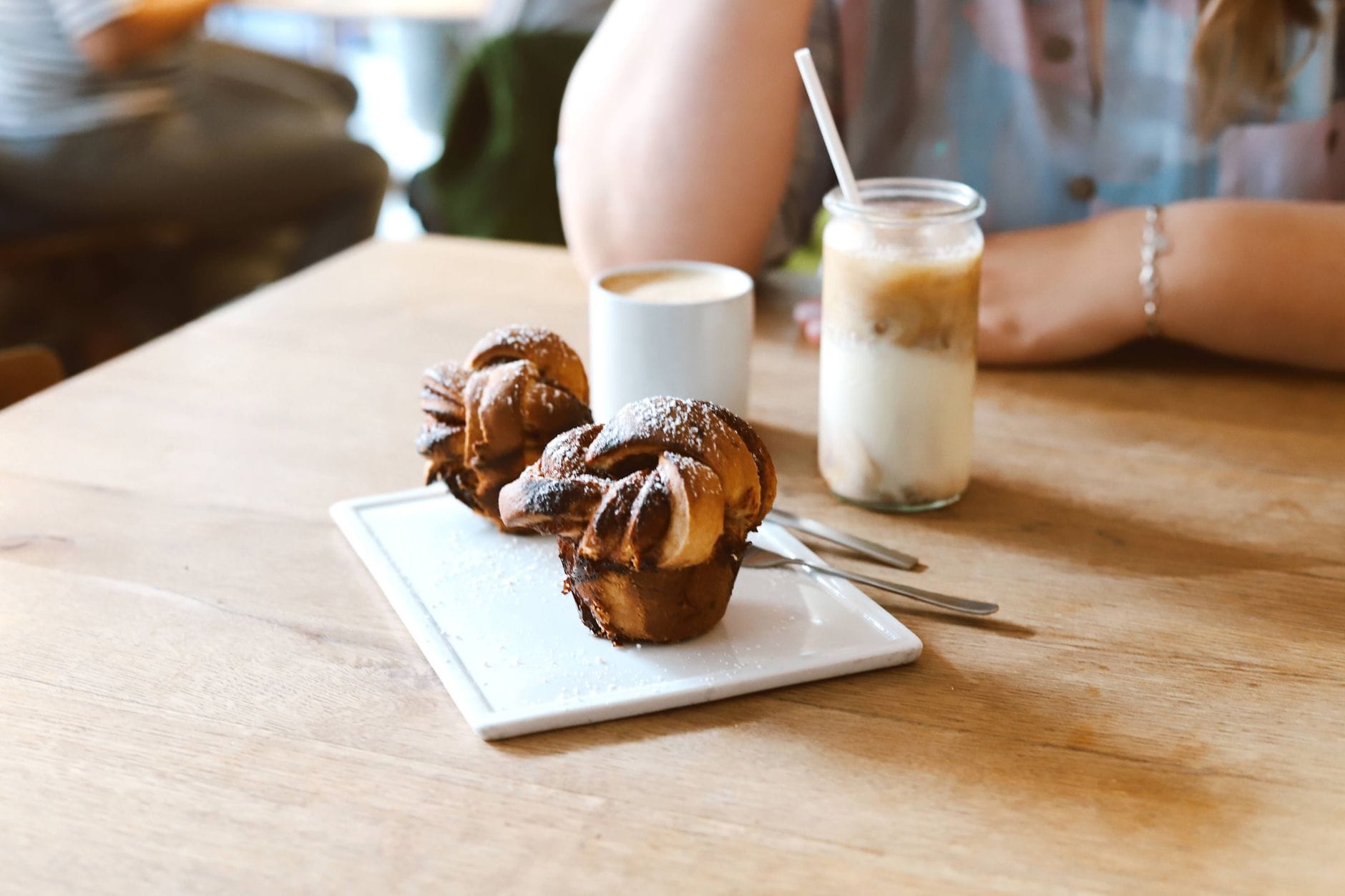
Stockholm in winter is an excellent argument for embracing fika as a serious activity rather than a coffee break. Swedish cafes take winter seriously: thick candles on tables, warm interiors, and an expectation that you will sit for an hour rather than grab and go. Fika in December means cardamom buns (kardemummabullar), saffron-laced lussekatter (Lucia buns, available from early December through 13 December), and pepparkakor with butter.
For food beyond cafes, Östermalm's food hall (Saluhallen) is both a practical lunch spot and worth seeing in its own right. The restored 19th-century market hall sells reindeer, elk, cured fish, and Swedish cheeses. It is heated, central, and busy with locals rather than tourists. December also brings julbord — the Swedish Christmas table — to most traditional restaurants. A julbord spread includes gravlax, herring preparations, meatballs, Jansson's frestelse (a potato-anchovy gratin), and rice pudding. It is served buffet-style and restaurants book up quickly; reservations in advance are necessary at popular spots.
Getting Around Stockholm in Winter
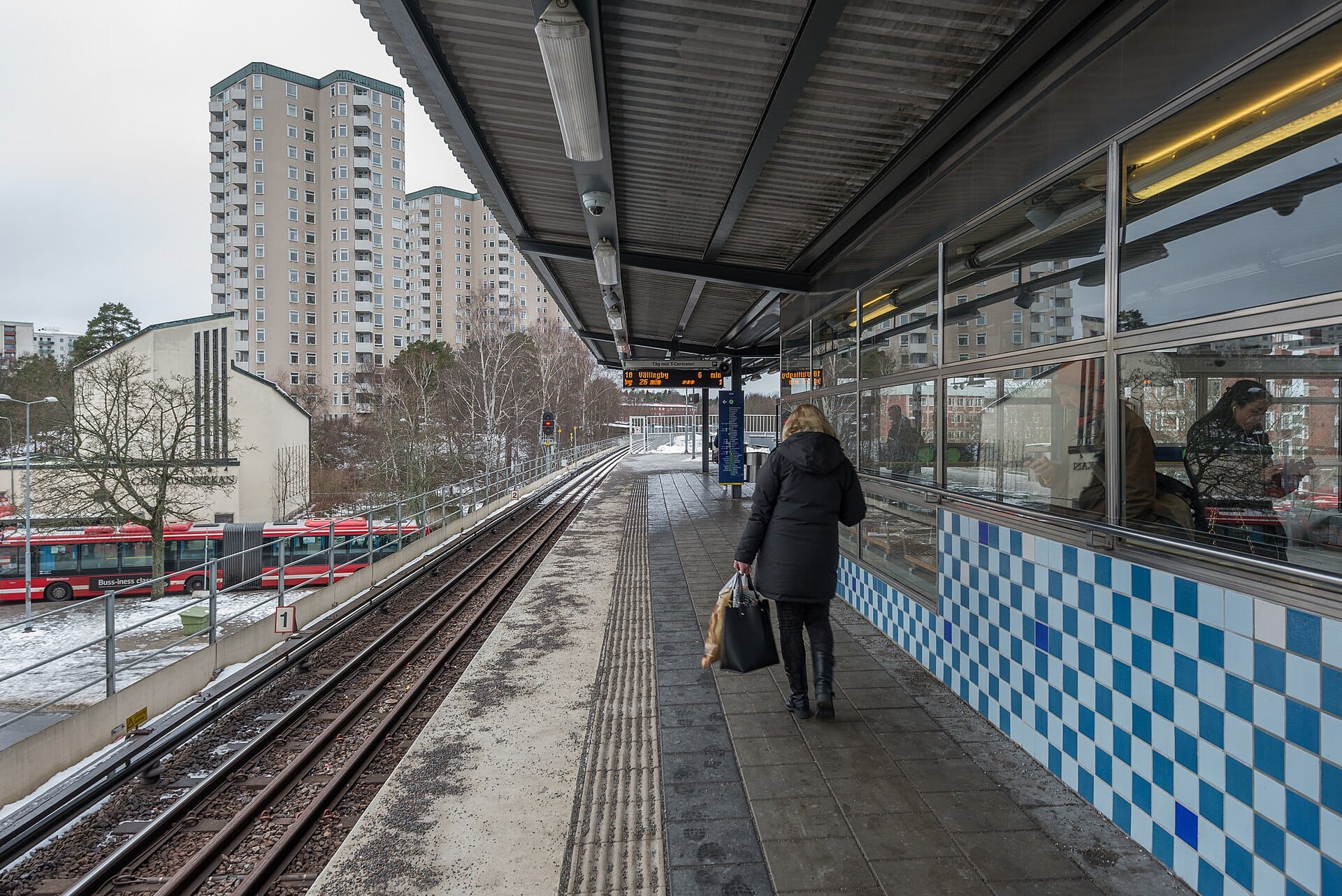
Stockholm's public transport network, run by Storstockholms Lokaltrafik (SL), operates normally through winter. The metro (Tunnelbana), buses, and trams run reliably even in snow. Single tickets and travel cards can be purchased via the SL app or at stations. For a full breakdown of routes and options, the getting around Stockholm guide covers everything from airport transfers to island ferries.
From Stockholm Arlanda Airport (40 km north of the city), the Arlanda Express train reaches Stockholm Central Station in about 20 minutes and is the fastest option. Regional SL trains and airport coaches are cheaper but slower. Taxis are available at official ranks; agree on a fixed price before departing or ensure the meter is running. Uber also operates in Stockholm. All airport transfer costs and times fluctuate, so check current fares with operators before you travel.
- Wear non-slip shoes or buy traction aids on arrival — icy cobblestones in Gamla Stan are a real hazard.
- Use the SL app for real-time departures and to buy tickets without needing cash or cards at machines.
- Metro stations are warm and a legitimate strategy for warming up between outdoor visits.
- Most attractions are reachable without a taxi — the Tunnelbana connects Gamla Stan, Södermalm, and Norrmalm efficiently, with tram line 7 or bus 67 linking to Djurgården.
- Day length is short — cluster outdoor sightseeing between 10am and 2pm for the best light.
Practical Planning: What to Know Before You Go
Sweden is part of the Schengen Area, so citizens of other Schengen countries and many nationalities enter visa-free for short stays. Check the current requirements for your nationality with the Swedish Ministry for Foreign Affairs before travel. Sweden uses the Swedish krona (SEK); cards are accepted almost universally, and Stockholm is effectively a cashless city. Tipping is not mandatory — service is included in bills — but rounding up on restaurant tabs is common. For a broader look at managing costs in Stockholm, winter is actually the cheaper season for flights and hotels compared to the summer peak.
The emergency number in Sweden is 112 for police, fire, and ambulance. For non-urgent police matters, call 114 14. Sweden uses 230V / 50Hz electricity with Type C and F plugs (standard European). Tap water in Stockholm is safe to drink and of high quality. Pack layers rather than one heavy coat — the difference between a warm metro station and a wind-chill waterfront is significant, and layer management makes it manageable.
If you are considering pairing your Stockholm trip with a broader Scandinavia itinerary, the Stockholm to Oslo train and the overnight ferry to Helsinki are both viable in winter, though weather can affect schedules. Stockholm's position — on the edge of Lake Mälaren where it meets the Baltic Sea — means water-based transport is part of the city's DNA year-round.
💡 Local tip
Book julbord dinners at least two weeks ahead in December — popular traditional restaurants fill up quickly. Also verify opening hours for specific museums and markets close to your travel date, as winter schedules sometimes differ from the standard annual hours listed on websites.
FAQ
Is Stockholm worth visiting in winter?
Yes, particularly in December when Christmas markets are running. The short daylight is real but manageable, and the city's museum scene, cafe culture, and winter atmosphere make it worthwhile. January and February are quieter, cheaper, and have fewer seasonal events — better for museum-focused visits than for festive experiences.
When do Stockholm's Christmas markets open and close?
Most markets open in late November (typically around 22-23 November) and close on or around 23 December. The Stortorget market in Gamla Stan and the Skansen Julmarknad are the two main ones; both usually end before Christmas Day. Check official market websites for exact dates each year as they vary slightly.
How cold does Stockholm get in winter?
December through February averages between -3°C and +2°C in the city centre. Wind off the water makes it feel colder. Snow is possible, especially in January and February, but many winters are grey and damp rather than snowy. Waterproof layers and grip-soled shoes are more important than extreme cold-weather gear.
Do I need to book Christmas market tickets in advance?
The Stortorget market in Gamla Stan is free and requires no booking. Skansen charges regular museum admission (around 245 SEK for adults) and tickets can be bought at the gate or online; booking ahead is advisable for weekend visits. Boutique markets like Hovstallet and Rosendals Trädgård may have separate ticketing — check their websites before visiting.
What should I do in Stockholm in January or February once markets are over?
Focus on indoor culture: Vasa Museum, Fotografiska (open until 11pm), Nordiska museet, and the Historiska museet are all excellent. The metro art tour requires only a transit ticket. Spa culture is strong in Stockholm in winter — the city has excellent public and private spa facilities worth booking. Prices for accommodation and flights are at their lowest in January and February.
Tickets & tours
Live prices and dates from our booking partner. If you book, we may earn a commission at no extra cost to you.
Planning a trip? Discover personalized activities with the Nomado app.