Fika in Stockholm: The Best Cafés for Sweden's Coffee Ritual
Fika is Sweden's most beloved daily ritual: a proper pause for coffee and something sweet, shared with others. This guide covers the best cafés in Stockholm for fika, what to order, how much to pay, and how to do it like a local rather than a tourist.
Tickets & tours
Live prices and dates from our booking partner. If you book, we may earn a commission at no extra cost to you.
TL;DR
- Fika is a Swedish social coffee break — not just coffee, but a deliberate pause for connection, typically twice a day.
- Classic fika order: brewed coffee (not espresso) plus a kanelbulle (cinnamon bun) or piece of prinsesstårta.
- Top cafés span every neighborhood: Vete-Katten in Norrmalm for tradition, Drop Coffee in Södermalm for specialty beans, Rosendals Trädgård on Djurgården for summer garden fika.
- Budget around 35–55 SEK for coffee and 40–65 SEK for a pastry at most central cafés.
- Avoid rushing — sitting down, not grabbing takeaway, is the whole point. See our Stockholm food guide for more on Swedish food culture.
What Fika Actually Is (and Isn't)
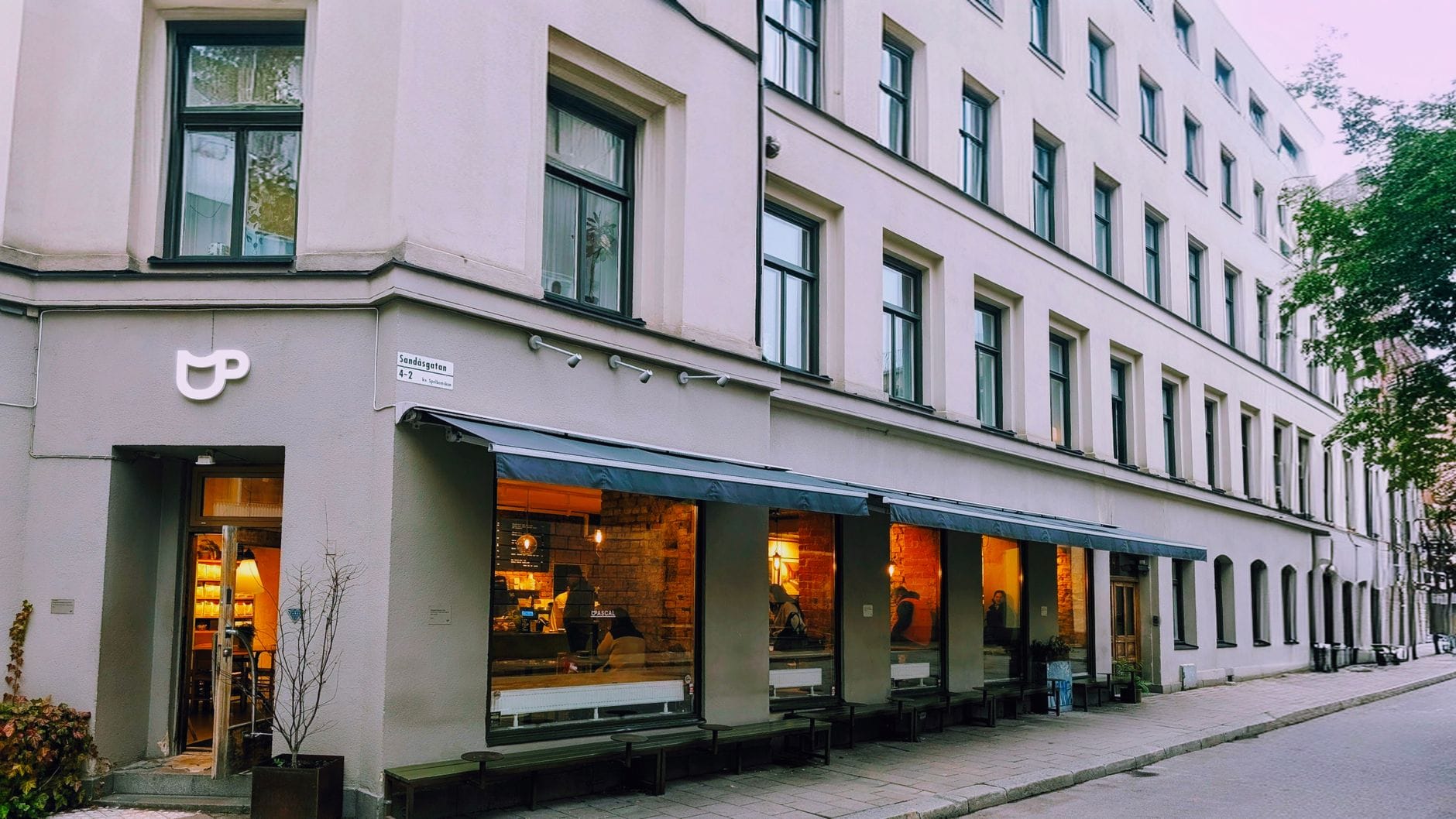
Fika is one of those concepts that sounds simple — coffee and a pastry — but carries genuine cultural weight in Sweden. It is a deliberate break in the day, usually taken twice: once in the mid-morning and again in the afternoon. The word itself is thought to derive from an inversion of the old Swedish slang for coffee, 'kaffi'. What makes fika distinct is not the food or drink but the intention: you stop what you are doing, sit with other people, and actually talk.
Swedish workplaces commonly schedule fika breaks as part of the official working day. It is not a productivity hack or a marketing concept — it predates both. For visitors, the practical implication is that Stockholm's café culture operates at a different tempo than, say, Italian espresso bars or London coffee shops. You are expected to sit. Takeaway cups exist, but grabbing one and rushing off is slightly at odds with the spirit of fika, and locals will notice.
ℹ️ Good to know
The classic fika drink is brewed filter coffee, not espresso. If you order an americano or a flat white at a traditional konditori, you will get it — but you will also look like a tourist. Black filter coffee or coffee with milk is the authentic choice.
What to Order: The Essential Fika Pastries
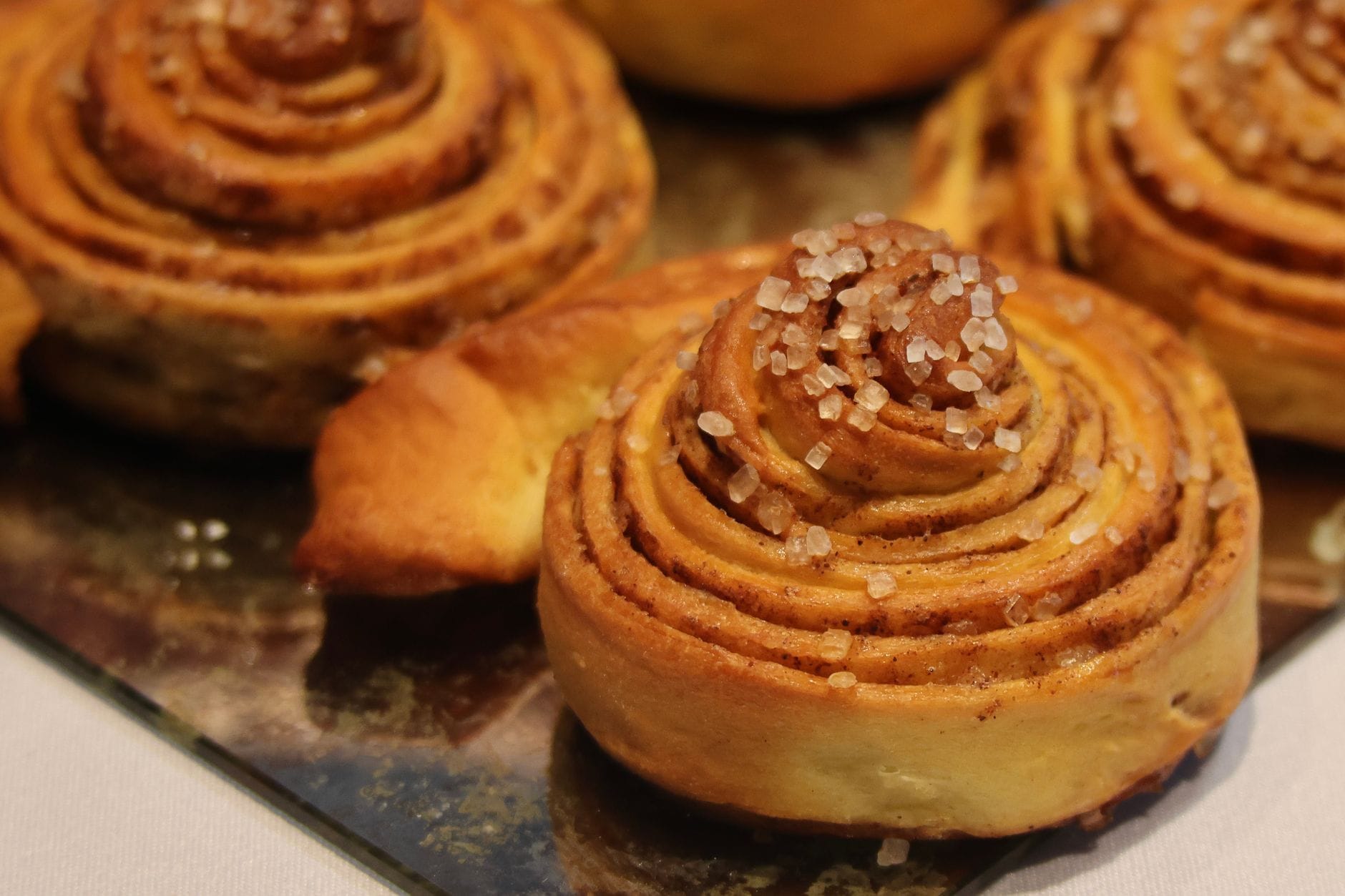
The kanelbulle (cinnamon bun) is the undisputed icon of Swedish fika. Swedish cinnamon buns differ from their American cousins: they are less sweet, flavored with cardamom in the dough, and often topped with pearl sugar rather than cream cheese frosting. Sweden even has an official Kanelbullens dag (Cinnamon Bun Day) on 4 October. Any konditori worth its name bakes these fresh daily.
- Kanelbulle Cardamom-scented cinnamon bun with pearl sugar. The benchmark for any café's quality. Expect to pay 35–55 SEK.
- Prinsesstårta Princess cake: layers of sponge, cream, and jam under a dome of green marzipan. A Swedish classic available by the slice at most konditori.
- Kladdkaka Dense, fudgy Swedish chocolate cake — closer to a brownie than a sponge. Widely available and genuinely excellent.
- Kardemummabulle The cardamom bun, a close relative of the kanelbulle but heavier on cardamom and lighter on cinnamon. Increasingly popular at specialty cafés.
- Mazarin Almond tart in a shortcrust pastry shell, sometimes glazed. Found at traditional konditori and a good option if you prefer something less sweet.
💡 Local tip
If you want to try multiple pastries, go mid-morning on a weekday when stock is freshest and seating is easiest to find. Weekend afternoons at popular cafés like Vete-Katten can mean queues out the door.
The Best Cafés for Fika in Stockholm, by Neighborhood
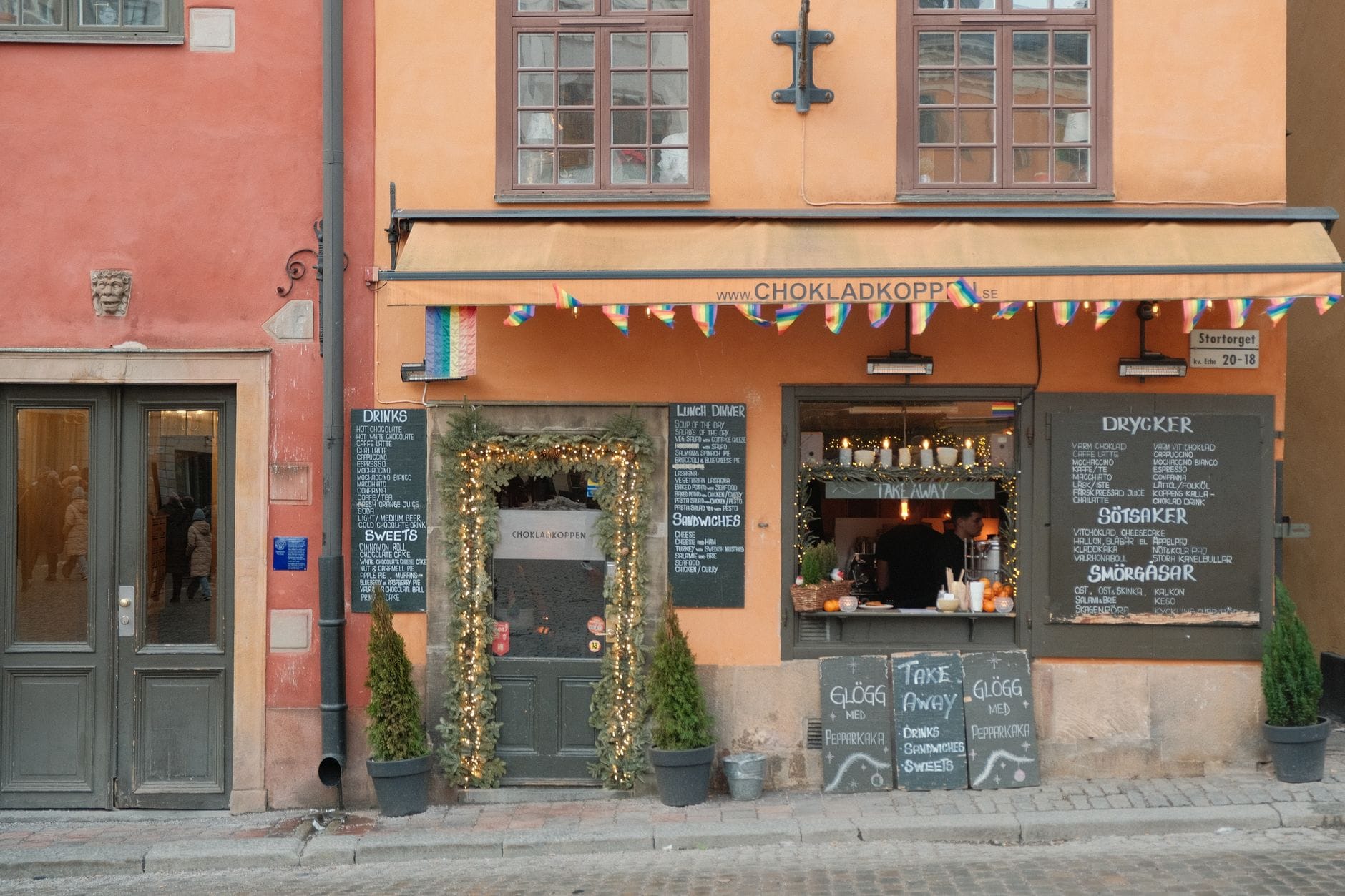
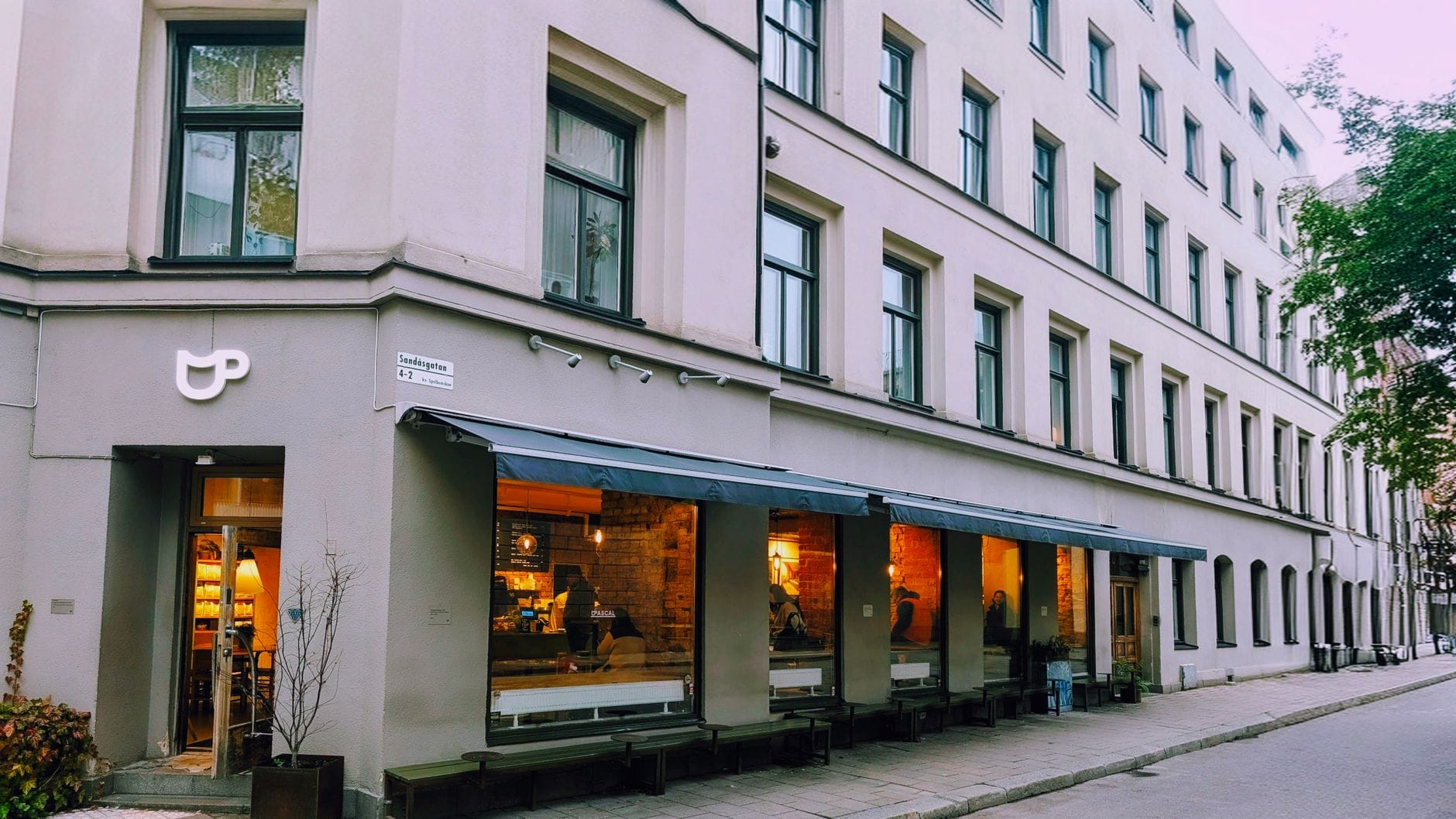
Stockholm's café scene divides roughly into two camps: the historic konditori tradition and the newer specialty coffee wave. Both are worth exploring — they serve different moods and different moments.
- Vete-Katten — Norrmalm Founded in 1928 on Kungsgatan 55, Vete-Katten is the most cited historic konditori in Stockholm. The interior has barely changed in decades: marble counters, tiled floors, glass cases full of princess cakes and mazarins. It is the correct answer to the question 'where should I have a proper traditional fika?' — though it gets busy on weekends. Budget around 50 SEK for coffee and 50–65 SEK for a pastry.
- Sturekatten — Östermalm A second pillar of old-Stockholm café culture, Sturekatten occupies a first-floor apartment on Riddargatan with mismatched furniture and an atmosphere of faded grandeur. Beloved by locals for precisely this lack of polish. A strong alternative to Vete-Katten if you prefer somewhere with fewer tourists.
- Drop Coffee — Södermalm The best address for specialty coffee in Stockholm. Drop Coffee roasts its own beans and takes brewing seriously — expect detailed tasting notes and precise pour-overs. The kanelbullar here are excellent too. Södermalm's creative scene makes this a natural fit for anyone exploring the south island.
- Rosendals Trädgård — Djurgården A biodynamic garden café at Rosendalsvägen 38 on Djurgården, open from spring through autumn. Pastries are baked on-site using organic ingredients, and on warm days the garden seating — surrounded by fruit trees and flower beds — is one of the best fika settings in the city. Strongly seasonal: check opening dates before visiting in spring or late autumn.
- Johan & Nyström — Södermalm Another quality-focused roaster with a café presence in Södermalm. Good choice if Drop Coffee is full, with a similar emphasis on origin coffees and skilled preparation.
- Café Saturnus — Östermalm Famous for producing some of the largest kanelbullar in Stockholm — genuinely enormous, and good. The café itself is relaxed and unpretentious for an Östermalm address. Often crowded at weekends but manageable on weekday mornings.
If you are exploring Gamla Stan, be selective. The old town has many cafés catering to tourists with average quality at above-average prices. For a better fika in that area, aim for streets away from the main pedestrian drag of Västerlanggatan — the further from the souvenir shops, the better the coffee tends to be.
⚠️ What to skip
Chain cafés Espresso House and Wayne's Coffee are ubiquitous across Stockholm. They are reliable for a consistent cup and convenient opening hours, but they are not fika experiences — they are Swedish Starbucks equivalents. Fine for a quick caffeine fix, not the right call if you want to understand Swedish café culture.
Fika by Season: What Changes and What Doesn't
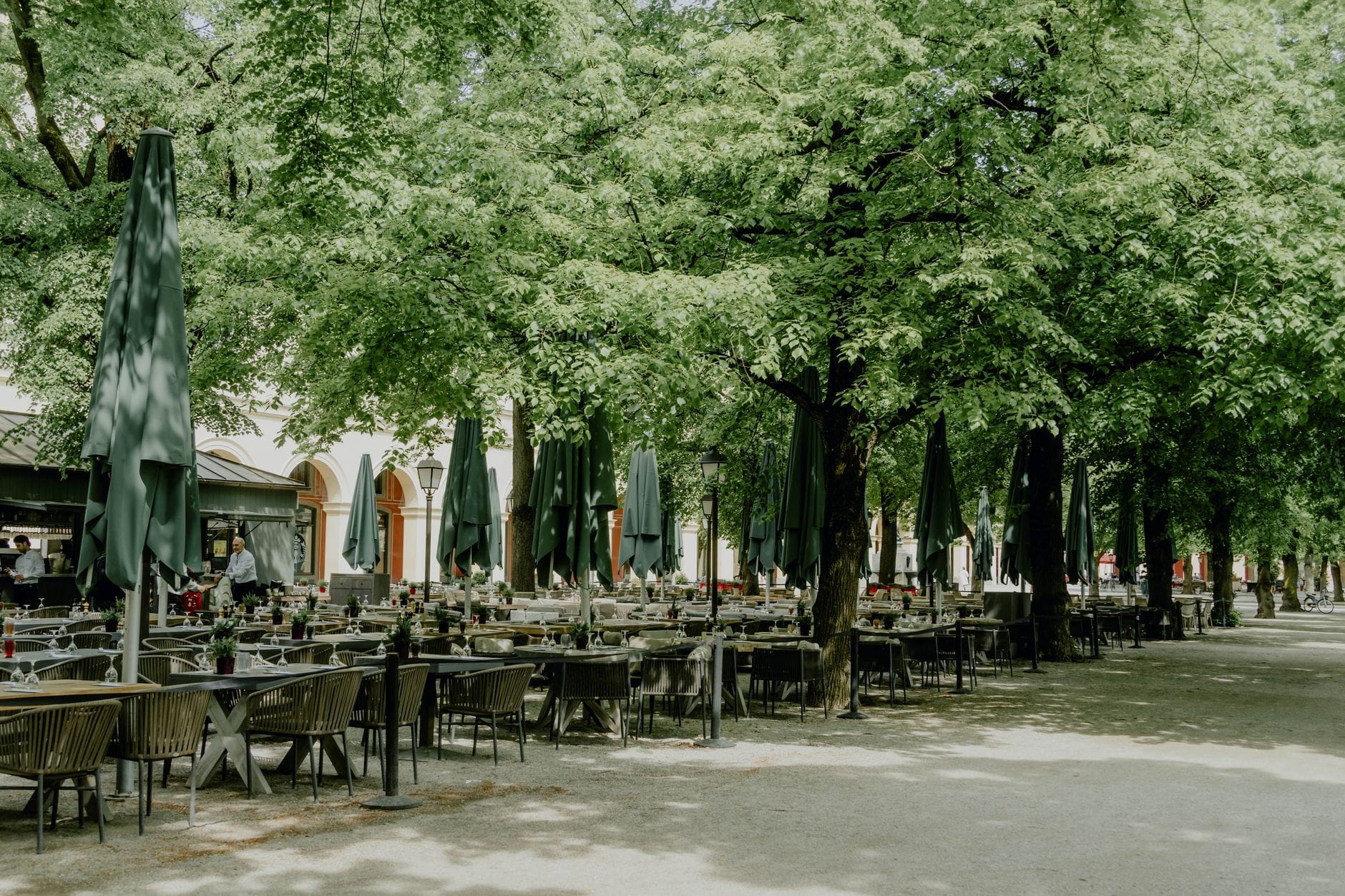
Fika happens year-round — that is part of the point. But the setting and mood shift significantly between seasons, and knowing this helps you pick the right café for the right visit.
In summer (June to August), Stockholm's long daylight hours push fika outdoors. Garden cafés like Rosendals Trädgård come into their own, and even city-center cafés put tables on the pavement. Djurgården is especially good for a summer fika walk: the island has multiple café options and you can combine pastries with a visit to the Rosendals Trädgård gardens or the Vasa Museum nearby.
Winter fika is a different experience entirely. Stockholm winters are cold and dark, and the appeal of a warm, well-lit konditori with thick hot coffee and a plate of pastries is not something that needs to be oversold. Vete-Katten and Sturekatten are at their most atmospheric from November through February. This is also when Swedish cafés start stocking lussekatter (saffron buns) in the lead-up to Lucia on 13 December, and pepparkakor (ginger snaps) throughout the Christmas season.
How to Fika Like a Local: Practical Etiquette
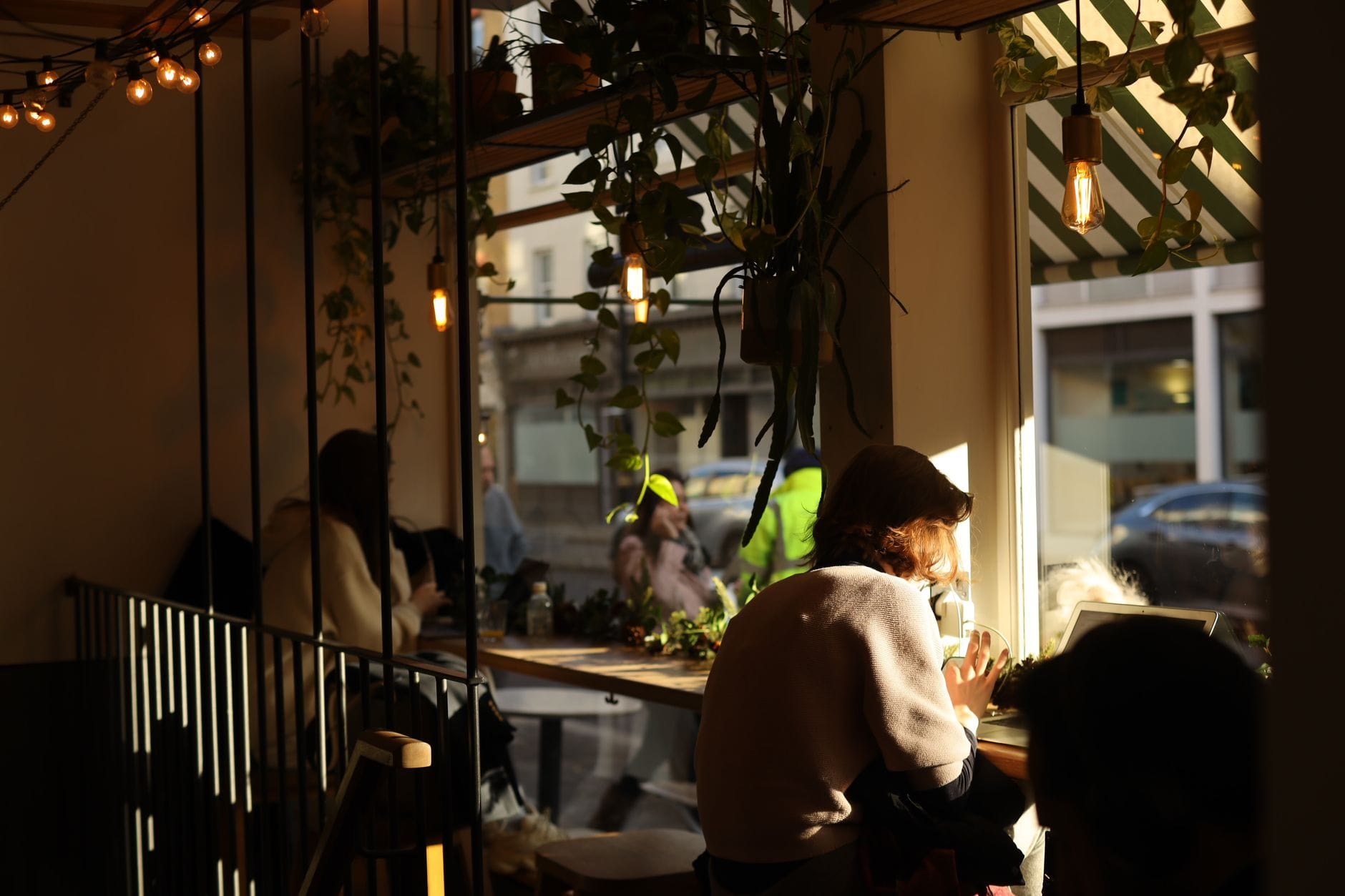
The etiquette around fika is relaxed by most standards, but there are a few habits that distinguish visitors from regulars. First: sit down. Ordering at the counter and immediately leaving diminishes the whole ritual. Even solo travelers benefit from finding a seat, putting their phone away for ten minutes, and actually pausing.
- Order at the counter in most traditional konditori — table service is uncommon.
- Self-service refills (påtår) are offered at many traditional cafés for filter coffee — ask if it is not obvious.
- Cash is accepted at most cafés but Swedes pay by card almost universally; contactless is standard.
- Tipping is not expected. Rounding up is fine but entirely optional.
- Lingering is normal and welcome — do not feel pressure to vacate your table quickly.
- Bring something to read or someone to talk to. Fika with your phone face-up and notifications on misses the point.
If you are planning to explore Stockholm's food culture more broadly, fika pairs well with a morning at the Östermalm Food Hall or an afternoon in Södermalm where independent cafés cluster around SoFo and Folkungagatan. See our guide to eating in Stockholm for a fuller picture of the local food scene.
Fika on a Budget vs. Fika as an Occasion
Stockholm is an expensive city, and café prices reflect that. A coffee and a pastry at a central konditori will typically cost around 90–130 SEK total (roughly 8–11 EUR or 8.5–12.5 USD at typical exchange rates). That is not cheap for a coffee break by most international standards, but it is also not a rip-off for the quality you get at the better addresses.
If budget is a concern, the Stockholm on a budget guide has practical tips, but for fika specifically: neighborhood cafés away from tourist corridors tend to be 10–20% cheaper than equivalents near Gamla Stan or the main shopping streets. Some konditori also sell day-old pastries at a discount in the late afternoon.
At the other end of the scale, fika can be an occasion. Several of Stockholm's hotel cafés and design-forward spaces treat the ritual with considerable ceremony — artisanal pastries, single-origin pour-overs, beautiful interiors. If you are visiting Stockholm for design or food tourism, this side of the fika scene is worth seeking out.
FAQ
What is fika in Stockholm?
Fika is Sweden's traditional coffee break — a deliberate pause in the day, usually taken twice (mid-morning and mid-afternoon), with coffee and something sweet. In Stockholm it plays out in konditori (pastry cafés), workplace kitchens, and specialty coffee shops. The social element — sitting down, talking, slowing down — is as important as the food and drink.
What is the best café for fika in Stockholm?
For a classic, historic fika experience, Vete-Katten on Kungsgatan 55 (founded 1928) is the most consistent answer. For specialty coffee, Drop Coffee in Södermalm is the top choice. For a summer outdoor setting, Rosendals Trädgård on Djurgården is hard to beat. Each serves a different occasion — the 'best' depends on what you are looking for.
How much does fika cost in Stockholm?
At most central cafés, expect around 35–55 SEK for a brewed coffee and 40–65 SEK for a pastry, making a typical fika around 75–120 SEK in total. Prices at tourist-facing cafés in Gamla Stan can run higher. Specialty coffee shops may charge more for single-origin options.
What should I order for fika?
The standard order is filter coffee (not espresso) and a kanelbulle (cinnamon bun). Other classic choices include kardemummabulle (cardamom bun), kladdkaka (chocolate cake), mazarin (almond tart), and prinsesstårta (princess cake). Any decent konditori will have most of these.
When is the best time to visit Stockholm cafés for fika?
Mid-morning on a weekday (around 9:30–11:00) gives you the freshest pastries, the best seating choice, and the most local crowd. Weekend mornings are busy at popular addresses like Vete-Katten. Summer evenings work well at garden cafés like Rosendals Trädgård, which stays light until late. Winter afternoons at a cozy konditori are a Stockholm experience in their own right.
Tickets & tours
Live prices and dates from our booking partner. If you book, we may earn a commission at no extra cost to you.
Planning a trip? Discover personalized activities with the Nomado app.