Best Things to Do in Stockholm: The Definitive Guide
Stockholm is one of Europe's most rewarding capitals, spread across 14 islands where Lake Mälaren meets the Baltic Sea. This guide covers the best things to do in Stockholm, from world-class museums and medieval streets to boat tours and local neighborhoods, with honest advice on what's worth your time and what to skip.
Tickets & tours
Live prices and dates from our booking partner. If you book, we may earn a commission at no extra cost to you.
TL;DR
- The Vasa Museum is Stockholm's single best attraction: a 17th-century warship preserved almost intact, with adult tickets around SEK 195–240 depending on season.
- Djurgården island packs multiple top attractions into one walkable area, including Skansen, the ABBA Museum, and Nordiska museet. Plan your Djurgården day here.
- Summer (June–August) offers long daylight and open-air attractions but significantly higher prices. Late May and September are the sweet spots for crowds and cost. See our best time to visit Stockholm guide for a full seasonal breakdown.
- Stockholm is not a one-neighborhood city. Gamla Stan, Södermalm, Östermalm, and the archipelago all offer distinct experiences worth dedicating time to.
- Public transport (SL metro, buses, trams) covers almost everything. A 24- or 72-hour SL travel card is the most practical option for most visitors.
The Absolute Essentials: Where to Start
For first-time visitors asking about the best things to do in Stockholm, three places belong on every itinerary regardless of interests, age, or budget: the Vasa Museum, Gamla Stan, and the Stockholm Royal Palace. These are not generic tourist traps — each is genuinely extraordinary, and each rewards more time than most visitors give them. If you only have one day, our one day in Stockholm itinerary shows how to connect them efficiently.
The Vasa Museum on Djurgården is unlike anything else in Europe. The Vasa was a Swedish warship that sank in Stockholm harbour on its maiden voyage in 1628 and was salvaged in 1961 almost entirely intact. You walk in and find yourself standing beside a ship the size of a city block, ornately carved, with over 95 percent of its original wood preserved. Adult admission is SEK 240 from May through September and SEK 195 during January–April and October–December. Children under 18 enter free. Opening hours are 8:30–18:00 in summer (June–August) and 10:00–17:00 the rest of the year (September–May), with extended hours until 20:00 on Wednesdays. Arrive when it opens to avoid the midday crowds.
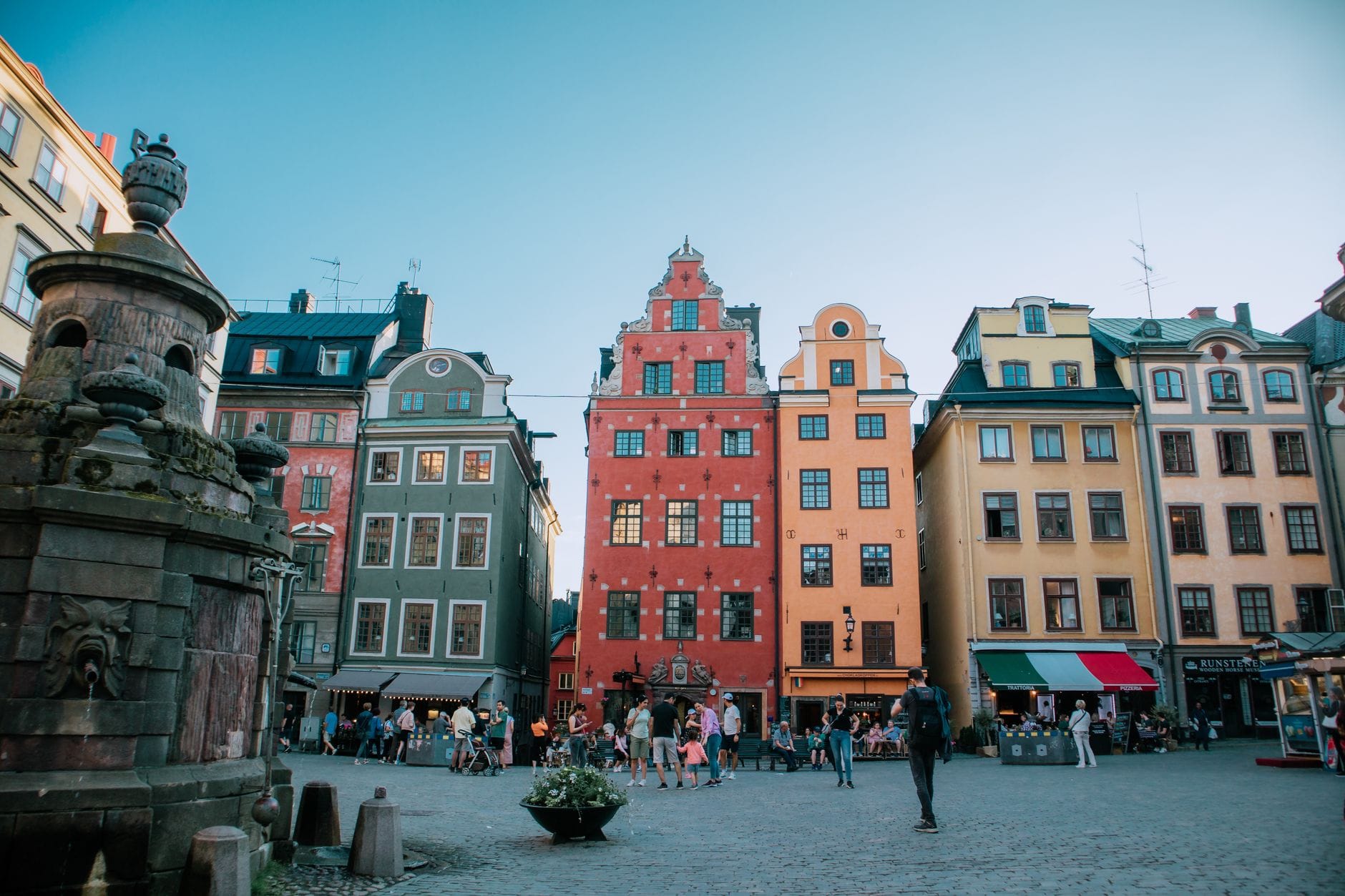
Gamla Stan, Stockholm's medieval Old Town, sits on its own island between Norrmalm and Södermalm. The street grid dates to the 13th century, and walking Västerlånggatan or the narrower Mårten Trotzigs Gränd gives a real sense of how the city looked before modern expansion. The area gets extremely crowded between 11:00 and 15:00 in summer — arrive before 9:30 or return after 17:00 when the tour groups have cleared out. The Royal Palace (Kungliga Slottet) is at the northern tip of the island and is one of the largest royal palaces in the world by room count. Several apartments are open to visitors, and the daily Changing of the Guard is free to watch.
💡 Local tip
The Stockholm Pass bundles entry to the Vasa Museum, Royal Palace, and many other attractions into a single card. Whether it saves money depends entirely on your itinerary. Check our analysis of whether the Stockholm Pass is worth it before buying.
Djurgården: Stockholm's Museum Island
Djurgården is a large royal park and island roughly 2 km east of Gamla Stan, reachable by ferry from Slussen or Nybroplan, by tram (line 7), or on foot from Östermalm. It contains more world-class attractions per square kilometre than anywhere else in the city, and most visitors underestimate how much time they need here. A full day is not unreasonable if you plan to visit more than two attractions.
- Vasa Museum The world's only preserved 17th-century warship. Allow 2–3 hours minimum. The upper-level walkways give you eye-level views of the ship's stern carvings.
- Skansen The world's oldest open-air museum, founded in 1891. A full reconstruction of historic Swedish buildings from across the country, plus a small zoo with Nordic animals including moose and brown bears. Especially good with children. The site covers 75 acres — wear comfortable shoes.
- ABBA The Museum More interactive and genuinely entertaining than the name suggests, even for visitors with limited ABBA knowledge. Located at Djurgårdsvägen 68. Book tickets in advance during summer.
- Nordiska museet Sweden's largest museum of cultural history, covering Swedish life from the 1500s to today. Often overlooked because the Vasa is nearby, but the interiors alone — a massive hall designed to look like a Nordic castle — are worth the entry.
- Prins Eugens Waldemarsudde A gallery and gardens at the southern tip of Djurgården, in the former home of Prince Eugen, a Swedish painter of some importance. Less visited than the main attractions and a genuine contrast to the crowded museum strip.
✨ Pro tip
Take the ferry to Djurgården rather than the tram — it departs from Slussen or Nybroplan, takes about 10 minutes, and gives you a proper view of the city from the water. The crossing is operated by Waxholmsbolaget and covered by SL travel cards.
Neighborhoods Worth Exploring Beyond the Tourist Core
Stockholm is organized across multiple islands, and each district has a distinct character. Limiting your visit to Gamla Stan and Djurgården means missing the city that Stockholmers actually live in. Two neighborhoods in particular offer a strong contrast to the tourist-heavy center.
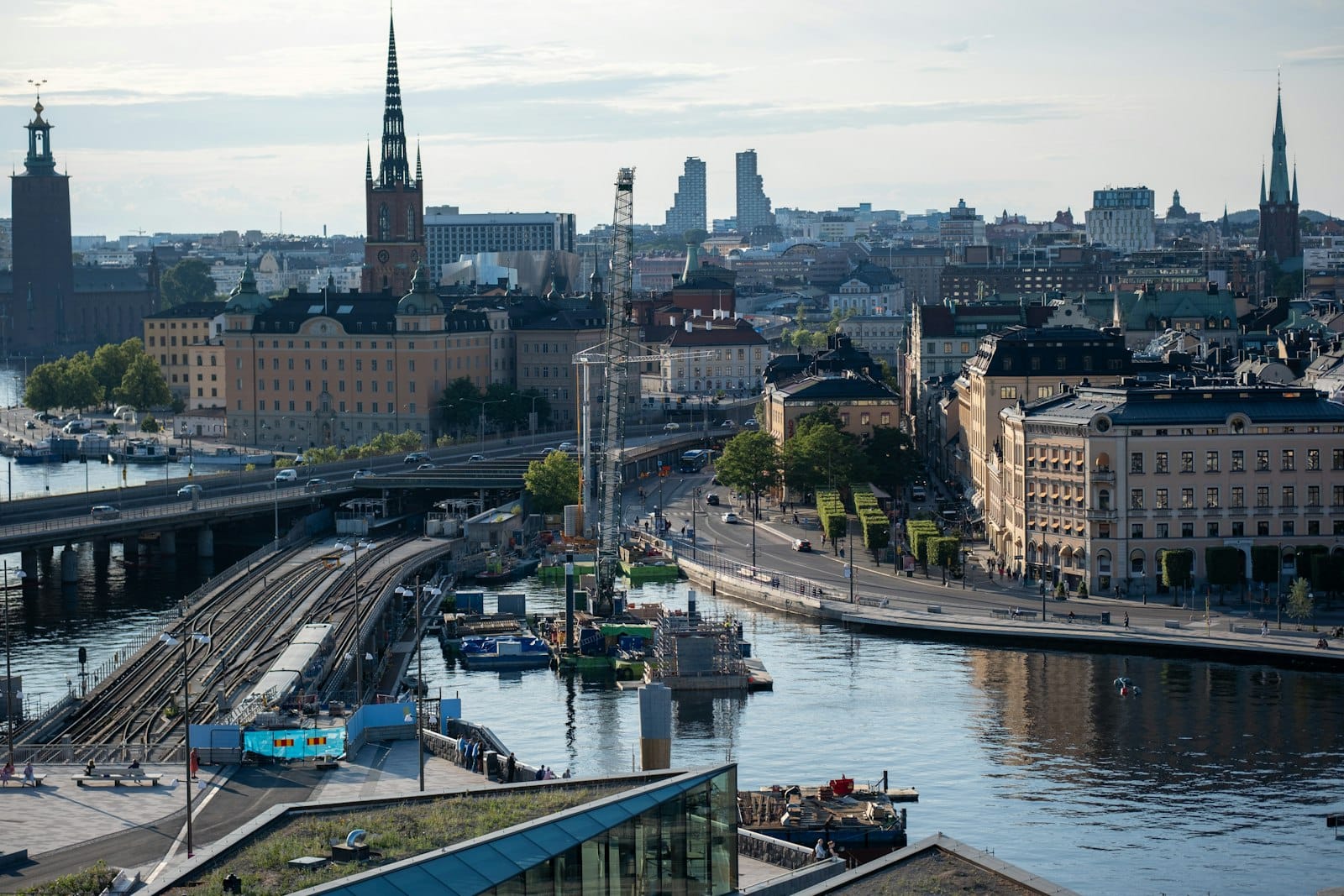
Södermalm is a large island south of the city center, connected to Gamla Stan via the Slussen interchange. The island rises steeply from the waterfront and its elevated western edge, Monteliusvägen, offers some of the best panoramic views of the city skyline and Lake Mälaren. Skinnarviksberget on the western side is Stockholm's highest natural point within the city proper and a popular spot for watching the sunset. The neighborhoods around SoFo (south of Folkungagatan) have a concentration of independent shops, cafés, and restaurants that offer a more local counterpoint to the main shopping streets in Norrmalm.
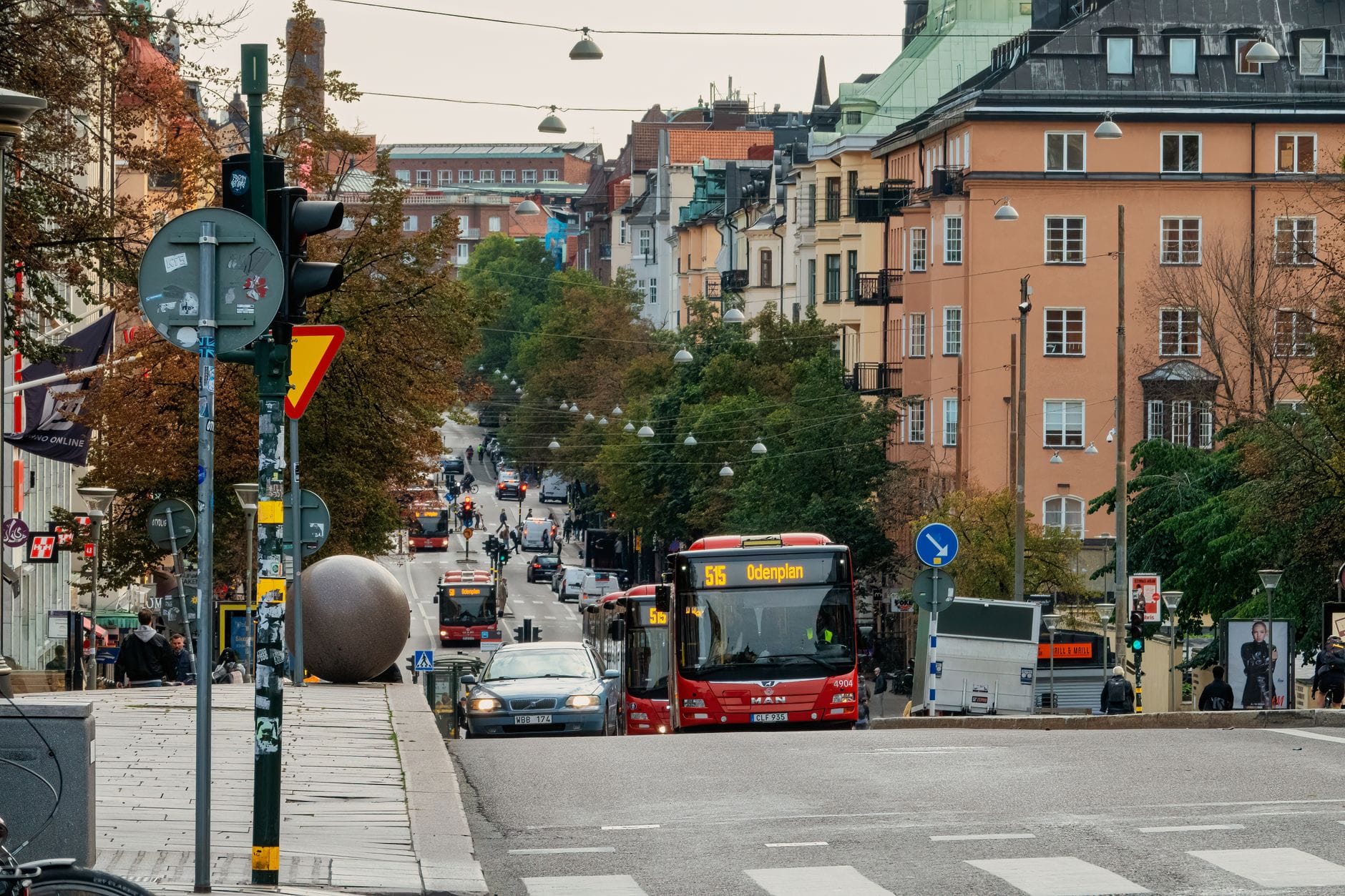
Östermalm sits northeast of the city center and is Stockholm's most affluent residential area. The grid of wide boulevards was laid out in the late 19th century after Haussmann-style urban planning. The Östermalm Food Hall (Östermalmshallen) is a restored 1888 market hall with high-end food vendors, a good place to try Swedish specialties like gravlax, Swedish meatballs, or freshly cured herring. Stureplan, the circular square at the center of Östermalm, is the hub of Stockholm's upscale bar and restaurant scene.
For a proper introduction to Stockholm's distinct neighborhoods and how to move between them, the guide to getting around Stockholm covers the SL metro and tram network in practical detail. The metro system is also worth riding for its own sake: over 90 of Stockholm's 100 stations have permanent art installations, earning the Tunnelbana the informal title of the world's longest art gallery.
The Stockholm Archipelago: Getting Out on the Water
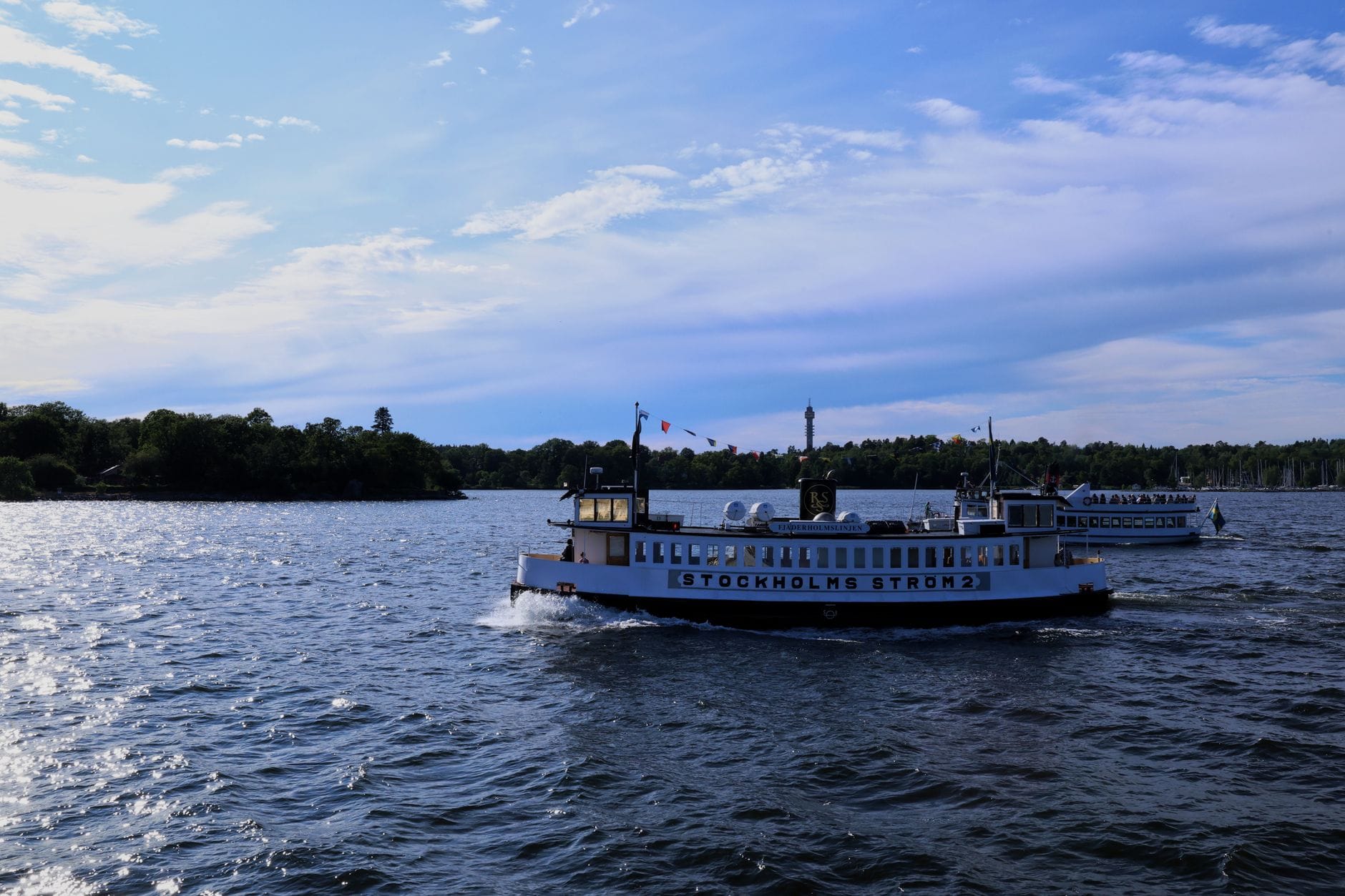
Stockholm's position at the meeting point of Lake Mälaren and the Baltic Sea means the city is surrounded by water in every direction. The Stockholm archipelago extends roughly 80 km into the Baltic and contains around 30,000 islands, islets, and rocks. Getting out on the water is not an optional extra — it is one of the defining experiences of visiting Stockholm, and it is remarkably accessible.
The most straightforward option is a guided sightseeing cruise departing from Stadshuskajen (by City Hall) or Strömkajen near the Grand Hotel. These range from one-hour harbour tours to three-hour round trips through the inner archipelago. For a longer day out, public ferries operated by Waxholmsbolaget reach outer islands including Vaxholm, a small fortress town about 90 minutes by boat from the city center, and Sandhamn, a sailing village on the outer archipelago that takes around three hours each way. Both are day-trip destinations with their own character. The full Stockholm archipelago guide covers ferry routes, island options, and what to expect at each stop.
⚠️ What to skip
Archipelago ferry services run on reduced schedules or not at all outside the main season (roughly May to mid-September). If you're visiting in late autumn or winter, check Waxholmsbolaget timetables before planning a day trip to the outer islands.
Culture, History, and Museums Beyond the Obvious
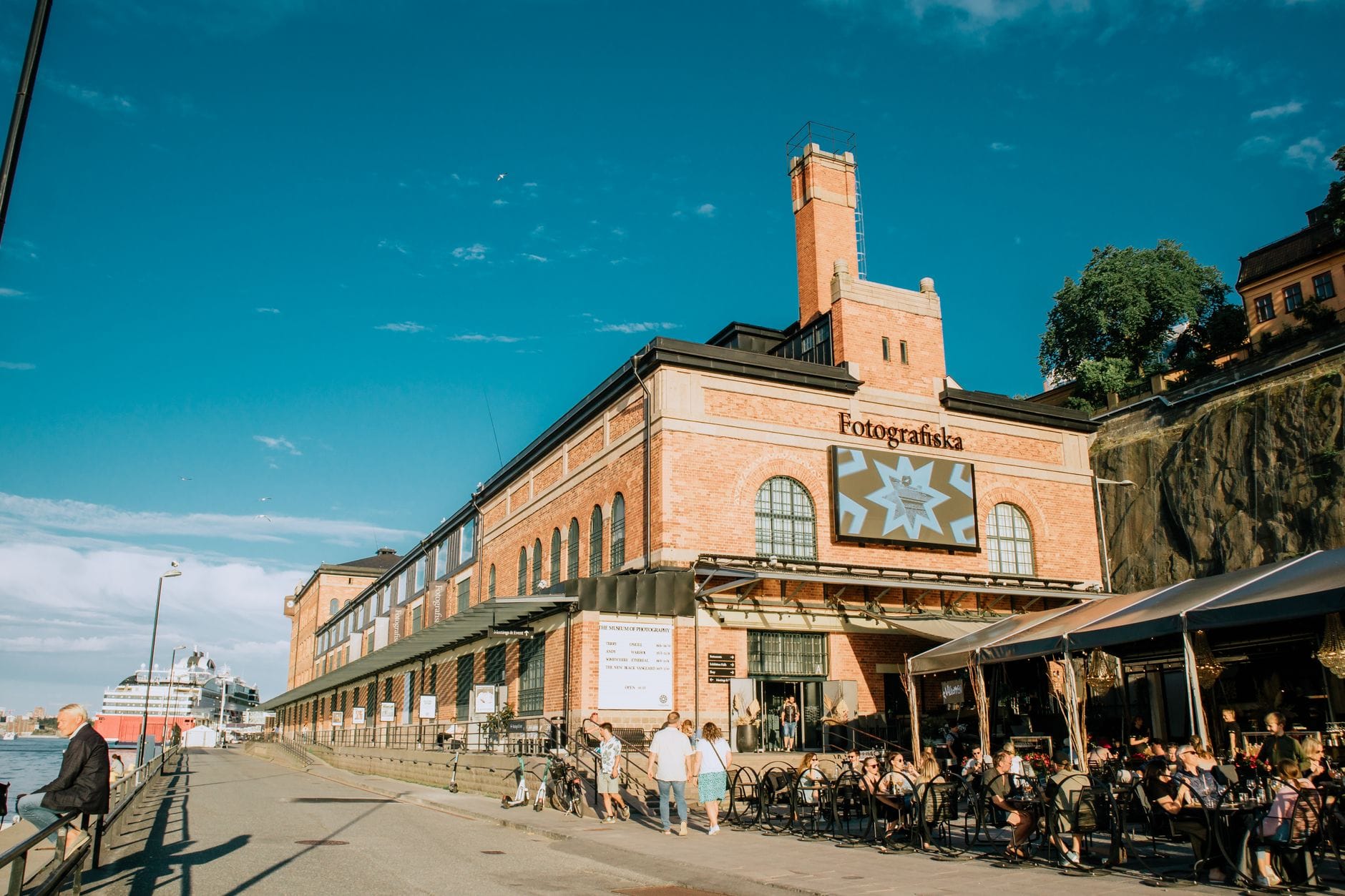
Stockholm has one of the densest concentrations of museums in Northern Europe, and the institutions beyond the Vasa deserve more attention than they typically receive. The Fotografiska on Södermalm is one of the world's largest photography museums, housed in a converted customs building on the waterfront. It runs four major rotating exhibitions simultaneously and is open until 23:00 on most evenings, making it a rare cultural option for late arrivals or those who prefer to do museums outside peak hours.
The Moderna Museet on Skeppsholmen island holds one of Europe's strongest permanent collections of 20th-century art, including works by Picasso, Matisse, Dalí, and a significant selection of Swedish artists. Entry to the permanent collection is free, which makes it one of the best-value options in the city. Nearby, the Nationalmuseum on Blasieholmen is Sweden's national gallery of art and design, with a collection spanning 500 years from Dutch Golden Age painting to Swedish applied arts. It reopened after an extensive renovation in 2018 and the building itself is worth the visit.
For visitors interested in Swedish history before the modern era, the Historiska museet (Swedish History Museum) on Narvavägen holds the most significant collection of Viking Age artifacts in Sweden, including the Gold Room, a basement vault displaying over 50 kg of prehistoric gold objects. The Viking history in Stockholm guide expands on the best sites for that specific interest, including the nearby island of Birka.
- Skansen Open-air museum and zoo covering 75 acres of Djurgården. Best for families and anyone interested in pre-industrial Swedish life. Budget 3–4 hours.
- Fotografiska Contemporary photography museum with late opening hours (until 23:00). Strong rotating exhibitions and a good rooftop restaurant with harbour views.
- Moderna Museet Permanent collection entry is free. World-class 20th-century art in a well-designed building on a small island between Gamla Stan and Djurgården.
- Nobel Museum Compact but well-designed museum in Gamla Stan covering the Nobel Prize and its laureates. Takes about 1.5 hours and is excellent on a rainy afternoon.
- Stockholm City Hall (Stadshuset) The tower is open May–August and offers one of the best elevated views in the city. Guided tours of the interior run daily and include the Nobel Prize banquet hall.
Practical Tips: Timing, Costs, and Getting Around
Stockholm is an expensive city by most international standards. Budget roughly SEK 150–300 for a main course at a mid-range restaurant, SEK 15–20 for a coffee, and SEK 200–250 for most major museum entries. The city is more manageable financially if you use a few strategies: the Moderna Museet's permanent collection is free, several parks and viewpoints are free, and the SL network is far cheaper than taxis for getting between attractions. For a full cost overview, the Stockholm on a budget guide has specific numbers and free alternatives for most paid attractions.
Timing matters significantly in Stockholm. June and July bring very long days (the sun sets after 22:00 near midsummer) and warm temperatures typically between 15–22°C, but accommodation prices spike and the most popular attractions get genuinely crowded. Late May and early September offer similar weather with noticeably fewer visitors and lower hotel rates. Winter has its own appeal: Stockholm's Christmas markets run through December, the city is atmospheric with early darkness and lit windows, and some museums are at their quietest. The main downside is limited daylight for outdoor activities and the fact that archipelago services are largely suspended.
Getting between attractions is straightforward on public transport. The SL Tunnelbana (metro) connects the main central areas, and tram line 7 runs from Sergels Torg directly to Djurgården. A 24-hour SL travel card covers unlimited travel on metro, trams, and buses within the city zones and is the practical choice for most visitors. Taxis are available and regulated, but the difference in cost compared to public transport is significant enough that most visitors reserve them for late nights or airport runs. Arlanda Airport is about 40 km north of the city center; the Arlanda Express train is the fastest connection to Stockholm Central Station, while airport buses (Flygbussarna) are slower but cheaper.
ℹ️ Good to know
Sweden operates within the Schengen Area, so EU and many non-EU passport holders can enter without a visa for short stays. The currency is the Swedish krona (SEK) — Stockholm is almost entirely cashless, and card payment is accepted at virtually every venue including street food stalls. The emergency number is 112.
FAQ
How many days do you need in Stockholm?
Three full days is a reasonable minimum to cover the major attractions without feeling rushed: one day for Gamla Stan and the Royal Palace, one day for Djurgården (Vasa Museum, Skansen, and ABBA Museum), and one day for a neighbourhood like Södermalm plus a boat tour or museum of your choice. A fifth day adds an archipelago trip or a day excursion to Drottningholm Palace. If you only have one day, prioritise the Vasa Museum and a walk through Gamla Stan.
What is the best area to stay in Stockholm?
For first-time visitors, Norrmalm (the central district around Stockholm Central Station) offers the best transport connections and puts you within walking or a short metro ride of most major attractions. Gamla Stan has more character but limited hotel options. Södermalm is popular with returning visitors who want a more local atmosphere. For a full breakdown of hotel zones and what each area offers, see the where to stay in Stockholm guide.
Is Stockholm worth visiting in winter?
Yes, with adjusted expectations. Winter temperatures average around -3 to +1°C in December and January, and daylight is short (around 6–7 hours). But the city is atmospheric, museums are quiet, hotel prices drop significantly, and the Christmas markets at Skansen and in Gamla Stan are genuinely appealing. The main losses are the archipelago (services largely suspended) and outdoor dining. If cold weather is not a concern, Stockholm in winter can be excellent value.
What can you do in Stockholm for free?
More than most visitors realise. The Moderna Museet's permanent collection is free. Walking Gamla Stan, climbing Monteliusvägen on Södermalm, and visiting Hagaparken are free. The Stockholm metro art installations across 90+ stations are free to see with any SL journey. Changing of the Guard at the Royal Palace is free to watch. The view from Skinnarviksberget costs nothing. For a comprehensive list, the free things to do in Stockholm guide covers over a dozen solid options.
Do you need to book Stockholm attractions in advance?
For the Vasa Museum and ABBA The Museum in peak summer (July in particular), booking online a day or two ahead is advisable to avoid queues. Skansen and the Royal Palace rarely sell out but timed entry slots exist. The Fotografiska does not typically require advance booking. For archipelago day trips, check ferry timetables in advance as the most convenient departures can fill on summer weekends.
Tickets & tours
Live prices and dates from our booking partner. If you book, we may earn a commission at no extra cost to you.
Planning a trip? Discover personalized activities with the Nomado app.