Getting Around Stockholm: Metro, Buses, Ferries & Airport Transfers
Stockholm's public transport network is one of Europe's most integrated, covering metro, buses, trams, commuter rail, and ferries under a single fare system. This guide breaks down exactly how to navigate the city, get in from the airport, and avoid the most common ticketing mistakes.
Tickets & tours
Live prices and dates from our booking partner. If you book, we may earn a commission at no extra cost to you.
TL;DR
- Stockholm's entire public transport network (metro, buses, trams, commuter trains, and most inner-city ferries) is run by SL and uses a single flat fare, currently 43 SEK per trip.
- Pay by tapping a contactless card or phone at blue card readers. Cash is not accepted on board any SL service.
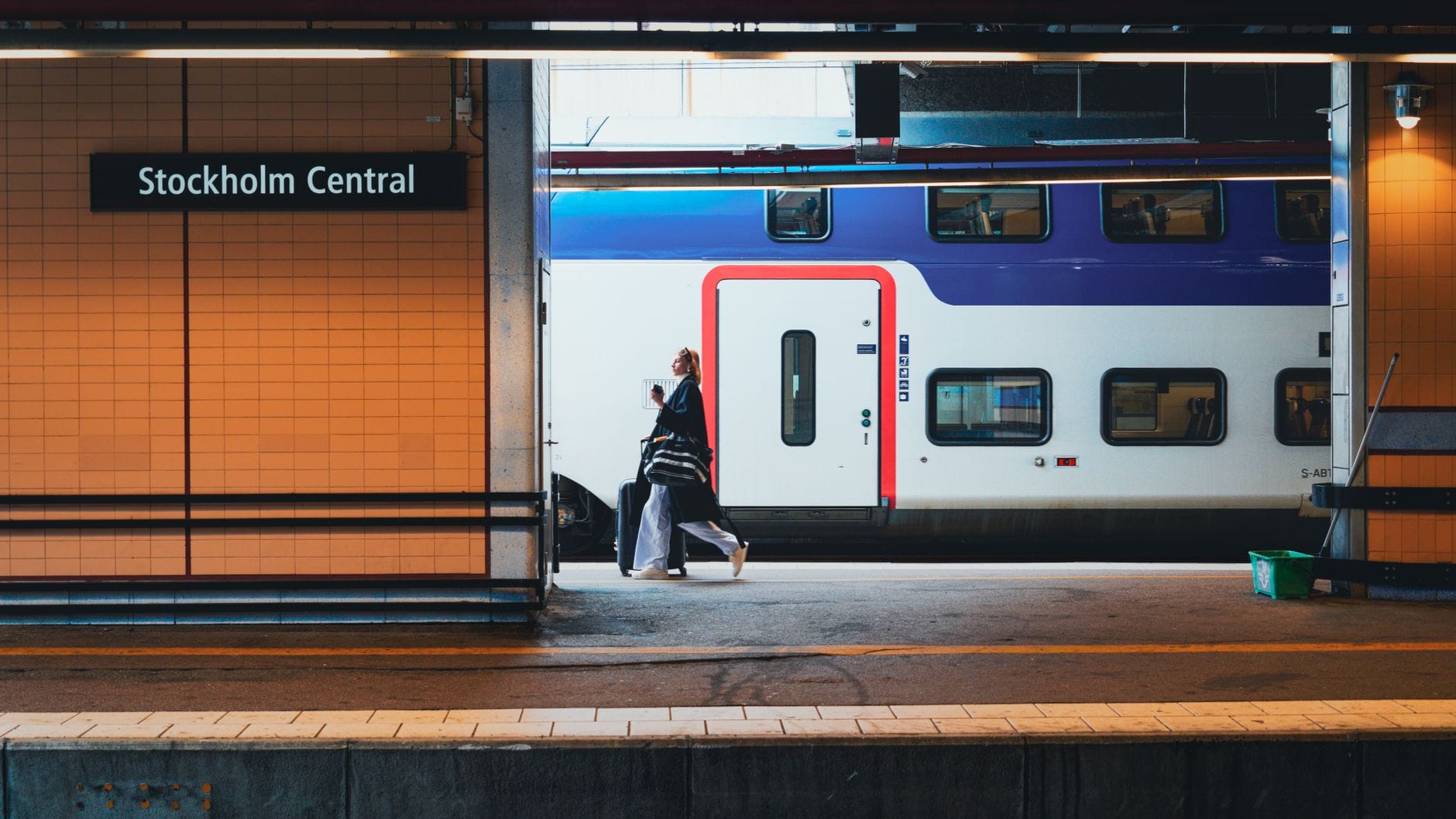
- Arlanda Airport is NOT covered by the standard SL fare. You need the Arlanda Express, a regional train supplement, or an airport coach. See the full Stockholm Arlanda Airport guide for a complete breakdown.
- A 75-minute single ticket allows unlimited transfers across all SL modes within that window, making short-hop combinations very efficient.
- The metro runs roughly 05:00 to 01:00 on weekdays and around the clock on Friday and Saturday nights.
How Stockholm's Public Transport System Works
Getting around Stockholm is genuinely straightforward once you understand one core fact: the city operates a unified transport network managed by Stockholm's regional authority, Storstockholms Lokaltrafik (SL). Metro (Tunnelbana), buses, trams, commuter trains (pendeltåg), and Djurgårdslinjen ferry services all fall under the same fare umbrella. There are no separate tickets for different modes, and since Stockholm eliminated fare zones, the price is the same whether you're crossing one island or riding from the southern tip of Södermalm to the northern suburbs.
The one exception that catches many visitors off guard: Stockholm Arlanda Airport sits outside the SL network. Travelling to or from Arlanda requires either the Arlanda Express train, a regional commuter rail ticket with an Arlanda supplement, or an airport coach. Standard SL passes do not cover this route.
⚠️ What to skip
Do not try to use a regular SL single ticket to get to Arlanda Airport. Inspectors do check, and the fine (currently around 1,500 SEK) is steep. Always buy an Arlanda-specific ticket or use a separate service.
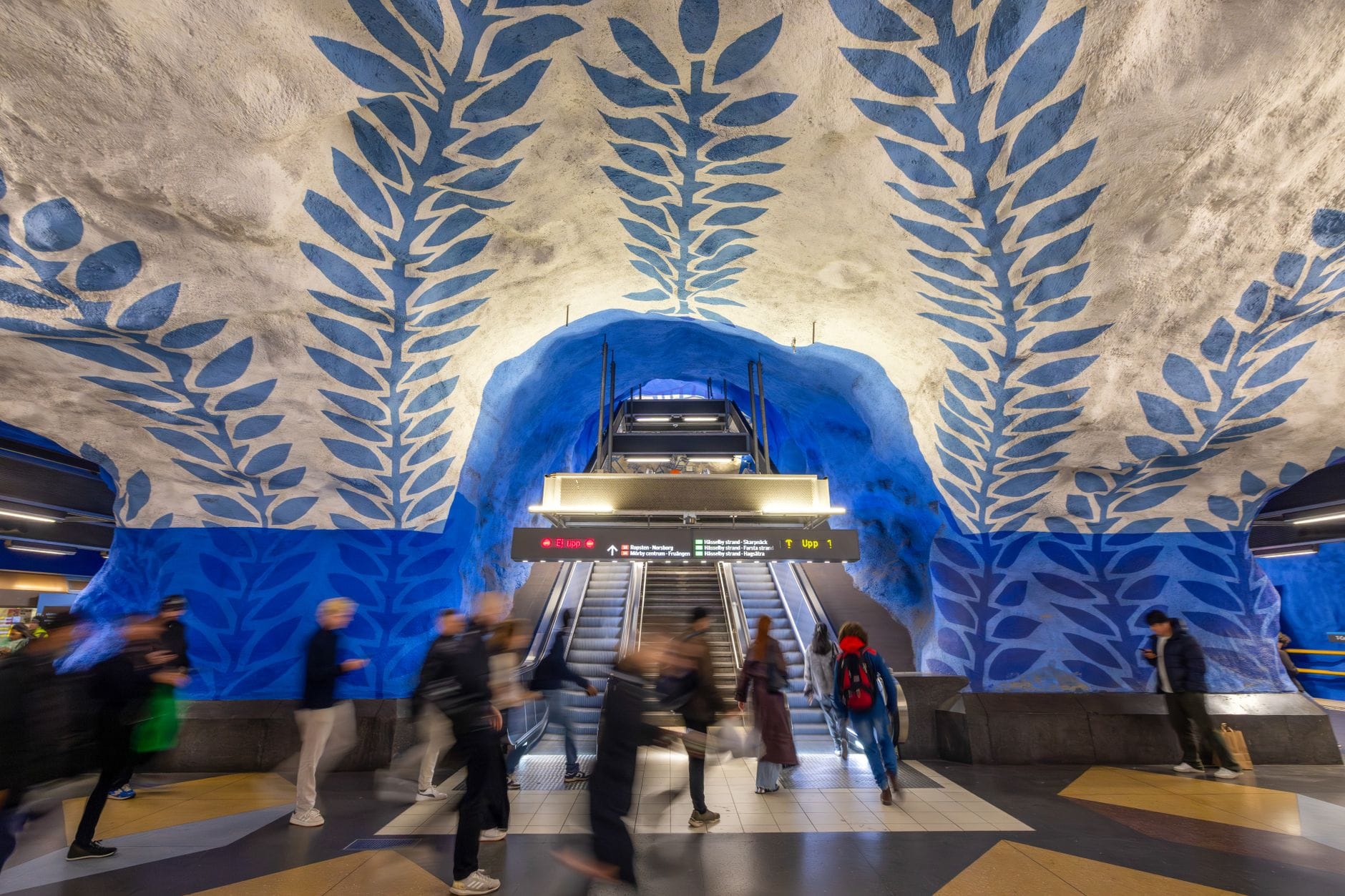
The SL Tunnelbana (metro) has three main lines, color-coded red, green, and blue, with 100 stations across the city. For most visitors, the green and red lines cover the majority of central areas: T-Centralen is the main interchange, with connections to Gamla Stan, Slussen, Fridhemsplan, and Odenplan all within a few stops. The blue line is less immediately useful for sightseeing but also runs through Kungsholmen and out toward the western suburbs.
✨ Pro tip
The Stockholm metro is also one of the world's longest art galleries. More than 90 stations feature murals, sculptures, and installations commissioned since the 1950s. T-Centralen (blue line), Kungsträdgården, and Solna Centrum are the most dramatic. If you have a 75-minute ticket to spare, ride the blue line end-to-end just for the art.
Tickets, Fares, and How to Pay
Stockholm has fully embraced contactless payment. The simplest approach for most visitors is to tap a contactless Visa, Mastercard, American Express, or phone at the blue card readers at metro gates, tram stops, and on buses. The system automatically charges you the single-journey fare. No app, no account, and no queuing at a ticket machine required.
- Single ticket (enkelbiljett) Around 42–45 SEK. Valid for 75 minutes with unlimited transfers across all SL modes within that window.
- 24-hour pass (24-timmarsbiljett) Around 175–190 SEK. Worth it if you're making four or more separate journeys in a day.
- 72-hour pass Around 350–360 SEK. Good value for a long weekend. Covers all SL transport including ferries.
- 7-day pass (vecka) Around 455–470 SEK. Best option for week-long stays. Note: Sweden's government announced a planned 50% reduction on monthly passes for the second half of 2026, so fares may shift.
- Children under 7 Travel free when accompanied by a fare-paying adult. Reduced fares apply for youth and seniors.
If you prefer to plan ahead, the SL app (available on iOS and Android) lets you buy tickets before you board and check real-time departure information. SL Centers at T-Centralen, Slussen, and Tekniska högskolan also sell physical cards and passes if you'd rather deal with a person. Vending machines at major stations cover the basics too.
💡 Local tip
If you're visiting for three or more days and plan to use transport heavily, compare the 72-hour pass against the Stockholm Pass, which bundles transport with attraction entry. Run the numbers based on what you actually plan to visit.
Getting from Arlanda Airport to Central Stockholm
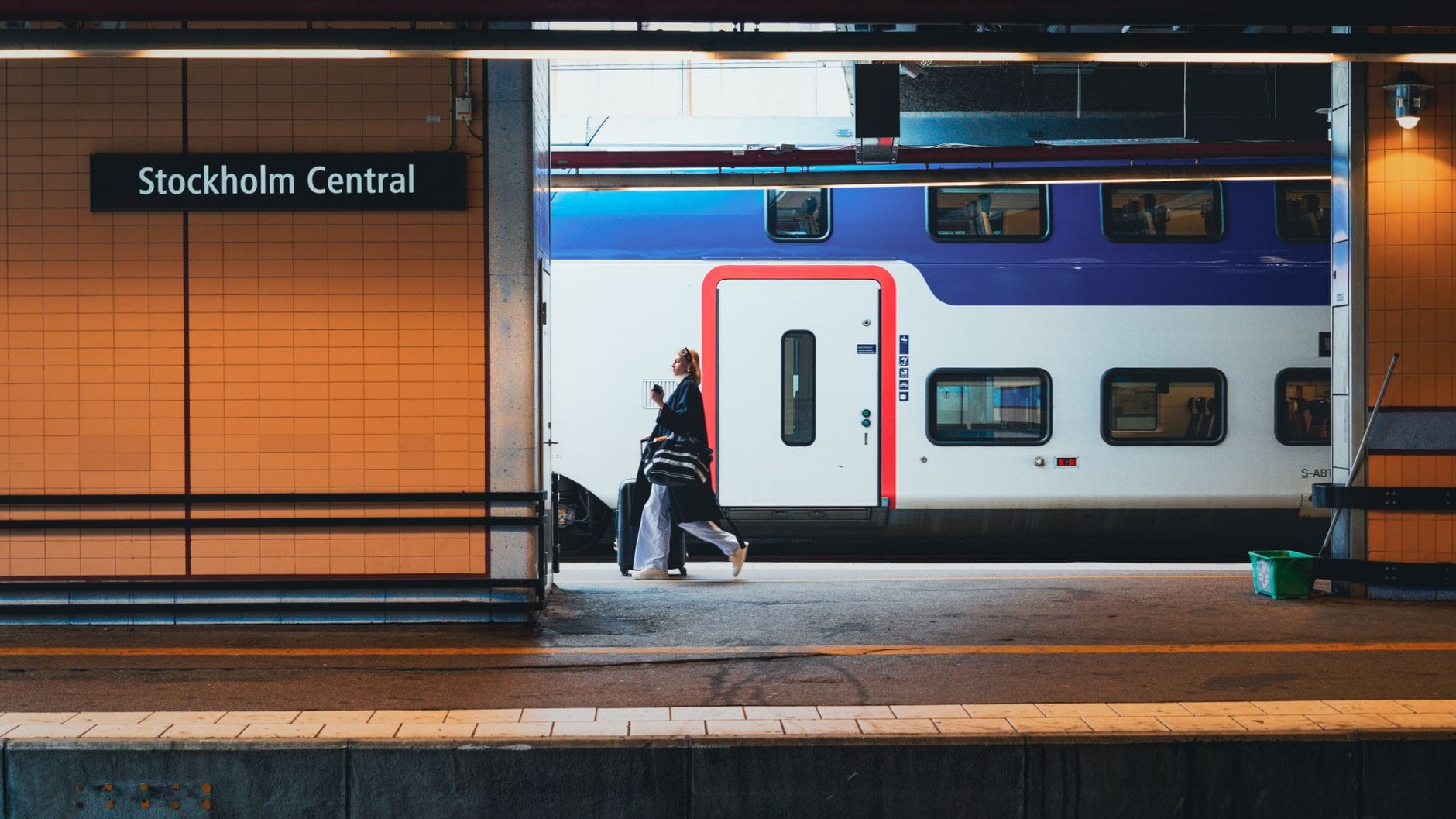
Arlanda Airport (ARN) is about 40 km north of central Stockholm, and you have four realistic options for the journey. The full comparison is covered in our dedicated Stockholm Arlanda Airport transfer guide, but here's the practical summary.
- Arlanda Express The fastest option: 20 minutes to Stockholm Central Station. Departures every 10–15 minutes. Expensive by Swedish standards (around 300–340 SEK one-way at full price, less if booked online in advance or for two passengers using the '2 for 1' deal). Worth it if time matters or you're splitting the cost.
- Commuter train (pendeltåg) with Arlanda supplement Takes around 38–45 minutes to T-Centralen/Stockholm Central. Significantly cheaper than the Express, as you pay the Arlanda station supplement (around 130 SEK) plus a standard SL fare. Runs less frequently but a solid middle-ground option.
- Airport coaches (Flygbussarna) Bus services to Stockholm City Terminal (near Central Station), Cityterminalen. Takes 40–60 minutes depending on traffic. Fares are typically around 119–149 SEK booked in advance online. The cheapest fixed-price option, but subject to road congestion.
- Taxi Fixed-price taxis from Arlanda to central Stockholm run roughly 500–700 SEK depending on the company. Always use official airport taxi ranks and confirm the fixed price before getting in. Avoid unmarked vehicles.
Navigating the City: Districts and Key Routes
Stockholm is built across multiple islands, which sounds complicated but actually makes navigation intuitive once you have a mental map. The historic center, Gamla Stan, sits on its own island and is walkable in an afternoon. The metro station Gamla Stan (red and green lines) drops you right at the edge of the old town. From there, T-Centralen is one stop north and Slussen is one stop south.
Södermalm is the large island directly south of Gamla Stan, reached via Slussen. It's densely served by metro, bus, and tram. Most visitors heading to Fotografiska or the viewpoints at Monteliusvågen and Fjällgatan use the metro to Slussen and walk from there. Djurgården, the island home to Vasa Museum, Skansen, and the ABBA Museum, is best reached by tram 7 from Norrmalmstorg or by the Djurgårdslinjen ferry from Slussen or Nybroplan, both covered by standard SL tickets.
Kungsholmen to the west is home to Stockholm City Hall and is served by the blue metro line (Rådhuset station) and several bus routes. Östermalm and its food hall are a short walk from T-Centralen or accessible via Östermalmstorg on the red line. For museums clustered around Djurgården, tram 7 is usually the most direct and scenic option.
- Tram 7 (Spårväg City): runs from Sergels torg through Östermalm to Djurgården, passing the Nordic Museum stop and Skansen stop. Ideal for museum-heavy days.
- Bus 69: connects Karolinska Hospital in the north with Djurgården in the east, useful for reaching outer Djurgården.
- Ferry from Slussen to Djurgården: runs seasonally (roughly April to October). Takes 10 minutes and offers views of the waterfront.
- Night buses: when the metro stops around 01:00 on weekdays, night buses (nattbuss) cover major routes. Same SL ticket applies.
- City bikes: seasonal bike-share services operated by private companies are available April to November with stations across central districts. Useful for flat routes but Stockholm has hills.
Taxis, Ride-Hailing, and When to Use Them
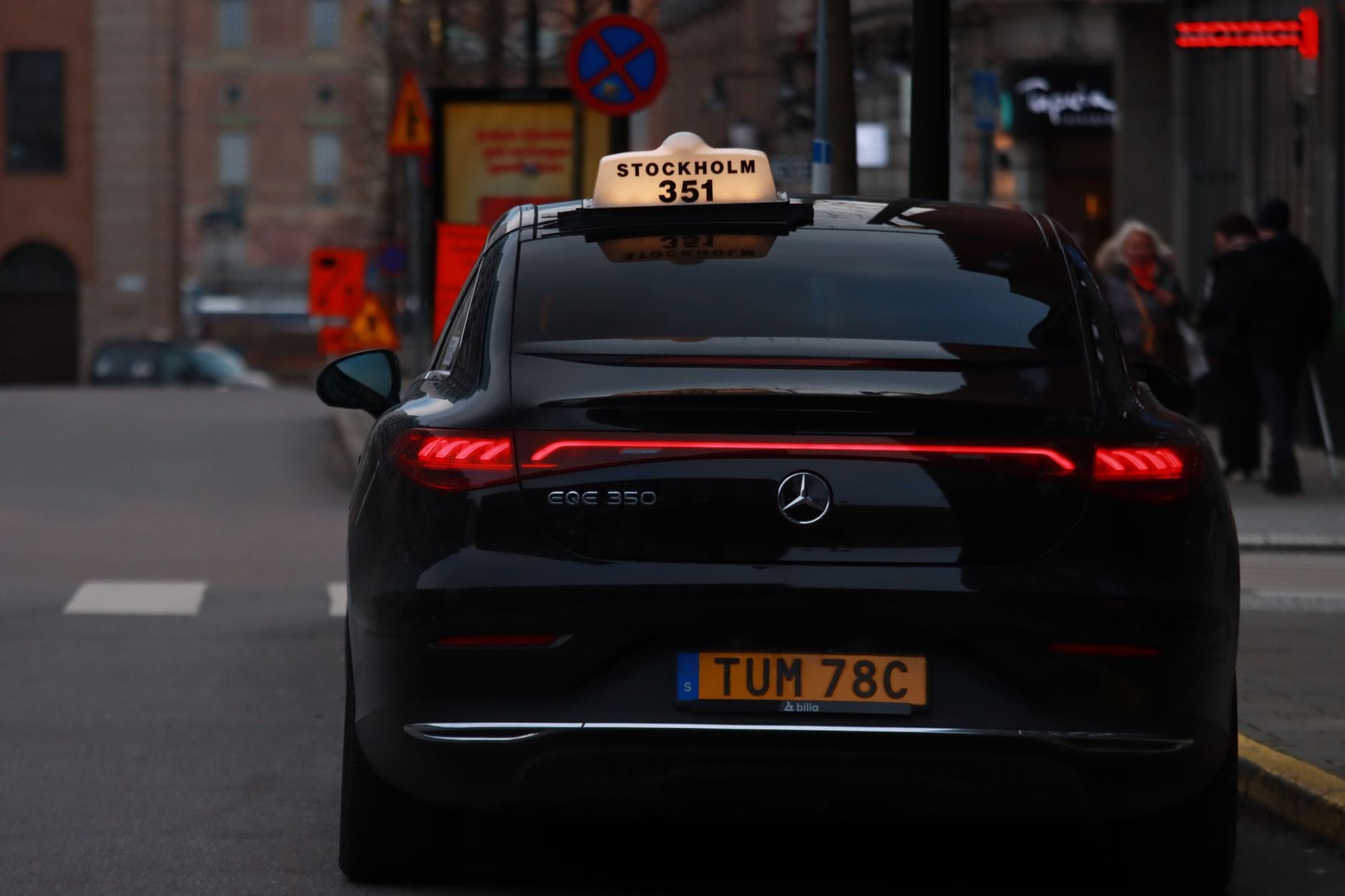
Taxis in Stockholm are significantly more expensive than public transport and should be reserved for situations where convenience genuinely justifies the cost: late nights when buses are less frequent, travel with heavy luggage, or reaching destinations poorly served by SL. Uber operates in Stockholm and is often slightly cheaper than traditional taxis, though Swedish law requires all drivers to have a taxi licence, so Uber here functions more like a licensed taxi booking app than in some other countries.
If you use a traditional taxi, look for vehicles displaying the company name and a price per kilometre (the 'normal rate' is printed on a yellow sticker on the rear side window). Stockholm has no regulated maximum fare, so prices vary between companies. Reputable names include Taxi Stockholm, Taxi Kurir, and Sverigetaxi. For airport trips, always confirm a fixed price in advance.
⚠️ What to skip
Unlicensed taxis (called 'taxi svarta' locally) operate near some nightlife areas and tourist spots. They have no meters, no accountability, and prices are pure negotiation. Avoid them entirely. Stick to marked taxis or app-booked rides.
Practical Tips for Getting Around Efficiently
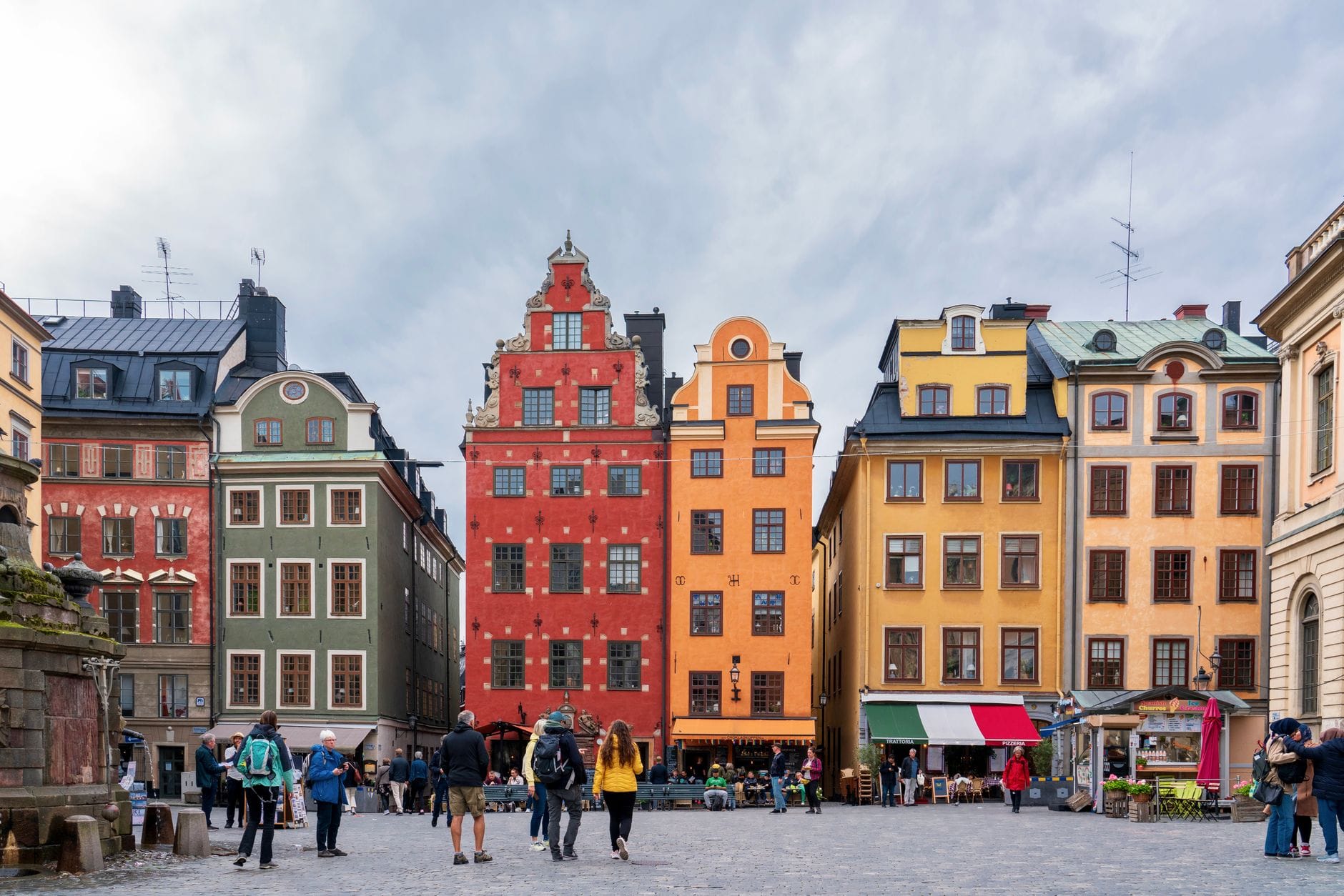
Stockholm rewards walkers more than most European capitals. The central islands are compact, and distances that look long on a map are often 15–20 minutes on foot. If you're travelling on a budget, walking between Gamla Stan, Södermalm, and Norrmalm is entirely feasible and saves several SL fares per day. Walking also puts you in contact with the city's water views, bridges, and street-level detail that you miss underground.
For those doing a lot of sightseeing in a short window, it's worth checking whether the Stockholm Pass makes financial sense. It bundles unlimited SL transport with free entry to dozens of attractions. The break-even point depends entirely on which museums you plan to visit, but for a packed 3-day Stockholm itinerary, it often does.
- Download the SL app before you arrive. It shows live departures, journey planning, and lets you buy tickets directly from your phone.
- Tap in every time you board, even when transferring. The 75-minute window handles transfers automatically, but you still need to tap each reader.
- Rush hours run roughly 07:30–09:00 and 16:30–18:30 on weekdays. The metro gets genuinely crowded, particularly at T-Centralen and Slussen.
- Validate your ticket or card before going through metro gates, not after. Inspectors check tickets on board buses and trams, not always at barriers.
- Accessibility is good by Scandinavian standards: most metro stations have lifts, and buses kneel at stops. That said, some older Gamla Stan streets and steep Södermalm paths are challenging with mobility aids.
- Google Maps and Apple Maps both work well for SL route planning and show real-time departures. The SL app is better for ticket purchasing.
FAQ
Does my standard SL ticket cover the Arlanda Express or Arlanda Airport?
No. Arlanda Airport is outside the SL fare system. You need either an Arlanda Express ticket, a commuter train ticket with the Arlanda supplement (around 130 SEK extra), or a separate airport coach ticket. A standard SL single or day pass does not cover this route, and travelling without the correct ticket risks a fine of around 1,500 SEK.
Can I pay cash on Stockholm buses, trams, or the metro?
No. Cash is not accepted on board buses, trams, or at metro gates on the SL network. Pay by tapping a contactless card or phone, use the SL app, or buy a card or pass at SL Centers and vending machines at major stations before boarding.
What's the cheapest way to get from Arlanda Airport to central Stockholm?
The cheapest fixed-price option is the airport coach (Flygbussarna), typically around 119–149 SEK booked online in advance. The commuter train with Arlanda supplement is similarly priced and usually faster. The Arlanda Express is the quickest (about 18–20 minutes) but costs around 340 SEK at standard prices. Taxis run roughly 500–700 SEK.
How do I get to Djurgården and the Vasa Museum by public transport?
Take tram 7 (Spårväg City) from Sergels torg or Norrmalmstorg directly to the Nordic Museum/Vasa Museum stop. Alternatively, take the Djurgårdslinjen ferry from Slussen or Nybroplan (seasonal, roughly April to October). Both are covered by a standard SL ticket.
Does the metro run all night in Stockholm?
On weekday nights, the metro runs from approximately 05:00 to 01:00. On Friday and Saturday nights, it runs around the clock. Night buses cover major routes when the metro is not running, and the same SL ticket is valid for these too.
Tickets & tours
Live prices and dates from our booking partner. If you book, we may earn a commission at no extra cost to you.
Planning a trip? Discover personalized activities with the Nomado app.