Stockholm on a Budget: How to Visit Without Breaking the Bank
Stockholm has a reputation as one of Europe's pricier capitals, but that reputation is only half the story. With the right approach to accommodation, food, transport, and sightseeing, you can experience one of the world's most beautiful cities on 500-949 SEK per person per day. This guide breaks down exactly how.
Tickets & tours
Live prices and dates from our booking partner. If you book, we may earn a commission at no extra cost to you.
TL;DR
- A realistic backpacker budget runs 500-700 SEK per day; a comfortable budget traveler can manage on 700-949 SEK (roughly 70-115 USD).
- The SL public transit network (metro, bus, tram) is your best friend: a 7-day pass costs 470 SEK and covers everything. See our getting around Stockholm guide for full details.
- Visit in May or September for lower accommodation prices and still-decent weather — summer (June-August) is peak pricing season.
- Dozens of top experiences cost nothing: free things to do in Stockholm include Gamla Stan, the metro art, city parks, and panoramic viewpoints.
- Sweden is nearly cashless — bring a card that doesn't charge foreign transaction fees. Cash can actually be refused at some businesses.
What Does Stockholm Actually Cost? A Realistic Daily Budget
Stockholm is expensive by global standards, but it is not the budget black hole many travelers fear. The city rewards preparation. Knowing where Swedish prices bite hardest — alcohol, taxis, and sit-down restaurants — lets you route around the costs that matter.
- Backpacker minimum: 500-700 SEK/day Hostel dorm bed, grocery store lunches, free sights, and a 24-hour SL pass. Tight but very doable.
- Comfortable budget: 700-949 SEK/day Hostel or budget hotel, one sit-down meal, SL pass, and one paid museum entry. This is the sweet spot for most budget travelers.
- Mid-range: 1,800-2,600 SEK/day Two-star or boutique hotel, restaurant meals twice daily, taxis occasionally, and major attractions without price-checking.
The biggest variable is accommodation. A hostel dorm in Stockholm runs roughly 250-400 SEK per night, while the cheapest private rooms in well-located guesthouses start around 700-900 SEK. Budget hotels rarely dip below 1,100-1,400 SEK for a double room in central areas. Booking 4-6 weeks ahead and targeting Södermalm or Vasastan over Gamla Stan will consistently get you better rates.
💡 Local tip
The Stockholm Pass (around 949 SEK for 1 day, scaling up for multi-day) covers around 70 attractions including the Vasa Museum and Skansen. It only pays off if you plan to visit 3-4 major paid attractions in a single day. For a slower-paced trip mixing free and paid sights, skip it and pay per entry instead.
Food and Drink: Eating Well Without Paying Tourist Prices
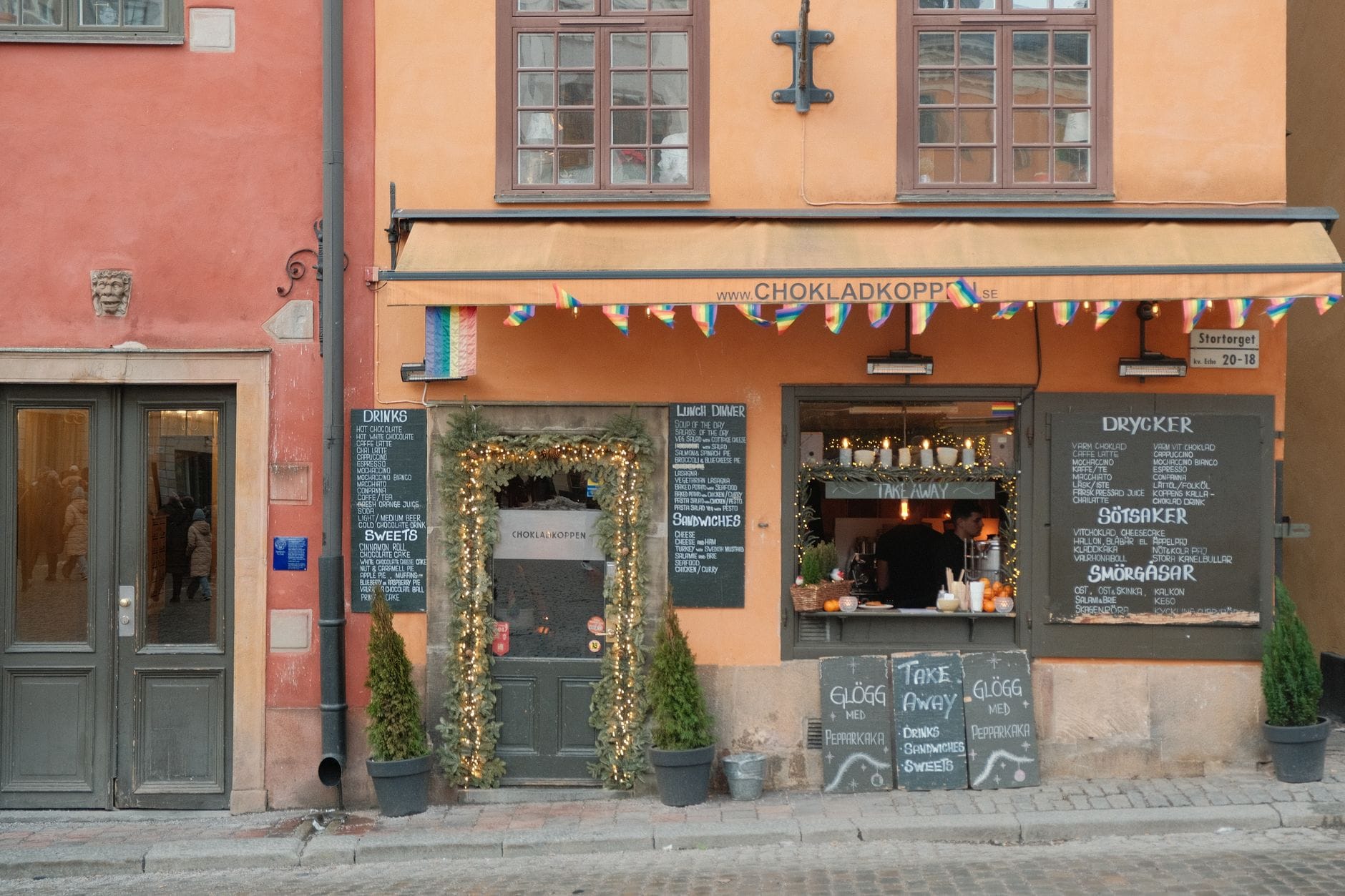
Stockholm's food scene has genuine budget options if you know where to look. The worst value is dinner at any restaurant in Gamla Stan or near the waterfront on Strandvägen — you are paying for the postcard view, not the food quality. The best value is lunch, which Swedish work culture has made into a genuinely affordable ritual.
The 'dagens lunch' (lunch of the day) is a Swedish institution. For around 130-170 SEK, you get a main course, salad bar, bread, and often a drink or coffee. This is available at hundreds of restaurants Monday through Friday, typically between 11:00 and 14:00. It is the single best value meal in the city and often three times cheaper than ordering the same dish at dinner.
- Street food stalls and food courts: a filling meal for around 100 SEK — kebab, pizza slices, and Thai are the reliable cheap options.
- ICA, Coop, Hemköp, and Lidl supermarkets: self-catering from grocery stores cuts costs dramatically. Budget 600-800 SEK per person per week for groceries.
- Systembolaget is the state-run alcohol monopoly. Buying wine or beer here before your evening is far cheaper than ordering drinks in bars, where a single beer often runs 80-100 SEK.
- Avoid hotel breakfasts unless included — a coffee and pastry from a local bakery or 7-Eleven runs 40-60 SEK and is perfectly adequate.
- Fika (Swedish coffee break with a pastry) at a neighborhood café costs around 60-80 SEK and is culturally worth doing at least once.
⚠️ What to skip
Restaurant prices in Stockholm almost always include service. Tipping is not mandatory and rounding up by 10% is considered generous. Do not feel obligated to tip on top of an already high bill — locals rarely do for standard service.
Getting Around: Master the SL Network
Stockholm's public transit system, run by Storstockholms Lokaltrafik (SL), covers the metro (Tunnelbana), buses, trams, and commuter rail under a single fare system. It is efficient, clean, and far cheaper than taxis. A single journey costs 43 SEK, but if you are staying more than two days, a multi-day pass is almost always the better choice.
- 24-hour SL pass: 190 SEK — good for a focused single-day sightseeing sprint.
- 72-hour SL pass: 360 SEK — the sweet spot for a 3-day trip.
- 7-day SL pass: 470 SEK — covers the full metro art trail, Djurgården ferries, and all neighborhood hopping.
- Taxis: typically 250 SEK or more for a typical urban ride. Use only when absolutely necessary.
- City bikes: seasonal rental schemes run by private operators, good for flat central routes, but the SL ferry and metro reach Djurgården and Södermalm more reliably.
Getting from Arlanda Airport into the city on a budget means avoiding the Arlanda Express, which is fast (18 minutes) but costs around 300-330 SEK one way. The cheaper alternative is the SL commuter train (pendeltåg), which is covered by your SL pass or costs a standard fare plus an airport supplement of around 130-135 SEK — still significantly cheaper than the express service. Airport coaches (Flygbussarna) offer another mid-price option at around 119-149 SEK, taking 40-45 minutes.
✨ Pro tip
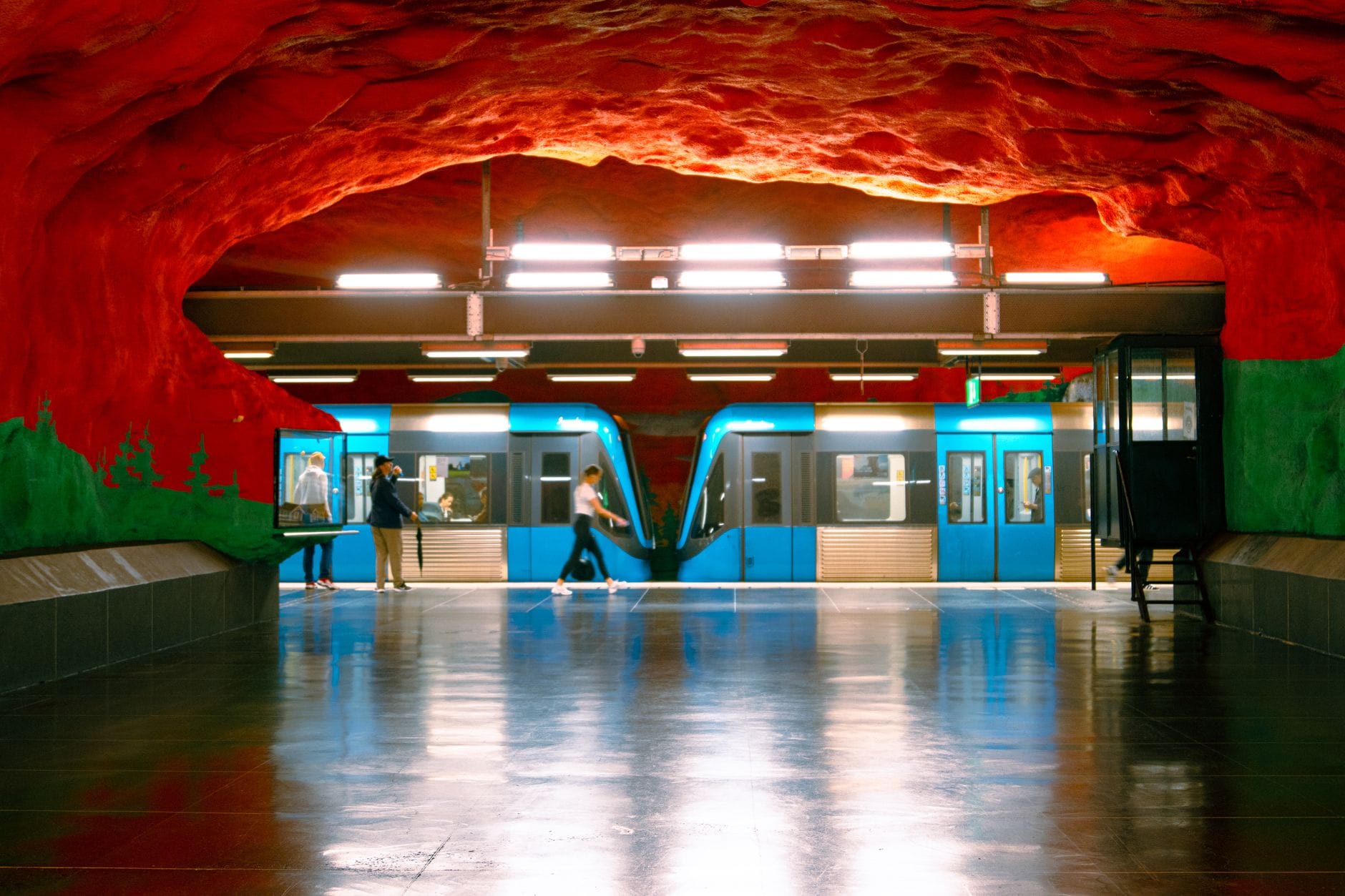
The Stockholm metro is also one of the world's great art installations — over 90 stations feature commissioned artwork, murals, and sculpture. Riding the blue line between T-Centralen and Kungsträdgården or Akalla costs nothing beyond your SL pass and is legitimately one of the most distinctive experiences in the city.
Free and Low-Cost Sightseeing: Where to Spend Your Time
Stockholm's geography does much of the work for free. The waterways, islands, and elevated viewpoints cost nothing to enjoy. Gamla Stan — Stockholm's medieval old town — is best explored on foot without entering a single paid attraction. The narrow cobblestone alleys, Stortorget square, and the exterior of the Royal Palace are all completely free.
The panoramic viewpoints that appear in every Stockholm photo are free to access. Monteliusvägen on Södermalm is a 500-meter clifftop walkway with unobstructed views across the water to Gamla Stan and City Hall — one of the best urban views in Scandinavia and completely free at any hour. Skinnarviksberget nearby is Stockholm's highest natural point within the city and equally free.
On Djurgården, the Royal National City Park (Ekoparken) offers free access to forests, meadows, and waterfront paths. The island also contains paid attractions like the Vasa Museum (190 SEK) and Skansen (around 200 SEK in summer), which are worth budgeting for — but you can spend a full morning on Djurgården without paying a single krona.
- Free walking tours run daily from Gamla Stan and Kungsträdgården — tip-based, typically 50-100 SEK is reasonable for a good guide.
- Fotografiska (photography museum) charges entry 195 SEK but has late-night openings that are popular and worth the cost if photography interests you.
- The Nationalmuseum re-opened after renovation and offers free admission to the permanent collection, but some temporary exhibitions are ticketed and rotating free days and evening openings occur — check their current schedule.
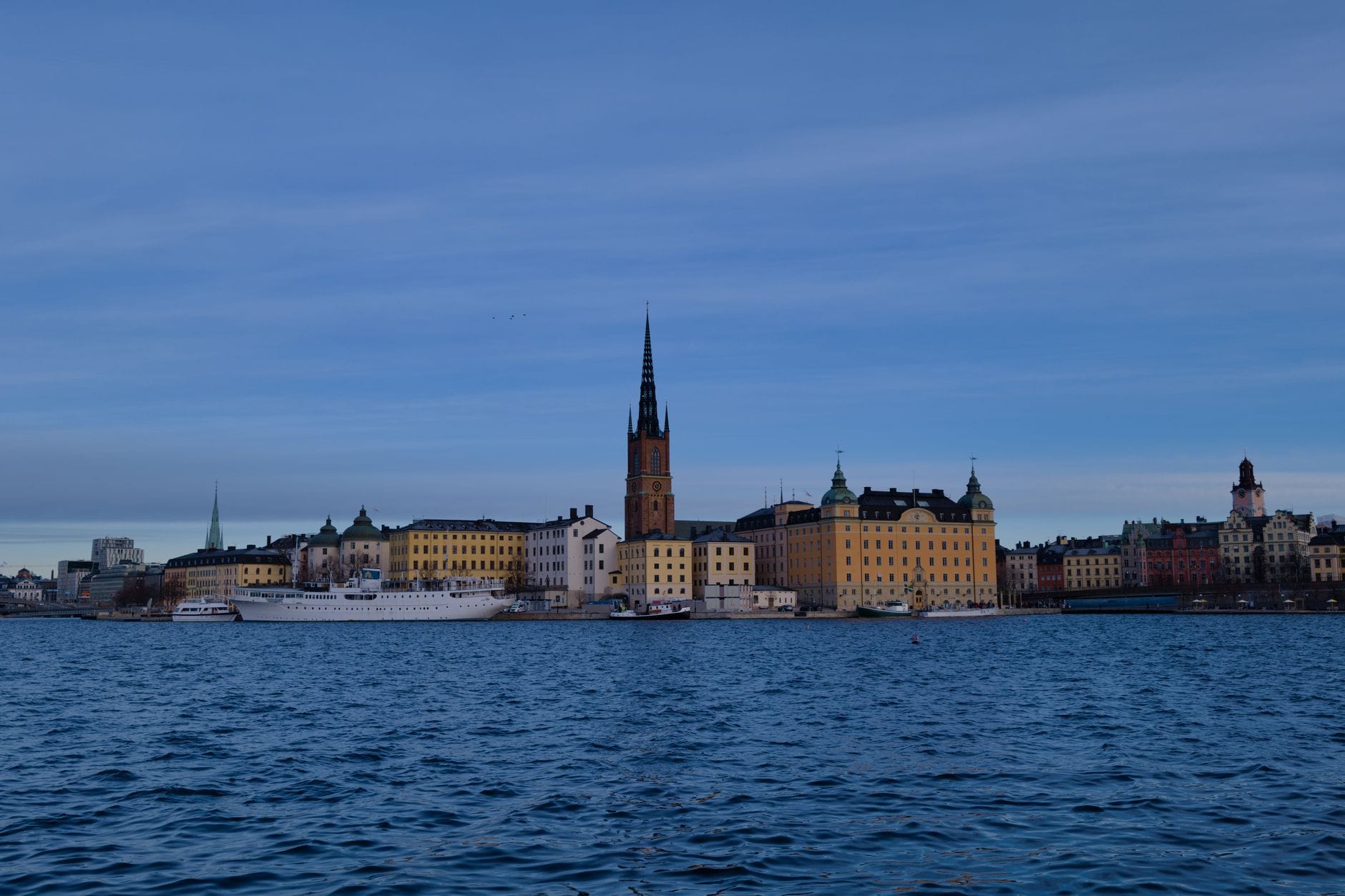
- Riddarholmen Church and the small island of Riddarholmen can be viewed from outside for free and make for excellent late-evening photography.
- Stockholm City Hall can be admired from outside at no cost; the interior tours (around 130 SEK) and tower (seasonal, May-September, around 80 SEK) charge a fee.
When to Visit for the Best Value
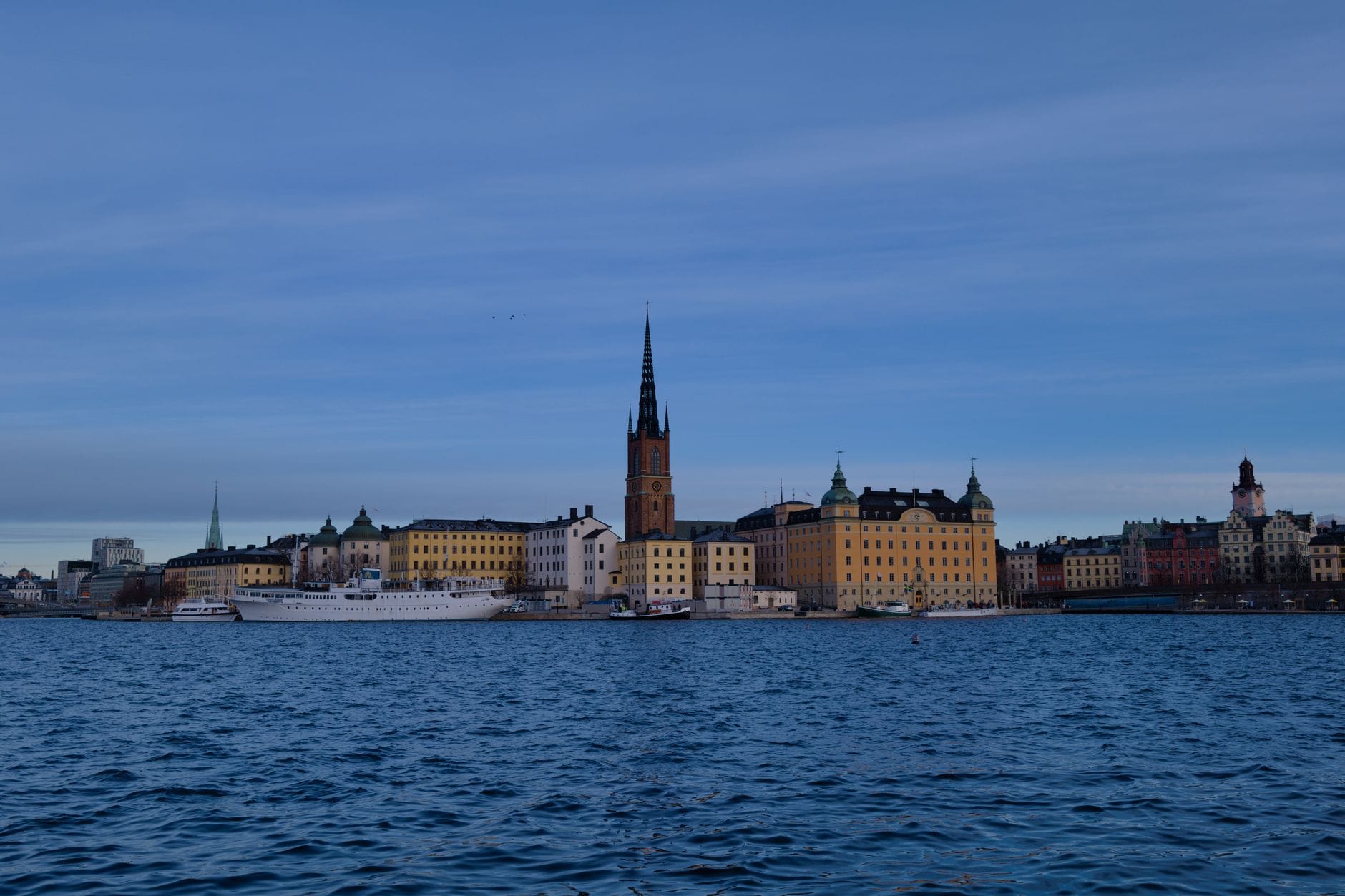
Timing your visit is one of the most effective budget levers available. Stockholm's peak season runs from June through August, when accommodation prices spike, ferries to the archipelago run at full fare, and the city is at its most crowded. If your schedule allows flexibility, late May and September offer genuinely good weather (10-17°C), fewer crowds, and hotel rates that can be 20-40% lower than midsummer.
Winter visits (November through March) offer the lowest prices of all, and Stockholm in winter has real appeal: Christmas markets at Stortorget and Skansen, ice skating at Kungsträdgården, and the city lit up against the snow. The tradeoff is short daylight hours (as few as 6-7 hours in December), cold temperatures (typically -3 to +2°C), and some seasonal attractions operating on reduced schedules or closing entirely.
If summer is your only option, book accommodation at least 6-8 weeks ahead. Stockholm hotels in July fill up at prices that rival Paris or Amsterdam. Hostels book out even faster. Alternatively, consider staying in the inner suburbs like Lidingö or along the commuter rail lines — cheaper accommodation exists within 20-30 minutes of the city center via SL.
Practical Money Tips for Stockholm
Sweden functions as a near-cashless society. Most shops, cafés, restaurants, museums, and transit systems accept Visa and Mastercard contactless payments. Some businesses actively refuse cash. Bring a card with no foreign transaction fees — Wise, Revolut, and most travel-focused bank cards work well. ATMs exist but are less common than in cash-dependent countries.
Sweden is part of the Schengen Area, so EU and many non-EU passport holders enter without a visa for short stays. Check the current requirements for your nationality before booking. For currency, the Swedish krona (SEK) is not the euro — exchange rates matter, and paying in SEK rather than accepting dynamic currency conversion at card terminals will always save you money. As a rough guide for 2026, 1 USD is approximately 10-11 SEK, and 1 EUR is approximately 11-12 SEK, but check live rates before you travel. For a broader look at what to do once you arrive, our complete Stockholm travel guide covers all the major experiences.
ℹ️ Good to know
Emergency number in Stockholm: 112 (police, fire, ambulance). For non-urgent police matters, call 114 14. Sweden's international dialing code is +46. Tap water is safe to drink throughout Stockholm — carry a reusable bottle and skip buying bottled water entirely.
FAQ
How much money do I need per day in Stockholm?
A backpacker staying in a hostel dorm, eating from supermarkets and daily lunch specials, and using an SL transit pass can manage on 500-700 SEK (roughly 50-70 USD) per day. A more comfortable budget traveler spending on one restaurant meal, hostel or budget hotel, and an occasional museum entry should budget 700-949 SEK (70-115 USD) per day. Mid-range travelers spending on hotels and regular restaurant meals should plan for 1,800-2,600 SEK (180-260 USD).
Is the Stockholm Pass worth it on a budget?
The Stockholm Pass costs 949 SEK for 1 day and provides access to around 70 attractions. It makes financial sense only if you plan to visit 3-4 major paid sights (like the Vasa Museum, Skansen, and the ABBA Museum) in a single concentrated day. For travelers who mix free and paid sights over multiple days, paying per entry is almost always cheaper. Calculate your intended itinerary against the pass price before buying.
What is the cheapest way to get from Arlanda Airport to central Stockholm?
The SL commuter train (pendeltåg, line 38 or 40) is the cheapest airport-to-city option. You pay your regular SL fare plus an Arlanda airport supplement (around 130-135 SEK), for a total significantly less than the Arlanda Express (around 300-330 SEK). The journey takes around 40 minutes to Stockholm Central. Airport coaches (Flygbussarna) are a middle option at around 119-149 SEK, taking 40-45 minutes. Taxis cost 500 SEK or more and are not a budget choice.
When is the cheapest time to visit Stockholm?
Winter (November through March) has the lowest accommodation and flight prices, but daylight is very limited and some seasonal attractions are closed. The best balance of affordability and weather is found in late April to May and in September to early October — shoulder seasons with noticeably lower hotel prices than summer, tolerable temperatures (around 10-17°C), and most attractions open.
Do I need cash in Stockholm?
No. Stockholm and Sweden broadly operate as a cashless society. Cards and contactless payments are accepted almost universally, including on public transit, in markets, and in small cafés. Some venues explicitly do not accept cash. Bring a card with no foreign transaction fees and you will not need to carry Swedish kronor in physical form. If you do want cash for any reason, use ATMs rather than airport currency exchange desks, which charge high fees.
Tickets & tours
Live prices and dates from our booking partner. If you book, we may earn a commission at no extra cost to you.
Planning a trip? Discover personalized activities with the Nomado app.