Skansen Open-Air Museum: Stockholm's Living History Park
Founded in 1891 on the island of Djurgården, Skansen Open-Air Museum is the world's oldest open-air museum. It brings together 150 historic buildings relocated from across Sweden, around 75 species of Scandinavian animals, and a full calendar of seasonal festivals. Whether you visit in midsummer or midwinter, it delivers a genuine sense of Swedish life across the centuries.
Quick Facts
- Location
- Djurgårdsslätten 49–51, Djurgården, Stockholm
- Getting There
- Tram 7 to Skansen stop; Bus 67; ferry from Slussen (seasonal)
- Time Needed
- 3–5 hours minimum; a full day for families
- Cost
- Paid entry (prices in SEK; see skansen.se). Cashless payment only.
- Best for
- Families, history lovers, Nordic culture, seasonal celebrations
- Official website
- www.skansen.se/en
What Skansen Actually Is
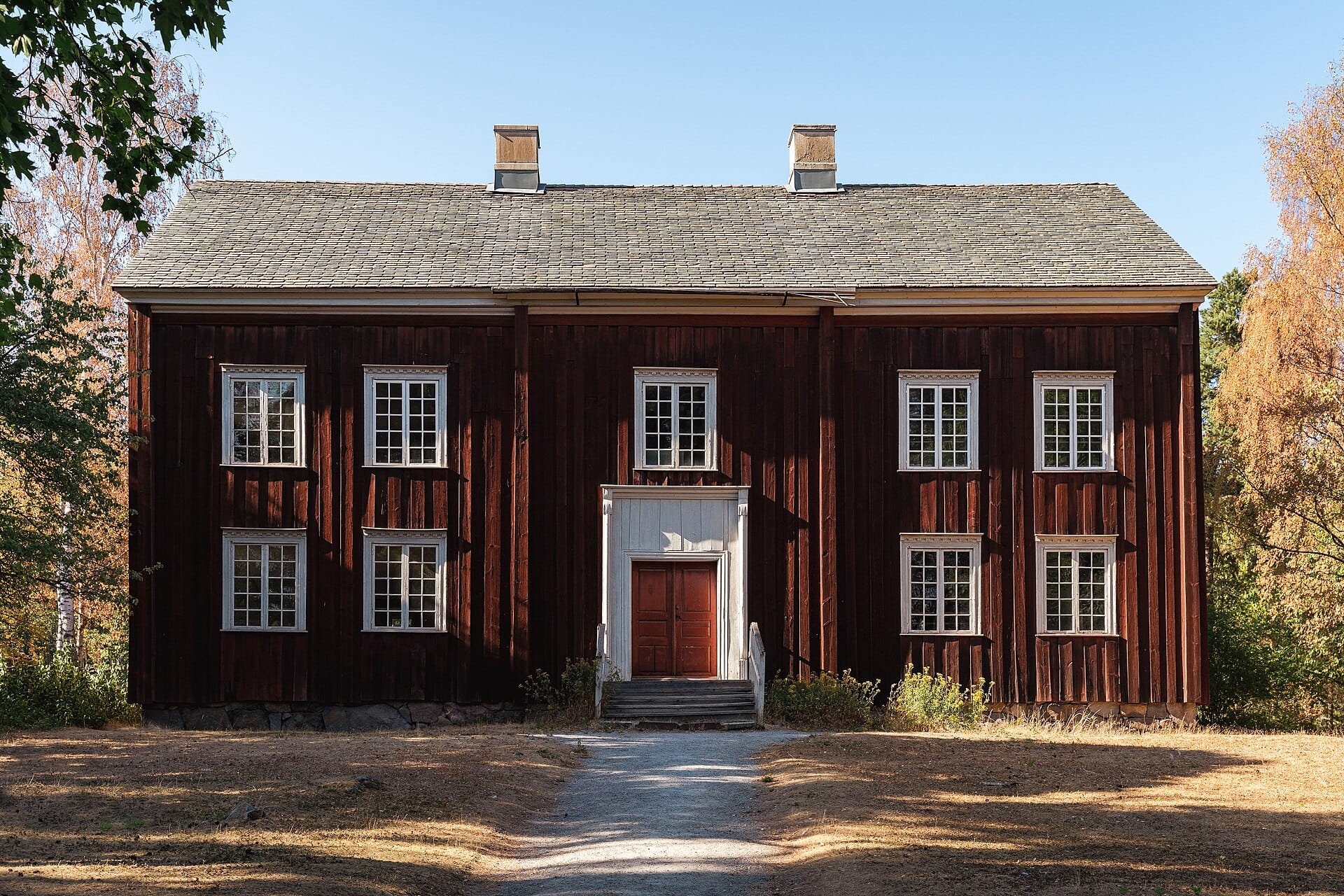
Skansen Open-Air Museum is not a theme park dressed up in period costume. It is a working reconstruction of Swedish society across several centuries, built on a hillside on Djurgården in central Stockholm. When ethnographer Artur Hazelius inaugurated it on 11 November 1891, the concept was radical: instead of displaying objects in cabinets, he relocated entire buildings from their original sites across Sweden and populated them with craftspeople demonstrating the trades once practiced inside them.
Today the site holds around 150 historically significant houses, farmsteads, manor houses, churches, and workshops transported from every region of Sweden. Alongside the cultural exhibits, Skansen functions as a zoo with approximately 75 species and breeds of Scandinavian domestic and wild animals, from brown bears and wolverines to elk and Gotland ponies. The combination is unusual and it works: you can watch a glassblower at a 19th-century studio, then walk five minutes to observe lynx in a naturalistic enclosure.
ℹ️ Good to know
Skansen is cashless. Bring a card or contactless payment for entry, food, and shops. There are no cash facilities on site.
Skansen sits within the Royal National City Park (Ekoparken), the same protected green corridor that contains Hagaparken and much of Djurgården. The park setting means the grounds themselves feel more like open woodland than a managed attraction, especially toward the upper terraces.
The Grounds: Layout and What You Will Find
The site covers a significant area of hilly terrain, and most visitors underestimate how much walking is involved. The main entrance on Djurgårdsvägen leads uphill through the open-air village sections. Paths branch off to farmsteads representing different Swedish regions: a Sami camp, a Skåne estate with whitewashed walls, timber-framed buildings from Dalarna, and urban workshop quarters representing Stockholm trades from the 18th and 19th centuries. Each cluster feels distinct because the buildings genuinely came from those places.
The animal exhibits are distributed across the hillside rather than concentrated in a single zoo area. Brown bears occupy a large enclosure near the top of the site. Seals are kept in a pool near the lower section. Elk, deer, and bison are visible from elevated walkways. The layout means animal encounters are spread naturally through the visit rather than feeling like a separate attraction bolted on.
At the summit, the Solliden stage and pavilion host outdoor concerts and major public events, with panoramic views across Stockholm, the harbor, and the surrounding islands. On a clear day the view alone justifies the climb.
💡 Local tip
Wear comfortable shoes with grip. The paths are cobbled or gravel in places and the gradient between sections can be steep, particularly on wet days in autumn.
Tickets & tours
Live prices and dates from our booking partner. If you book, we may earn a commission at no extra cost to you.
How the Experience Changes by Time of Day and Season
Morning visits, particularly on weekdays, offer the closest thing to a quiet experience. Craftspeople begin demonstrating in the workshops from mid-morning, and the animal enclosures are often more active early in the day when animals are alert before afternoon heat or settling into shade. Arriving at opening (10:00) means you can move through the historic farmstead sections before school groups arrive around mid-morning.
Midday in summer turns the upper terraces into a slow-moving crowd. The Solliden area fills with families at lunch, and the bakery and cafe queue grows noticeably. If you want to explore in relative calm, save the popular workshop street and the bear enclosure for late afternoon, when crowds thin as families with young children leave.
Seasonality matters more at Skansen than at almost any other Stockholm attraction. Midsommar (Midsummer) celebrations here are among the largest in Sweden: a maypole is raised, folk dancing continues throughout the day, and the site fills to capacity. Christmas at Skansen, running through December, transforms the grounds into a traditional julmarknad (Christmas market) with craft stalls, warm glögg, and period-dressed staff in candlelit buildings. Winter light is low and golden, and snow on the old timber rooftops creates a setting that photographs cannot fully capture.
For more on timing your visit around Swedish seasonal events, the best time to visit Stockholm guide covers how each season affects the main attractions across the city.
Historical and Cultural Context
Artur Hazelius founded Skansen as a response to rapid industrialization erasing Sweden's rural traditions. His earlier project, the Nordiska museet (Nordic Museum), had gathered objects; Skansen was his argument that objects alone were insufficient. You needed buildings, landscapes, and living practice to transmit what a culture actually felt like from the inside.
The model Hazelius established in 1891 was copied worldwide. Open-air museums in Wales, the Netherlands, Norway, and North America all trace their concept to Skansen. The Nordiska museet sits directly adjacent and covers overlapping ground through objects and exhibitions rather than relocated buildings. Many visitors combine both in a single Djurgården day.
The zoo element was not an afterthought. Hazelius included Scandinavian animals because they were as much a part of Swedish cultural life as the farmsteads. The wolf, the bear, the elk: animals that shaped Swedish land use, folklore, and economy for centuries. Skansen's animal collection has always focused on species native or historically significant to the Nordic region, distinguishing it from a conventional zoo.
Getting There and Getting Around
Djurgården is straightforward to reach from central Stockholm. Tram line 7, departing from T-Centralen, stops directly at Skansen. The journey takes around 10 minutes from the city center. Bus 67 also serves Djurgården. In warmer months, ferries run from Slussen to Djurgården, and the short crossing is a pleasant way to arrive with views of the waterfront.
On foot from Gamla Stan, the walk across Djurgårdsbron bridge and along the canal takes roughly 35–40 minutes at a relaxed pace and passes several other attractions along the way. Cycling is another practical option, with bike lanes running through Djurgården.
Djurgården concentrates several of Stockholm's most significant attractions within walking distance of each other. The Vasa Museum, the ABBA Museum, and Junibacken are all within a 10-minute walk of Skansen's entrance. Planning Skansen alongside one or two of these on the same day is practical and common.
💡 Local tip
If you are visiting several Djurgården attractions such as the Vasa Museum and Nordiska museet in two or three days, a city pass or combination ticket can represent significant savings. Check current inclusions and pricing before committing.
Photography, Accessibility, and Practical Notes
Skansen is one of the most photogenic places in Stockholm, but the quality of shots depends heavily on light and timing. The upper terraces offer wide views best captured in morning or late afternoon light. The interior of the historic buildings is dim; a phone camera will struggle without adjustment. The workshop demonstrations, where flames and forges create their own light, often produce strong images without any special equipment.
Accessibility across the full site is limited by terrain. The hill gradients and cobbled paths present real challenges for wheelchair users or visitors with limited mobility. Skansen provides information on accessible routes through their official visitor pages, and some sections of the site are more manageable than others. Checking in advance is practical rather than optional.
Weather protection is worth planning for. The open grounds offer minimal shelter from rain, and Stockholm weather shifts without much notice between April and September. A light waterproof layer is the difference between a shortened visit and a full afternoon. In winter, warm layers are essential as you are outside for extended periods.
Is Skansen Overhyped?
For travelers who connect with history, cultural heritage, or the idea of Sweden beyond its capital city, Skansen delivers more than expected. The scale is larger than most people anticipate, the quality of the historic buildings is genuine, and the seasonal events are not manufactured for tourists but rooted in actual Swedish tradition.
For travelers primarily interested in contemporary Stockholm, modern design, or efficient sightseeing, Skansen can feel like a lot of walking for a slow reward. The experience asks for patience and curiosity. It is not a place that compresses well into 90 minutes. Visitors who rush through will see buildings and animals but miss the texture of what Hazelius built.
If the open-air concept appeals but you are also weighing other cultural priorities, the best museums in Stockholm guide sets Skansen in context alongside the city's other major collections.
Insider Tips
- The bakery inside the historic town quarter produces traditional Swedish bread and pastries using period recipes. It sells out by early afternoon on busy days. Go before noon.
- Wednesday and Thursday mornings in summer see far fewer visitors than weekends. If your schedule is flexible, a mid-week morning visit is noticeably more relaxed.
- The bear enclosure is best in morning. Brown bears are most active in the first hours after the park opens and often retreat to shade or rest areas by midday.
- If you are visiting during Midsommar, book tickets well in advance and arrive early. The site reaches capacity quickly and the queue for the maypole area gets unwieldy from early afternoon.
- The upper Solliden terrace has a cafe with outdoor seating and the best view in the park. Even if you skip the restaurant, climb to the top before leaving.
Who Is Skansen Open-Air Museum For?
- Families with children who need space to roam alongside structured things to see
- Travelers interested in Swedish history, rural traditions, and pre-industrial crafts
- Visitors during Midsommar or the Christmas season seeking authentic Swedish celebrations
- Photographers looking for Nordic architecture, natural light, and seasonal atmosphere
- Anyone combining a full Djurgården day with the Vasa Museum and Nordiska museet
Nearby Attractions
Other things to see while in Djurgården:
- ABBA The Museum
ABBA The Museum is Stockholm's most popular music attraction, a permanent interactive exhibition dedicated to Sweden's most famous pop group. Located on Djurgården, it combines costumes, memorabilia, and hands-on experiences in a way that appeals well beyond die-hard fans.
- Gröna Lund
Gröna Lund has been drawing Stockholmers to Djurgården since 1883, packing around 30 rides, live concert stages, and seasonal events into just 3.8 hectares on the waterfront. This guide covers what the experience actually feels like across different times of day, who will love it, and who might want to skip it.
- Junibacken
Junibacken is a children's cultural centre on Djurgården dedicated to Astrid Lindgren's literary universe, featuring an indoor Story Train, immersive storybook scenes, live theatre, and a bookshop. Opened in 1996, it draws around 400,000 visitors a year and ranks consistently among Stockholm's most-visited attractions.
- Nordiska Museet
Nordiska museet on Djurgården holds over 1.5 million objects spanning 500 years of Nordic life, from peasant folk costumes to mid-century design. The building alone, a neo-Renaissance palace completed in 1907, earns a look even if you only have an hour. This guide covers what to see, when to go, and how to make the most of the visit.
Planning a trip? Discover personalized activities with the Nomado app.