Best Time to Visit Stockholm: A Month-by-Month Guide
Stockholm rewards visitors in every season, but the experience changes dramatically depending on when you go. This guide breaks down weather, crowds, hotel prices, and key events month by month so you can choose the timing that fits your priorities.
Tickets & tours
Live prices and dates from our booking partner. If you book, we may earn a commission at no extra cost to you.
TL;DR
- Late May, June, and September offer the best overall balance of good weather, long daylight, manageable crowds, and reasonable prices — making them the strongest choices for most first-time visitors to Stockholm.
- July and August are the warmest months (averaging around 22°C) but also the most expensive and the most crowded, with hotel rates running 30–40% higher than shoulder seasons.
- Winter (January–March) is the cheapest time to visit by far and works well for museum-focused trips, but expect short days, temperatures around 0°C or below, and some seasonal attractions closed.
- Midsommar (around 20–21 June) is a cultural highlight but causes partial closures across the city — plan carefully. See our Midsommar in Stockholm guide for details.
- Stockholm never fully shuts down: the winter season has its own distinct appeal, particularly around Lucia (13 December) and the Christmas markets in Gamla Stan and Skansen.
Stockholm's Climate at a Glance
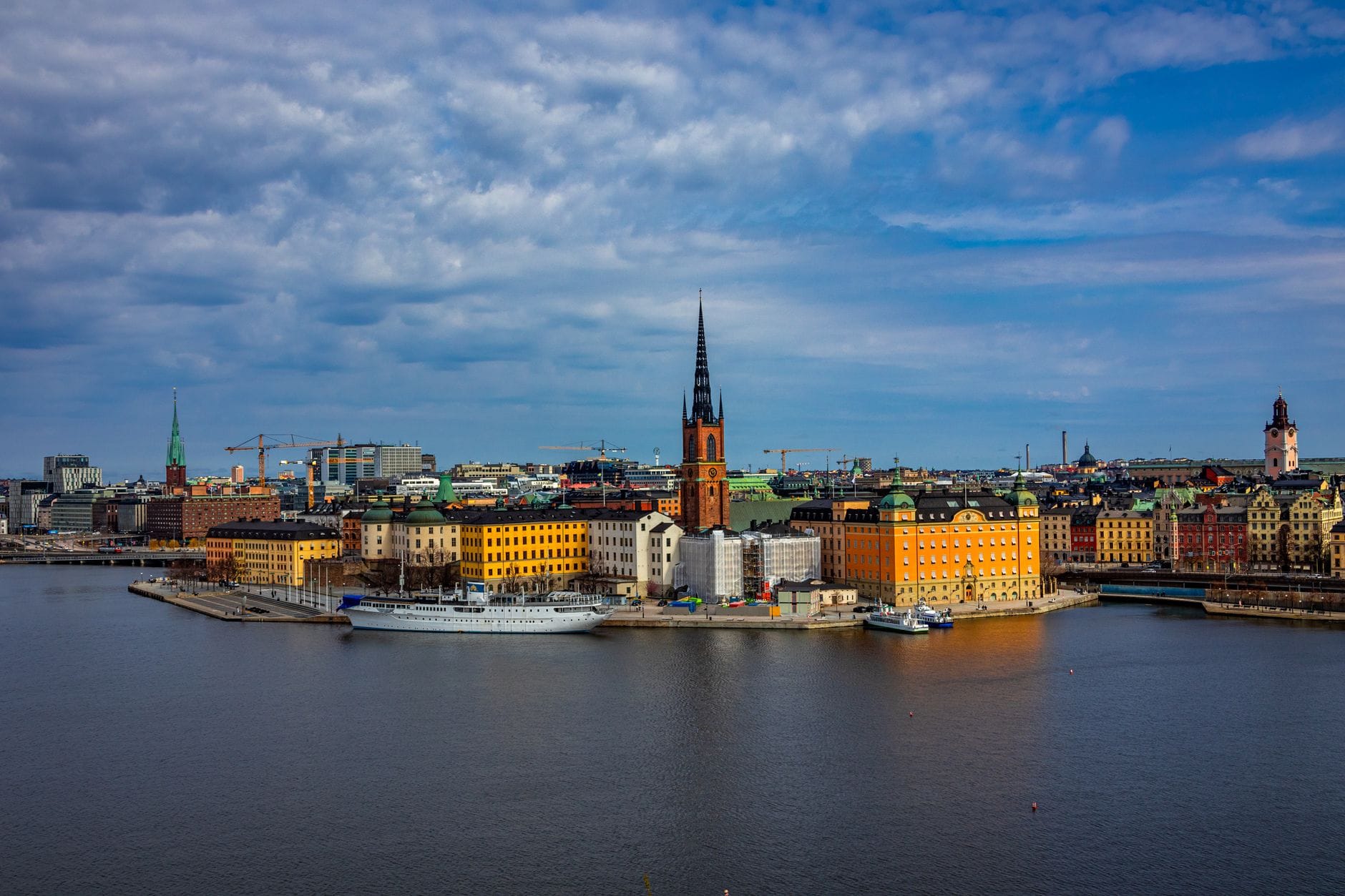
Stockholm sits at roughly 59°N latitude, where Lake Mälaren meets the Baltic Sea. The city has a humid continental climate with strong maritime influences, which means milder winters than cities at the same latitude inland, but also changeable, unpredictable weather at almost any time of year. A fleece and a waterproof layer belong in your bag whether you visit in April or October.
The dramatic difference between seasons is not just temperature. Daylight is the real variable. In late June, Stockholm gets roughly 18 to 18.5 hours of usable daylight — long enough that it never gets truly dark. In January, daylight shrinks to around 6 hours. That single factor shapes everything from opening hours to mood, and it is the main reason summer draws such a disproportionate share of visitors.
- Summer (June–August) Average highs of 20–22°C, up to 18+ hours of daylight in June. Peak crowds and prices. July is technically the rainiest month (~90 mm average), though showers tend to be brief.
- Spring (March–May) Rapid warming from around 3°C in March to 15°C by May. April is the driest month (~41 mm). Crowds build steadily but hotel rates remain reasonable until late May.
- Autumn (September–November) September stays mild at 15–18°C with thinning crowds. October and November cool sharply, bringing rain and early darkness. Foliage peaks in late September to mid-October.
- Winter (December–February) Temperatures hover around 0°C or below, occasionally dipping to -10°C during cold snaps. Snow is possible but not guaranteed in the city. Lowest prices of the year. About 6 hours of daylight in December–January.
ℹ️ Good to know
Stockholm's weather is genuinely variable. A warm sunny spell in September can be more pleasant than a rainy week in July. Pack layers regardless of season, and check the Swedish Meteorological and Hydrological Institute (SMHI) forecast before you travel.
Season by Season: Crowds, Prices, and What to Expect
Understanding when Stockholm is busy matters more here than in many European capitals, because the price swings are steep. Hotel rates in peak summer (July–August) routinely run 30–40% higher than the same properties in April or November. If budget is a factor, timing your visit strategically can save several hundred euros over a week-long stay.
Peak season runs from July through mid-August. International tourist numbers are at their highest, Arlanda Airport is operating at full capacity, and popular attractions like the Vasa Museum and Skansen draw large queues. That said, Stockholm does not get overwhelmed the way some Southern European cities do in August — queue times at most attractions rarely exceed 30–45 minutes if you arrive at opening time.
Shoulder season covers May, June, and September. These months consistently get recommended by people who know Stockholm well, and for good reason. May brings warming temperatures (10–15°C), blossoming parks, and hotel rates that have not yet hit their summer ceiling. June offers long daylight and lively atmosphere without the August compression of tourists. September sees temperatures still comfortable at 15–18°C, noticeably thinner crowds after school holidays end, and autumn colour beginning across Djurgården and the archipelago islands.
Low season runs October through March, with January and February representing the absolute quietest and cheapest period. Accommodation in the shoulder range for Stockholm (around SEK 1,400–2,400 per night in spring and autumn) drops further in midwinter. The tradeoff is limited daylight, cold temperatures, and a handful of seasonal attractions that close or reduce hours. However, the city's indoor culture is strong: world-class museums, cafés built for long stays, and a spa and sauna culture that makes the cold feel intentional rather than punishing.
⚠️ What to skip
Midsommar weekend (the Friday and Saturday closest to 21 June) is a national celebration, but much of Stockholm empties out as locals leave for the countryside. Many restaurants and some smaller attractions close entirely. If you are visiting specifically for Midsommar, focus on public celebrations at Skansen or Djurgården rather than expecting the city to be fully operational.
Month-by-Month Breakdown
- January–February Coldest months, often 0 to -3°C. Snow is possible but inconsistent. Around 6–8 hours of daylight. Lowest hotel prices of the year. Good for museum visits, fika culture, and spa days. Not ideal for outdoor sightseeing or the archipelago.
- March Still cold (3–5°C average), but daylight increases noticeably. Prices remain low. A reasonable choice for budget-focused travelers who do not mind cold weather.
- April Gradual warming to 8–12°C. The driest month of the year. Crowds are still thin and prices have not spiked. Easter can bring short closures. Early spring in parks like Hagaparken is genuinely attractive.
- May One of the best months to visit. Temperatures reach 13–17°C, daylight extends to 16+ hours, and the city feels energized without the tourist saturation of summer. Hotel prices are rising but still below peak. The City Hall tower opens in May.
- June Maximum daylight (18+ hours around the solstice). Warm and bright. Crowds building but manageable before mid-July. Note Midsommar weekend closures around 20–21 June.
- July Peak summer. Average highs around 22°C. The warmest, busiest, and most expensive month. Best for archipelago island-hopping and outdoor dining. Book accommodation well in advance.
- August Still warm and peak-priced. Crowds begin thinning slightly in the second half as European school holidays end. Crayfish season begins, with outdoor parties a local tradition.
- September Arguably the most underrated month. Temperatures stay around 15–18°C, daylight is still decent at 12–13 hours, crowds drop sharply, and prices fall. Autumn colour begins across parks and islands.
- October Cooling quickly to 8–12°C with shorter days and more rain. Strong foliage early in the month. Good for budget travelers focused on indoor attractions. Archipelago ferry services reduce frequency.
- November Grey, cold (2–6°C), and quiet. Very low prices. Stockholm's dark-season café culture comes into its own. Not a classic sightseeing month but fine for travelers who prefer uncrowded museums.
- December Christmas markets launch at Gamla Stan and Skansen from late November. Lucia on 13 December is a beautiful tradition. Weekends in December sell out early due to domestic tourism. Cold (0 to -3°C) with only 6–7 hours of daylight.
Key Events That Should Influence Your Timing
A few annual events significantly affect both the experience and logistics of visiting Stockholm. Midsommar is the most consequential: celebrated on the Friday and Saturday closest to 21 June, it is one of Sweden's most important cultural occasions. The atmosphere at public venues like Skansen is festive and worth seeing, but be aware that many restaurants close and the city operates on a reduced schedule for two days.
The Nobel Prize ceremonies take place in December, centered on the Stockholm Concert Hall and City Hall. The city is busiest on the award ceremony weekend (around 10 December), with hotel prices spiking. Unless you have tickets to Nobel events, that particular weekend is one to avoid. More context in the Nobel Prize Stockholm guide.
Stockholm Pride takes place in late July or early August and draws significant numbers, particularly around Södermalm. The Stockholm Christmas markets run from late November through December, with Gamla Stan and Skansen hosting the best-established ones. Book accommodation well ahead if you plan a December weekend visit.
✨ Pro tip
For the archipelago, timing is critical. Waxholmsbolaget runs its most frequent services from June through August. By October, many island routes have reduced to a few departures per week, and some smaller islands may lose regular service entirely. If visiting the outer archipelago is a priority, schedule your trip between June and mid-September.
Practical Advice by Travel Priority
The best time to visit Stockholm depends heavily on what you are actually going to do there. Families traveling with children will find July and August the most convenient, when all outdoor attractions including Gröna Lund and Junibacken run full schedules. Check our Stockholm with kids guide for a full breakdown of family-friendly timing.
Budget travelers get the best value in January through March, or in October and November. Rates at Stockholm's mid-range hotels drop substantially, and some properties offer significant discounts on multi-night stays. Combine low-season timing with free attractions like Fotografiska's free entry days or the many open parks and viewpoints, and Stockholm becomes far more accessible on a tight budget. Full advice in the Stockholm on a budget guide.
If your main interest is Stockholm's museum scene, the season matters less than you might think. The best museums in Stockholm stay open year-round, and winter crowds at places like Historiska museet or the Moderna museet are minimal. The main exception is the City Hall tower, which opens only May through September.
💡 Local tip
If you are torn between June and September, September edges ahead for most independent travelers. The weather is still comfortable, prices have dropped from the summer peak, and the golden autumn light across Stockholm's waterways and parks is genuinely worth the season shift.
Common Misconceptions About Stockholm's Seasons
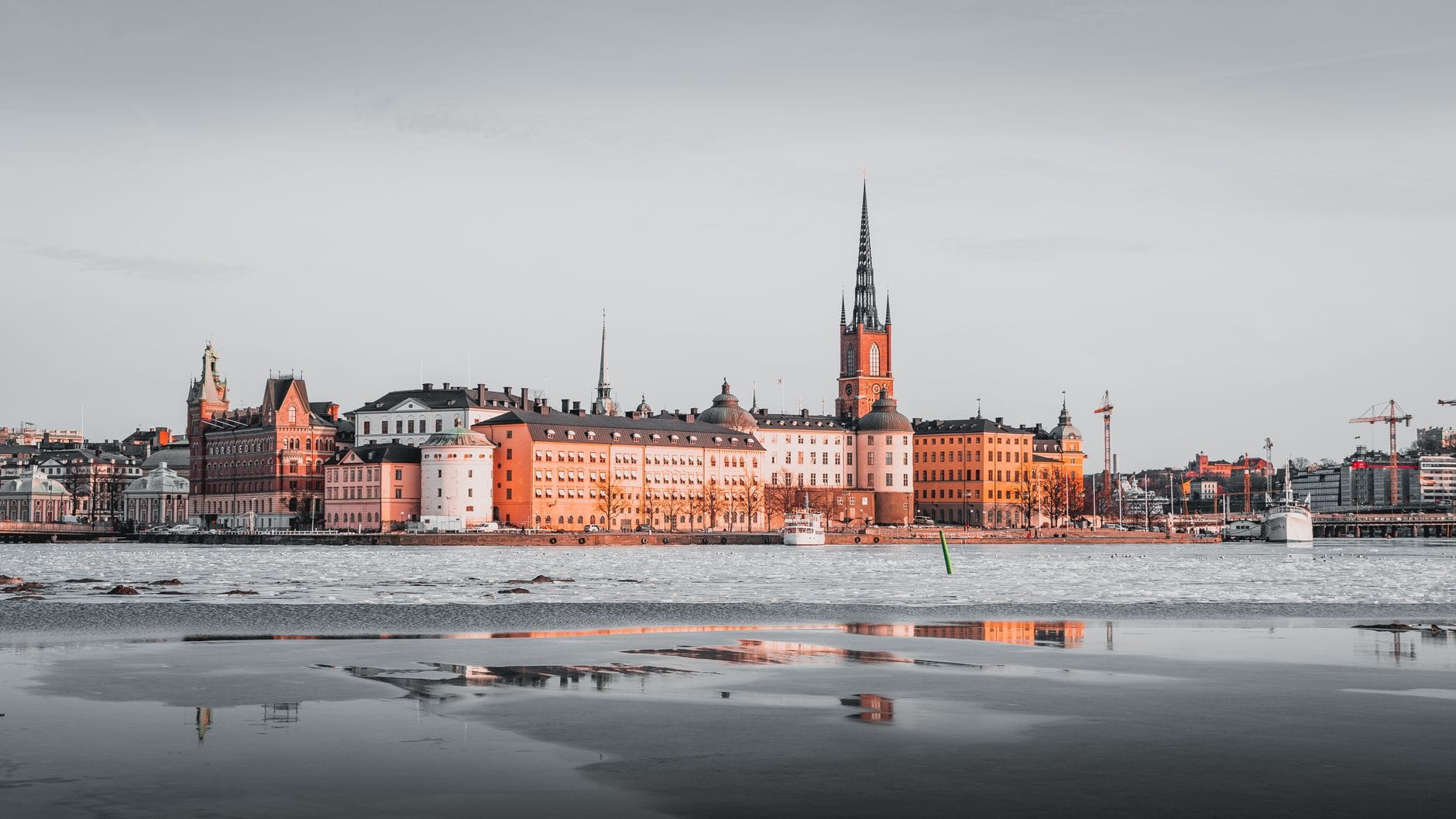
The most persistent myth is that Stockholm shuts down in winter. It does not. The major museums operate normal hours, the metro and public transport system runs reliably, and the restaurant and café scene is arguably at its most atmospheric when it is cold outside. What does change in winter is that outdoor attractions close or reduce hours, and the short daylight window limits sightseeing to a narrow part of the day.
A second misconception is that summer is overwhelmingly crowded. Compared to cities like Amsterdam, Barcelona, or Rome in August, Stockholm in peak summer remains relatively easy to navigate. The main bottlenecks are at a handful of iconic attractions on Djurgården, particularly the Vasa Museum and Skansen. Arriving at opening time eliminates most of the queue. The rest of the city, including Gamla Stan and Södermalm, handles summer visitor numbers without the suffocating density you see in some European capitals.
A third myth worth addressing: that May and September are cold and unreliable. Both months regularly deliver sunny days above 15°C. May in particular has become a consistent favorite among experienced visitors precisely because expectations are low but the reality is often excellent. The extended daylight and lack of crowds make it possible to cover a lot of ground without rushing.
FAQ
What is the best time to visit Stockholm for good weather?
June through August offers the warmest and sunniest conditions, with average highs around 20–22°C in July. However, May and September frequently deliver comfortable temperatures of 13–18°C with far fewer tourists and lower hotel prices, making them a practical alternative for most travelers.
What is the cheapest time to visit Stockholm?
January, February, and early March are the cheapest months by a wide margin. Hotel prices are at their annual low, flights tend to be less expensive, and attractions are uncrowded. The tradeoff is very short daylight (around 6–8 hours), cold temperatures (often around 0°C or below), and some seasonal attractions that are closed.
Is Stockholm worth visiting in winter?
Yes, but it requires the right mindset. Winter Stockholm is excellent for museum visits, the Christmas market season in December, and experiencing the spa and sauna culture that Swedes genuinely rely on during cold months. It is not the best choice for outdoor sightseeing, the archipelago, or families expecting a full schedule of outdoor activities.
When should I avoid visiting Stockholm?
Midsommar weekend (the Friday and Saturday closest to 21 June) causes partial closures across the city as locals leave for the countryside. The Nobel Prize ceremony weekend in early December sees hotel prices spike and availability tighten. July and August are peak pricing months if budget is a priority.
How far in advance should I book Stockholm accommodation?
For July and August, book at least 2–3 months ahead, especially for mid-range hotels with waterfront or central locations. December weekends (Christmas markets, Lucia, Nobel week) also sell out early and warrant at least 6–8 weeks advance booking. For January through March or October through November, last-minute availability is generally good.
Tickets & tours
Live prices and dates from our booking partner. If you book, we may earn a commission at no extra cost to you.
Planning a trip? Discover personalized activities with the Nomado app.