Stockholm Christmas Markets: Guide to the Best Festive Markets
Stockholm transforms in late November and December into one of Scandinavia's most atmospheric Christmas destinations. This guide covers the city's best Christmas markets, what to expect at each, how much you'll pay, and how to make the most of the short winter days.
Tickets & tours
Live prices and dates from our booking partner. If you book, we may earn a commission at no extra cost to you.
TL;DR
- The main Christmas market season runs from late November through late December, typically kicking off in the last week of November.
- Stortorget in Gamla Stan is the city's oldest and most atmospheric market, and it's free to enter.
- Skansen's Christmas market requires paid museum admission (around 250 SEK for adults) but offers a uniquely traditional experience inside the open-air museum.
- Not all markets are free — confirm entry costs before you go, especially for venue-based markets.
- Dates shift every year, so always check official event pages before booking travel. See the best time to visit Stockholm for broader seasonal context.
When Stockholm's Christmas Markets Run
Stockholm's Christmas market season is short and front-loaded. Most markets open in the final week of November and run through to around December 20-23, with few extending to Christmas Eve. Arriving in early December gives you the full selection with reasonable crowds; the second and third weekends of December are the busiest, especially at Stortorget and Skansen, where visitor numbers peak on Saturdays.
Daylight is a real factor in December. Stockholm sits at roughly 59°N, meaning sunset comes around 3pm in mid-December and temperatures regularly dip below freezing at night (expect -3°C to 1°C). Markets feel magical after dark with their lights, but if you're bringing children or have limited cold tolerance, early afternoon visits to outdoor markets are more comfortable. Weekday mornings are noticeably quieter across all sites.
⚠️ What to skip
Market dates and opening hours are not fixed from year to year. Skansen's market, for example, is scheduled Fridays through Sundays in 2026 (November 27 to December 20), and previous years have used similar late-November to late-December weekend patterns. Always verify on the official event page before booking flights or accommodation around specific market dates.
The Best Christmas Markets in Stockholm
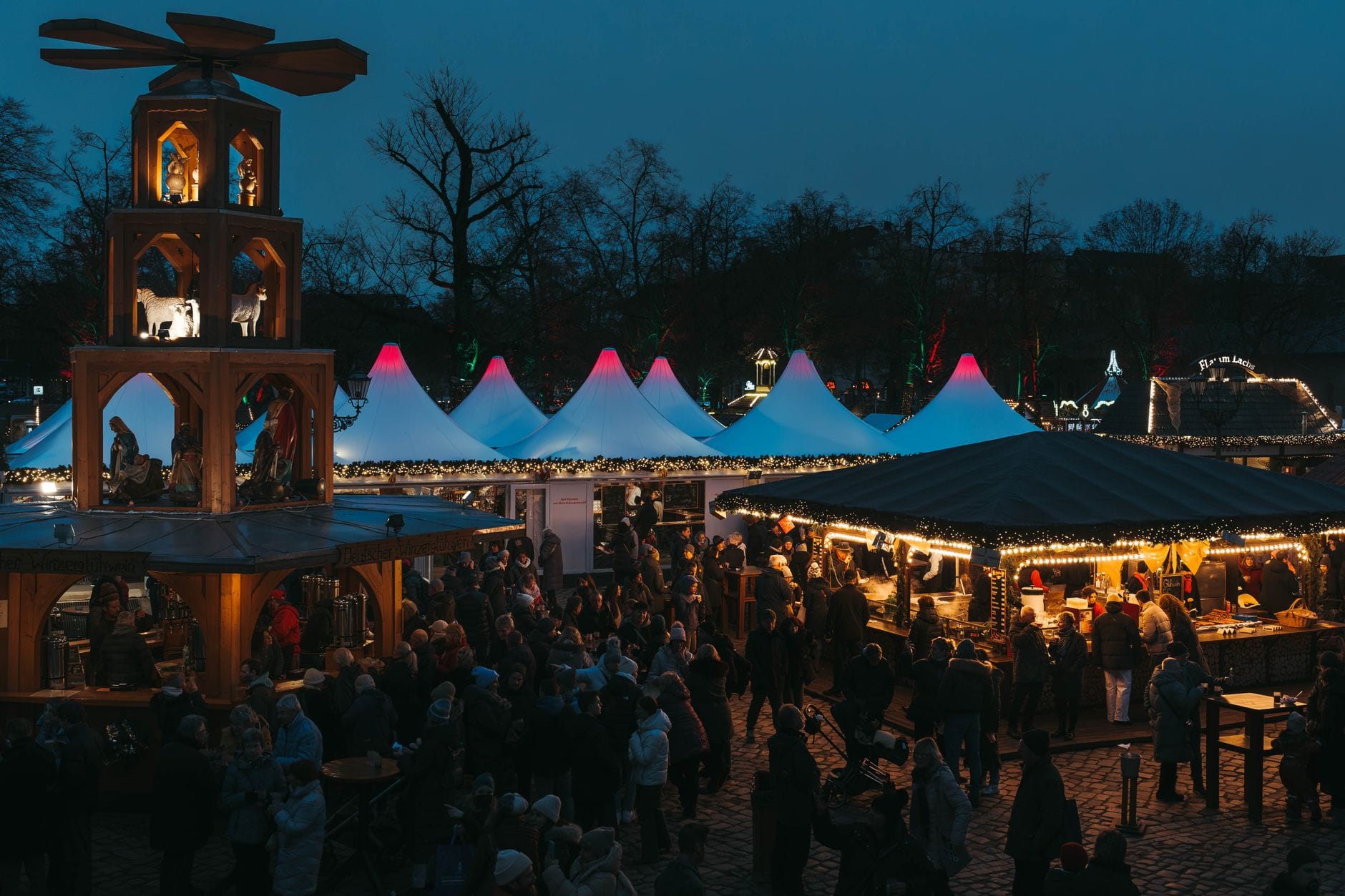
Stockholm has several distinct markets spread across the city, each with its own character. The most visited are concentrated in Gamla Stan (Old Town) and on Djurgården, but neighbourhood markets in areas like Södermalm offer a more local atmosphere with fewer tourist crowds.
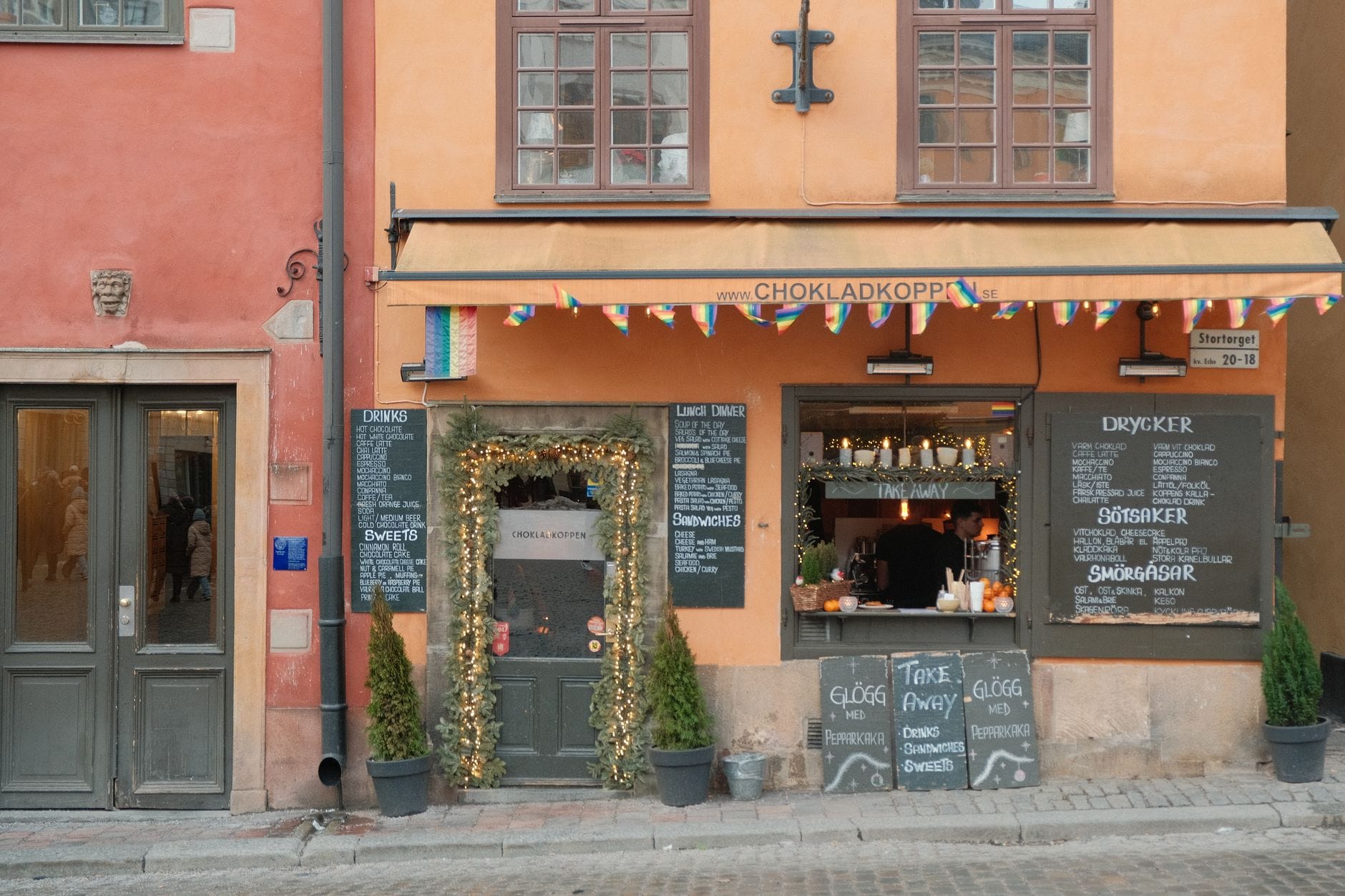
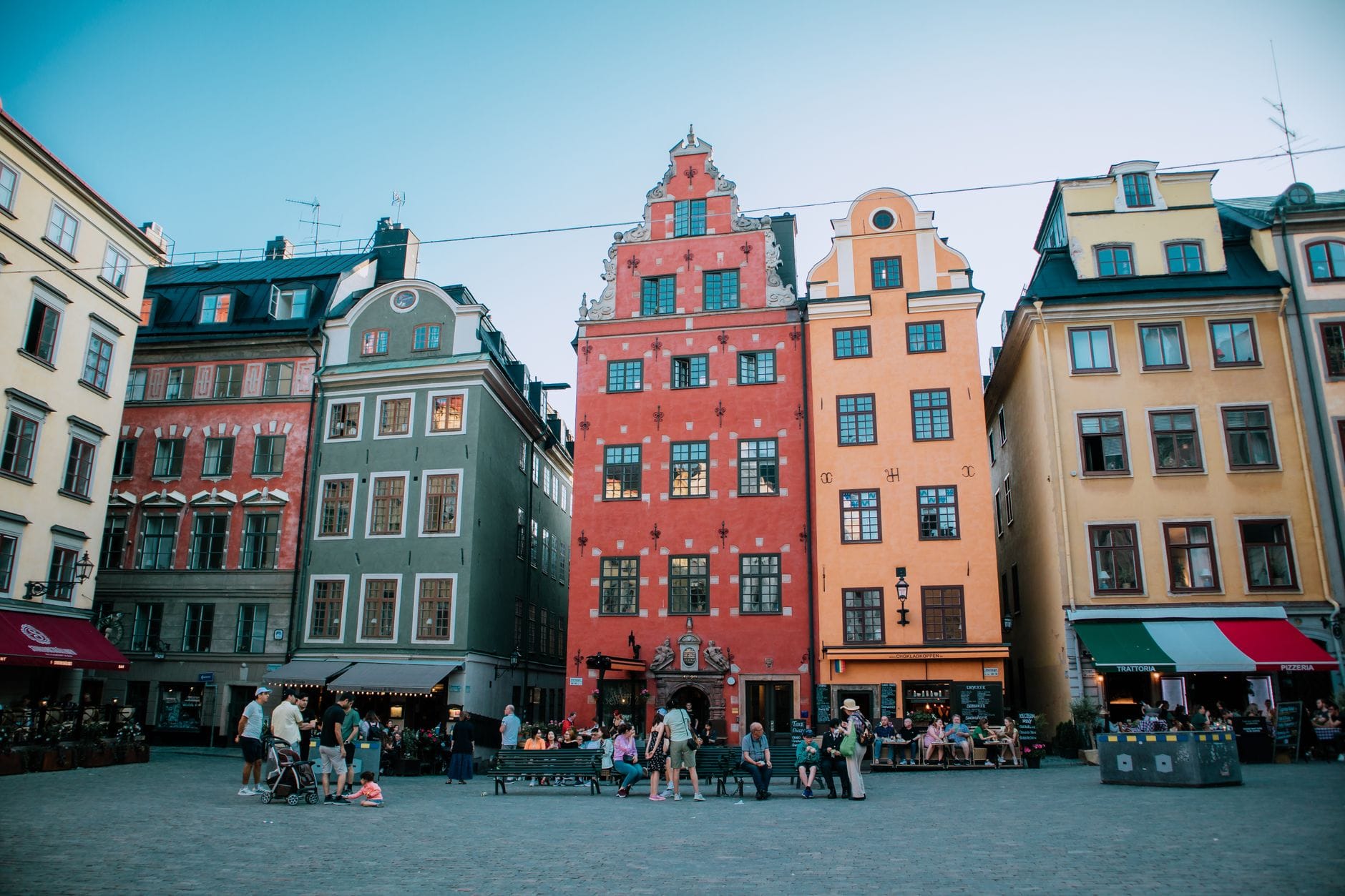
- Stortorget, Gamla Stan Stockholm's oldest Christmas market, set on the medieval main square of the Old Town. Free to enter. Stalls sell traditional Swedish crafts, glögg (mulled wine), pepparkakor (gingerbread), and saffransbullar. The cobblestone square surrounded by coloured 17th-century buildings makes this the most photogenic market in the city. Expect significant crowds on weekends, especially in the first two weeks of December.
- Skansen Open-Air Museum, Djurgården Sweden's largest open-air museum hosts one of the country's most traditional Christmas markets, typically running Fridays to Sundays from late November to around December 20. Requires paid museum admission (around 250 SEK for adults in winter). Inside you'll find artisans in period costume, live folk music, farm animals, and a wide range of handmade goods and seasonal food. The historic setting is unlike any outdoor market in the city centre.
- Rosendals Trädgård, Djurgården A smaller, atmospheric market held in the biodynamic garden near the royal park. Focused on local produce, artisan food products, plants, and garden gifts. Less crowded than Stortorget, and the glasshouse setting makes it a warmer option. Popular with Stockholm locals as a low-key alternative to the larger markets.
- Katarina Kyrka / Södermalm Markets Södermalm hosts several smaller neighbourhood markets in December, often organised around churches and local squares. These attract fewer tourists and more Stockholmers shopping for gifts, making them a better option if you want to avoid the main market crowds while still enjoying the seasonal atmosphere.
- Stureplan / Östermalm Area The upscale Östermalm neighbourhood sees smaller seasonal markets and pop-ups in December, often centred around design and premium Scandinavian products. Less traditional in feel but interesting if you're focused on quality gifts rather than craft stalls.
✨ Pro tip
Combine Stortorget with a visit to the Nobel Museum or Stockholm Royal Palace on the same afternoon. Both are a short walk from the market square and give you an indoor warm-up between outdoor market sessions. The Royal Palace guards' changing ceremony is also worth watching if you time it right.
What to Eat and Buy at Stockholm's Christmas Markets
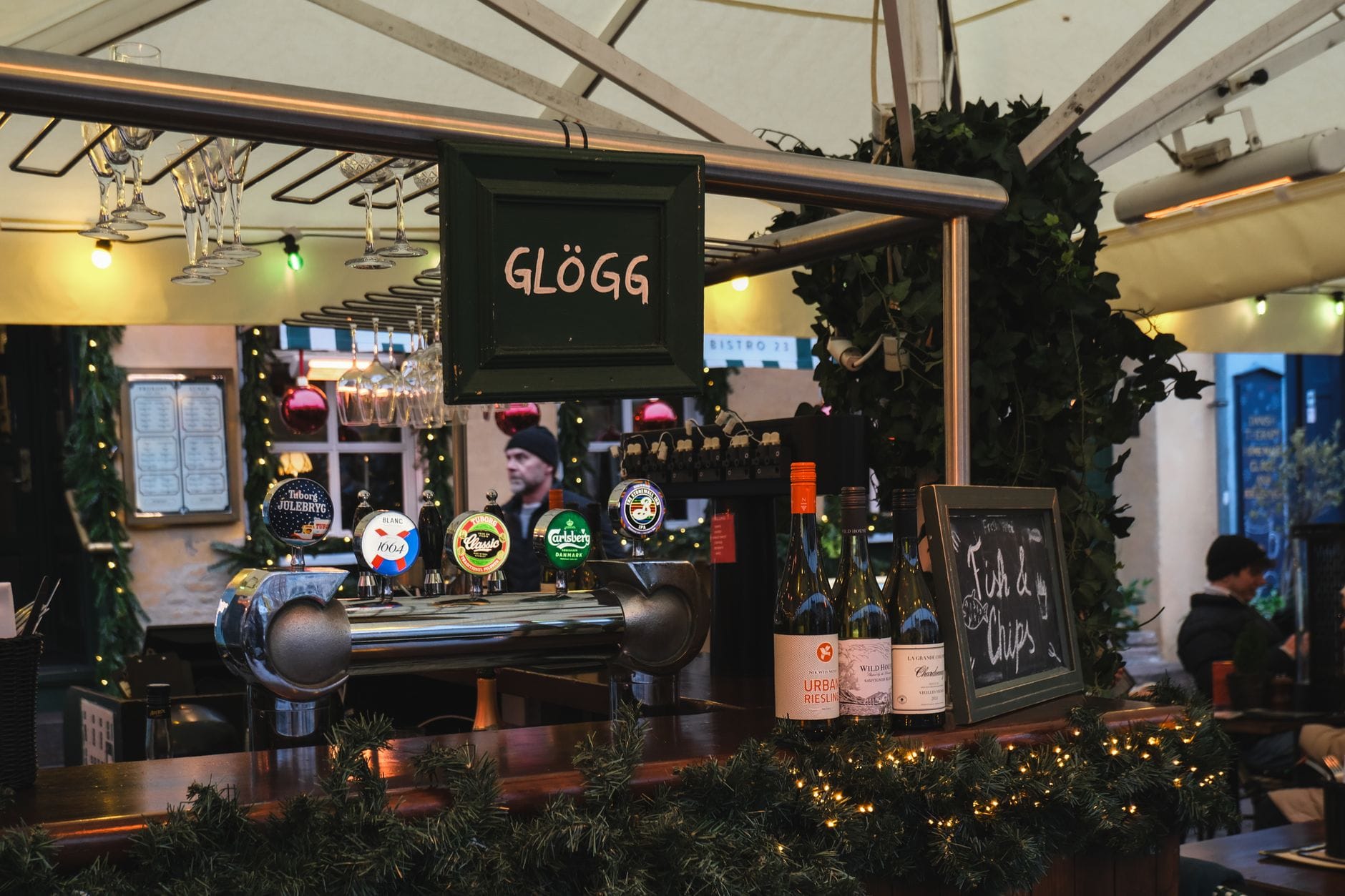
Swedish Christmas market food is distinct and worth planning around. Glögg (warm spiced wine or a non-alcoholic version with juice) is served everywhere, often with almonds and raisins dropped in. Pepparkakor are the thin, crisp gingerbread biscuits sold by the bag. Saffransbullar, the saffron buns typically associated with Saint Lucia Day (December 13), appear at most stalls in December. Lussekatter (the spiral saffron buns) and vörtbröd (a dark, malty bread) are worth trying if you see them.
For gifts, Swedish Christmas markets are strong on handmade ceramics, wooden Dala horses, hand-knitted wool goods, and traditional textiles. Prices are not cheap by global standards — a handmade Dala horse can run from around 150 SEK for a small one to over 600 SEK for larger carved versions. Candles, beeswax products, and locally made jams and preserves make practical, packable gifts that you won't find in airport shops.
- Glögg: served hot, typically 40-80 SEK per cup depending on venue
- Pepparkakor bags: usually 50-100 SEK, widely available at stalls and supermarkets
- Handmade ceramics: 150-500+ SEK, best at Skansen and Rosendals where artisans are on-site
- Wool goods (mittens, hats, scarves): 200-600 SEK for handknitted items
- Dala horses: 150-700+ SEK depending on size and detail
- Saffransbullar: 25-45 SEK each at market stalls
Practical Planning: Getting There and Getting Around
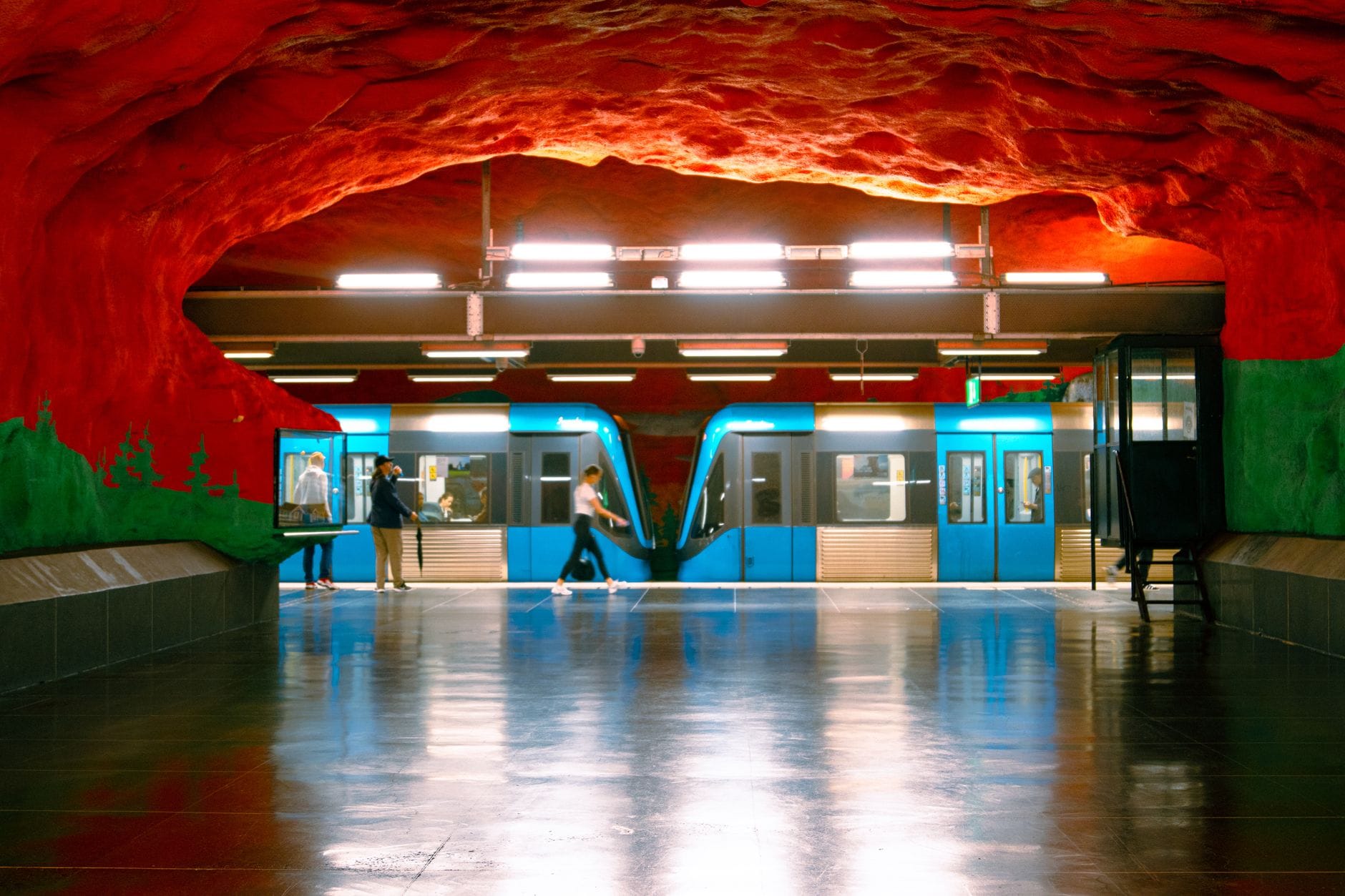
Most of Stockholm's Christmas markets are reachable by public transport. The Tunnelbana (metro) and SL bus network cover the city well, and a single SL ticket covers metro, bus, and tram travel. Gamla Stan has its own metro station (Gamla stan, on the green and red lines). For Skansen and Rosendals on Djurgården, take tram line 7 from Sergels Torg or Norrmalmstorg — it runs directly to Djurgården's main sites and is the simplest option. For more detail, see the guide to getting around Stockholm.
If you're flying into Stockholm Arlanda Airport (ARN, about 40 km from central Stockholm), the Arlanda Express train reaches Stockholm Central Station in around 20 minutes. From there, the metro gives you direct access to Gamla Stan and connections to Djurgården. For budget travellers, SL regional trains and airport coaches are significantly cheaper than Arlanda Express, though journey times are longer. Full details are covered in the Stockholm Arlanda airport guide.
💡 Local tip
The Stockholm Pass covers entry to Skansen as one of its included attractions, which makes it worth considering if you plan to visit multiple major attractions in the same trip. Run the numbers against your itinerary before buying — the pass pays off fastest for those visiting Skansen, the Vasa Museum, and several other paid sites in a short window.
Dress for the cold: December in Stockholm means layering, waterproof boots (cobblestones in Gamla Stan get icy), and a proper winter coat. Wind off the water between islands makes it feel colder than the thermometer suggests. If you want to mix markets with other December attractions, the Stockholm in winter guide covers the full seasonal picture including ice skating, museum visits, and holiday events.
Honest Assessment: What's Worth It and What Isn't
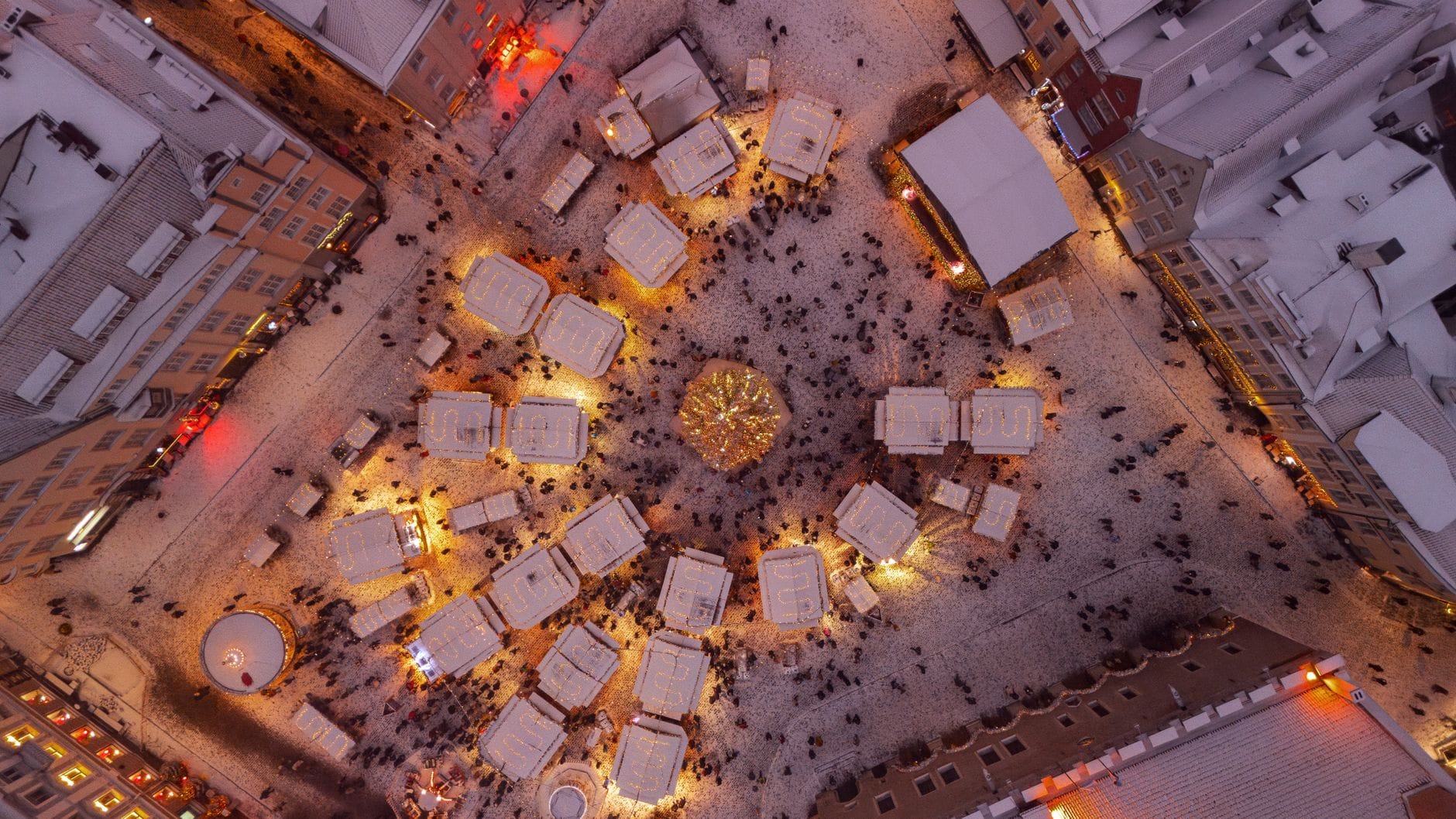
Stortorget is genuinely worth visiting, even with the weekend crowds. The medieval square is one of the most visually striking settings for a Christmas market in northern Europe, and because it's free, there's no pressure to spend. That said, the stalls themselves are fairly typical of Scandinavian Christmas markets, and prices for crafts and food are in line with (or slightly above) what you'd pay elsewhere in the city. Come for the atmosphere and a cup of glögg, not necessarily to find unique gifts.
Skansen is the better choice if you want depth over atmosphere. The paid admission filters out casual foot traffic, the artisans are genuinely demonstrating traditional crafts, and the setting inside the historic open-air museum is unlike anywhere else in the city. If you're travelling with children, Skansen's Christmas market is particularly well-suited: there are farm animals, folk music performances, and activities aimed at families. It's not a budget option (museum admission plus food and gifts adds up quickly), but it delivers something more than a standard market stall row.
For those focused on budget travel, several neighbourhood markets around the city are free to enter and much less crowded. Combine a free market visit with Stockholm's many cost-free seasonal attractions. The free things to do in Stockholm guide has solid options for December visitors who don't want to spend heavily.
Saint Lucia Day and Christmas Traditions
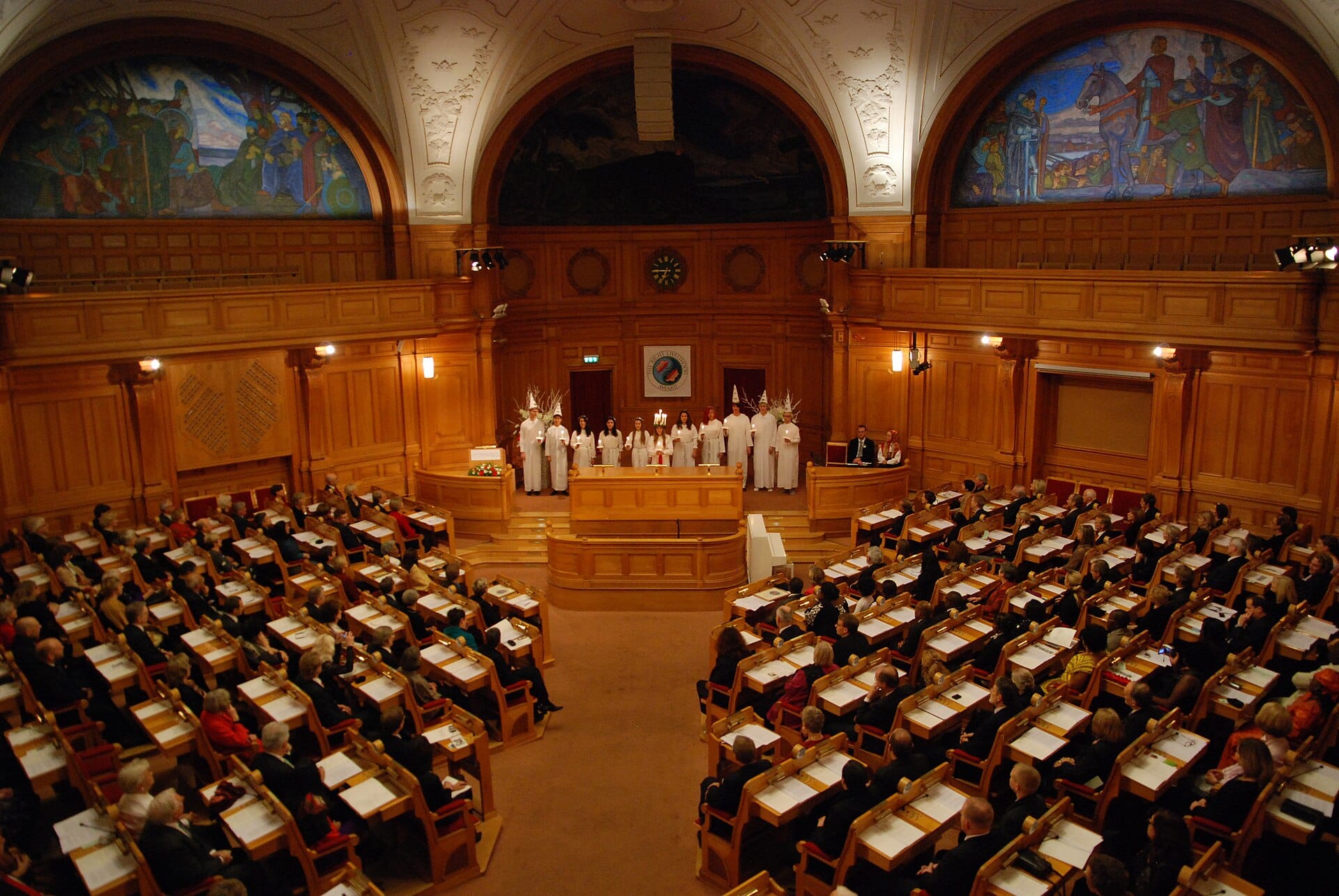
December 13 is Saint Lucia Day (Luciadagen), one of Sweden's most distinctive winter traditions. Lucia processions, where a girl crowned with candles leads a choir singing traditional songs, take place in churches, schools, and public spaces across Stockholm throughout early December and on December 13 itself. Storkyrkan (the Great Church) in Gamla Stan and Stockholm City Hall both host notable Lucia events. These are not market events but are part of the broader Christmas season experience and worth planning around if you can.
The Storkyrkan (Stockholm Cathedral) in Gamla Stan holds Lucia morning services that draw significant attendance. Arrive early if you plan to attend. Many cafés and bakeries across the city introduce saffransbullar and Lucia-themed pastries from the first of December, making early visits as rewarding for food as the peak market days.
FAQ
Are Stockholm Christmas markets free to enter?
Most outdoor markets, including Stortorget in Gamla Stan, are free to enter. However, markets held inside paid venues like Skansen require the standard museum admission, which is around 250 SEK for adults in winter. Always check the specific market before visiting.
When do Stockholm's Christmas markets open in 2025 and 2026?
Most markets open in the last week of November and run through to around December 20-23. Skansen's market in 2026 runs Fridays to Sundays from November 27 to December 20 according to Skansen’s official schedule. Dates shift each year, so check official event pages before booking travel.
What is the best Christmas market in Stockholm?
Stortorget in Gamla Stan is the most atmospheric free market, set on a medieval cobblestone square. Skansen's market is the most traditionally Swedish, with on-site artisans and a historic open-air museum setting, but requires paid admission. The best choice depends on whether you prioritise atmosphere or cultural depth.
How do I get to Skansen's Christmas market?
Take tram line 7 from the city centre (from stops near Sergels Torg or Norrmalmstorg) directly to Djurgården. The journey takes around 10 minutes from central Stockholm under normal conditions. SL transit tickets are valid on the tram.
Is it worth visiting Stockholm at Christmas overall?
Yes, for visitors who enjoy winter atmosphere, traditional food, and lower crowd levels than summer. The city is not overwhelmed by Christmas tourists the way some European capitals are. Short daylight hours are a real constraint, so plan your days with indoor options (museums, cafés) alongside outdoor market visits.
Tickets & tours
Live prices and dates from our booking partner. If you book, we may earn a commission at no extra cost to you.
Planning a trip? Discover personalized activities with the Nomado app.