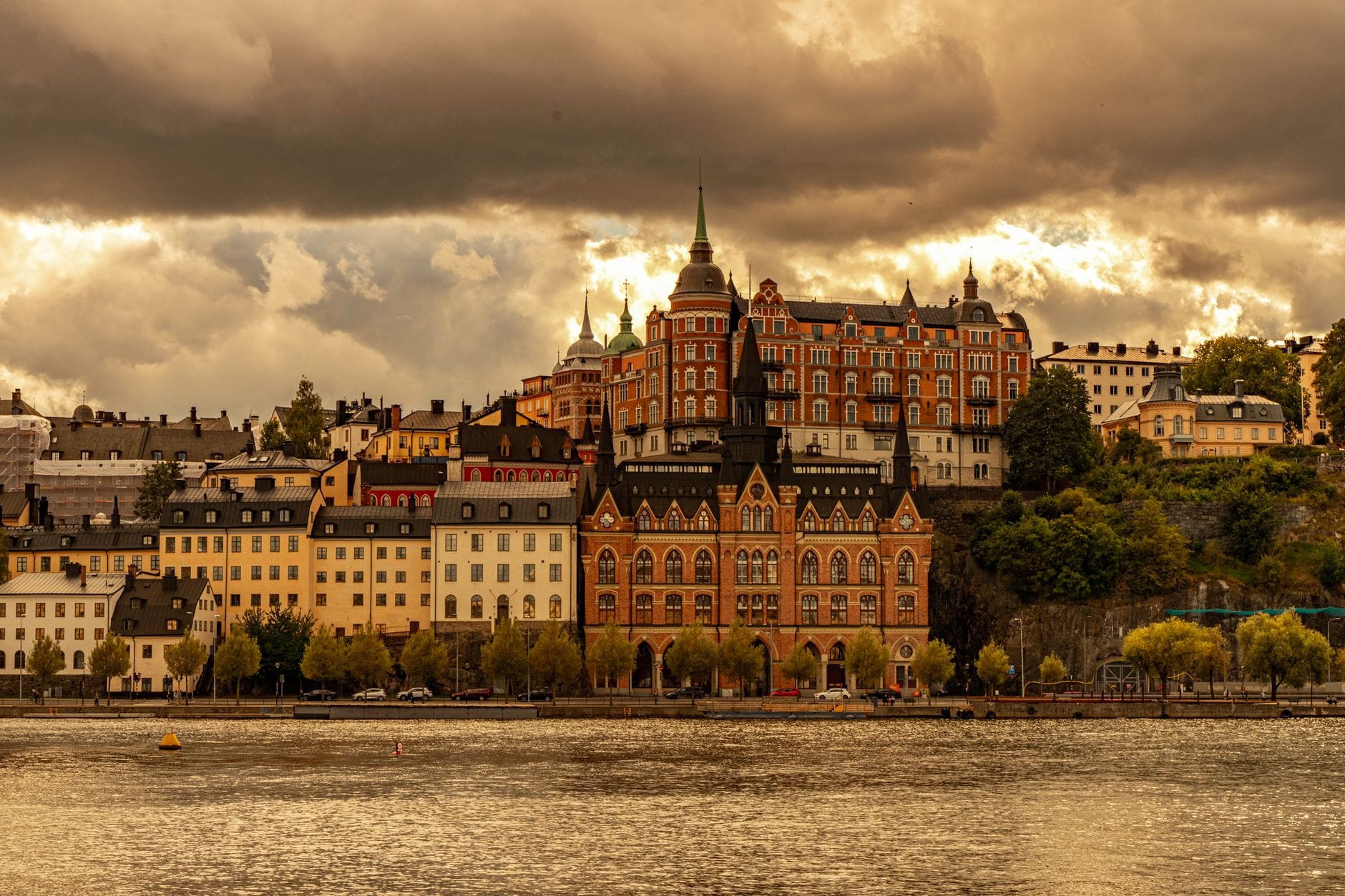
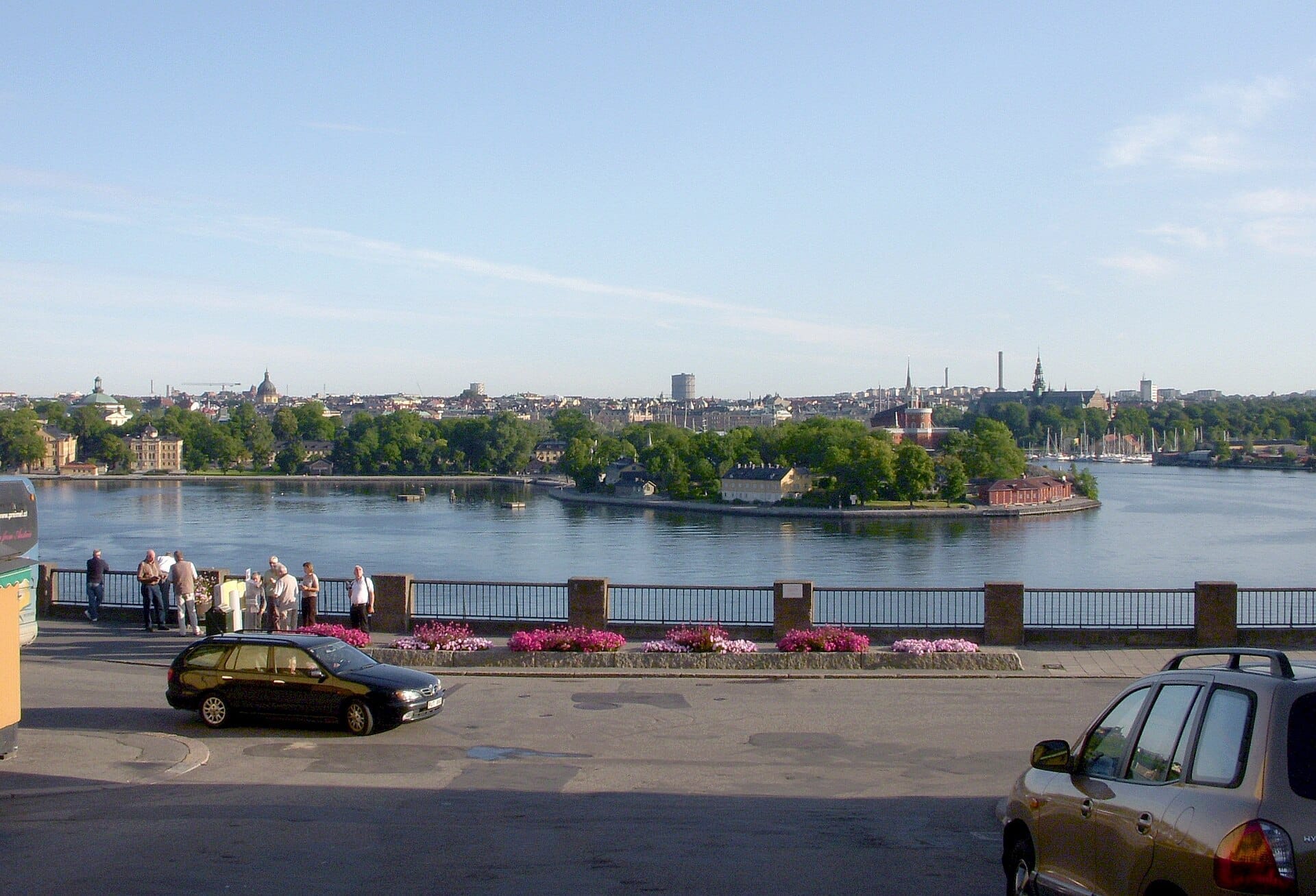
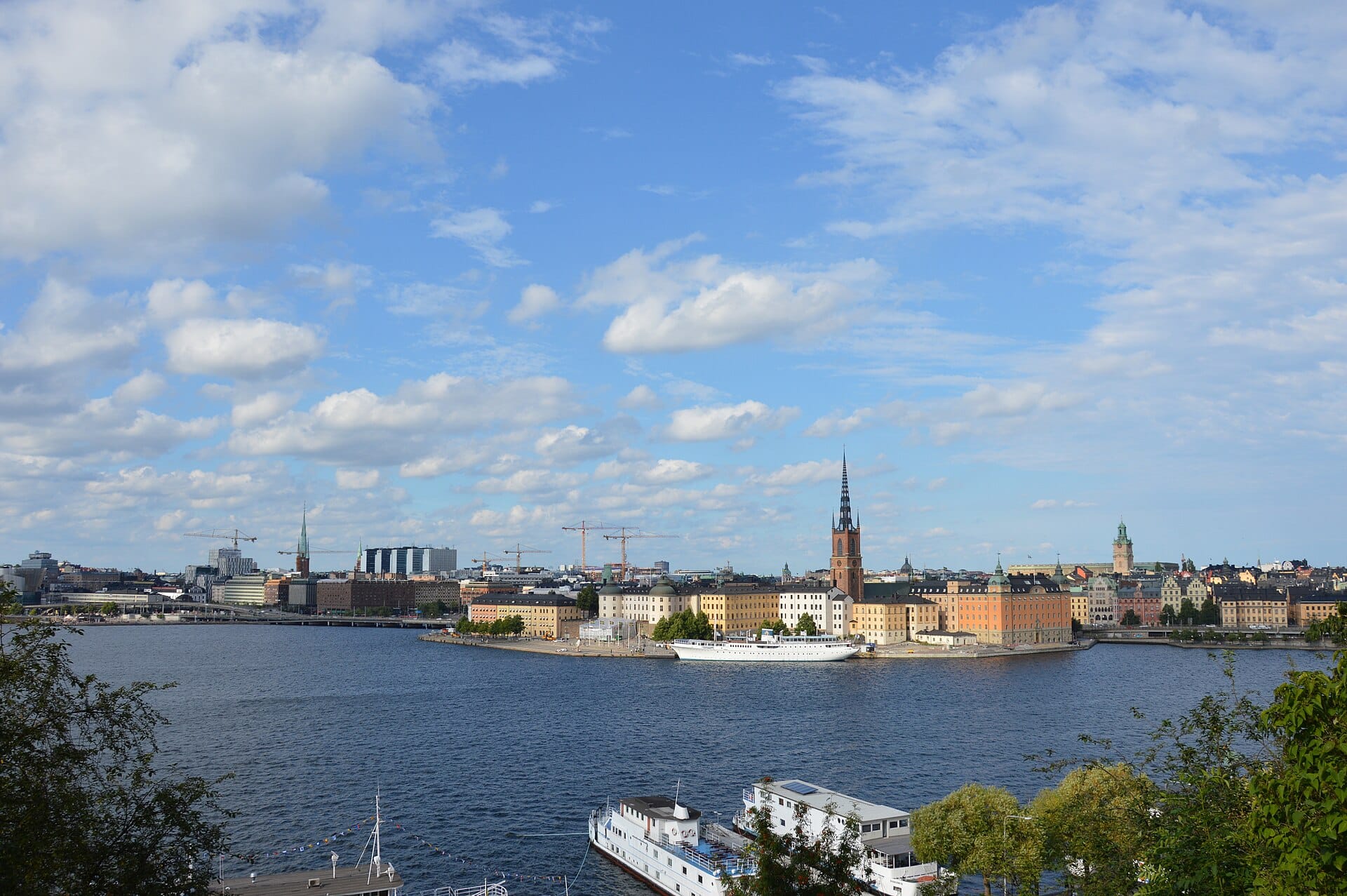
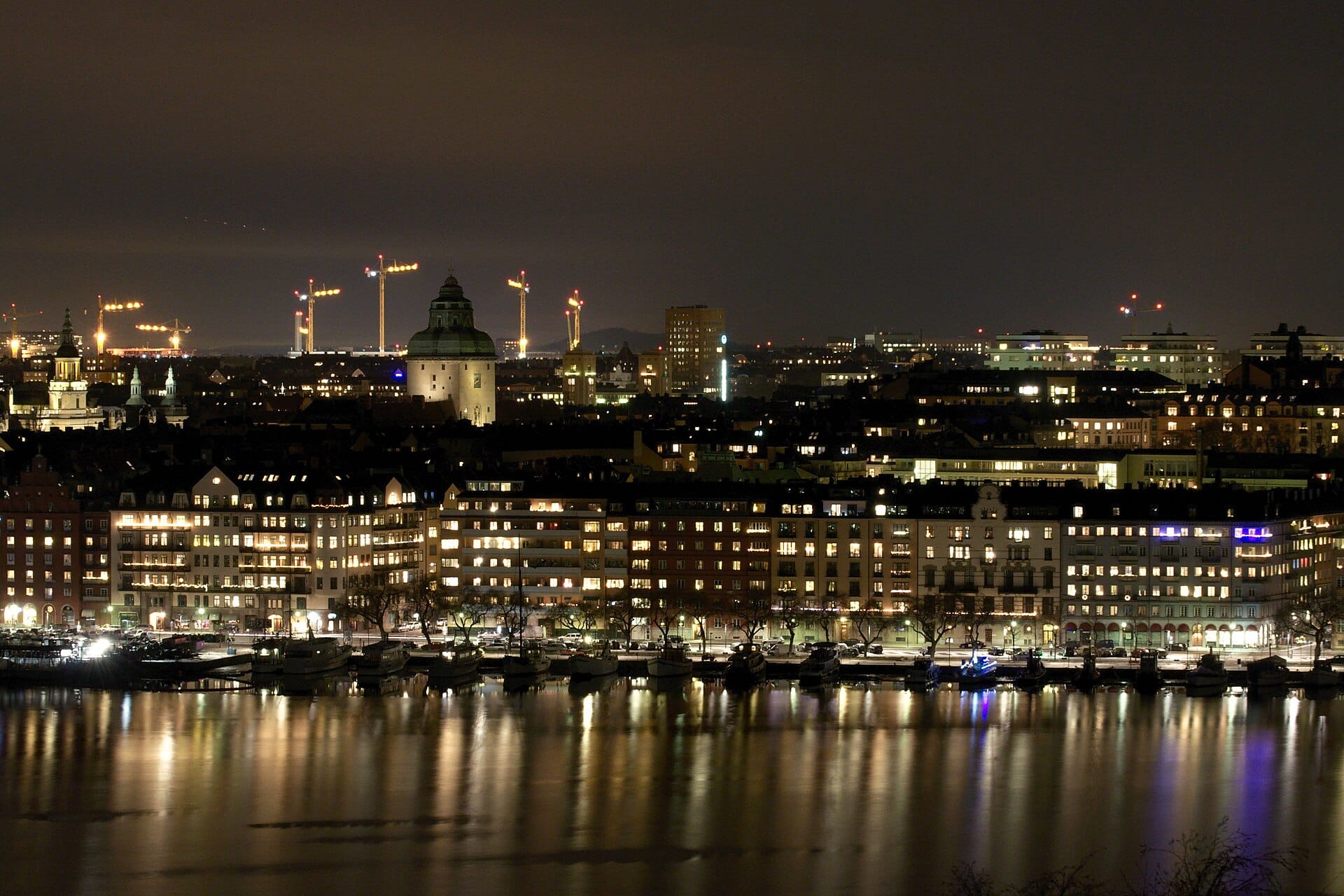
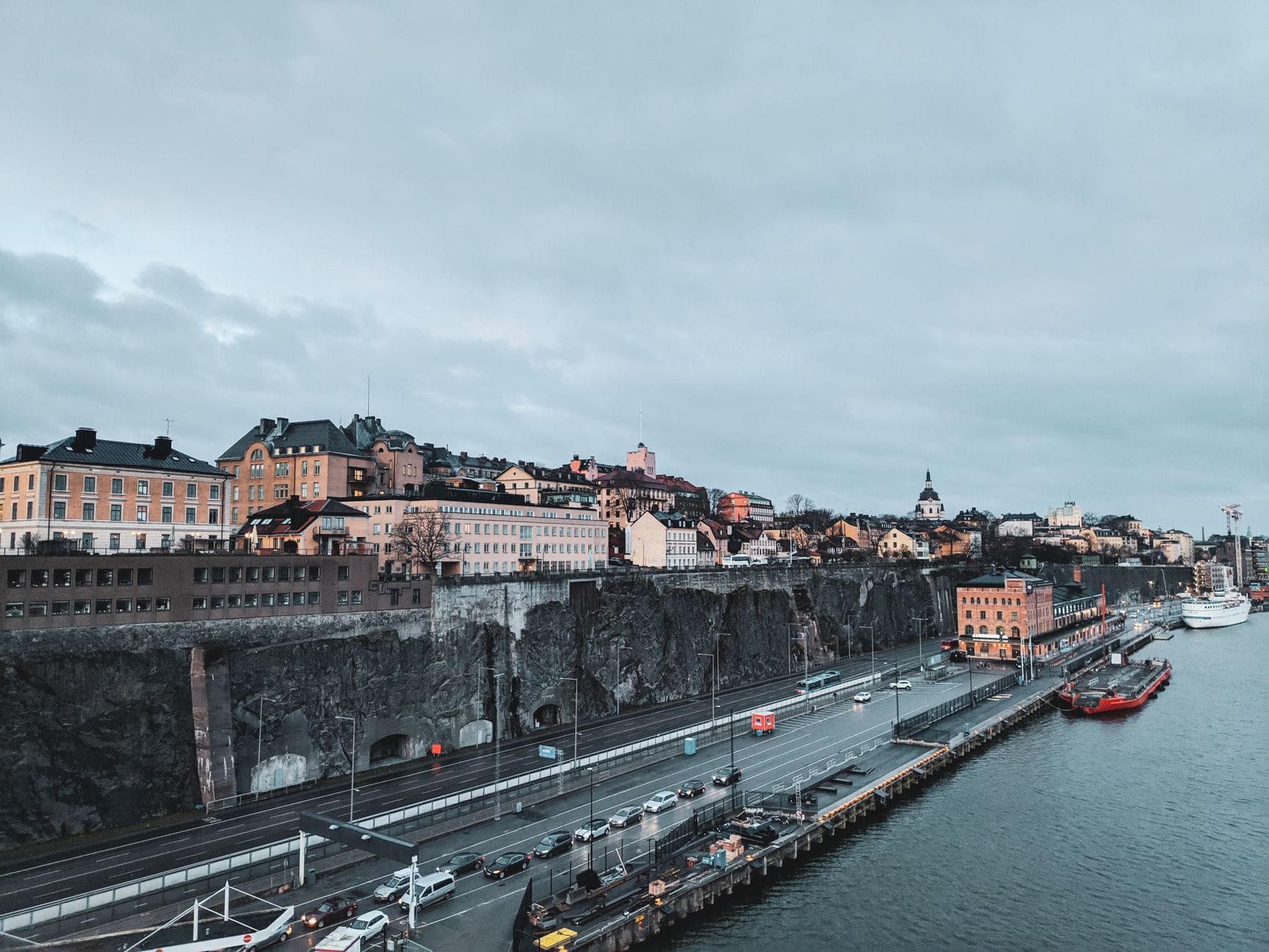
Södermalm occupies the large island directly south of Stockholm's historic core, known locally as Söder. From the cliffs above Slussen to the waterfront bars of Hornstull, it mixes a genuine neighborhood feel with some of the city's best independent eating, drinking, and design shopping.
Södermalm is the island that Stockholmers themselves tend to favor: a dense, hilly district with working-class roots, a long creative history, and enough edge to feel real without feeling rough. It sits just south of Gamla Stan, separated by the water at Slussen, and its elevated ridgeline gives the whole neighborhood a sense of drama that no other part of the city quite matches.
Orientation
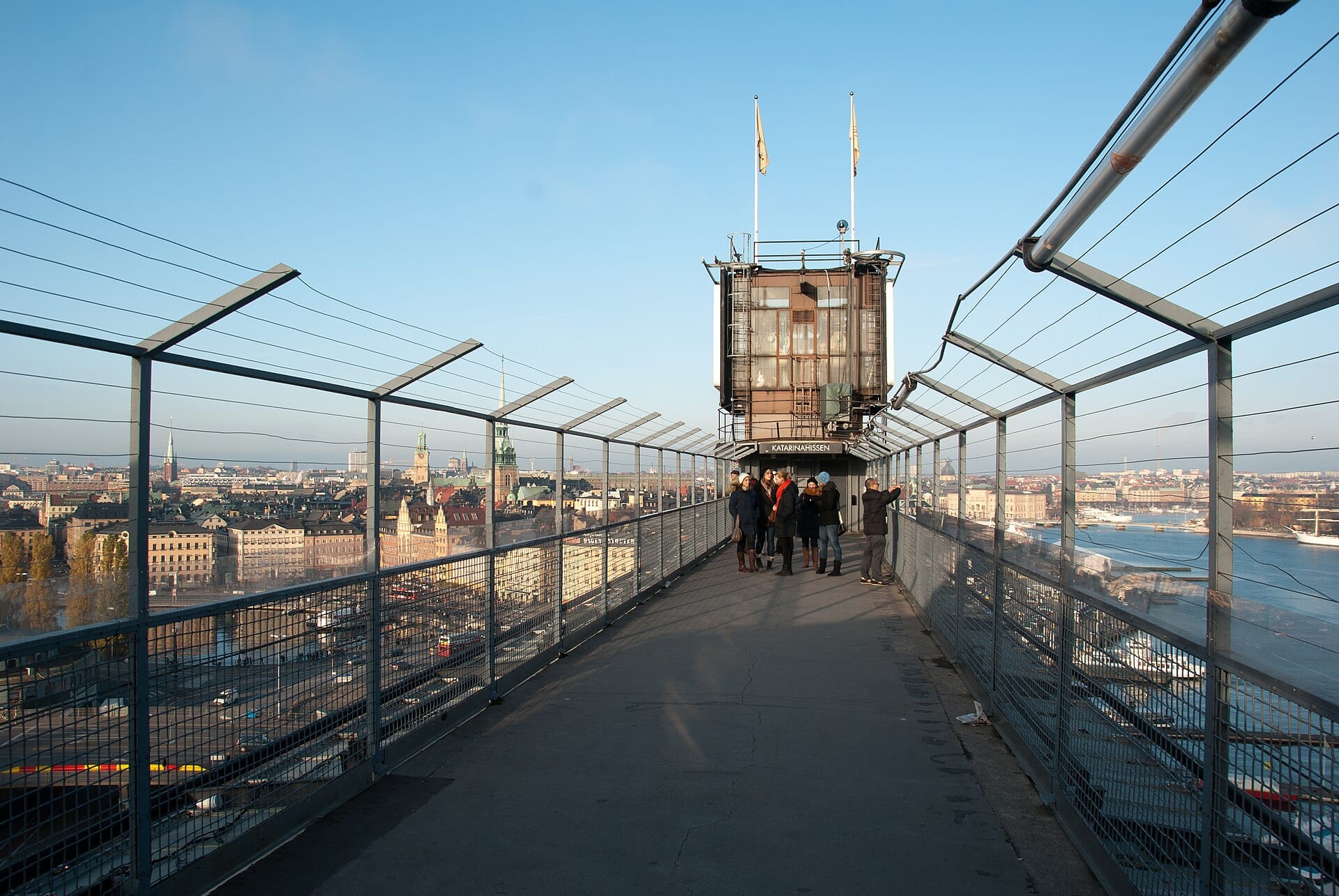
Södermalm covers roughly 5.71 square kilometers of island south of Stockholm's central waterways, forming the southern anchor of the inner city. The island was historically called Åsön, and its defining geographical feature is still obvious today: a long rocky ridge runs west to east across the northern half, rising steeply from the waterline to create clifftop promenades with sweeping views over Gamla Stan, Kungsholmen, and Norrmalm.
The northern boundary is Slussen, the major interchange where the island meets the mainland via bridges and where the waters of Lake Mälaren pass into the Baltic Sea. The southern edge fades out around Skanstull, where the island narrows and transitions toward the inner suburbs. To the west, a bridge connects to Långholmen, a former prison island now covered in parkland. To the east, the Hammarby canal separates Söder from Söderhamnen and the newer Hammarby Sjöstad district.
Administratively, the Södermalm borough also takes in Gamla Stan, Riddarholmen, Långholmen, and Reimersholme, though in everyday use 'Södermalm' refers specifically to the main island. For visitors building a mental map of Stockholm, the simplest way to understand Söder is as the creative, residential counterpart to the commercial energy of Norrmalm to the north.
Character & Atmosphere
Södermalm has been reinventing itself for decades, but it has never fully left behind the working-class identity it built during the 19th century, when the railway and industrial waterfront brought a dense population of workers to the island. That history is still present in the architecture: long rows of early-20th-century apartment buildings with ornate facades, inner courtyards hidden behind heavy wooden doors, and the occasional older wooden structure surviving from an earlier era.
By the 1990s and 2000s, Söder became Stockholm's address for artists, musicians, writers, and the design community. That shift didn't erase the old character so much as layer over it. On Götgatan, the island's main commercial artery running north to south, you find everything from international chains to decades-old hardware stores, all within a few blocks. Turn west into the SoFo quarter, the area south of Folkungagatan, and the streets narrow, the shopfronts become individually designed, and the ratio of vintage stores to coffee shops rises sharply.
Mornings in Söder are genuinely quiet by capital-city standards. The streets around Mariatorget, a broad park square anchored by a fountain, fill with dog walkers and people heading to the nearby organic market. Cafés on the ground floors of apartment buildings push out chairs by 8am, and the light in late spring and summer falls at a low Nordic angle that turns the whole area golden. By midday, Götgatan gets loud and fast. Evenings shift the weight westward toward Hornstull and the bars along Långholmsgatan, where the crowd is younger and stays later.
💡 Local tip
The clifftop promenade at Monteliusvägen on the northern ridge offers one of Stockholm's best panoramic views, free and accessible any time of day. Come at dusk in summer when the light on Gamla Stan's rooftops is at its most photogenic.
Tourist activity concentrates near Slussen and along the Götgatan corridor. Once you move even a few blocks east or west, the streets feel primarily residential. This is a place where people actually live, which is precisely what gives it its appeal, but it also means that some areas are quieter than visitors expecting a constant parade of attractions might expect.
What to See & Do
The clifftop walking route at Monteliusvägen runs along the northern ridge above Slussen and offers an unobstructed view across the water to Gamla Stan and City Hall. It is a short walk, roughly 500 meters, but one of the most rewarding in the entire city. A few minutes east along the same ridge sits Fjällgatan, another elevated street lined with 18th-century wooden houses and a second panoramic platform that looks out over Söderhamnen and the archipelago approach.
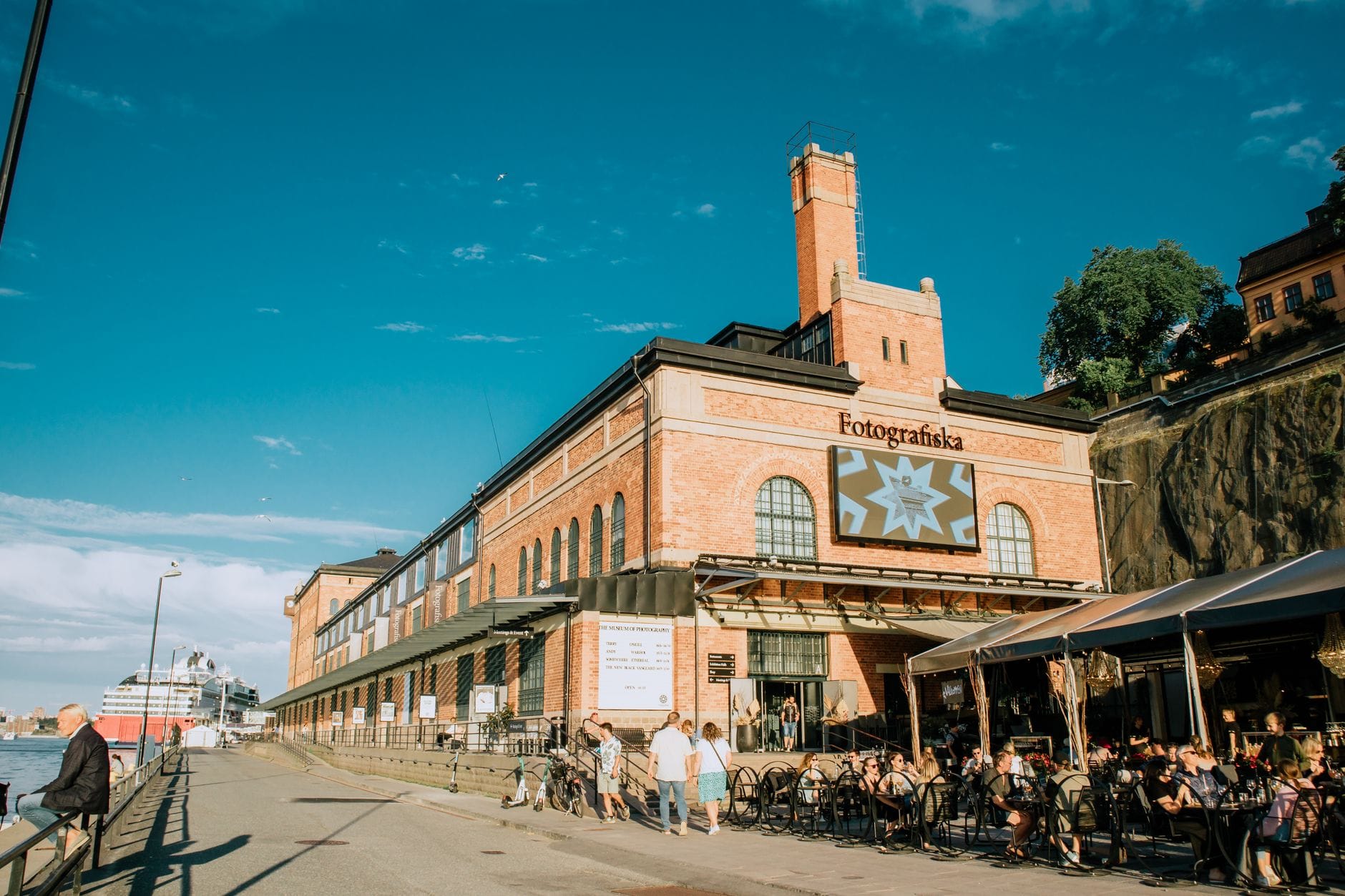
Södermalm's most prominent cultural institution is Fotografiska, the international photography museum housed in a former customs building on the eastern waterfront at Stadsgårdshamnen. Its exhibitions rotate frequently and span documentary, fine art, and commercial photography. The building itself, a converted brick Art Nouveau warehouse, is worth seeing independently of whatever is currently on the walls. The restaurant inside has genuine culinary ambitions.
The SoFo district, roughly the blocks south of Folkungagatan between Götgatan and Åsögatan, is Söder's densest concentration of independent shops. The area has been informally branded a 'Slow Fashion District' for its concentration of second-hand clothing stores, local designers, and vintage furniture. It is also where you find most of the neighborhood's art galleries and record shops. SoFo holds an open street market on the last Thursday of each month during warmer seasons.
Monteliusvägen: clifftop promenade above Slussen with views over Gamla Stan
Fjällgatan: elevated street with panoramic views eastward and preserved 18th-century houses
Fotografiska: major photography museum on the eastern waterfront
Mariatorget: central park square, good for sitting, people-watching, and the organic weekend market
SoFo district: independent shops, vintage stores, galleries between Folkungagatan and Ringvägen
Hornstull: western waterfront neighbourhood with weekend market stalls and bar terraces
Skinnarviksberget: the highest natural point on the island, a rocky park with a direct sightline to City Hall
For a broader perspective on how Söder fits into Stockholm's cultural landscape, the Skinnarviksberget park near Hornstull is worth seeking out. The rocky outcrop is the highest natural point on the island and requires a short uphill walk, but the view from the top takes in City Hall, Kungsholmen, Lake Mälaren, and the western suburbs in a single sweep.
Eating & Drinking
The food scene on Södermalm has matured considerably over the past decade and now covers almost every price point and cuisine without feeling scattered. The common thread is independent ownership: the island has relatively few international chain restaurants compared to Norrmalm, and even casual lunch spots tend to have a considered approach to sourcing and cooking.
Götgatan and the streets branching off it carry the bulk of the mid-range restaurant options, ranging from Nordic-influenced lunch cafés to ramen shops and natural wine bars. Mariatorget is a reliable area for a longer, more relaxed meal: the square itself is lined with café terraces, and the surrounding streets have some of the neighborhood's more established kitchens. For context on Stockholm's broader food culture, the guide to Stockholm's food scene covers the city's specialties worth trying across all neighborhoods.
Hornstull anchors the western food and bar scene. On weekend afternoons, the area around Hornstulls strand fills with market stalls selling street food, second-hand goods, and local produce. The strip of bars and restaurants along Långholmsgatan stays active well into the night, particularly in summer when terraces along the water operate until late. The crowd here skews younger than in the SoFo or Mariatorget areas.
ℹ️ Good to know
Fika, the Swedish tradition of a mid-morning or mid-afternoon coffee and pastry break, is taken seriously on Södermalm. The neighborhood has a high density of independent cafés. Look for places serving kardemummabullar (cardamom buns) alongside the standard kanelbullar (cinnamon rolls). For background on the fika tradition, see the Stockholm fika guide.
Budget eating is genuinely possible here: the lunch deal culture that operates across Sweden means that many sit-down restaurants offer a full meal including coffee and bread for a fixed price between 11am and 2pm. Asian restaurants, particularly Thai and Vietnamese, are well represented and tend to offer excellent value. The eastern side of the island around Medborgarplatsen has a concentration of casual lunch spots favored by locals over tourists.
Mariatorget area: café terraces, established restaurants, reliable for a relaxed dinner
Hornstull: weekend street market, waterfront bar terraces, late-night bars
Götgatan corridor: broad mix from quick lunch spots to full restaurants
Medborgarplatsen: local-leaning, good value, less tourist pressure
Getting There & Around
Södermalm is served by the Tunnelbana's green and red lines, with multiple stations across the island. Slussen, at the northern edge, is the main interchange and connects directly to Gamla Stan and T-Centralen (Stockholm Central Station) in a few minutes. Medborgarplatsen sits in the center of the island on Götgatan. Skanstull marks the southern boundary and is useful for reaching the far end of the island or connecting southward. Hornstull station serves the western end. Full details on how Stockholm's metro network operates are covered in the guide to getting around Stockholm.
Walking is the most practical way to move around within Södermalm once you arrive. The island is compact enough that most of the key areas are reachable on foot from a central point, though the hilly topography means some routes require more effort than they look on a flat map. From Slussen, it takes about 10 minutes to walk south to Mariatorget, around 20 minutes to reach SoFo's main streets, and roughly 30 minutes to walk to Hornstull. Several buses supplement the metro and are useful for reaching points off the main Götgatan axis.
Södermalm is also well connected to neighboring areas by bridge. Gamla Stan is directly accessible on foot across Slussen. The bridges at Liljeholmen connect to the southwestern suburbs. Hammarby Sjöstad to the east is reachable by bus or a short cycle ride. Cyclists are a significant presence on the island: many of the streets have dedicated lanes, and the flat stretches along the waterfront are straightforward to ride.
⚠️ What to skip
Slussen itself is a major construction zone and has been undergoing a long-term infrastructure rebuild. The area can be confusing to navigate on foot, with diversions and temporary bridges changing over time. Follow posted signs and allow extra time if you need to cross between Södermalm and Gamla Stan during peak construction periods.
Where to Stay
Södermalm is a solid base for visitors who want to avoid the most tourist-concentrated corridors but still stay within easy reach of the entire city. The area's hotel stock is smaller than Norrmalm's or Östermalm's, which keeps prices somewhat competitive and prevents the area from feeling like a hotel district. Most accommodation options are in the northern and central parts of the island, within walking distance of Slussen and Medborgarplatsen.
Staying in Söder suits travelers who value neighborhood atmosphere over proximity to the main sights. The major museum island of Djurgården is accessible by bus from Slussen, Gamla Stan is a short walk or metro ride away, and Norrmalm's transport hub is two stops on the metro. What you gain is a base that feels lived-in, with morning bakeries, evening bars, and streets that belong primarily to residents rather than tourism infrastructure.
For a broader comparison of where to stay across Stockholm's neighborhoods, including how Södermalm compares to Norrmalm, Vasastan, and Gamla Stan, the Stockholm accommodation guide covers the tradeoffs in detail.
Best zone for hotels: northern Södermalm, near Slussen and Medborgarplatsen, for fastest city access
Hornstull area: fewer hotels but better atmosphere, good for visitors prioritizing nightlife and the waterfront
Budget tip: short-term apartment rentals are common and often better value than hotels, particularly for stays of several nights
Not ideal for: visitors who need to be within walking distance of Arlanda airport connections or major conference venues in Norrmalm
Honest Assessment: Who Södermalm Is For
Södermalm is one of the more satisfying parts of Stockholm to spend time in precisely because it doesn't feel designed for visitors. The attractions are real but not packaged: a clifftop walk, a photography museum, a neighborhood of independent shops, a square where people sit in the afternoon sun. There are no audio-guided walking routes and no souvenir strips.
It is not the right base if your priority list is dominated by Stockholm's major museums. Those are concentrated on Djurgården and in Östermalm, both of which require a metro ride or a long walk from Söder. For first-time visitors on a tight itinerary who want to tick off the Vasa Museum, Nordiska Museet, and Skansen in a single day, staying in Norrmalm or Östermalm is more practical.
But for anyone who wants Stockholm to feel like a real city rather than a theme-park version of itself, who enjoys good coffee, design shops, and the sense of a place that operates on its own rhythms rather than tourist season's, Södermalm is where Stockholm is most authentically itself.
TL;DR
Södermalm is Stockholm's main creative and residential island, with a working-class history that still shapes its character despite decades of gentrification.
Best for: independent-minded travelers, design and vintage shopping, photography at Fotografiska, clifftop city views, and a genuinely local eating and drinking scene.
Key sub-areas: Slussen (transport gateway), SoFo (shops and galleries), Mariatorget (cafés and restaurants), Hornstull (waterfront bars, younger crowd).
Practical base: well connected by metro (Slussen, Medborgarplatsen, Skanstull, Hornstull), walkable internally, though hilly terrain means distances take longer on foot than they appear.
Not ideal for: visitors whose priority is fast access to Djurgården's museum cluster, or those who prefer a hotel-district feel with maximum amenities per block.
Three days is the sweet spot for a first visit to Stockholm. This itinerary covers Gamla Stan, Djurgården's world-class museums, Södermalm viewpoints, and a day-three excursion to the archipelago or Drottningholm Palace, with practical transport and budget advice throughout.
Stockholm has well over 100 museums, and the range is genuinely extraordinary. This guide cuts through the options to bring you the best across art, history, science, and culture, whether you have one afternoon or a full week to explore.
Stockholm rewards visitors in every season, but the experience changes dramatically depending on when you go. This guide breaks down weather, crowds, hotel prices, and key events month by month so you can choose the timing that fits your priorities.
Stockholm's geography, built across islands where Lake Mälaren meets the Baltic, creates extraordinary viewpoints at every turn. This guide covers the city's finest panoramas, from free clifftop walks on Södermalm to ticketed towers, waterfront promenades, and elevated galleries with views to match the art inside.
Stockholm's surroundings pack in Viking history, royal palaces, and thousands of Baltic islands within an hour of the city center. These are the best day trips from Stockholm, whether you travel by scenic boat, regional train, or local bus.
Stockholm is one of Europe's most rewarding cities to explore on a tight budget. From UNESCO-listed cemeteries and free permanent museum collections to clifftop viewpoints and underground art, here are the best free things to do in Stockholm.
Stockholm's public transport network is one of Europe's most integrated, covering metro, buses, trams, commuter rail, and ferries under a single fare system. This guide breaks down exactly how to navigate the city, get in from the airport, and avoid the most common ticketing mistakes.
Stockholm rewards those who look beyond Gamla Stan and the Vasa Museum. From a clifftop promenade with jaw-dropping harbor views to a UNESCO-listed forest cemetery and an underground art gallery spanning the entire metro system, these are the places Stockholmers actually spend their time.
Stockholm is Sweden's capital, built across 14 islands where Lake Mälaren meets the Baltic Sea. This guide breaks down what the city genuinely offers, who it suits best, and what the honest drawbacks are, so you can decide whether it belongs on your itinerary.
Stockholm is Scandinavia's most sophisticated capital, where waterfront palaces sit beside Michelin-starred restaurants and boutique design hotels. This guide covers everything you need to plan a genuinely high-end trip: where to stay, what to eat, how to move around, and which luxury experiences are worth the premium.
Midsommar is Sweden's most beloved celebration, and Stockholm offers everything from Skansen's traditional maypole to archipelago parties. This guide covers where to go, what to bring, what shuts down, and how to avoid the most common mistakes.
The Nobel Prize ceremony in Stockholm is one of the world's most prestigious annual events, but the award ceremony itself is closed to the public. This guide explains what actually happens during Nobel Week, which events you can attend as a visitor, and how to make the most of being in Stockholm in early December.
Stockholm rewards even the shortest visit. Built across 14 islands where Lake Mälaren meets the Baltic Sea, the Swedish capital packs medieval history, world-class museums, and striking waterfront scenery into a surprisingly walkable core. This guide shows you exactly how to spend one day in Stockholm — with a practical hour-by-hour structure, honest cost breakdowns, and advice on what to skip.
The Stockholm Archipelago stretches across roughly 30,000 islands, islets, and skerries east of the city. This guide breaks down how to reach the islands, which ones are worth your time, how much to budget, and when to go — whether you have two hours or two days.
Stockholm Arlanda Airport (ARN) is Sweden's main international hub, sitting roughly 42 km north of the city center. This guide breaks down every transfer option, current prices, journey times, and the common mistakes travelers make, so you can get into Stockholm without overpaying or wasting time.
Stockholm transforms in late November and December into one of Scandinavia's most atmospheric Christmas destinations. This guide covers the city's best Christmas markets, what to expect at each, how much you'll pay, and how to make the most of the short winter days.
Stockholm is the living capital of Scandinavian design, where minimalism, natural materials, and functional craft shape everything from flagship store interiors to everyday café furniture. This guide covers the best design districts, essential shops, museums, and practical advice for navigating the city's design scene across every budget.
Fika is Sweden's most beloved daily ritual: a proper pause for coffee and something sweet, shared with others. This guide covers the best cafés in Stockholm for fika, what to order, how much to pay, and how to do it like a local rather than a tourist.
Stockholm in summer is a genuine high point for the city: long days, mild temperatures, and the full range of outdoor experiences from archipelago hopping to rooftop dining. This guide covers the weather honestly, breaks down the best activities by month, and flags where the crowds and prices bite hardest.
Winter in Stockholm is a study in contrasts: candlelit Christmas markets set against medieval stone, short days that fade by 3pm, and a city that genuinely knows how to make cold weather feel worth it. This guide covers everything from the Stortorget market to surviving the dark season with your sanity intact.
Stockholm nightlife runs deeper than its expensive reputation suggests. This guide breaks down every major district, venue type, cover charge reality, and seasonal shift — so you spend your nights well, not wandering the wrong street at midnight.
Stockholm has a reputation as one of Europe's pricier capitals, but that reputation is only half the story. With the right approach to accommodation, food, transport, and sightseeing, you can experience one of the world's most beautiful cities on 500-949 SEK per person per day. This guide breaks down exactly how.
The Stockholm Pass promises free entry to 60+ attractions plus hop-on hop-off buses and boat tours. But does the math actually work in your favor? This guide breaks down the real costs, the best-value itineraries, and the cases where you're better off skipping it entirely.
Stockholm has a remarkably varied shopping scene, from the flagship luxury corridor along Biblioteksgatan to the independent vintage stores of Södermalm's SoFo district. This guide breaks down where to shop, what to buy, and how to get the most out of your budget in Sweden's capital.
Stockholm takes wellness seriously, blending century-old bathhouse traditions with modern urban spas and wild archipelago sauna experiences. This guide covers the best spas in Stockholm across every budget and travel style, from Centralbadet's 1909 Art Nouveau interiors to wood-fired saunas on the Baltic coast.
Stockholm and Copenhagen are roughly 522 km apart, connected by direct trains, flights, and buses. This guide breaks down journey times, realistic costs, and which option makes sense depending on your priorities, budget, and travel style.
The overnight ferry from Stockholm to Helsinki is one of Scandinavia's classic travel experiences, covering 214 nautical miles across the Baltic Sea in around 16 hours. This guide covers operators, pricing, cabin choices, departure logistics, and how to get the most from the crossing.
The Stockholm to Oslo route covers roughly 416 km and can be done by high-speed train, overnight bus, or short-haul flight. This guide breaks down every option honestly, including what each mode actually costs, how long it takes door-to-door, and when to book for the best fares.
Stockholm is one of Europe's most genuinely family-friendly capitals, with stroller-accessible transport, free museum entry for under-18s, and an entire island dedicated to children's attractions. This guide covers the best activities, honest pricing, seasonal strategies, and practical logistics for families visiting Stockholm.
Stockholm is one of Europe's most rewarding capitals, spread across 14 islands where Lake Mälaren meets the Baltic Sea. This guide covers the best things to do in Stockholm, from world-class museums and medieval streets to boat tours and local neighborhoods, with honest advice on what's worth your time and what to skip.
Stockholm sits at the heart of Viking-Age Scandinavia, and the city's museums and surrounding landscape hold some of the most significant Norse artifacts and burial sites in the world. This guide covers every serious option, from the immersive Viking Museum on Djurgården to the archaeological treasures at Historiska Museet, plus the best day trips for those who want to stand on actual Viking ground.
Stockholm's food scene runs far deeper than meatballs and Michelin stars. This guide covers the classic Swedish dishes worth seeking out, where to find them by neighborhood, how to eat well without overspending, and the food halls and lunch deals locals actually use.
Stockholm's accommodation scene splits sharply by neighborhood, budget, and travel style. This guide breaks down every major area, what you'll actually pay, and which districts are worth the price premium versus the ones that only look good on a map.