3 Days in Stockholm: The Perfect Itinerary
Three days is the sweet spot for a first visit to Stockholm. This itinerary covers Gamla Stan, Djurgården's world-class museums, Södermalm viewpoints, and a day-three excursion to the archipelago or Drottningholm Palace, with practical transport and budget advice throughout.
Tickets & tours
Live prices and dates from our booking partner. If you book, we may earn a commission at no extra cost to you.
TL;DR
- Three days is genuinely enough to cover Stockholm's core: Gamla Stan, Djurgården museums, Södermalm viewpoints, and one major excursion.
- Buy an SL 72-hour travelcard (around 350–375 SEK) on arrival — you will need public transport to cover all the ground in this compact but spread-out city.
- Cluster your itinerary by island: Day 1 in Gamla Stan and the Royal Palace, Day 2 on Djurgården, Day 3 for Södermalm viewpoints and a half-day excursion.
- The Stockholm Pass is optional for a 3-day trip — see our breakdown on whether the Stockholm Pass is worth it before buying.
- Book the Vasa Museum and ABBA Museum in advance, especially in summer — timed entry fills up fast.
How to Structure 3 Days in Stockholm
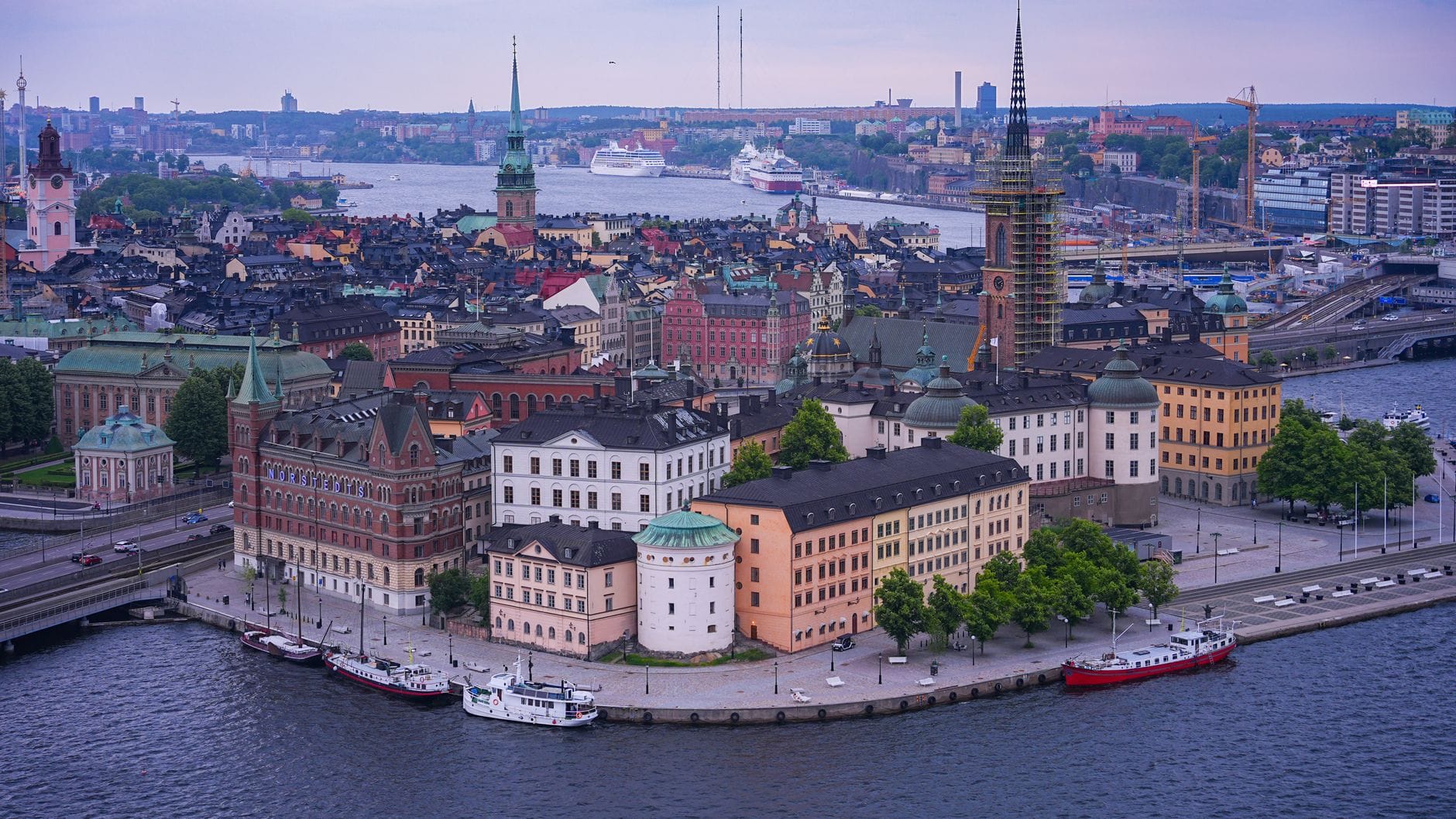
Stockholm is built across 14 islands, which sounds complicated but actually makes itinerary planning straightforward. The key is grouping attractions by island and neighborhood so you spend your time exploring, not commuting. A well-structured Stockholm itinerary over 3 days can cover Gamla Stan (Old Town), the museum island of Djurgården, the heights of Södermalm, and still leave room for one half-day trip beyond the city.
Before you arrive, figure out your transport strategy. The SL network (Storstockholms Lokaltrafik) runs metro, buses, trams, and inner-city ferries. A 72-hour SL travelcard costs around 360 SEK and covers almost everything you need. Load it onto your phone via the SL app or buy a physical card at Pressbyrån kiosks. For a deeper dive, the getting around Stockholm guide covers every option including the Arlanda Express from the airport (around 40 km out) and local taxi apps.
💡 Local tip
Arrive in Stockholm by early afternoon on Day 1 if possible. Gamla Stan is at its least crowded in the late afternoon, and the Royal Palace grounds are beautiful at golden hour. This also lets you orient yourself on foot before tackling the busier museum days ahead.
Day 1: Gamla Stan, the Royal Palace, and the Waterfront
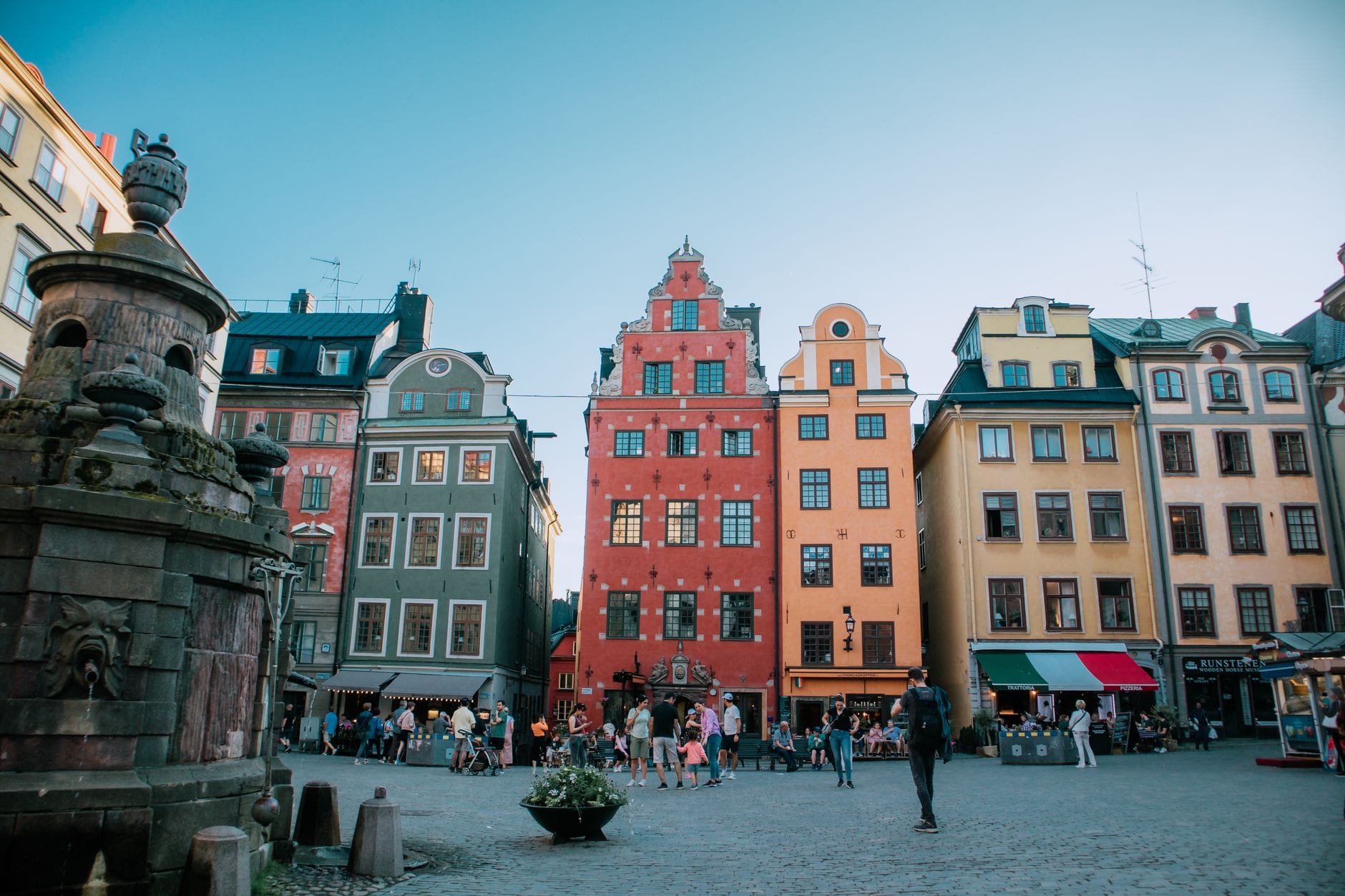
Start with Stockholm's medieval core. Gamla Stan sits on its own island between the modern city and Södermalm, and it rewards slow exploration. The main street, Västerlånggatan, is lined with souvenir shops and cafés, but the real character is in the narrower side alleys — Mårten Trotzigs Gränd is the city's narrowest lane, barely 90 cm wide at its tightest point.
The Royal Palace (Kungliga Slottet) is one of the largest palaces in Europe still used for official royal functions. Ticket prices and opening hours vary by season, so check the Royal Court's official site (kungligaslotten.se) before you go. The Changing of the Guard happens daily in summer (typically around noon) and is free to watch from the outer courtyard — worth timing your morning around. Nearby, Storkyrkan (Stockholm Cathedral) is a few minutes' walk and takes about 20 minutes to visit.
In the afternoon, cross to Kungsholmen to see Stockholm City Hall from the outside — the tower is open for guided visits from May through August, with views over Lake Mälaren and the Old Town roofline. Then walk back along the waterfront toward Norrmalm for dinner. Östermalm's food hall, Östermalms Saluhall, is a good option for a higher-end early dinner or grazing on Swedish specialties like gravlax and open-faced sandwiches.
⚠️ What to skip
Gamla Stan's souvenir shops and "Viking" merchandise stores are almost universally overpriced and low quality. If you want meaningful Swedish design or food products, save your shopping for Södermalm or the department store NK in Norrmalm.
Day 2: Djurgården's World-Class Museums
Dedicate your full second day to Djurgården, the royal park island that holds a remarkable concentration of museums. You can reach it by ferry from Slussen or Nybroplan (covered by your SL card in summer), by tram from Norrmalmstorg, or on foot from the Strandvägen waterfront — a pleasant 25-minute walk from the city centre.
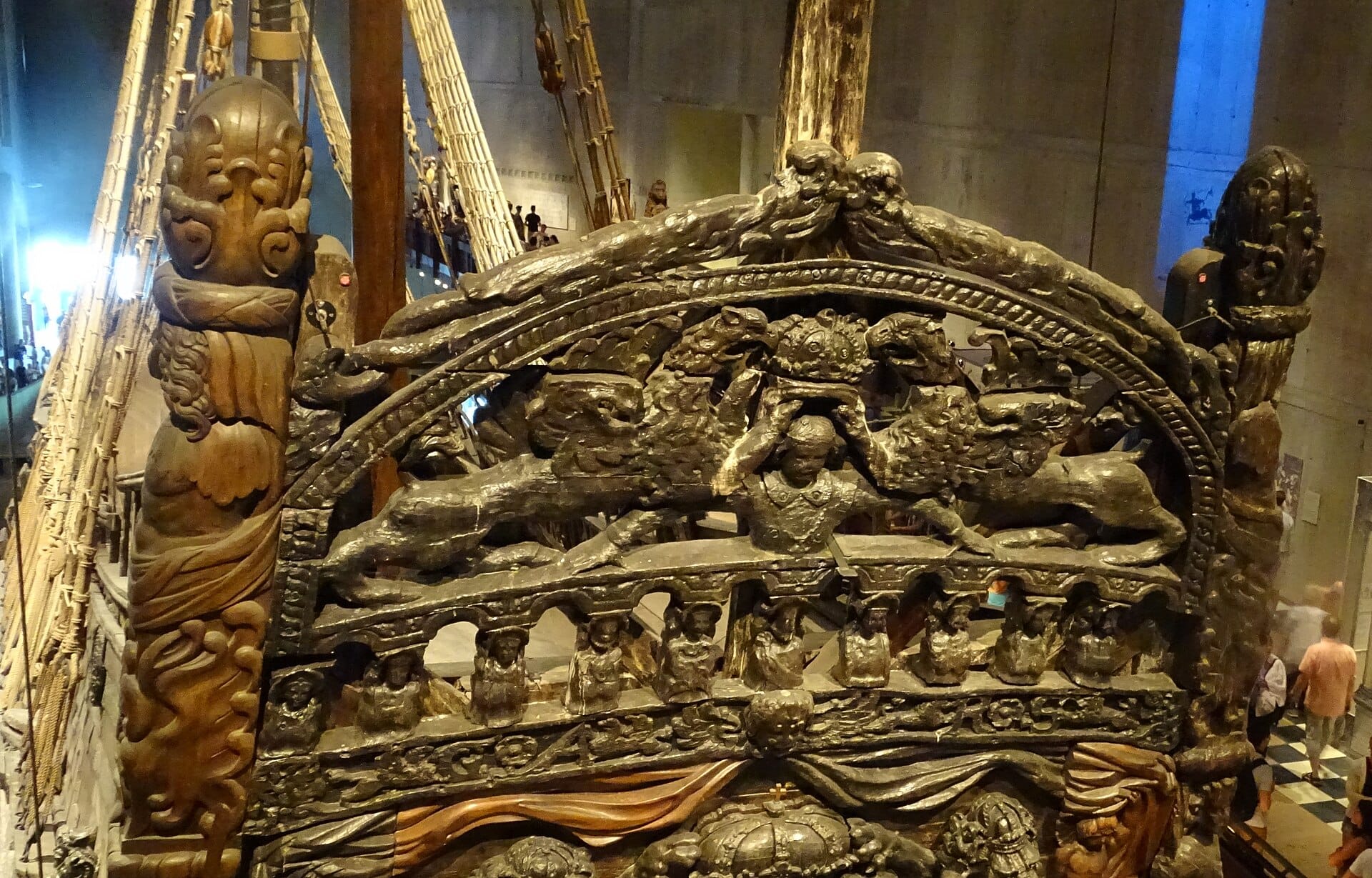
The non-negotiable first stop is the Vasa Museum. The 17th-century warship Vasa sank on her maiden voyage in 1628 and was salvaged almost intact in 1961 — it is one of the best-preserved wooden ships in the world. Adult admission runs around 195–240 SEK depending on season (winter is cheaper). Book timed entry online in advance during June through August; the museum gets crowded mid-morning.
After the Vasa, the question is ABBA or Skansen. The ABBA Museum uses dynamic pricing and timed tickets — book via abbathemuseum.com, not third-party resellers. It takes around 90 minutes and is genuinely interactive: you can sing on a virtual stage with the band. Skansen is the world's oldest open-air museum, covering over 150 historic buildings on a hillside with panoramic views. It takes at least 3 hours to do justice. Realistically, you can combine both only if you start early and move efficiently — most first-timers pick one and add Nordiska Museet (Swedish cultural history, free for under-18s) as a secondary stop.
- Vasa Museum Allow 2 hours minimum. Arrive when it opens (10am) or book a specific timed slot. Adult ticket around 195–240 SEK.
- ABBA Museum Allow 90 minutes. Dynamic pricing — book in advance at abbathemuseum.com. Better for pop culture fans than casual visitors.
- Skansen Allow 3+ hours. Seasonal programming varies significantly — summer has folk dancing and craft demonstrations; winter has a Christmas market.
- Nordiska Museet Allow 1–2 hours. The building itself is architecturally striking. Pairs well with a short visit before or after Vasa.
- Fotografiska Stockholm's photography museum is technically in Södermalm, not Djurgården, but worth knowing if you skip one Djurgården museum. Open until 11pm most nights.
End Day 2 with a walk through Djurgården's park area toward Rosendal Garden (Rosendals Trädgård), a biodynamic market garden with a café that serves lunch and afternoon pastries in a greenhouse setting — popular with locals on weekends and much calmer than the tourist-heavy museum strip.
Day 3: Södermalm Viewpoints and an Excursion
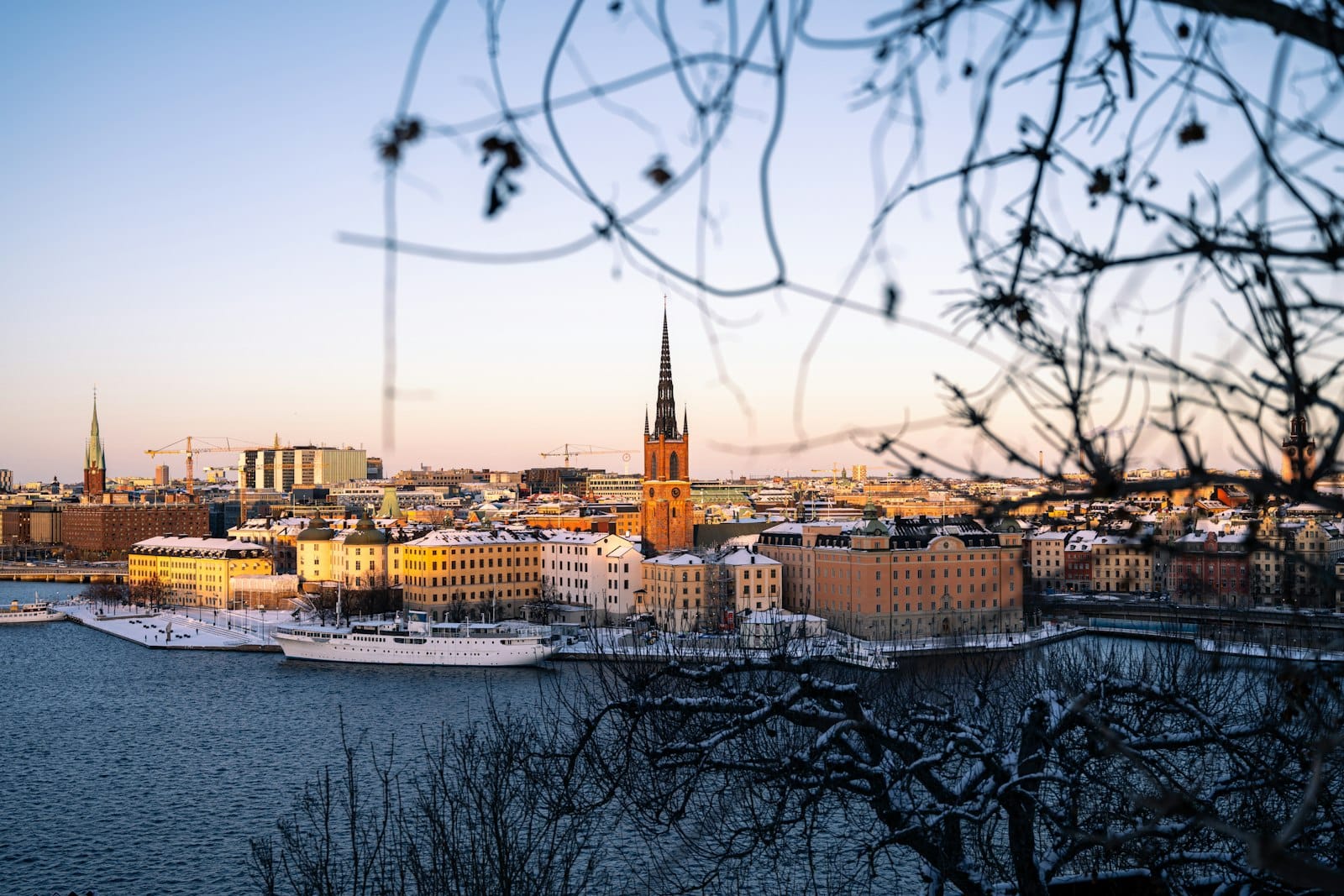
Spend your final morning in Södermalm, Stockholm's largest central island and the one with the most distinct local character. Start at Skinnarviksberget — the highest natural point in central Stockholm, with a 360-degree panorama over the city, Lake Mälaren, and the City Hall. It costs nothing and is virtually unknown to package tourists. From there, walk east along the cliff edge to Monteliusvägen, a wooden promenade along the top of the southern cliff with views across to Gamla Stan and Riddarholmen.
After coffee in SoFo (the neighborhood south of Folkungagatan, Södermalm's creative quarter), head to the waterfront for your afternoon excursion. The two main options are the archipelago or Drottningholm Palace. Drottningholm Palace sits on Lake Mälaren, about 45 minutes by boat from Stadshuskajen or 30 minutes by metro and bus. It is a UNESCO World Heritage Site and the Swedish royal family's permanent residence — the Chinese Pavilion and Baroque garden are highlights. The archipelago option means taking a Waxholmsbolaget ferry to Fjäderholmarna (20 minutes each way, close and manageable in limited time) or further to Vaxholm (about 75 minutes). Check the full archipelago guide to choose what fits your pace.
✨ Pro tip
In winter (November through March), most archipelago routes run on reduced schedules and some islands close entirely. If you're visiting outside summer, prioritize Drottningholm Palace for Day 3 — it operates year-round and the boat ride across Lake Mälaren is scenic in any season.
Budget Planning: What 3 Days in Stockholm Actually Costs
Stockholm is not cheap, but it is not as expensive as its reputation suggests if you plan strategically. The biggest variable is accommodation: a central hostel dorm costs around 400–600 SEK per night, a mid-range hotel room 1,500–2,500 SEK. Beyond that, a realistic daily budget for food, transport, and entry fees runs roughly 1,000–1,800 SEK per person on a mid-range basis.
- SL 72-hour travelcard: around 360 SEK (check SL.se for current prices)
- Vasa Museum adult entry: 195–240 SEK depending on season
- ABBA Museum: dynamic pricing, typically 250–350 SEK
- Skansen adult entry: around 160–240 SEK depending on season
- Lunch at a local restaurant (dagens rätt set lunch): 120–160 SEK — the best value eating in Stockholm
- Fika (coffee and a cinnamon bun) at a bakery: 60–90 SEK
- Stockholm archipelago ferry to Fjäderholmarna: around 175–220 SEK return
The dagens rätt (daily lunch special) is genuinely the savviest way to eat well in Stockholm. Most restaurants, including decent sit-down places in Södermalm and Norrmalm, offer a two-course set lunch including bread, salad, a drink, and coffee for 120–160 SEK on weekdays. It is how locals eat, and the quality-to-price ratio is far better than dinner at the same places. For more eating strategy, the Stockholm food guide covers where to find Swedish classics like meatballs, herring, and smörgåsbord without getting ripped off.
Practical Tips for Getting the Most Out of 3 Days
Stockholm's weather should shape your planning more than any specific attraction. May through September gives you long daylight hours (up to 18 hours in June), outdoor café culture, and full archipelago schedules. July is the peak tourist month — museums are crowded and prices spike. Late August and early September offer nearly as much daylight with noticeably thinner crowds. October through April means shorter days and cold temperatures (typically -3 to +5°C in winter), but hotel prices drop significantly and museums are less crowded.
If you are deciding between seasons, the best time to visit Stockholm guide breaks down the trade-offs in detail. For winter-specific planning, including Christmas markets and ice-skating, see the Stockholm in winter guide. For summer, when the city essentially moves outdoors and the archipelago comes alive, the Stockholm in summer guide has the seasonal specifics.
- Book museums in advance The Vasa Museum and ABBA Museum both use timed entry in high season. Booking the day before is risky in July and August.
- Use the SL ferry on Day 2 The Djurgårdslinjen ferry from Slussen or Nybroplan to Djurgården is covered by your SL card in summer and is far more pleasant than the bus.
- Carry a card, not cash Sweden is nearly cashless. Most cafés, museums, and transit systems prefer or require card payment. Many small vendors do not accept cash at all.
- Dress in layers Even in summer, mornings and evenings can be cool near the water. Bring a wind-resistant layer for archipelago boat trips.
- Stockholm Pass vs. individual tickets The Pass makes financial sense only if you plan to visit 4+ paid attractions in a single day. For a 3-day trip with mixed paid and free activities, the SL transport card plus individual museum tickets usually works out cheaper.
FAQ
Is 3 days enough for Stockholm?
Yes, three days is widely considered the ideal minimum for a first visit. You can cover Gamla Stan, the main Djurgården museums (Vasa, ABBA or Skansen), Södermalm's viewpoints, and one excursion (archipelago or Drottningholm). You will not see everything, but you will get a genuine sense of the city without rushing.
How many days do you need in Stockholm to feel satisfied?
Most first-time visitors feel well-satisfied after 3 to 4 days. A fourth day allows you to add Fotografiska, explore Vasastan or Östermalm at a slower pace, or take a longer archipelago trip to Sandhamn or Grinda. Beyond 5 days, you are into repeat-visit territory unless you have specific interests like Viking history sites or the design scene.
What is the best area to stay in Stockholm for a 3-day trip?
Norrmalm (around Central Station) is the most practical base — it puts you within walking distance of Gamla Stan and gives easy metro and bus access to Djurgården and Södermalm. Gamla Stan itself is atmospheric but slightly inconvenient for day-trip logistics. Södermalm is excellent if you want a more local feel and are comfortable with a short commute to the northern attractions.
Do I need the Stockholm Pass for 3 days?
Not automatically. The Stockholm Pass covers entry to 60+ attractions, but many top sights (Skansen, Vasa, Royal Palace) are only worth visiting once. Run the math against your specific itinerary. If you plan to visit 4 or more paid attractions in a single day, the Pass starts to pay off. For most 3-day itineraries, an SL transport card plus individual museum tickets is cheaper and more flexible.
Is Stockholm safe for first-time visitors?
Stockholm is consistently ranked among Europe's safest capital cities for tourists. Pickpocketing can occur in crowded areas like Gamla Stan and the metro in peak season — standard precautions apply. The emergency number is 112. Sweden is part of the Schengen Area, so EU and many non-EU citizens can enter visa-free for short stays; verify current requirements for your nationality before travel.
Tickets & tours
Live prices and dates from our booking partner. If you book, we may earn a commission at no extra cost to you.
Planning a trip? Discover personalized activities with the Nomado app.