What to Eat in Stockholm: The Complete Swedish Food Guide
Stockholm's food scene runs far deeper than meatballs and Michelin stars. This guide covers the classic Swedish dishes worth seeking out, where to find them by neighborhood, how to eat well without overspending, and the food halls and lunch deals locals actually use.
Tickets & tours
Live prices and dates from our booking partner. If you book, we may earn a commission at no extra cost to you.
TL;DR
- Classic Swedish dishes to prioritize: gravlax, pickled herring, meatballs with lingonberry, and smörgåsbord at traditional brasseries.
- Dagens lunch (weekday fixed-price lunch, roughly 130–180 SEK) is the best value in Stockholm restaurants — far cheaper than dinner for the same kitchens.
- Food halls like Östermalms Saluhall and Hötorgshallen let you graze affordably without committing to a sit-down meal.
- Budget meals run 180–280 SEK; mid-range dinners 450–700 SEK; tasting menus at top spots can reach 2,200–4,800 SEK.
- Book dinner reservations in advance via BokaBord, especially on weekends — Stockholm restaurants fill up fast. See our full Stockholm guide for broader trip planning.
The Swedish Dishes You Should Actually Eat
Swedish food has a reputation problem abroad. Visitors expect either flat meatballs from a furniture store cafeteria or unpronounceable Nordic tasting menus at 3,000 SEK a head. The reality is far more interesting. Stockholm's traditional food culture is built around preserved, fermented, and smoked ingredients shaped by a Baltic climate where preservation was essential — and the results, done well, are genuinely delicious.
- Gravlax Salmon cured with salt, sugar, and dill. Served thinly sliced on dark rye bread with mustard sauce. Found everywhere from Östermalms Saluhall to hotel breakfast spreads — quality varies enormously, so seek out places that cure their own.
- Pickled herring (inlagd sill) The backbone of Swedish food culture. Comes in dozens of varieties: mustard, onion, dill, lingonberry. Served cold on crispbread or as part of a smörgåsbord. Best consumed with a cold drink and no apology.
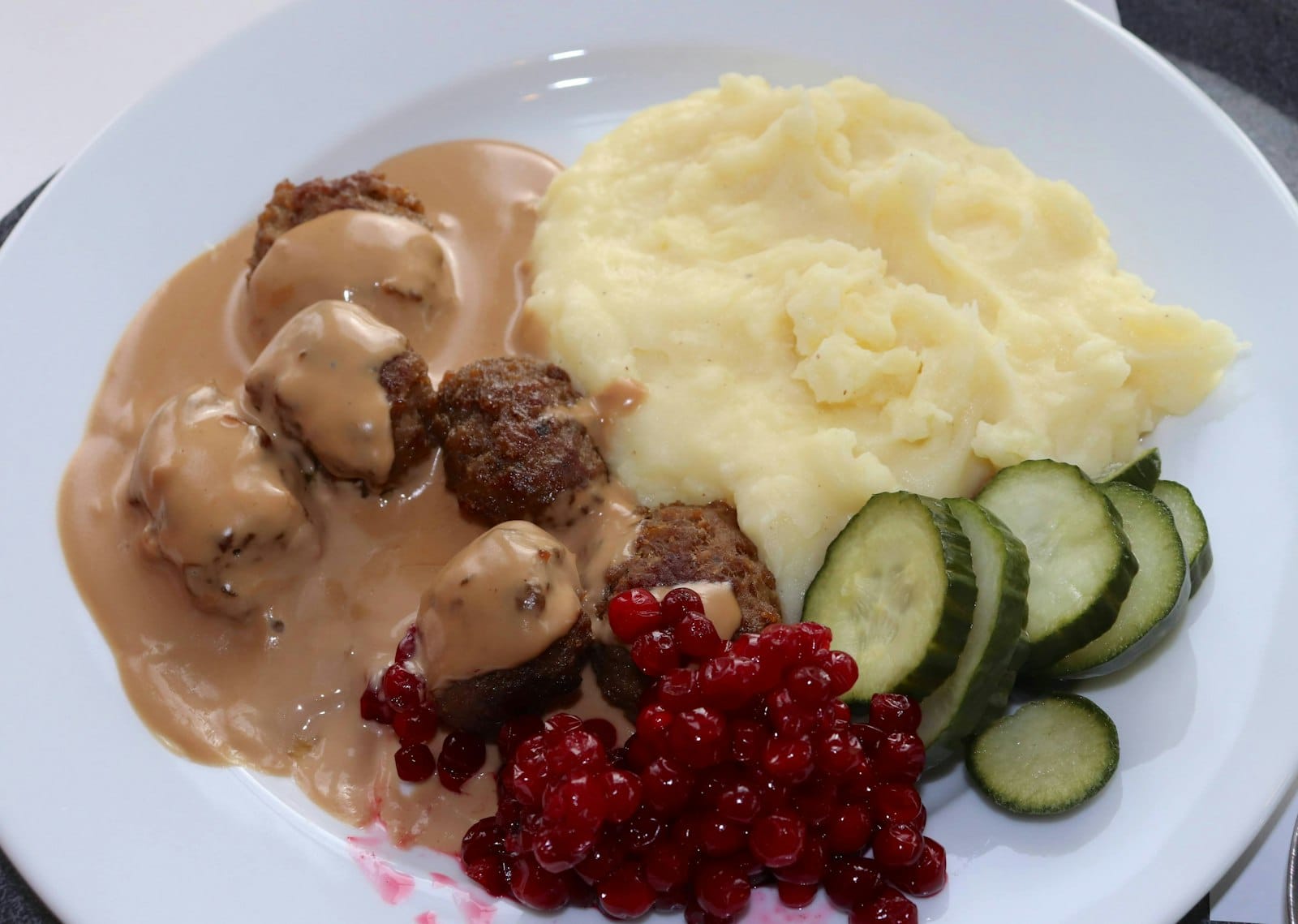
- Köttbullar med lingon Swedish meatballs with lingonberry jam, cream sauce, and mashed potato or boiled potatoes. Comfort food, not fine dining — but a well-made plate at a traditional brasserie (husmanskost restaurant) is worth ordering.
- Smörgåsbord The full Swedish spread: cold dishes first (herring, gravlax, eggs, salads), then warm dishes (meatballs, Jansson's temptation), then dessert. A proper smörgåsbord is a long, leisurely meal. Many hotels serve a version at Sunday brunch; traditional restaurants offer it around Christmas.
- Jansson's Temptation (Janssons frestelse) A baked gratin of potato, onion, and Swedish anchovies (sprats, not Mediterranean anchovies) in cream. A classic husmanskost dish that rarely appears on tourist menus — a good reason to eat where locals eat.
- Räkmacka An open-faced shrimp sandwich on white bread with mayonnaise, lemon, and dill. Simple, iconic, and surprisingly filling. A staple at konditori (cafés) and seafood counters around the city.
- Kanelbulle Swedish cinnamon bun — denser and more cardamom-forward than the American version. Best warm, fresh from the oven, paired with coffee during fika. October 4 is officially Kanelbullens dag in Sweden.
ℹ️ Good to know
Swedish anchovies (ansjovis) are not the same as Mediterranean anchovies. They are sprats cured in a sweet brine and taste completely different — milder and slightly sweet. Don't skip Jansson's frestelse assuming you dislike anchovies.
How to Eat Well in Stockholm Without Overspending
Stockholm has a well-earned reputation for being expensive, but the locals have a practical workaround baked into daily life: dagens lunch. On weekdays, roughly between 11:00 and 14:00, most restaurants offer a fixed-price lunch that typically includes a main dish, salad bar, bread, and coffee or tea. The going rate is around 120–170 SEK, which is genuinely good value given that the same restaurant might charge 250–400 SEK for the same main dish at dinner. This is not a tourist gimmick — it's how Stockholm office workers eat every day.
The dagens lunch system works across almost every cuisine type in the city. You'll find it at Thai restaurants in Vasastan, Italian trattorias near Norrmalm, and traditional Swedish brasseries across Södermalm. Look for the "Dagens" chalkboard sign outside, or check the restaurant's website for the weekly lunch menu.
- Budget tier: street food, food hall counters, and Asian lunch spots — 110–180 SEK per meal
- Mid-range: dagens lunch at a proper restaurant or dinner at a casual bistro — 130–450 SEK
- Upscale: dinner at a contemporary Nordic or established brasserie — 450–700 SEK per person without drinks
- Fine dining: tasting menus at Michelin-level restaurants — 2,200–4,800 SEK, wine pairings extra
- Drinks are where bills escalate fastest: a glass of house wine at dinner typically runs 120–180 SEK; beer at a pub costs 80–110 SEK
💡 Local tip
If you want to try a high-end restaurant without the full dinner spend, check whether they offer lunch service. Several of Stockholm's better restaurants serve abbreviated lunch menus at significantly lower prices than dinner — sometimes 50% less for similar quality cooking.
Stockholm's Food Halls and Markets
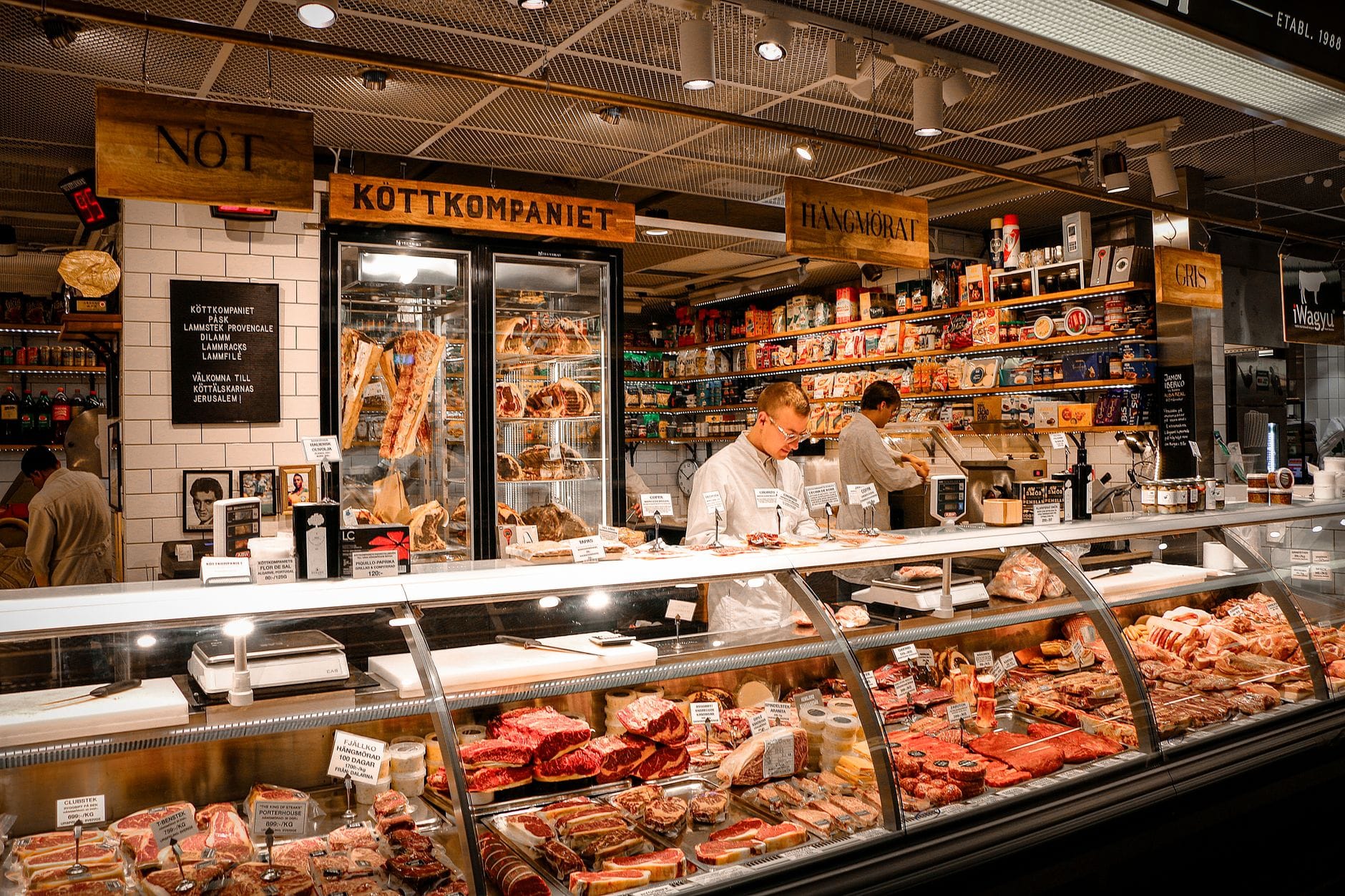
Food halls are one of the smartest ways to eat in Stockholm — they concentrate quality producers under one roof, let you mix and match, and cost less than a sit-down restaurant. The most famous is Östermalms Saluhall on Östermalmstorg. Rebuilt and reopened in 2020 after years of renovation, it is genuinely beautiful inside — a late-19th-century brick market hall with specialty vendors selling smoked fish, charcuterie, cheese, oysters, and prepared foods. Prices reflect the Östermalm postcode (affluent), but you can eat very well by buying a few items from different counters rather than sitting at one of the restaurants inside.
Hötorgshallen, located beneath the outdoor Hötorget market square near the city center, is the more affordable alternative. It has a broader ethnic food mix — Middle Eastern, Asian, and Scandinavian vendors side by side — and the lunch counters here are some of the better quick-meal deals in central Stockholm. The outdoor Hötorget market above sells fruit, vegetables, and cut flowers on weekdays and is worth a quick walk-through if you're in the area.
For a more local and less-visited food experience, Södermalm has a cluster of independent food shops, bakeries, and lunch spots concentrated around Götgatan and the SoFo neighborhood. This part of the city tends to attract a younger crowd and more experimental food concepts — fermented drinks, natural wine bars, and Nordic-Japanese crossover menus are more common here than in the tourist-heavy center.
The Fika Culture: More Than Just Coffee and a Bun
Fika is the Swedish practice of taking a break with coffee and something sweet — but calling it just a coffee break undersells it. It's a social ritual with genuine cultural weight, and in Stockholm, the quality of fika spots varies enormously. See our dedicated Stockholm fika guide for a full breakdown of the best konditori (traditional Swedish cafés) in the city. The short version: seek out places that bake their own kanelbullar and cardamom buns on the premises rather than buying them from a supplier. The difference in quality is obvious from the first bite.
Classic fika items beyond the cinnamon bun include: kladdkaka (a dense, fudgy chocolate cake served slightly warm), prinsesstårta (a green marzipan-covered layer cake with cream and jam — visually striking, tastes exactly as rich as it looks), and semla (a cardamom bun filled with almond paste and whipped cream, available from late January through Shrove Tuesday). Semla season is brief and taken seriously — bakeries compete openly for the best version, and locals have strong opinions.
✨ Pro tip
To find a good fika spot quickly: look for a queue of locals outside and a handwritten menu. Tourist-optimized cafés near Gamla Stan often use pre-packaged baked goods from a central supplier. Walk two streets away and the quality typically improves.
Eating by Neighborhood: Where to Go for What
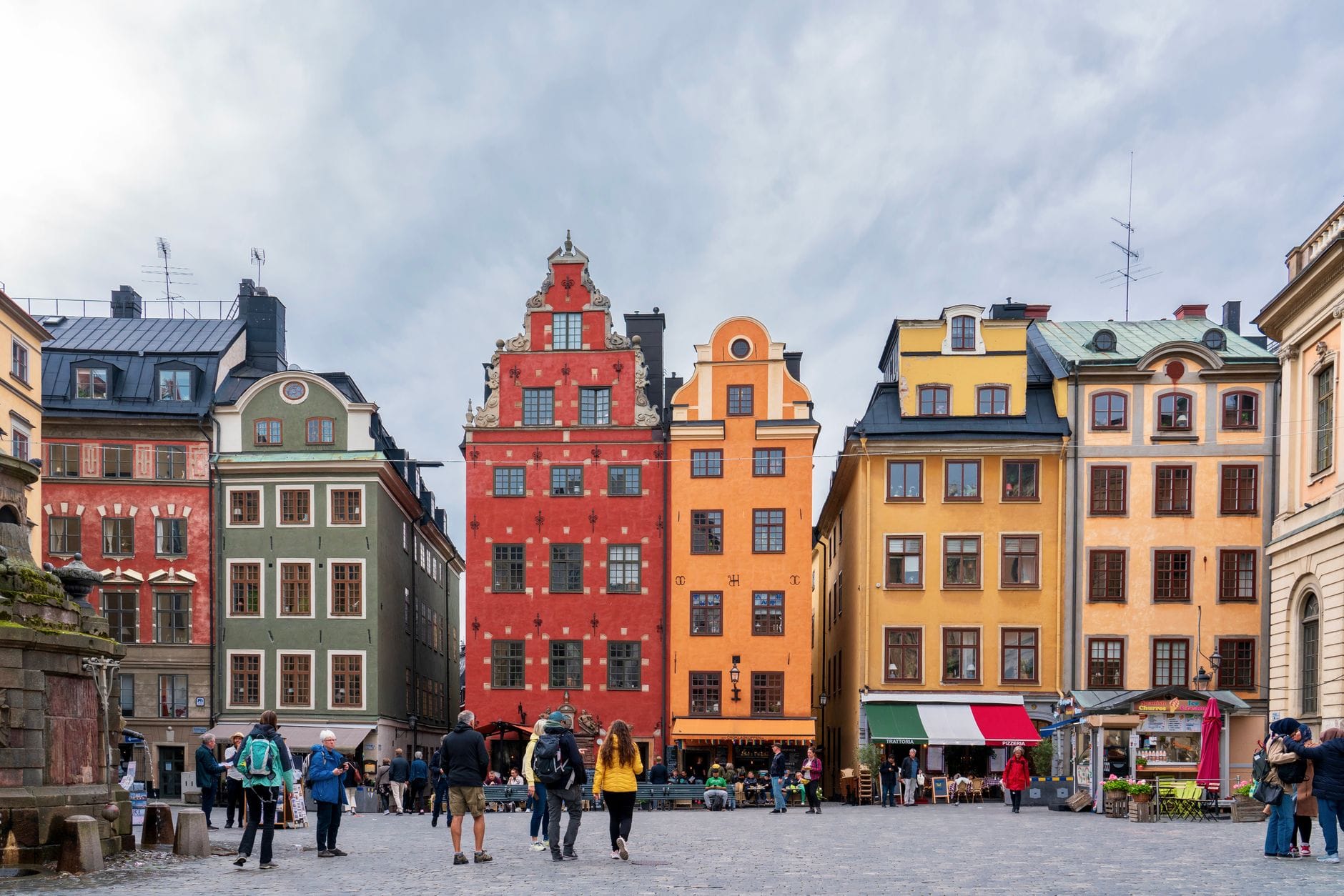
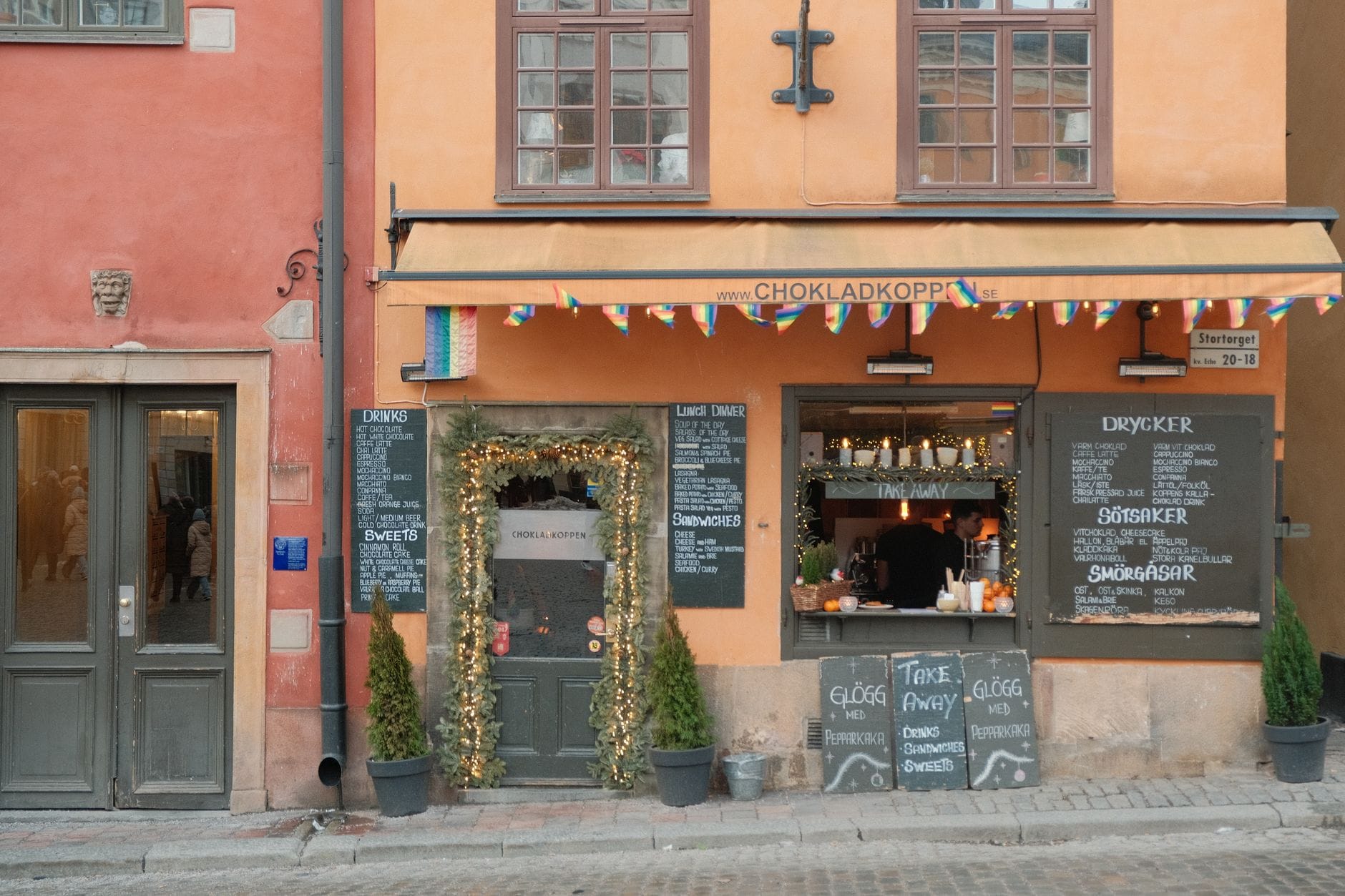
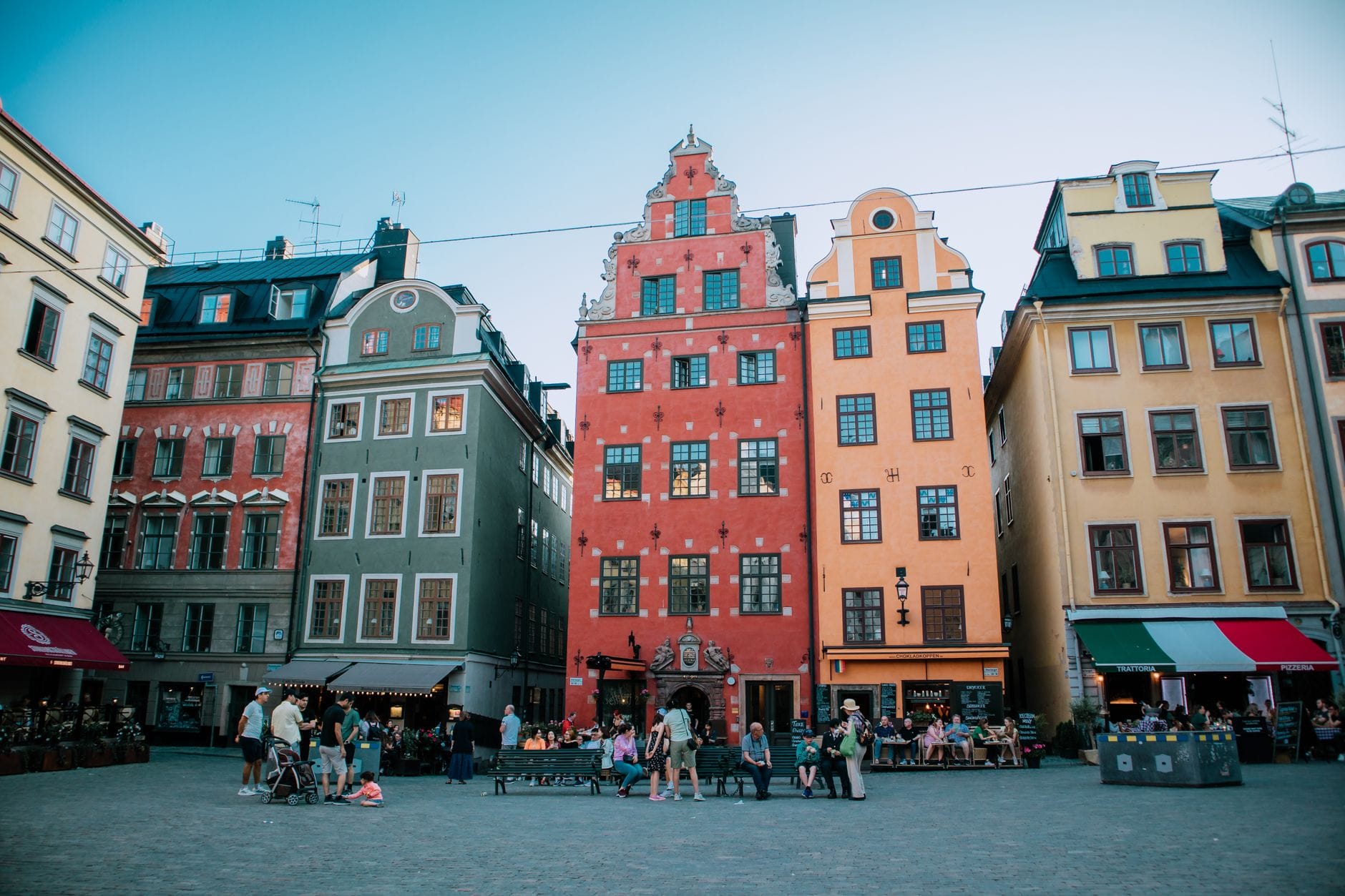
Gamla Stan (the Old Town) is where most first-time visitors eat, and it's worth managing expectations. There are good restaurants here, but the area also has a higher concentration of tourist-facing spots with mediocre Swedish food at inflated prices. The closer to the main square (Stortorget), the more cautious you should be. The side streets and the Tyska Brinken area have better independent options.
Östermalm is the city's upscale food district. Beyond the food hall, Stureplan and the surrounding streets are where Stockholm's established restaurant scene concentrates — long-running brasseries, seafood-focused spots, and international fine dining. This is also where you'll find the best traditional husmanskost (Swedish home cooking) served in a formal setting, if that's what you're looking for.
Södermalm rewards exploration. The northern edge (near Slussen) has more mainstream options, while the interior neighborhoods around Medborgarplatsen and further south toward Fjällgatan have a denser mix of independent restaurants and bars. Weekend brunch culture is strong here — expect queues at popular spots from around 10:00 on Saturday and Sunday.
For eating on Djurgården, options are more limited and skew toward casual. The island's attractions — including the Vasa Museum and Skansen — have on-site cafés and restaurants, but the most pleasant option in warm weather is picking up provisions from the food halls and eating outside near the waterfront. In summer, Rosendals Trädgård (a biodynamic garden café) is a genuine draw for lunch, with seasonal food, garden seating, and very good baked goods.
Practical Notes: Reservations, Tipping, and Dietary Needs
Stockholm restaurants, particularly in the mid-range and above, fill up on Thursday through Saturday evenings. Booking through BokaBord (the dominant Swedish restaurant reservation platform) is standard practice. Most restaurants list their menus and booking links on their own websites as well. Walk-ins are generally possible at lunch and on quieter weekday evenings, but if you have a specific restaurant in mind, book ahead.
Service charges are included in Swedish restaurant prices by law, so tipping is not obligatory. That said, it's common to round up the bill at a nicer restaurant or leave a small tip for good service — typically 5–10% if you're pleased with the meal. Card payment is standard everywhere and cash is increasingly rare. Most restaurants accept Visa and Mastercard; American Express is less universally accepted.
Stockholm is reasonably well-adapted for vegetarian and vegan diners, particularly in Södermalm and Vasastan. Plant-based options are now standard on most mid-range menus, and dedicated vegetarian restaurants operate across the city. Gluten-free options are widely available. If you have serious food allergies, note that Swedish restaurant staff are generally knowledgeable and take allergy requests seriously — communicate clearly when booking and again when seated. For broader trip budgeting, the Stockholm on a budget guide covers food costs alongside accommodation and transport.
⚠️ What to skip
Alcohol prices in Stockholm are high compared to most of Europe. A glass of wine at a mid-range restaurant starts around 120 SEK; a beer at a bar runs 80–110 SEK. If you're budget-conscious, note that systembolaget (the state alcohol monopoly) sells wine and spirits at lower prices for consumption at home or in accommodation — but they close early (typically 19:00 on weekdays, 15:00 on Saturdays) and are closed on Sundays.
FAQ
What is the most iconic Swedish food to try in Stockholm?
Pickled herring is the most distinctly Swedish food you can eat in Stockholm and the one most visitors skip because of preconceptions. Try it at Östermalms Saluhall or as part of a smörgåsbord. Gravlax and meatballs with lingonberry are also genuinely worth ordering at a traditional brasserie — just skip the versions served at obvious tourist traps near Stortorget in Gamla Stan.
What is dagens lunch and how does it work?
Dagens lunch (the day's lunch) is a fixed-price weekday meal served at most Stockholm restaurants between roughly 11:00 and 14:00. It typically includes a main dish, a salad bar or side salad, bread, and coffee or tea for around 130–180 SEK. The menu changes daily and is often listed on a chalkboard outside or on the restaurant's social media. It's the single best way to eat affordably at a quality restaurant in Stockholm.
Is Stockholm food expensive?
Stockholm is expensive by European standards, but the gap narrows if you use locals' strategies. Dagens lunch at 130–180 SEK is genuinely good value. Food hall counters, Asian lunch spots, and bakeries also provide affordable meals. Dinner at a mid-range restaurant runs 450–700 SEK per person without drinks, and drinks push bills significantly higher. Fine dining tasting menus at top restaurants range from 2,200 to 4,800 SEK.
What are the best food markets in Stockholm?
Östermalms Saluhall is the most atmospheric — a beautifully restored 19th-century market hall with quality producers selling smoked fish, cheese, charcuterie, and prepared foods. Hötorgshallen, near the city center beneath Hötorget square, is more affordable and has a broader international food mix. Both are worth visiting; the outdoor Hötorget market above the hall sells fresh produce on weekdays.
Do Stockholm restaurants take reservations, and how far in advance should I book?
Yes, most mid-range and upscale restaurants take reservations through BokaBord or their own websites. For weekday dinners at popular spots, booking 2–4 days ahead is usually sufficient. For Thursday to Saturday evenings at well-regarded restaurants, booking 1–2 weeks in advance is advisable. Lunch typically doesn't require a reservation except at the busiest places.
Tickets & tours
Live prices and dates from our booking partner. If you book, we may earn a commission at no extra cost to you.
Planning a trip? Discover personalized activities with the Nomado app.