SoFo District, Södermalm: Stockholm's Independent Shopping Quarter
SoFo, short for South of Folkungagatan, is a compact seven-block neighborhood on Södermalm where independent boutiques, specialty coffee shops, and art galleries cluster around the leafy square of Nytorget. Free to explore and easy to reach by metro, it rewards slow walking and spontaneous discovery.
Quick Facts
- Location
- Södermalm island, Stockholm — bounded by Folkungagatan (north), Ringvägen (south), Götgatan (west), and Erstagatan or Renstiernas gata (east, depending on definition)
- Getting There
- Medborgarplatsen (green line) or Skanstull (green line) — both a short walk from the district's core
- Time Needed
- 2–4 hours for a relaxed walk; a full afternoon if you stop for fika and browsing
- Cost
- Free to enter the neighborhood; individual shops, cafés, and galleries set their own prices
- Best for
- Independent retail, café culture, design browsing, and low-key evening strolls
- Official website
- http://sofo-stockholm.se
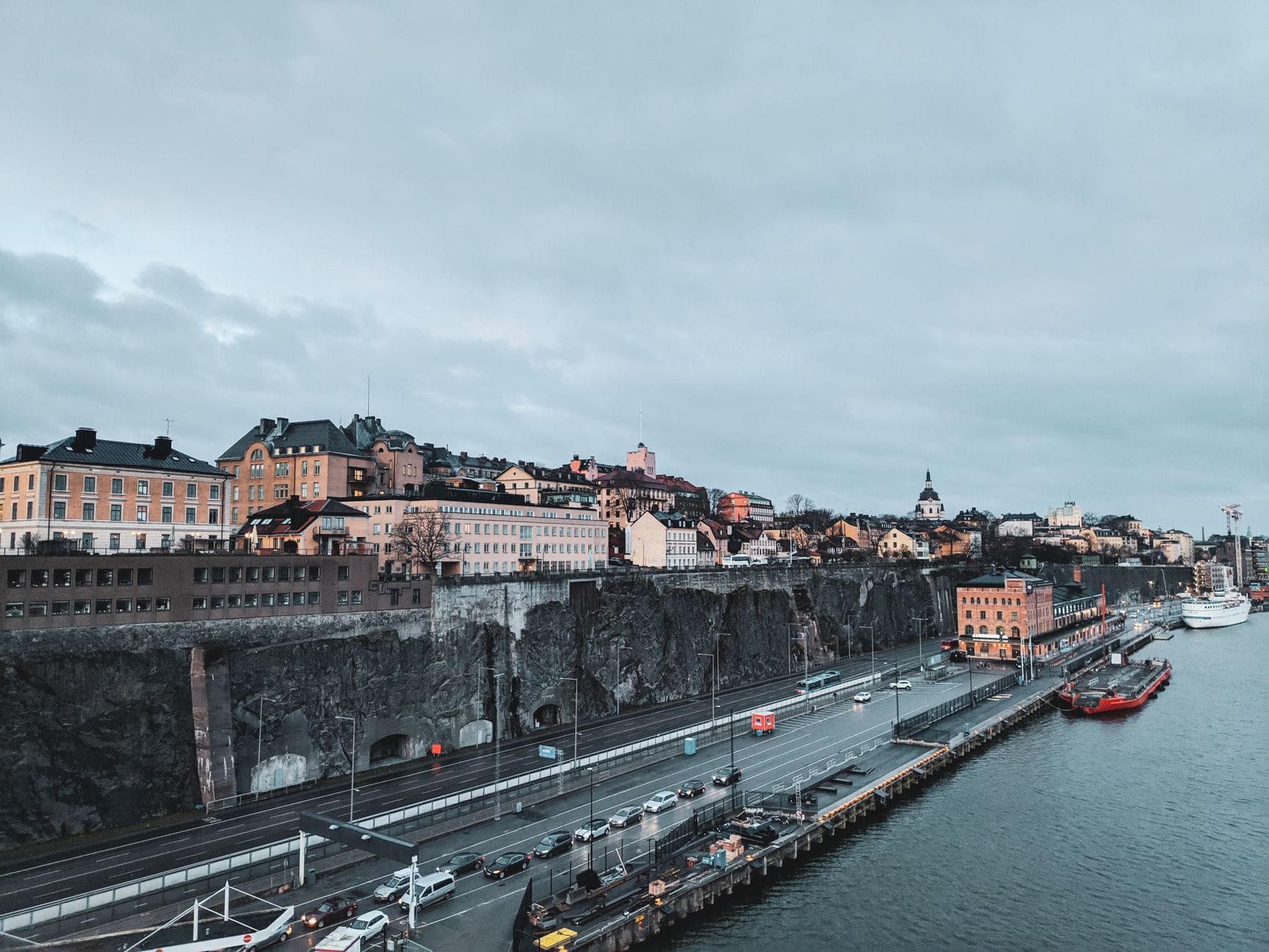
What Is SoFo, Exactly?
SoFo stands for South of Folkungagatan, a nickname that emerged in the early 2000s as a deliberate riff on New York's SoHo and London's equivalent. The name stuck because it described something real: a dense cluster of independent businesses occupying the streets between Folkungagatan to the north, Ringvägen to the south, Götgatan to the west, and Erstagatan and Renstiernas gata to the east. The whole district amounts to roughly seven city blocks, which sounds modest until you start counting the bookshops, ceramics studios, natural wine bars, vintage clothing dealers, and Scandinavian design boutiques packed into that footprint.
Unlike purpose-built shopping districts, SoFo grew organically from Södermalm's existing working-class and bohemian character. The streets are residential as much as commercial, so you walk past ground-floor laundromats and bike repair shops alongside concept stores selling limited-run Swedish textiles. That mix is precisely what keeps the area from feeling like a mall.
💡 Local tip
The easiest orientation point is Nytorget, a square in the eastern part of SoFo lined with café terraces. Arrive here first, get your bearings, then radiate outward into the side streets.
How the District Changes Through the Day
SoFo operates on a slower rhythm than Stockholm's commercial centre around Norrmalm. On weekday mornings, the streets are quiet enough to notice the painted timber facades and the way the light comes through at a low angle across the cobblestones of streets like Skånegatan. Delivery vans pull up to bakeries. Dog walkers cut through Nytorget. Most shops don't open before 11:00 or 12:00.
By early afternoon, the district fills out. The café terraces around Nytorget become hard to navigate without weaving between chairs. On warm days between May and September, it's difficult to find a shaded table after midday — something worth planning around. The boutiques are at peak browsability from about 12:00 to 16:00, when staff have time to talk through what they stock and the space isn't yet crowded.
Evenings shift the tone toward bars and restaurants. The area has a concentration of natural wine bars and small restaurants, particularly along Skånegatan and around Nytorget, and by 19:00 on a Friday the foot traffic has a noticeably different quality — slower, more social, the kind of lingering that comes from people who live nearby. The last Thursday of every month, participating shops stay open until approximately 20:00–21:00 as part of the recurring SoFo Nights event, which draws larger crowds and is the liveliest the retail side of the district gets.
Tickets & tours
Live prices and dates from our booking partner. If you book, we may earn a commission at no extra cost to you.
Sodermalm malmgard and Langholmen prison tour from Stockholm
From 38 €Instant confirmationFree cancellationStockholm SoFo E-bike tour
From 53 €Instant confirmationFree cancellationHipstoric Sodermalm private walking tour
From 42 €Instant confirmationFree cancellation2-hour archipelago tour on a RIB speedboat
From 122 €Instant confirmationFree cancellation
What to Look for While Walking
The architectural texture of SoFo is Södermalm's standard late-19th and early-20th century residential vernacular: five and six-story apartment buildings in yellow and ochre brick, wrought-iron balcony railings, and tall windows that fill interiors with northern light. Ground floors that were once workshops or storage have been converted into retail over the past two decades, and some of the shopfront interventions are genuinely inventive — glass walls that fold open to the street in summer, raw concrete interiors behind historic facades.
The retail character leans hard toward Swedish independent design. You'll find everything from furniture and homeware influenced by Scandinavian modernism to local jewellers, small-batch skincare brands, and specialist record shops. For context on how SoFo fits into Stockholm's broader design culture, the Stockholm design guide covers how independent retailers across the city reflect the country's deep relationship with functional aesthetics.
Photography works best in the morning before crowds arrive. The side streets off Skånegatan and Bondegatan offer quiet facades with good northern light until about noon. By afternoon, parked bikes and café furniture clutter the sightlines, though that clutter is also part of the character.
Getting There and Getting Around
The most direct metro access is via Medborgarplatsen on the green line, which puts you at the northwestern edge of SoFo. From the station exit, walk south along Götgatan and then cut east along any of the cross streets: Bondegatan, Skånegatan, or Åsögatan all lead into the district's core. Skanstull station, the next stop south on the green line, gives access from the southern end near Ringvägen.
On foot from Gamla Stan, the walk runs south through Slussen and up onto Södermalm, taking around 20–30 minutes at a comfortable pace. Slussen is currently a major infrastructure and transit hub undergoing redevelopment, so be prepared for construction detours at street level. For a full picture of how Stockholm's public transport connects the islands, the getting around Stockholm guide is worth reading before your visit.
ℹ️ Good to know
SoFo's streets are standard city sidewalks with step-free surfaces for most outdoor routes. Metro stations Medborgarplatsen and Skanstull both have lifts. Individual shop and café accessibility varies — check specific venues in advance if this matters for your visit.
SoFo Nights and Seasonal Variation
The last Thursday of each month is when SoFo announces itself most clearly as a commercial district with a community identity. Participating shops extend their hours to around 20:00–21:00, and some run events, product launches, or in-store collaborations. The atmosphere is noticeably more event-like than a regular evening — more foot traffic, music from open doorways, and the kind of purposeful browsing that comes from people who have planned to come out. If you're visiting Stockholm for a week or more, timing one evening here during SoFo Nights is worth considering.
Seasonally, SoFo is at its most pleasant between May and early October, when café terraces are open and the long Scandinavian daylight hours mean the streets stay animated until late evening. Winter visits are still worthwhile — the district doesn't go quiet the way outdoor-focused attractions do — but the cold compresses activity indoors. For a broader sense of how Stockholm functions across different seasons, the Stockholm in winter guide covers what to expect from the city when temperatures drop.
Fika, Food, and Staying Longer
SoFo has a high density of cafés relative to its size, and most of them take coffee seriously. The Swedish tradition of fika, a deliberate pause for coffee and something sweet, fits naturally into a SoFo afternoon — the area's cafés tend toward the specialty end rather than chain operations. If you want to understand fika as a cultural practice rather than just a coffee break, the Stockholm fika guide gives useful context.
For food beyond coffee and pastry, the side streets around Nytorget have accumulated a range of small restaurants with rotating menus and a strong bias toward local sourcing. Natural wine bars are particularly concentrated here. These are not budget options: expect Stockholm's standard mid-to-upper price range for a sit-down meal. The neighbourhood is more about the experience of lingering than finding a cheap lunch.
⚠️ What to skip
SoFo is not a late-night destination in the nightclub sense. Most bars close at reasonable hours, and the area's evening character is relaxed rather than rowdy. Visitors looking for Stockholm's more active nightlife scene should head to other parts of Södermalm or the city centre.
Honest Assessment: Is SoFo Worth Your Time?
SoFo earns its reputation as Stockholm's most coherent independent shopping district. It is compact enough to cover in a few hours and dense enough to justify the trip from other parts of the city. The combination of good architecture, genuine retail variety, and a functioning neighbourhood feel makes it more interesting than a dedicated shopping street.
That said, travellers who are primarily interested in Stockholm's historical sites, waterfront views, or major museums will find SoFo a lower priority. The district has no single landmark that anchors a visit — it is about the accumulation of small discoveries rather than one defining experience. If your time in Stockholm is limited to a day or two, the one-day Stockholm itinerary covers what to prioritise, and SoFo works better as an afternoon add-on than a primary destination for a short trip.
Visitors with a strong interest in photography, design, or independent retail will find SoFo more rewarding than almost anywhere else in the city. It also pairs naturally with nearby Södermalm attractions: the viewpoints at Monteliusvägen and Fjällgatan are both accessible on foot from SoFo and together make a full afternoon of exploring the island.
Insider Tips
- Skånegatan is the street most worth walking end-to-end — it has the highest concentration of interesting shops and runs through the heart of the district with better architectural coherence than the parallel streets.
- Arrive on a weekday morning if you want to browse without competition. Weekend afternoons, especially in summer, make Nytorget difficult to move through comfortably.
- SoFo Nights on the last Thursday of each month is the most social version of the district, but it also means longer queues at popular cafés. If you're coming specifically to shop rather than socialise, the preceding Wednesday is often quieter with the same extended ambience.
- Several of the boutiques stock items from Swedish designers who don't ship internationally or have no online presence. If you see something specific you want, buy it — you're unlikely to find the same thing through an online retailer after the trip.
- The immediate streets around Nytorget fill up fastest on sunny days. Walk two blocks further east or west for a noticeably less crowded version of the same experience.
Who Is SoFo District For?
- Design and homeware enthusiasts looking for Swedish independent labels not available elsewhere
- Slow travellers who want to experience a functioning Stockholm neighbourhood rather than tourist corridors
- Photographers interested in residential urban architecture and street-level detail
- Visitors combining shopping with an afternoon of café stops and a relaxed evening meal
- Anyone visiting Stockholm for a week or more who wants to see beyond the main island attractions
Nearby Attractions
Other things to see while in Södermalm:
- Fjällgatan
Perched on the Stigberget cliff in Södermalm, Fjällgatan is a cobbled 18th-century street that doubles as one of Stockholm's finest free viewpoints. The panorama sweeps across Gamla Stan, Skeppsholmen, and Djurgården — and the street itself, lined with preserved wooden houses, is worth the uphill walk on its own terms.
- Fotografiska
Housed in a 1910 red-brick customs building on Södermalm's waterfront, Fotografiska is one of Europe's most serious photography museums. With rotating major exhibitions, a respected restaurant, and museum doors open until 23:00 every day, it works equally well as an afternoon cultural stop or an evening out.
- Katarina Elevator
The Katarina Elevator (Katarinahissen) is a public passenger lift at Slussen that carries you 38 metres up to a walkway on the Södermalm cliff edge, with wide views over Gamla Stan, the Riddarfjärden inlet, and Stockholm's island geography. It reopened in October 2023 after years of renovation, is currently free to ride when operating, and the journey itself takes under 30 seconds.
- Monteliusvägen
Perched about 25 metres above Söder Mälarstrand on northern Södermalm, Monteliusvägen is a 416-metre pedestrian promenade delivering unobstructed panoramas across Lake Mälaren, Gamla Stan, and Stockholm City Hall. Entry is free, the path is open around the clock, and the views change dramatically with the light and the season.
Planning a trip? Discover personalized activities with the Nomado app.