One Day in Stockholm: The Perfect 24-Hour Itinerary
Stockholm rewards even the shortest visit. Built across 14 islands where Lake Mälaren meets the Baltic Sea, the Swedish capital packs medieval history, world-class museums, and striking waterfront scenery into a surprisingly walkable core. This guide shows you exactly how to spend one day in Stockholm — with a practical hour-by-hour structure, honest cost breakdowns, and advice on what to skip.
Tickets & tours
Live prices and dates from our booking partner. If you book, we may earn a commission at no extra cost to you.
TL;DR
- One day in Stockholm is enough to cover Gamla Stan, the Vasa Museum, and a scenic waterfront walk — if you plan by island cluster.
- Start in Gamla Stan (Old Town) for the medieval core, then take a short ferry or tram to Djurgården for the city's best museums.
- The Vasa Museum is the single best use of 90 minutes; Skansen requires half a day to do properly, so skip it on a one-day itinerary unless history is your priority over everything else.
- Stockholm is expensive — budget around 800–1,200 SEK per person for entry fees, lunch, and transit. A city pass makes sense only if you plan to visit four or more paid attractions.
- May, June, and early September offer the best balance of daylight, mild temperatures, and manageable crowds. See our best time to visit Stockholm guide for full seasonal detail.
Morning: Gamla Stan and the Royal Palace (8:00–12:00)
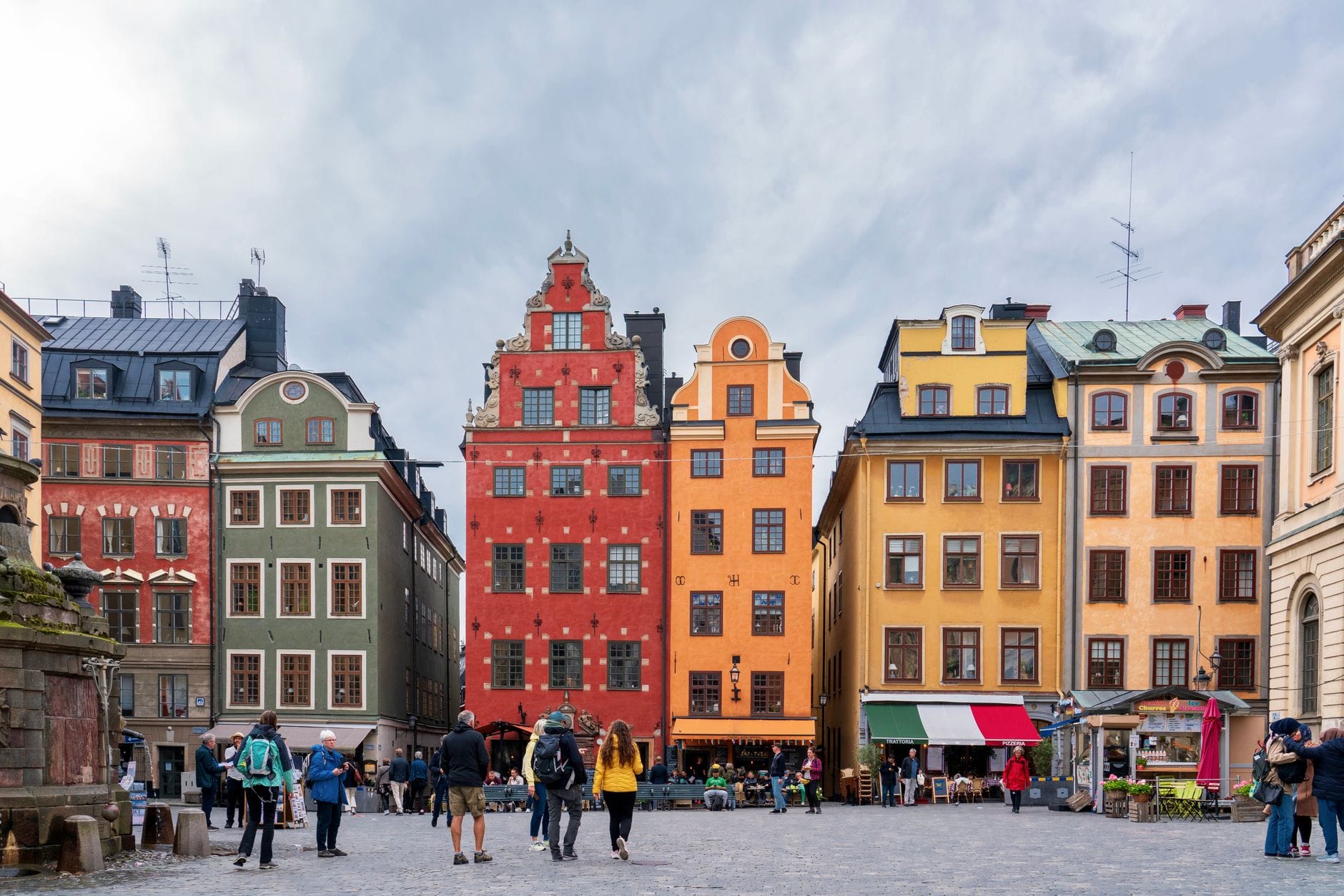
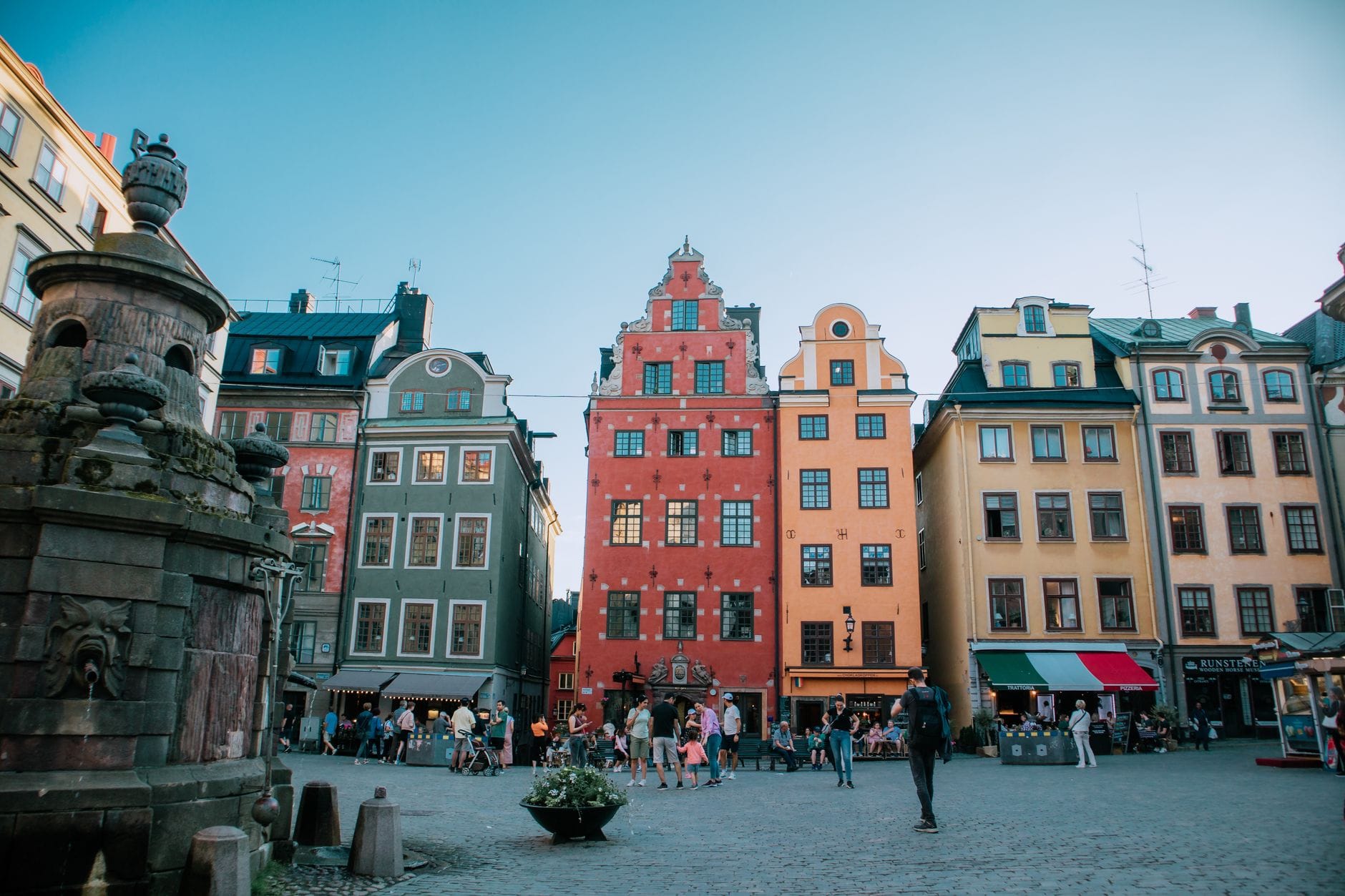
Begin your day in Gamla Stan, Stockholm's medieval Old Town, ideally by 8:00 or 8:30. The narrow lanes of Stortorget and Köpmangatan are genuinely atmospheric in the early hours before tour groups arrive. By 10:00, the main square fills quickly. The island takes about 45 minutes to walk at a relaxed pace, but budget 90 minutes if you plan to enter any of the heritage buildings.
The two stops most worth your time here are Storkyrkan (Stockholm Cathedral) and the Royal Palace (Kungliga slottet). The Royal Palace houses several separate museums including the Royal Apartments, the Treasury, and the Tre Kronor Museum — together they easily fill two hours. If you only have 30–40 minutes, prioritize the Treasury. Skip the palace entirely if you are on a tight budget; the exterior and surrounding streets are free.
💡 Local tip
The Changing of the Guard ceremony at the Royal Palace happens daily in summer, typically around 12:15 on weekdays and 13:15 on Sundays. Timings shift by season — check the official Royal Palace website before you go. It is free to watch and adds a natural punctuation mark to your morning.
Before leaving Gamla Stan, walk five minutes south to Riddarholmen Church on the adjacent islet. Sweden's medieval royal burial church has one of the most striking silhouettes in the city and is often overlooked by visitors focused on the main square. Even if you don't go inside, the view from Riddarholmen across the water toward City Hall is one of the best free vantage points in Stockholm.
Late Morning: City Hall and the Waterfront (Optional Detour)
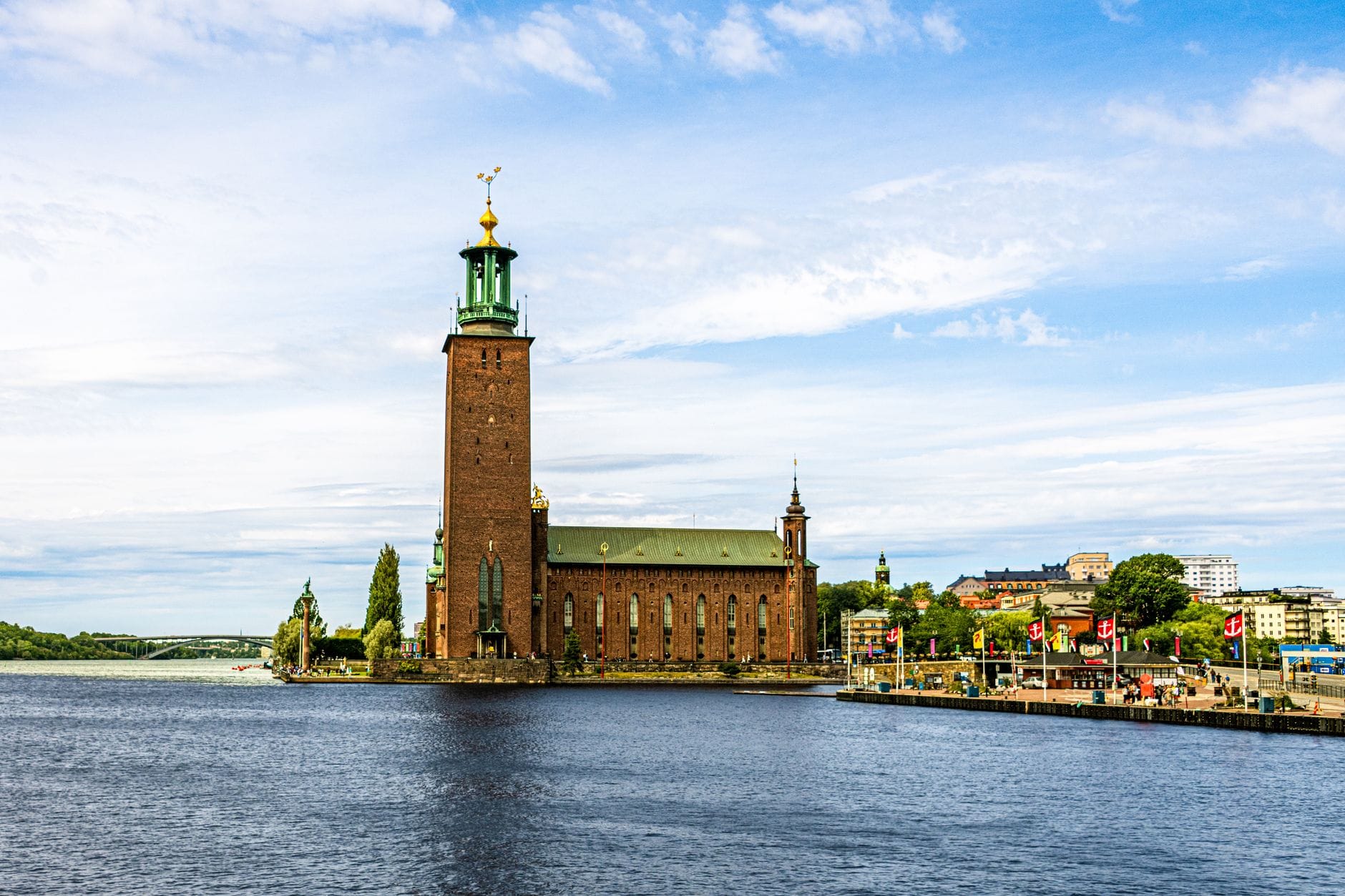
If you want to visit Stockholm City Hall (Stadshuset) on Kungsholmen, this is the time to do it. Tours run on a fixed schedule and typically last 45 minutes. From June through August, tours are more frequent. Booking in advance online is strongly recommended in peak season — walk-in availability is unreliable. The tower is open May through September and gives you a genuine panorama of the city, though the queues can be long.
⚠️ What to skip
City Hall cannot be explored independently — entry is only via guided tour. If you arrive without a ticket in summer, you may find the next available slot is two hours away. Check the official Stadshuset website to book before your trip.
If City Hall isn't a priority, skip this detour entirely and instead walk along Stadshusbron and the Riddarfjärden waterfront back toward the city center. It takes about 20 minutes on foot and the views of the water, the bridges, and Södermalm's skyline make the walk worthwhile in its own right.
Lunch: Where and What to Eat (12:00–13:30)
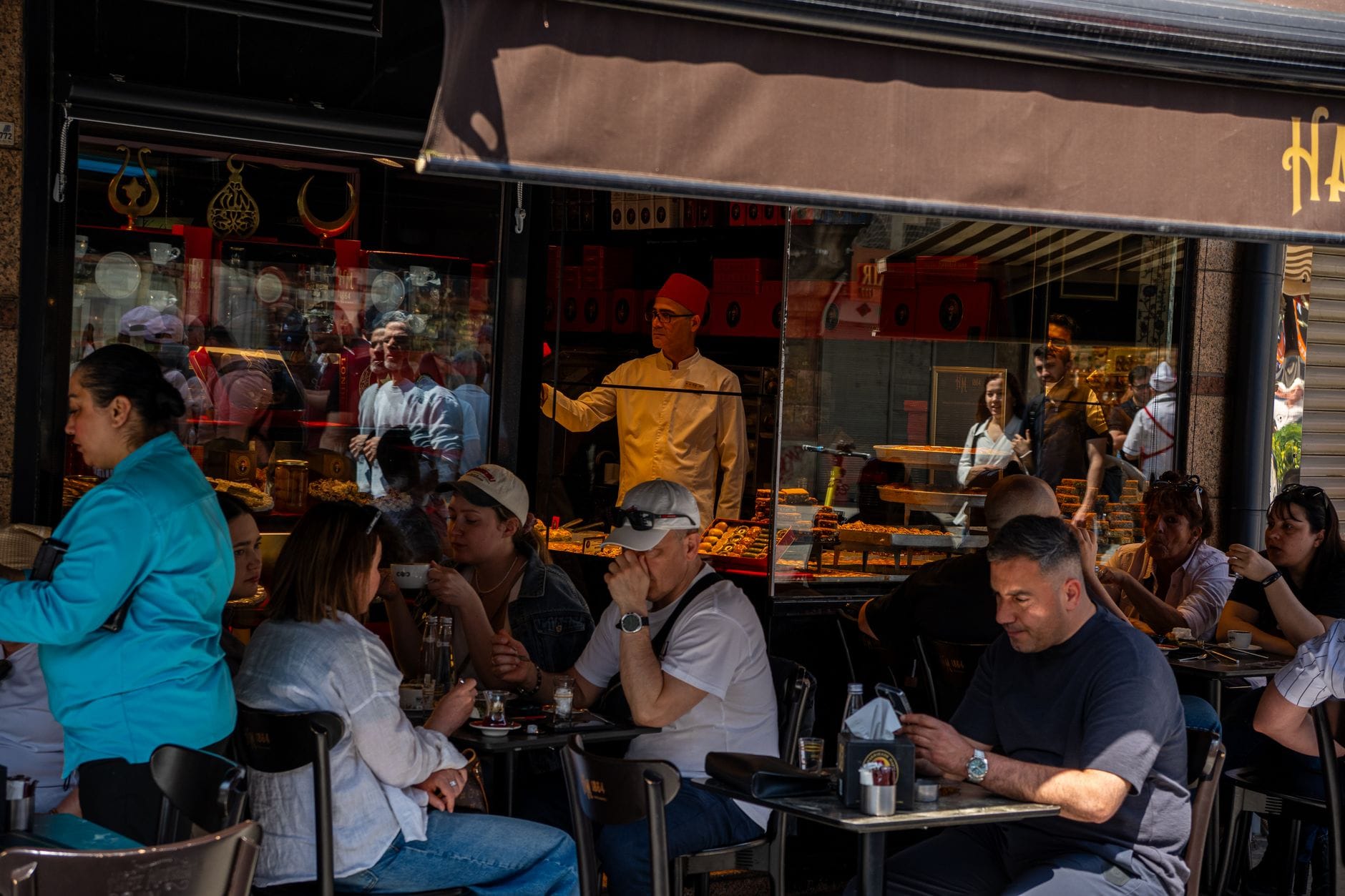
Stockholm has an expensive reputation, and restaurant prices in the tourist zones around Gamla Stan justify it. A sit-down lunch in the Old Town typically runs 150–250 SEK per person for a main course, before drinks. To eat better for less, head slightly north to Norrmalm or Östermalm, where lunch specials called 'dagens lunch' — a main, salad, bread, and sometimes coffee — are available at many restaurants for around 120–160 SEK.
For something faster and more local, the Östermalm Food Hall (Östermalmshallen) is worth a detour if you're heading toward Djurgården anyway. The food hall has been a Stockholm institution since 1888 and now combines traditional delicatessens with quality lunch counters. Expect to pay 150–200 SEK for a good lunch here. Alternatively, pick up a smörgås (open-faced sandwich) from any konditori (cafe-bakery) for around 60–90 SEK and eat it on the waterfront.
Afternoon: Djurgården and the Vasa Museum (13:30–17:30)
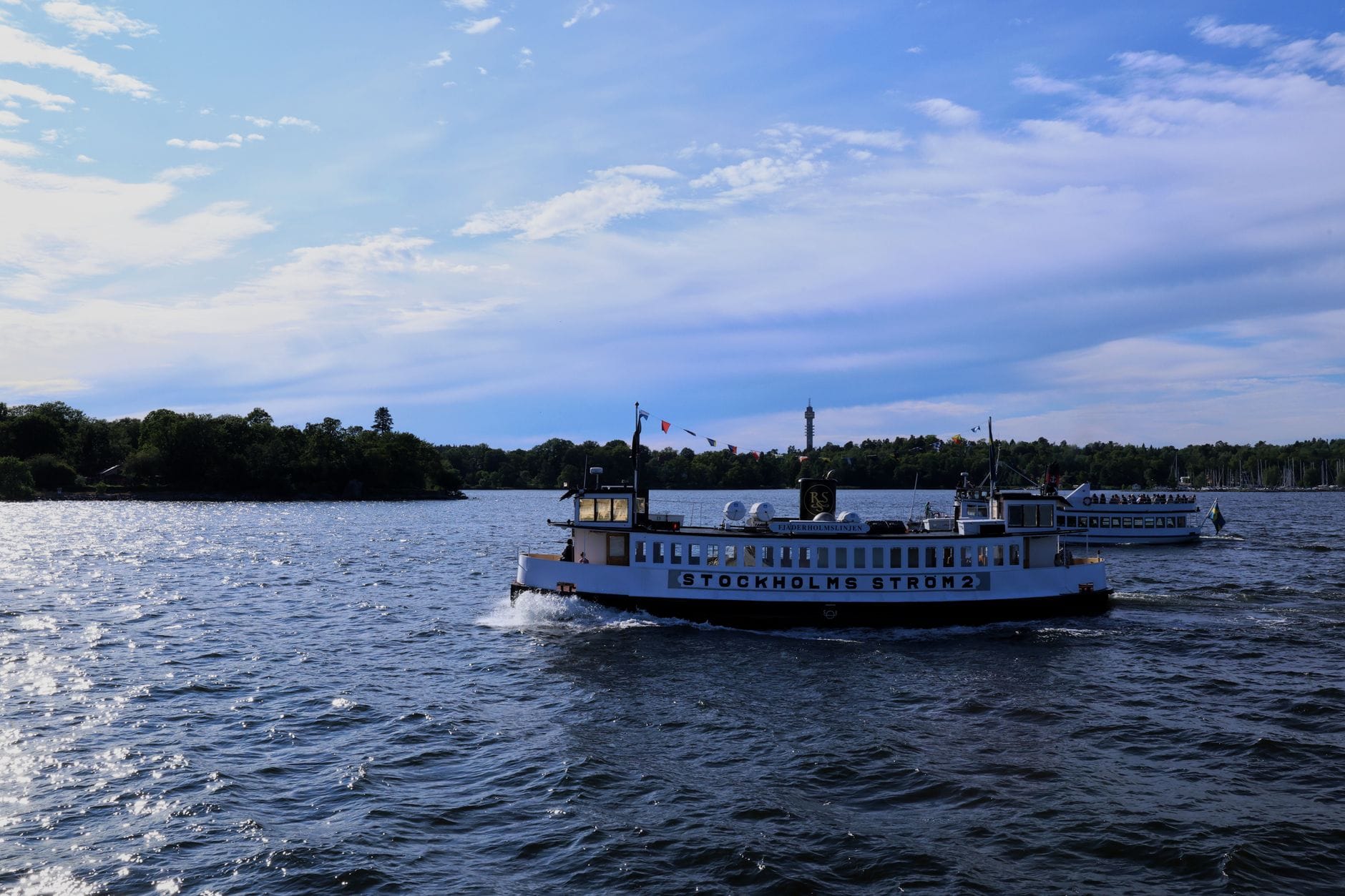
The island of Djurgården holds the densest concentration of Stockholm's major attractions. Reach it by tram (line 7 from central Stockholm), by the Djurgårdslinjen ferry from Slussen or Nybroplan, or on foot across Djurgårdsbroen if you are already nearby. The ferry is the most enjoyable option in good weather and takes under 15 minutes. For full detail on getting around the city, see our guide to getting around Stockholm.
The Vasa Museum is the single most compelling attraction on Djurgården and the top priority for any one-day visit. The near-intact 17th-century warship Vasa sank on its maiden voyage in 1628 and was salvaged in 1961. The scale of the vessel inside the museum is genuinely arresting. Plan 90 minutes minimum. Entry is around 195–240 SEK depending on season. In summer (June through August), the museum opens at 08:30 and stays open until 18:00 — arriving early or late in the day reduces crowds.
- Vasa Museum The must-do. A 69-metre warship preserved to 95% of its original structure. Budget 90 minutes. Entry around 195–240 SEK.
- ABBA The Museum Interactive and fun, but genuinely enjoyable only if you care about the band. Entry around 250 SEK. Not worth it as a 'just checking it out' visit.
- Skansen The world's oldest open-air museum, with historic buildings and Nordic wildlife. Excellent, but requires 3–4 hours. Save it for a second day or a longer trip.
- Nordiska Museet Sweden's largest museum of cultural history, inside an impressive 19th-century building. Underrated and far less crowded than the Vasa. Entry around 150 SEK.
After the Vasa Museum, if you have time before 17:30, walk five minutes south to Rosendals Trädgård, a biodynamic garden and cafe set in the quiet interior of Djurgården. It is a good place to slow down, have coffee, and decompress mid-itinerary. The garden is free to enter; cafe prices are reasonable. For a broader look at the island's offerings, see the things to do in Stockholm guide.
Evening: Södermalm Views and Dinner (17:30–21:00)
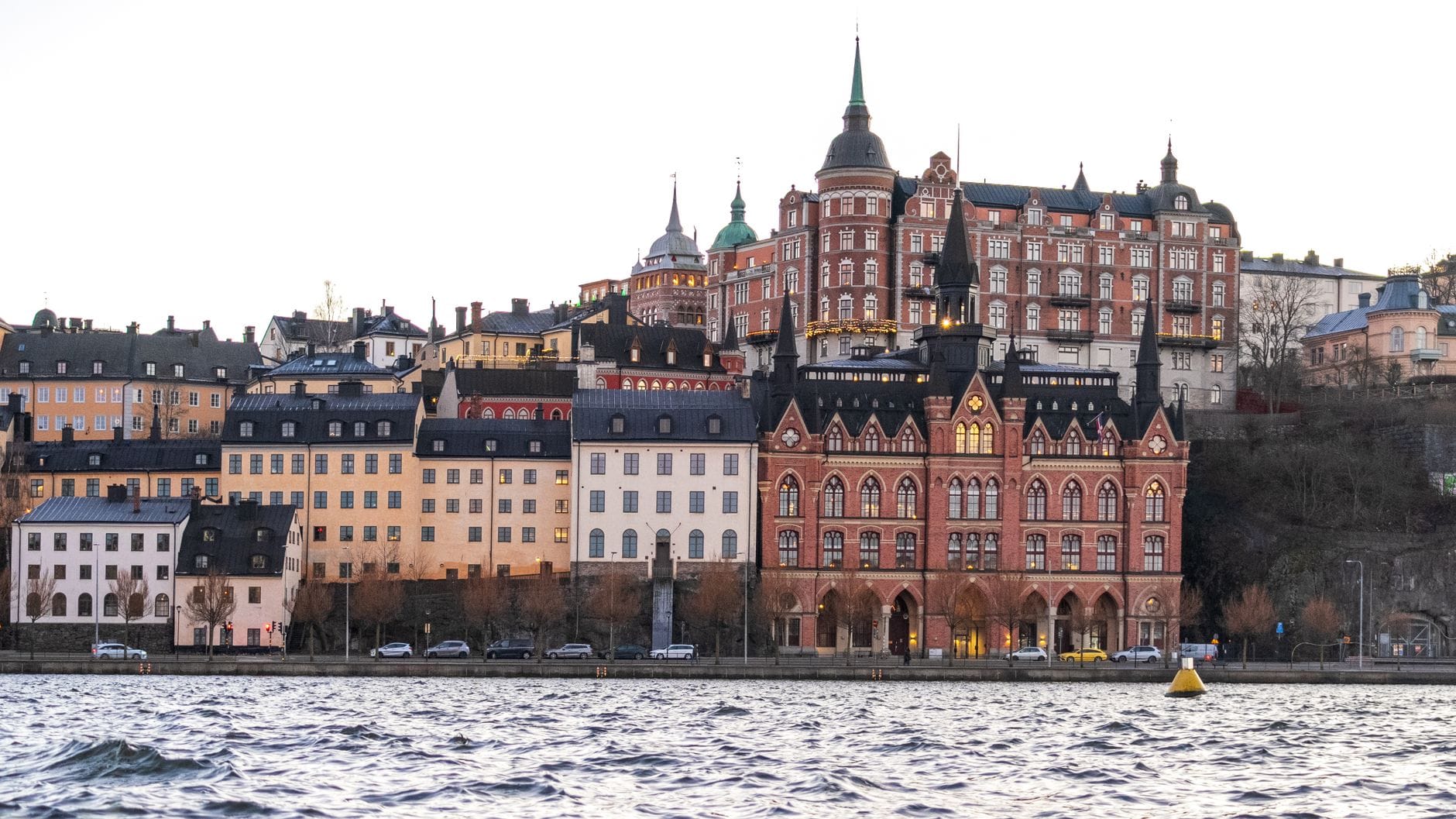
For the evening, cross to Södermalm, the large island south of the city center. It has Stockholm's best mix of affordable restaurants, local bars, and waterfront viewpoints. The area around SoFo (south of Folkungagatan) is particularly good for independent restaurants and a genuinely local atmosphere compared to the tourist-heavy zones further north.
Before dinner, make time for either Monteliusvägen or Skinnarviksberget for sunset views. Monteliusvägen is a cliff-top wooden walkway on the northern edge of Södermalm with uninterrupted views across the water to Gamla Stan and Kungsholmen. Skinnarviksberget is a rocky hill slightly further west, popular with locals in the evenings. Both are free. From Monteliusvägen, it is a short walk down to the Slussen area and plenty of dinner options.
✨ Pro tip
Stockholm's golden-hour light in summer lasts until 22:00 or later. If you're visiting in June or July, don't rush the evening — the sky over the water stays dramatic long after most cities go dark. This makes the Södermalm viewpoints exceptional in a way that photos rarely capture.
Dinner in Södermalm ranges from around 150 SEK for a simple pizza or kebab to 300–500 SEK per person at a mid-range sit-down restaurant. Swedish cuisine to look for: classic meatballs (köttbullar), gravlax, or a plank of smoked fish. Several Japanese, Thai, and Middle Eastern restaurants also offer better value for money than traditional Swedish restaurants at similar quality levels — this is not a compromise, Stockholm's immigrant food scene is strong.
Practical Logistics: Transport, Passes, and Budget
Stockholm's public transport network is managed by SL (Storstockholms Lokaltrafik) and covers metro (Tunnelbana), trams, buses, and ferries. A 24-hour SL travel card covers most movement you'll need on a one-day visit. Single tickets are available via the SL app or at ticket machines. Tap-to-pay with a contactless card works at metro gates. The Djurgårdslinjen ferry runs on a separate seasonal operator and requires a separate ticket or a city pass that covers it.
The Stockholm Pass (roughly 829–999 SEK for a one-day adult pass) covers free entry to over 60 attractions including the Vasa Museum, Royal Palace, Skansen, and the Hop-On Hop-Off boat. It makes financial sense only if you visit four or more paid attractions in a day. For most visitors on this itinerary, buying individual tickets works out about the same or cheaper. See our breakdown on whether the Stockholm Pass is worth it before deciding.
- SL 24-hour travel card: around 175 SEK (verify current pricing via the SL website)
- Vasa Museum entry: 195–240 SEK
- Royal Palace (combined ticket): around 200 SEK
- City Hall guided tour: around 130 SEK
- Lunch (dagens lunch special): 120–160 SEK
- Dinner in Södermalm (mid-range): 250–400 SEK per person
- Estimated total per person (mid-budget, two paid attractions): 900–1,400 SEK
For travelers on a tighter budget, Stockholm rewards careful planning. Gamla Stan, all waterfront walks, the Tunnelbana station art, Monteliusvägen, and Skinnarviksberget are all free. The free things to do in Stockholm guide covers this in detail. The Stockholm on a budget guide adds restaurant and accommodation strategies.
ℹ️ Good to know
If you're arriving from Arlanda Airport, allow 45–60 minutes to reach central Stockholm. The Arlanda Express train is the fastest option (around 20 minutes to Stockholm Central) but carries a premium price. Regional trains via SL's network take slightly longer but cost significantly less. Taxis from Arlanda are metered; confirm the estimated fare before you get in.
If one day leaves you wanting more, Stockholm's surrounding region offers exceptional day trips. The best day trips from Stockholm include Drottningholm Palace (a UNESCO-listed royal residence reachable by boat in 50 minutes) and the Stockholm Archipelago, which stretches across more than 30,000 islands into the Baltic Sea.
FAQ
Is one day in Stockholm enough to see the main sights?
Yes, if you focus. A single day is enough to cover Gamla Stan, the Royal Palace exterior, the Vasa Museum, and an evening in Södermalm with waterfront views. You will not have time for Skansen, the ABBA Museum, and the city's outer neighborhoods — those require a second day minimum.
What is the best area to base yourself for a one-day visit to Stockholm?
Norrmalm, around Stockholm Central Station, puts you within walking distance of Gamla Stan and easy transit to Djurgården. Gamla Stan itself is atmospheric but has limited good-value accommodation. Södermalm is a good base for more local feel, though it adds a short commute to the northern attractions.
How do I get from Gamla Stan to the Vasa Museum?
The easiest route is the Djurgårdslinjen ferry from Slussen (a 10-minute walk from Gamla Stan) or tram 7 from Sergels Torg. Both take under 20 minutes and run frequently in summer. The ferry is more enjoyable in good weather. In winter, tram 7 runs year-round while the ferry operates seasonally.
Is the Stockholm Pass worth buying for a one-day visit?
It depends on how many paid attractions you plan to enter. At around 829–999 SEK for a one-day adult pass, you need to visit four or more included attractions to break even. If your plan includes the Vasa Museum, Royal Palace combined ticket, City Hall tour, and Skansen, the pass likely pays for itself. If you're only doing one or two museums, skip it.
What is the best time of year for a one-day visit to Stockholm?
Late May through early September gives you the best combination of mild weather, long daylight hours, and full attraction schedules. June and July offer near-endless summer evenings but peak crowds. September is often considered the sweet spot: smaller crowds, comfortable temperatures around 13–18°C, and autumn colour starting in the parks. Winter visits (November–March) are atmospheric but short daylight hours (as few as 6–7 hours) limit how much you can fit into one day.
Tickets & tours
Live prices and dates from our booking partner. If you book, we may earn a commission at no extra cost to you.
Planning a trip? Discover personalized activities with the Nomado app.