Rosendals Trädgård: The Biodynamic Garden Worth Crossing Djurgården For
Rosendals Trädgård is a working biodynamic garden, plant nursery, and bakery café set within the Royal National City Park on Djurgården. Entry is free, the cinnamon buns are serious, and the garden is well worth the walk from the tram stop..
Quick Facts
- Location
- Rosendalsterrassen 12, Djurgården, Stockholm
- Getting There
- Tram 7 to Bellmansro, then 5 min walk; Bus 67 or 69 with 10–15 min walk
- Time Needed
- 1.5–3 hours
- Cost
- Free entry; pay only for café, plants, and shop
- Best for
- Slow mornings, garden lovers, fika, families, organic food fans
- Official website
- www.rosendalstradgard.se
What Rosendals Trädgård Actually Is
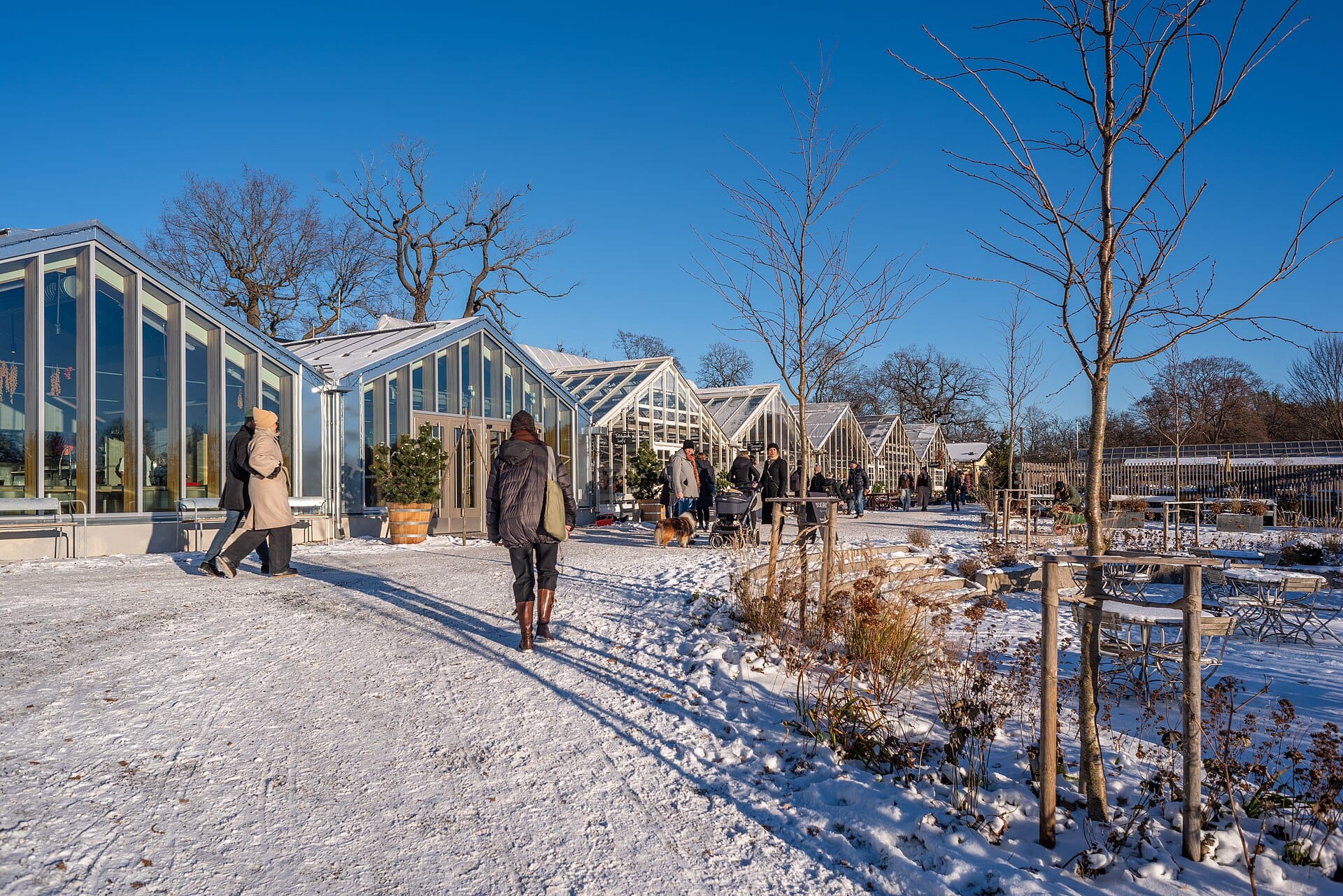
Rosendals Trädgård is not a manicured botanical showpiece. It is a working biodynamic farm and public garden, operated by a non-profit foundation whose core mission is demonstrating organic cultivation to the public. That distinction matters. The beds are productive rather than decorative, the greenhouses smell of damp earth and tomato leaves, and the café serves food grown metres from your table.
The garden sits within the Djurgården island, in the protected landscape of the Royal National City Park (Kungliga nationalstadsparken), just west of Rosendal Palace. That historical setting gives the garden a quiet grandeur that feels entirely unplanned. The palace grounds and the orchard rows of apple trees frame the space in a way no landscape architect could have engineered from scratch.
ℹ️ Good to know
Entry to the garden is free. You pay only for what you eat, drink, or take home: café food, potted plants, flowers, produce, and items from the farm shop. Check current seasonal hours at rosendalstradgard.se before visiting, as they shift throughout the year.
The Garden Through the Day
Arrive shortly after opening and the garden feels remarkably still. Gardeners are already at work, wheelbarrows clinking across stone paths, but the café terrace is nearly empty. The raised beds catch low morning light from the east, and the greenhouses are warm and fragrant in a way that immediately slows your pace. This is the best window for anyone who wants to photograph the flower beds without other visitors in the frame.
By midday, especially on summer weekends, the café terrace fills quickly. The queue for coffee and baked goods can stretch outside the greenhouse doors. Tables under the apple trees fill with families and couples, and the noise level rises from peaceful to cheerful. If you are visiting primarily for the atmosphere and a slow fika, a weekday morning is the smarter choice. Saturday afternoons in July can feel genuinely crowded for a garden of this size.
Late afternoon, roughly two hours before closing, brings a softer quality of light through the orchards and a second lull in visitor numbers. The smell of the bakery is strongest at this time, as the day's baking winds down. This is also when the flower stalls are at their most picked-over, so if you plan to buy a bouquet, come early.
💡 Local tip
Weekday mornings from May through September offer the best balance of good weather, open blooms, and manageable crowds. Avoid the Midsummer weekend, when the garden closes entirely.
Tickets & tours
Live prices and dates from our booking partner. If you book, we may earn a commission at no extra cost to you.
2-hour archipelago tour on a RIB speedboat
From 122 €Instant confirmationFree cancellationHaunted Stockholm exploration game and tour
From 12 €Instant confirmationFree cancellationFotografiska Stockholm entrance tickets
From 0 €Instant confirmationFree cancellationStockholm: Nature Reserve Hiking Tour with Campfire Lunch
From 102 €Instant confirmationFree cancellation
Biodynamic Gardening: What That Means Here
Biodynamic cultivation goes beyond standard organic farming. It treats the garden as a self-contained ecological system, scheduling planting, harvesting, and soil preparation around lunar and seasonal cycles. At Rosendals, this philosophy is visible in the absence of synthetic inputs, the composting systems, and the way the beds are structured to maximize biodiversity rather than monoculture yield.
The foundation makes a genuine effort to explain these principles on-site through signage and occasional workshops. For most visitors, the educational layer is optional background noise. For gardeners or those interested in sustainable food systems, it adds real depth to what might otherwise be a pleasant but unremarkable garden walk.
Rosendals sits inside the Royal National City Park, one of the world's first national urban parks, which also encompasses Hagaparken to the north. The protected status of this landscape means the garden cannot expand commercially or alter its character in ways that would conflict with the park's conservation rules, which is part of why it has retained an unpolished, functional quality.
The Café and Bakery
The café operates out of a large greenhouse and opens onto a terrace that is one of the more pleasant outdoor eating spots in Stockholm during summer. The menu centers on seasonal, garden-sourced ingredients: open sandwiches, soups, tarts, and a rotating selection of baked goods. The sourdough bread and cinnamon buns have a genuine reputation among Stockholm residents, not just tourists.
Prices are moderate by Stockholm standards. A coffee and a pastry will not cost significantly more than a decent café in the city center, and the setting justifies the outing on its own. In cooler months, the greenhouse interior serves as the main seating area, which creates a warm, plant-surrounded atmosphere that works well even on overcast autumn days.
If you are building a day around Djurgården, Rosendals makes a natural stopping point between the cultural institutions closer to the island's entrance and the quieter eastern end around Prins Eugens Waldemarsudde. The garden is roughly a 15-minute walk from both Skansen and Waldemarsudde.
The Plant Shop and What to Buy
One of Rosendals' strongest draws for Stockholm residents is the plant nursery and farm shop. The shop stocks seasonal vegetables, cut flowers, fruit, seeds, seedlings, and herb plants, all grown on-site using biodynamic methods. In spring, the seedling selection is particularly impressive, with varieties you will not find at a standard garden center.
Cut flower bouquets are sold by weight or pre-arranged, and the quality is high. The shop also stocks jams, honey, vinegars, and other preserved goods made from garden produce. If you are traveling with luggage constraints, the smaller items, seeds, a jar of jam, a bundle of dried herbs, make compact and genuinely local souvenirs.
💡 Local tip
Flowers sell out fastest on Saturday mornings. Come early if a bouquet is on your list. Seedlings and potted herbs are usually available throughout the week.
Getting There and Practical Notes
Tram 7 is the most straightforward option from central Stockholm. Board toward Waldemarsudde and exit at Bellmansro, then follow the path into the park for roughly five to ten minutes. The walk passes through pleasant woodland and gives you a gentle introduction to Djurgården's character. For a broader sense of the island's layout, see the getting around Stockholm guide.
Bus 67 (Odenplan to Waldemarsudde) and Bus 69 (Centralen to Museiparken) are slower alternatives with a longer walk from the stop, around 10 to 15 minutes. By car, drive across Djurgårdsbron past Skansen and Gröna Lund toward Waldemarsudde; parking is available near the greenhouses at Rosendalsvägen 38. Note that Djurgården restricts cars on summer weekends and Tuesday afternoons, which can complicate both driving and drop-offs by car or taxi.
The paths within the garden are largely flat and suitable for pushchairs and wheelchairs, though the approach walk from the tram stop crosses some uneven ground. Visitors with specific accessibility requirements should contact the garden directly before visiting, as on-site information on step-free access is limited.
⚠️ What to skip
Seasonal hours change significantly throughout the year. The garden is generally open daily from April through September, with shorter hours and occasional Monday closures in shoulder months. The garden closes for the Midsummer weekend. Always verify current hours at rosendalstradgard.se before making a trip.
Who This Attracts and Who Should Skip It
Rosendals draws a specific kind of visitor: people who want to slow down rather than tick off a landmark. It is particularly well-suited to those interested in food provenance, gardening, or simply spending two unhurried hours outside with a good coffee. It is a regular destination for Stockholm families with small children, who use the open grass and low-key environment as a halfway point on a Djurgården walk.
Visitors working through Stockholm's major cultural institutions should note that Rosendals is not a museum or a monument. There is no audio guide, no collection to admire, and no particular moment of revelation. If your day is already packed with the Vasa Museum, Skansen, and Moderna museet, adding Rosendals will feel like a stretch too far. It rewards a half-day visit in its own right, not a rushed 30-minute detour.
In winter, the garden operates on reduced hours and much of the outdoor appeal disappears. The greenhouse café remains open in some form, but the overall experience is a fraction of what it offers between May and September. Anyone visiting Stockholm in November through February should prioritize this garden only if the café specifically is the draw.
Insider Tips
- The bakery sells day-old bread and pastries at a discount near closing time on weekdays. If you are on a budget and not fussy about freshness, this is a real saving.
- Bring a tote bag. The farm shop does not always stock sufficient bags for larger purchases, and leaving without a bunch of flowers or a bag of vegetables feels like a missed opportunity.
- The apple orchard on the eastern side of the garden is the quietest spot on busy days. Walk past the main café terrace and the crowds thin out almost immediately.
- Workshops on biodynamic gardening, sourdough baking, and seasonal cooking are held periodically. Check the events calendar on the official website if you want more than a casual visit.
- If you are combining Rosendals with a walk along the southern shore of Djurgården, exit through the orchard path rather than backtracking to the main entrance. It adds five minutes to the walk but feels like a completely different place.
Who Is Rosendals Trädgård For?
- Slow-travel visitors who want a local Stockholm experience over a tourist checklist
- Gardeners and food enthusiasts interested in biodynamic and organic cultivation
- Families with young children who need outdoor space without entrance fees
- Anyone planning a dedicated fika stop with genuine food quality
- Travelers combining a full Djurgården walking day with multiple stops
Nearby Attractions
Other things to see while in Djurgården:
- ABBA The Museum
ABBA The Museum is Stockholm's most popular music attraction, a permanent interactive exhibition dedicated to Sweden's most famous pop group. Located on Djurgården, it combines costumes, memorabilia, and hands-on experiences in a way that appeals well beyond die-hard fans.
- Gröna Lund
Gröna Lund has been drawing Stockholmers to Djurgården since 1883, packing around 30 rides, live concert stages, and seasonal events into just 3.8 hectares on the waterfront. This guide covers what the experience actually feels like across different times of day, who will love it, and who might want to skip it.
- Junibacken
Junibacken is a children's cultural centre on Djurgården dedicated to Astrid Lindgren's literary universe, featuring an indoor Story Train, immersive storybook scenes, live theatre, and a bookshop. Opened in 1996, it draws around 400,000 visitors a year and ranks consistently among Stockholm's most-visited attractions.
- Nordiska Museet
Nordiska museet on Djurgården holds over 1.5 million objects spanning 500 years of Nordic life, from peasant folk costumes to mid-century design. The building alone, a neo-Renaissance palace completed in 1907, earns a look even if you only have an hour. This guide covers what to see, when to go, and how to make the most of the visit.
Planning a trip? Discover personalized activities with the Nomado app.