Stockholm Design Guide: Scandinavian Style and Where to Find It
Stockholm is the living capital of Scandinavian design, where minimalism, natural materials, and functional craft shape everything from flagship store interiors to everyday café furniture. This guide covers the best design districts, essential shops, museums, and practical advice for navigating the city's design scene across every budget.
Tickets & tours
Live prices and dates from our booking partner. If you book, we may earn a commission at no extra cost to you.
TL;DR
- Stockholm's design scene is spread across three main districts: Östermalm, Södermalm, and Norrmalm, all walkable and well-connected by metro.
- Swedish design is not just IKEA. Historic houses like Svenskt Tenn and Carl Malmsten define the tradition, while concept stores like Designtorget bring it up to date. See our Stockholm shopping guide for broader retail coverage.
- Strandvägen is the single most important street for design flagship stores, with Svenskt Tenn, Malmsten, and Design House Stockholm all within walking distance.
- Many design stores keep irregular hours or appointment-only showrooms, so check official websites before visiting.
- For context on when to visit, the best time to visit Stockholm is May to September, but the design scene is year-round and arguably more atmospheric in winter.
What Swedish Design Actually Means
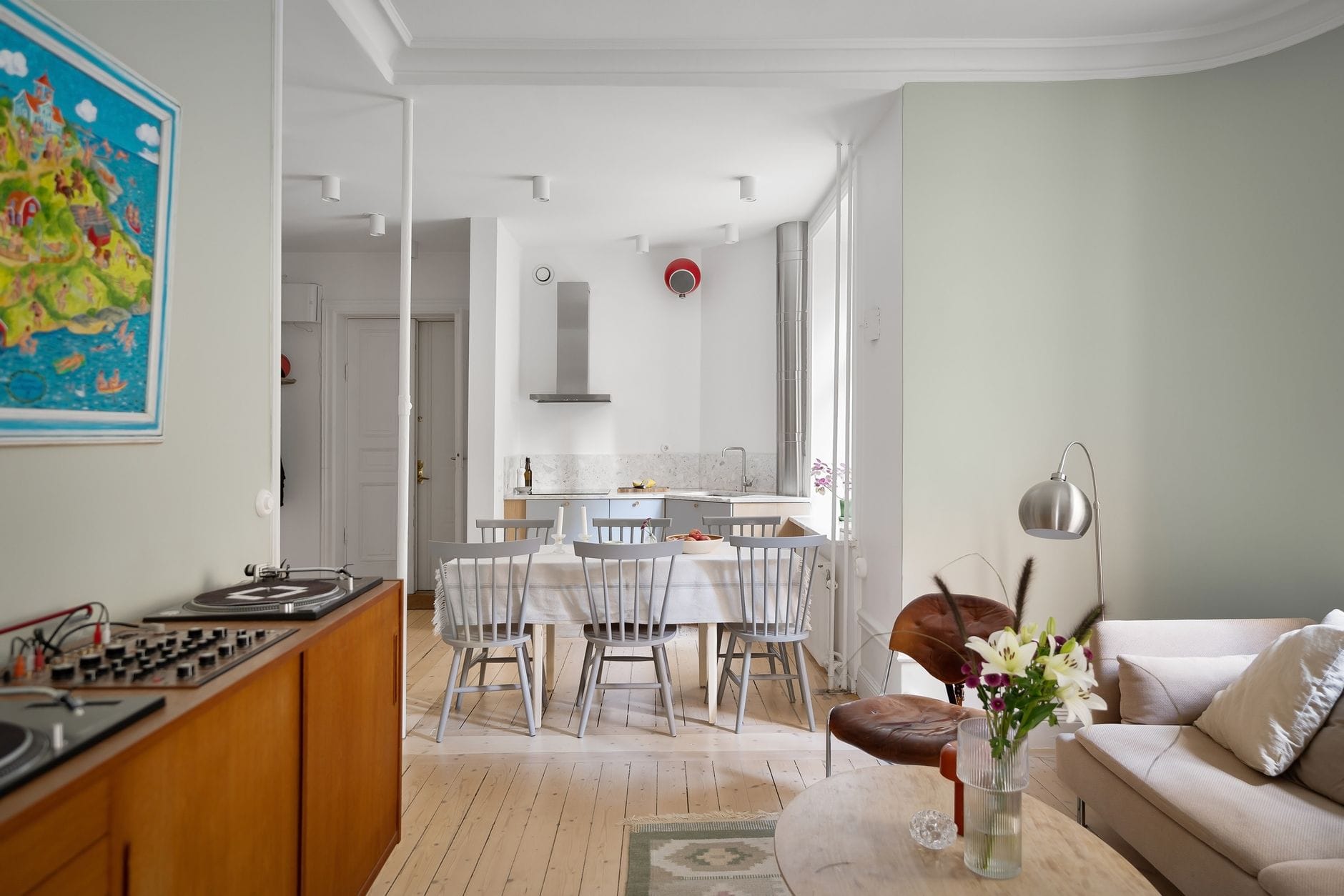
Scandinavian design gets described as 'minimalist' so often that the word has almost lost its meaning. The more accurate framing is this: Swedish design prioritizes function first, then form, then warmth. The aesthetic that emerged from Sweden in the early-to-mid 20th century was a direct response to the country's climate and geography. Long, dark winters pushed designers toward maximizing natural light, using pale woods like birch and pine, and creating interiors that felt calm and livable rather than cold or clinical.
The palette tends toward muted naturals, warm whites, soft greys, and earthy terracottas, occasionally broken by a bold botanical print or deep navy. Natural materials dominate: untreated oak, linen, wool, and ceramics. What separates the Swedish tradition from broader Scandinavian or Nordic design is a particular attention to craft and heritage, with family-run studios and century-old brands still shaping the market today. IKEA democratized this aesthetic globally, but the design capital it came from has a far richer and more layered story.
ℹ️ Good to know
A common misconception: Scandinavian design is cold and stark. Swedish interiors specifically balance minimalism with coziness, using soft textiles, candlelight, plants, and warm-toned wood to create what locals describe as 'ombonat' (snug, well-furnished). You will see this immediately when you walk into flagship stores like Svenskt Tenn or Nordiska Galleriet.
The Core Design Districts
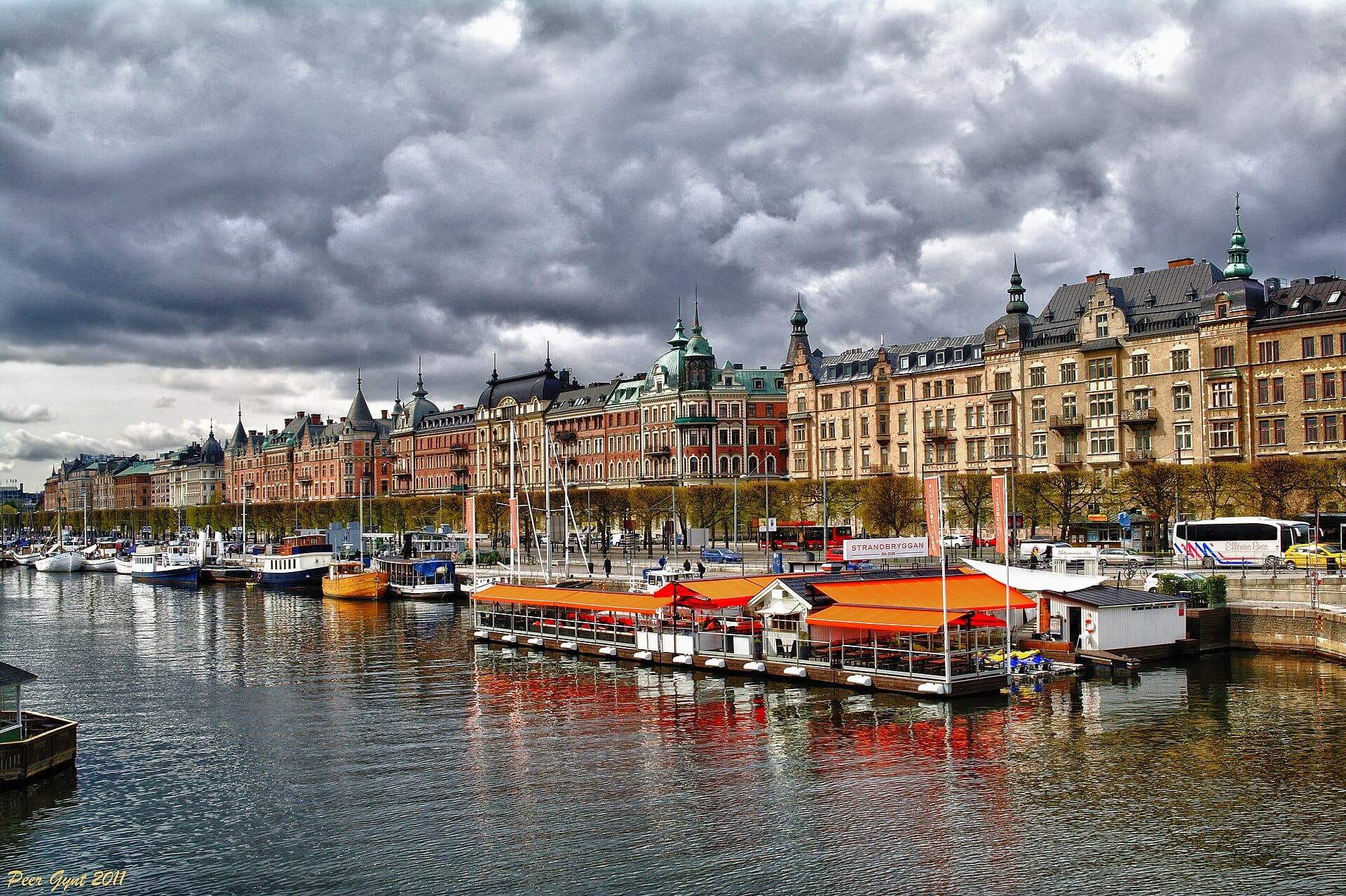
Stockholm's design retail is concentrated in three neighborhoods. ÖstermalmÖstermalm is the most prestigious, with Strandvägen running along the waterfront as an unofficial design mile. The area also contains the Östermalms Saluhall, a 19th-century indoor food market whose cast-iron architecture is itself worth studying for its attention to material and proportion.
SödermalmSödermalm is the counterpoint. Where Östermalm leans toward established luxury and heritage brands, Södermalm's design culture is younger, more eclectic, and more likely to feature independent studios, vintage dealers, and concept stores. The SoFo district around Skånegatan and Bondegatan has the highest concentration of independent design and fashion retailers on the island. Hornsgatan, the main east-west artery, hosts everything from furniture antique dealers to contemporary ceramics.
NorrmalmNorrmalm covers the central commercial area around Drottninggatan and Kungsgatan, including NK (Nordiska Kompaniet), Stockholm's landmark department store. NK is worth a visit purely for the building, a 1915 granite and glass structure, but its interiors department and Design House Stockholm concession make it a serious stop for design shoppers. Designtorget also has a branch at Centralstationen and on Kungsgatan 52, making Norrmalm convenient for those staying near the central station.
Essential Stores and Where to Find Them
- Svenskt Tenn (Strandvägen 5, Östermalm) Founded in 1924, this is one of the most important interior design houses in Sweden. The store is best known for Josef Frank's exuberant botanical and figurative textiles, which sit in deliberate tension with the clean modernist furniture. The flagship store includes a tea salon. Prices are high but the quality reflects serious craftsmanship. Non-buyers can walk through freely and it functions almost as a living design museum.
- Malmstenbutiken / Carl Malmsten (Strandvägen 5B and Hornsgatan 64) Carl Malmsten was one of the defining figures of Swedish furniture design in the 20th century, emphasizing traditional joinery, solid wood, and longevity over trend. Both locations stock furniture, textiles, and smaller objects. The Hornsgatan location in Södermalm also operates as a design school.
- Design House Stockholm (NK and Strandvägen 5B) Represents contemporary Swedish design across product categories including lighting, kitchenware, and textiles. The NK concession is the most accessible entry point. Products range from around 200 SEK for small accessories to several thousand SEK for furniture pieces.
- Nordiska Galleriet (Nybrogatan 11, corner of Riddargatan, Östermalm) A multi-floor furniture and design gallery in a 1912 building, carrying major Scandinavian and international furniture brands including Muuto, Hay, and Fritz Hansen alongside Swedish makers. Well-curated and worth visiting even without intent to buy.
- Designtorget (Kungsgatan 52, Götgatan 31, and other locations) The most accessible entry point to Swedish design retail, with items starting around 100 SEK. Stocks a rotating mix of products from both established and emerging Scandinavian designers. The Götgatan branch in Södermalm draws a younger crowd and tends to have more experimental pieces.
- Grandpa (Södermannagatan 21, Södermalm) A Scandinavian lifestyle store covering fashion and home, with a well-edited selection and a strong aesthetic identity. Also has a branch on Gamla Brogatan in Norrmalm. Good for gifts and smaller objects that travel well.
- Brandstationen (near Hornsgatan, Södermalm) Originally located in a former fire station, this shop now carries curated vintage and contemporary design pieces. One of the better destinations for vintage Swedish glass, ceramics, and furniture at non-auction prices.
💡 Local tip
Strandvägen between Östermalmstorg and Djurgårdsbrunnsviken is the most efficient single street for design shopping in Stockholm. Svenskt Tenn, Carl Malmsten, and Design House Stockholm are all within a few hundred metres of each other. Combine a morning here with a visit to the Nationalmuseum across Skeppsholmsbron for historical design context.
Design Museums Worth Your Time
The Nationalmuseum on Blasieholmen is Sweden's national museum of art and design, and it is seriously underrated on most tourist itineraries. The design and applied arts collection covers Swedish and European decorative arts from the 16th century onward, including furniture, silver, ceramics, and textiles. The building itself, a 19th-century Venetian Renaissance structure, reopened after major renovation in 2018 and the reinstallation of the permanent collection is excellent.
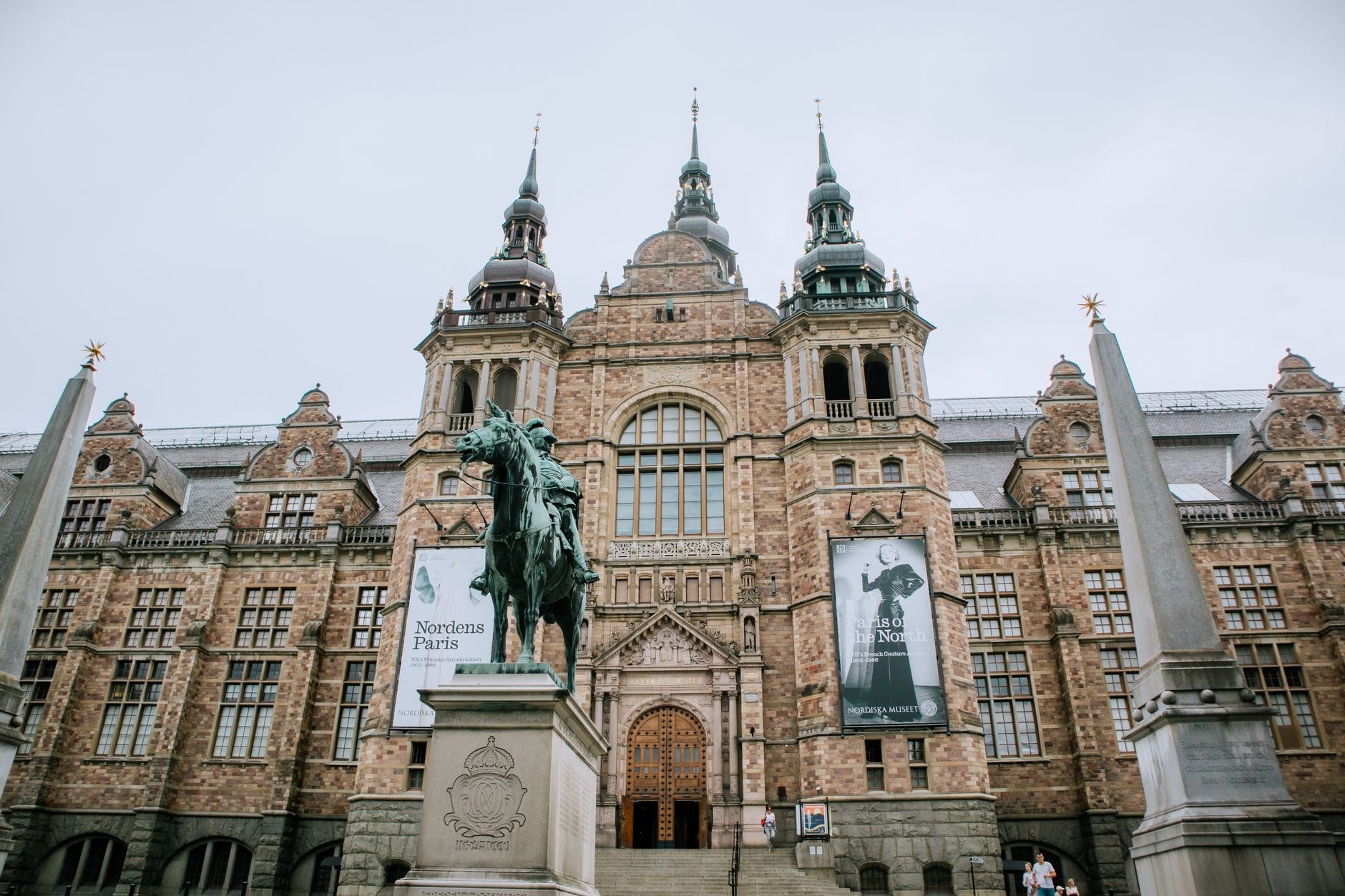
The Nordiska museet on Djurgården covers Swedish cultural history including folk art, fashion, and interior design from the 16th century to the present. The permanent exhibition on Swedish homes through the centuries is one of the clearest explanations of how Swedish design philosophy developed and why it looks the way it does. The building itself, an enormous Nordic Renaissance structure completed in 1907, is worth the visit alone.
For contemporary photography and visual culture with strong design thinking, Fotografiska on Södermalm is one of the best-designed public spaces in the city. The building is a converted early 20th-century customs house, and the interiors have been updated with real care. Even visitors not primarily interested in photography tend to respond well to the space.
✨ Pro tip
The Nationalmuseum is free for visitors under 20 and has free entry on certain evenings. Check the official website before visiting. If you hold a Stockholm Pass, entry is included. The design shop in the museum basement stocks a well-curated selection of Swedish design books, prints, and objects that compare favorably with the retail stores on Strandvägen.
Seasonal Considerations and Practical Logistics
Stockholm's design scene operates year-round, but the experience shifts significantly by season. In summer (June to August), all stores are open at peak hours, the light is extraordinary for photographing interiors, and Stockholm Design Week typically takes place in February, when trade showrooms and studios open to the public and temporary installations appear across the city. If design is your primary reason for visiting, early February offers access to events and openings that are not available any other time of year.
Winter visits have their own logic. Swedish design culture is inseparable from the concept of creating warmth indoors during cold, dark months. Walking into a flagship store in November or December, when the streets outside are dark by 3pm and candles are lit in every window display, gives you a better understanding of why this aesthetic exists than any summer visit can. The practical downside is that some smaller independent studios reduce their hours in winter, so always verify before making a specific trip.
- Most central design stores open roughly 11:00 to 18:00 on weekdays, with shorter Sunday hours. Verify current hours on each brand's website.
- Appointment-only showrooms exist, particularly for jewellery designers and smaller studios. Plan these bookings at least several days in advance.
- The three main design districts (Östermalm, Södermalm, Norrmalm) are all on the metro Tunnelbana network. Östermalmstorg (red line) and Slussen (green and red lines) are the most useful stations for design itineraries.
- Shipping large furniture purchases internationally is possible from most major retailers, but confirm lead times and costs directly. Swedish design pieces are not subject to import duties within the EU; outside the EU, factor in customs costs.
- Cards are accepted almost universally in Stockholm. Carrying Swedish krona (SEK) as cash is not necessary for retail, though some small independent markets and studios prefer it.
If design museums and architecture are the focus of your trip, consider combining this guide with a broader itinerary. The 3-day Stockholm itinerary has a logical structure that allows you to cluster Östermalm and Djurgården on one day and Södermalm on another, minimizing transit and maximizing time in each neighborhood.
Beyond the Obvious: Design Details You Will Notice Everywhere
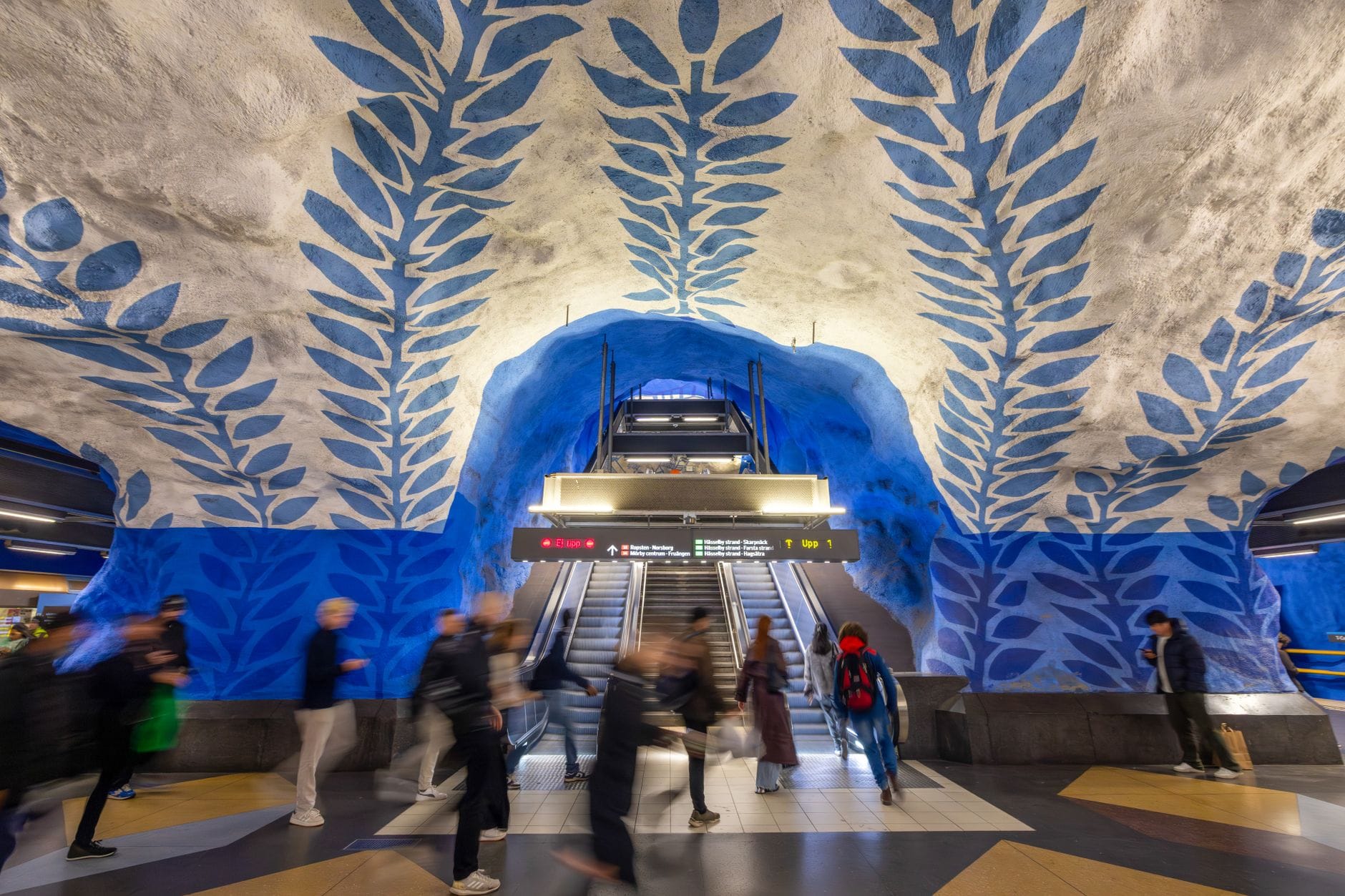
One of the most rewarding aspects of visiting Stockholm as a design enthusiast is how the aesthetic extends beyond dedicated stores and museums into everyday infrastructure. The Stockholm metro art project is the most prominent example: over 90 of the 100 metro stations have been treated as public art installations since the 1950s, with ceramic murals, mosaic ceilings, rock-face paintings, and sculptural elements designed by more than 150 artists. T-Centralen (blue line), Kungsträdgården, and Solna Centrum are the three stations most frequently cited as the most spectacular.
The Stockholm City Hall on Kungsholmen is another essential stop for anyone interested in applied arts. The interior contains some of the most ambitious decorative design work in Sweden, including the Golden Hall (Gyllene Salen) with its 18 million mosaic tiles and the Blue Hall, which hosts the Nobel Prize banquet each December. Guided tours run daily from May through August; verify current schedules.
The Östermalms Saluhall deserves a mention here not just as a food market but as a piece of applied architecture. The 1888 building with its brick arches and cast-iron columns was restored and reopened in 2020. The food stalls inside practice their own version of Swedish design philosophy: restrained presentation, quality materials, nothing excessive.
⚠️ What to skip
Avoid conflating Swedish design with generic 'Nordic' or 'hygge' merchandise sold in tourist shops around Gamla Stan. The mass-produced 'Scandi style' cushions, prints, and ceramics near the main tourist drag bear little relationship to the actual Swedish design tradition. Stick to the stores and museums listed in this guide for work of genuine quality and provenance.
FAQ
What is the best area in Stockholm for design shopping?
Strandvägen in Östermalm is the single most concentrated street for serious design retail, with Svenskt Tenn, Carl Malmsten, and Design House Stockholm all within walking distance. Södermalm is better for independent stores, vintage design, and concept stores with a younger sensibility. For a broader selection including international brands, NK in Norrmalm is the most practical single stop.
Is Swedish design the same as Scandinavian design?
Not exactly. Scandinavian design refers broadly to the design traditions of Sweden, Norway, and Denmark, which share principles of functionality, simplicity, and quality materials. Swedish design has its own distinct characteristics, including a stronger tradition of bold botanical textiles (as seen in Svenskt Tenn), a particular emphasis on wooden furniture craft, and a national design history shaped by specific figures like Carl Malmsten and Josef Frank.
Are there free design museums in Stockholm?
The Nationalmuseum is free for visitors under 20 and has periodic free-entry evenings. Nordiska museet charges a standard adult admission, but verify current pricing. The Stockholm metro system itself functions as a free public art and design installation accessible with any standard SL transit ticket.
When is Stockholm Design Week?
Stockholm Design Week traditionally takes place in February, coinciding with the Stockholm Furniture and Light Fair. During this period, showrooms, studios, and galleries open to the public with special exhibitions and installations. It is the best time of year to see the full depth of Stockholm's design industry, but book accommodation well in advance as demand increases significantly.
Can I ship furniture purchases from Stockholm design stores internationally?
Yes, most major design retailers including Svenskt Tenn, Nordiska Galleriet, and Carl Malmsten offer international shipping or can connect you with freight services. Confirm lead times, costs, and customs implications before purchasing, particularly if you are buying from outside the EU. For smaller items like textiles, ceramics, and accessories, taking them as checked luggage is often more practical.
Tickets & tours
Live prices and dates from our booking partner. If you book, we may earn a commission at no extra cost to you.
Planning a trip? Discover personalized activities with the Nomado app.