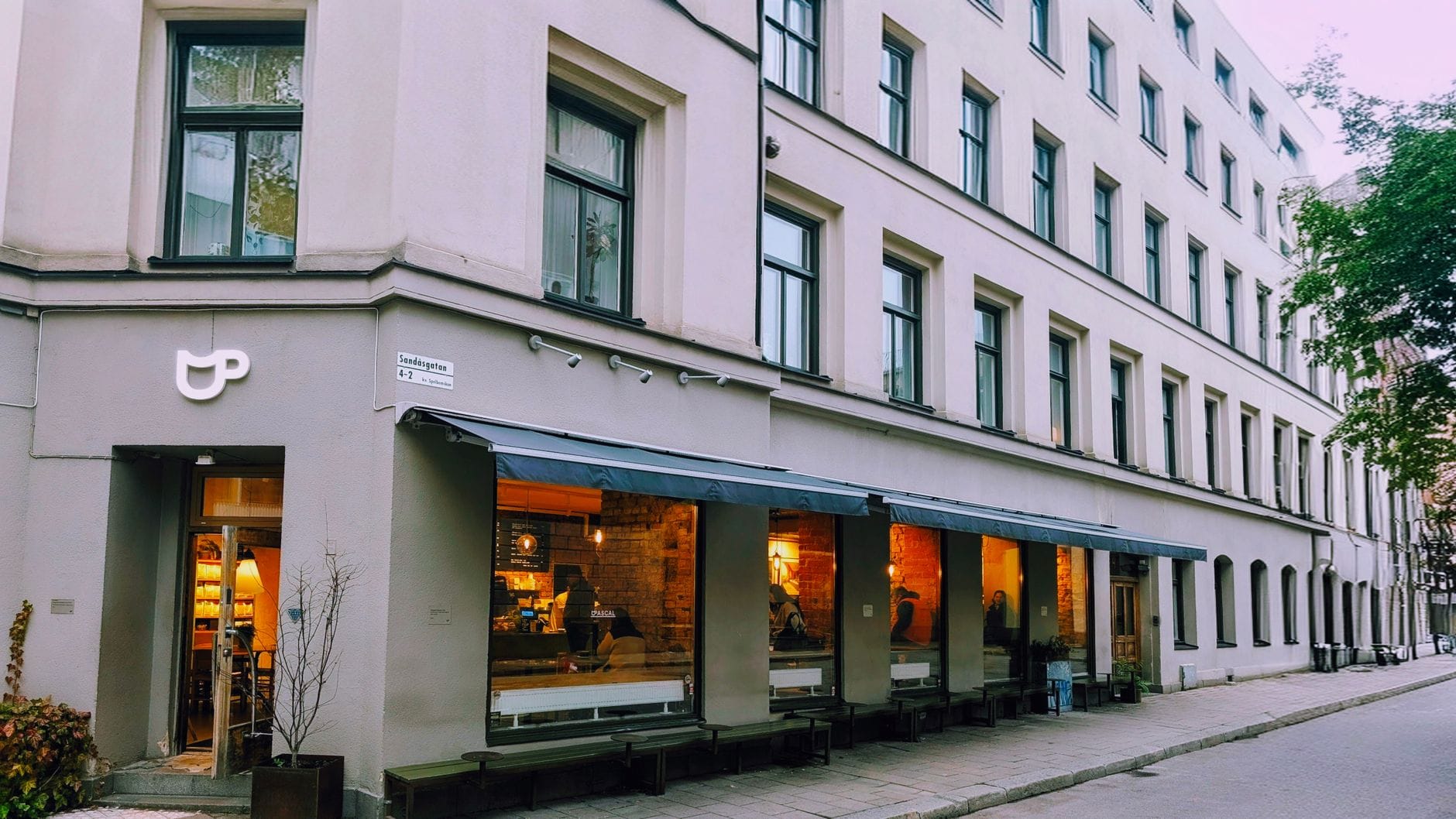
Vasastan is a residential district in central Stockholm with early-20th-century architecture, leafy parks, and a food and café scene built for locals rather than tourists. Anchored by Odenplan and the Stockholm Public Library, it offers a quieter, more authentic alternative to the city center without sacrificing convenience.
Vasastan sits just north of Stockholm's commercial core, and it feels like the city exhaling. The streets are wide, the buildings are handsome, and the cafés are full of people who actually live here. It is one of the few central Stockholm neighborhoods where the ratio of residents to visitors still tips decisively in favor of the former.
Orientation
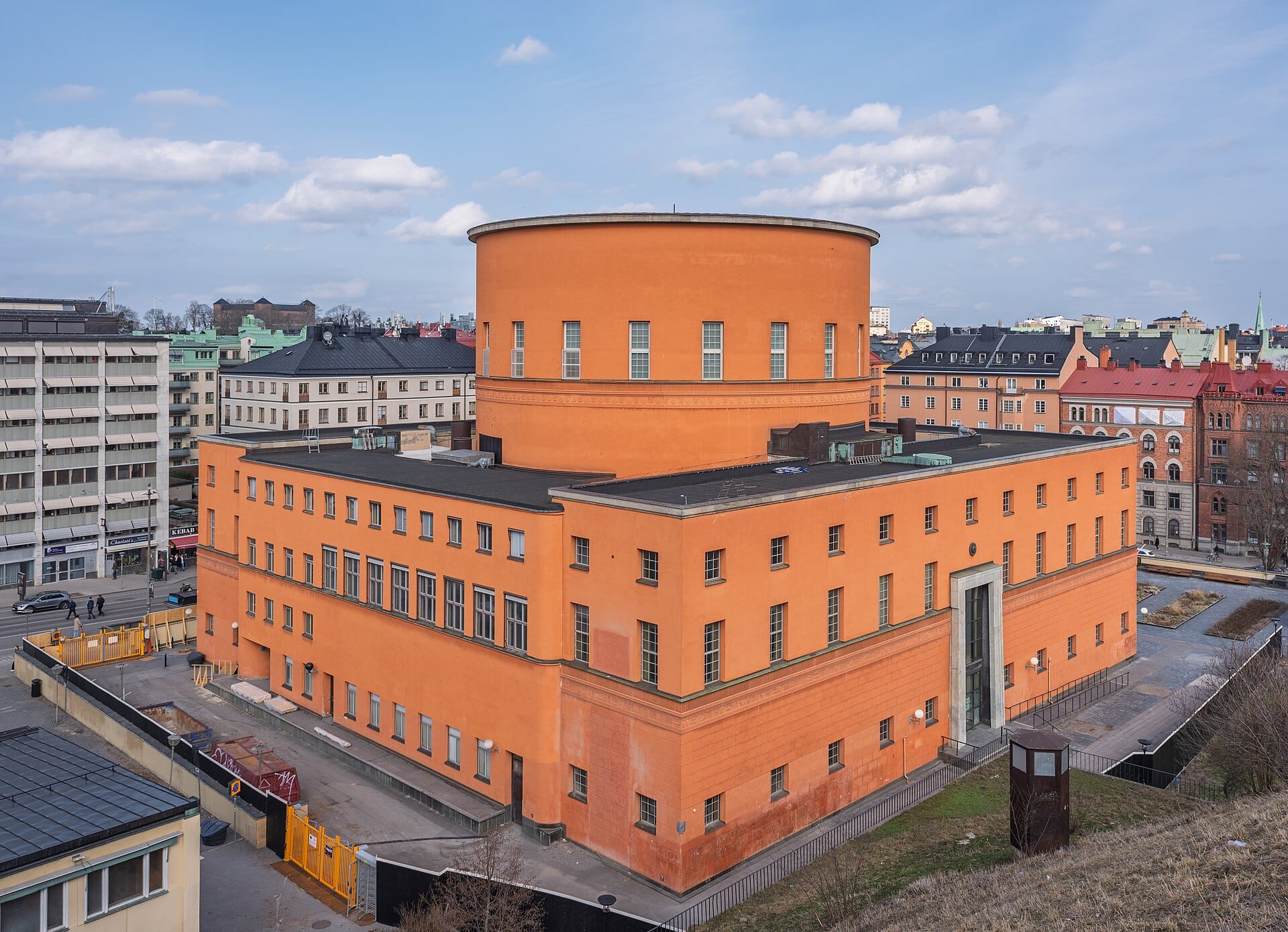
Vasastan occupies the northern part of the Norrmalm borough, stretching from Tegnérgatan in the south up toward Brunnsviken and the Solna border in the north. To the east, Birger Jarlsgatan marks a rough boundary with Östermalm's quieter fringes. To the west, the district tapers toward Karlbergssjön and the edge of Kungsholmen. In practical terms, if you are standing at Odenplan and can see the drum of the Stockholm Public Library, you are in the heart of Vasastan.
The district does not sit on any of Stockholm's famous islands. It is solid, flat-ish mainland, which partly explains its street grid: broad, parallel avenues laid out in the late 19th and early 20th centuries as the city expanded north from its medieval core. This rational plan gives Vasastan a different feel from the winding lanes of Gamla Stan or the hillside drama of Södermalm. Navigation is straightforward, and the scale is human without feeling small.
Vasastan connects easily to the rest of Stockholm. It is roughly 15 minutes on foot south to the commercial center of Norrmalm and Stockholm Central Station. The green metro line threads through the district at three stops, making the journey to Gamla Stan or Södermalm a matter of minutes. For travelers who want to be central without sleeping above a tourist strip, Vasastan is a logical choice.
Character & Atmosphere
Early mornings in Vasastan have a particular quality. The streets around Odenplan smell of bread from the bakeries that open before seven. Dog walkers cut through Vasaparken. Cyclists thread along Odengatan toward the city center. There is no point in the morning when it feels quiet exactly, but the pace is unhurried in a way that the streets around Central Station never quite manage.
By mid-morning, the neighborhood settles into its weekday rhythm. The Stockholm Public Library opens its doors and students begin arriving. The café tables along Sankt Eriksgatan fill with a mix of freelancers, parents with strollers, and older residents reading newspapers. Light hits the cream and ochre facades of the apartment blocks well through midday, particularly along Upplandsgatan and Surbrunnsgatan where the buildings are tall enough to create a soft canyon effect without blocking the sky entirely.
Evenings shift the mood. The restaurants around Rörstrandsgatan and the streets feeding off Odenplan do real business on weeknights, which is not something you can say about every Stockholm neighborhood. This is where Stockholm professionals eat out midweek, which keeps the standard high and the atmosphere unselfconscious. Weekend nights bring a younger crowd and more noise, particularly around Sankt Eriksplan, but this is a residential district first and things calm down by midnight on most blocks.
ℹ️ Good to know
Vasastan is not a late-night party district. If you are looking for clubs or bars open past 2am, Södermalm or the areas near Stureplan are better options. But for an evening that moves from a good dinner into a wine bar and ends at a reasonable hour, Vasastan delivers consistently.
One thing that sets Vasastan apart from neighboring areas is the genuine mix of residents. Students from Stockholm University use the library. Families occupy the larger apartments along the main avenues. Young professionals fill the renovated flats on the side streets. The result is a neighborhood that does not feel curated or themed. The vintage shops, the independent bookstores, the old-school konditori operating alongside the newer Nordic brunch spots: they coexist because they all have customers, not because someone planned it that way.
What to See & Do
The most architecturally significant building in Vasastan is Gunnar Asplund's Stockholm Public Library (Stadsbiblioteket) on Sveavägen. Completed in 1928, its cylindrical reading room is one of the finest interiors in Sweden: a circular drum of stacked bookshelves rising three stories under a flat ceiling. Even if you have no intention of reading anything, the interior is worth stepping inside. Entry is free.
Vasaparken is the neighborhood's main green space, a proper park rather than a decorative square. In summer it has outdoor table tennis, a pétanque court, and an outdoor gym that locals actually use. In winter, a skating rink appears on the grass. Tegnérlunden, the smaller park just south of the library, contains statues of Astrid Lindgren and August Strindberg, two writers with very different temperaments who have ended up as permanent neighbors.
Strindbergsmuseet, the apartment where the playwright August Strindberg spent his final years on Drottninggatan, sits just on the southern edge of the district. The preserved apartment gives an unusually intimate sense of one of Sweden's most turbulent literary figures. It is small, genuinely interesting, and rarely crowded.
Observatorielunden, the park surrounding the old Stockholm Observatory on the hill above Odenplan, offers one of the better views over the city's rooftops without requiring any effort to reach. The hill is only about 30 meters above street level, but the open aspect toward the south is good, and the park itself is a pleasant place to sit in the afternoon.
Stockholm Public Library (Stadsbiblioteket): free entry, Asplund's circular reading room is unmissable
Vasaparken: local park with seasonal skating rink and outdoor activities
Tegnérlunden: small literary park with Strindberg and Astrid Lindgren statues
Strindbergsmuseet: preserved apartment of August Strindberg on Drottninggatan
Observatorielunden: hilltop park with city views and the 18th-century Stockholm Observatory
💡 Local tip
The Stockholm metro stations are themselves worth noticing. The nearest lines to Vasastan are on the green line, and while they are not the most elaborately decorated stations in the network, the art programme throughout the Tunnelbana is remarkable city-wide. If you want to explore it properly, a dedicated metro art tour is one of the more unusual things to do in Stockholm.
Eating & Drinking
Vasastan has one of the more honest food scenes in central Stockholm. Because it is a residential neighborhood, restaurants here have to earn repeat business from people who live nearby rather than relying on tourists who will never return. The strip along Rörstrandsgatan has become particularly well regarded, with a concentration of independent restaurants in a short stretch. For a broader sense of what to eat in Stockholm, Vasastan's restaurant culture represents the everyday end of Swedish food rather than the special-occasion end.
Fika is a serious matter in this neighborhood. The konditori tradition, which in many parts of the city has been replaced by third-wave coffee shops serving cinnamon rolls in paper bags, persists in Vasastan in a few places that have been operating for decades. These old-school bakery cafés, with their display cases of layer cakes and semlor in season, are worth seeking out over the newer alternatives if you want a sense of what Stockholmers actually grew up eating.
The area around Odenplan has a range of price points. There are lunch spots where the dagsmeny (daily menu) comes in under 150 SEK including coffee, and there are dinner restaurants where a full meal with wine will cost several hundred per person. Wine bars have multiplied in recent years along the side streets off Odengatan. If you want to understand what Stockholm drinks on a Tuesday evening, this is a good place to observe it. For a broader guide to the Stockholm fika tradition, the neighborhood's café culture is a good starting point.
For groceries and self-catering, Vasastan is well served. There are supermarkets on the main streets and a number of specialty food shops. The neighborhood is practical in this sense: you can buy good bread, decent cheese, and wine without having to travel to a market or a gourmet district.
Getting There & Around
Three green line metro stations serve Vasastan directly. Odenplan is the main hub, sitting at the intersection of Odengatan and Sveavägen and connecting to commuter rail (pendeltåg) as well, which means you can reach Stockholm Central Station in about three minutes or continue north to Solna and Sundbyberg without changing trains. Rådmansgatan covers the southern part of the district near Tegnérgatan. Sankt Eriksplan sits on the western side toward Karlbergsvägen. Between these three stations, most of the neighborhood is within a ten-minute walk of a metro stop.
Bus connections are also good. Several lines run along Sveavägen and Odengatan, which are the two main north-south arteries through the district. These buses connect Vasastan to the inner city and to areas not served by the metro. SL tickets, available as single journeys or as period passes, cover all of these connections.
Walking from Vasastan to neighboring areas is straightforward and often pleasant. Odenplan to the central shopping area around Hötorget in Norrmalm is about 15 minutes on foot along Sveavägen. Walking east along Odengatan takes you into Östermalm territory within about ten minutes. Cycling is practical throughout the district on the flat grid streets, and Stockholm's city bike scheme (Tingstäde) has stations near Odenplan.
💡 Local tip
Sveavägen is the fastest walking route between Vasastan and central Stockholm, but it is also a major bus corridor and can feel exposed in winter. The parallel streets, particularly Upplandsgatan one block east, are quieter, better sheltered, and more pleasant for an unhurried walk.
Where to Stay
Vasastan is not a hotel district in the way that Norrmalm or the areas around Central Station are. There are hotels, but they are spread across the neighborhood rather than concentrated in one strip, and the accommodation mix leans toward smaller boutique properties and apartment rentals rather than large chain hotels. For travelers who want to be within walking distance of Gamla Stan and the main attractions while actually feeling like they are staying in a residential part of the city, Vasastan works well. For a full overview of accommodation options across Stockholm, the where to stay in Stockholm guide covers the trade-offs between neighborhoods in detail.
The best area within Vasastan for accommodation is close to Odenplan, which gives you metro and commuter rail access in both directions. Staying near Sankt Eriksplan on the western side is slightly more local in feel but adds a few minutes to transit connections. The southern fringe near Tegnérgatan is closest to the city center on foot, which some travelers prefer.
Vasastan suits travelers who prioritize location over hotel facilities, who plan to eat out in the neighborhood rather than at the hotel, and who do not need to be steps from the main tourist sites. It is less suited to first-time visitors who want to walk out of the lobby and immediately into a landmark. The transit connections are good enough that this is rarely a real problem, but the expectation matters.
Honest Assessment: Who Vasastan Is For
Vasastan is a neighborhood that rewards a certain kind of traveler: one who is happy to walk to a metro station rather than standing outside a major attraction, who finds more interest in a well-made cinnamon roll and a local newspaper than in another souvenir shop, and who wants to sleep somewhere that feels like a city rather than a theme park version of one.
It is not the right choice for everyone. If your Stockholm itinerary is built around the major attractions on Djurgården, such as the Vasa Museum or Skansen, then staying in Vasastan means an extra metro connection each day. And if you want to be within walking distance of Gamla Stan's medieval streets and the Royal Palace, you will be commuting from Vasastan rather than wandering down from your hotel.
What Vasastan offers is a credible daily life. It has the density and convenience of a central neighborhood without the noise, crowds, or prices of the most tourist-heavy areas. For a second or third visit to Stockholm, when the major sights are already checked off and the interest has shifted to the city itself, it is one of the more interesting places to base yourself.
⚠️ What to skip
Vasastan's main streets, particularly Sveavägen and Odengatan, carry significant bus and car traffic. If you are sensitive to street noise, look for accommodation on the side streets rather than the main avenues. The parallel residential streets are noticeably quieter.
TL;DR
Central but residential: Vasastan is one of Stockholm's most livable inner-city neighborhoods, with genuine local character and no dominant tourist industry
Transit is good: three green line metro stops (Odenplan, Rådmansgatan, Sankt Eriksplan) plus commuter rail at Odenplan put the rest of Stockholm within easy reach
Best for: repeat visitors to Stockholm, travelers who prioritize food and café culture, anyone wanting a central base that feels like a real neighborhood
Key attractions: Stockholm Public Library (Stadsbiblioteket), Vasaparken, Observatorielunden, Strindbergsmuseet, and Tegnérlunden
Not ideal for: first-time visitors who want to walk out the door and directly into major landmark sights, or travelers looking for late-night nightlife options
Three days is the sweet spot for a first visit to Stockholm. This itinerary covers Gamla Stan, Djurgården's world-class museums, Södermalm viewpoints, and a day-three excursion to the archipelago or Drottningholm Palace, with practical transport and budget advice throughout.
Stockholm has well over 100 museums, and the range is genuinely extraordinary. This guide cuts through the options to bring you the best across art, history, science, and culture, whether you have one afternoon or a full week to explore.
Stockholm rewards visitors in every season, but the experience changes dramatically depending on when you go. This guide breaks down weather, crowds, hotel prices, and key events month by month so you can choose the timing that fits your priorities.
Stockholm's geography, built across islands where Lake Mälaren meets the Baltic, creates extraordinary viewpoints at every turn. This guide covers the city's finest panoramas, from free clifftop walks on Södermalm to ticketed towers, waterfront promenades, and elevated galleries with views to match the art inside.
Stockholm's surroundings pack in Viking history, royal palaces, and thousands of Baltic islands within an hour of the city center. These are the best day trips from Stockholm, whether you travel by scenic boat, regional train, or local bus.
Stockholm is one of Europe's most rewarding cities to explore on a tight budget. From UNESCO-listed cemeteries and free permanent museum collections to clifftop viewpoints and underground art, here are the best free things to do in Stockholm.
Stockholm's public transport network is one of Europe's most integrated, covering metro, buses, trams, commuter rail, and ferries under a single fare system. This guide breaks down exactly how to navigate the city, get in from the airport, and avoid the most common ticketing mistakes.
Stockholm rewards those who look beyond Gamla Stan and the Vasa Museum. From a clifftop promenade with jaw-dropping harbor views to a UNESCO-listed forest cemetery and an underground art gallery spanning the entire metro system, these are the places Stockholmers actually spend their time.
Stockholm is Sweden's capital, built across 14 islands where Lake Mälaren meets the Baltic Sea. This guide breaks down what the city genuinely offers, who it suits best, and what the honest drawbacks are, so you can decide whether it belongs on your itinerary.
Stockholm is Scandinavia's most sophisticated capital, where waterfront palaces sit beside Michelin-starred restaurants and boutique design hotels. This guide covers everything you need to plan a genuinely high-end trip: where to stay, what to eat, how to move around, and which luxury experiences are worth the premium.
Midsommar is Sweden's most beloved celebration, and Stockholm offers everything from Skansen's traditional maypole to archipelago parties. This guide covers where to go, what to bring, what shuts down, and how to avoid the most common mistakes.
The Nobel Prize ceremony in Stockholm is one of the world's most prestigious annual events, but the award ceremony itself is closed to the public. This guide explains what actually happens during Nobel Week, which events you can attend as a visitor, and how to make the most of being in Stockholm in early December.
Stockholm rewards even the shortest visit. Built across 14 islands where Lake Mälaren meets the Baltic Sea, the Swedish capital packs medieval history, world-class museums, and striking waterfront scenery into a surprisingly walkable core. This guide shows you exactly how to spend one day in Stockholm — with a practical hour-by-hour structure, honest cost breakdowns, and advice on what to skip.
The Stockholm Archipelago stretches across roughly 30,000 islands, islets, and skerries east of the city. This guide breaks down how to reach the islands, which ones are worth your time, how much to budget, and when to go — whether you have two hours or two days.
Stockholm Arlanda Airport (ARN) is Sweden's main international hub, sitting roughly 42 km north of the city center. This guide breaks down every transfer option, current prices, journey times, and the common mistakes travelers make, so you can get into Stockholm without overpaying or wasting time.
Stockholm transforms in late November and December into one of Scandinavia's most atmospheric Christmas destinations. This guide covers the city's best Christmas markets, what to expect at each, how much you'll pay, and how to make the most of the short winter days.
Stockholm is the living capital of Scandinavian design, where minimalism, natural materials, and functional craft shape everything from flagship store interiors to everyday café furniture. This guide covers the best design districts, essential shops, museums, and practical advice for navigating the city's design scene across every budget.
Fika is Sweden's most beloved daily ritual: a proper pause for coffee and something sweet, shared with others. This guide covers the best cafés in Stockholm for fika, what to order, how much to pay, and how to do it like a local rather than a tourist.
Stockholm in summer is a genuine high point for the city: long days, mild temperatures, and the full range of outdoor experiences from archipelago hopping to rooftop dining. This guide covers the weather honestly, breaks down the best activities by month, and flags where the crowds and prices bite hardest.
Winter in Stockholm is a study in contrasts: candlelit Christmas markets set against medieval stone, short days that fade by 3pm, and a city that genuinely knows how to make cold weather feel worth it. This guide covers everything from the Stortorget market to surviving the dark season with your sanity intact.
Stockholm nightlife runs deeper than its expensive reputation suggests. This guide breaks down every major district, venue type, cover charge reality, and seasonal shift — so you spend your nights well, not wandering the wrong street at midnight.
Stockholm has a reputation as one of Europe's pricier capitals, but that reputation is only half the story. With the right approach to accommodation, food, transport, and sightseeing, you can experience one of the world's most beautiful cities on 500-949 SEK per person per day. This guide breaks down exactly how.
The Stockholm Pass promises free entry to 60+ attractions plus hop-on hop-off buses and boat tours. But does the math actually work in your favor? This guide breaks down the real costs, the best-value itineraries, and the cases where you're better off skipping it entirely.
Stockholm has a remarkably varied shopping scene, from the flagship luxury corridor along Biblioteksgatan to the independent vintage stores of Södermalm's SoFo district. This guide breaks down where to shop, what to buy, and how to get the most out of your budget in Sweden's capital.
Stockholm takes wellness seriously, blending century-old bathhouse traditions with modern urban spas and wild archipelago sauna experiences. This guide covers the best spas in Stockholm across every budget and travel style, from Centralbadet's 1909 Art Nouveau interiors to wood-fired saunas on the Baltic coast.
Stockholm and Copenhagen are roughly 522 km apart, connected by direct trains, flights, and buses. This guide breaks down journey times, realistic costs, and which option makes sense depending on your priorities, budget, and travel style.
The overnight ferry from Stockholm to Helsinki is one of Scandinavia's classic travel experiences, covering 214 nautical miles across the Baltic Sea in around 16 hours. This guide covers operators, pricing, cabin choices, departure logistics, and how to get the most from the crossing.
The Stockholm to Oslo route covers roughly 416 km and can be done by high-speed train, overnight bus, or short-haul flight. This guide breaks down every option honestly, including what each mode actually costs, how long it takes door-to-door, and when to book for the best fares.
Stockholm is one of Europe's most genuinely family-friendly capitals, with stroller-accessible transport, free museum entry for under-18s, and an entire island dedicated to children's attractions. This guide covers the best activities, honest pricing, seasonal strategies, and practical logistics for families visiting Stockholm.
Stockholm is one of Europe's most rewarding capitals, spread across 14 islands where Lake Mälaren meets the Baltic Sea. This guide covers the best things to do in Stockholm, from world-class museums and medieval streets to boat tours and local neighborhoods, with honest advice on what's worth your time and what to skip.
Stockholm sits at the heart of Viking-Age Scandinavia, and the city's museums and surrounding landscape hold some of the most significant Norse artifacts and burial sites in the world. This guide covers every serious option, from the immersive Viking Museum on Djurgården to the archaeological treasures at Historiska Museet, plus the best day trips for those who want to stand on actual Viking ground.
Stockholm's food scene runs far deeper than meatballs and Michelin stars. This guide covers the classic Swedish dishes worth seeking out, where to find them by neighborhood, how to eat well without overspending, and the food halls and lunch deals locals actually use.
Stockholm's accommodation scene splits sharply by neighborhood, budget, and travel style. This guide breaks down every major area, what you'll actually pay, and which districts are worth the price premium versus the ones that only look good on a map.