Stockholm in Summer: What to Expect and the Best Things to Do
Stockholm in summer is a genuine high point for the city: long days, mild temperatures, and the full range of outdoor experiences from archipelago hopping to rooftop dining. This guide covers the weather honestly, breaks down the best activities by month, and flags where the crowds and prices bite hardest.
Tickets & tours
Live prices and dates from our booking partner. If you book, we may earn a commission at no extra cost to you.
TL;DR
- Summer (June–August) brings 18+ hours of daylight, average highs of 18–23°C, and Stockholm at its most active and most expensive.
- Brief rain showers are common but the season is generally dry; always pack a light waterproof layer and a sweater for cooler evenings.
- The Stockholm Archipelago is the defining summer experience: regular boat services connect the city centre to thousands of islands.
- Gamla Stan and Djurgården are extremely crowded in July; visit before 9am or after 6pm to reclaim the atmosphere.
- Shoulder months (late May, early September) offer summer-like conditions with noticeably lower prices. See our best time to visit Stockholm guide for a full seasonal comparison.
Summer Weather in Stockholm: The Honest Picture
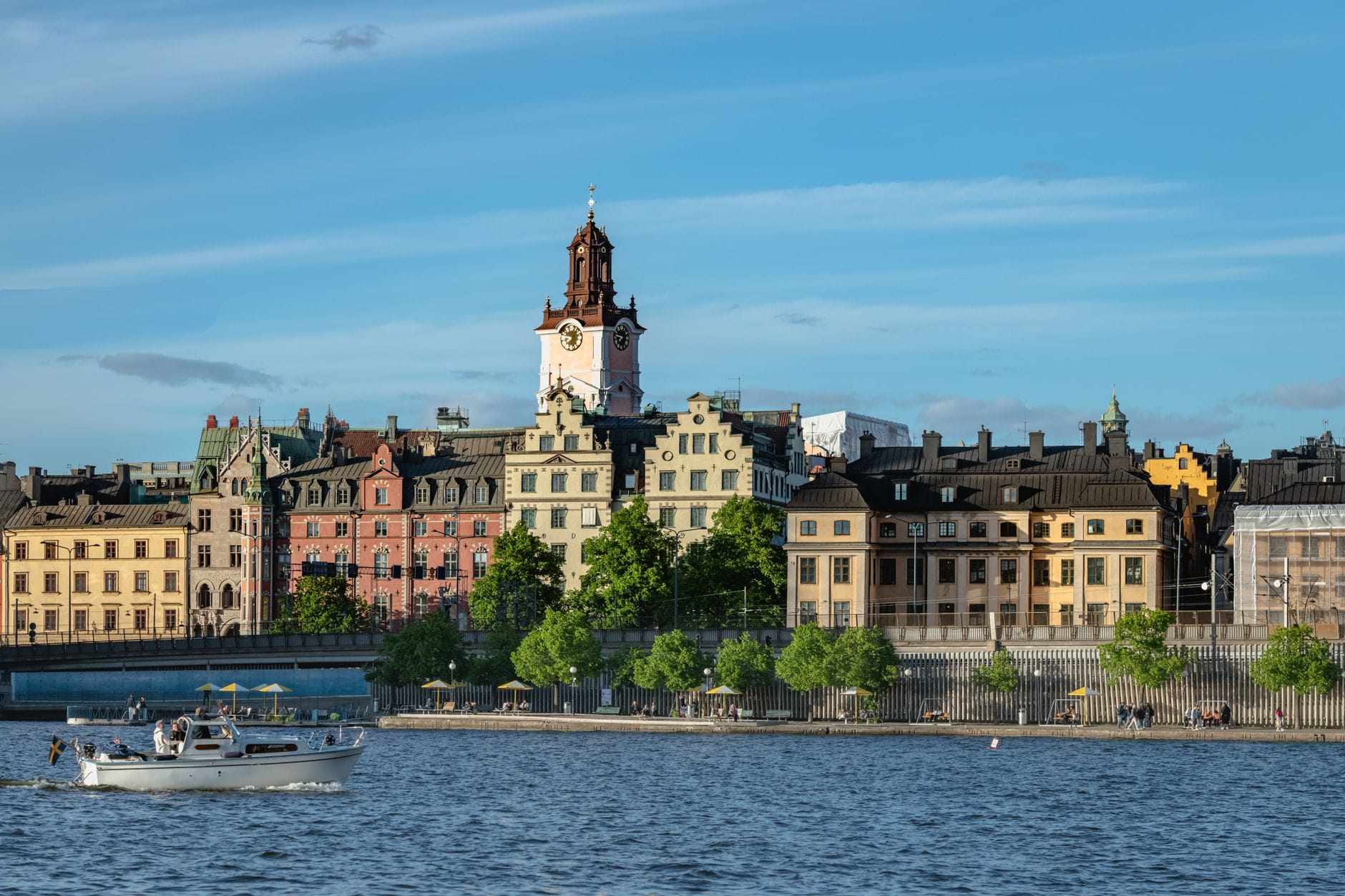
Stockholm in summer is mild rather than hot. Daytime highs in July and August typically sit between 18°C and 23°C (64–73°F), making it comfortable for walking, cycling, and waterfront activities without the oppressive heat of southern European destinations. Nights cool noticeably to around 12–15°C (54–59°F), so a sweater is genuinely useful even in peak July.
The city sits at approximately 59°N latitude, which translates to extraordinary daylight hours around the summer solstice. On 21 June, sunrise is around 03:31 and sunset around 22:07, giving Stockholm roughly 18.6 hours of usable daylight. Even by late August, you're still getting 14–15 hours. This fundamentally changes how the city operates: restaurant terraces stay packed until 10pm, parks fill with locals after work, and the general mood shifts into something genuinely celebratory.
ℹ️ Good to know
Midsommar (Midsummer), celebrated on the Friday between 19–25 June, is Sweden's most important summer holiday. Many Stockholmers leave the city for the countryside that weekend, meaning popular spots are quieter than expected — but some restaurants and shops close or reduce hours. Plan accordingly.
The notion that Scandinavia stays cold all summer is a misconception. Short heat spells where temperatures reach 28–30°C do occur, particularly in July, and are becoming more frequent. These rarely last more than a few days, but central Stockholm can feel warm without much shade or air conditioning in older buildings. Equally, summer is not dry in the way the Mediterranean is: July averages around 70mm of rain spread across roughly 12 days, usually as brief intense showers rather than prolonged grey drizzle. A lightweight waterproof layer is worth its weight in luggage space.
- June Longest days, cooler than July, Midsommar celebrations, some attractions opening seasonal extended hours.
- July Peak warmth, peak crowds, peak prices. Highest chance of a genuine hot day. Book accommodation months in advance.
- August Still warm and busy, but daylight starts pulling back. Locals return from holidays; the city regains some normal rhythm by late August.
The Archipelago: Stockholm's Summer Centrepiece
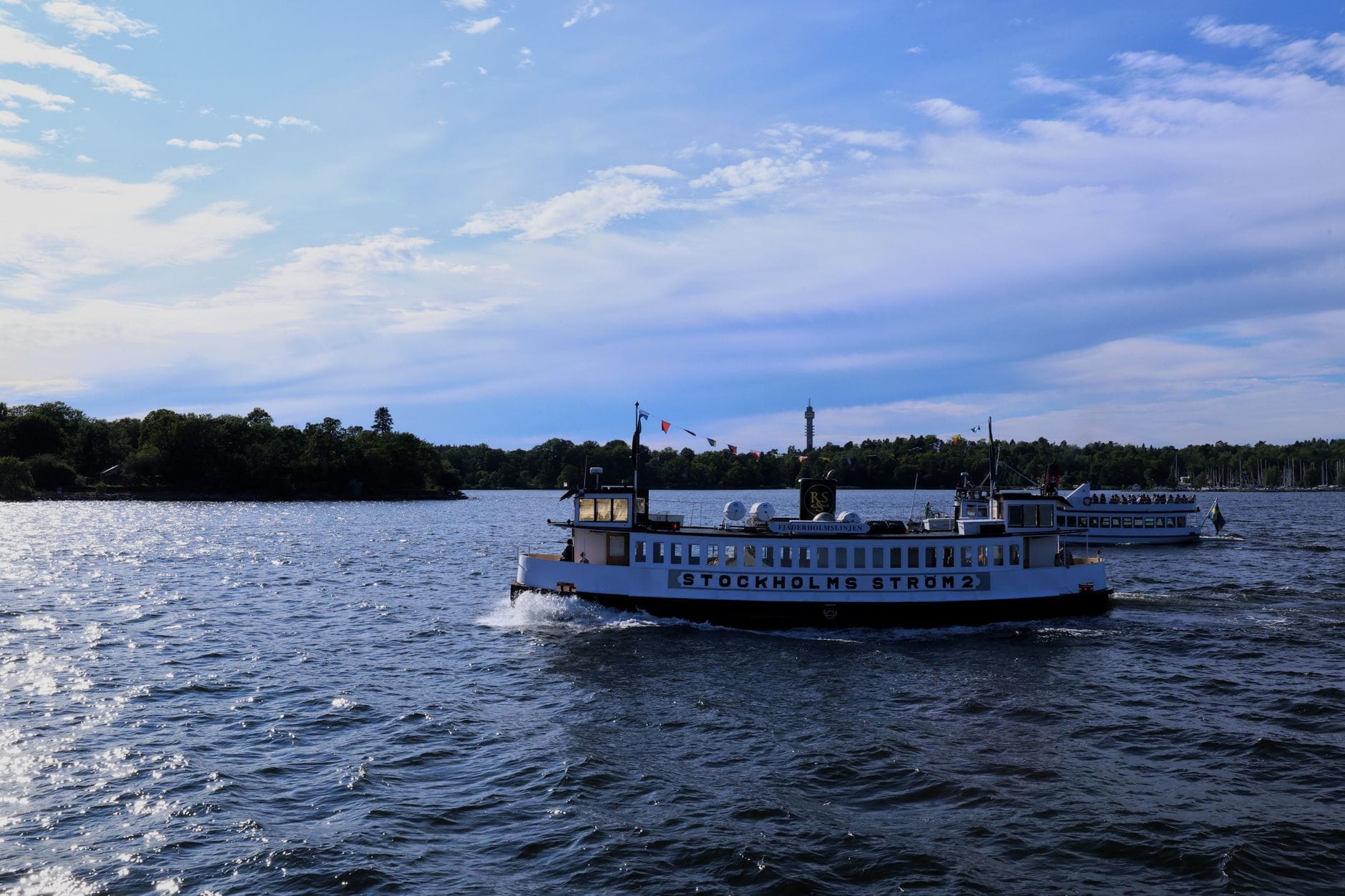
No summer visit to Stockholm makes sense without at least one day in the archipelago. The Stockholm Archipelago covers around 30,000 islands, islets, and skerries stretching east into the Baltic. Regular Waxholmsbolaget ferry services depart from Strömkajen and Nybroviken in central Stockholm, making the islands genuinely accessible without booking a tour.
For a half-day trip, Vaxholm is the easiest choice: about 75 minutes by ferry, with a well-preserved wooden town centre, a 16th-century fortress, and waterfront restaurants. For something more remote, Sandhamn sits at the outer edge of the archipelago and takes around 3 hours by boat, but rewards the journey with sandy beaches and a genuine island atmosphere. Both routes run multiple times daily in summer.
✨ Pro tip
The Baltic Sea reaches around 17–18°C (63–64°F) in July and August — cool enough to shock, not cold enough to stop most people. Swedes swim in it routinely. If you're from a warmer-water background, temper expectations: this is not Mediterranean swimming.
Best Summer Activities in the City
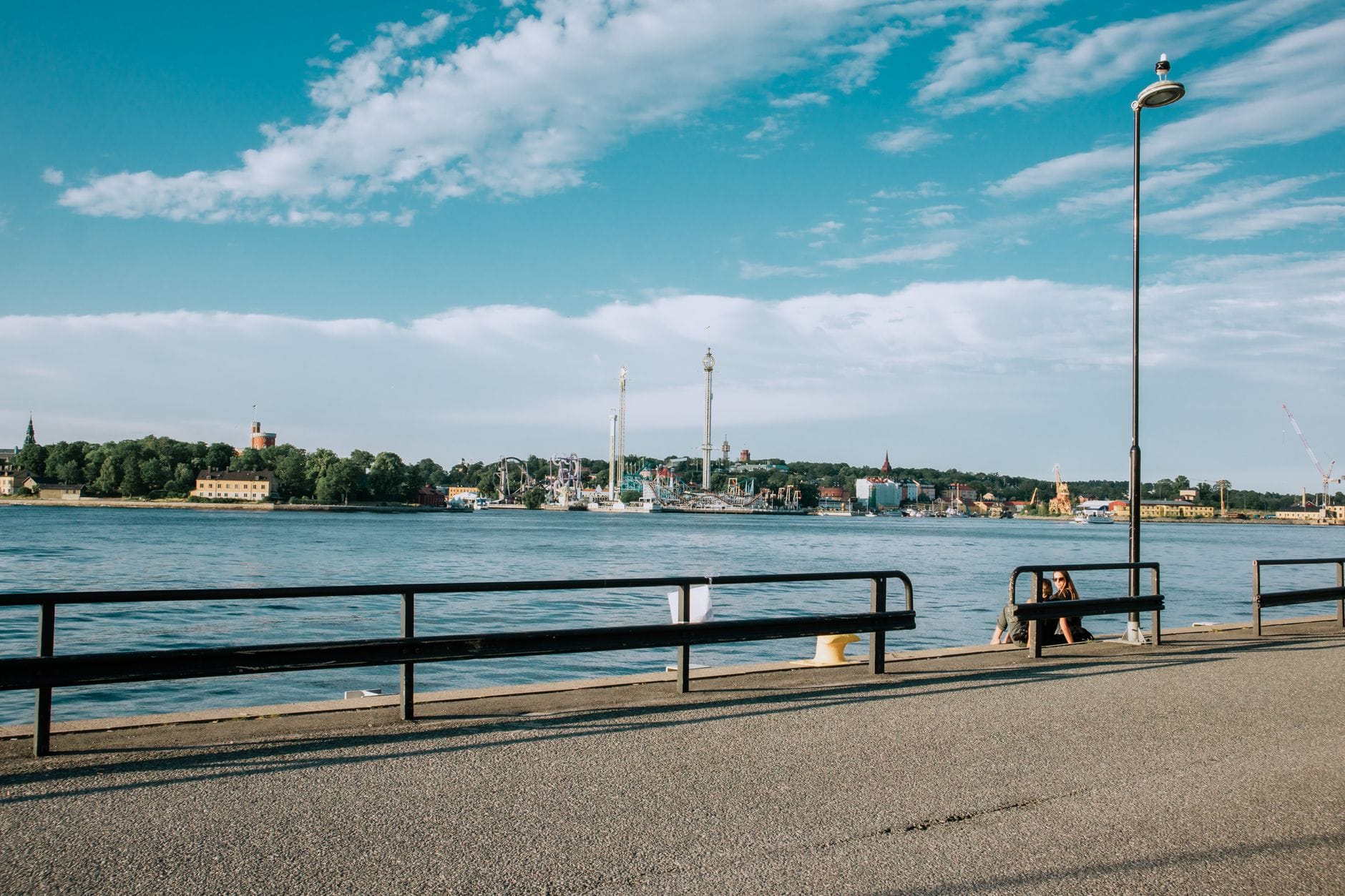
Stockholm's parks and green spaces come into their own in summer. Djurgården island is the most accessible: within walking or cycling distance from the city centre, it holds Skansen open-air museum, the Vasa Museum, and long stretches of waterside parkland. Djurgården is packed on sunny weekends, but it's large enough that you can find space away from the main tourist trail if you head inland.
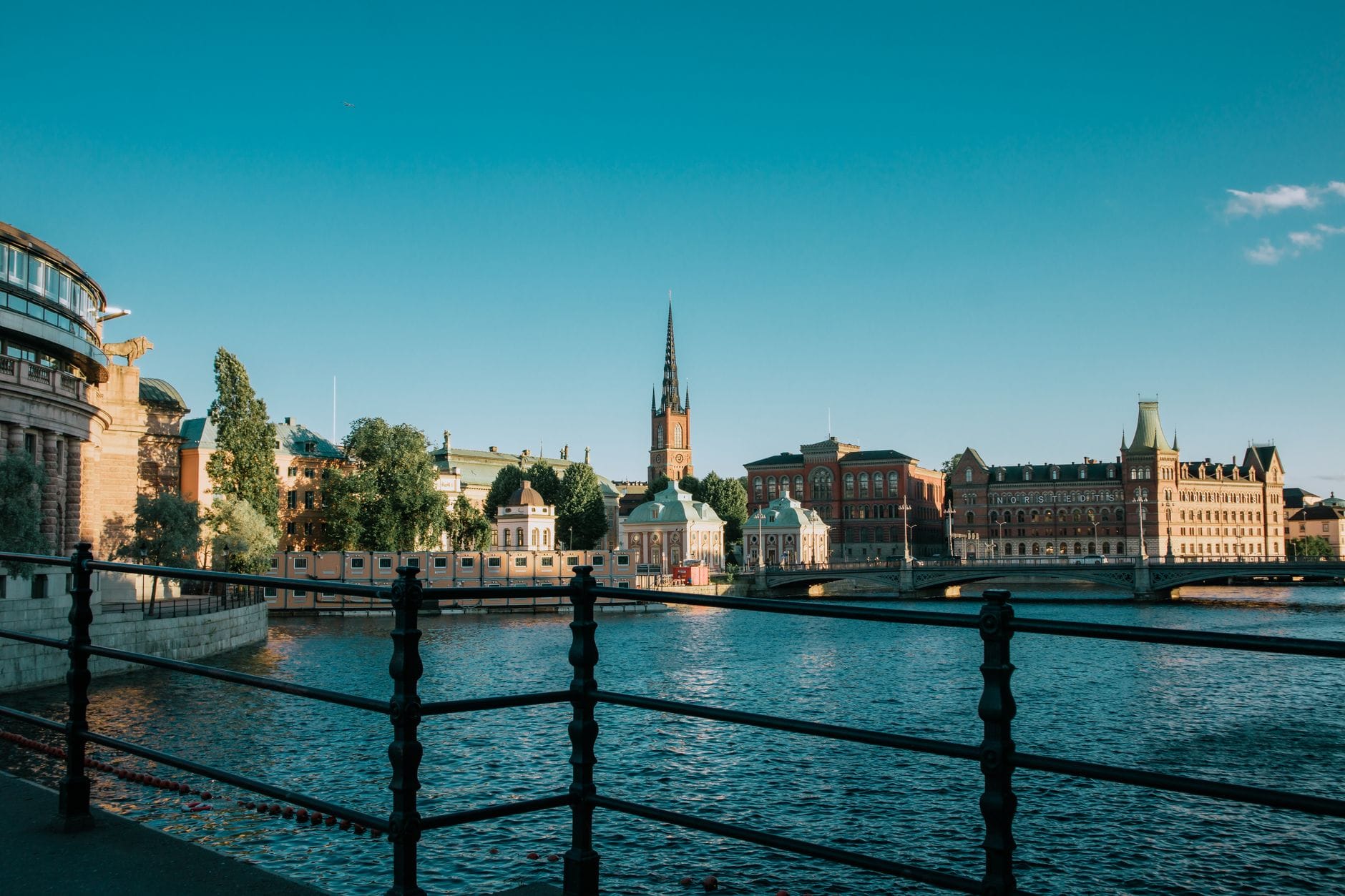
For views without the crowds of the main observation points, Skinnarviksberget on Södermalm is the highest natural point in central Stockholm and costs nothing. Similarly, Monteliusvägen is a cliffside walkway on Södermalm with panoramic views across the water to Gamla Stan and Kungsholmen — arrive early on summer mornings and you'll often have long stretches to yourself.
- Rent a kayak or canoe from Djurgården and paddle around the inner islands — a genuinely different perspective on the city, and practicable even for beginners.
- Visit Rosendals Trädgård, a biodynamic garden on Djurgården, for locally grown produce, weekend baking, and a garden café that operates seasonally.
- Take the metro with the explicit goal of seeing the stations: Stockholm's Tunnelbana has some of the most striking public art in Europe, and it's accessible on a standard SL ticket.
- Catch a performance at Gröna Lund, the waterfront amusement park that doubles as a concert venue in summer, hosting both international and Swedish acts.
- Explore Södermalm's SoFo neighbourhood on weekday mornings when the boutiques and coffee shops are quieter than on tourist-heavy weekends.
Museum-wise, summer is peak season for Vasa Museum queues — expect 30–60 minute waits on July mornings without advance booking. The Fotografiska photography museum is a slightly better bet: it stays open until 23:00 most nights, so visiting after dinner sidesteps the afternoon crush entirely.
Crowds, Prices, and Honest Trade-offs
Stockholm in summer is expensive. Hotel prices in July can be double or triple what you'd pay in November, and popular waterfront restaurants book out days in advance. This is not speculation: Stockholm consistently ranks among Europe's pricier capitals, and summer amplifies that baseline significantly. Budget around 150–250 SEK per person for a café lunch, 350–600 SEK for a mid-range dinner main, and plan on museum entry fees of 150–200 SEK for major attractions.
Gamla Stan is the area most affected by summer crowds. The narrow medieval lanes between Stortorget and Järntorget are gridlocked with tour groups from around 10am to 6pm in July. This doesn't mean you should skip it, but it does mean the experience of Stockholm's Old Town is best captured early morning, when the light is soft and the streets are quiet, or in the evening when the day-trippers have left.
⚠️ What to skip
Stockholm City Hall tower (Stadshuset) is only open for visits from May to September, and entry is via guided tours with limited capacity. Book online well in advance in July — walk-up availability is unreliable on busy days.
If you want summer conditions with fewer compromises on price and crowds, late May and early September are the sweet spots. Temperatures regularly reach 16–20°C, most seasonal attractions are open, and accommodation rates drop noticeably. The Stockholm on a budget guide breaks down where to cut costs without cutting corners on the experience.
Getting Around Stockholm in Summer
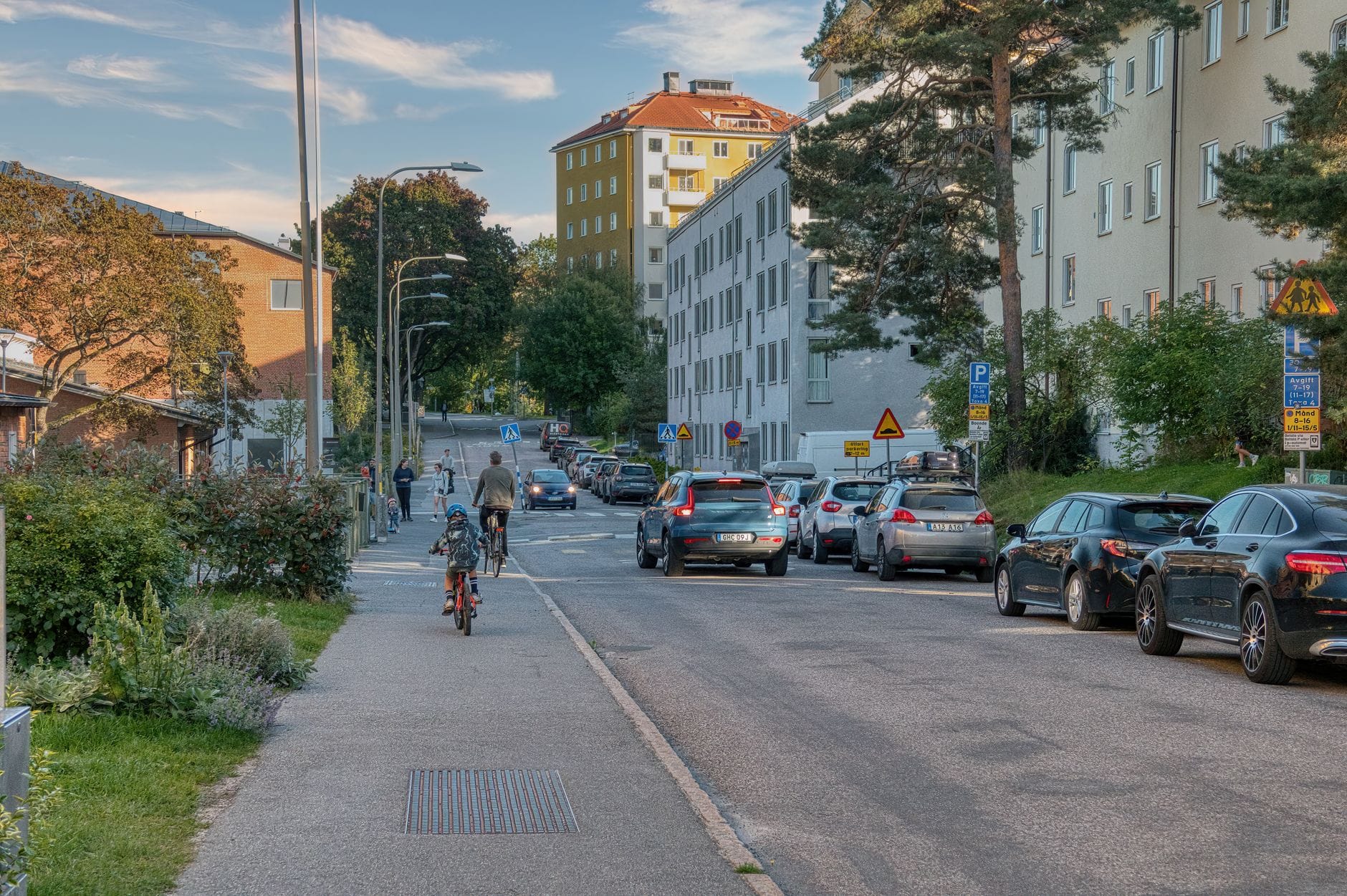
Stockholm's public transport network (SL) covers the city comprehensively via metro, tram, bus, and commuter rail. A 24-hour SL card makes economic sense for most visitors covering multiple areas in a day. Cycling is a genuinely practical option in summer: the city has dedicated bike lanes, and several rental schemes operate across central Stockholm. For full transport logistics, the getting around Stockholm guide covers tickets, apps, and the archipelago ferry network in detail.
Arriving from Arlanda Airport? The Arlanda Express train takes approximately 20 minutes to Stockholm Central Station and runs frequently. Alternatives include regional commuter trains (slower but cheaper using a standard SL ticket with an Arlanda supplement) and airport coaches to several central stops. Full details on costs and routes are in our Stockholm Arlanda Airport guide.
Day Trips Worth Taking from Stockholm in Summer
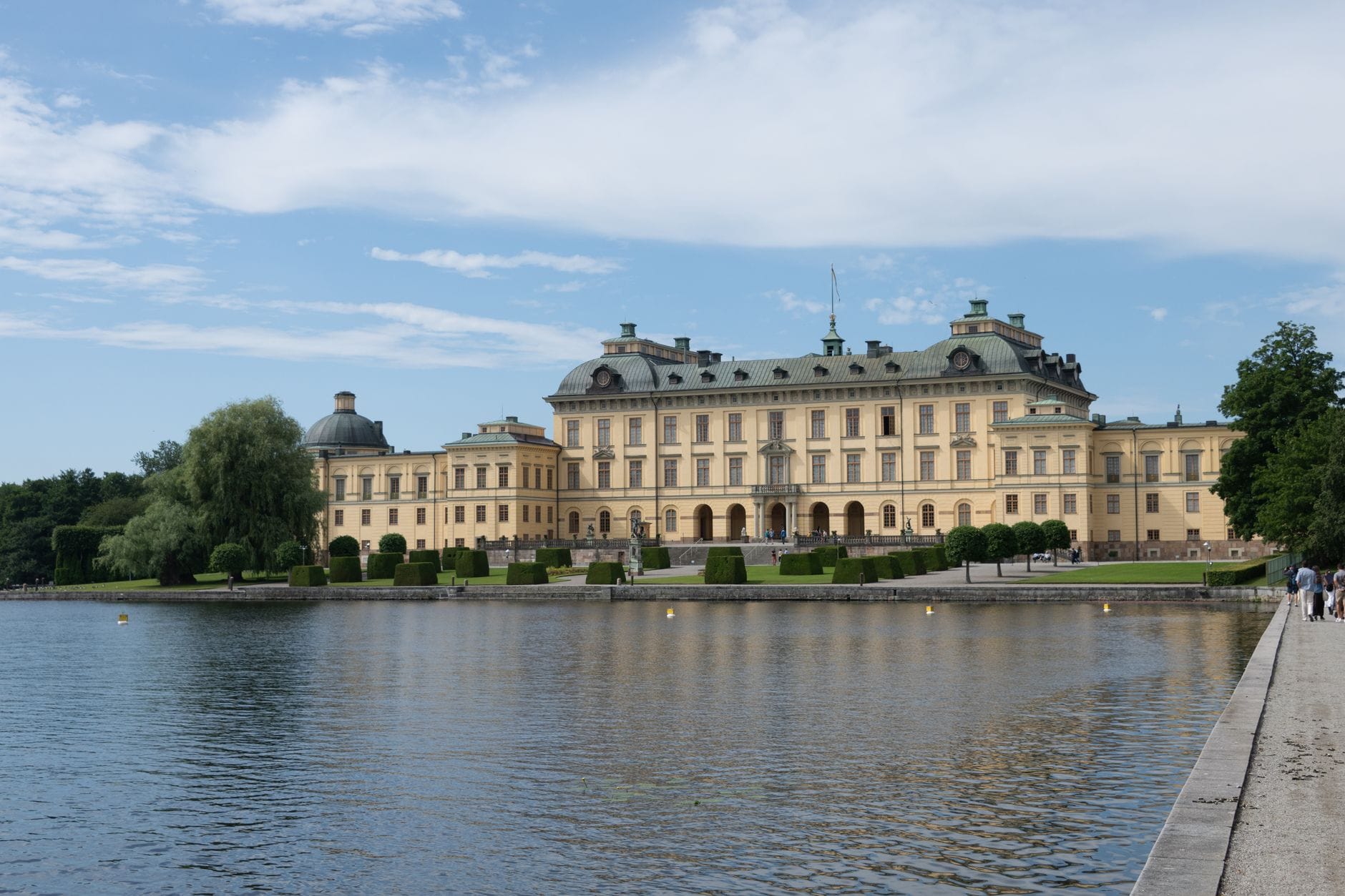
The long summer days make day trips from Stockholm unusually practical. Drottningholm Palace is the most accessible: a UNESCO World Heritage Site on Lake Mälaren, reachable by boat from Stadshuskajen (about 50 minutes) or by metro and bus. The palace grounds are free to enter; interior tours require a ticket. The boat journey itself is worth the price.
Further afield, Sigtuna is Sweden's oldest town, about an hour by commuter rail and bus north of Stockholm. In summer the pedestrian main street fills with independent shops and outdoor seating. For something with Viking-era depth, Birka Viking site on the island of Björkö runs summer-only boat excursions from Stockholm. Our day trips from Stockholm guide covers logistics for all major options.
FAQ
Is Stockholm worth visiting in summer despite the crowds?
Yes, but with realistic expectations. Summer unlocks the archipelago, outdoor dining, and the full calendar of seasonal events that aren't available in other months. The trade-off is higher prices and crowded attractions. If you time your sightseeing for early mornings and evenings, the experience improves dramatically. Most people who visit in summer leave satisfied — the city is genuinely at its most energetic.
What should I pack for Stockholm in summer?
Light clothing for warm days (t-shirts, light trousers or shorts), plus a sweater or light fleece for evenings, which regularly drop to 12–15°C. A packable waterproof jacket is worth including: summer showers are brief but can be heavy. Comfortable walking shoes are essential given how much of Stockholm is best explored on foot.
When is the best time to visit Stockholm in summer to avoid crowds?
Late May and early September offer the best compromise: temperatures are still comfortable (often 16–20°C), most seasonal attractions are open, and both accommodation prices and visitor numbers are lower than peak July. Within summer itself, visiting major attractions in the first two hours after opening or in the early evening makes a significant difference.
Can you swim in Stockholm in summer?
Yes, and Swedes do so enthusiastically. The Baltic Sea around Stockholm reaches about 16–17°C in July and August, which is refreshing rather than warm. City swimming spots include Långholmen beach on Kungsholmen and several spots on Djurgården. Lake Mälaren and inland lakes tend to be slightly warmer than the sea.
Is it expensive to visit Stockholm in summer?
Stockholm is one of Europe's more expensive capitals at any time of year, and summer prices push that further. Hotel rates in central areas peak in July. Budget travel is possible: many parks, viewpoints, and the metro art are free or low-cost. The Stockholm Pass covers entry to many paid attractions and may save money if you plan to visit several museums — our Stockholm Pass guide assesses whether it's worth buying.
Tickets & tours
Live prices and dates from our booking partner. If you book, we may earn a commission at no extra cost to you.
Planning a trip? Discover personalized activities with the Nomado app.