Sandhamn: The Stockholm Archipelago's Most Storied Island
about 55 km east of Stockholm, Sandhamn sits at the outer edge of the archipelago where the Baltic proper begins. A former pilot station turned sailing capital, it draws day-trippers, regatta crews, and summer regulars seeking pine forests, sand beaches, and a harbor pace that feels nothing like the city.
Quick Facts
- Location
- Sandön, Värmdö Municipality, Stockholm County — approx. 55 km east of central Stockholm
- Getting There
- By passenger ferry from Stockholm (Waxholmsbolaget and other operators); no road access to the island
- Time Needed
- Full day (including ferry travel); overnight stay recommended to experience the island after day-trippers leave
- Cost
- No entry fee; main cost is the ferry ticket (prices in SEK; verify current fares with Waxholmsbolaget before travel)
- Best for
- Sailors, archipelago walkers, summer escapists, and fans of Viveca Sten's crime novels
- Official website
- www.sandhamn.com
What Sandhamn Actually Is
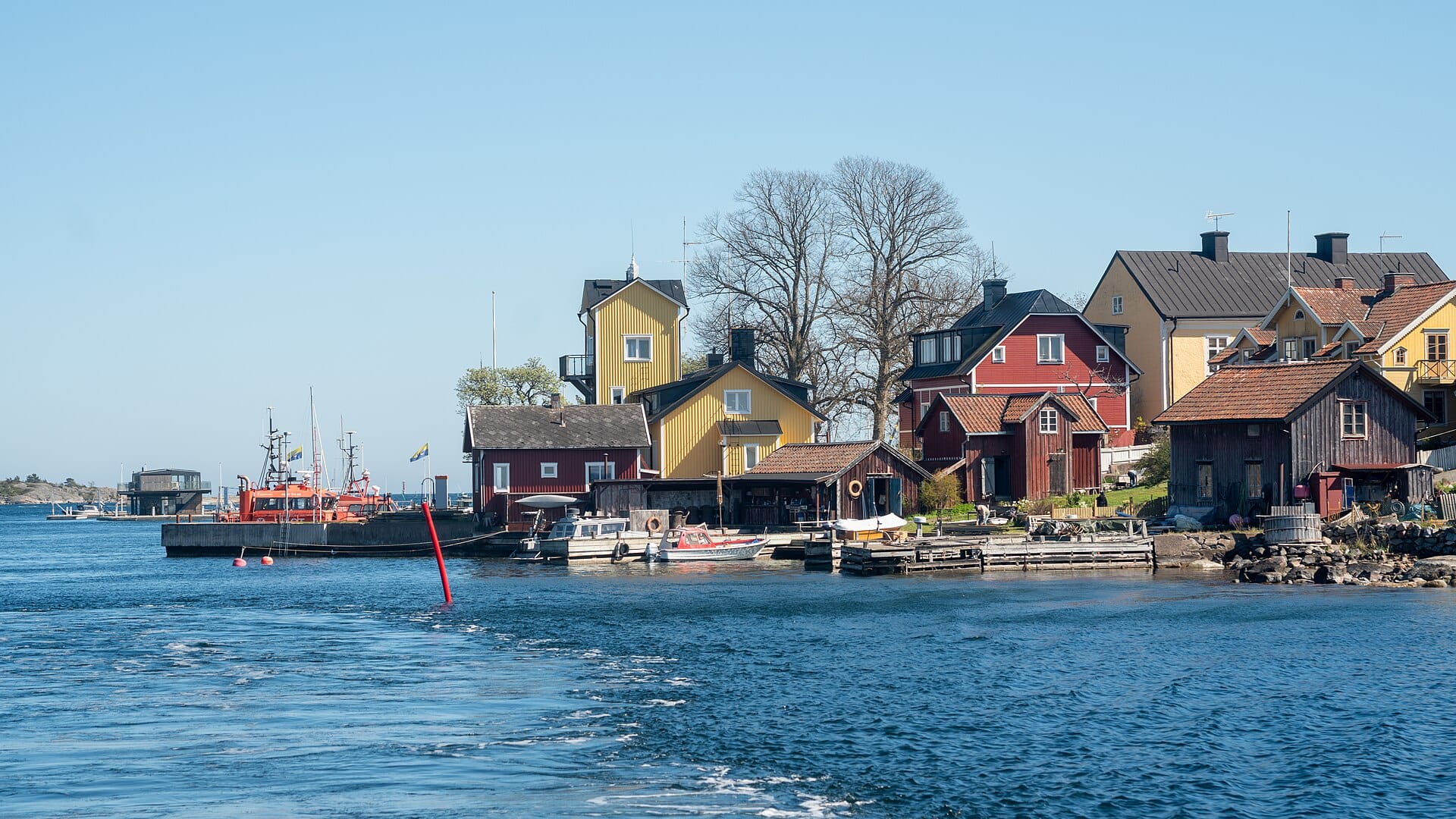
Sandhamn is a small settlement on Sandön, an island at the outermost reaches of the Stockholm Archipelago, where the sheltered inner waters give way to open Baltic swells. The Swedish name translates literally as 'Sand Harbour', and both halves of that name earn their place: the harbor is the social and economic heart of the island, and genuine sand beaches backed by dune pine forest make this landscape unlike the granite-and-moss scenery typical of the inner archipelago.
The island falls under Värmdö Municipality and is designated a national interest for cultural heritage under the Swedish Environmental Code, a status that reflects centuries of maritime history. What visitors find today is a compact, walkable settlement of wooden houses in traditional Swedish red and ochre, clustered around a harbor that still takes its sailing seriously. Sandhamn is inhabited year-round by a small permanent community, but the island's character shifts dramatically between a quiet winter outpost and a lively summer destination packed with sailboats and day-trippers.
ℹ️ Good to know
Sandhamn is accessible only by sea. There is no bridge or road connection to the mainland. Plan your ferry schedule carefully, especially for a day trip — the last return sailing does not wait.
Getting There: The Ferry Is Part of the Experience
The journey to Sandhamn is itself a reason to go. Ferry services from Stockholm run through the archipelago's inner passages, past hundreds of low granite islands, before emerging into the wider outer skerries near Sandhamn. Waxholmsbolaget operates regular public ferry connections; other seasonal operators also serve the route. The trip takes roughly two to two and a half hours from central Stockholm depending on the route and stops, so factor that into your day.
Ferry tickets are priced in SEK and fares change seasonally, so check the current schedule and prices directly with the operator before you travel. If you hold a valid SL card, some routes and discounts may apply, but confirm this before boarding. For a broader look at how to get around Stockholm's waterways and islands, the Stockholm archipelago guide covers ferry options, timing, and what to expect across different islands.
On the boat itself, sit on the upper deck if weather permits. The approach to Sandhamn through the Sandhamnsleden fairway, a historically significant navigational channel, gives you a sense of why this location was chosen for a pilot station centuries ago: it is the natural gateway between the Baltic and the inner archipelago. Bring a layer regardless of the season; even a warm July morning produces a wind chill on the open water.
💡 Local tip
Book return ferry tickets in advance during summer weekends and the regatta season. Boats fill up, and standing on the deck for three hours back to Stockholm is far less enjoyable than a seat.
Tickets & tours
Live prices and dates from our booking partner. If you book, we may earn a commission at no extra cost to you.
2-hour archipelago tour on a RIB speedboat
From 122 €Instant confirmationFree cancellationHaunted Stockholm exploration game and tour
From 12 €Instant confirmationFree cancellationFotografiska Stockholm entrance tickets
From 0 €Instant confirmationFree cancellationStockholm: Nature Reserve Hiking Tour with Campfire Lunch
From 102 €Instant confirmationFree cancellation
History and Maritime Character
Sandhamn has functioned as a pilot station for centuries, guiding ships safely through the complex outer archipelago into Stockholm. The Royal Swedish Yacht Club (Kungliga Svenska Segelsällskapet, KSSS) established a presence here, and today Sandhamn is one of Scandinavia's most recognized sailing destinations. The island hosts major regattas including the Sandhamnsregattan and the Gotland Runt, a celebrated offshore race. During regatta season, the harbor fills with hundreds of sailboats and the normally quiet waterfront becomes a concentrated world of sails, rigging noise, and racing crew.
Even outside regatta periods, the sailing culture is ever-present. The KSSS clubhouse sits prominently on the waterfront. Old boathouses and wooden jetties frame the harbor. The architecture of the settlement itself reflects its past: pilot cottages, merchant buildings, and a small but well-maintained local museum that documents the island's maritime history. The museum operates with seasonal summer hours, so check opening dates before making it a primary goal.
Sandhamn also carries a more recent layer of cultural fame as the setting for Viveca Sten's Sandhamn Murders novels and TV series, which has been adapted for Swedish television. Readers of the series will recognize descriptions of the harbor, the narrow lanes, and the island's social dynamics. This literary connection draws a distinct category of visitor, separate from the sailing crowd. If Nordic crime fiction is your interest, the broader Stockholm Archipelago has multiple islands with their own strong cultural narratives worth exploring.
What to Do on the Island
Walking the Settlement
Sandhamn's village is compact enough to cover on foot in under an hour, but the details reward a slower pace. The lanes between the red-painted wooden houses are narrow, some barely wide enough for two people abreast. There are no cars on the island in any meaningful sense; the main transport for residents is by boat or on foot. This gives the settlement an unusual quietness, broken mainly by harbor sounds: ropes against cleats, the creak of wooden docks, gulls.
The harbor area concentrates most of the visitor services: a handful of restaurants, a bakery, the tourist information point, and shops oriented toward sailors and summer visitors. Evenings in high summer, when the day-trippers have departed on the late afternoon ferries, the harbor takes on a different tone. The remaining visitors and the permanent residents share the waterfront in a way that feels genuinely local rather than performed for tourism.
Beaches and Forest Trails
Sandön's sandy beaches are the most distinctive natural feature of the island and unusual in the Stockholm archipelago, where most islands offer rocky shores rather than sand. The beaches on the ocean-facing side of the island back onto dune terrain planted with pine forest, a landscape that feels closer to the Baltic coast of southern Sweden than the typical granite skerries of the outer archipelago. The sandy ground makes walking comfortable and gives the island a softer, warmer quality underfoot on summer days.
Trail walking through the pine forest is uncomplicated but genuinely pleasant. The island is not large, and paths connect the settlement side to the outer beaches without significant elevation change. The terrain is natural rather than manicured; wear shoes with some grip and be aware that sandy, uneven ground and exposed tree roots can make some sections awkward for those with limited mobility. The outer beaches face east and northeast, catching the Baltic wind, and the water temperature even in peak summer is bracing rather than warm.
Time of Day and Seasonal Variation
Morning arrivals on the first or second ferry of the day find the harbor at its quietest. The bakery opens early and the smell of fresh bread and coffee carries across the dock. At this hour, the settlement belongs mainly to overnighting sailors and a handful of guests who stayed the previous night. The light in the Stockholm archipelago on a clear summer morning, low and amber even at eight in the morning, is one of the genuinely memorable things about visiting the outer islands.
By midday and into the early afternoon, day-trip ferries arrive in waves and the harbor fills considerably. The main restaurants begin their lunch service, and the outdoor seating areas face the water. This is the loudest and most social period of the day. The beaches are busiest in the early afternoon. After roughly four in the afternoon, as return ferries depart, the crowd thins noticeably.
Winter visits are a different proposition entirely. Ferry service continues but runs less frequently, visitor services are largely closed, and the island returns to its small permanent community. The landscape in winter, snow-dusted pines and a grey Baltic horizon, has its own stripped-back appeal, but it is not what most visitors are seeking. The clear season runs from late spring through early autumn, with June through August representing peak demand.
⚠️ What to skip
Weather in the outer archipelago is changeable and can deteriorate faster than it appears in Stockholm. Check forecasts before travel and pack a waterproof layer even in summer. Fog can reduce visibility and occasionally affects ferry schedules.
Photography and Practical Notes
The harbor is the most photogenic area, particularly in early morning or late evening light when the boats are reflected in still water and the wooden buildings glow in low sun. The outer beaches offer wide open compositions with Baltic horizons and twisted pine silhouettes. A wide-angle lens is useful for beach landscapes; a longer focal length picks out sailing detail in the harbor. The settlement's narrow lanes photograph well in overcast light, which softens shadows between buildings.
Sandhamn lies within protected archipelago nature and the outer archipelago is subject to nature conservation rules rather than the central Stockholm Ekoparken system. Respect marked areas, stay on established paths through sensitive dune terrain, and follow the Swedish right of access principle (Allemansrätten), which grants passage on foot through most natural areas but prohibits damage to vegetation or disturbance of wildlife. For context on how Stockholm manages its natural spaces, see the Ekoparken guide.
Accessibility on Sandhamn is limited. The ferry dock and the immediate harbor area are reasonably flat, but the natural terrain of the island, sand, forest paths, exposed roots, and some uneven cobbled lanes in the settlement, presents real challenges for wheelchairs and those with significant mobility limitations. The beaches on the outer coast require walking through soft sand, which is not accessible for wheeled mobility aids. Plan accordingly.
Is Sandhamn Worth It?
The honest answer depends on what you are after. For anyone with an interest in sailing culture, archipelago landscapes, or Scandinavian maritime history, Sandhamn delivers at a level few Swedish island destinations match. The combination of a historically significant harbor, genuinely unusual sandy beaches, and a settlement small enough to understand on a single visit makes for a coherent and satisfying day out.
The ferry journey is long for a day trip, and visitors who come primarily for a beach should know the water temperature will be cold and the Baltic-facing beaches are exposed to wind. Those who want a compact, picture-postcard Swedish summer island experience in a shorter journey from Stockholm might find the inner archipelago islands more convenient. But if the outer archipelago's sense of space and salt air is what you want, Sandhamn earns the travel time.
If you are building an itinerary around Stockholm's islands and waterways, the Vaxholm fortress town is a shorter ferry ride and offers a different kind of historic island character, while Mariefred and Gripsholm Castle provides a compelling day trip by water in the opposite direction, west toward Lake Mälaren. For planning the broader trip, the day trips from Stockholm guide covers both island and mainland options with honest assessments of travel time versus reward.
Insider Tips
- Stay overnight rather than day-tripping if you can. The island's real character emerges after the afternoon ferries take the crowds back to Stockholm, when the harbor is quiet and belongs to sailors and residents.
- The KSSS regatta calendar is worth checking before you book. Visiting during a major race week means extraordinary sailing spectacle in the harbor, but also fully booked accommodation and very crowded ferries. Decide which you prefer.
- Pack your own picnic supplies from Stockholm. The island's restaurants are good but priced at summer-destination rates. Eating on the outer beach with your own food is the most comfortable and cost-effective option for lunch.
- The sandy beaches are on the east-facing, ocean side of the island, not visible from the ferry or the harbor. First-time visitors sometimes assume the harbor side is the only waterfront. Walk through the forest trail to reach the proper beaches.
- Visit the small local museum if it is open during your stay. It documents the pilot station history and the island's maritime past more concisely and honestly than most tourist sites manage, and it is rarely crowded.
Who Is Sandhamn For?
- Sailing enthusiasts and anyone who wants to watch or attend one of Sweden's major offshore regattas up close
- Day-trippers and overnight visitors looking for a genuine outer archipelago experience with sand beaches unusual for the region
- Readers of Viveca Sten's Sandhamn Murders series who want to walk the setting of the novels
- Photographers seeking Baltic maritime landscapes, wooden harbor architecture, and open-water light conditions
- Travelers who want to combine a scenic ferry journey with time on an island that has its own distinct history and community
Nearby Attractions
Combine your visit with:
- Birka Viking Town
Founded around AD 750 on a remote island in Lake Mälaren, Birka was one of Scandinavia's earliest true urban trading centers. Today it survives as part of the UNESCO World Heritage Site Birka and Hovgården, reached only by seasonal boat from Stockholm, where around 2,000 Viking-age graves still dot the surrounding landscape. It is one of the most historically significant half-day excursions available from the Swedish capital.
- Drottningholm Palace
Drottningholm Palace is Sweden's most complete royal domain, a UNESCO World Heritage Site on Lovön island just about 10 km west of Stockholm. The baroque complex includes the palace, a working 18th-century theatre, a Chinese Pavilion, and formal gardens that shift in character across every season.
- Royal National City Park (Ekoparken)
The Royal National City Park, known locally as Ekoparken, is the world's first national urban park and one of Stockholm's most remarkable features. Stretching around 27 km² from Djurgården in the south to Ulriksdal in the north, it wraps around the city in a continuous arc of ancient oak forests, royal palaces, museum islands, and open waterways. Entry is free and the park never closes.
- Hagaparken
Hagaparken is a 144-hectare English landscape park just north of central Stockholm, laid out for King Gustav III in the late 18th century. Free to enter year-round, it offers a rare combination of royal history, open meadows, and waterside walking paths within easy reach of the city. Individual attractions inside the park, including the Butterfly House and royal pavilions, charge their own fees.
Planning a trip? Discover personalized activities with the Nomado app.