Gripsholm Castle and Mariefred: The Complete Day Trip from Stockholm
About about 60 km west of Stockholm, Gripsholm Castle rises above Lake Mälaren in the small town of Mariefred. Dating to Gustav Vasa's reign in the 1530s, it houses Sweden's National Portrait Gallery and offers one of the most rewarding day trips from the Swedish capital, especially in summer when you can arrive by vintage steamboat.
Quick Facts
- Location
- Mariefred, Södermanland, approx. 60 km west of Stockholm
- Getting There
- Train from Stockholm Central to Läggesta (approx. 60–70 min), then local bus or summer narrow-gauge railway to Mariefred. Or vintage steamboat from Stadshuskajen in summer.
- Time Needed
- Half day minimum; full day recommended if arriving by steamboat
- Cost
- Entrance fee applies; check current prices at kungligaslotten.se before visiting
- Best for
- History lovers, portrait art, Swedish royal heritage, scenic lake travel
What Gripsholm Castle Actually Is
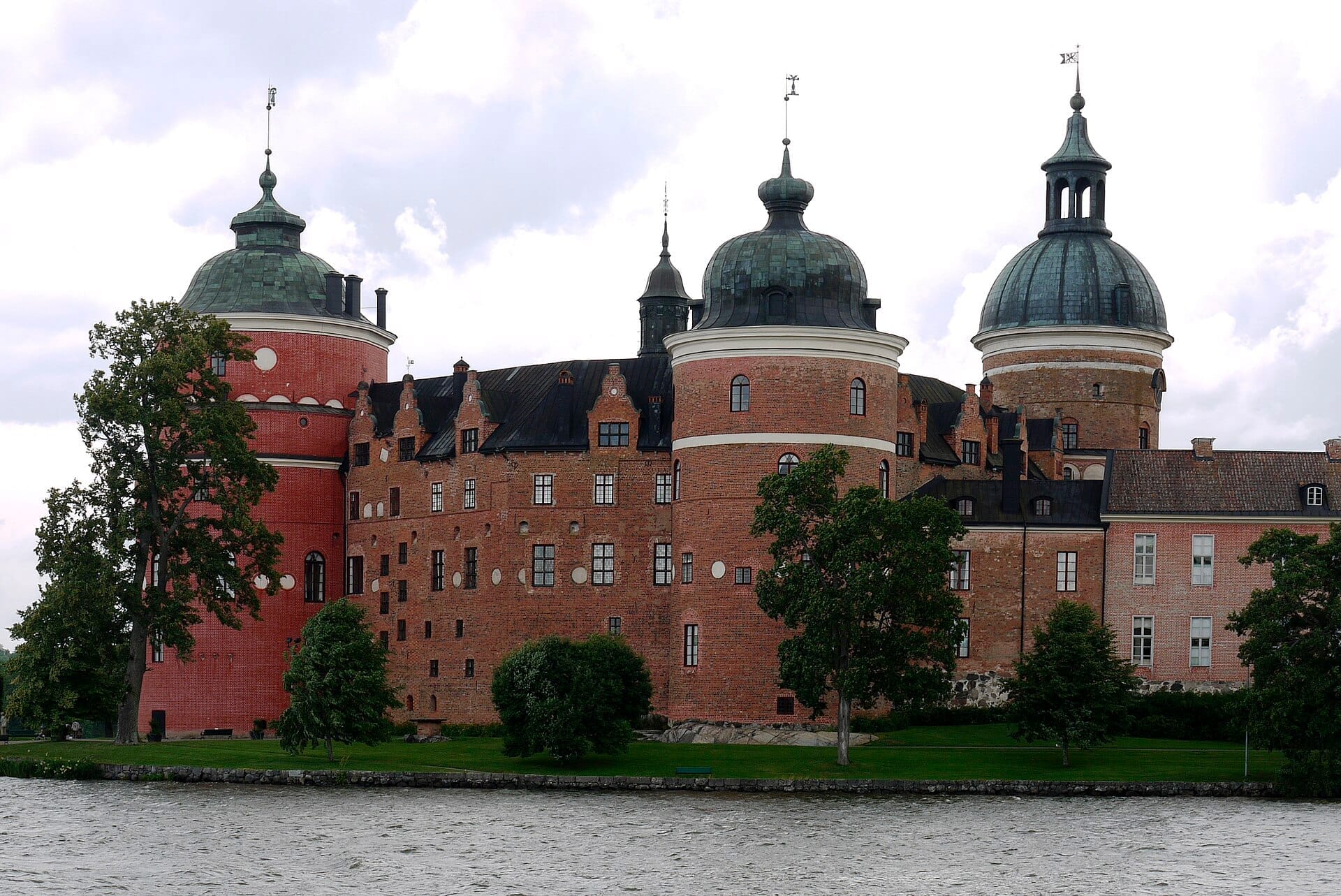
Gripsholm Castle (Swedish: Gripsholms slott) is a fortified royal castle on a small peninsula jutting into Lake Mälaren, in the medieval town of Mariefred. It is one of Sweden's best-preserved Renaissance castles and today operates as a royal palace open to the public under the administration of the Royal Palaces authority. Its thick round towers and warm reddish-brick walls reflect in the water on calm days, giving the approach from the lake a quality that photographs can't fully capture.
Inside, the castle houses the National Portrait Gallery (Statens porträttsamlingar), one of the oldest and largest portrait collections in the world. Thousands of portraits of Swedish royals, nobles, scholars, and statespeople line the rooms, making the interior as interesting as the exterior for those willing to slow down and look.
ℹ️ Good to know
Opening hours are seasonal and change throughout the year. The castle opens more extensively in summer and has limited hours in winter, while the grounds remain open year-round. Always verify current hours at kungligaslotten.se before making the trip.
Six Centuries of History in One Building
A fortress was first built at this site around 1370 by the powerful Swedish nobleman Bo Jonsson Grip, from whom the castle takes its name. That original structure didn't survive intact. The castle visitors see today was largely ordered by King Gustav I Vasa, with the main residential sections dating from 1537. Gustav Vasa essentially rebuilt Sweden's political identity in the 16th century, breaking from the Catholic Church and establishing the Vasa dynasty, and Gripsholm became one of his key residences.
The castle served as a royal residence until 1713. It also served, at various points, as a prison. In the late 18th century, King Gustav III oversaw significant renovations and took a strong personal interest in Gripsholm, using it as a creative retreat. His influence is visible in the castle's theater, one of the most intact 18th-century court theaters in Scandinavia.
For travelers who want to put Gripsholm into the broader context of Swedish royal history, the Stockholm Royal Palace in Gamla Stan and Drottningholm Palace offer comparison points. Drottningholm is the current royal residence and a UNESCO World Heritage Site; Gripsholm, now fully a museum, feels less ceremonial and more intimate.
Tickets & tours
Live prices and dates from our booking partner. If you book, we may earn a commission at no extra cost to you.
2-hour archipelago tour on a RIB speedboat
From 122 €Instant confirmationFree cancellationHaunted Stockholm exploration game and tour
From 12 €Instant confirmationFree cancellationFotografiska Stockholm entrance tickets
From 0 €Instant confirmationFree cancellationStockholm: Nature Reserve Hiking Tour with Campfire Lunch
From 102 €Instant confirmationFree cancellation
The National Portrait Gallery: What to Expect Inside
The National Portrait Gallery is the main reason to go inside the castle rather than simply admiring it from the lakeside. The collection spans roughly five centuries of Swedish portraiture, from stiff 16th-century Vasa-era paintings to more naturalistic 19th and 20th-century works. The portraits are displayed throughout the castle rooms, so navigating the collection means moving through actual royal interiors rather than neutral gallery spaces.
The scale can feel overwhelming if you try to take everything in equally. A more rewarding approach is to focus on the earlier rooms, where the Vasa and subsequent dynasties are represented, and then the theater and the rooms associated with Gustav III. The theater is particularly striking in low light, its painted scenery and royal box giving a clear sense of how 18th-century Swedish court culture operated.
The castle rooms themselves, apart from the portraits, include period furniture, tapestries, and architectural details that are worth attention. The round towers create curved interior walls that give some rooms an unusual spatial quality. In summer, natural light enters generously and the lake views from certain windows are genuinely beautiful.
💡 Local tip
If portrait paintings are not your primary interest, consider budgeting 60 to 90 minutes inside the castle and spending the remaining time exploring Mariefred's streets and lakeside. The town itself is one of the most attractive small towns in the region.
Getting There: Three Ways, Three Very Different Experiences
The journey to Mariefred is part of the experience, and the transport option you choose shapes the entire day.
By train, direct services from Stockholm Central Station to Läggesta take approximately 60–70 minutes. From Läggesta, a local bus covers the roughly 2 km to Mariefred. In summer, the narrow-gauge Östra Södermanlands Jernväg operates a heritage steam railway between Läggesta and Mariefred, which adds a period charm that is especially enjoyable with children. Check current schedules in advance as the steam railway operates seasonally.
The most atmospheric option in summer is the vintage steamboat SS Mariefred, which departs from Stadshuskajen (the City Hall quay) in Stockholm and crosses Lake Mälaren to Mariefred. The journey takes around three to three and a half hours each way, so this is a full-day commitment, but the lake crossing with views of the archipelago and the eventual sight of Gripsholm's towers from the water is an experience quite different from anything available in the city. You can find more about the departure point in our guide to Stadshuskajen.
By car, the route from Stockholm follows the E20 motorway with an exit (139) toward Mariefred. Driving takes roughly 60 to 75 minutes depending on traffic. Parking is available near the castle. Driving gives the most flexibility if you want to combine Mariefred with other stops in Södermanland, but it sacrifices the scenic lake approach.
Mariefred: The Town Around the Castle
Many visitors treat Mariefred as merely the location of the castle, which is a mistake. The town is one of the best-preserved small towns in Sweden, with a coherent 18th and 19th-century street layout, wooden houses painted in the traditional red and yellow palette, and a lakeside quality that rewards an hour or two of aimless walking.
The central square, the Gripsholms Värdshus (a historic inn operating since the 17th century, located close to the castle), and the shoreline walking paths are the main focal points. In summer, cafes put out outdoor seating and the pace is genuinely slow. On weekday mornings outside peak season, you may have significant stretches of the town nearly to yourself.
If this type of historic small-town day trip appeals to you, the Viking-era town of Sigtuna offers a comparable experience to the north of Stockholm, with a different historical character. Our guide to day trips from Stockholm covers both options alongside other destinations around the capital.
Time of Day, Seasons, and Crowds
Summer, specifically July and early August, brings the highest visitor numbers and the best weather. The steamboat operates, the castle has its widest opening hours, and Mariefred's cafes and restaurants are fully staffed. Early morning arrivals by train can enter the castle before tour groups from Stockholm reach their stride, particularly on weekdays.
Visiting in May or September offers a reasonable compromise: the lake and town are quieter, the light in autumn turns the surrounding landscape amber and gold, and accommodation in Mariefred is far easier to secure. Winter visits are possible but the castle's interior access is significantly reduced, and the steamboat does not operate. The grounds and exterior remain accessible year-round, and the sight of the castle in snow is striking, but a winter trip requires careful advance planning.
Photography works best in the two hours after sunrise or before sunset when the light hits the castle's brick walls from a low angle. The lakeside view from the castle gardens, looking back toward Mariefred, is worth framing carefully. Midday in summer produces flat light and is also when tour groups from Stockholm are most concentrated inside the castle.
⚠️ What to skip
The castle's older sections involve stairs with uneven surfaces and no lifts in all areas. Visitors with significant mobility limitations should consult the Royal Palaces website directly or contact the castle in advance to understand which areas are accessible.
Is Gripsholm Worth the Trip?
For anyone interested in Swedish history, architecture, or portrait art, the answer is clearly yes. The castle is substantive enough that it rewards genuine attention rather than a quick tick on a list. The setting on Lake Mälaren, the quality of the interiors, and the surrounding town combine into a day that feels genuinely different from a Stockholm city day.
That said, travelers with very limited time in Stockholm (one or two days total) should weigh the full-day commitment carefully. Stockholm's own attractions on Djurgården alone can fill two days. If you have three or more days in Stockholm, Gripsholm makes a compelling use of one of them, particularly in summer when the steamboat option is available.
If you're building a longer itinerary and weighing whether to add a day trip, the 3 days in Stockholm itinerary and our overview of the best time to visit Stockholm can help with timing decisions.
Travelers who dislike portrait paintings and are indifferent to castle architecture may find the interior underwhelming relative to the journey required. For those visitors, Mariefred itself and the steamboat ride may still justify the trip even without significant time inside the castle.
Insider Tips
- If you take the train to Läggesta, time your arrival to connect with the summer narrow-gauge steam railway to Mariefred rather than the bus. The journey is short but memorable, and it sets the mood for the visit well.
- The steamboat SS Mariefred has limited capacity and books up quickly in July. If this is your preferred travel option, reserve tickets well in advance, especially for weekend sailings.
- The castle grounds facing the lake are open year-round and free to access. If you arrive outside opening hours or want to avoid the entrance fee, the exterior view from the water's edge is one of the finest castle views in Sweden.
- Gripsholms Värdshus, the inn near the castle, has operated in some form since the 17th century. Lunch there is not cheap, but eating in a building with that kind of historical continuity has its own appeal. Book ahead in summer.
- Combine the return journey strategically: take the train out in the morning to maximize time at the castle, then return by steamboat in the afternoon, or vice versa. The steamboat departure from Mariefred back to Stockholm is in the late afternoon in summer, which still allows a full castle visit first.
Who Is Mariefred & Gripsholm Castle For?
- History and architecture enthusiasts who want depth beyond Stockholm's city sights
- Portrait art and Swedish royal heritage visitors
- Families with children, especially in summer when the steam railway is operating
- Photographers looking for dramatic castle reflections on the lake
- Travelers who want a slow-paced town day as a contrast to Stockholm's urban pace
Nearby Attractions
Combine your visit with:
- Birka Viking Town
Founded around AD 750 on a remote island in Lake Mälaren, Birka was one of Scandinavia's earliest true urban trading centers. Today it survives as part of the UNESCO World Heritage Site Birka and Hovgården, reached only by seasonal boat from Stockholm, where around 2,000 Viking-age graves still dot the surrounding landscape. It is one of the most historically significant half-day excursions available from the Swedish capital.
- Drottningholm Palace
Drottningholm Palace is Sweden's most complete royal domain, a UNESCO World Heritage Site on Lovön island just about 10 km west of Stockholm. The baroque complex includes the palace, a working 18th-century theatre, a Chinese Pavilion, and formal gardens that shift in character across every season.
- Royal National City Park (Ekoparken)
The Royal National City Park, known locally as Ekoparken, is the world's first national urban park and one of Stockholm's most remarkable features. Stretching around 27 km² from Djurgården in the south to Ulriksdal in the north, it wraps around the city in a continuous arc of ancient oak forests, royal palaces, museum islands, and open waterways. Entry is free and the park never closes.
- Hagaparken
Hagaparken is a 144-hectare English landscape park just north of central Stockholm, laid out for King Gustav III in the late 18th century. Free to enter year-round, it offers a rare combination of royal history, open meadows, and waterside walking paths within easy reach of the city. Individual attractions inside the park, including the Butterfly House and royal pavilions, charge their own fees.
Planning a trip? Discover personalized activities with the Nomado app.