Viking History in Stockholm: Museums, Sites & Day Trips
Stockholm sits at the heart of Viking-Age Scandinavia, and the city's museums and surrounding landscape hold some of the most significant Norse artifacts and burial sites in the world. This guide covers every serious option, from the immersive Viking Museum on Djurgården to the archaeological treasures at Historiska Museet, plus the best day trips for those who want to stand on actual Viking ground.
Tickets & tours
Live prices and dates from our booking partner. If you book, we may earn a commission at no extra cost to you.
TL;DR
- The Swedish History Museum (Historiska Museet) holds one of the world's largest Viking artifact collections, including an extraordinary Gold Room — it is the serious researcher's first stop.
- The Viking Museum on Djurgården is narrative and immersive, built around storytelling rather than artifact density — great for first-timers and families, less so for history enthusiasts wanting primary objects.
- The Vasa Museum is not a Viking site: the warship dates from 1628, nearly six centuries after the Viking Age ended. Worth visiting, but for different reasons.
- Birka, a UNESCO-listed Viking trading town on Lake Mälaren, is the best day trip for original Viking-Age archaeology. See the Birka Viking site guide for full logistics.
- Key Viking sites include the Historiska Museet in Östermalm and Vikingaliv on Djurgården, accessible by tram 7 or a short ferry from Slussen — easy to combine in a single day.
Understanding Stockholm's Viking Connection
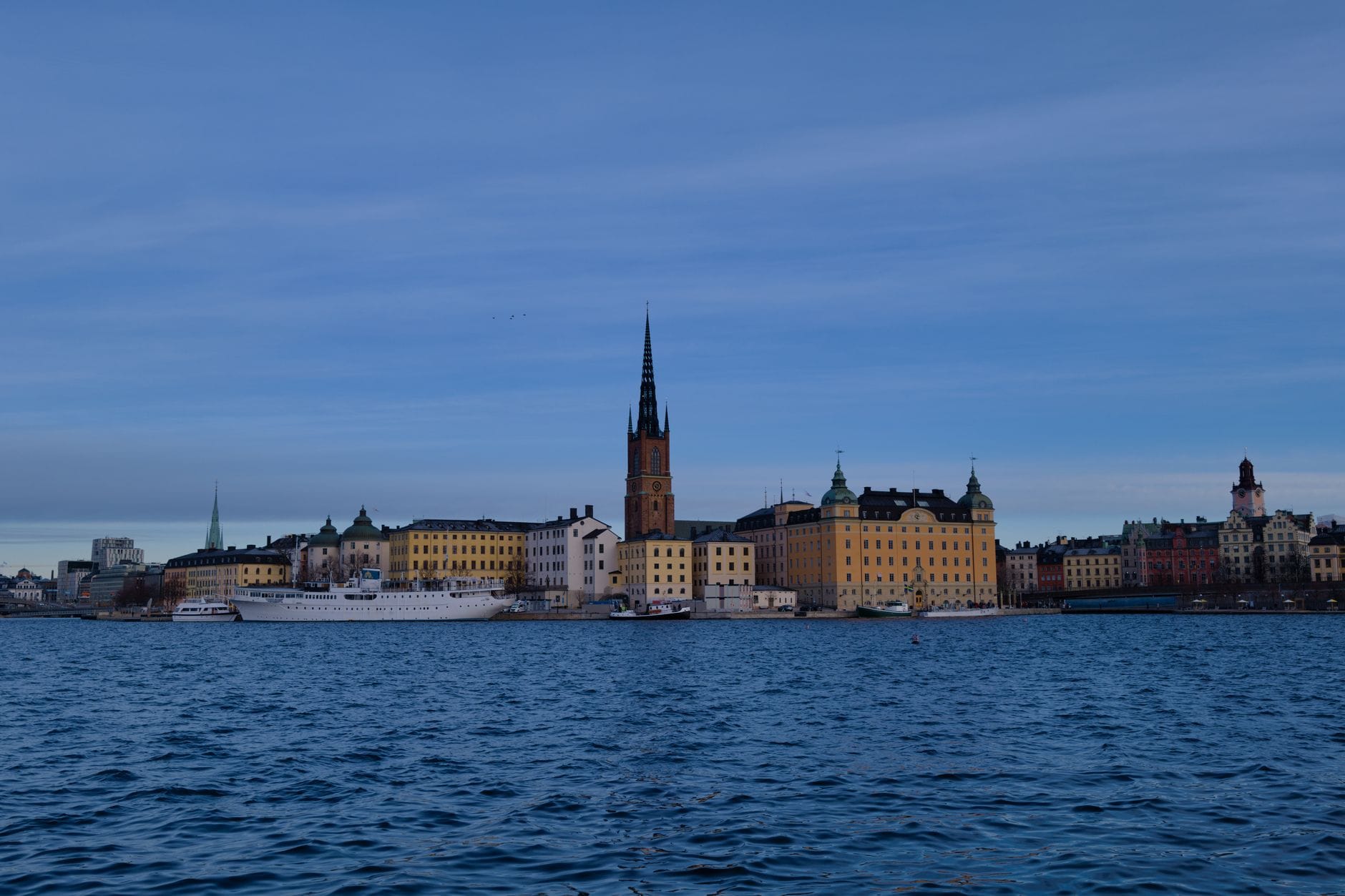
The Viking Age lasted roughly from 793 to 1066 CE, and the region around Stockholm was central to it. Lake Mälaren, which meets the Baltic Sea at Stockholm's doorstep, was a major artery for Norse traders, raiders, and settlers moving between Scandinavia and Eastern Europe. The town of Birka, founded in the late 8th century on an island in Lake Mälaren roughly 30 km west of central Stockholm, was one of the most important trading hubs in northern Europe during this period. Stockholm itself was not founded until 1252, meaning the city is a post-Viking creation, but the surrounding landscape is saturated with burial mounds, rune stones, and archaeological sites that date directly to the Norse era.
This geographic and historical context matters for how you plan your visit. If you want artifacts and exhibitions, Historiska Museet and the Viking Museum on Djurgården are your primary targets. If you want to walk actual Viking ground, you need to leave the city. The good news: the best site, Birka, is just a scenic boat ride away.
The Viking Museum (Vikingaliv), Djurgården
Located at Djurgårdsstrand 15 on Djurgården, the Viking Museum (formally called Vikingaliv) is the most visitor-friendly introduction to Norse culture in Stockholm. The centerpiece is the Ragnfrid's Saga ride, a slow-moving dark-ride experience that moves you through reconstructed Viking Age scenes, narrated by a ghost from the era. It is well-produced and works particularly well for children and for visitors with limited time.
The museum also features reconstructed Viking figures modeled on forensic and DNA analysis, which gives the exhibits a level of scientific grounding that older Viking museums often lack. Themes include daily life, trade routes to Constantinople and the Arab world, Norse mythology, and the eventual Christianization of Scandinavia. It is not a traditional artifact-heavy museum — the collection of original objects is modest compared to Historiska Museet. Think of it as a well-executed introduction that points you toward deeper sources rather than being the final word.
- Admission (2026 prices) Adults: 199 SEK | Children 7-15: 159 SEK | Children 0-6: Free | Seniors/Students: 175 SEK | Family (2 adults + 2 children): 599 SEK
- Opening hours Weekdays 11:00-17:00, Weekends 10:00-17:00 (verify on the official website before visiting as hours can shift seasonally)
- Getting there Tram 7 to Nordiska museet/Vasamuseet, or buses 67, 69, 76. A short walk from the Vasa Museum and Nordiska Museet, making combined visits straightforward.
💡 Local tip
The Viking Museum is within 10 minutes' walk of both the Vasa Museum and Nordiska Museet. If you are spending a full day on Djurgården, buy museum tickets in advance online to avoid queues, especially on summer weekends when the island gets crowded from late morning.
Swedish History Museum: The Serious Viking Collection
For depth and archaeological significance, Historiska Museet (the Swedish History Museum) is in a different league from the Viking Museum. For depth and archaeological significance, the Swedish History Museum (Historiska Museet) is in a different league from the Viking Museum. It holds one of the largest Viking collections in Sweden, built around thousands of original artifacts recovered from burial sites, hoards, and settlements across Sweden. The permanent exhibition, The Viking World, covers Norse society systematically: weapons and warfare, trade networks stretching from Ireland to Baghdad, religious practice, burial customs, and social structure.
The Gold Room (Guldrummet) in the basement is genuinely extraordinary. It houses about 3,000 objects in gold, silver, and bronze, including Iron Age torques, Viking-Age arm rings, and medieval reliquaries. Access is included with museum admission — budget at least two hours here, and more if you plan to read the exhibit text seriously. The museum is located in Östermalm at Narvavägen 13-17, about 15 minutes by bus from central Stockholm.
✨ Pro tip
Historiska Museet is often quieter than Djurgården's cluster of attractions, particularly on weekday mornings. If you have a genuine interest in Viking archaeology, visit here first and then supplement with the Viking Museum's storytelling approach — the two complement each other well rather than covering the same ground.
What About the Vasa Museum?
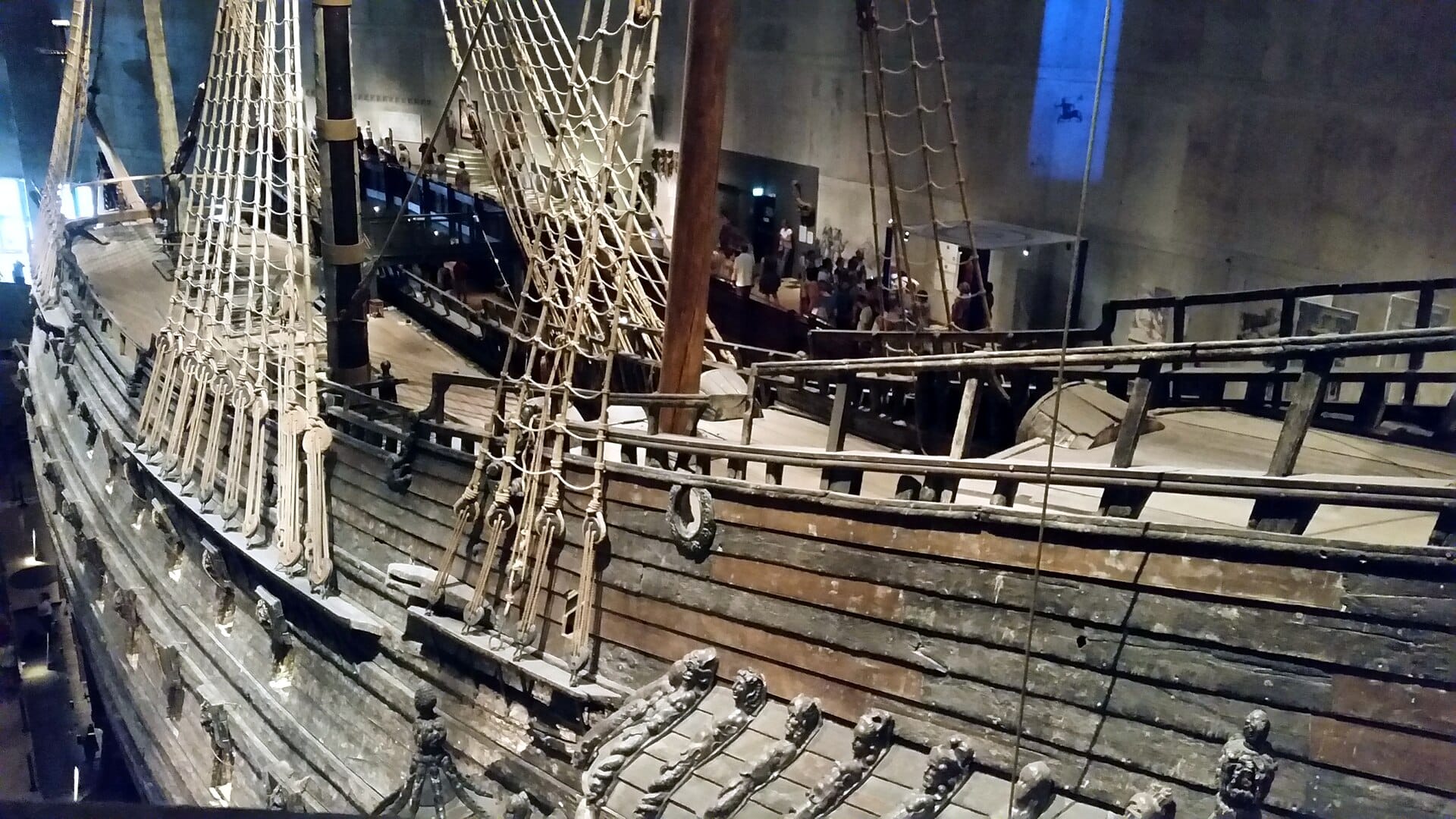
The Vasa Museum is one of Stockholm's most visited attractions, and it deserves that reputation on its own terms. But it is emphatically not a Viking museum. The warship Vasa sank on its maiden voyage in 1628, nearly 600 years after the Viking Age ended. Visitors sometimes conflate old Nordic seafaring with Viking history — these are separate eras with different ships, societies, and technologies.
Include the Vasa Museum in your Stockholm itinerary for what it actually is: a staggeringly well-preserved 17th-century warship, retrieved from the harbor in 1961 and displayed in a purpose-built museum on Djurgården. Admission is 195 SEK for adults (children under 18 free), and summer hours extend to 17:00. It makes perfect sense to combine a Vasa visit with the Viking Museum on the same day, since they are a short walk apart — just keep your historical categories clear.
⚠️ What to skip
Several tour operators market combined 'Viking and seafaring' packages that bundle the Vasa Museum with Viking Museum tickets. There is nothing wrong with visiting both, but know what you are buying: only the Viking Museum and Historiska Museet have content directly related to the Norse Age. Do not book a Vasa tour expecting longships.
Day Trips for Real Viking Sites
Stockholm's museums are excellent, but for unmediated contact with the Viking Age, you need to leave the city. The single best option is Birka, a UNESCO World Heritage Site on the island of Björkö in Lake Mälaren. Birka was one of Scandinavia's earliest towns and a major node in the Norse trade network from roughly 750 to 975 CE. The site includes extensive burial mounds (over 3,000 graves), the foundations of the original town, a hillfort, and a well-curated museum on the island itself.
Boats to Birka depart from Stadshuskajen (next to Stockholm City Hall) during the summer season, typically May through September. The return journey takes about 2-3 hours on the water, and the on-site guided tour is included in most boat-ticket packages. This is a full-day excursion — plan accordingly. For a broader look at day trips from Stockholm, the Mälaren valley has several other sites worth considering.
- Birka (Björkö island) UNESCO-listed Viking trading town with burial grounds, a hillfort, and an island museum. Boat from Stadshuskajen, summer season only. The best day trip for original Viking archaeology.
- Sigtuna Sweden's oldest surviving town, founded around 980 CE at the end of the Viking Age. Rune stones are scattered throughout the town center, and the ruined churches date to the 11th-12th centuries. Accessible by commuter train and bus from Stockholm Central, around 1 hour each way.
- Uppsala (beyond Stockholm County) About 70 km north, Uppsala has the Gamla Uppsala burial mounds — three massive 6th-century royal mounds — plus the Gamla Uppsala Museum. Not strictly Viking Age but directly connected to the Norse ceremonial world. Commuter train from Stockholm Central takes under an hour.
SigtunaSigtuna is often overlooked in favor of Birka, but it suits travelers who prefer to walk a living town rather than an archaeological site. The main street, Stora Gatan, is one of Sweden's oldest, and rune stones are embedded in walls and churchyards throughout the center. The train-and-bus journey from Stockholm takes around an hour, making it a viable half-day trip if you want to return to Stockholm in the evening.
Practical Planning: Tickets, Passes, and Timing
If you are visiting multiple museums, check whether the Stockholm Pass covers your planned sites. As of recent editions, the Pass includes entry to Historiska Museet and the Vasa Museum, among others. The Viking Museum is sometimes included in Go City passes — verify current inclusions before purchasing, as coverage changes between seasons.
Timing matters for crowds. The Djurgården museums get significantly busier between late June and mid-August, when school holidays across Europe send families to Stockholm in large numbers. If you visit in May, early June, or September, you will have shorter queues and often better weather for the outdoor walk between sites. For a focused one-day itinerary that includes Viking history alongside other top sights, the one day in Stockholm guide offers a practical route structure.
- Book Viking Museum and Vasa Museum tickets online in advance during July and August — walk-up queues can add 30-45 minutes.
- Historiska Museet is free for visitors under 19 and often has no advance booking requirement on weekdays.
- Birka boat tours sell out weeks ahead in peak summer; book as soon as your travel dates are confirmed.
- The Djurgården ferry from Slussen (Södermalm) is a scenic and practical alternative to the tram — it drops you at Allmänna gränd, a short walk from the Viking Museum.
- Stockholm uses SEK (Swedish krona); card payment is accepted almost everywhere, and cash needs are minimal.
FAQ
Is the Viking Museum in Stockholm worth visiting?
Yes, with the right expectations. The Viking Museum is an immersive, narrative experience built around storytelling and reconstructed scenes rather than a large artifact collection. It is particularly good for families and first-time visitors to Viking history. If you want primary archaeological objects, pair it with or prioritize Historiska Museet, which has a much larger collection of original Norse artifacts.
What is the difference between the Viking Museum and Historiska Museet?
The Viking Museum (Vikingaliv) on Djurgården focuses on experiential storytelling, featuring a guided ride, reconstructed figures, and thematic displays about daily Viking life. Historiska Museet (Swedish History Museum) in Östermalm holds a major collection of Viking-Age artifacts, including weapons, jewelry, and the Gold Room. Both are worth visiting, but they serve different purposes.
Can you see real Viking sites in Stockholm itself?
Stockholm was founded in 1252, after the Viking Age ended, so there are no major Viking-Age remains within the city center. The museums contain authentic artifacts, but for physical sites — burial mounds, rune stones, settlement foundations — you need to take a day trip. Birka on Lake Mälaren is the most significant option and is accessible by boat from central Stockholm during the summer months.
How do I get to Birka from Stockholm?
Boats to Birka depart from Stadshuskajen, the pier beside Stockholm City Hall on Kungsholmen, during the summer season (roughly May to September). The trip takes most of the day including the island tour. Book in advance, especially in July, as tours sell out. Check the current operator for departure times and prices, which change each season.
Is the Vasa Museum related to Viking history?
No. The Vasa warship was built in the 1620s, approximately 600 years after the Viking Age. It is one of the world's best-preserved historical ships and an outstanding museum, but it has no direct connection to the Viking Age. Think of it as a separate attraction that happens to be on the same island as the Viking Museum — worth visiting, but for entirely different reasons.
Tickets & tours
Live prices and dates from our booking partner. If you book, we may earn a commission at no extra cost to you.
Planning a trip? Discover personalized activities with the Nomado app.