Stockholm to Helsinki Ferry: The Complete Guide
The overnight ferry from Stockholm to Helsinki is one of Scandinavia's classic travel experiences, covering 214 nautical miles across the Baltic Sea in around 16 hours. This guide covers operators, pricing, cabin choices, departure logistics, and how to get the most from the crossing.
Tickets & tours
Live prices and dates from our booking partner. If you book, we may earn a commission at no extra cost to you.
TL;DR
- Two operators run this route year-round: Viking Line and Tallink Silja Line, with typical crossings of 16 to 17 hours.
- Ferries depart Stockholm in the late afternoon (around 16:00-17:00) and arrive in Helsinki the following morning.
- Basic one-way fares start around €85 for foot passengers; cabins are standard on this route and add significantly to the cost. See our Stockholm on a budget guide for tips on keeping overall trip costs down.
- This is not a quick hop: same-day round trips by ferry are impossible. Plan for at least one night each way.
- If you are deciding whether the ferry is right for your trip, it helps to know when to visit Stockholm first, since peak-season sailings carry a significant price premium.
The Route at a Glance
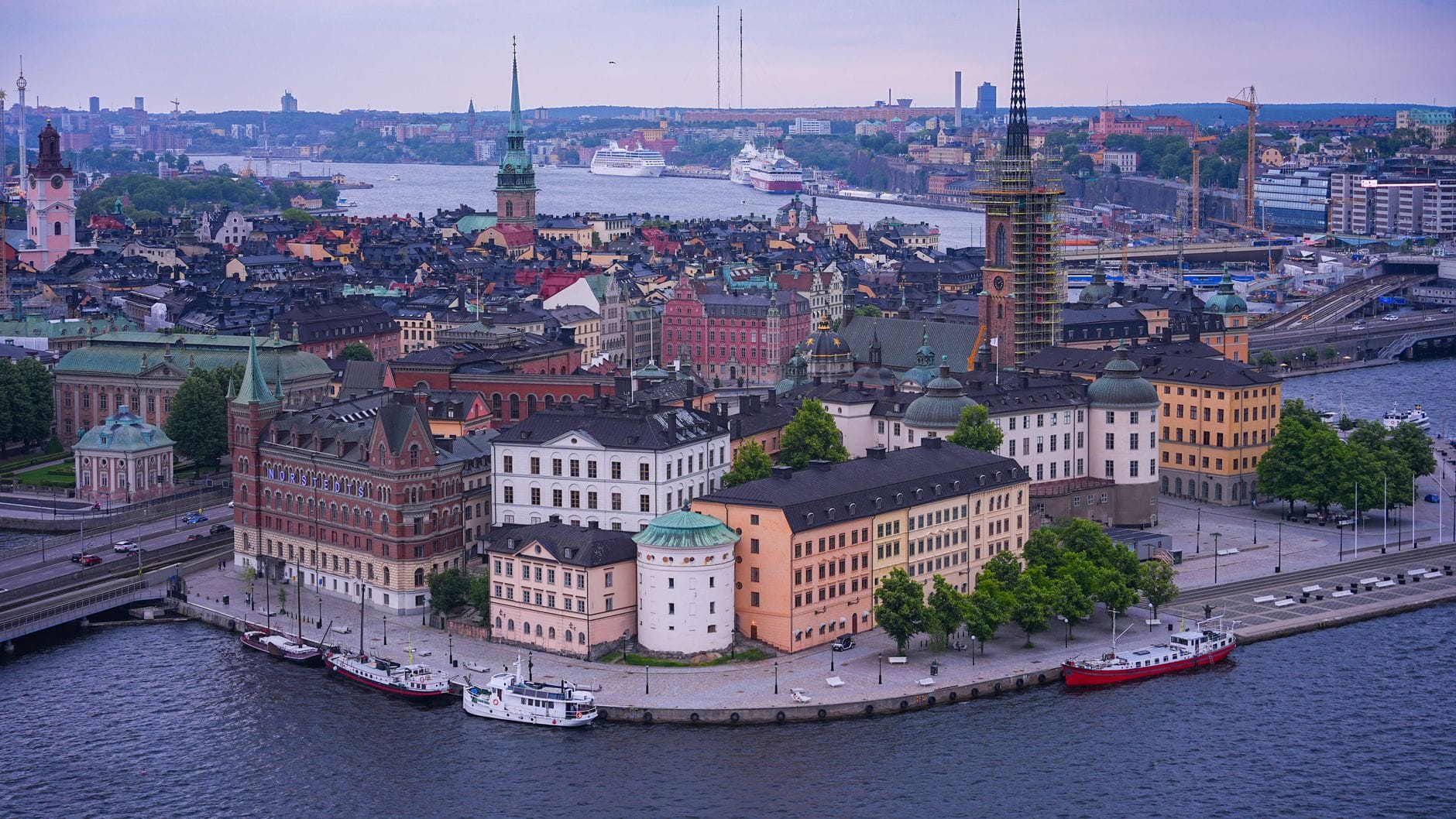
The Stockholm to Helsinki ferry is one of the busiest passenger ferry routes in the world. Ferries cross approximately 214 nautical miles (around 396 km) of the Baltic Sea, navigating through the Stockholm Archipelago before heading east across open water toward the Finnish coast. The crossing takes between 16 hours 15 minutes and 16 hours 45 minutes depending on the vessel and exact timetable. There are no high-speed options on this route: both operators use large cruise-ferry ships designed for overnight travel, not rapid transit.
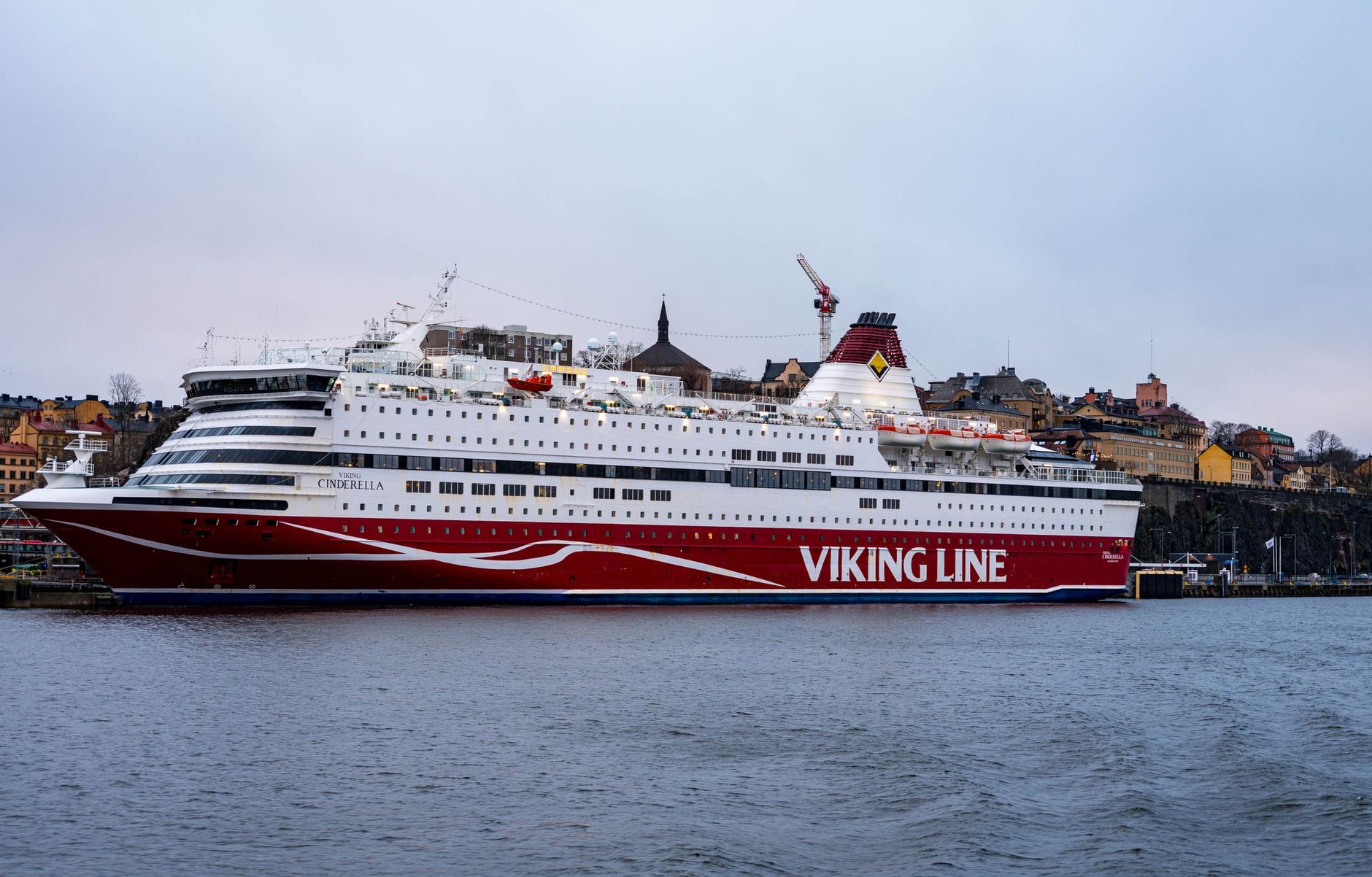
Departures from Stockholm leave from the Värtahamnen (Värtaterminalen) (Tallink Silja) in northeastern Stockholm, or the Viking Line terminal at Tegelvikshamnen on Södermalm. The two terminals sit on opposite sides of the city. Both are reachable by public transport and taxi. On the Helsinki side, ferries arrive at the Katajanokka (Viking Line) and West Harbour (Tallink Silja) terminals, each well connected to the city centre.
ℹ️ Good to know
The Stockholm Archipelago section of the journey is one of the most scenic stretches of any European ferry crossing. Departing in the late afternoon means you can watch the islands pass by for two to three hours before dark. In summer, daylight lasts well into the evening at this latitude, making an outdoor deck entirely worthwhile.
Operators: Viking Line vs. Tallink Silja Line
Viking Line and Tallink Silja Line have operated this route for decades and offer broadly similar products: large overnight ships with cabins, restaurants, bars, shops, and entertainment. The practical differences come down to ship size, cabin quality at each price tier, and departure timing on any given date.
- Viking Line Books directly at vikingline.com. Known for its well-maintained fleet and strong reputation for onboard dining.
- Tallink Silja Line Books directly at tallink.com. Tends to offer slightly more varied cabin categories at the top end, including suites with sea views. The onboard experience is comparable to Viking Line, with restaurants, a spa, and entertainment venues.
- Third-party comparison sites Ferryhopper, Direct Ferries, AFerry, and Ferryscanner aggregate prices from both operators. Useful for quickly comparing fares across dates, though booking direct with the operator often gives more flexibility for changes or cabin upgrades.
Neither operator is a clear winner across all categories. If price is the primary concern, compare both on the same travel dates. If cabin quality matters, read recent reviews specific to the vessel you will be on, since the experience varies between ships even within the same company.
Schedules and Frequency
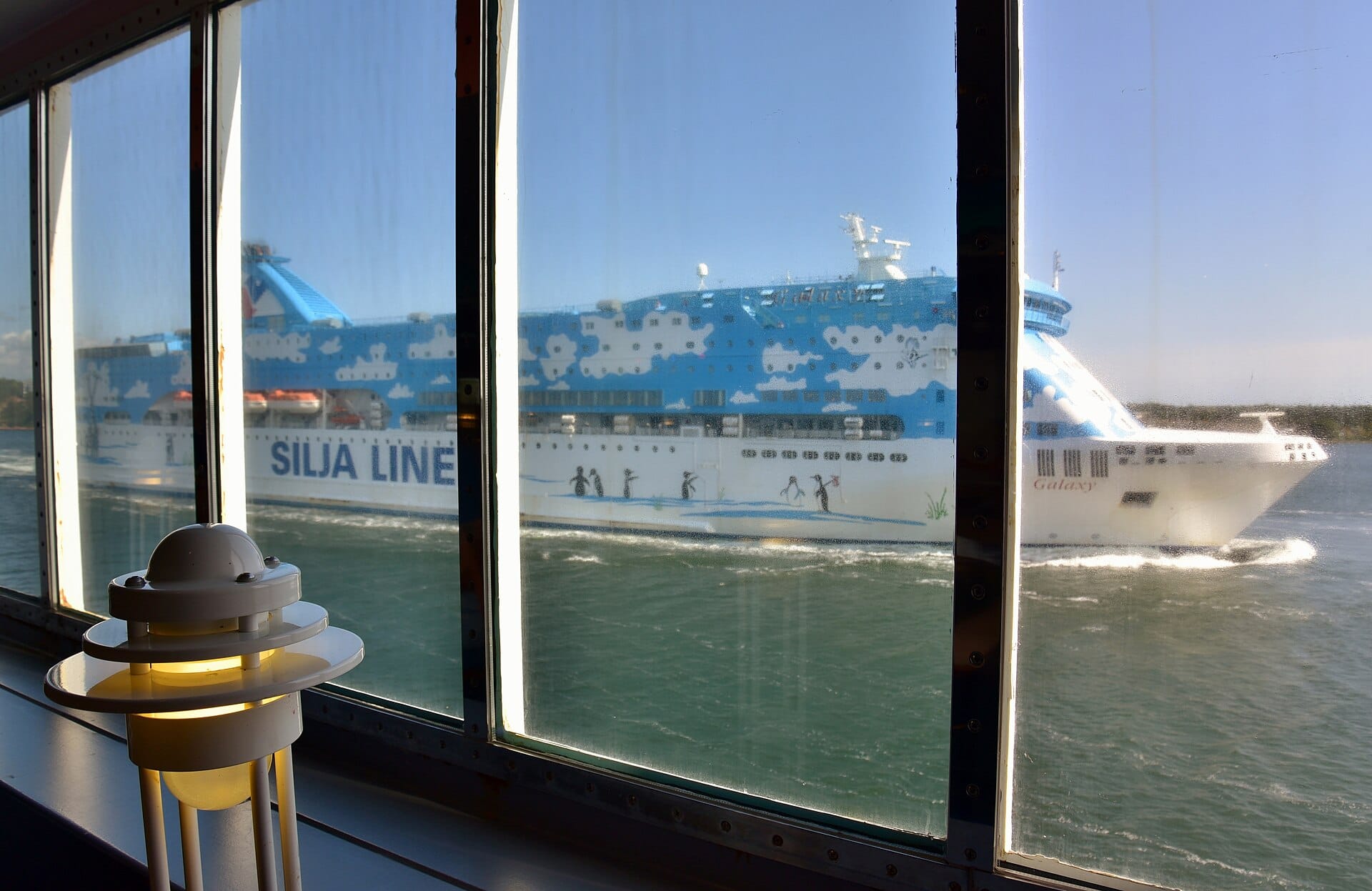
Both operators run daily overnight sailings, typically departing Stockholm between 16:00 and 17:00 and arriving in Helsinki the following morning around 09:00 to 10:00. This schedule is designed so you lose almost no daytime hours to travel: you board in the evening, sleep in your cabin, and arrive in Helsinki ready for a full day. The return leg from Helsinki follows the same logic, departing in the evening and arriving in Stockholm the next morning.
In summer (roughly June to August), some timetables add extra weekly crossings, bringing the route to around four departures per week per operator versus three in the shoulder and off-peak periods. Exact schedules change each season, so always verify the current timetable on the operator's website before booking, particularly if you are travelling outside the core summer period.
⚠️ What to skip
This is not a day-trip route. The crossing takes a minimum of around 16 hours each way, which means a same-day round trip is simply not feasible by ferry. Anyone expecting a quick hop between the two capitals will need to plan for at least one overnight stay in Helsinki, or consider flying.
Prices: What to Actually Expect
Fares on this route are dynamic and change based on date, demand, and how far in advance you book. The figures below are indicative ranges drawn from comparison platforms; treat them as a starting point rather than fixed prices.
- Foot passengers (basic fare) Around €85 per person one way in low season, rising to €150-€230 or more during peak summer and public holidays. This base fare typically includes a berth in a shared or economy cabin; a fully private cabin costs more.
- Private cabins Entry-level private cabins start around €85-€120 above the base passenger fare. Higher-category cabins with sea views, more space, or suite-style amenities can push the total well above €400-€500 per cabin in peak season.
- Vehicles Car transport starts around €75-€80 one way on top of passenger fares; motorcycles are typically around €50-€60. Again, peak-season surcharges apply.
- When to book The cheapest fares appear far in advance or in the last week before departure when unsold cabins are discounted. Mid-range dates in winter (January to March) consistently offer the lowest prices if the crossing itself is the goal rather than sightseeing in Helsinki.
✨ Pro tip
The onboard duty-free shops are a genuine draw for Swedes and Finns travelling this route, and operators price some fares low specifically to capture that retail spend. If you book well in advance for a midweek sailing in low season, you can find round-trip fares that are competitive with budget flights when you factor in a saved night of accommodation.
Cabins: Do You Need One?
On this route, a cabin is not just a luxury — it is essentially the standard product. The crossing is 16-plus hours and is scheduled as an overnight voyage. Both Viking Line and Tallink Silja Line structure their pricing around cabin-based travel. While there may technically be options to book without a private cabin on some sailings, the experience of spending 16 hours in a lounge chair on a busy Baltic ferry is not pleasant, and most travellers who try it regret it.
Cabin categories generally range from basic interior cabins (no window, two or four berths, compact) through sea-view cabins to suites. For most travellers, a standard two-berth inside cabin offers a perfectly comfortable night's sleep at the lowest step up from the base fare. Couples or those wanting to maximise sleep quality should consider an outside cabin with a porthole or window, particularly if you want to watch the archipelago in the early morning hours on the Helsinki approach.
Practical Tips for the Crossing
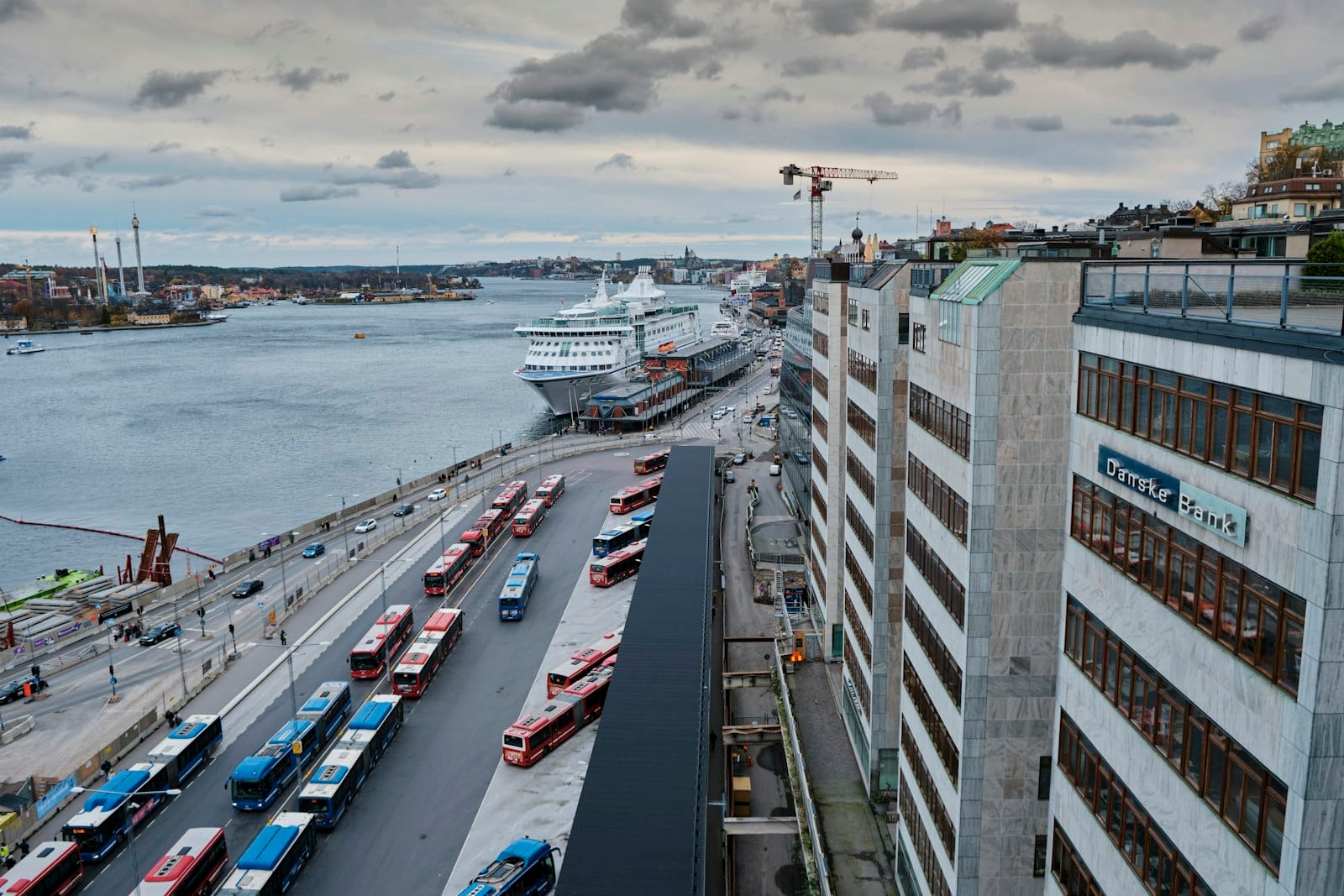
Stockholm's two main Helsinki ferry terminals sit on opposite sides of the city: Tallink Silja at Värtahamnen in the northeast, and Viking Line at Tegelvikshamnen on Södermalm. Neither is walkable from the main tourist areas of Gamla Stan or Norrmalm, but both are reachable by bus or taxi in 15 to 20 minutes from Stockholm Central Station. Allow at least 90 minutes before departure to check in, drop your luggage in the cabin, and board without rushing.
- Check-in usually opens 2-3 hours before departure. Arriving early means a calmer boarding experience and first pick of restaurant reservations onboard.
- Book onboard dinner in advance if offered during the booking process, especially for summer sailings. The main buffet restaurants fill up quickly and queues can be long.
- Cabins are small — pack a day bag with overnight essentials so you do not need to access your main luggage once it is stowed.
- Both ships have spa facilities. Tallink Silja's spa areas in particular have a loyal following. Booking a treatment slot in advance is advisable on busy crossings.
- Motion sickness: the Baltic is generally calm, but autumn and winter crossings can involve swell. A lower-deck, midships cabin reduces movement if you are sensitive to sea motion.
- Currency: Finland uses the euro, Sweden uses the Swedish krona. The onboard shops accept both, but it is worth having euros ready for Helsinki arrival. ATMs are available at both terminals.
💡 Local tip
If you are arriving in Stockholm the day of your ferry departure, plan your sightseeing in the morning and early afternoon rather than trying to squeeze in the major attractions after boarding. The Vasa Museum, Fotografiska, and Gamla Stan are all best visited when you are not watching the clock.
Travellers who want to make the most of their time in Stockholm before or after the crossing should consider spending at least two full days in the city. Our 3 days in Stockholm itinerary pairs well with an evening ferry departure on the final day, letting you use every hour of daylight before boarding. If you only have one day, the one-day Stockholm guide prioritises the highest-return attractions for a tight schedule.
Seasonal Considerations

The route operates year-round, but the experience shifts meaningfully with the seasons. Summer crossings (June to August) mean long northern daylight hours during the Stockholm Archipelago section, a lively onboard atmosphere, and higher prices. These are the most popular sailings and book up weeks in advance for weekend departures.
Winter crossings (December to February) are quieter, cheaper, and occasionally rougher in terms of sea conditions. The archipelago at dusk in winter has its own stark appeal, and prices can be significantly lower. Stockholm itself is a compelling winter destination: see our guide to Stockholm in winter for what the city offers in the colder months. Summer travellers should read the Stockholm in summer guide to plan the rest of their trip around the ferry schedule.
Spring (April to May) and autumn (September to October) offer a middle ground: lower prices than peak summer, reasonable weather for the sea crossing, and fewer crowds onboard. These are genuinely good times to travel if flexibility allows. Autumn in particular tends to see calm Baltic conditions and good value cabin fares.
FAQ
How long does the Stockholm to Helsinki ferry take?
The crossing takes approximately 16 hours 15 minutes to 16 hours 45 minutes, depending on the operator and vessel. Both Viking Line and Tallink Silja Line run overnight sailings that depart Stockholm in the late afternoon (typically around 16:00-17:00) and arrive in Helsinki the following morning around 09:00-10:00.
Do I need a cabin on the Stockholm to Helsinki ferry?
In practice, yes. The standard product on this route is a cabin-based overnight crossing. The journey is over 16 hours and scheduled overnight, so travelling without a cabin means spending the night in a public lounge. Both operators price their tickets around cabin occupancy. Entry-level cabins are reasonably affordable and make the crossing far more comfortable.
How much does the Stockholm to Helsinki ferry cost?
Basic one-way fares for foot passengers start around €85 in low season and can rise to €150-€230 or more during summer and holidays. Private cabin upgrades add to this. Vehicles cost around €75-€80 extra. Prices are dynamic, so check live fares on the Viking Line or Tallink Silja websites, or use a comparison platform like Ferryhopper or Direct Ferries.
Which terminal in Stockholm do the Helsinki ferries depart from?
Tallink Silja Line departs from Värtahamnen terminal in northeastern Stockholm. Viking Line departs from the Viking Line terminal at Tegelvikshamnen on Södermalm. Both are reachable by bus or taxi from Stockholm Central Station in around 15-20 minutes.
Can I take my car on the Stockholm to Helsinki ferry?
Yes. Both Viking Line and Tallink Silja Line are car ferries and can transport passenger vehicles. Car fares start around €75-€80 on top of passenger ticket prices. Motorcycles are typically cheaper. Book vehicle space well in advance for summer sailings, as car deck capacity sells out faster than passenger cabins.
Tickets & tours
Live prices and dates from our booking partner. If you book, we may earn a commission at no extra cost to you.
Planning a trip? Discover personalized activities with the Nomado app.