Where to Stay in Stockholm: Best Neighborhoods & Hotels
Stockholm's accommodation scene splits sharply by neighborhood, budget, and travel style. This guide breaks down every major area, what you'll actually pay, and which districts are worth the price premium versus the ones that only look good on a map.
Tickets & tours
Live prices and dates from our booking partner. If you book, we may earn a commission at no extra cost to you.
TL;DR
- Stockholm hotels range from around $50/night for budget picks to $436+ for five-star properties — knowing which neighborhood to book makes the biggest difference to your experience.
- Gamla Stan is central and atmospheric but overpriced for what you get; Norrmalm and Södermalm offer better value with equal or better transit access.
- March is typically the cheapest month to book; May and the summer peak (June–August) push rates to their highest. Mondays consistently undercut Fridays on pricing.
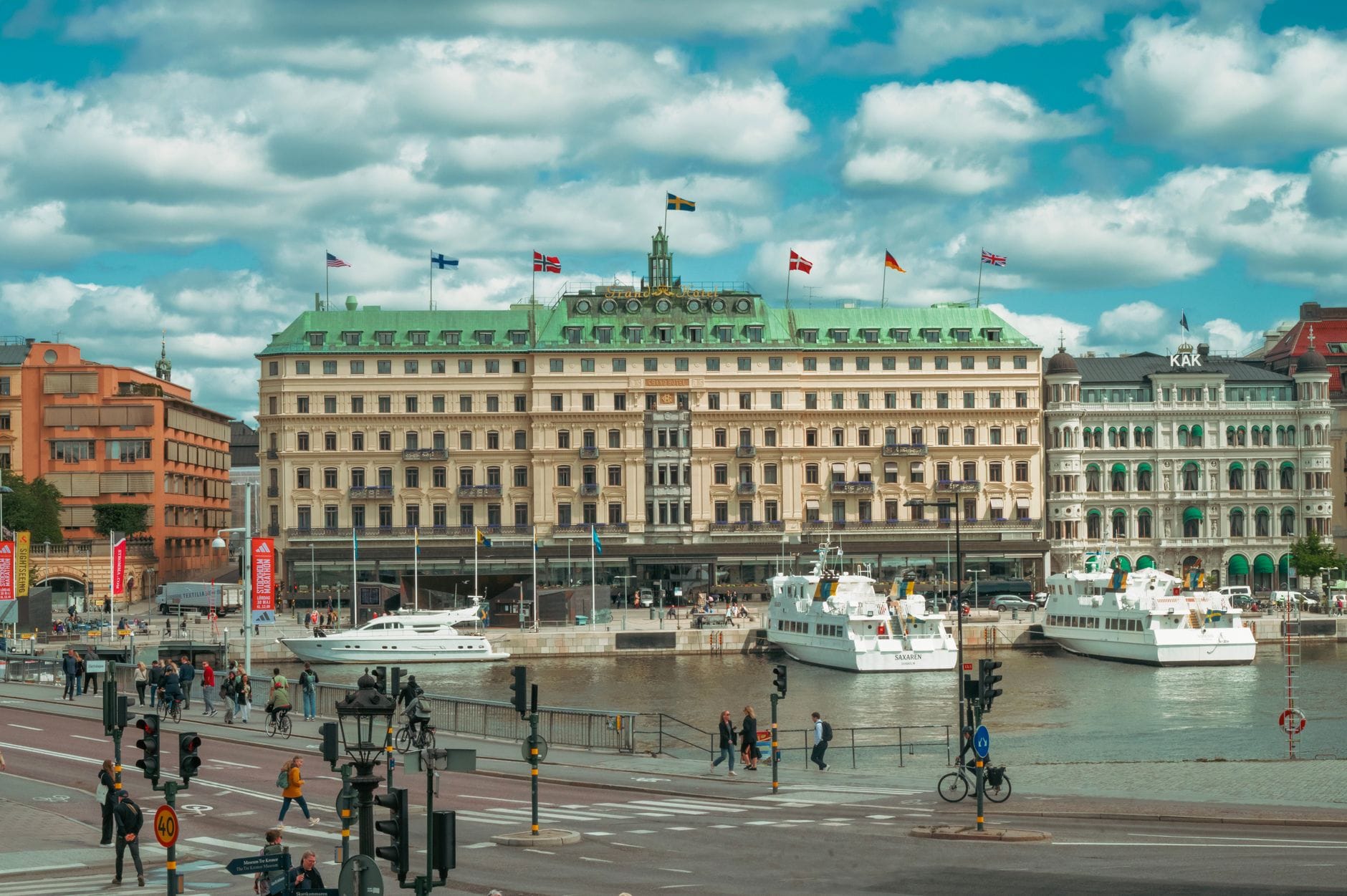
- The Grand Hôtel Stockholm on Blasieholmen is the city's most iconic address, facing the Royal Palace across the water — but it comes at a significant premium.
- Stockholm is spread across 14 islands, so location relative to the SL metro (Tunnelbana) matters more than proximity to any single landmark. See our guide to getting around Stockholm before you book.
Understanding Stockholm's Geography Before You Book
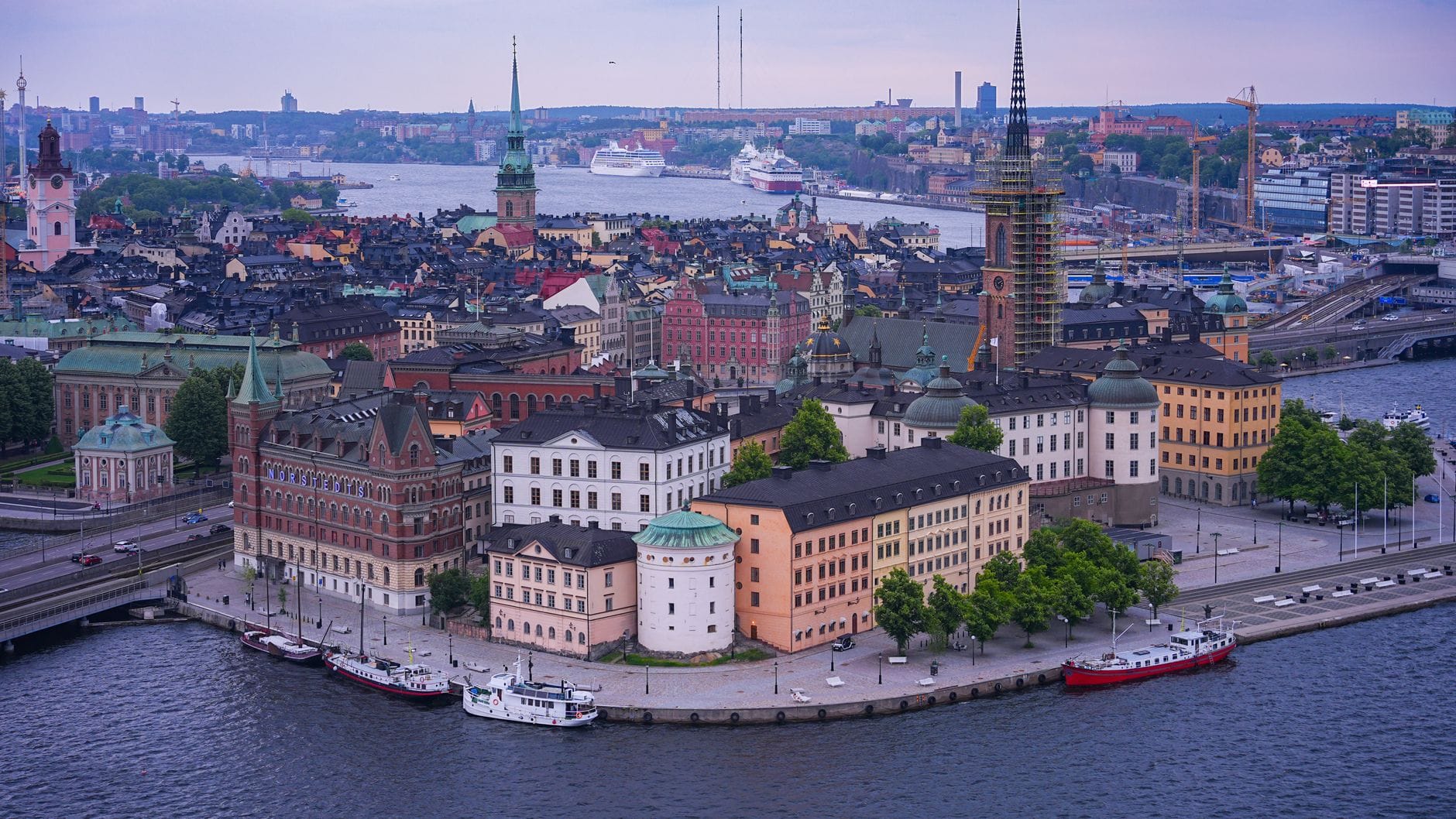
Stockholm is built across 14 islands where Lake Mälaren meets the Baltic Sea, which means the map can be deceptive. Two hotels that look close on paper might require a 20-minute journey involving bridges and metro transfers. The city's public transport network, managed by Storstockholms Lokaltrafik (SL) and covering the Tunnelbana metro, trams, commuter rail, and buses, is excellent — but only if you're staying somewhere with a nearby station. Before committing to a neighborhood, identify which metro line serves it and how many stops you are from the central hub at T-Centralen (Stockholm Central Station). That single factor shapes your daily experience more than almost anything else.
The five districts that matter most for accommodation are Gamla Stan, Norrmalm, Södermalm, Östermalm, and Vasastan. Kungsholmen and Djurgården are worth knowing about for specific traveler types. Each has a distinct character, price range, and tradeoff — and the right choice depends heavily on why you're visiting and how much you want to walk versus commute.
ℹ️ Good to know
Stockholm uses the Swedish krona (SEK) as currency. All USD price estimates in this guide are approximate conversions based on recent exchange rates and aggregator data — actual rates fluctuate. Always check live prices on booking platforms before committing.
Neighborhood by Neighborhood: Honest Assessments
Gamla Stan: The Tourist Magnet
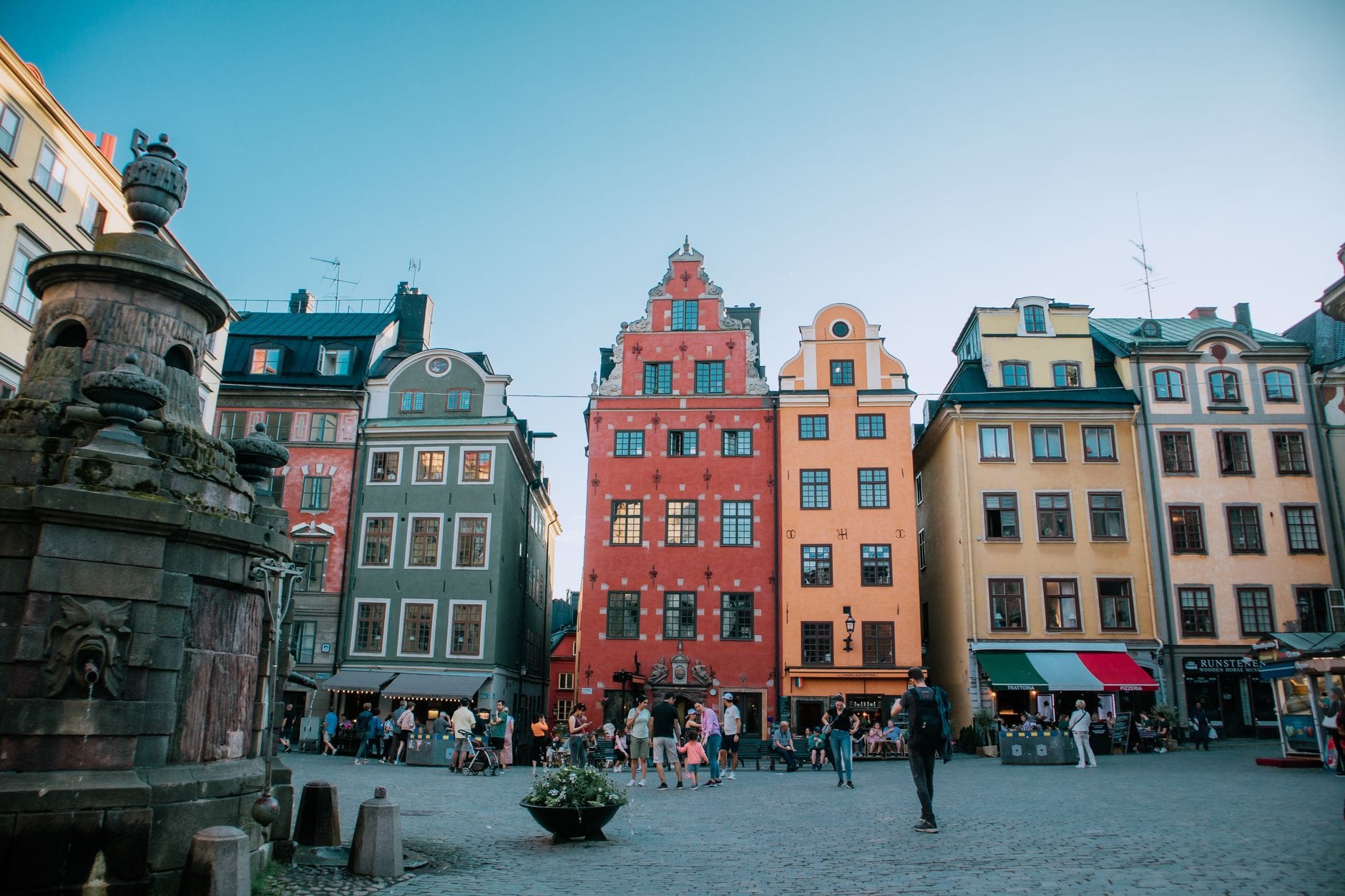
Gamla Stan, Stockholm's medieval Old Town, is the first place most first-time visitors consider. The narrow cobbled lanes, the Royal Palace, and the well-preserved 13th-century street layout are genuinely impressive. Staying here puts you steps from the Nobel Museum and the Storkyrkan cathedral, and the atmosphere after the day-trippers leave in the evening is hard to match.
The honest drawback: Gamla Stan is a small island with limited hotel inventory, which keeps prices artificially high relative to quality. Many properties here are boutique hotels in historic buildings where that 'charming' description translates to small rooms, uneven floors, and no elevator. For the same nightly rate, you can get a significantly larger, more modern room in Norrmalm with identical transit access. That said, if atmosphere matters more than room size or value, Gamla Stan delivers something genuinely hard to replicate.
Norrmalm: Best Transit Access, Most Practical Base

Norrmalm is Stockholm's central business district, anchored by Stockholm Central Station and the adjacent T-Centralen metro hub. It's not the most characterful area, but it's the most practical. The Tunnelbana's three main lines converge here, meaning you can reach virtually any part of the city within 20 minutes. The main shopping street Drottninggatan runs through the district, and the Kulturhuset arts center sits at Sergels Torg. Hotel density is high, competition keeps prices sharper than in Gamla Stan, and mid-range chain hotels are well represented.
Norrmalm also works well as a base for day trips. The commuter trains and the Arlanda Express to Stockholm Arlanda Airport (roughly 37–40 km north of Stockholm Central Station) both depart from Central Station, making early morning departures and late arrivals far less stressful. If you're planning day trips from Stockholm or arriving by train from Copenhagen or Oslo, staying in Norrmalm removes a lot of logistical friction.
Södermalm: The Best All-Round Neighborhood
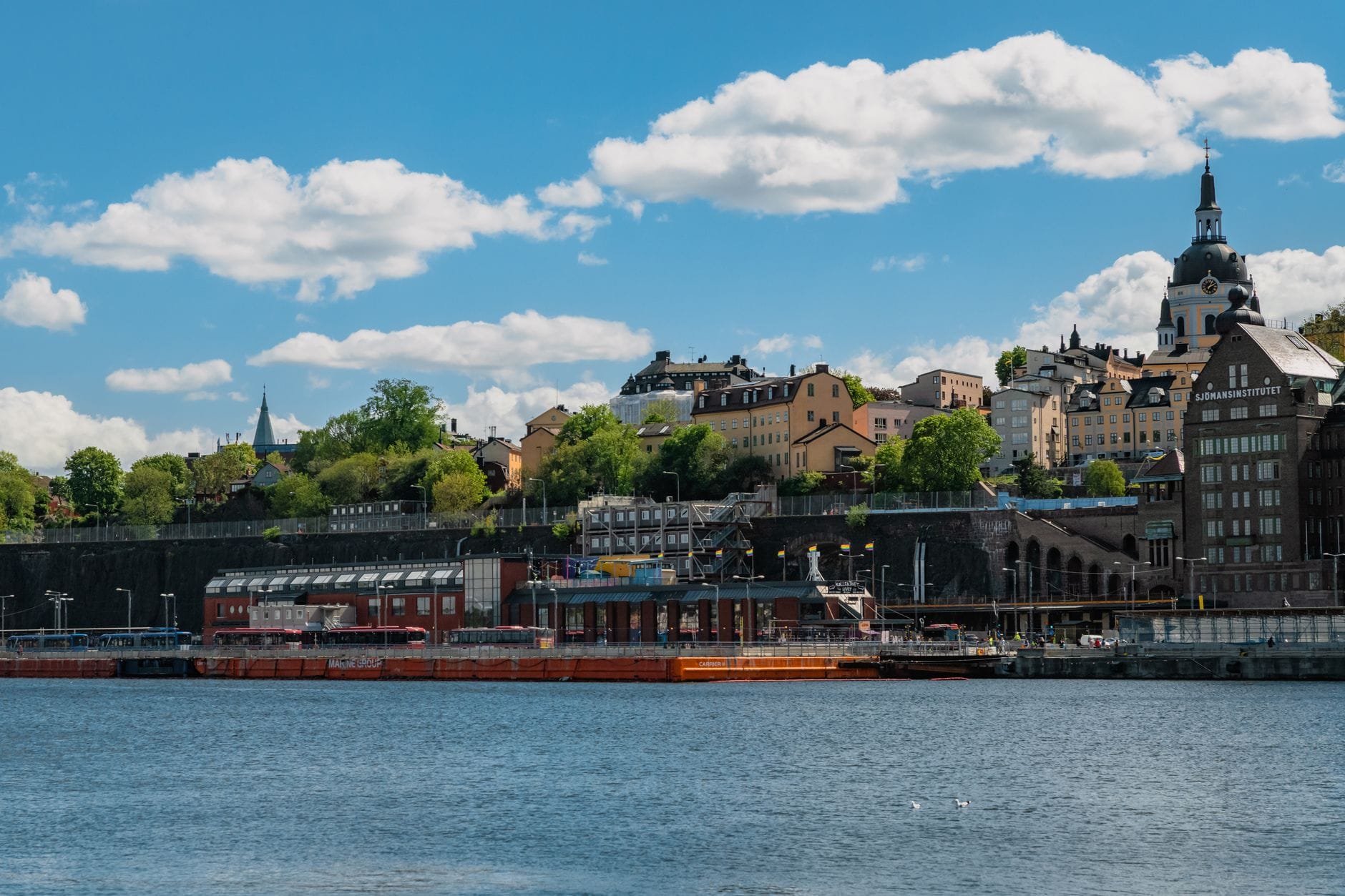
Södermalm, the large island south of the city center, is consistently the strongest pick for travelers who want a real sense of the city rather than a tourist bubble. The neighborhood has genuine density — good coffee shops, independent restaurants, vintage stores, and some of the best viewpoints in Stockholm at spots like Monteliusvågen and Skinnarviksberget. The Fotografiska photography museum is here, as is the SoFo district (south of Folkungagatan), which has the highest concentration of independent shops in the city.
Hotel prices in Södermalm tend to run slightly below Norrmalm and noticeably below Gamla Stan for comparable quality, and the Tunnelbana connections are solid — the red and green lines both serve the island with multiple stations. The one genuine drawback is that the southern edge of Södermalm can feel more residential than some travelers expect, with fewer attractions within walking distance if you're staying at the far end. Aim to stay near Slussen or Medborgarplatsen for the best balance of access and atmosphere.
Östermalm and Vasastan: Opposite Ends of the Upscale Spectrum
Östermalm sits northeast of the city center and is Stockholm's most upscale residential district. The Östermalm Food Hall (Östermalmshallen) is one of the city's best food markets, and the dining scene skews toward formal and expensive. Hotels here tend to be four and five-star properties, and the Grand Hôtel Stockholm — Stockholm's most famous address, on Blasieholmen just across the water from Gamla Stan — epitomizes this end of the market. Rates at Grand Hôtel regularly exceed $400–500 per night in peak season, and it's earned its reputation as the place visiting dignitaries and Nobel Prize winners stay. It's not for everyone, but if you're looking for Stockholm's finest hotel experience, nothing else quite compares.
Vasastan, north of Norrmalm, offers a very different proposition: a more residential, local-feeling neighborhood with good restaurant streets (Upplandsgatan, St. Eriksgatan), the Stockholm Public Library designed by Gunnar Asplund, and Odenplan as its main hub. Mid-range hotels here are often genuinely good value — competitive pricing, no tourist markup, and easy metro access. It's a solid choice if you want to feel like you're staying in the actual city rather than the visitor layer on top of it.
- Gamla Stan Best for: First-timers who prioritize atmosphere and proximity to historic sights. Watch out for: Small rooms, premium pricing, tourist-trap restaurants.
- Norrmalm Best for: Transit convenience, business travelers, airport connections, and those on tight itineraries. Watch out for: Less local character, busier streets.
- Södermalm Best for: Travelers who want a mix of good value, local character, and real dining options. Watch out for: Can feel remote at the southern end; stick to the Slussen–Medborgarplatsen axis.
- Östermalm Best for: Luxury stays, upscale dining, and travelers with a generous budget. Watch out for: Very little budget or mid-range inventory.
- Vasastan Best for: Mid-range budgets, longer stays, and travelers who want a quieter, more residential feel. Watch out for: Slightly further from the main sights.
- Kungsholmen Best for: Quiet stays near Stockholm City Hall and waterfront walks. Watch out for: Limited hotel options; mostly residential.
What You'll Actually Pay: Price Ranges by Category
Stockholm is an expensive city by European standards, and hotel pricing reflects that. Aggregator data gives a useful baseline: budget hostels and lower-end hotels start around $26–$50 per night, mid-range hotels run roughly $100–$200, and luxury properties start at $250 and escalate quickly. The citywide average across all categories hovers around $120–$230 depending on the platform and season.
- Budget (hostels, basic hotels): $26–$50/night. Limited central options; best found in Södermalm and outer Norrmalm.
- Mid-range: $100–$200/night. The widest selection across Norrmalm, Södermalm, and Vasastan. This is the sweet spot for most travelers.
- Upper mid-range (4-star): around $227/night average. Well represented across all central districts.
- Luxury (5-star): $350+/night average. Concentrated in Östermalm, Blasieholmen (Grand Hôtel), and select Norrmalm properties.
- Outer suburbs (e.g., Enskede-Årsta-Vantör): up to 19% cheaper than the city average, but factor in extra metro time and fewer dining options nearby.
⚠️ What to skip
Don't assume outer suburbs are always the smart budget move. Saving $20–$30 per night while spending extra time and SL fares on daily metro commutes can easily cancel out the savings over a 4–5 night stay. Central Södermalm or Vasastan almost always offers better overall value than peripheral districts.
When to Book and How to Get the Best Rates
Stockholm hotel pricing follows a predictable seasonal pattern. March is consistently the cheapest month to book, with rates across all categories at their annual low. May marks the beginning of the expensive season — prices jump as daylight extends and international tourism picks up. June, July, and August are peak months: the city is at its most active, outdoor attractions are fully open, and hotel inventory in central districts sells out well in advance. If you're visiting in summer, booking 8–12 weeks ahead for central neighborhoods is not excessive.
Within any given week, Monday arrivals tend to have lower average rates than Friday arrivals, which consistently show the highest nightly costs. Weekend travelers face both higher prices and lower availability in popular areas. Stockholm also has several major events and trade fairs throughout the year that compress hotel supply dramatically — the Nobel Prize ceremonies in December being the most notable. For more context on when to plan your visit, the guide to the best time to visit Stockholm covers seasonal tradeoffs in detail.
✨ Pro tip
Booking directly with hotels — particularly independent and boutique properties — often unlocks better cancellation terms or small perks like late checkout, even if the room rate matches what aggregators show. For luxury hotels, direct booking sometimes includes breakfast or room upgrades that aggregator rates exclude. Always compare the direct rate against Kayak or Momondo before confirming.
Special Cases: Djurgården, Kungsholmen, and Staying Near the Airports
Djurgården is primarily a park and museum island rather than a residential or hotel district. The Vasa Museum, ABBA Museum, and Skansen are all here, and for families or museum-focused travelers it can make sense to prioritize proximity. However, actual hotel inventory on Djurgården is extremely limited. Most visitors staying nearby opt for hotels in adjacent Östermalm or Norrmalm and reach Djurgården by tram (line 7 from Norrmalmstorg) or ferry from Slussen.
For travelers arriving very late or departing very early from Stockholm Arlanda Airport (ARN), staying near the airport for one night is sometimes the practical choice. Arlanda has a cluster of airport hotels that serve this purpose — not destinations in themselves, but useful buffers. The Arlanda Express train connects the airport to Stockholm Central Station in roughly 20 minutes, which means a 6am flight is manageable from a central hotel if you're organized. The airport coach is slower but cheaper.
💡 Local tip
If you're arriving by ferry from Helsinki or Tallinn, the ferry terminals dock near Värtan (Viking Line, Tallink) or Stadsgården (Silja Line), both accessible by bus or metro. Södermalm and Östermalm are the most convenient neighborhoods if you're arriving or departing by overnight ferry.
Practical Details: What Stockholm Hotels Generally Include
Sweden uses 230V electricity with Type C and F plugs (standard European). Travelers from North America and some other regions will need a plug adapter. Tap water in Stockholm is safe to drink — the municipal supply meets high national standards, so you won't need to budget for bottled water. English is widely spoken at all hotels across every price category, so language is not a barrier to navigating accommodation options. Tipping is not expected but rounding up a restaurant bill is common; hotel staff do not typically receive tips in Swedish culture. For a broader picture of how to manage your time and budget across the city, the guide on visiting Stockholm on a budget has detailed practical advice.
Stockholm is part of the Schengen Area, meaning citizens of EU/EEA countries and many others (including the US, UK, Canada, and Australia, among others) can enter visa-free for short stays. Always verify current entry requirements with your country's foreign ministry before travel, as Schengen rules and bilateral agreements can change. For those considering whether the Stockholm Pass makes financial sense alongside your hotel costs, it's worth calculating based on which attractions you plan to visit.
FAQ
What is the best area to stay in Stockholm for first-time visitors?
Norrmalm (the central district around Stockholm Central Station) offers the best combination of transit access, hotel variety, and proximity to major sights. Södermalm is a close second if you want more local character and slightly better value. Gamla Stan is atmospheric but overpriced for most budgets and has limited hotel options.
How much does it cost to stay in a hotel in Stockholm?
Budget hostels start around $26–$50 per night. Mid-range hotels (the majority of available stock) run $100–$200 per night. Four-star properties average around $227 per night, and five-star hotels average $436 or more. The overall city average is roughly $112–$213 depending on the season and platform.
What is the Grand Hôtel Stockholm and is it worth the price?
The Grand Hôtel Stockholm sits on Blasieholmen, facing the Royal Palace across Strömmen. It is Stockholm's most prestigious hotel, the traditional base for Nobel Prize laureates during December ceremonies, and one of Scandinavia's most recognized luxury addresses. Whether it's worth it depends entirely on your budget — rates often start around $250–$300 per night and regularly exceed $400–500 in peak season. For travelers who can absorb that cost and want an iconic Stockholm experience, it's genuinely special. For everyone else, there are excellent alternatives in the $150–$300 range.
When is the cheapest time to book a hotel in Stockholm?
March is consistently the cheapest month for hotel bookings in Stockholm, with rates across all categories at their annual low. May and the June–August summer period are the most expensive. Within any week, Monday arrivals tend to be cheaper than Friday arrivals.
Is it worth staying outside the city center to save money?
Outer suburbs can be 15–20% cheaper per night, but the savings are often offset by SL fare costs and the time spent commuting. For a 4–5 night stay, the math rarely favors outer areas unless your daily itinerary is primarily in that direction. Central Södermalm and Vasastan offer genuine value without the commute penalty — they should be your first stop when looking for affordable central accommodation.
Tickets & tours
Live prices and dates from our booking partner. If you book, we may earn a commission at no extra cost to you.
Planning a trip? Discover personalized activities with the Nomado app.