Is Stockholm Worth Visiting? An Honest Assessment
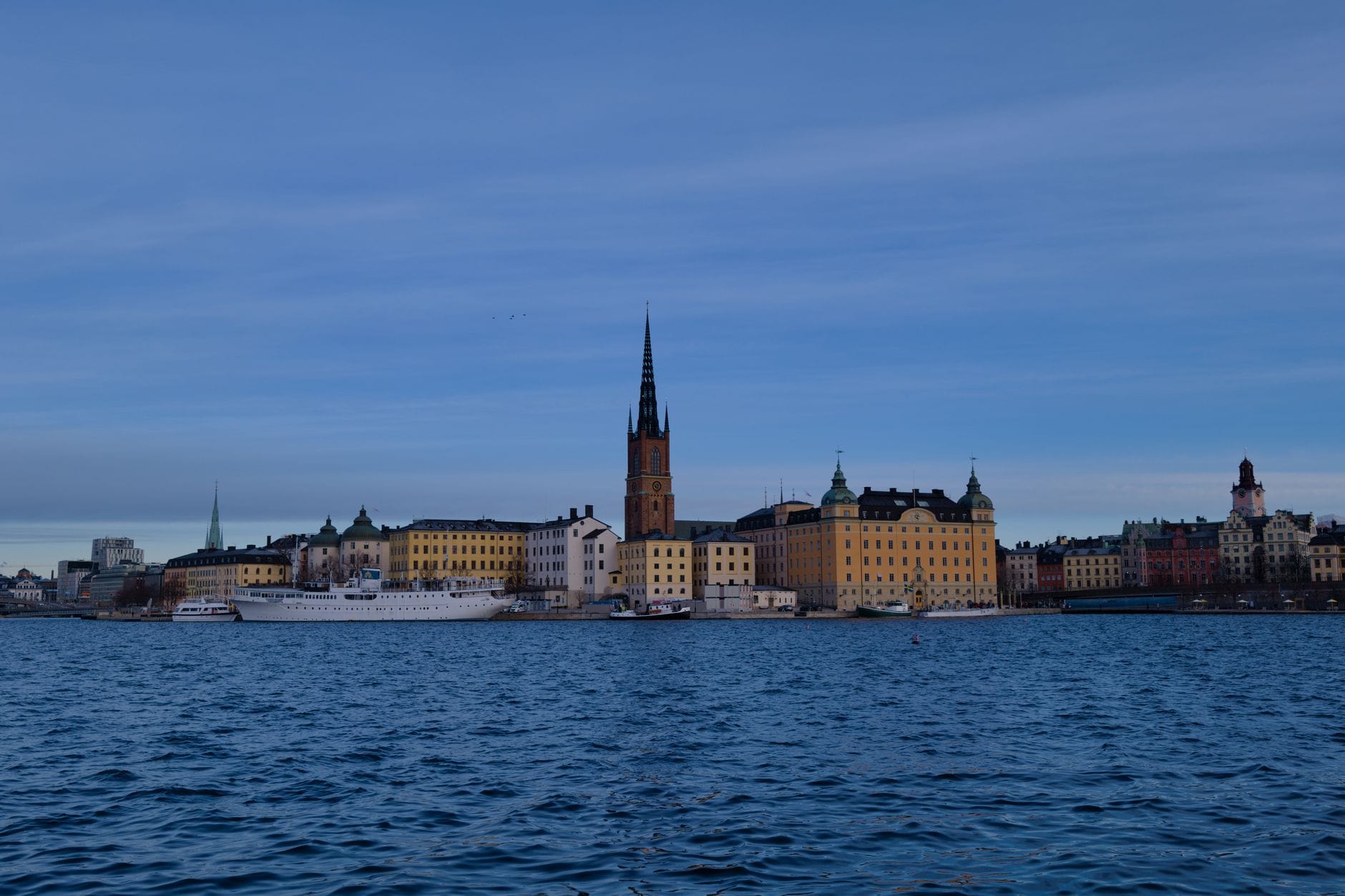
Stockholm is Sweden's capital, built across 14 islands where Lake Mälaren meets the Baltic Sea. This guide breaks down what the city genuinely offers, who it suits best, and what the honest drawbacks are, so you can decide whether it belongs on your itinerary.
Tickets & tours
Live prices and dates from our booking partner. If you book, we may earn a commission at no extra cost to you.
TL;DR
- Stockholm is worth visiting for its combination of world-class museums, walkable island neighborhoods, and extraordinary summer daylight, but it is one of Europe's more expensive capitals.
- The city has around 70 museums, including the Vasa Museum and Skansen, and roughly 30% of the city area is water, giving it a scale and openness rare in European capitals.
- Summer (late May to early September) is peak season with long days and full access to the archipelago, but winter has its own appeal with Christmas markets, fewer crowds, and lower prices.
- Budget travelers can manage with smart planning. See free things to do in Stockholm and Stockholm on a budget for practical strategies.
- For most travelers, three to four days is enough to cover the main draws without feeling rushed.
What Kind of City Is Stockholm, Really?
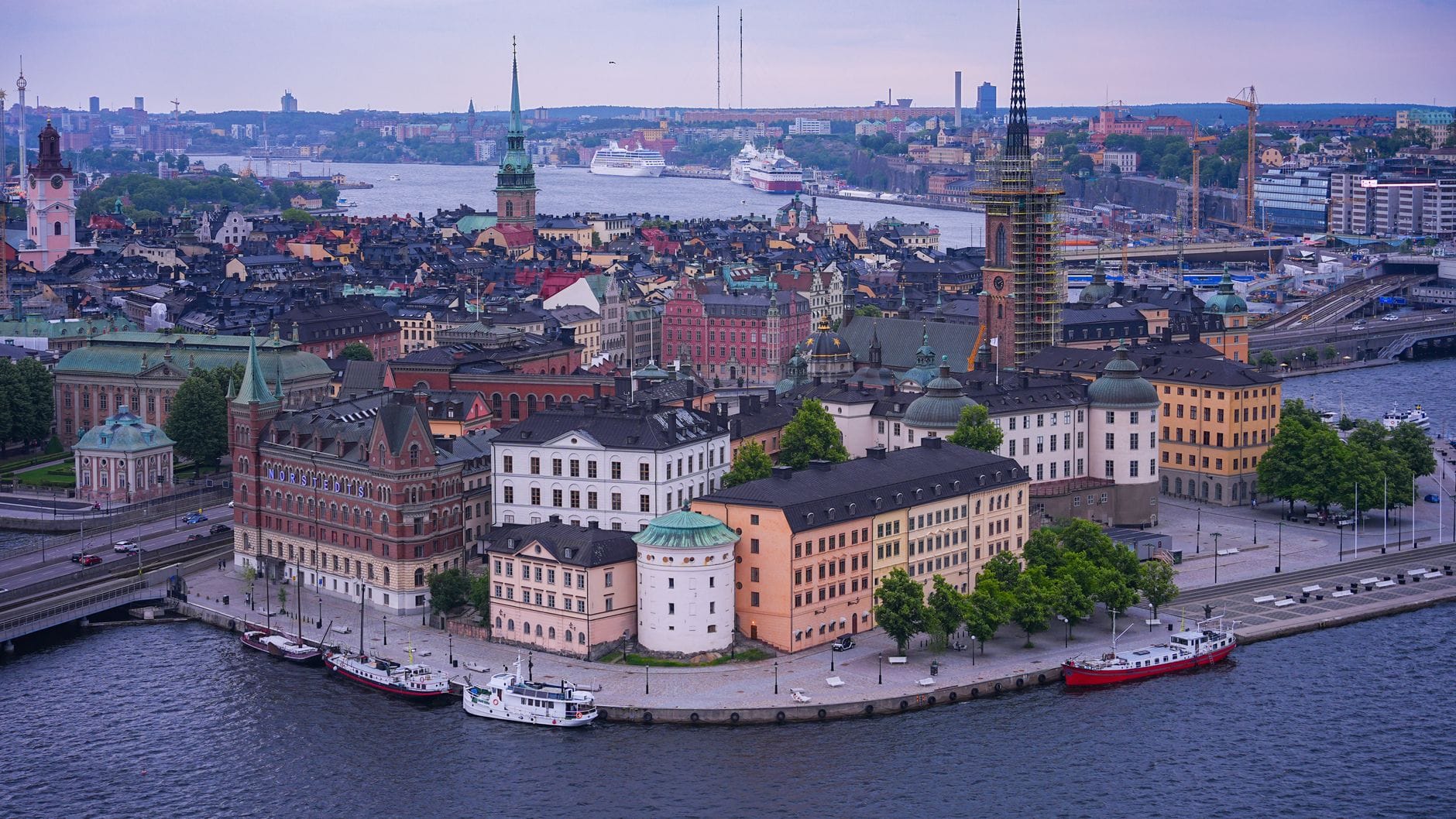
Stockholm is Sweden's capital and largest city, with around 980,000 residents in the municipality and over 2.4 million in the metropolitan area. It sits at the point where Lake Mälaren empties into the Baltic Sea, spread across 14 islands connected by 57 bridges. About 30% of the city area is water and another 30% is green space, which means Stockholm feels unusually open and airy for a capital of its size.
The city is the political, economic, and cultural center of Sweden. It hosts the Nobel Prize ceremony each December, and its media, finance, and tech sectors drive a significant share of Swedish GDP. Culturally, the range stretches from Gamla Stan's medieval street grid dating to the 13th century, to contemporary art at Fotografiska and a design scene that has genuine international influence.
The city is not a party capital or a beach destination. It rewards travelers who are drawn to museums, architecture, food culture, and outdoor access in an urban setting. If your idea of a great trip involves long evenings at a waterfront restaurant in June or a quiet morning inside a 17th-century warship, Stockholm delivers. If you need reliable sunshine, crowded nightlife, or bargain prices, you may find it falls short.
The Honest Case For Visiting Stockholm

The museum offering alone justifies the trip for many visitors. Stockholm has around 70 museums, and several of them rank among the best in Europe in their category. The Vasa Museum houses a nearly intact 17th-century warship recovered from Stockholm harbor, displayed in a purpose-built building on Djurgården. It is genuinely one of the most extraordinary museum experiences anywhere in Europe. Skansen, the world's first open-air museum, covers over 75 acres and includes historic buildings from across Sweden, live animals, and seasonal events.
The island geography gives Stockholm a visual quality that few European capitals can match. Walking from Gamla Stan to Södermalm or taking a short ferry to Djurgården puts water and open sky constantly in view. The city's layout rewards walking in a way that compact landlocked capitals simply cannot replicate.
- Summer daylight June and July bring 18 or more hours of daylight, which effectively extends your day and makes outdoor sightseeing, waterfront dining, and archipelago excursions feel effortless.
- English fluency English is spoken widely and comfortably across Stockholm, from restaurants and museums to transit staff and shops. Language barriers are minimal for English-speaking visitors.
- Safety and cleanliness Stockholm consistently ranks among Europe's safest capitals. Public spaces are clean and well-maintained, and public transport runs reliably.
- Nordic food culture The city has a strong restaurant scene, from traditional smörgåsbord and fresh seafood to internationally recognized fine dining. The fika tradition, centered on coffee and pastry breaks, is both a cultural institution and a practical reason to slow down.
- Archipelago access Stockholm is the gateway to the Stockholm Archipelago, roughly 30,000 islands and islets stretching east into the Baltic. Day trips and overnight stays are easy from the city center, especially between May and September.
✨ Pro tip
If you visit in late June, daylight lasts until around 10pm and the sky never fully darkens. This is genuinely different from most European travel experiences and worth factoring into your trip timing. Midsommar, celebrated in late June, is one of Sweden's most important cultural events and marks the peak of Stockholm's outdoor season.
The Honest Case Against Visiting Stockholm
Stockholm is expensive. It is among the more expensive cities in Europe for travelers, and that cost cuts across accommodation, restaurants, and activities. A sit-down lunch at a mid-range restaurant will typically cost 150-250 SEK per person. Museum entry fees for the main paid attractions can add up quickly over a few days. Budget-friendly options exist, but you need to plan for them actively rather than assuming they will appear.
Winter visits require a realistic adjustment of expectations. Between December and February, Stockholm gets around six hours of daylight per day. The city is functional and has genuine winter appeal, including Christmas markets and a cozy indoor culture, but if you are hoping to see the city's waterscapes and green spaces in their best light, winter is not the time. Some outdoor attractions operate reduced hours or close entirely.
Gamla Stan, the Old Town, is often the first and sometimes only neighborhood visitors explore. It is genuinely historic and worth time, but it is also heavily touristic. The souvenir shops on Västerlånggatan, the main pedestrian street, are largely interchangeable, and the restaurants catering to tour groups can be overpriced and average. Stockholm's more interesting food, design, and nightlife scenes are on Södermalm and in Vasastan, neighborhoods that many visitors never reach.
⚠️ What to skip
Arlanda Express, the high-speed rail link from Stockholm Arlanda Airport (ARN) to Stockholm Central Station, is fast at about 18 minutes, but it is also one of the more expensive airport rail connections in Europe. Cheaper alternatives include regional trains (SL J38 commuter service) and airport coaches. Always check current fares on the operator websites before booking, as prices change.
Best Time to Visit Stockholm
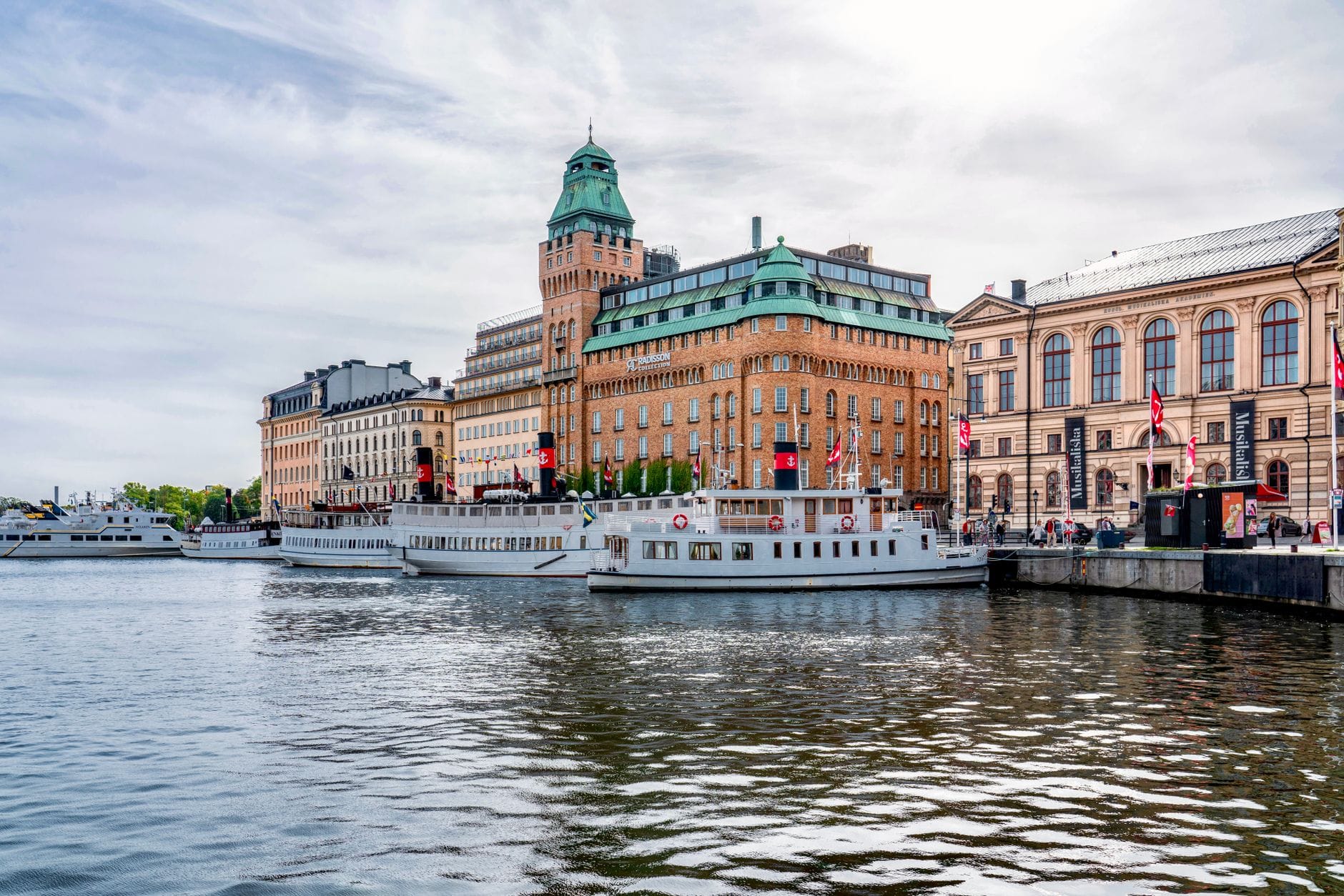
Late May through early September is the main visitor season, and for good reason. Temperatures typically range from 15 to 22°C, daylight is long, archipelago ferry services run full schedules, and almost every attraction operates at full capacity. For a first visit, this window is hard to argue against. For more detailed seasonal planning, the best time to visit Stockholm guide covers each season in depth.
Shoulder seasons, April to May and September to October, offer a useful trade-off: fewer crowds, lower accommodation prices, and still reasonable weather. October in particular gives good autumn color in Ekoparken and across Djurgården. Stockholm in winter is a different kind of trip but a valid one for visitors drawn to Christmas markets, the indoor museum circuit, and dramatically empty streets.
- June and July: longest days, warmest temperatures, peak crowds at Vasa Museum and Skansen, best time for archipelago day trips
- August: still warm, slightly fewer crowds than July, good for outdoor dining and waterfront walks
- September to October: cooling temperatures, beautiful foliage, lower hotel rates, museums never crowded
- November to March: short days, cold (around -1 to +1°C in midwinter), but cozy indoor culture, Christmas markets in December, and significantly cheaper accommodation
- April to May: spring arrives slowly, cherry blossoms in Kungsträdgården draw crowds in late April, a good moment to visit before peak-season prices hit
Neighborhoods Worth Knowing Before You Arrive
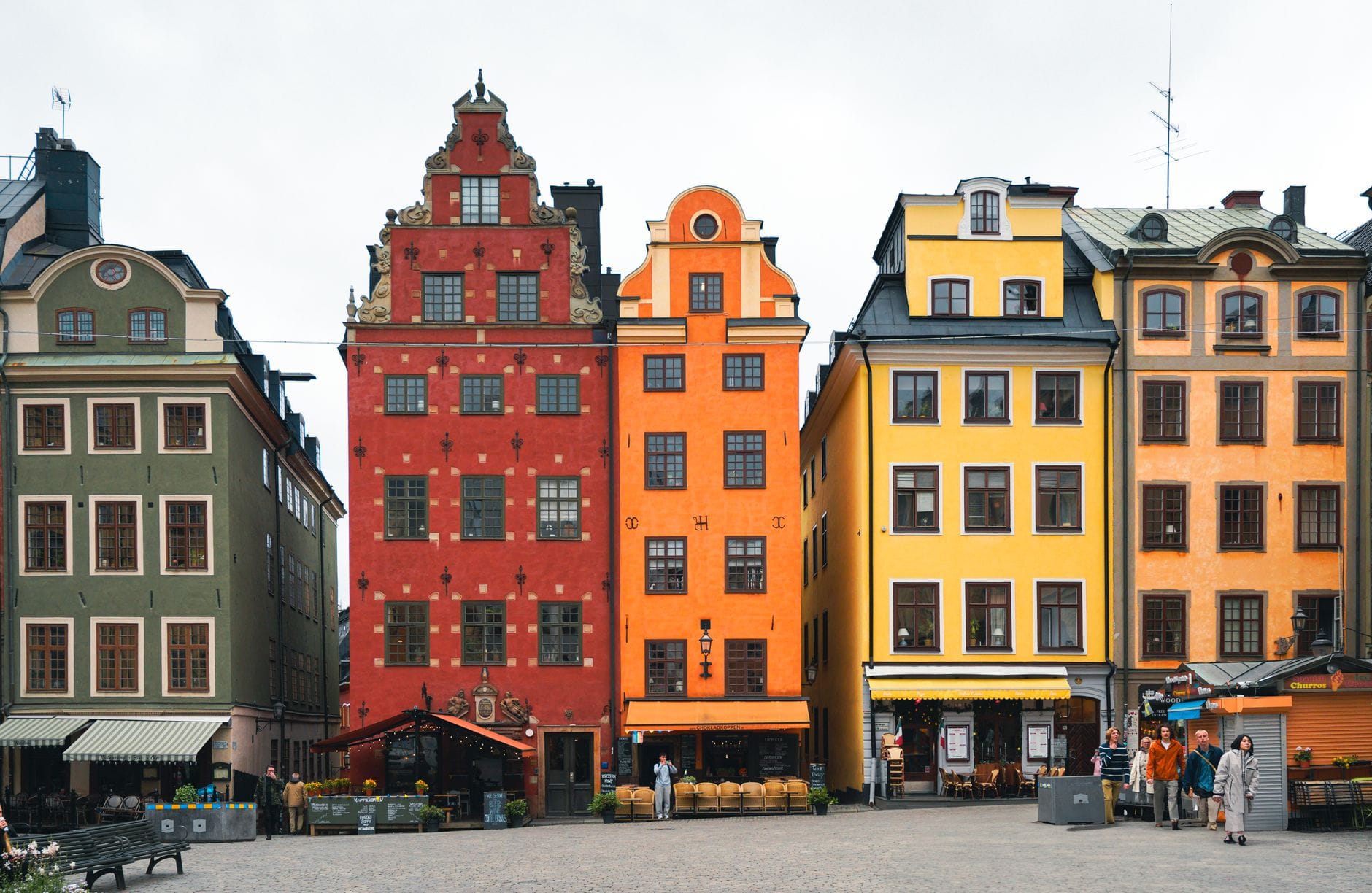
Stockholm's geography means neighborhood choice matters more than in cities where everything is walkable from a single center. Gamla Stan is the historic island at the city's core, home to the Royal Palace and the Nobel Museum. It is compact, roughly 1km by 0.5km, and can be fully explored on foot in a morning.
Södermalm is Stockholm's largest central island and the neighborhood with the most interesting mix of independent restaurants, design shops, and viewpoints. The ridge along the northern edge of Södermalm offers some of the best views over the water and Gamla Stan, particularly from Monteliusvägen and Skinnarviksberget. Djurgården, reached by ferry from Slussen or Nybroplan, holds the highest concentration of major attractions, including Vasa Museum, Skansen, the ABBA Museum, and Nordiska museet.
💡 Local tip
Stockholm's metro system, the Tunnelbana, doubles as a public art gallery. Around 90 of the roughly 100 stations feature commissioned artwork, with the most dramatic installations on the blue line. Riding it is a legitimate activity in itself, not just a way to get between attractions. It costs nothing extra beyond your standard SL transit ticket.
Practical Logistics for First-Time Visitors
Stockholm Arlanda Airport (ARN) is the main international gateway, located about 40km north of the city center. Stockholm Bromma Airport (BMA) handles some regional and European routes and sits roughly 10km from the center. For full transport details including the SL pass and route options, the Stockholm Arlanda airport guide covers everything from arrival to reaching your accommodation. Once in the city, SL's integrated network of metro, bus, tram, and commuter rail covers virtually every neighborhood.
Three to four days is the minimum comfortable stay to cover Gamla Stan, Djurgården's major museums, Södermalm, and one day trip. The 3 days in Stockholm itinerary structures this well. Extending to five or six days opens up the archipelago, outer neighborhoods like Vasastan and Östermalm, and more flexibility to revisit places at a slower pace.
Sweden is part of the Schengen Area, so citizens of most EU countries and many others including the US, UK, Canada, and Australia can enter without a visa for short stays. Always verify current entry requirements through official sources before travel, as policies can change. The currency is the Swedish krona (SEK). Stockholm is largely cashless; cards are accepted almost universally, and many businesses actively prefer them. Tap water is safe to drink throughout the city. The emergency number is 112. Sweden uses Type C and F plugs at 230V, standard for continental Europe.
FAQ
Is Stockholm worth visiting for just two days?
Two days is tight but workable if you prioritize ruthlessly. Focus on Gamla Stan, Djurgården with one or two museums (Vasa Museum and Skansen are the strongest choices), and a walk along Södermalm's ridge for the views. You will not have time for the archipelago or more than a taste of the neighborhoods, but you will leave with a genuine impression of the city.
Is Stockholm expensive compared to other European capitals?
Yes, Stockholm is one of the more expensive European capitals. A mid-range hotel in the center will typically cost 1,500–2,500 SEK per night. A sit-down restaurant meal runs 200–350 SEK per person at lunch and more at dinner. The major museums charge entry fees ranging from around 190 to 230 SEK per adult. Budget-conscious travelers can reduce costs significantly by using the SL transit pass, picnicking in parks, and visiting free attractions like Moderna Museet and most of Stockholm's public green spaces.
What is Stockholm best known for?
Stockholm is best known for its island geography and waterways, the Vasa Museum, Skansen, the ABBA Museum, the Nobel Prize ceremony held each December, and its design and food culture. It is also recognized internationally for the Stockholm Archipelago, one of Scandinavia's most accessible and dramatic coastal landscapes.
Is Stockholm worth visiting in winter?
Winter Stockholm is a genuine alternative to the summer visit, not just a consolation option. December brings Christmas markets, the Nobel Prize week, and a distinctive atmosphere in the snow. The main drawback is around six hours of daylight per day in December and January, which limits outdoor sightseeing. The indoor museum circuit, fika culture, and significantly lower accommodation prices make it a reasonable choice for travelers comfortable with cold and darkness.
How many days do you need in Stockholm?
Three to four days covers the core: Gamla Stan, Djurgården, Södermalm, and the best museums. A fifth day allows for an archipelago day trip or a more relaxed exploration of neighborhoods like Vasastan or Östermalm. More than five days is usually best for repeat visitors or those combining Stockholm with a broader Sweden itinerary.
Tickets & tours
Live prices and dates from our booking partner. If you book, we may earn a commission at no extra cost to you.
Planning a trip? Discover personalized activities with the Nomado app.