Zanzibar Hidden Gems: Off the Beaten Path Experiences Worth Seeking Out
Zanzibar rewards the curious traveller. Beyond the famous beaches and spice tours, the island holds coral-cave slave history, crumbling sultan palaces, a centuries-old mosque, and a sandbank that appears from the sea at low tide. This guide covers the experiences most visitors never find.
Tickets & tours
Live prices and dates from our booking partner. If you book, we may earn a commission at no extra cost to you.
Most visitors to Zanzibar follow a well-worn circuit: Stone Town for a day, a spice tour, then straight to the beach. That circuit has its merits, but the island's most memorable experiences tend to sit just outside it. This guide is built for travellers who want to go deeper, whether that means sitting at Stone Town's street corners with locals, swimming at a sandbank that barely breaks the surface of the Indian Ocean, or reaching Pemba Island for forest trails that most Unguja visitors never consider. Before you plan your days, check the best time to visit Zanzibar because tides, rains, and seasonal conditions affect access to several sites below significantly.
💡 Local tip
Many of these sites have limited signage, no official ticket desks, or rely on local guides. Hiring a knowledgeable local guide for a half-day adds context that no plaque can provide, especially at historical and archaeological sites.
Stone Town's Lesser-Known Layers
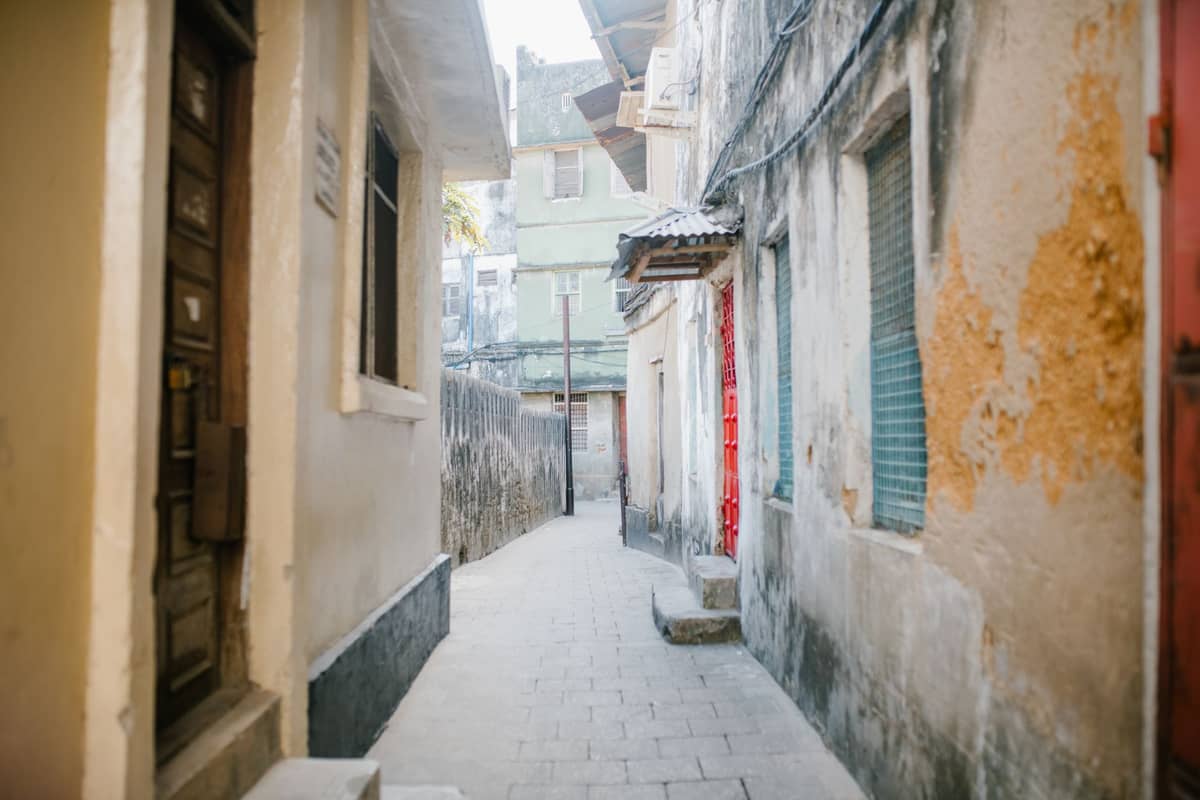
Stone Town gets plenty of visitors, but most stick to the main waterfront and market. The old city is dense with overlooked corners: crumbling merchant mansions, a Persian bath complex, and a coffee-and-bao gathering spot that has been running the same way for generations. The Stone Town walking guide covers the main routes, but the stops below are worth adding to any self-guided exploration.
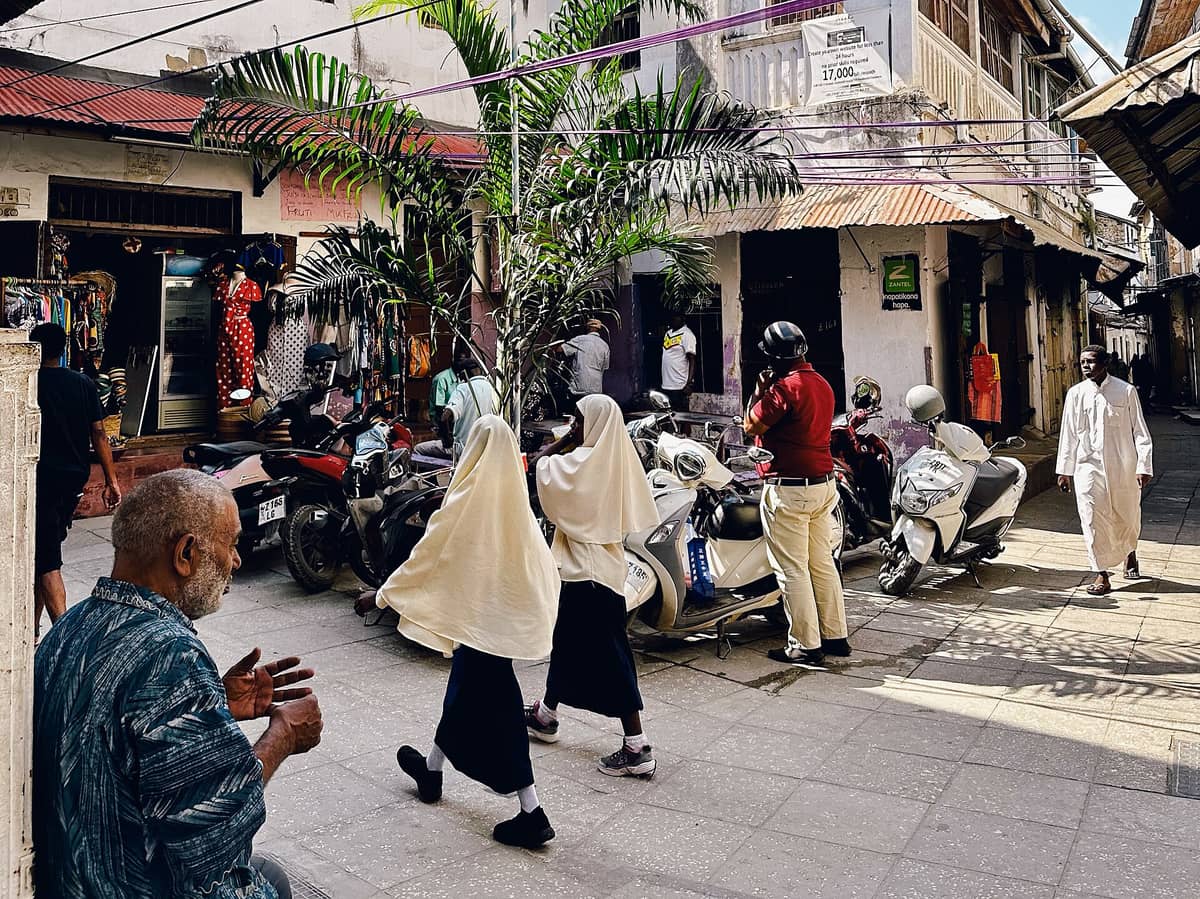
1. Drink Spiced Coffee with Locals at Jaws Corner
Stone Town's most authentic street scene: men gather all day over tiny cups of kahawa spiced coffee, playing bao and debating loudly. Pull up a plastic stool, order a cup for a few hundred shillings, and watch the city move at its own pace.
Explore1. Drink Spiced Coffee with Locals at Jaws Corner
Stone Town's most authentic street scene: men gather all day over tiny cups of kahawa spiced coffee, playing bao and debating loudly. Pull up a plastic stool, order a cup for a few hundred shillings, and watch the city move at its own pace.
Explore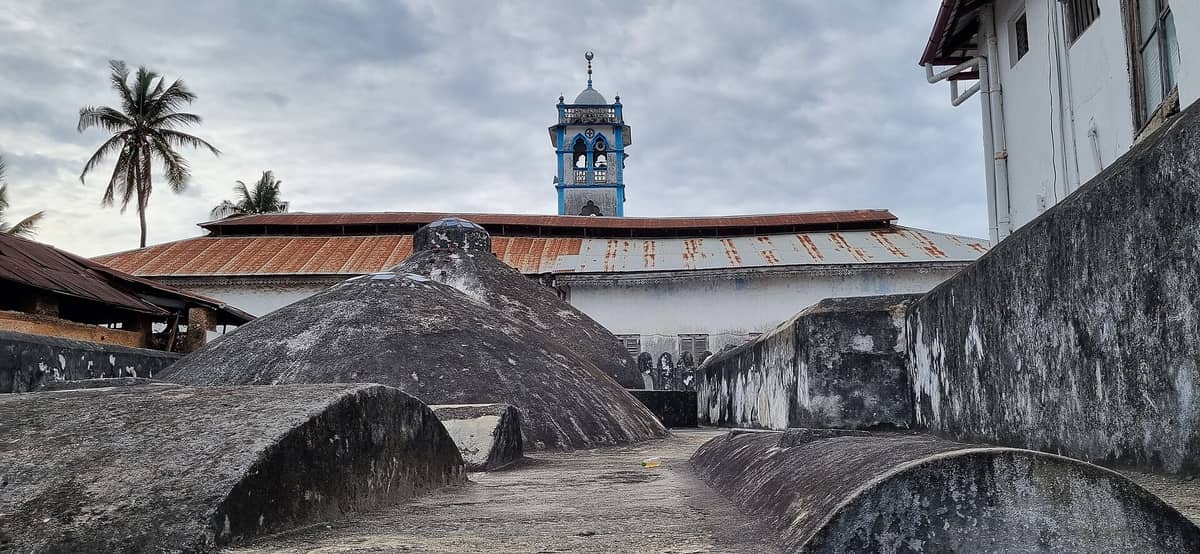
2. Step Inside the Hamamni Persian Baths
Built in the 1880s for the sultan's court, these baths sat forgotten for decades before partial restoration. The vaulted stone chambers and intricate tilework hint at a Zanzibar few tourists ever picture. Entry is cheap; crowds are rare even on busy days.
Explore2. Step Inside the Hamamni Persian Baths
Built in the 1880s for the sultan's court, these baths sat forgotten for decades before partial restoration. The vaulted stone chambers and intricate tilework hint at a Zanzibar few tourists ever picture. Entry is cheap; crowds are rare even on busy days.
Explore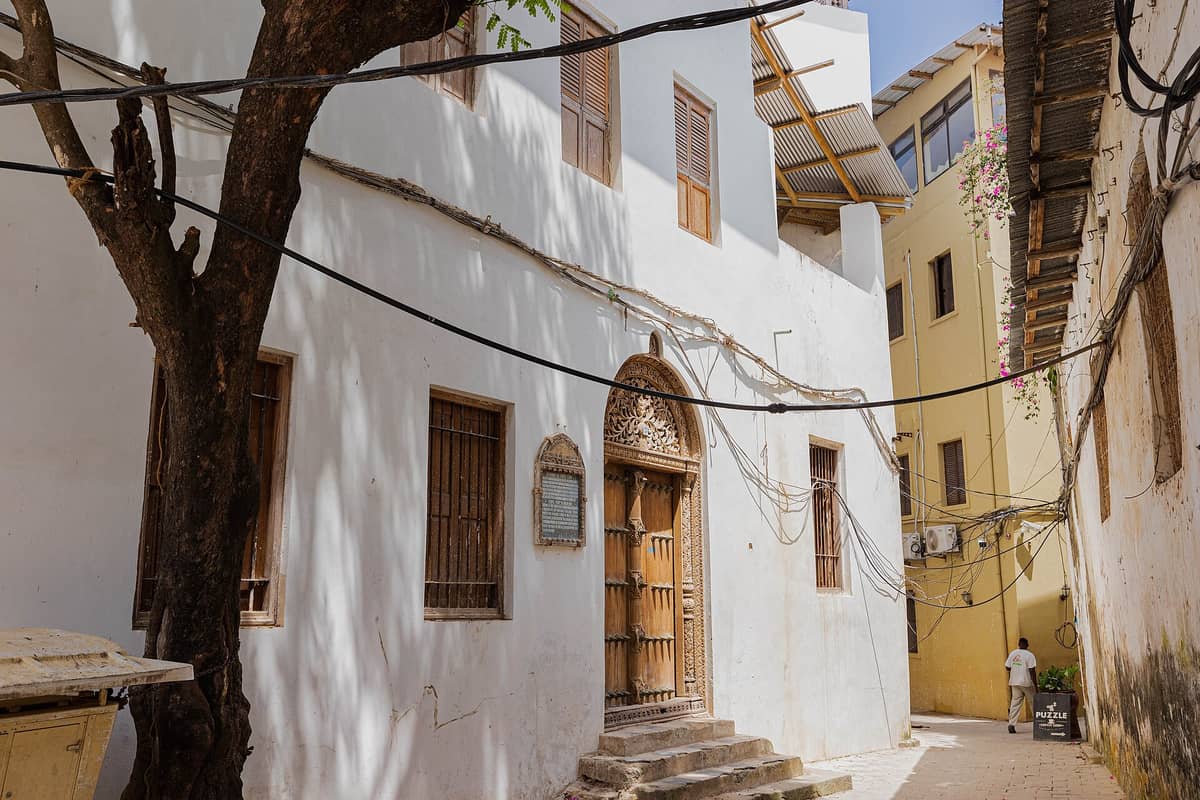
3. Visit the Crumbling Mansion of Tippu Tip
The former home of East Africa's most powerful 19th-century ivory and slave trader is barely signposted, and half the building is in atmospheric decay. It's a raw, unfiltered window into the moral complexity of Zanzibar's history, not sanitised for tourism.
Explore3. Visit the Crumbling Mansion of Tippu Tip
The former home of East Africa's most powerful 19th-century ivory and slave trader is barely signposted, and half the building is in atmospheric decay. It's a raw, unfiltered window into the moral complexity of Zanzibar's history, not sanitised for tourism.
Explore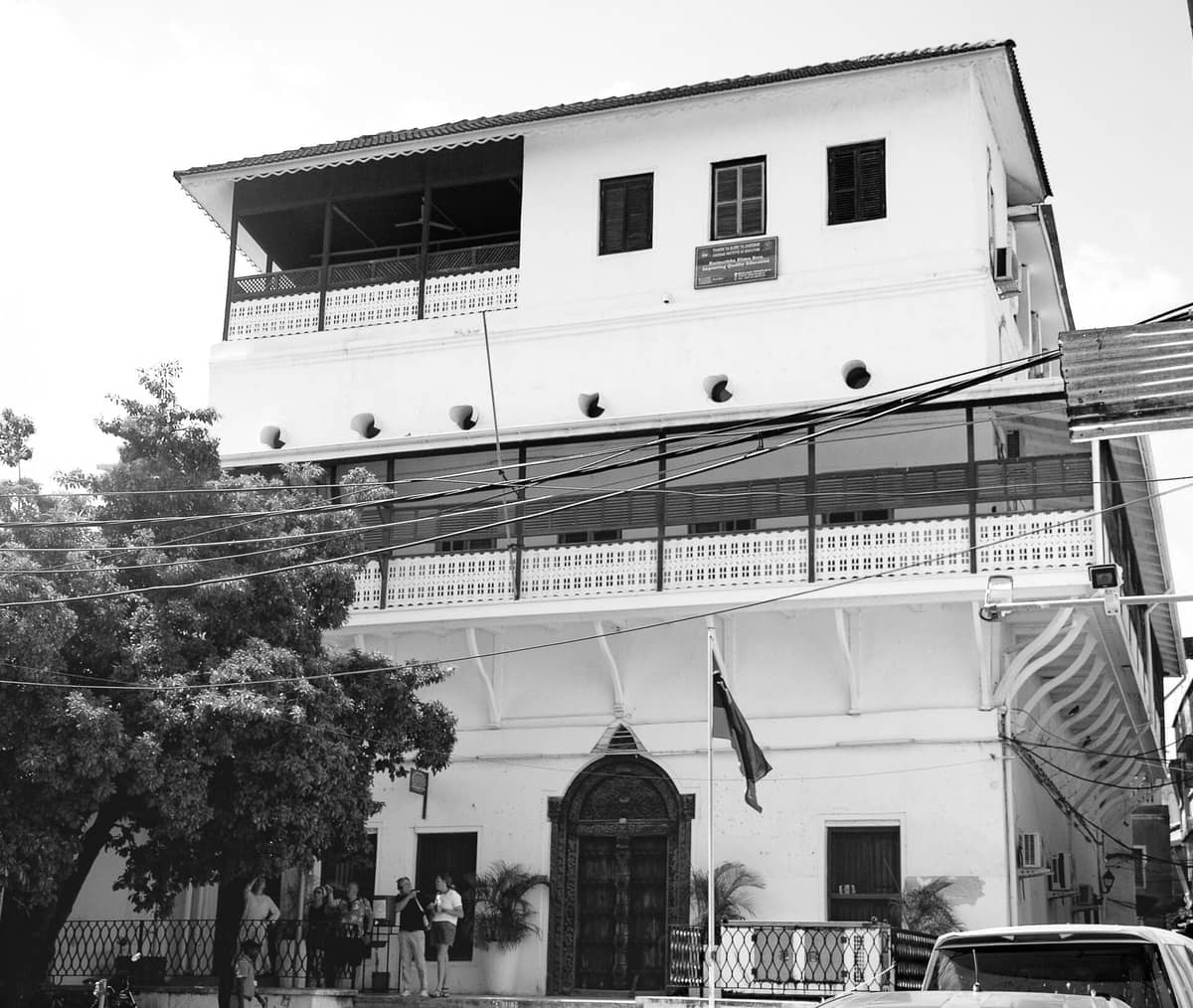
4. Discover Princess Salme's Extraordinary Life Story
Few visitors know this small museum exists. It tells the story of an Omani princess who secretly married a German merchant in 1866 and later wrote one of the first autobiographies by an Arab woman. Compact but genuinely surprising, allow 30-45 minutes.
Explore4. Discover Princess Salme's Extraordinary Life Story
Few visitors know this small museum exists. It tells the story of an Omani princess who secretly married a German merchant in 1866 and later wrote one of the first autobiographies by an Arab woman. Compact but genuinely surprising, allow 30-45 minutes.
Explore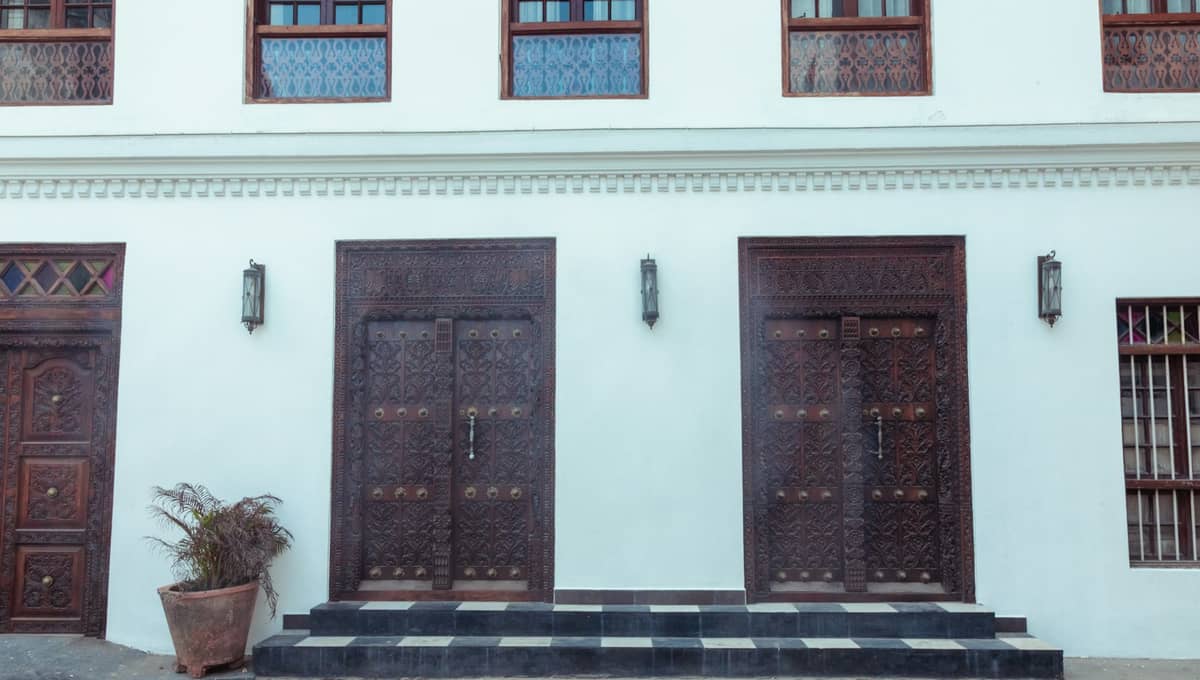
5. Read the Stories Carved into 500 Historic Doors
Zanzibar's ornate carved doors are an open-air museum lining every alley in Stone Town. Brass studs, Quranic script, lotus blossoms, and fish patterns each carry meaning. A good guide can decode them; without one, pick up a door-map from any bookshop.
Explore5. Read the Stories Carved into 500 Historic Doors
Zanzibar's ornate carved doors are an open-air museum lining every alley in Stone Town. Brass studs, Quranic script, lotus blossoms, and fish patterns each carry meaning. A good guide can decode them; without one, pick up a door-map from any bookshop.
ExploreRuins, History, and Forgotten Palaces
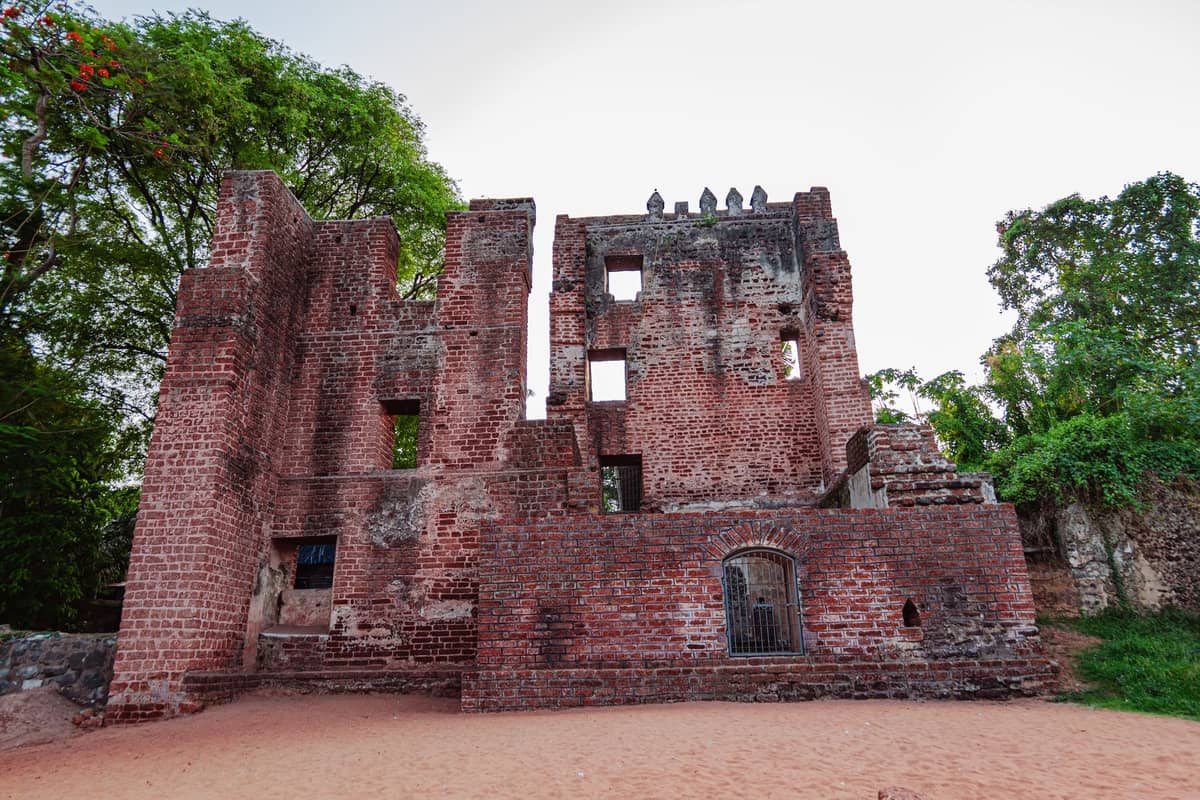
Zanzibar's history as a sultanate capital left a trail of palaces, trading posts, and dark sites across the island. Several are rarely visited because they sit outside Stone Town with little infrastructure around them. The Zanzibar slave history guide covers the darkest chapters in detail, and the sites below are essential for anyone who wants to understand how the island's wealth was built.
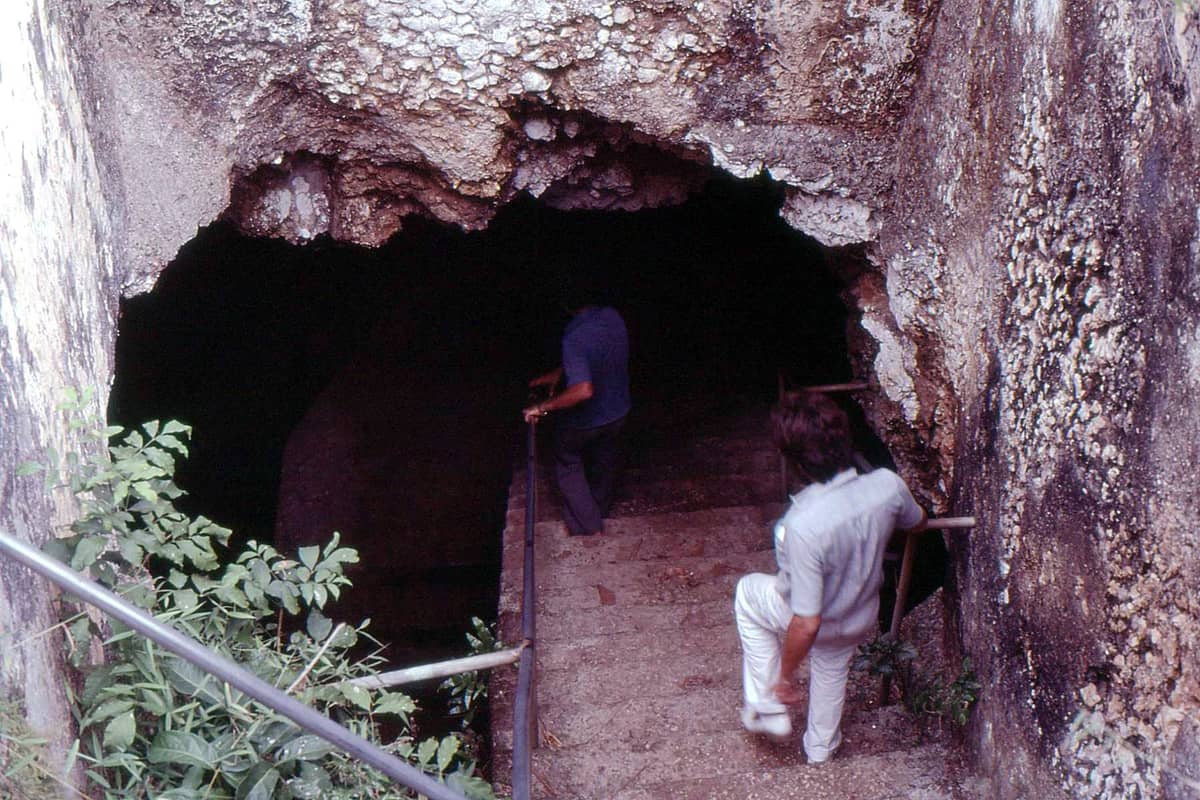
6. Confront History at the Mangapwani Slave Caves
A natural coral cave and a smaller man-made chamber used to hide enslaved people after the 1873 British abolition. The site is quiet, largely unvisited, and set on a beautiful stretch of coast, which makes the contrast with what happened there more striking, not less.
Explore6. Confront History at the Mangapwani Slave Caves
A natural coral cave and a smaller man-made chamber used to hide enslaved people after the 1873 British abolition. The site is quiet, largely unvisited, and set on a beautiful stretch of coast, which makes the contrast with what happened there more striking, not less.
Explore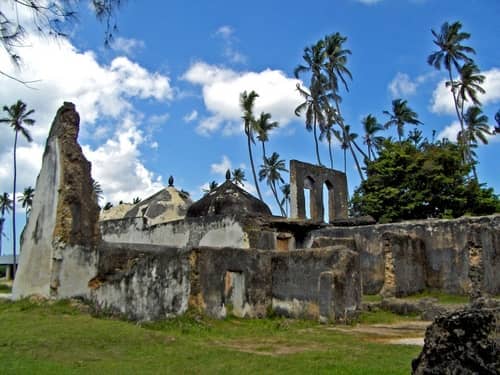
7. Wander the Overgrown Maruhubi Palace Ruins
These 19th-century sultan's harem ruins north of Stone Town are in photogenic decay: cracked pillars, a Persian-style bathhouse, and a large ornamental pond surrounded by trees. Almost no tour groups come here, making it one of the island's most atmospheric spots.
Explore7. Wander the Overgrown Maruhubi Palace Ruins
These 19th-century sultan's harem ruins north of Stone Town are in photogenic decay: cracked pillars, a Persian-style bathhouse, and a large ornamental pond surrounded by trees. Almost no tour groups come here, making it one of the island's most atmospheric spots.
Explore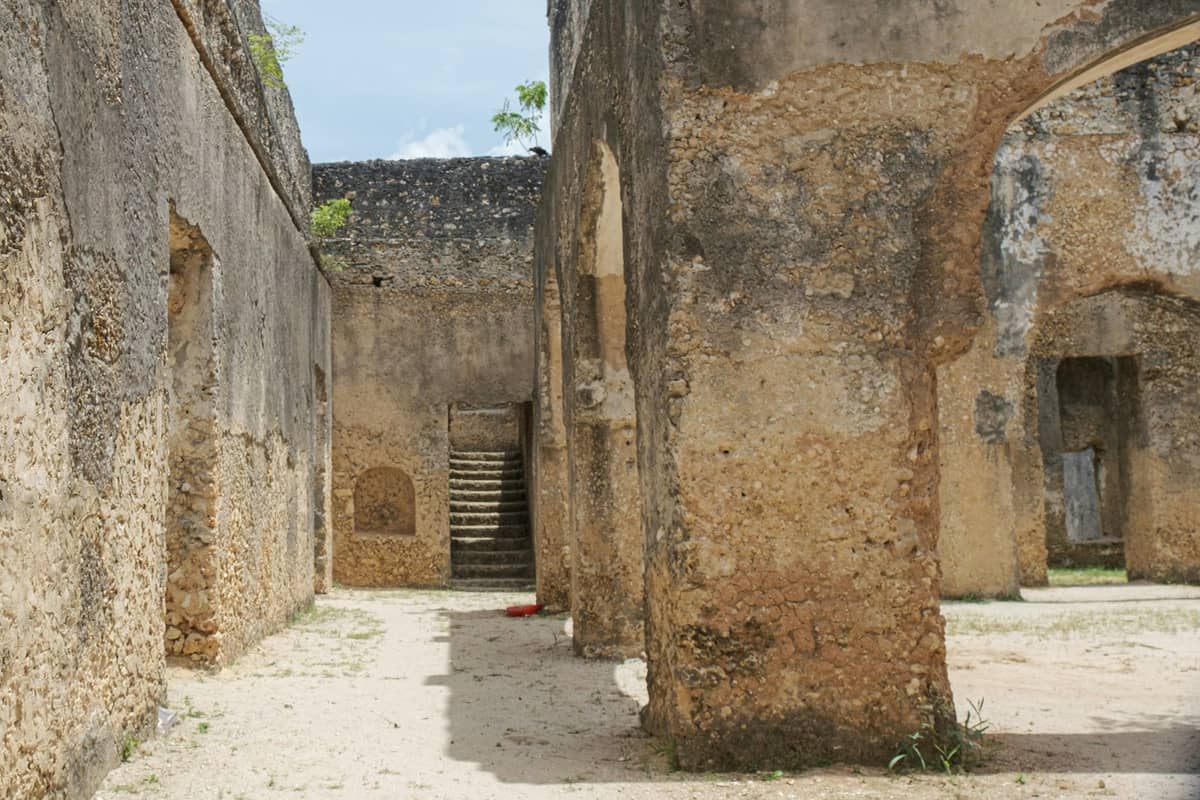
8. Find the Island's Oldest Palace at Mtoni
Built in the 1820s and now a romantic, vine-covered ruin on the shoreline north of Stone Town, Mtoni was the first palace of Sultan Said. Visit at late afternoon when low light turns the coral stonework gold and the harbour comes into view behind the trees.
Explore8. Find the Island's Oldest Palace at Mtoni
Built in the 1820s and now a romantic, vine-covered ruin on the shoreline north of Stone Town, Mtoni was the first palace of Sultan Said. Visit at late afternoon when low light turns the coral stonework gold and the harbour comes into view behind the trees.
Explore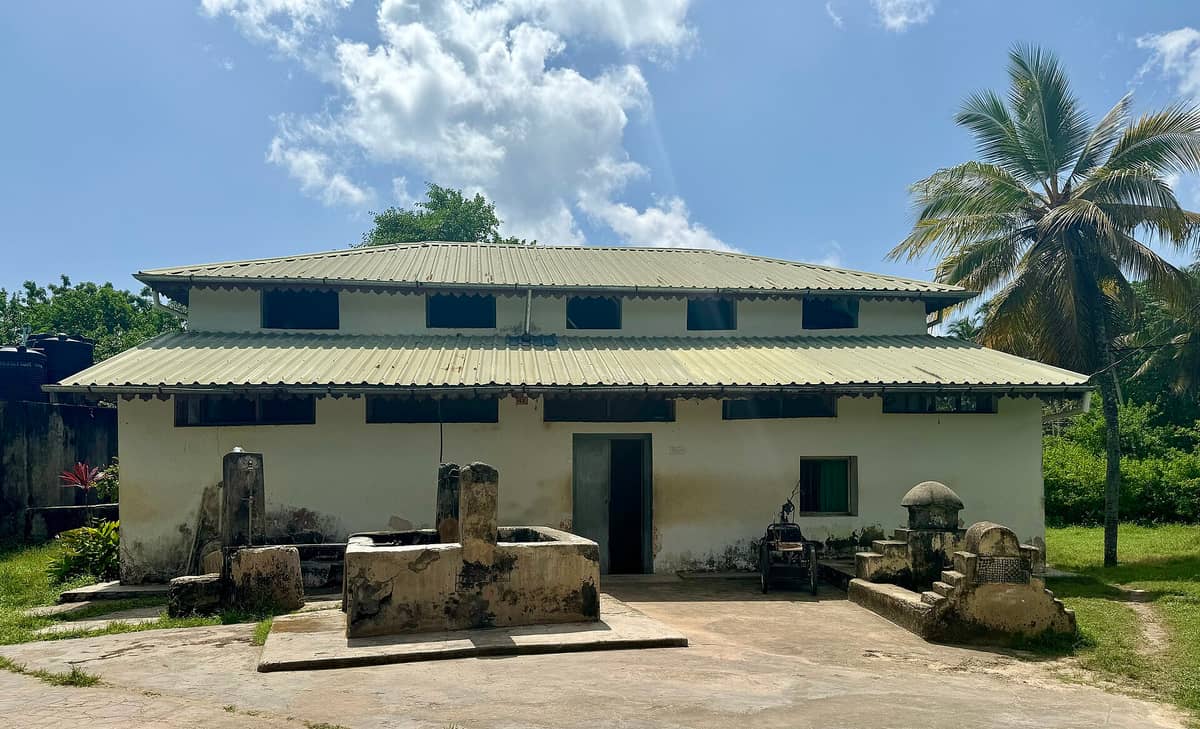
9. See One of Africa's Oldest Mosques at Kizimkazi
Founded in 1107 CE, this working mosque in Zanzibar's far south contains a Kufic inscription that is among the oldest surviving Islamic architecture in sub-Saharan Africa. A guardian lets in respectful visitors; dress modestly and visit before noon when possible.
Explore9. See One of Africa's Oldest Mosques at Kizimkazi
Founded in 1107 CE, this working mosque in Zanzibar's far south contains a Kufic inscription that is among the oldest surviving Islamic architecture in sub-Saharan Africa. A guardian lets in respectful visitors; dress modestly and visit before noon when possible.
Explore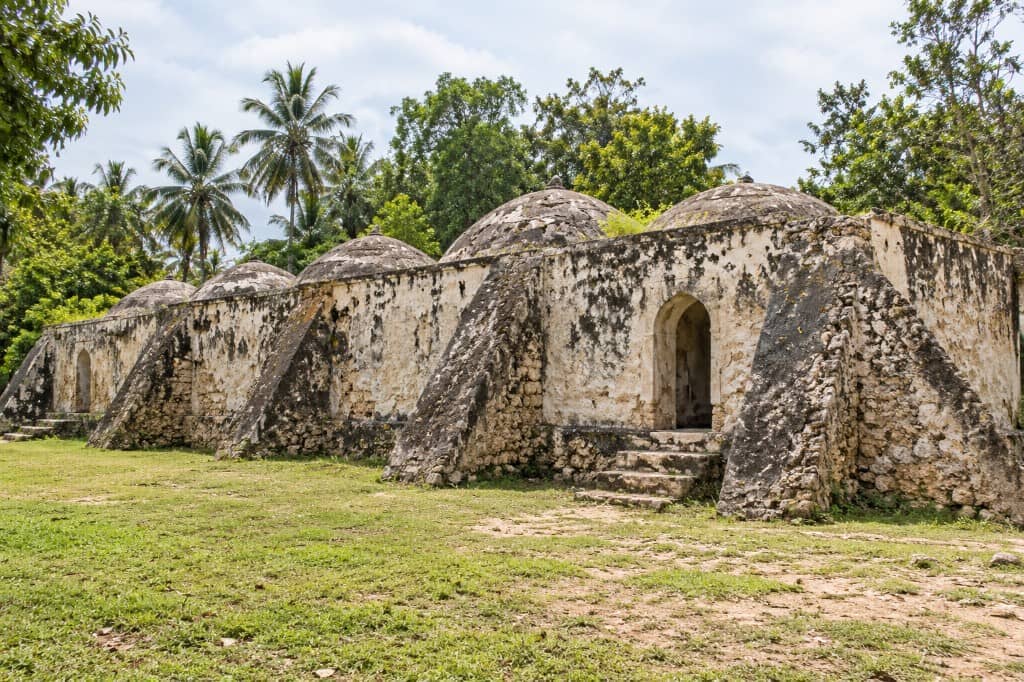
10. Visit the Historic Kidichi Persian Baths Inside a Spice Farm
Most spice tours skip the Persian baths Sultan Said built in 1850 for his wife at Kidichi. The bath complex is beautifully preserved and set inside a working spice plantation. It combines architecture and agriculture in a way the standard Dole Farm tours do not.
Explore10. Visit the Historic Kidichi Persian Baths Inside a Spice Farm
Most spice tours skip the Persian baths Sultan Said built in 1850 for his wife at Kidichi. The bath complex is beautifully preserved and set inside a working spice plantation. It combines architecture and agriculture in a way the standard Dole Farm tours do not.
ExploreMarine and Natural Wonders Few People Reach
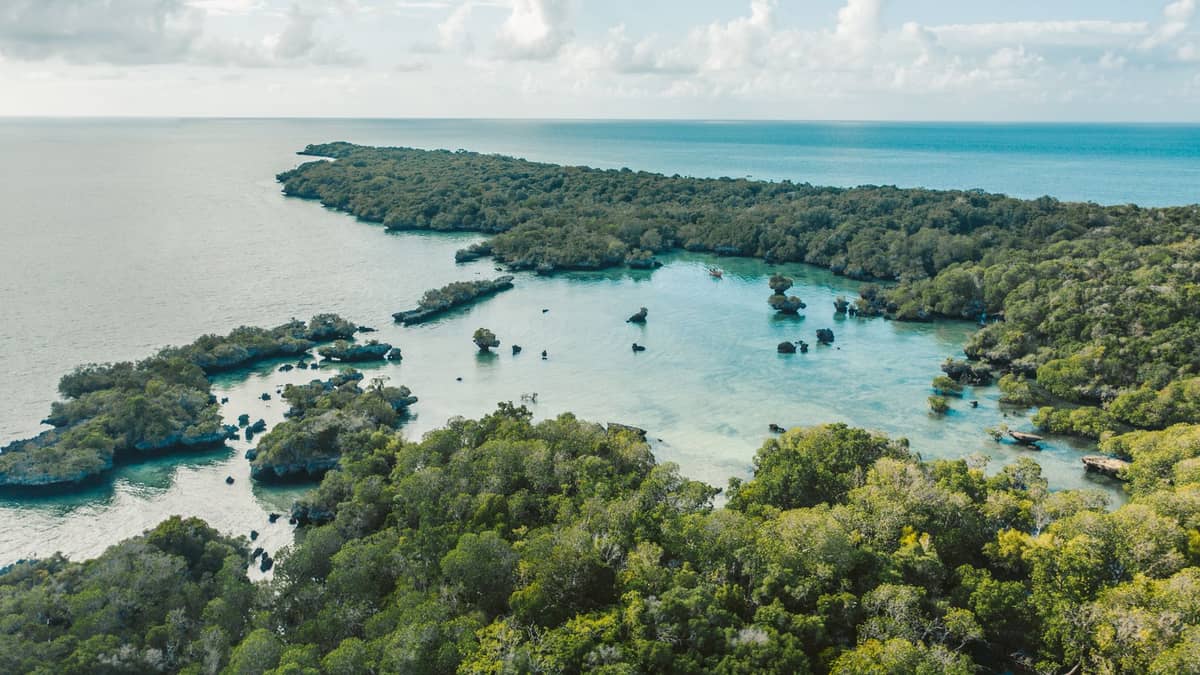
Zanzibar's coast hides more than the famous beach strips. A pristine marine reserve an hour by boat, a coral island with giant tortoises, a sandbank that barely exists at high tide, and a conservation area protecting dugongs all sit within reach. For serious divers, the Zanzibar diving guide explains how to access Mnemba Atoll and the best conditions by season. For the broader coast, the coral reefs guide covers what to expect at each site.
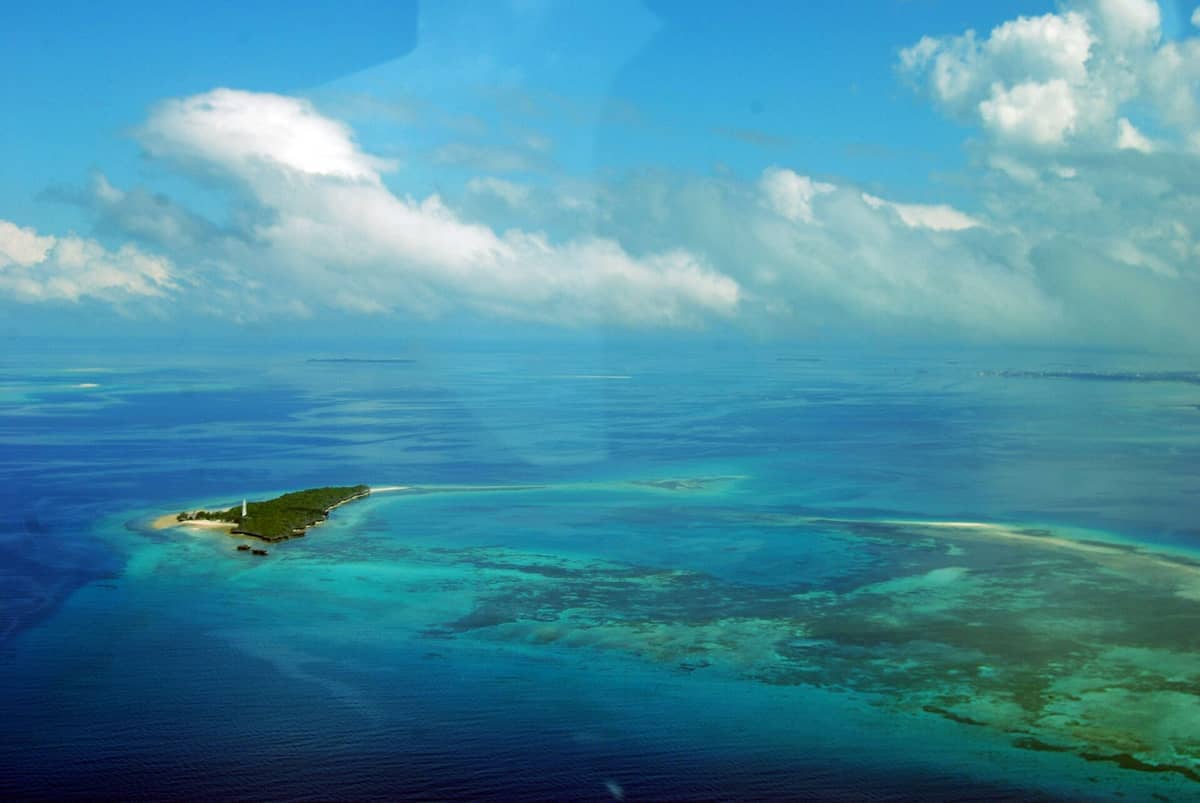
11. Snorkel a Pristine Reef at Chumbe Island
One of the Indian Ocean's best-preserved coral reef sanctuaries, Chumbe limits daily visitors to protect the ecosystem. Day trips from Stone Town include a guided reef snorkel, nature trails, and the historic lighthouse. Book weeks ahead; it sells out in peak season.
Explore11. Snorkel a Pristine Reef at Chumbe Island
One of the Indian Ocean's best-preserved coral reef sanctuaries, Chumbe limits daily visitors to protect the ecosystem. Day trips from Stone Town include a guided reef snorkel, nature trails, and the historic lighthouse. Book weeks ahead; it sells out in peak season.
Explore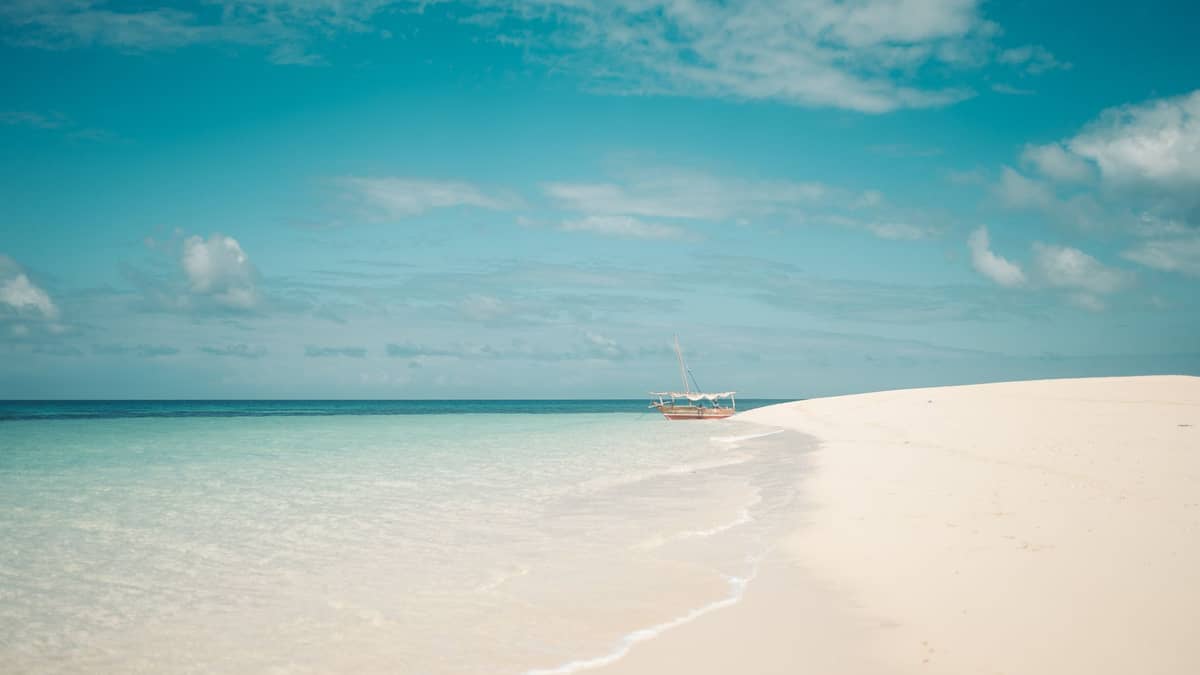
12. Swim on the Nakupenda Sandbank That Appears from the Sea
'Nakupenda' means 'I love you' in Swahili, and the name fits. This white sandbank emerges near Stone Town at low tide, accessible only by boat. Arrange a trip with a local fisherman early morning, bring snorkelling gear, and time your visit around the tide chart.
Explore12. Swim on the Nakupenda Sandbank That Appears from the Sea
'Nakupenda' means 'I love you' in Swahili, and the name fits. This white sandbank emerges near Stone Town at low tide, accessible only by boat. Arrange a trip with a local fisherman early morning, bring snorkelling gear, and time your visit around the tide chart.
Explore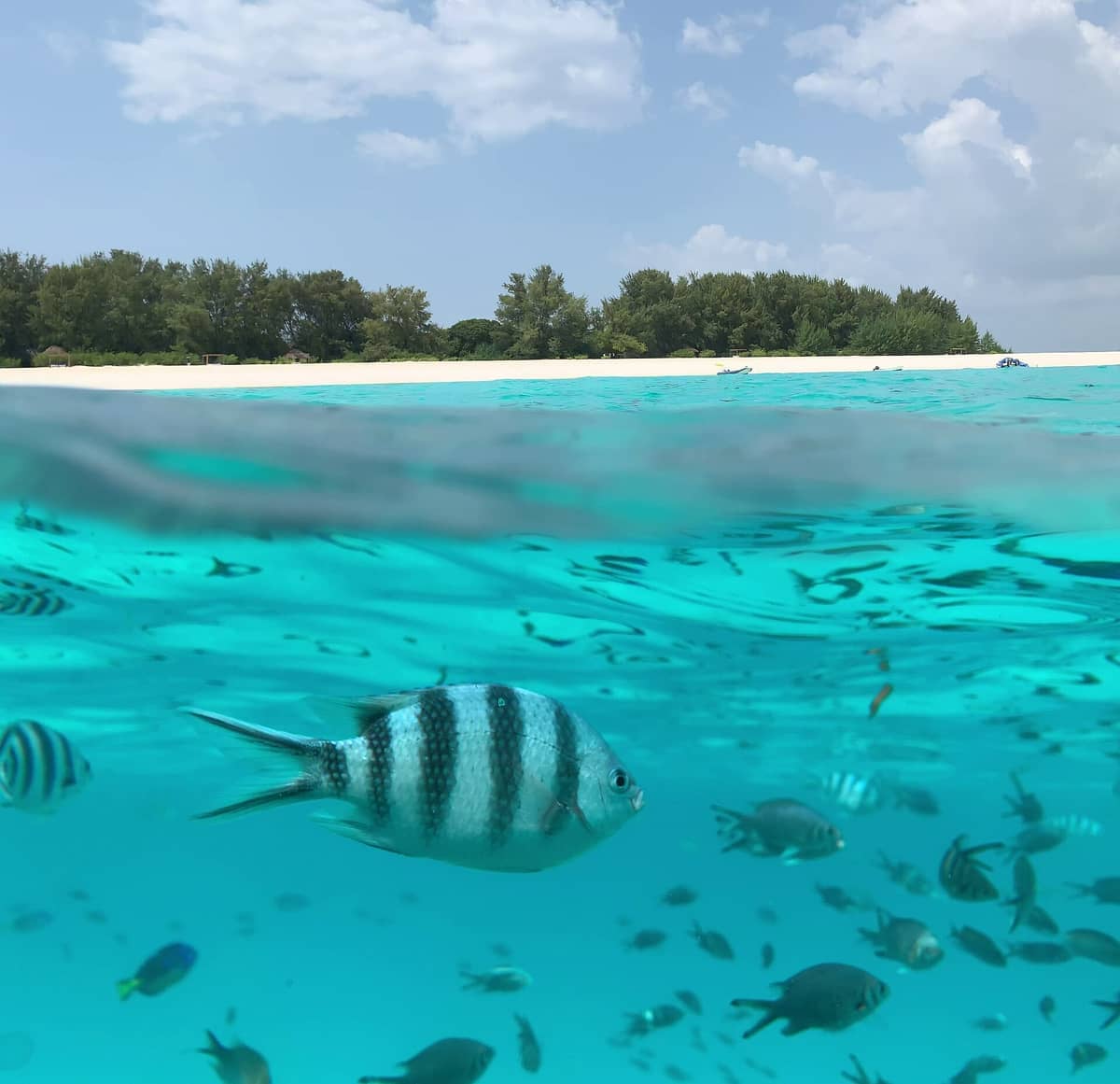
13. Dive with Turtles and Reef Sharks at Mnemba Atoll
A protected marine reserve off the northeast coast, Mnemba delivers dolphins, green turtles, reef sharks, and coral gardens in one session. Day-trip snorkelling access is available; scuba divers should book through a reputable dive centre in Matemwe or Nungwi.
Explore13. Dive with Turtles and Reef Sharks at Mnemba Atoll
A protected marine reserve off the northeast coast, Mnemba delivers dolphins, green turtles, reef sharks, and coral gardens in one session. Day-trip snorkelling access is available; scuba divers should book through a reputable dive centre in Matemwe or Nungwi.
Explore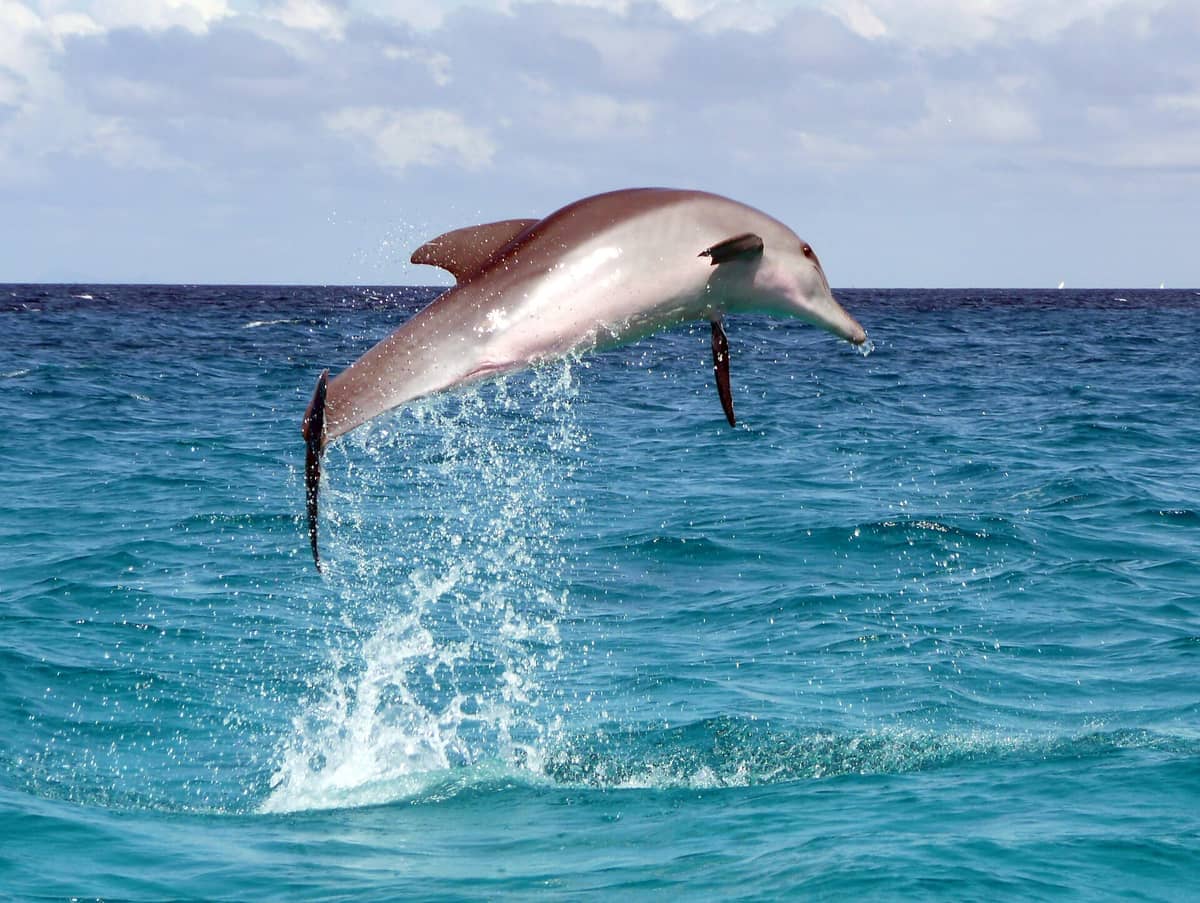
14. Explore Zanzibar's Largest Marine Reserve at Menai Bay
Zanzibar's biggest marine protected area covers mangroves, seagrass, coral, and open water. It's habitat for dugongs, sea turtles, and spinner dolphins. Boat trips out of Fumba are the main access point; pair with a visit to local fishing communities for full context.
Explore14. Explore Zanzibar's Largest Marine Reserve at Menai Bay
Zanzibar's biggest marine protected area covers mangroves, seagrass, coral, and open water. It's habitat for dugongs, sea turtles, and spinner dolphins. Boat trips out of Fumba are the main access point; pair with a visit to local fishing communities for full context.
Explore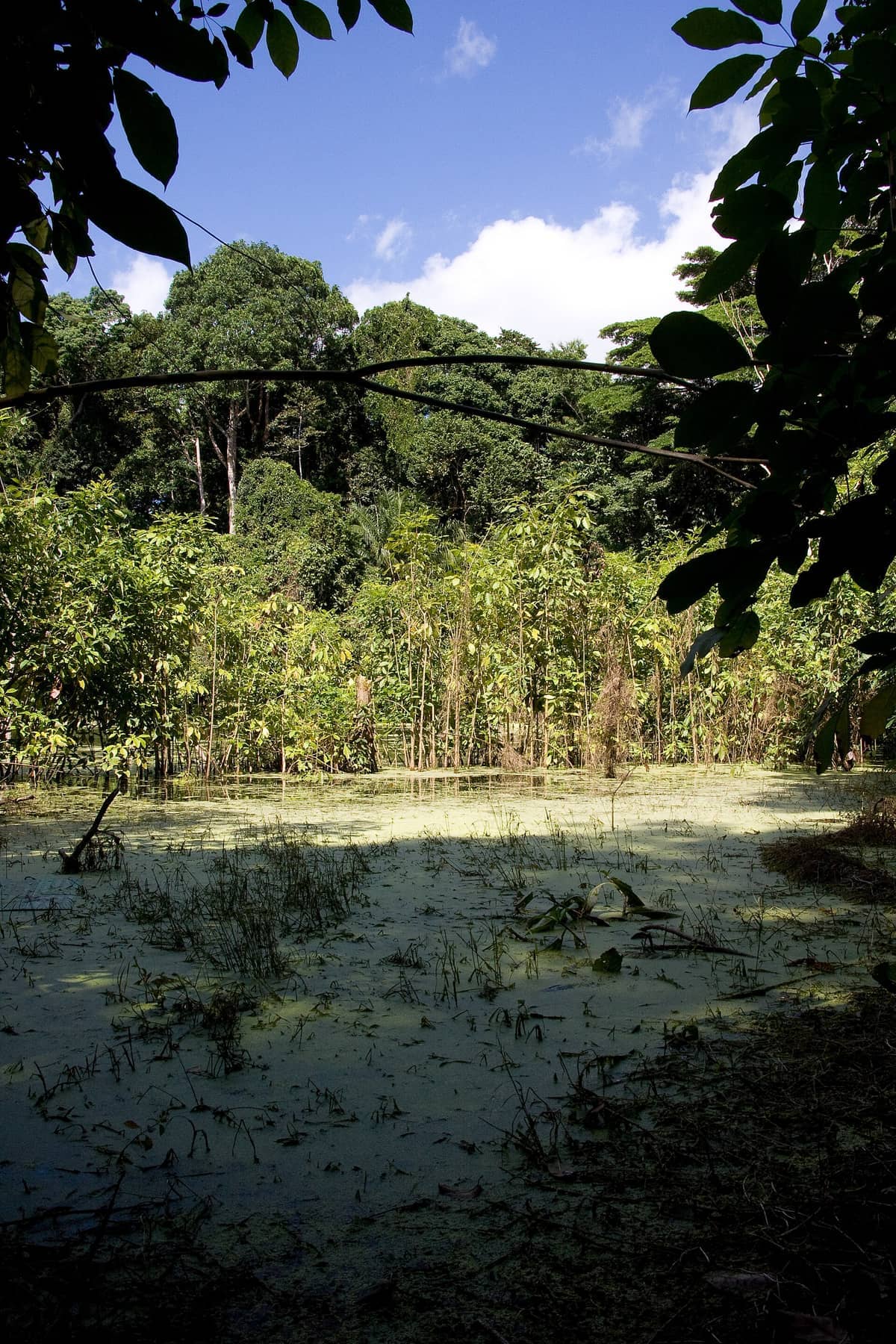
15. Trek Ancient Forest on Pemba Island at Ngezi Reserve
Pemba is Zanzibar's overlooked island, and Ngezi its wildest corner: dense indigenous forest, the endemic Pemba flying fox, and rare forest birds. Getting here requires a flight or ferry from Unguja, which is exactly why almost no package tourist ever makes it.
Explore15. Trek Ancient Forest on Pemba Island at Ngezi Reserve
Pemba is Zanzibar's overlooked island, and Ngezi its wildest corner: dense indigenous forest, the endemic Pemba flying fox, and rare forest birds. Getting here requires a flight or ferry from Unguja, which is exactly why almost no package tourist ever makes it.
ExploreQuiet Beaches Away from the Resort Strips
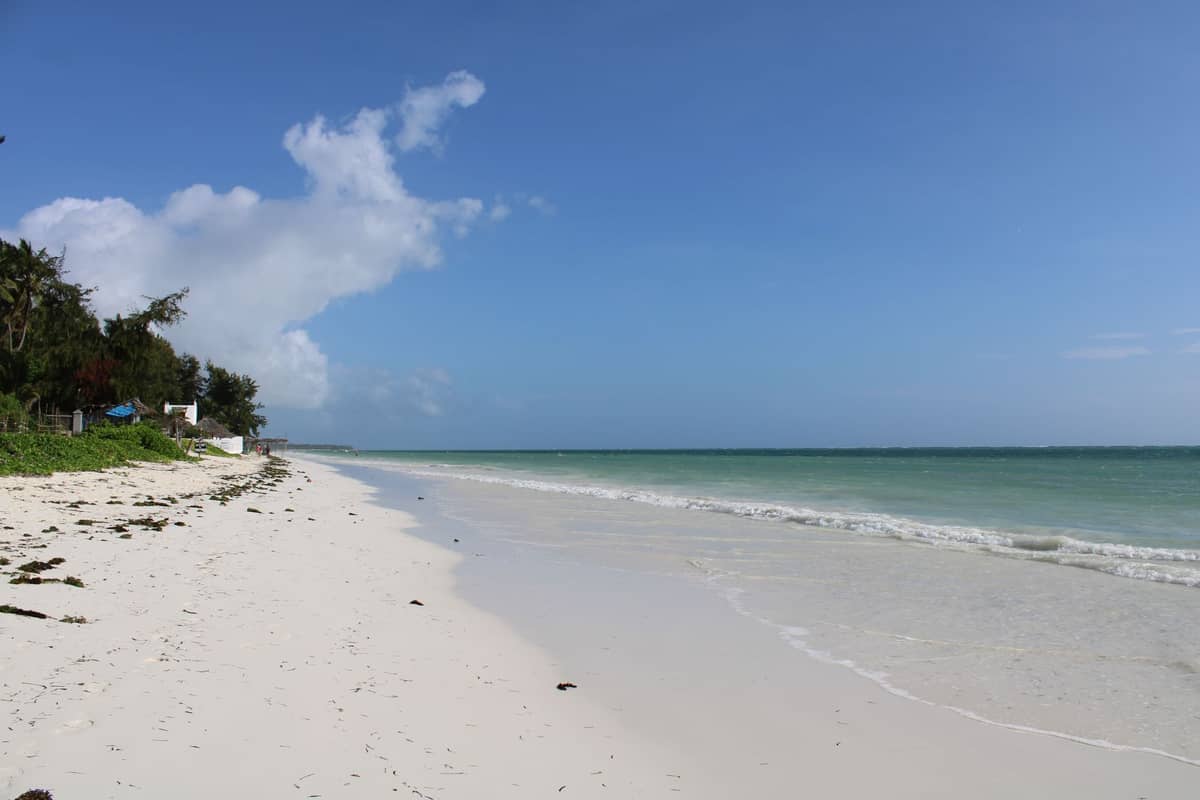
Zanzibar's beach reputation is built on Nungwi and Paje, but the coastline stretches much further than those two names suggest. The east coast between Paje and Jambiani holds several villages where beach life feels genuinely local. A note on tides: east-coast beaches can expose wide stretches of seabed at low tide, which affects swimming conditions significantly. Check a tide table before planning your day.
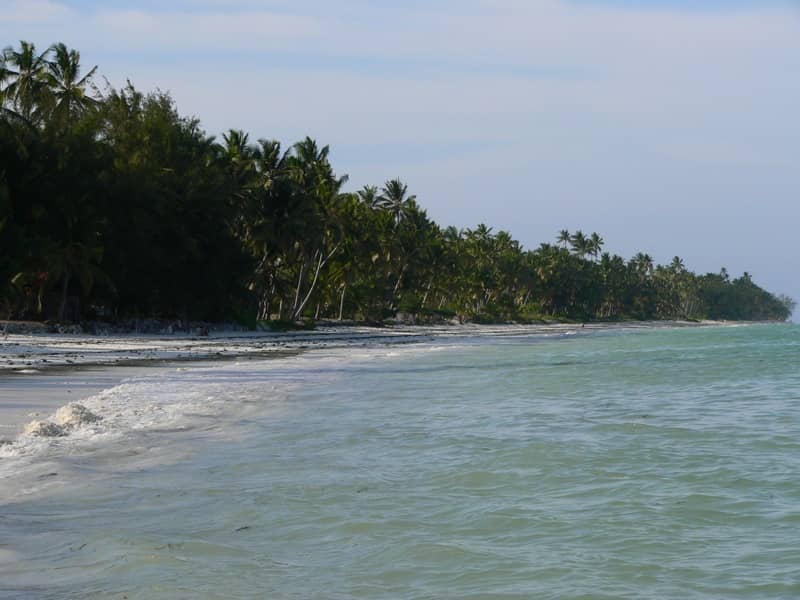
16. Find a Near-Empty Beach at Bwejuu
Between Paje and Jambiani, Bwejuu sees a fraction of the visitors that its neighbours attract. A handful of small guesthouses, excellent grilled fish from local kitchens, and a genuine village feel make it the east coast's best-kept beach secret. Tide conditions apply here too.
Explore16. Find a Near-Empty Beach at Bwejuu
Between Paje and Jambiani, Bwejuu sees a fraction of the visitors that its neighbours attract. A handful of small guesthouses, excellent grilled fish from local kitchens, and a genuine village feel make it the east coast's best-kept beach secret. Tide conditions apply here too.
Explore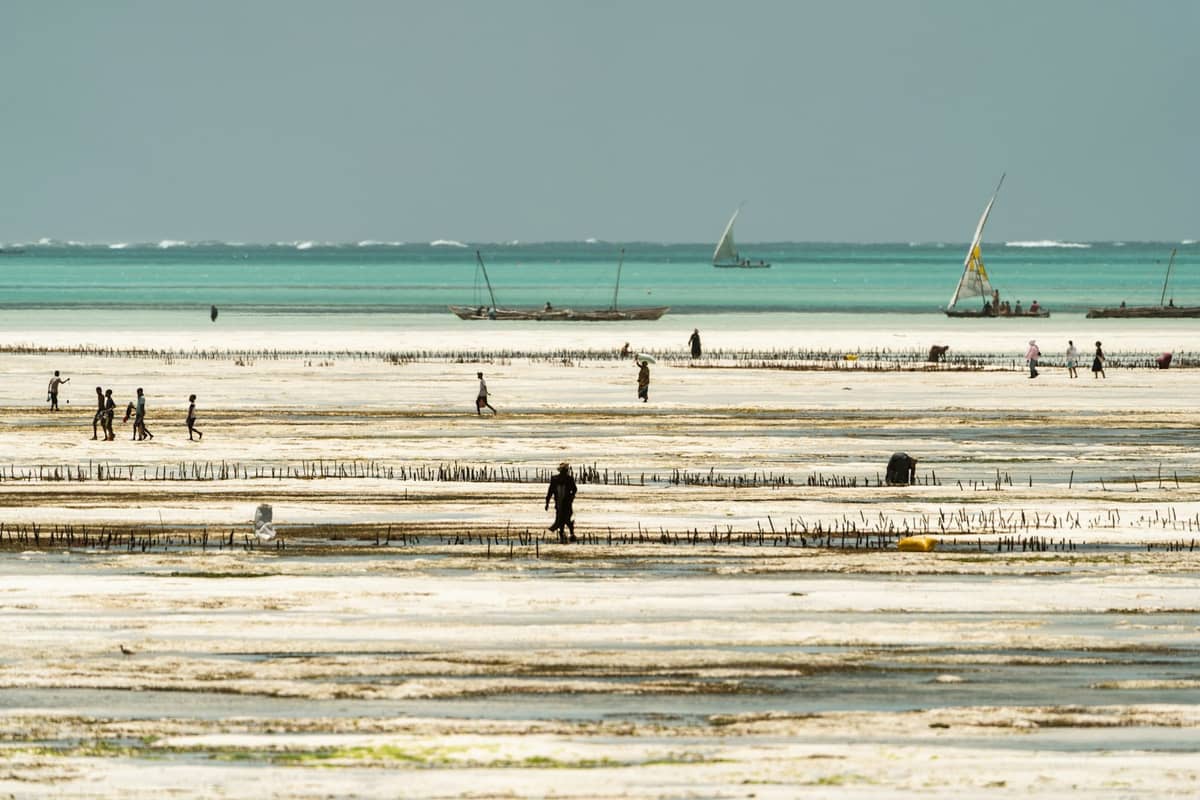
17. Walk the Seaweed Farm Shoreline at Jambiani
Jambiani's beach is long, white, and lined with the seaweed-farming stakes that define east-coast village life. Walk it at low tide for the full picture: women tending crops in the shallows, fishing boats beached on sand, and almost no other tourist in sight.
Explore17. Walk the Seaweed Farm Shoreline at Jambiani
Jambiani's beach is long, white, and lined with the seaweed-farming stakes that define east-coast village life. Walk it at low tide for the full picture: women tending crops in the shallows, fishing boats beached on sand, and almost no other tourist in sight.
Explore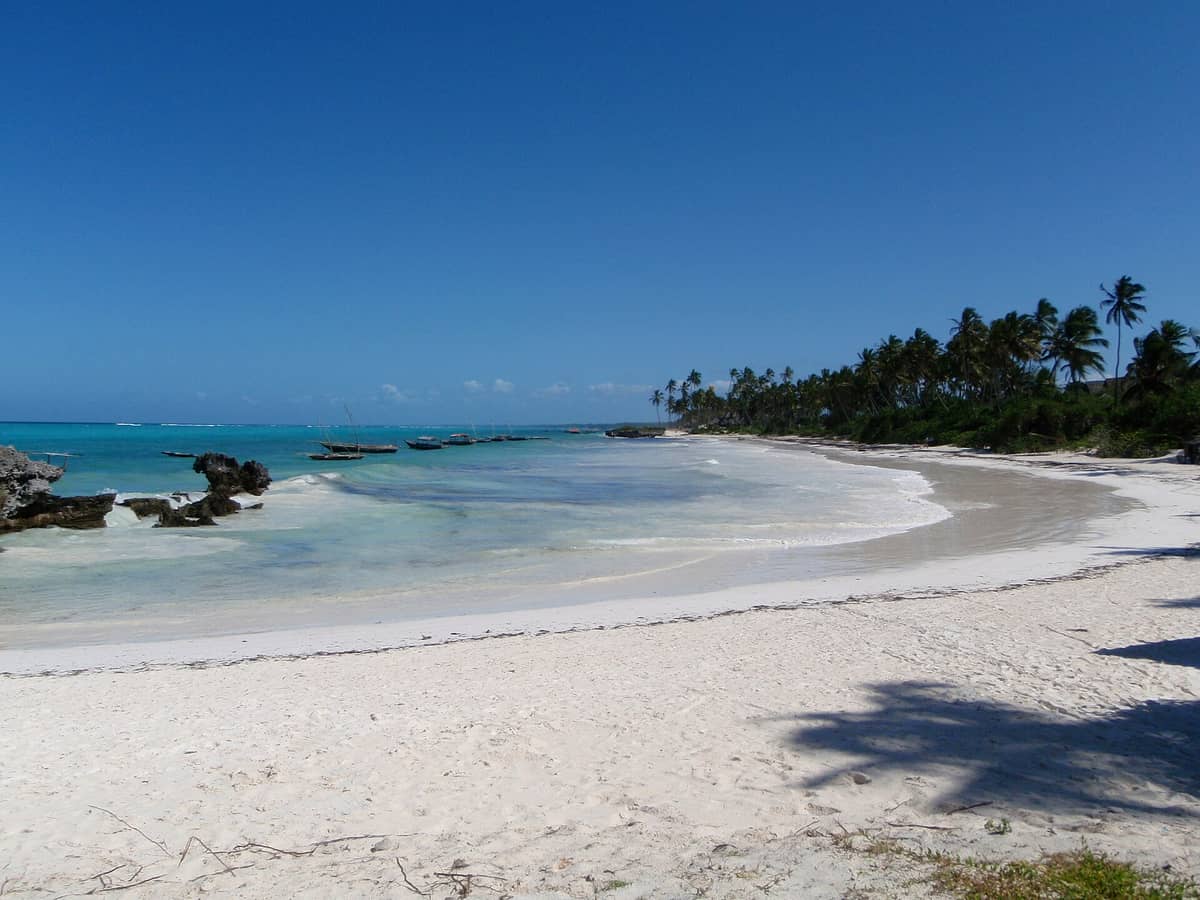
18. Stay at Zanzibar's Most Secluded Northern Beach: Matemwe
Matemwe sits just south of Mnemba Atoll and north of the resort strips, with fine sand, casuarina trees, and a reef lagoon that glows turquoise in the morning. It attracts divers and those seeking quiet; the village behind the beach is worth an evening walk.
Explore18. Stay at Zanzibar's Most Secluded Northern Beach: Matemwe
Matemwe sits just south of Mnemba Atoll and north of the resort strips, with fine sand, casuarina trees, and a reef lagoon that glows turquoise in the morning. It attracts divers and those seeking quiet; the village behind the beach is worth an evening walk.
ExploreCulture, Wildlife, and Local Encounters
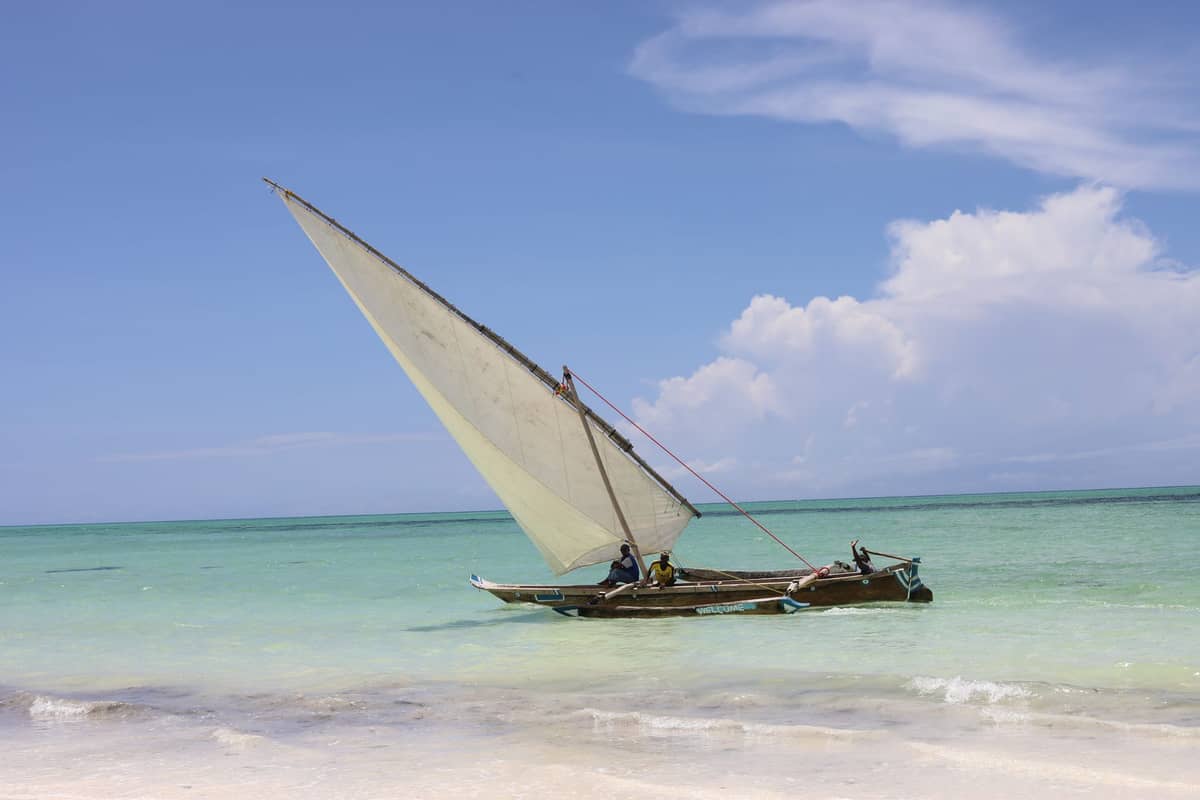
Some of Zanzibar's most rewarding experiences are not places at all but encounters: watching craftsmen build wooden dhows, learning what seaweed farming actually means for a village economy, or feeding a 100-year-old tortoise. The Swahili culture guide adds depth to what you'll see at the sites below.
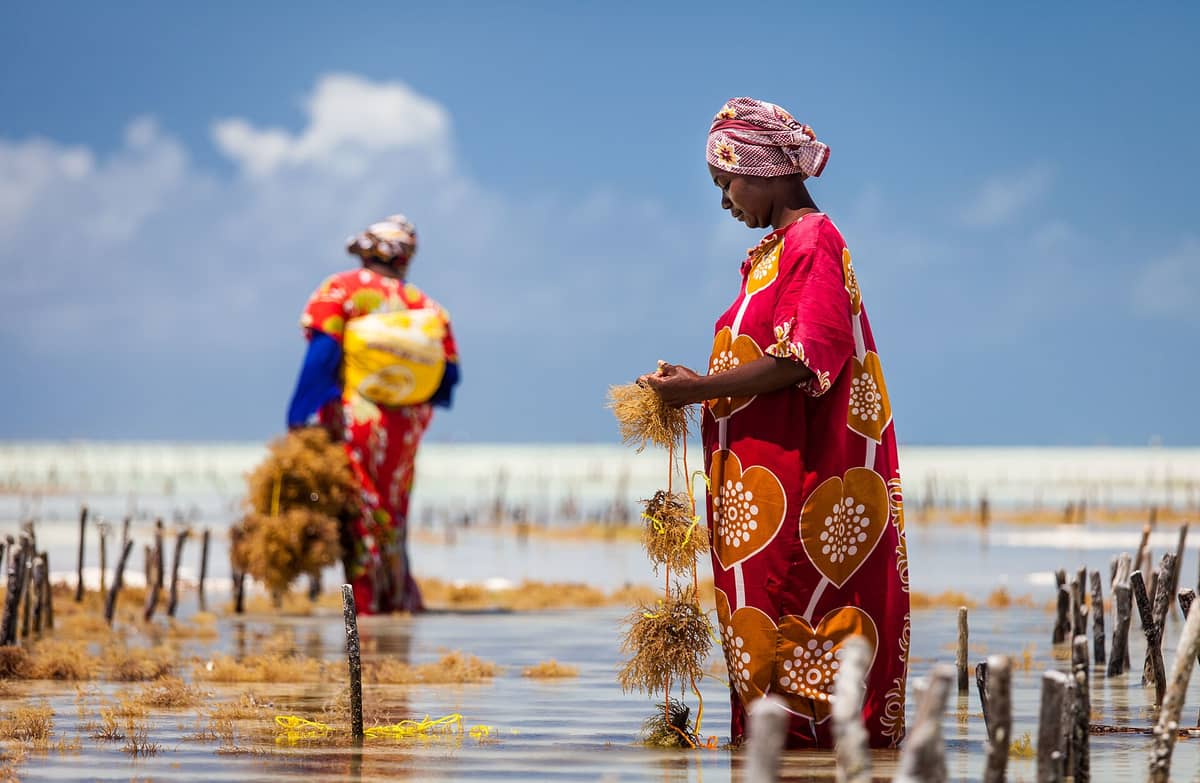
19. Walk Jambiani's Seaweed Farms with a Local Guide
Seaweed farming sustains hundreds of east-coast families, primarily women. A guided visit to the Jambiani farms explains the cultivation process, the global export market, and the cooperatives changing village economics. Most tours last under an hour and cost very little.
Explore19. Walk Jambiani's Seaweed Farms with a Local Guide
Seaweed farming sustains hundreds of east-coast families, primarily women. A guided visit to the Jambiani farms explains the cultivation process, the global export market, and the cooperatives changing village economics. Most tours last under an hour and cost very little.
Explore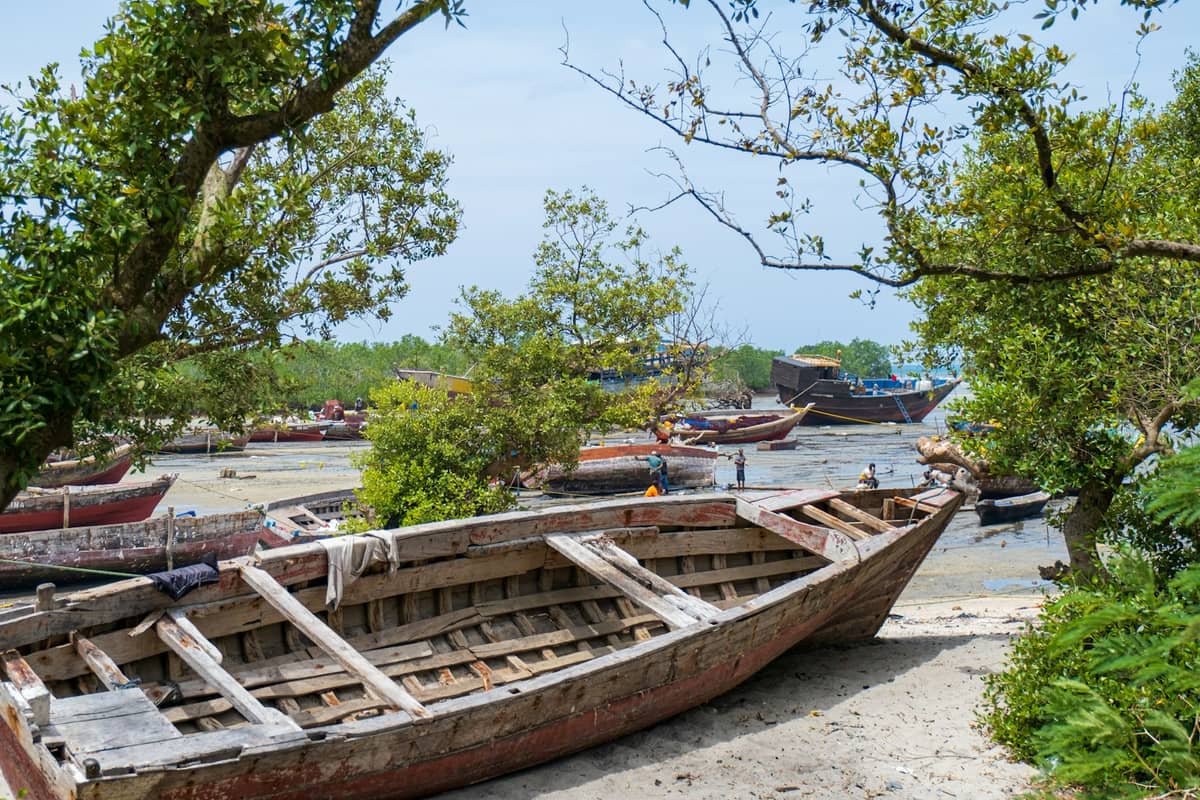
20. Watch Master Craftsmen Build Wooden Dhows at Nungwi
On the beach at Nungwi, boatbuilders still shape wooden dhow hulls by hand using techniques unchanged for centuries. No tools beyond adzes, saws, and experience. You can walk up freely; talking to the builders, with basic Swahili or via a guide, adds real texture.
Explore20. Watch Master Craftsmen Build Wooden Dhows at Nungwi
On the beach at Nungwi, boatbuilders still shape wooden dhow hulls by hand using techniques unchanged for centuries. No tools beyond adzes, saws, and experience. You can walk up freely; talking to the builders, with basic Swahili or via a guide, adds real texture.
Explore
21. Walk Through Living Butterflies at the Jozani Butterfly Centre
This small conservation project near Jozani breeds indigenous butterfly species in a walk-through tropical garden. It's community-run, inexpensive, and takes only 30 minutes, making it an ideal add-on after visiting Jozani Forest rather than a standalone trip.
Explore21. Walk Through Living Butterflies at the Jozani Butterfly Centre
This small conservation project near Jozani breeds indigenous butterfly species in a walk-through tropical garden. It's community-run, inexpensive, and takes only 30 minutes, making it an ideal add-on after visiting Jozani Forest rather than a standalone trip.
Explore
22. Meet Rescued Cheetahs and Lemurs at Cheetah's Rock Sanctuary
A responsible private sanctuary in central Zanzibar, Cheetah's Rock rehabilitates big cats, servals, and primates that cannot be returned to the wild. Guided tours allow close encounters without exploitation. Book in advance; group sizes are kept small deliberately.
Explore22. Meet Rescued Cheetahs and Lemurs at Cheetah's Rock Sanctuary
A responsible private sanctuary in central Zanzibar, Cheetah's Rock rehabilitates big cats, servals, and primates that cannot be returned to the wild. Guided tours allow close encounters without exploitation. Book in advance; group sizes are kept small deliberately.
Explore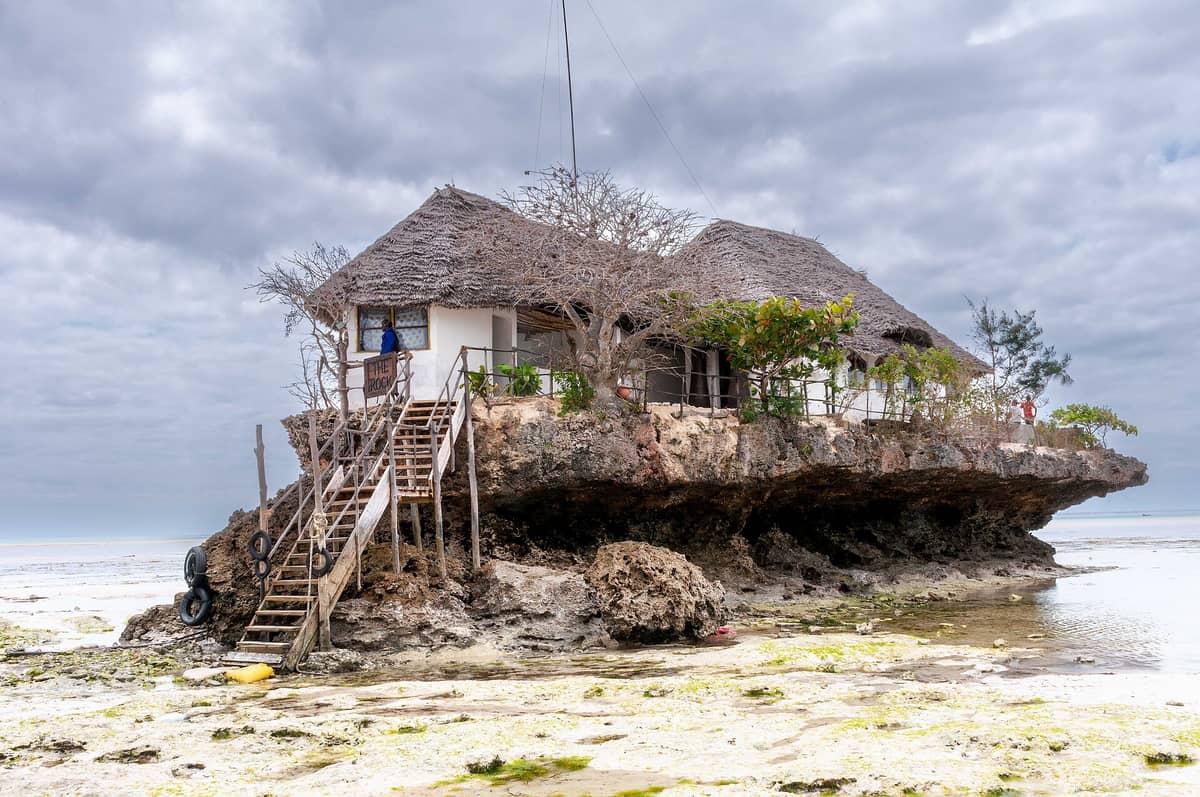
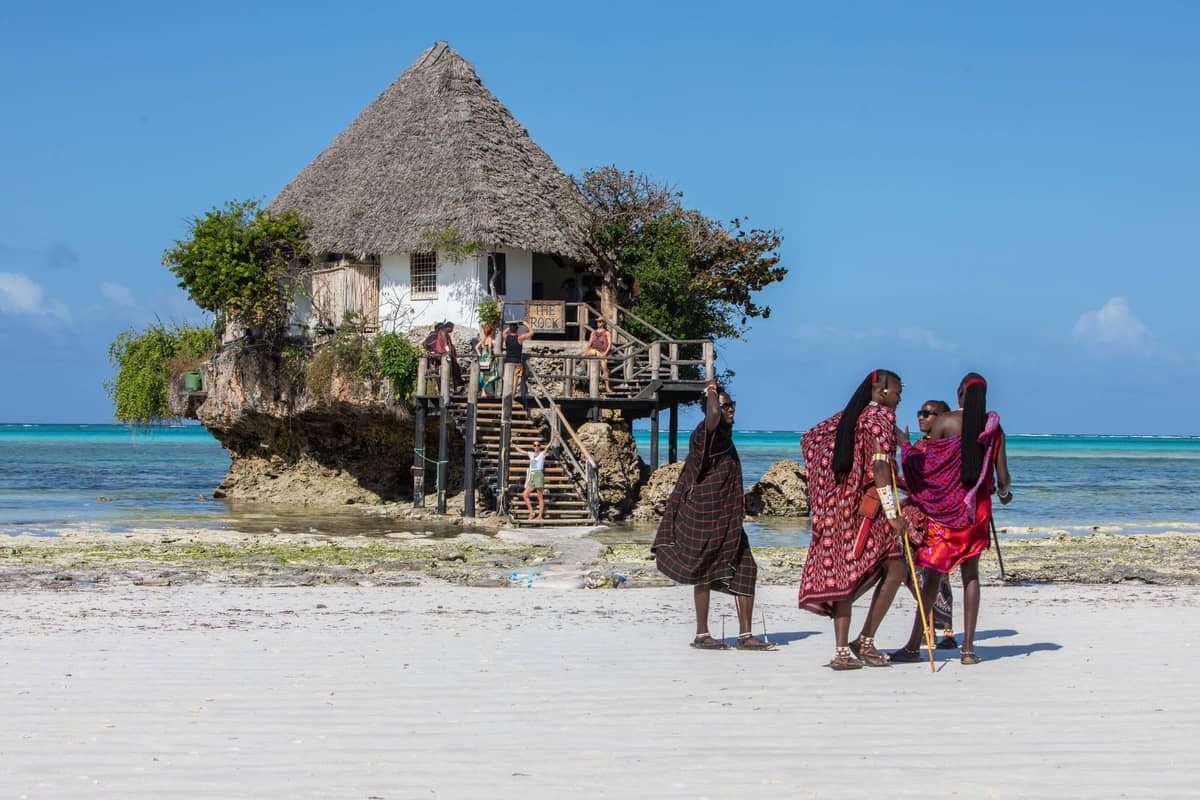
23. Eat Seafood on a Coral Rock in the Middle of the Indian Ocean
The Rock is exactly what it sounds like: a restaurant on a coral outcrop off Michamvi Peninsula. At high tide, a boat brings you over. At low tide, you wade. The seafood is well-executed, the setting is genuinely surreal. Book at least two weeks ahead in peak season.
Explore23. Eat Seafood on a Coral Rock in the Middle of the Indian Ocean
The Rock is exactly what it sounds like: a restaurant on a coral outcrop off Michamvi Peninsula. At high tide, a boat brings you over. At low tide, you wade. The seafood is well-executed, the setting is genuinely surreal. Book at least two weeks ahead in peak season.
Explore✨ Pro tip
The Rock Restaurant and Chumbe Island both require advance booking, sometimes weeks out in July-August and December-January. If either is on your list, book before you fly, not after you land.
FAQ
What are the most overlooked historical sites in Zanzibar?
The Maruhubi and Mtoni palace ruins north of Stone Town, the Mangapwani Slave Caves, the Kizimkazi Mosque (dating to 1107 CE), and Tippu Tip's mansion in Stone Town are all historically significant and rarely crowded. None require advance booking.
How do I get to Pemba Island from Zanzibar?
Pemba is reached by short flight from Zanzibar's Abeid Amani Karume International Airport or by ferry. Flights take around 30 minutes; the ferry takes several hours. Ngezi Forest Reserve is the main natural attraction on Pemba and is best visited with a local guide.
Are east-coast beaches good for swimming at any time of day?
No. On Zanzibar's east and southeast coast, low tide can expose broad stretches of seabed, making swimming difficult or impossible. Bwejuu, Jambiani, and Matemwe are all affected. Check a tide table for the specific day you plan to swim. North-coast beaches like Nungwi and Kendwa are far less affected by tidal retreat.
Which off-the-beaten-path Zanzibar experiences require advance booking?
Chumbe Island Coral Park limits daily visitors strictly and books up weeks ahead in high season. The Rock Restaurant also fills fast, especially in July-August and over December-January. Cheetah's Rock recommends advance reservations to keep group sizes small. Everything else on this list can generally be visited without pre-booking.
Is it safe to explore Stone Town's lesser-known streets and alleys alone?
Stone Town is generally safe to walk during daylight hours, including its quieter lanes. Take normal city precautions: keep valuables out of sight and be alert after dark in unlit alleys. A local guide adds significant historical value to sites like Tippu Tip's house, the carved doors, and the Persian baths that simple exploration alone cannot provide.
Tickets & tours
Live prices and dates from our booking partner. If you book, we may earn a commission at no extra cost to you.
Planning a trip? Discover personalized activities with the Nomado app.