Cheetah's Rock Wildlife Sanctuary: Zanzibar's Most Intimate Wildlife Encounter
Cheetah's Rock Wildlife Sanctuary is a small, guided wildlife experience on Unguja where visitors walk alongside rescued cheetahs, interact with servals, and meet a rotating cast of African species in semi-natural enclosures. It is expensive, deliberately exclusive, and unlike anything else on the island.
Quick Facts
- Location
- Kama, Unguja (Zanzibar main island), Tanzania — roughly 20–30 min north of Stone Town
- Getting There
- Private taxi or pre-arranged transfer; no public dala-dala route serves this site directly
- Time Needed
- Around 4 hours for the guided wildlife tour
- Cost
- Around US$160 per person (third-party estimate; verify current pricing when booking)
- Best for
- Wildlife lovers, families with older children, photographers wanting close animal access
- Official website
- cheetahsrock.org/en
What Cheetah's Rock Actually Is
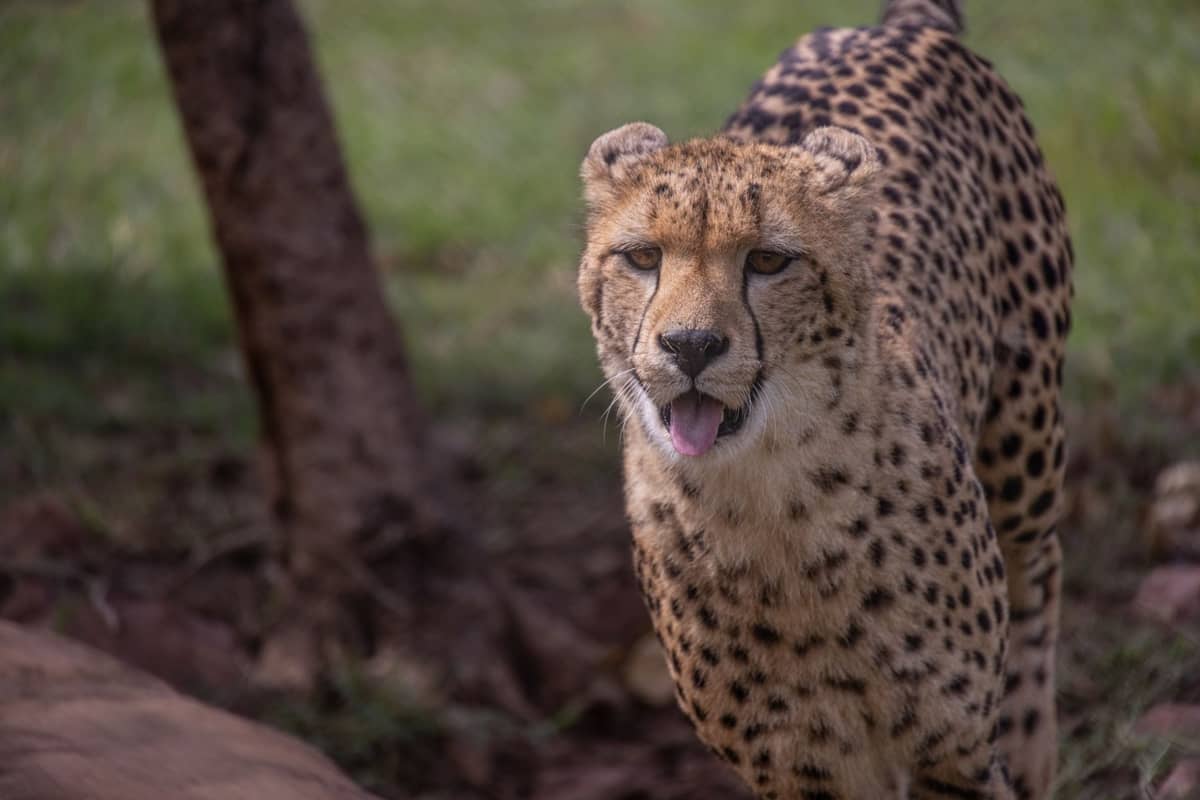
Cheetah's Rock Wildlife Sanctuary is not a zoo and not a safari. It sits somewhere between a rescue centre and a carefully managed wildlife experience, operating on a stretch of land near the village of Kama on Unguja's western side. The animals here, cheetahs, servals, civets, bush babies, and others depending on season and current residents, have typically come through rescue or rehabilitation channels and cannot be returned to the wild. The sanctuary gives them a permanent home while allowing small groups of visitors to observe, and in some cases interact with, animals at a proximity that is simply not available anywhere else in Zanzibar.
Access is strictly by advance booking and guided tour only. You will not show up at a gate and wander in. Groups are deliberately small, which is both a feature and a reason the price sits where it does. Access is strictly by advance booking and guided tour only. You will not show up at a gate and wander in. Groups are deliberately small, which is both a feature and a reason the price sits where it does. The experience is personal in a way that large wildlife parks cannot replicate: you may find yourself walking a few metres from a cheetah, or watching a serval move through low brush with a guide explaining its behaviour in real time.
💡 Local tip
Book directly through the official website at cheetahsrock.org well in advance, Book directly through the official website at cheetahsrock.org well in advance. Places are limited, and walk-ins are not accepted.
The Visit: What to Expect Step by Step
Tours typically begin with an orientation from a guide who covers the sanctuary's background and the rules for interacting with animals. From there, the route moves through a series of enclosed and semi-enclosed habitats, with the guide narrating each animal's story and current status. The pacing is slow and deliberate, not a rushed tick-through of species. Questions are welcomed, and guides tend to be genuinely knowledgeable about the individual animals rather than reciting canned facts.
The cheetah encounter is the centrepiece for most visitors. Depending on which animals are in residence and their current condition, you may walk alongside one at close range. The experience has a texture that photographs don't fully capture: the low, machine-like purr of a content cheetah is surprisingly loud, and the animal's physical presence, lean, deep-chested, immediately purposeful even when calm, reads very differently in person than through glass or at safari distance.
Smaller species often get less attention from visitors but reward patience. Bush babies and civets, typically active in lower-light conditions, are housed in settings designed around their habits. Early morning tours may offer better sightings of these nocturnal residents before the day heats up and animals seek shade.
⚠️ What to skip
Paths through the sanctuary are uneven and involve walking on natural ground. Closed-toe shoes with grip are strongly recommended. This is not an easy experience for anyone with significant mobility limitations; contact the sanctuary in advance to discuss accessibility options.
Tickets & tours
Live prices and dates from our booking partner. If you book, we may earn a commission at no extra cost to you.
Zanzibar catamaran and snorkelling tour to Mnemba Marine Park
From 114 €Instant confirmationFree cancellationNyerere National Park two-day safari with two game drives
From 866 €Instant confirmationFree cancellationSerengeti National Park private three-day safari from Zanzibar
From 2.144 €Instant confirmationFree cancellationZanzibar north coast sunset dhow cruise
From 42 €Instant confirmationFree cancellation
Best Time to Visit
Zanzibar's dry season, roughly June through October, is the most comfortable time to visit Cheetah's Rock. Temperatures are milder, the ground is firmer underfoot, and animals tend to be more active during the cooler parts of the day. Morning slots are consistently preferable to afternoon visits: guides report that cheetahs and other large cats are more relaxed and interactive in the first hours after sunrise before midday heat sets in.
The long rains between March and May can make the paths muddy and some areas harder to navigate. Visits are still possible during this period, but factor the conditions into what you wear. The sanctuary does not typically close for weather, but individual animal access may vary depending on conditions and the animals' wellbeing on a given day.
If you are planning a broader Zanzibar itinerary and want to understand when conditions across the island peak, the best time to visit Zanzibar guide breaks down seasons by activity type.
Getting There
Cheetah's Rock is located near Kama, on the western side of Unguja, approximately 20 to 30 minutes by road from Stone Town. There is no direct dala-dala (shared minibus) route serving the sanctuary. Cheetah's Rock is located near Kama, on the western side of Unguja, approximately 20 to 30 minutes by road from Stone Town. There is no direct dala-dala (shared minibus) route serving the sanctuary. Visitors can arrange private taxis, hire a driver for the day, or book transport through the sanctuary or their hotel. Some tour packages include round-trip transfers in the quoted price; confirm this when booking.
If you are arriving from the north of the island, from Nungwi or Kendwa, allow extra time for the transfer depending on road conditions. Agreeing a fare with any driver before departure is standard practice in Zanzibar; do not assume a meter will be running.
For a broader overview of how to move around the island, the getting around Zanzibar guide covers taxis, dala-dalas, rental options, and what to expect on different routes.
Photography at Cheetah's Rock
The sanctuary is one of the most photogenic wildlife experiences available anywhere in the western Indian Ocean region, precisely because the animals are close and guides position groups thoughtfully. Natural light is best in the first two hours of the tour, when sun angles are lower and backgrounds are in soft shadow. A mid-range zoom lens handles most situations well; a very long telephoto is unnecessary at these distances and can actually make framing harder in tight enclosures.
Flash photography is generally discouraged or prohibited near sensitive animals. Confirm the sanctuary's current rules when you book. Bringing extra memory cards and a fully charged battery is obvious advice but consistently relevant: tours run for two or more hours and the shooting volume is high.
💡 Local tip
Ask your guide at the start of the tour which animals are most active that day. Spending more time with an active animal early in the visit beats rushing to cover everything in sequence.
Honest Assessment: Value, Limitations, and Who Should Skip It
The price, around US$160 per person based on third-party listings, is the first thing most visitors question. By Zanzibar standards it is high. Measured against what is on offer, it is defensible: the group sizes are small, the access is genuine, and the sanctuary is maintaining animals that require significant resources. That said, it is a meaningful sum, and budget-focused travellers should weigh it carefully against their overall priorities.
This is not a passive experience. If your interest in animals is casual or you are primarily after a social media photo rather than a substantive wildlife encounter, the price-to-satisfaction ratio may disappoint. Visitors who leave underwhelmed are often those who expected something closer to a conventional zoo layout with more species variety, rather than a concentrated, education-forward experience built around fewer animals.
Families with young children should think carefully. Teenagers, typically aged 16 and above, may engage deeply and be well-suited to the experience. Very young children may find the pace and instruction-heavy format difficult, and some animal interactions require a degree of calm and composure that small children cannot reliably maintain. The sanctuary staff will advise on this if you ask at the time of booking. Very young children may find the pace and instruction-heavy format difficult, and some animal interactions require a degree of calm and composure that small children cannot reliably maintain. The sanctuary staff will advise on this if you ask at the time of booking.
If wildlife is a major theme of your Zanzibar trip, Cheetah's Rock pairs well with a visit to Jozani Chwaka Bay National Park, where you can observe the endemic Zanzibar red colobus monkey in its natural forest habitat, and Zanzibar Butterfly Centre, a quieter but rewarding experience a short distance from Jozani.
Fitting Cheetah's Rock Into Your Zanzibar Itinerary
The sanctuary works well as a standalone half-day excursion, typically in the morning. Because it sits between Stone Town and the northern beaches, it can be combined logically with a day moving from the historic city northward, though you should not underestimate how absorbing a full tour is: arriving already tired diminishes the experience.
Pair it with an afternoon in Stone Town exploring the Forodhani Gardens food market at dusk, or use it as a morning anchor before continuing to Nungwi for an afternoon at the beach. Both combinations are geographically coherent and paced well for a single day.
For a full itinerary framework that includes Cheetah's Rock alongside Zanzibar's other key experiences, see the one week in Zanzibar itinerary.
Insider Tips
- Ask which tour time is available when booking. The main wildlife tour is reported as an afternoon visit; confirm current schedules and animal activity with the sanctuary.
- Ask the sanctuary team at booking whether transport can be bundled into your package. Combining transfer logistics with the entry cost sometimes simplifies planning and eliminates taxi negotiation on the day.
- Wear neutral or earth-tone clothing. Bright colours and sudden movements can agitate animals during close encounters. Avoid heavy perfumes or colognes for the same reason.
- Bring cash in US dollars or Tanzanian shillings for any on-site purchases; card payment infrastructure at smaller Zanzibar attractions is unreliable. Confirm payment methods when booking.
- If you have a genuine interest in wildlife conservation rather than just the photographic opportunity, tell your guide. The best guides at Cheetah's Rock will shift the conversation considerably and share detail that does not make it into the standard tour script.
Who Is Cheetah's Rock Wildlife Sanctuary For?
- Wildlife enthusiasts who want meaningful animal contact, not just distant sightings
- Photographers seeking close-range shots of African big cats and rare small carnivores
- Families with children aged 10 and above who can follow guide instructions calmly
- Travellers combining Zanzibar's beach itinerary with a substantive land-based experience
- Visitors interested in animal rescue and conservation who want to see how sanctuaries operate on the ground
Nearby Attractions
Combine your visit with:
- Bwejuu Beach
Bwejuu Beach sits on Unguja's southeast coast, about 50 km from Stone Town, and delivers something increasingly rare on Zanzibar: a long stretch of sand without the resort crowds. The water is calm, the village is small, and the pace is slow. It suits travelers who want a beach day that feels like an escape rather than a performance.
- Chumbe Island Coral Park
Chumbe Island Coral Park sits off Zanzibar's southwest coast and protects one of the Indian Ocean's most intact coral reef ecosystems. Reaching it requires advance planning, a boat transfer, and a genuine interest in marine conservation — but for the right traveler, nothing on the island compares.
- Kidichi Spice Farm & Persian Baths
A few kilometers inland from Zanzibar's northern coast road, the Kidichi Persian Baths preserve a rare piece of Omani sultanate architecture, complete with decorative plasterwork and domed ceilings. Paired with a working spice farm, this site offers a quieter, more considered alternative to the busier spice tours closer to Stone Town.
- Kiwengwa Beach
Kiwengwa Beach stretches along Unguja's northeast coast, roughly 40 to 45 km from Stone Town. The beach is known for its wide corridor of white coral sand, shallow tidal pools exposed at low tide, and a pace that stays noticeably calmer than the busier resort clusters around Nungwi and Kendwa. It draws travelers who want Indian Ocean scenery without the midday noise.
Planning a trip? Discover personalized activities with the Nomado app.