One Week in Zanzibar: The Perfect 7-Day Itinerary
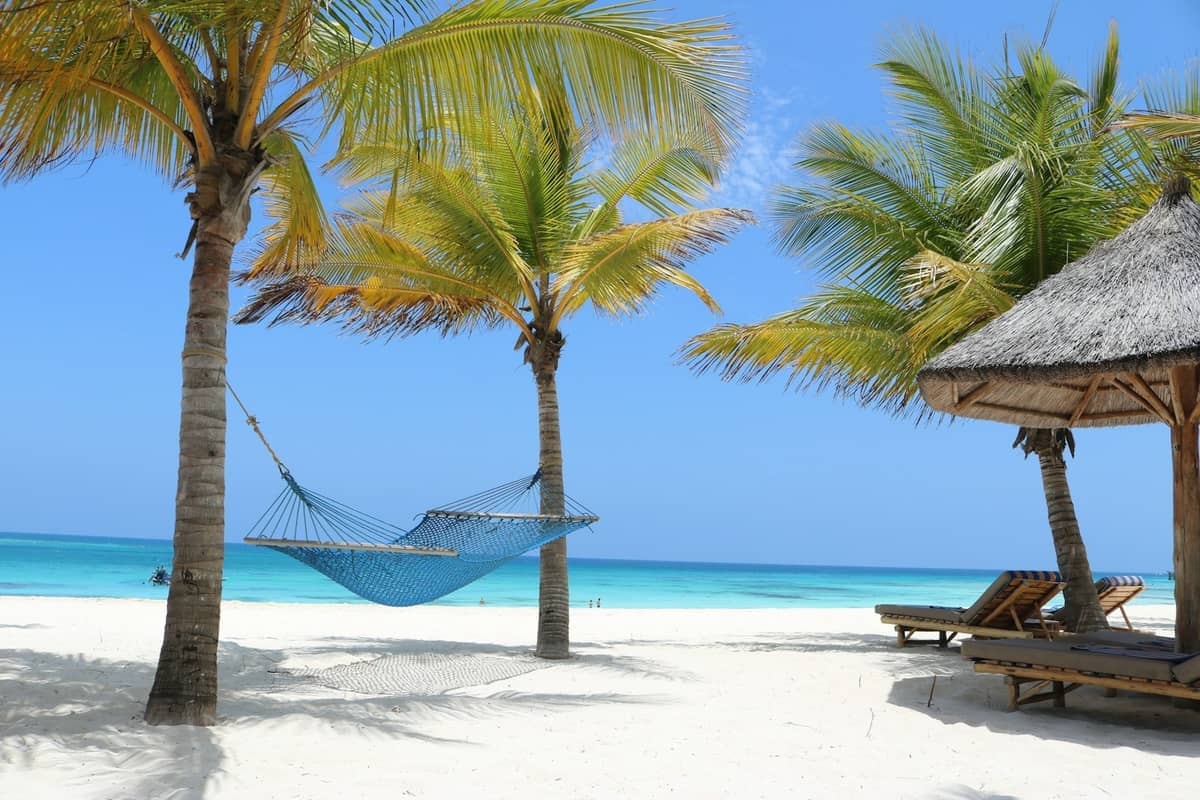
Seven days is enough time to experience Zanzibar properly — the historic labyrinth of Stone Town, the white-sand beaches of the north and east coasts, a spice tour through the island's interior, and the Indian Ocean reefs just offshore. This itinerary is built around realistic travel times, not a fantasy schedule.
Tickets & tours
Live prices and dates from our booking partner. If you book, we may earn a commission at no extra cost to you.
TL;DR
- Seven days covers Stone Town thoroughly, one or two beach bases, and key day trips without feeling rushed.
- Zanzibar (Unguja island) is not a single destination — Stone Town is the historic and transport hub, beach areas like Nungwi and Paje require onward road transfers of 45 minutes to 1.5 hours.
- June to October is the driest and most comfortable period; March to May brings heavy rains that can disrupt beach plans.
- Budget roughly $60-120 per day for mid-range travel including accommodation, meals, and one paid activity; luxury options push this to $300+ easily.
- Always confirm ferry and activity bookings in advance — see the best time to visit Zanzibar before locking in dates.
Before You Arrive: Logistics That Shape Your Itinerary

Getting the logistics right before you land saves significant time during your actual week. Zanzibar's main gateway is Abeid Amani Karume International Airport (IATA: ZNZ), located on Unguja island roughly 3 miles south of Zanzibar City. A taxi from the airport to Stone Town runs around $10-15 depending on negotiation; agree the price before getting in. Alternatively, travelers arriving via Dar es Salaam can take the ferry across the channel, a crossing of roughly 1.5 to 2 hours depending on the operator and sea conditions. Ferry schedules and fares vary by operator, class, and date, so check current availability through platforms like 12Go Asia or Direct Ferries rather than relying on fixed guide prices.
A common planning mistake is treating Zanzibar as a single resort destination. The ferry arrives at Stone Town's port, not at any beach. From Stone Town, beach resorts are another 45 to 90 minutes away by road. Factor this into your day count: if you arrive by ferry in the afternoon, that day belongs to Stone Town. Plan your itinerary accordingly. For a full breakdown of transport options across the island, the getting around Zanzibar guide covers dala-dala routes, car rental, and what ride-hailing apps don't work here.
⚠️ What to skip
Ride-hailing apps including Uber, Grab, and Careem do not operate in Zanzibar. Local alternatives are unreliable. For transport between regions, arrange transfers through your accommodation or negotiate directly with drivers at established taxi stands. Always fix the price before departure.
Days 1-2: Stone Town, Slow and Properly

Most visitors give Stone Town half a day. That is not enough. Two full days lets you absorb the place rather than rush through a checklist. Stone Town is a UNESCO World Heritage Site and the historic center of Zanzibar City, a dense grid of narrow coral-stone streets, carved wooden doors, Persian bathhouses, and markets that have been trading since the Omani Sultanate made this island its commercial capital in the 19th century.
Spend your first morning getting lost — deliberately. The Stone Town walking guide maps a logical route through the key quarters, but the best moments come from turning down an unmarked alley and finding a courtyard or a craftsman's workshop. Afternoon should go to the Slave Trade Museum and the Anglican Cathedral built on the site of the former slave market. This is not comfortable history, but it is essential context for understanding the island.
On your second day, visit Forodhani Gardens at dusk when the night food market sets up along the seafront. Zanzibar mix — a local street-food staple of lentil soup poured over bread with tamarind sauce and other additions — costs almost nothing and tastes unlike anything you can recreate elsewhere. For daytime on day two, the Darajani Market on Creek Road is the city's main produce market, open from early morning and genuinely local in atmosphere. Arrive before 9am for the full experience.
- House of Wonders The largest building in Stone Town and former Sultan's ceremonial palace. The interior has been closed since a 2020 collapse; view the facade from the waterfront and confirm any later reopening locally.
- Hamamni Persian Baths Built in the 1880s under Sultan Barghash, these are among the oldest public baths on the East African coast. Small entrance fee, takes about 30 minutes to explore.
- Freddie Mercury Museum A compact but well-curated tribute to Zanzibar's most famous son, located on Kenyatta Road near his family's former home. Worth an hour for any music fan.
- Zanzibar Doors The carved wooden doors of Stone Town are architectural statements, with Indian and Omani influences. The Tippu Tip House on Suicide Alley has one of the most photographed examples.
Day 3: Spice Tour and Prison Island
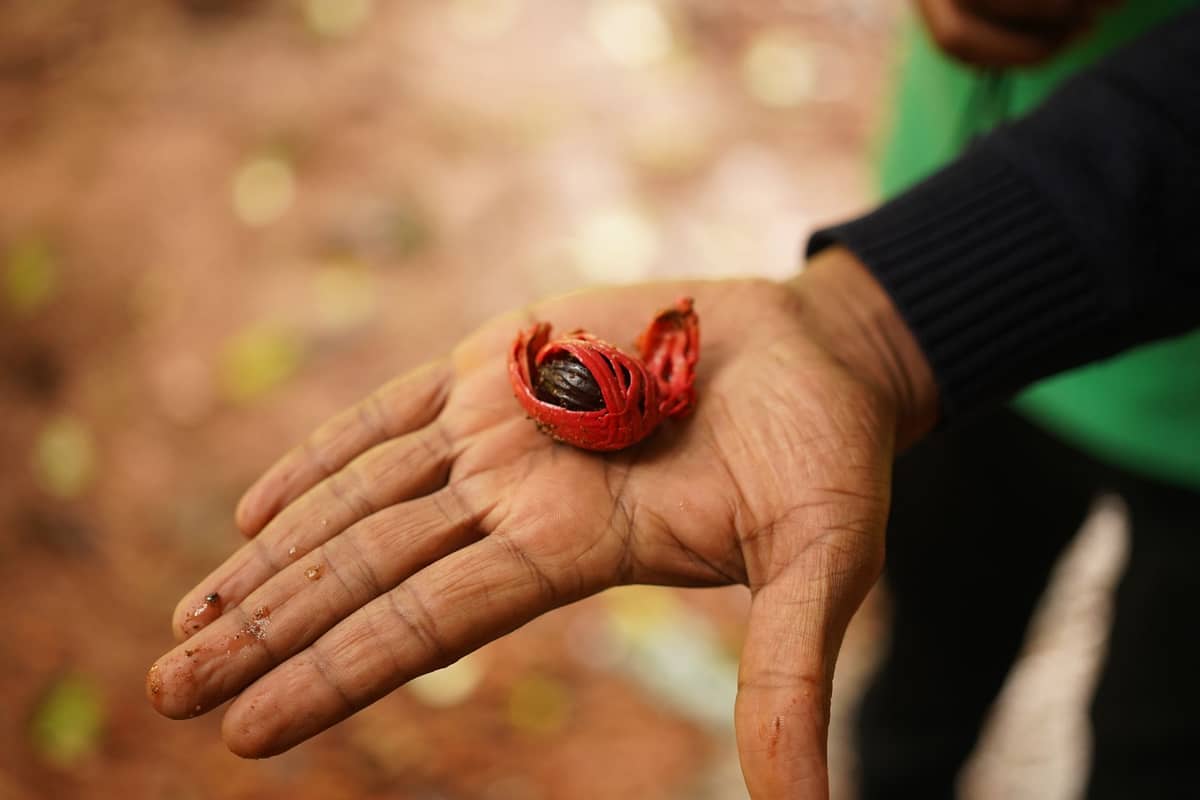
Day three works well as a structured activity day before your beach transfer. A Zanzibar spice tour takes you into the island's interior, where clove, nutmeg, cinnamon, vanilla, and pepper grow on small farms. The Kidichi Spice Farm, built on land originally belonging to Sultan Said in the 19th century, is one of the better-organized options. Most tours run half a day (roughly 3-4 hours), include transport from Stone Town, and cost around $20-35 per person. The guide will identify plants by smell and taste before revealing what they are — more engaging than it sounds.
In the afternoon, take a boat to Prison Island (Changuu Island), about 25 minutes by wooden dhow from Stone Town's waterfront. The island holds a population of giant Aldabra tortoises, some of which are over 100 years old. The snorkeling around the island is decent but not spectacular — if underwater scenery is a priority, save your snorkeling for the north coast reefs or a dedicated day trip. Boat tours to Prison Island typically cost $25-40 per person including entry fees, though prices vary by operator.
💡 Local tip
Book your spice tour and Prison Island trip through your guesthouse or a licensed operator rather than from touts at the port. The difference in experience quality is significant, and the price difference is usually small.
Days 4-5: North Coast — Nungwi and Kendwa
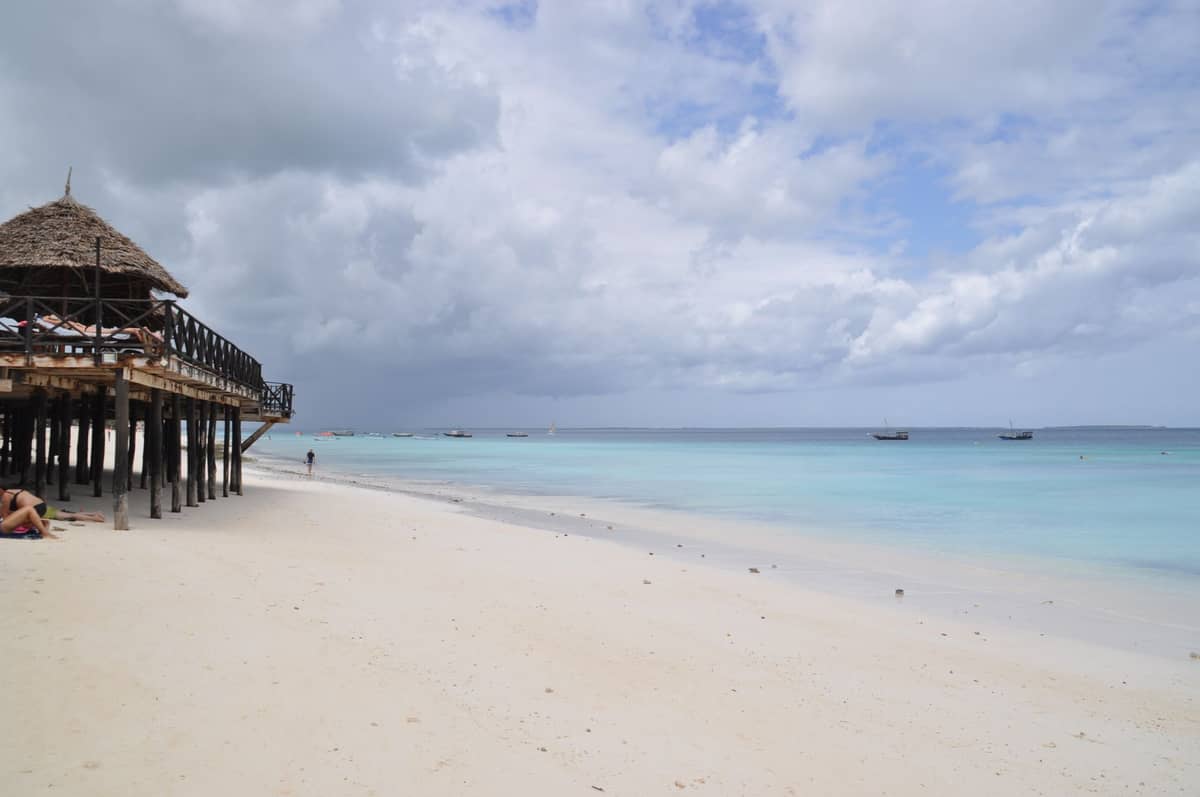
Transfer to the north coast on day four morning and you'll arrive in time for lunch. The drive from Stone Town to Nungwi takes around 70-90 minutes depending on road conditions and the vehicle. The north coast has the island's most reliable swimming conditions because the tides here don't expose the reef flats the way they do on the east coast — you can swim at almost any hour of the day.
Nungwi is the north coast's main hub: a working fishing village that has grown considerably around tourism but hasn't entirely lost its character. The beach is long, the water is clear, and the dhow-building yards on the eastern edge of the village are worth a visit — local craftsmen still construct traditional wooden vessels using methods passed down across generations. Kendwa, about 3km south of Nungwi along a beach footpath, is quieter, with fewer day visitors and a more relaxed atmosphere. Kendwa is also where the monthly full moon beach party takes place — worth timing your trip around if that appeals, but genuinely loud and crowded if it doesn't.
Two nights here allows one full beach day and one day for a water activity. Mnemba Atoll is a 20-minute boat ride offshore and ranks among the best snorkeling and diving sites in East Africa — expect dolphins, sea turtles, and healthy hard coral in good visibility. Day trips to Mnemba from Nungwi or Kendwa cost around $50-80 per person for snorkeling, more for scuba. If diving is the goal, read the detailed Zanzibar diving guide before booking — it explains the best sites by season and certification level.
Day 6: East Coast — Paje, Jambiani, or Matemwe
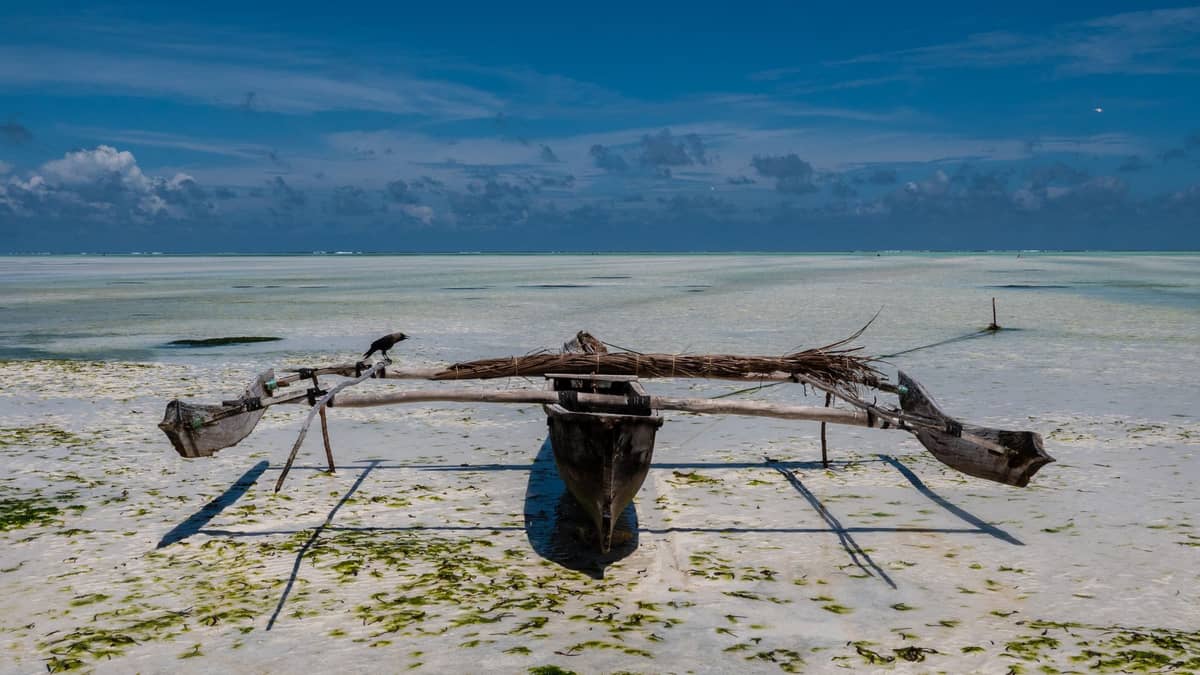
The east coast has a different character from the north. The reef lies further offshore, which means the lagoon created at low tide is shallow and turquoise — beautiful to look at, but limiting for swimming unless the tide is right. The tradeoff is that the beaches are broader, the atmosphere is calmer, and the wind conditions between June and October make this coast one of the top kitesurfing destinations in the Indian Ocean.
Paje is the kite hub, with multiple schools catering to beginners and advanced riders. A beginner course typically runs 2-3 days for a basic certification. If kitesurfing isn't relevant, Jambiani a few kilometers south offers a similar landscape with a quieter village atmosphere and visible seaweed farming in the lagoon, which is part of the local economy and worth understanding. Matemwe on the northeast coast is a further option: smaller, less developed, with excellent access to Mnemba Atoll for those who want diving without the Nungwi crowds.
✨ Pro tip
If you're on the east coast, check the tide times for your days there before booking activities. Low tide can leave the lagoon knee-deep for hours. Swimming is best around high tide; tide tables are available from any dive or kite school and should inform your daily planning.
Day 7: Jozani Forest, Dolphin Tours, or a Final Beach Day

Your final day depends on where you are based and what you haven't done yet. From the east coast, Jozani Chwaka Bay National Park is a 20-30 minute drive inland and is the only national park on Unguja. The park protects a remnant of indigenous forest and is home to the endangered Kirk's red colobus monkey — a subspecies found only on this island. Entry costs around $10 per person and includes a guided forest walk. The monkeys are habituated to visitors and often visible at close range, which is genuinely impressive.
Dolphin tours operate out of Kizimkazi on the island's southern tip. Wild spinner and bottlenose dolphins are regularly sighted in these waters. Be aware that operator quality varies widely: the best experiences involve boats that keep respectful distance and don't crowd the animals. Ask operators directly about their practices before booking. If you have a flight or ferry to catch on day seven, keep the schedule realistic — Jozani from the east coast and then a transfer to Stone Town for an afternoon ferry is doable; adding Kizimkazi makes it rushed.
- Fly out from ZNZ: The airport is 20 minutes from Stone Town by taxi; allow extra time during morning rush.
- Ferry to Dar es Salaam: Ferries typically depart from Stone Town's ferry terminal — first sailings are early morning, last around midday depending on the operator. Confirm your specific departure time.
- Extend to Pemba: If you have flexibility, Pemba Island to the north offers pristine reefs and negligible tourist infrastructure — a very different pace from Unguja.
- Safari extension: A Tanzania safari pairs naturally with Zanzibar — the standard route flies into Kilimanjaro or Arusha for the parks, then ends with beach days on the island.
ℹ️ Good to know
Zanzibar is a predominantly Muslim society. Dress modestly when away from the beach — covering shoulders and knees is appropriate in Stone Town, villages, and markets. This applies to all genders. Swimwear is for the beach only.
Practical Considerations for a 7-Day Trip
Currency is the Tanzanian shilling (TZS), and US dollars are widely accepted in tourist areas, though you'll often get better rates paying in shillings for local purchases. Swahili is the official language; basic phrases go a long way. 'Asante' (thank you) and 'Karibu' (welcome/you're welcome) are the two most useful. For a realistic budget breakdown covering accommodation tiers, transport, food, and activities, the Zanzibar budget guide is more reliable than any single fixed figure.
Accommodation choices significantly shape how your week flows. Staying in Stone Town for days 1-3 before moving to a beach base is the most efficient structure for this itinerary. Where you base yourself for the beach portion — north vs. east coast — depends on your priorities. The where to stay in Zanzibar guide covers all the main regions with honest pros and cons. If this trip is for two people celebrating something significant, also read the Zanzibar honeymoon guide — it has specific property and activity recommendations that apply equally to any romantic trip.
FAQ
Is one week enough time for Zanzibar?
Seven days is a solid amount of time for Zanzibar's main island (Unguja). It allows 2 full days in Stone Town, a spice tour, 2 nights on the north coast, and 2 nights on the east coast without feeling rushed. To also include Pemba Island or a mainland Tanzania safari, you'd need at least 10 days.
What is the best time of year for a week in Zanzibar?
June through October is the driest and most reliably pleasant period. Temperatures are warm but not extreme, humidity is lower, and rainfall is minimal. December through February is hotter and more humid. March to May brings the long rains, which can disrupt beach activities and some boat tours significantly. November and December see shorter rains that are more intermittent.
How do I get between Stone Town and the beach areas?
The main options are private transfer (most comfortable, typically $30-60 depending on destination), dala-dala shared minibuses (cheapest, around $1-3, but slow and crowded), or renting a car or scooter for the week. Ride-hailing apps do not operate on the island. Your accommodation can usually arrange transfers, which is worth the convenience for arrival day when you have luggage.
Should I base myself in one place or move around Zanzibar?
Moving once — from Stone Town to a beach base — strikes the best balance for a 7-day trip. Moving more than twice creates logistical overhead (packing, transfers, check-in/out) that eats into actual enjoyment time. If forced to choose a single beach base, the north coast (Nungwi/Kendwa) offers the most flexibility in terms of swimming conditions and day-trip options.
Do I need a visa to visit Zanzibar?
Zanzibar is part of Tanzania, so entry requirements are those of Tanzania. Visa rules vary significantly by nationality — some travelers qualify for visa-on-arrival, others must apply in advance, and some are visa-exempt. Check current requirements with the Tanzanian immigration authority or your country's foreign ministry before booking, as policies can change.
Tickets & tours
Live prices and dates from our booking partner. If you book, we may earn a commission at no extra cost to you.
Planning a trip? Discover personalized activities with the Nomado app.