Where to Stay in Zanzibar: Best Areas & Hotels Explained
Choosing where to stay in Zanzibar is the single most important decision of your trip. The island spans over 1,500 square kilometres, and the right base depends entirely on what you want: history, nightlife, reef diving, kite surfing, or pure seclusion. This guide breaks down every major area with a clear assessment of who each one suits.
Tickets & tours
Live prices and dates from our booking partner. If you book, we may earn a commission at no extra cost to you.
TL;DR
- Zanzibar hotel listings span the entire island: always check a property's exact location before booking, since Stone Town, Nungwi, and Paje are very different experiences.
- Budget travellers find the best value in Stone Town and the southeast coast; sample nightly rates start around $34, with mid-range options from $80-130.
- North-coast resorts in Nungwi and Kendwa suit beach-first travellers and cost $150-500+ per night depending on category.
- Peak prices run July to August and December; March to May is quieter and meaningfully cheaper, though the long rains fall in April and May.
- Always compare prices on multiple platforms and check whether the displayed rate includes taxes and fees: a $130 listing may be $165 after charges. See our Zanzibar budget guide for a full cost breakdown.
How to Choose Your Base in Zanzibar
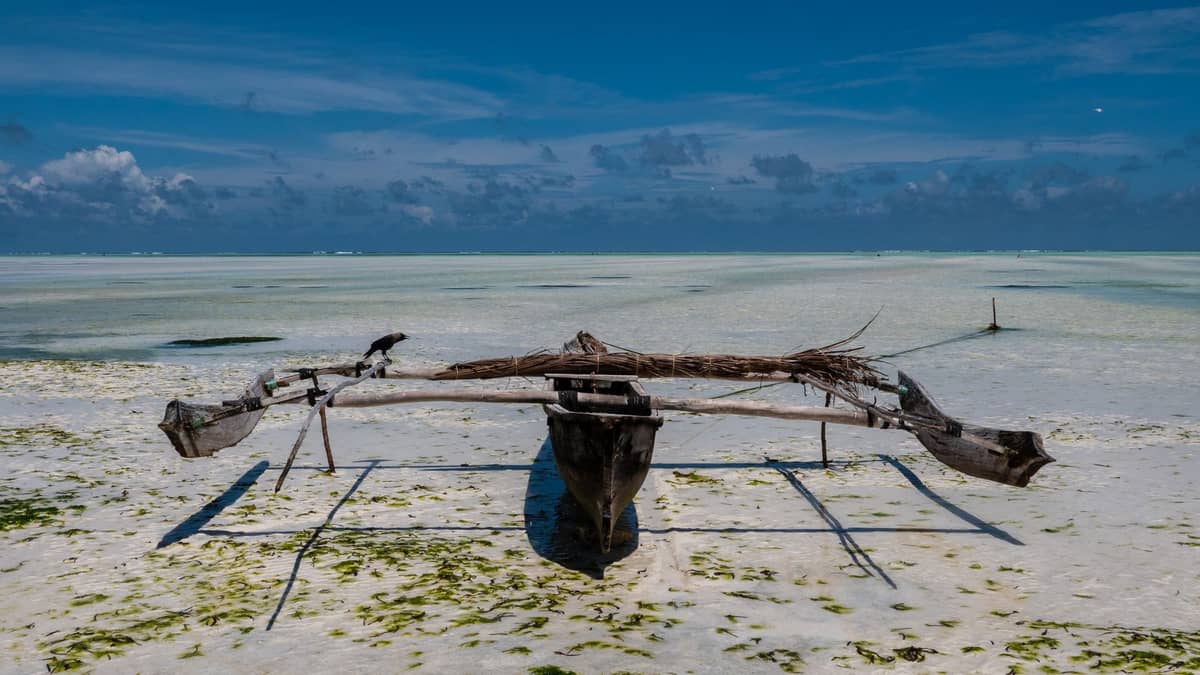
Most first-time visitors make the mistake of treating Zanzibar like a small island where location doesn't matter much. It does. The west coast faces the Indian Ocean channel and has calm, flat water but less postcard-white sand. The north coast has the best combination of beaches and services. The east coast has the powdery sand and dramatic low-tide sandflats that appear in most promotional images, but the water disappears entirely at low tide in some spots. Stone Town is the only urban area and doesn't have a beach at all.
Getting around Zanzibar takes longer than maps suggest. The roads vary in quality and shared minibuses (dala-dalas) are slow. A transfer from Abeid Amani Karume International Airport (ZNZ) to Nungwi in the north takes around 75-90 minutes by car. Budget travellers should factor transport costs into accommodation decisions: staying far from everything and relying on daily taxis erodes any savings. Our guide to getting around Zanzibar covers the full picture.
⚠️ What to skip
Don't book based on a map pin alone. Several popular booking platforms display properties under 'Zanzibar' without clearly indicating whether they're in Stone Town, Nungwi, or a remote east-coast village. Always confirm the specific village or area in the property description before completing a reservation.
Stone Town: History, Culture, and Urban Energy
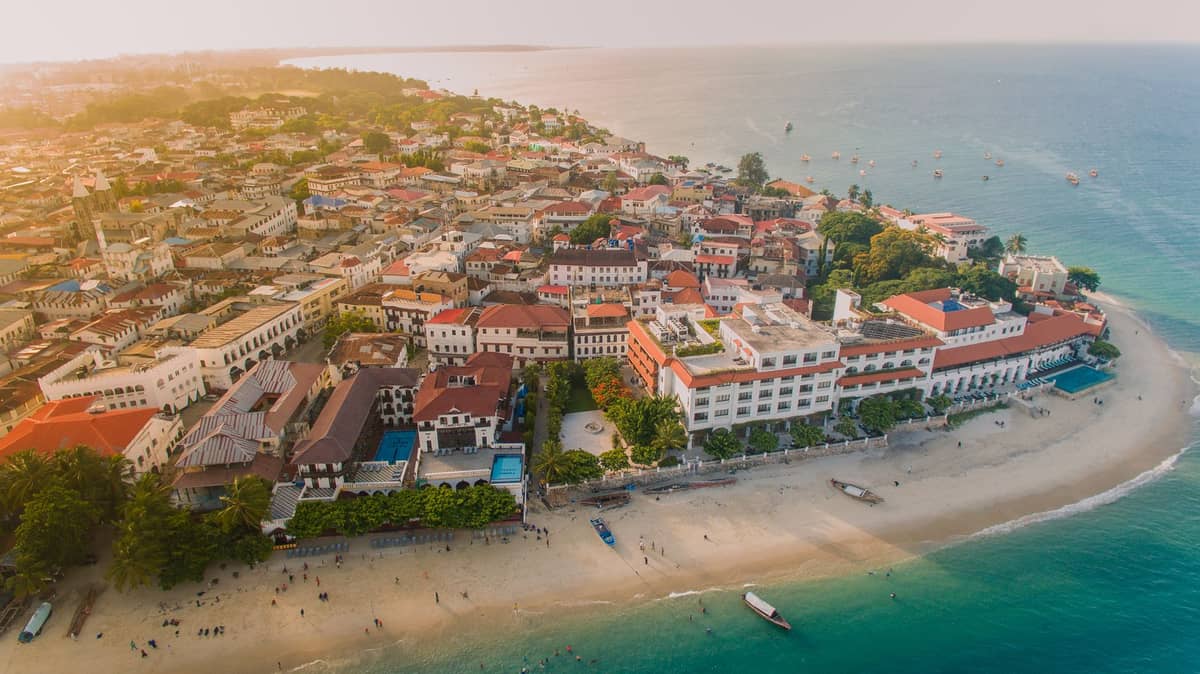
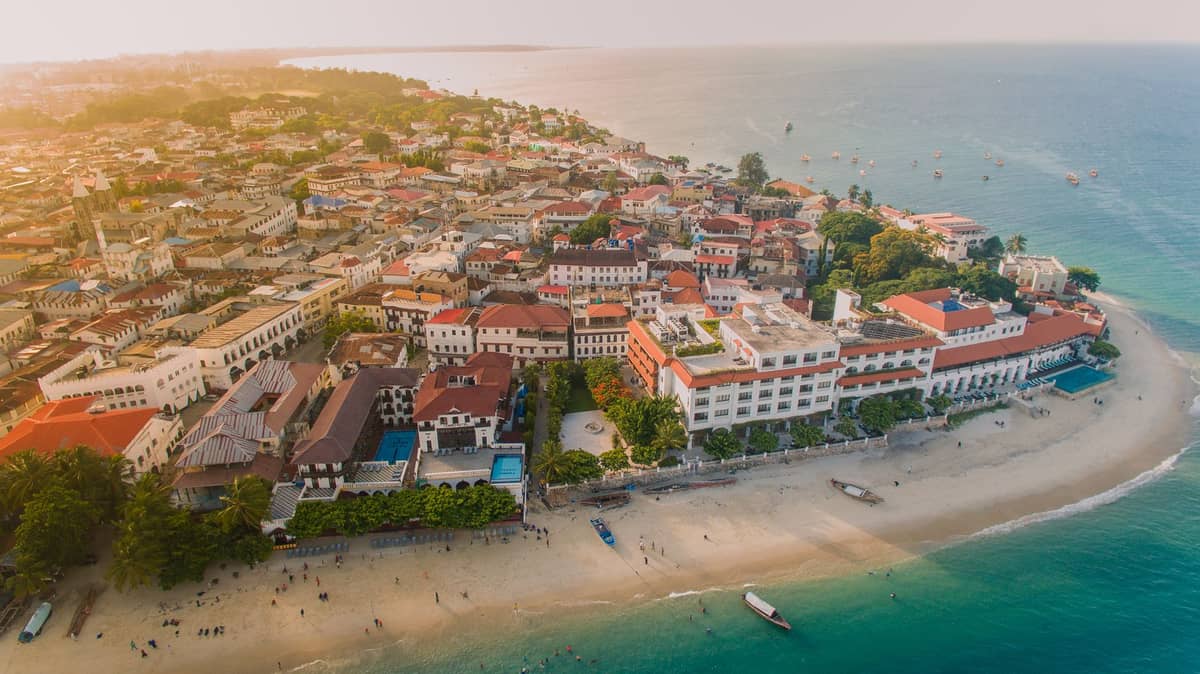
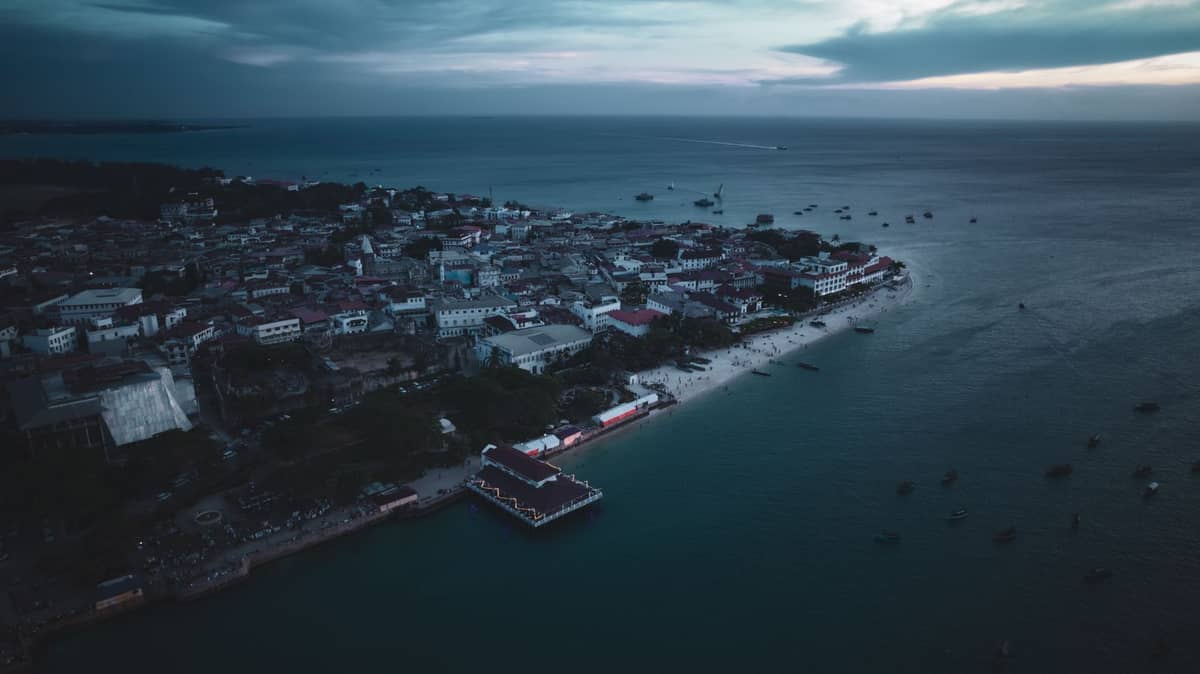
Stone Town is Zanzibar City's historic core and a UNESCO World Heritage Site. It's the right base for travellers who want to understand the island's complex history, explore Darajani Market, eat well at Forodhani Gardens at night, and take day trips to the rest of the island. It is not a beach destination.
Hotels here occupy restored Omani merchant mansions and colonial-era buildings, which means atmospheric rooms with carved wooden doors and courtyard gardens, but also narrow streets, occasional noise from calls to prayer, and no swimming pool in most mid-range options. Tembo House Hotel on Forodhani Street represents the mid-range well, with sample rates around $104 per night before taxes. Budget guesthouses in the winding alleys start below $40. Luxury boutique properties are available but genuinely rare; most five-star amenities are found on the coast.
Stone Town suits travellers doing a combined cultural itinerary rather than a pure beach holiday. It's also the practical launchpad for spice tours, dolphin trips to Kizimkazi, and visits to Jozani forest. If you're spending one week in Zanzibar and want variety, opening two or three nights here makes sense before moving to the coast. See the Stone Town walking guide for a self-guided tour of the key sights.
Nungwi and Kendwa: The North Coast Beach Scene
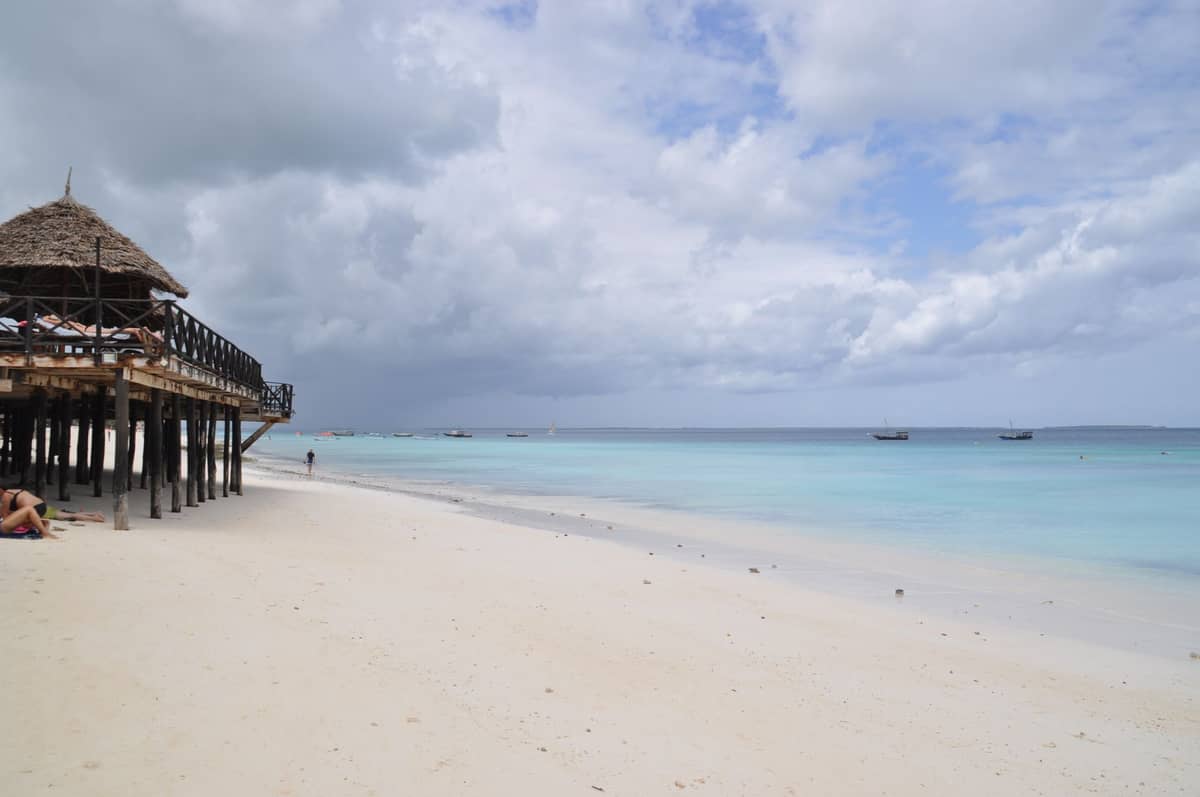
The north tip of the island is where most Zanzibar beach hotels are concentrated, and for good reason. Nungwi beach retains water at low tide thanks to its position at the island's northern point, meaning you can swim throughout the day regardless of tidal conditions. The village itself has a working fishing community and active dhow building yards alongside the resort strip.
Accommodation ranges from budget beach bungalows at around $60-80 per night to mid-range properties like My Blue Hotel at approximately $190 per night, up to adults-only all-inclusive resorts at $420 and above. The north coast is also the most developed in terms of restaurants, bars, and services, which matters if you're not staying at an all-inclusive. The trade-off is that Nungwi draws the largest tourist crowds on the island, particularly from December to February and July to August.
Kendwa, about 3 kilometres west of Nungwi on foot along the beach, has a slightly calmer atmosphere while sharing the same tidal advantage. It's known for the Kendwa full moon party, which happens monthly and draws a loud, late-night crowd. If that appeals to you, Kendwa is ideal. If not, it's worth knowing before booking a room on the beach there.
✨ Pro tip
Nungwi and Kendwa resorts often quote all-inclusive rates that include meals, drinks, and water sports. If you plan to eat out and explore, a room-only or bed-and-breakfast rate may offer better value, since both villages have a strong independent restaurant scene.
Paje, Jambiani, and the Southeast Coast: Kite Surfing and Slow Travel
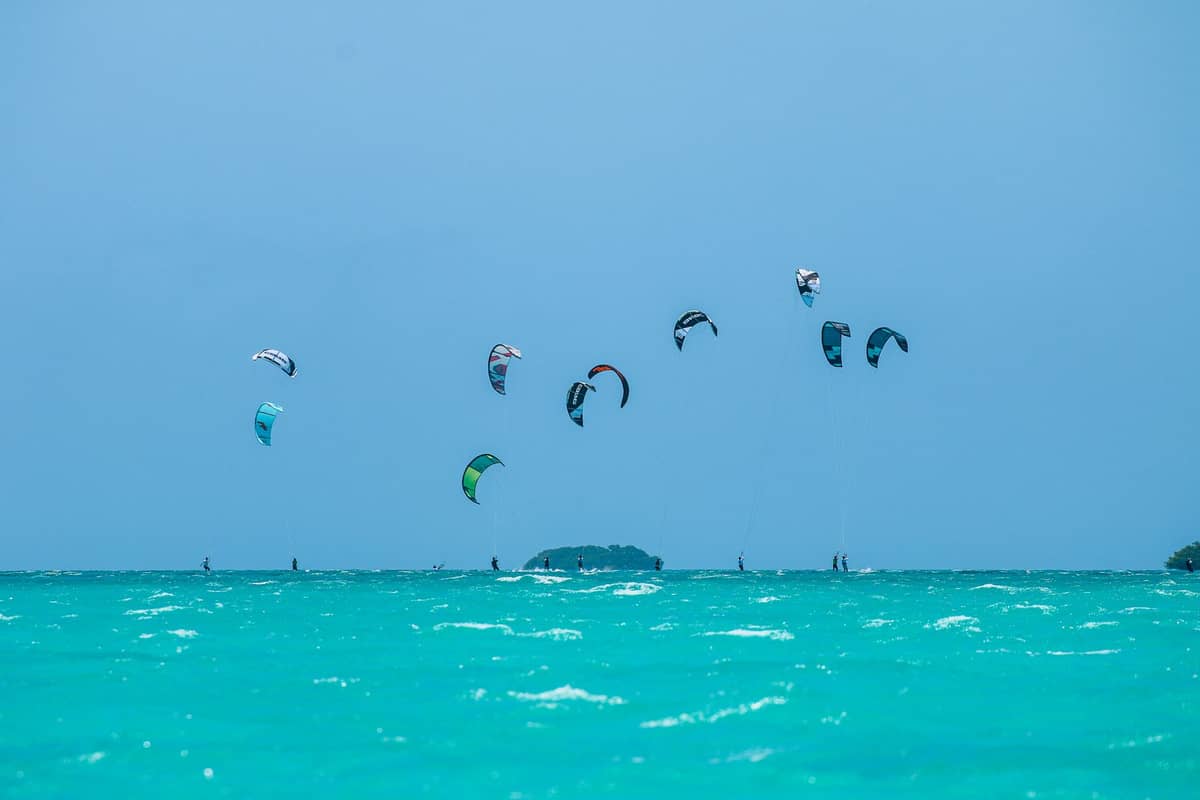
The southeast coast is a different Zanzibar entirely. The beaches at Paje and Jambiani are some of the most photographed on the island: fine white sand backed by palm trees, turquoise water at high tide, and a vast exposed reef flat at low tide. The shallow tidal lagoon and consistent south-easterly winds make this the main kite surfing hub in the Indian Ocean region.
The southeast moves at a slower pace than the north. There's a strong backpacker and long-stay traveller scene, with guesthouses, yoga retreats, and kite schools taking precedence over resort complexes. You'll find beds from around $35-50 per night at basic guesthouses, comfortable mid-range bungalows from $80-150, and a handful of boutique properties pushing higher. The low-tide issue is the main practical drawback: at full ebb, the water can be 500 metres away, which is worth seeing once but frustrating if you want to swim on demand.
- Paje The kite surfing capital, with the highest concentration of schools and a young, active crowd. Plenty of eating options along the main road. Best for sporty travellers and those happy to time swims around tides.
- Jambiani Quieter and more spread out than Paje, with a visible local fishing community and seaweed farming operations along the shore. Better suited to slower travellers and couples who want scenery without significant nightlife.
- Michamvi and Pingwe Southeast peninsula spots with fewer tourists and a more secluded feel. The Rock Restaurant sits on a coral outcrop just offshore here, making it a draw for day visitors regardless of where they're based.
Matemwe and Kiwengwa: Reef Access on the Northeast Coast
The northeast coast is less visited than either the north or southeast, which is precisely its appeal for certain travellers. Matemwe sits directly opposite Mnemba Atoll, one of East Africa's finest dive and snorkel sites. If reef access is the priority, this is the smartest base on the island.
Accommodation here skews toward boutique and upmarket properties rather than backpacker options. The trade-off for proximity to the reef is a thinner choice of restaurants and services outside your hotel. Most properties include meals or have strong kitchen operations. Kiwengwa, slightly further south, has seen more resort development and offers a broader price range, from budget-friendly to large Italian-operated all-inclusive complexes.
ℹ️ Good to know
Mnemba Atoll is a private island owned by a single luxury lodge. Non-guests can access the surrounding reef on day trips booked through dive operators in Matemwe or Nungwi. You don't need to stay at the island's lodge to snorkel the atoll.
Seasons, Pricing, and When to Book
Zanzibar has a tropical monsoon climate with two distinct rain seasons. The long rains run from mid-March through May; the short rains fall in November. June to October is broadly the dry season and the most reliably comfortable period, with daily temperatures around 25-27°C. This is also peak booking season, particularly July and August when European summer holidays drive the highest demand and prices.
December to early January is a second peak, especially for the luxury and honeymoon market. If you're looking at the best time to visit Zanzibar on a tighter budget, January to early March offers warm weather and lower rates before the long rains arrive. March through May sees the steepest price drops across the island, around 30-40% below peak rates, but April and May bring heavy, persistent rain that affects beach activities significantly. Our best time to visit Zanzibar guide goes into month-by-month detail.
- July to August: Highest prices, best weather, book 3-4 months ahead for north-coast resorts
- December to January: Second peak; Nungwi and Kendwa fill quickly from Christmas week
- June and September to October: Excellent weather, slightly lower prices than July-August peak
- January to March: Good weather, competitive rates, less crowding outside school holidays
- April to May: Long rains; cheapest rates but genuine disruption to beach and outdoor activities
Prices quoted on booking platforms are often pre-tax. A listing showing $130 per night may become $155-165 after Tanzanian tourism levies and service charges are applied. Always expand to the total cost view before comparing properties across platforms. Expedia, Booking.com, and Agoda all list Zanzibar properties; KAYAK aggregates across platforms for quick comparisons. Note that the same hotel can show meaningfully different rates on different sites for the same dates.
FAQ
Which area of Zanzibar is best for a beach holiday?
Nungwi on the north coast is the most practical choice: the beach holds water at all tide levels, there's a wide range of hotels, and the village has restaurants and services beyond the resort gates. Kendwa, just to the west, is similar but quieter. The east coast beaches are more scenic at high tide but become very shallow at low tide, which limits swimming to a few hours per day.
What is the average cost of a hotel in Zanzibar per night?
Budget guesthouses start around $35-50 per night. Solid mid-range options run $80-160. North-coast beach resorts and boutique properties average $150-300. All-inclusive resorts and luxury lodges range from $400 to well over $600. October prices average around $146 per night across all categories according to aggregated booking data, but this masks huge variation by area and property type.
Is Stone Town a good base for visiting Zanzibar's beaches?
Stone Town has no beach of its own, but it functions well as a base for day trips. Nungwi is 55-60 kilometres north (about 75-90 minutes by car); Paje on the east coast is around 50 kilometres (60-75 minutes). If beach swimming is your primary goal every day, the daily transport cost and time make it more efficient to stay on the coast. Stone Town makes more sense for cultural visitors who plan occasional beach excursions.
Are Zanzibar hotels on the beach worth the premium?
For the north coast, beachfront properties are worth comparing carefully against second-row hotels: in Nungwi and Kendwa, a five-minute walk separates you from the same beach, and some non-beachfront properties have better pools or restaurants. On the east coast, beachfront positioning matters more because low-tide access varies significantly by exactly where on the beach the property sits.
Do I need to book Zanzibar hotels in advance?
For July, August, and the Christmas-New Year period, book at least two to three months ahead for any quality north-coast property. Outside peak season, one to four weeks is generally sufficient. Last-minute deals exist in the shoulder and low seasons, but inventory in specific locations, especially small boutique properties, is genuinely limited year-round.
Tickets & tours
Live prices and dates from our booking partner. If you book, we may earn a commission at no extra cost to you.
Planning a trip? Discover personalized activities with the Nomado app.