Zanzibar on a Budget: How to Travel Cheap Without Missing the Best of the Island
Zanzibar has a reputation as a luxury destination, but it is entirely possible to travel the island on a tight budget. This guide covers cheap transport, affordable places to stay, where to eat well for under $5, and which attractions are genuinely worth paying for.
Tickets & tours
Live prices and dates from our booking partner. If you book, we may earn a commission at no extra cost to you.
TL;DR
- Zanzibar is more affordable than its luxury marketing suggests — budget travelers can get by on $40-60 USD per day covering accommodation, food, transport, and a couple of paid activities.
- Dala-dala shared minibuses are the cheapest way to get around the island, with fares typically ranging from TSh 400 to TSh 2,000 — far cheaper than private taxis. See our full getting around Zanzibar guide for route details.
- April to May (long rains) and November (short rains) are the cheapest months to visit, with significantly lower accommodation rates — though outdoor plans may be disrupted.
- Stone Town, Paje, and Jambiani on the southeast coast offer the best value for budget travelers looking for beaches without the inflated prices of the north.
- The biggest budget killers are private taxis, tourist restaurants in Stone Town, and overpriced snorkeling day trips — all easily avoided with local knowledge.
How Much Does Zanzibar Actually Cost Per Day?
The honest answer is: it depends almost entirely on the choices you make, not on Zanzibar itself. The same island that hosts $800-per-night resorts in Nungwi also has guesthouses for $15 a night and street food for under $2 a plate. The infrastructure for budget travel exists — it just requires a bit more research than booking an all-inclusive package.
A realistic daily budget breakdown for a solo traveler looks like this: accommodation in a basic guesthouse or hostel dorm runs $12-25 USD; three meals eating mostly at local restaurants or food stalls costs $6-12; local transport via dala-dala adds another $1-3; and setting aside $10-15 for one paid activity or entrance fee per day. That puts a genuine budget at around $30-55 USD per day before splurges. Couples sharing a room can often do better, pushing the per-person cost closer to $25-40.
ℹ️ Good to know
Both Tanzanian shillings (TZS) and US dollars are widely accepted across Zanzibar. ATMs are available in Stone Town but are less reliable in remote coastal villages — carry enough cash before heading to smaller beach towns. Always agree on a price in the local currency before a service to avoid confusion.
Getting to Zanzibar Without Paying Tourist Prices
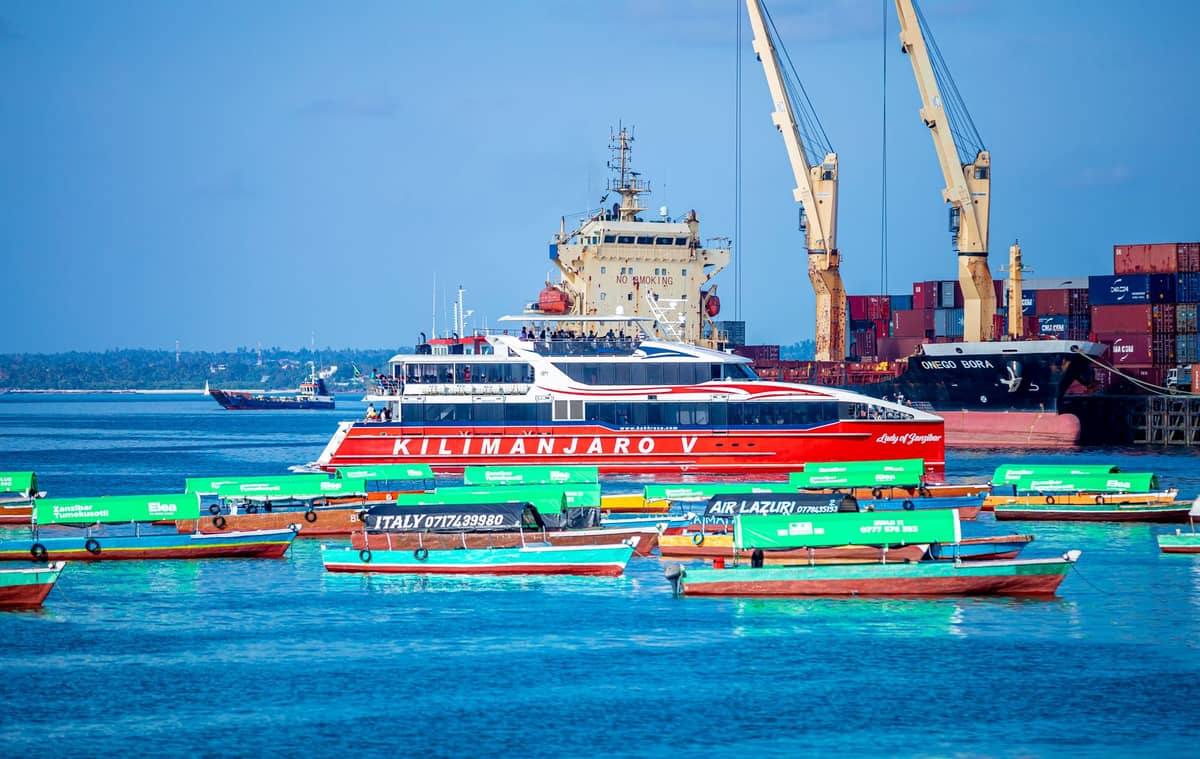
The ferry from Dar es Salaam is the budget traveler's standard entry point. Fast ferries cover the crossing in roughly 1.5 to 2 hours, with economy-class fares around $35 USD one way depending on the operator, season, and how far in advance you book. This is substantially cheaper than flying, and the crossing through the Indian Ocean is an experience in itself. Operators like Zan Fast Ferries run regular services, and online booking through platforms like 12Go can simplify the process, though always verify schedules directly with the operator before your travel date.
If flying is necessary, Abeid Amani Karume International Airport (IATA: ZNZ) is located about 3 miles south of Stone Town, roughly 20 minutes by car. From the airport, a taxi to Stone Town costs around $10-15 USD — agree the fare before getting in. The dala-dala on route 505 runs between the airport area and Stone Town for about TSh 500, though the stop is several hundred metres from the terminal. It is slow and crowded but costs almost nothing. For more transport options, the complete guide to getting around Zanzibar covers every option in detail.
⚠️ What to skip
Ride-hailing availability can vary; check the apps directly before relying on Uber, Grab, or Careem for airport transport. Fares can increase significantly if drivers sense uncertainty.
Cheap Transport Around the Island
Once you are on the island, dala-dalas are the backbone of cheap travel. These shared minibuses connect Stone Town to nearly every major coastal area, with fares ranging from TSh 400 to TSh 2,000 depending on distance. The trade-off is real: schedules are not fixed, vehicles are often packed well beyond comfort, and journey times can be unpredictable. A trip from Stone Town to Paje by dala-dala might take 1.5 to 2 hours versus 45 minutes by private taxi. Whether that trade-off is worth it depends on your flexibility and tolerance.
- Dala-dala (shared minibus) TSh 400–2,000 per trip. Cheapest option by far. Best for routes to Paje, Nungwi, and Jambiani from Stone Town. No fixed timetable — depart when full.
- Shared taxi (shared with strangers) Around $3-8 USD depending on route. Faster and more comfortable than dala-dala, without paying for a private hire.
- Private taxi $15-40 USD depending on distance. Convenient but expensive. Negotiate before departure — meters are not standard.
- Motorbike taxi (boda-boda) Good for short distances within towns. Agree a price first; $1-3 USD covers most short hops.
- Bicycle rental Available in Stone Town and some coastal villages for around $5-10 USD per day. Practical for exploring flat coastal areas.
Where to Stay on a Budget
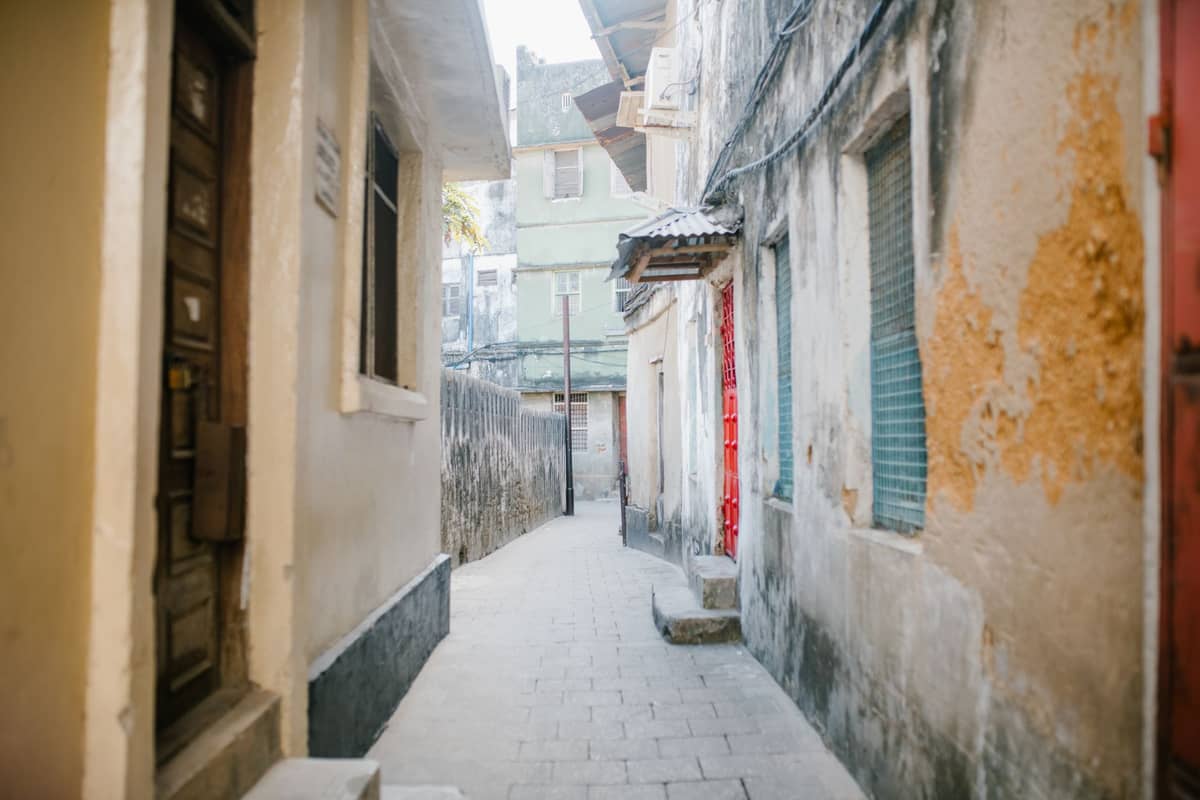
Stone Town has the highest concentration of budget guesthouses on the island, many of them in converted Swahili or Arab merchant houses with carved wooden doors and internal courtyards. Quality varies enormously, so read recent reviews carefully. For beach proximity, Paje and Jambiani on the southeast coast consistently offer the best value: decent guesthouses and basic bungalows from around $20-40 per night, with access to long, uncrowded beaches. The north coast around Nungwi tends to run 30-50% more expensive for equivalent accommodation.
Hostels and dorm beds have become more common in recent years, particularly in Stone Town and Paje. Expect to pay $12-20 USD for a dorm bed. Private rooms in budget guesthouses run $25-50 USD depending on season and location. Booking during the low season — April-May or November — can cut these rates by 20-40%. Avoid booking last-minute during peak periods (July-August and December-January), when even budget places fill up and prices spike.
✨ Pro tip
Bargain respectfully for longer stays. A guesthouse that quotes $35 per night will often drop to $25-28 if you are staying five nights or more and asking politely in person. This is standard practice and not considered rude — but do not push aggressively, and honor the agreed price.
Eating Well for Less: Food on a Budget in Zanzibar
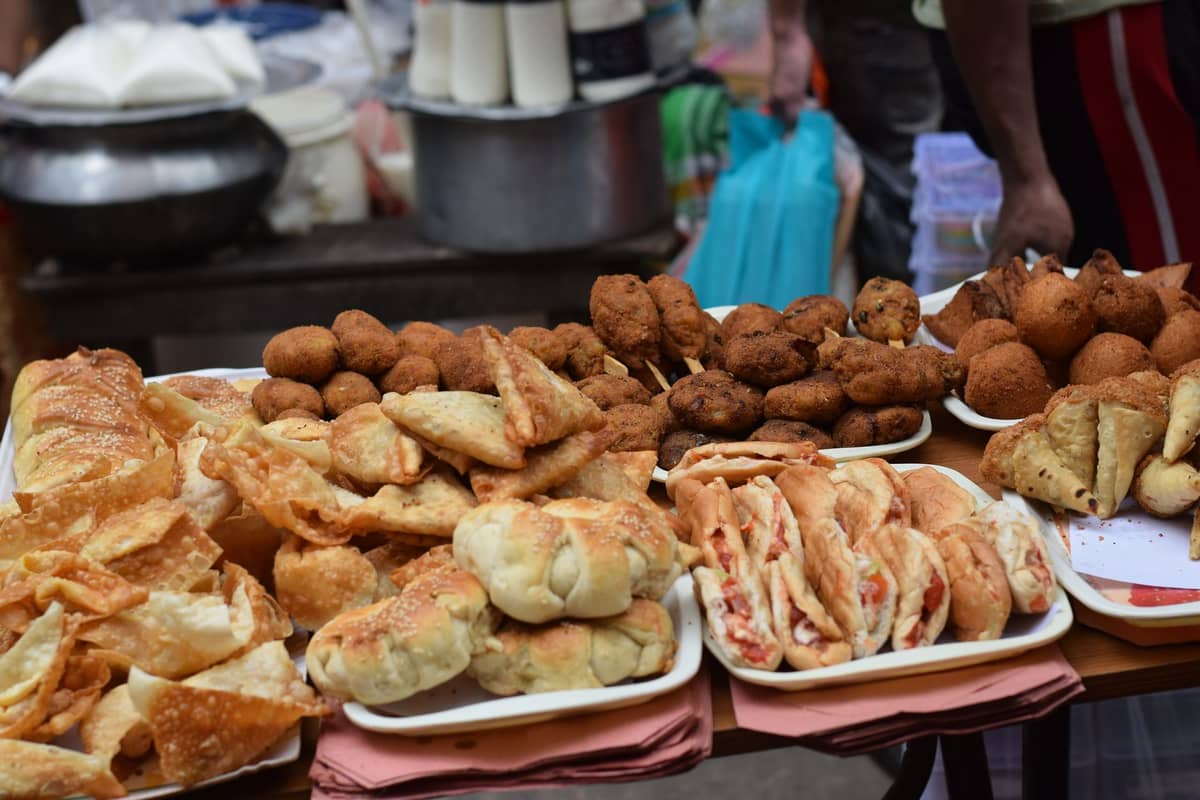
Zanzibar's food scene is one of the great budget travel arguments for visiting. The island's Swahili cuisine is built around rice, coconut, fish, and spices — ingredients that are cheap and locally abundant. For a deep dive into what and where to eat, the Zanzibar food guide is the best place to start. The short version for budget travelers: eat where locals eat, avoid any restaurant with laminated English menus and photos, and prioritize the evening food stalls.
- Forodhani Gardens night market in Stone Town: grilled seafood, Zanzibar pizza, and sugarcane juice for $1-4 per item. Arrive early (around 6pm) for the best selection.
- Local restaurants (called 'hotels' in Swahili usage): a plate of rice, beans, and fish typically costs TSh 3,000–6,000 (around $1.20–2.50 USD). These are the best-value meals on the island.
- Fresh fruit from Darajani Market in Stone Town: jackfruit, papaya, and mango are seasonal and extremely cheap. Budget $0.50–1.50 for a generous portion.
- Chapati and egg breakfast: available at countless small stalls near bus stands for TSh 500–1,000. Filling and fast.
- Avoid tourist-facing restaurants near the seafront in Stone Town — a similar meal can cost 5-8 times more than a local restaurant two streets back.
Free and Low-Cost Things to Do
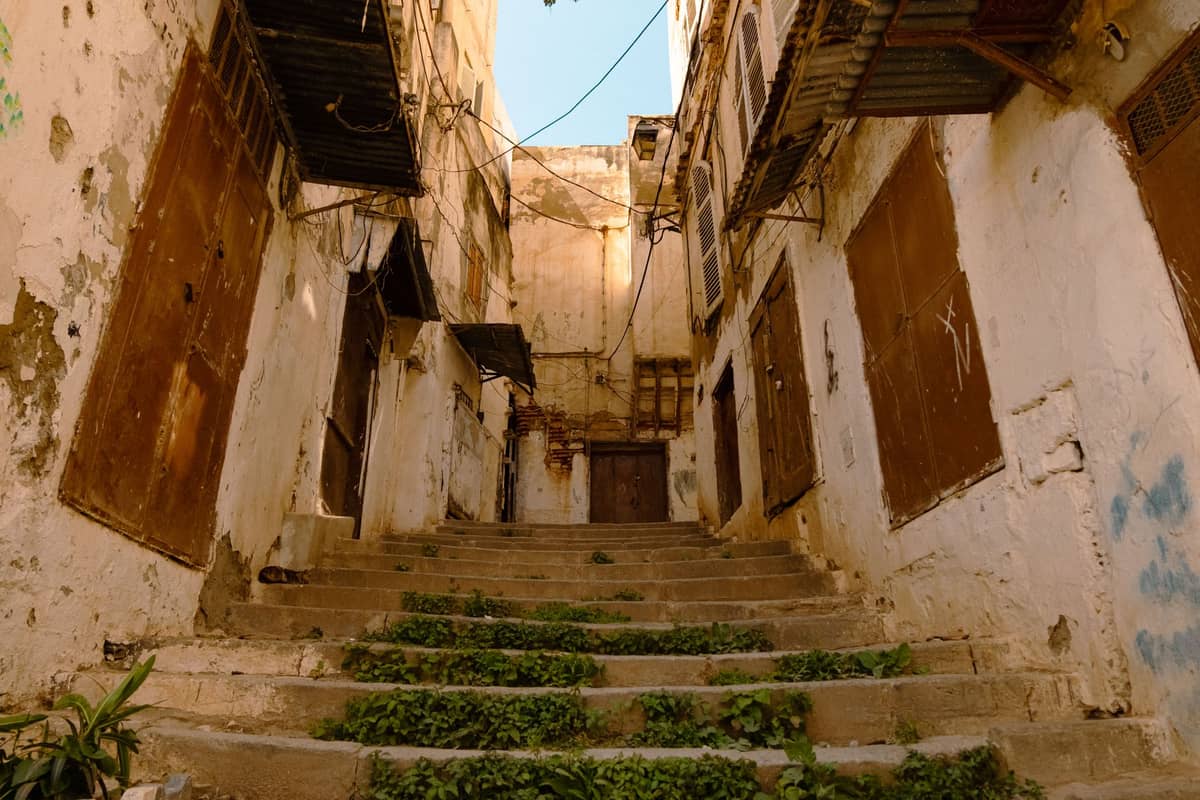
Several of Zanzibar's best experiences cost little or nothing. A self-guided walk through Stone Town — taking in the carved Zanzibar doors, the Old Dispensary, and the narrow alleys of the historic quarter — costs nothing and rewards slow exploration. The Stone Town walking guide maps out the best route without needing a paid guide.
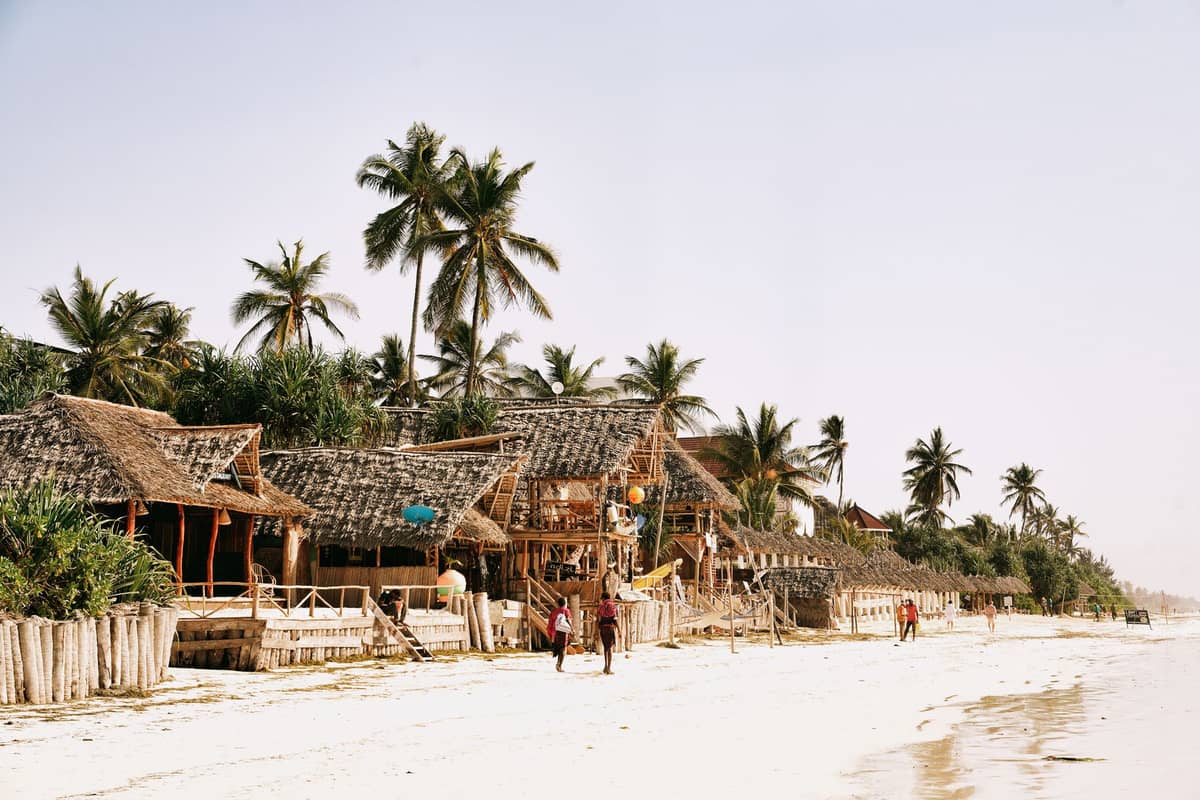
Beach access is free on every public beach in Zanzibar. The southeast coast beaches at Jambiani and Paje are some of the most beautiful on the island and have no entrance fees. Snorkeling gear can be rented cheaply from local operators ($5-8 per day), giving access to the reef without paying for an organized tour.
Paid attractions worth budgeting for include Jozani Chwaka Bay National Park, where the entrance fee covers access to see the endemic red colobus monkeys at close range. The spice tour experience, typically priced around $15-25 USD including transport, offers genuine insight into the island's agricultural history and is difficult to replicate independently. Skip the prison island tortoise visit unless you are particularly interested — the boat trip cost is rarely justified by the experience itself.
- Stone Town self-guided walk Free. Budget 2-3 hours. Early morning is quieter and cooler for walking.
- Forodhani Gardens evening Free to enter; budget $5-8 for food and drinks at the stalls.
- Public beach days Free. Bring your own water and snacks to avoid overpriced beach vendors.
- Jozani Forest Entrance fee around $10-12 USD. Genuinely worthwhile — red colobus monkeys are found nowhere else on earth.
- Spice tour $15-25 USD including transport from Stone Town. Skip the hotel-booked version and ask your guesthouse to connect you with a local guide for a better price.
When to Go to Save Money
Timing is one of the most powerful budget tools available. The long rains in April and May bring the lowest prices across the island — accommodation rates can drop 30-50%, and tourist crowds thin significantly. November's short rains offer a similar effect on a smaller scale. If your schedule is flexible and you can tolerate some rainy days, these months offer real value. The tradeoff is that rain can affect ferry reliability and some outdoor excursions. For a full breakdown of seasonal conditions, the best time to visit Zanzibar guide covers each month in detail.
Peak season runs roughly July to August and December to January. During these periods, even budget guesthouses fill up weeks in advance, and prices across accommodation, tours, and transport all rise. If you are visiting during peak season on a tight budget, book accommodation at least three to four weeks ahead and be prepared to stay slightly further from the most popular beaches to find affordable rooms.
💡 Local tip
Traveling in June or early October gives you the best compromise: dry-season weather without the full peak-season prices. These shoulder months are popular with experienced travelers for exactly this reason.
FAQ
Is Zanzibar cheap to travel in?
Zanzibar is affordable if you make local choices: dala-dala transport, guesthouses, and local restaurants. A realistic budget is $35-55 USD per day for a solo traveler. Costs rise sharply if you opt for private taxis, tourist restaurants, and beach resorts — which is why the island has a misleading reputation for being expensive.
What is the cheapest way to get from the airport to Stone Town?
The dala-dala on route 505 costs approximately TSh 500 and connects the airport area to Stone Town in around 30 minutes, though the stop requires a short walk from the terminal. A shared or private taxi costs $10-15 USD and is faster and more straightforward. Confirm current fares locally, as they change.
Which part of Zanzibar is cheapest to stay in?
Stone Town has the most budget guesthouses in a concentrated area. On the coast, Paje and Jambiani on the southeast offer the best value, with decent guesthouses from around $20-40 per night. The north coast (Nungwi, Kendwa) tends to be 30-50% more expensive for comparable accommodation.
Can I visit Zanzibar for free or near-free activities?
Yes. The beaches are free to access, Stone Town is free to walk around, and the evening food market at Forodhani Gardens is free to enter. Snorkeling gear rental adds around $5-8 per day. The main paid experiences worth the cost are the spice tour ($15-25 USD) and Jozani Forest entrance ($10-12 USD).
When is the cheapest time to visit Zanzibar?
April and May (long rains) are the cheapest months by a significant margin, with accommodation rates dropping 30-50% compared to peak season. November (short rains) is the next most affordable period. June and early October offer a good balance of reasonable prices and reliable weather.
Tickets & tours
Live prices and dates from our booking partner. If you book, we may earn a commission at no extra cost to you.
Planning a trip? Discover personalized activities with the Nomado app.