Stone Town Walking Guide: Self-Guided Tour of the Old City
Stone Town is one of East Africa's most historically layered urban environments, a UNESCO World Heritage Site where Swahili, Arab, Indian, and colonial influences converge in a single square kilometre. This self-guided walking tour covers the essential landmarks, practical logistics, and practical observations you need to explore it well.
Tickets & tours
Live prices and dates from our booking partner. If you book, we may earn a commission at no extra cost to you.
TL;DR
- Stone Town's historic core is compact enough to walk in half a day, but a full day lets you explore properly without rushing.
- There is no entry fee for the old city itself; individual attractions charge separately, typically around $3–5 each. See our Zanzibar budget guide for broader cost planning.
- Wear clothing that covers shoulders and knees throughout Stone Town, not just at mosques or churches.
- The House of Wonders has undergone restoration and access may be limited; confirm current status before including it in your route.
- June through October is the best season for walking tours: dry, cooler, and comfortable. Check the best time to visit Zanzibar for month-by-month detail.
What Makes Stone Town Worth a Full Day

Stone Town is the historic centre of Zanzibar City on Unguja island, and it holds UNESCO World Heritage status for good reason. The district preserves an urban fabric that developed over several centuries at the crossroads of Indian Ocean trade routes, with Persian, Omani, Indian, and British layers stacked on top of a deep Swahili foundation. For anyone spending time in Zanzibar, skipping Stone Town means missing the context that makes the rest of the island make sense.
The old city covers a relatively small area, roughly a kilometre from the waterfront to the inland edge of the historic quarter. That compactness is part of its appeal: you can walk between major landmarks in minutes, yet the lanes between them are dense enough that a half-day still feels rushed. Budget a full day if you want to enter the main sites, eat lunch locally, and spend any time wandering without a schedule.
One honest note before you start: Stone Town is not a curated open-air museum. Lanes are narrow, scooters share space with pedestrians, and some buildings are in genuine disrepair. That authenticity is precisely what sets it apart from sanitised heritage sites, but it also means navigation requires patience and a loose grip on your planned route.
The Self-Guided Walking Route: Landmarks in Sequence
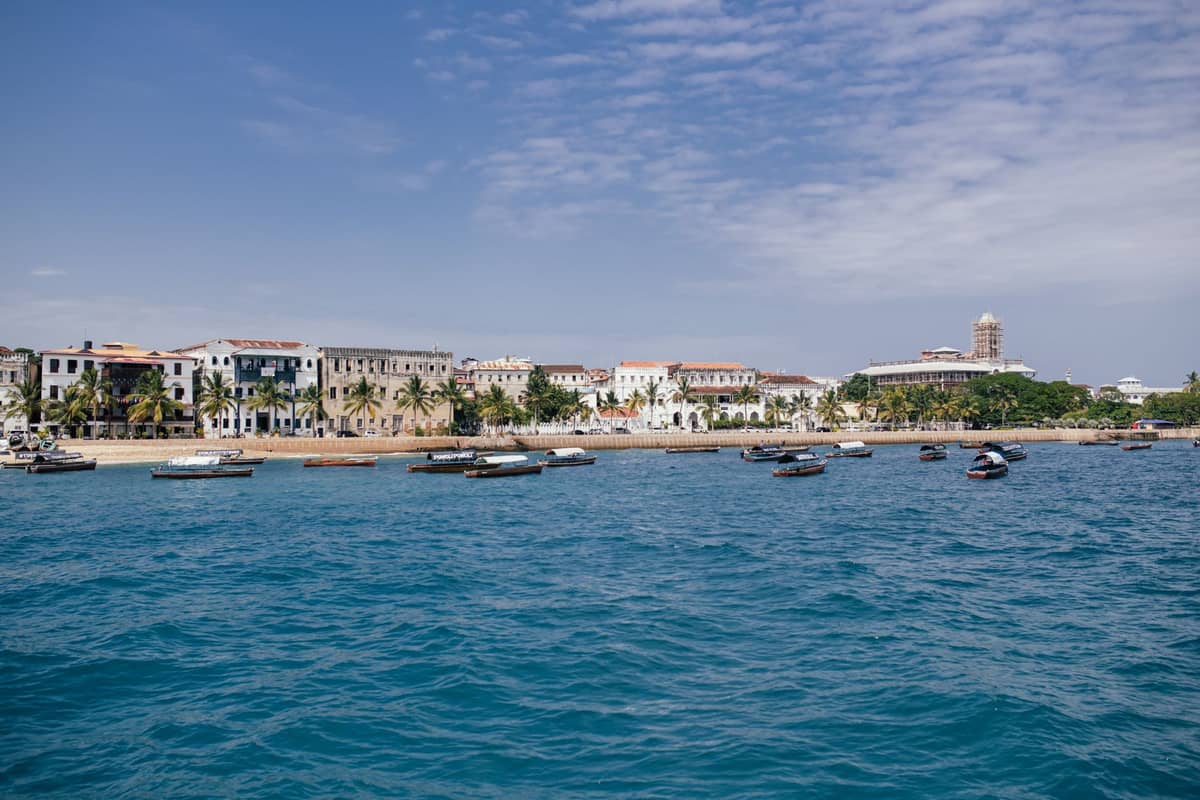
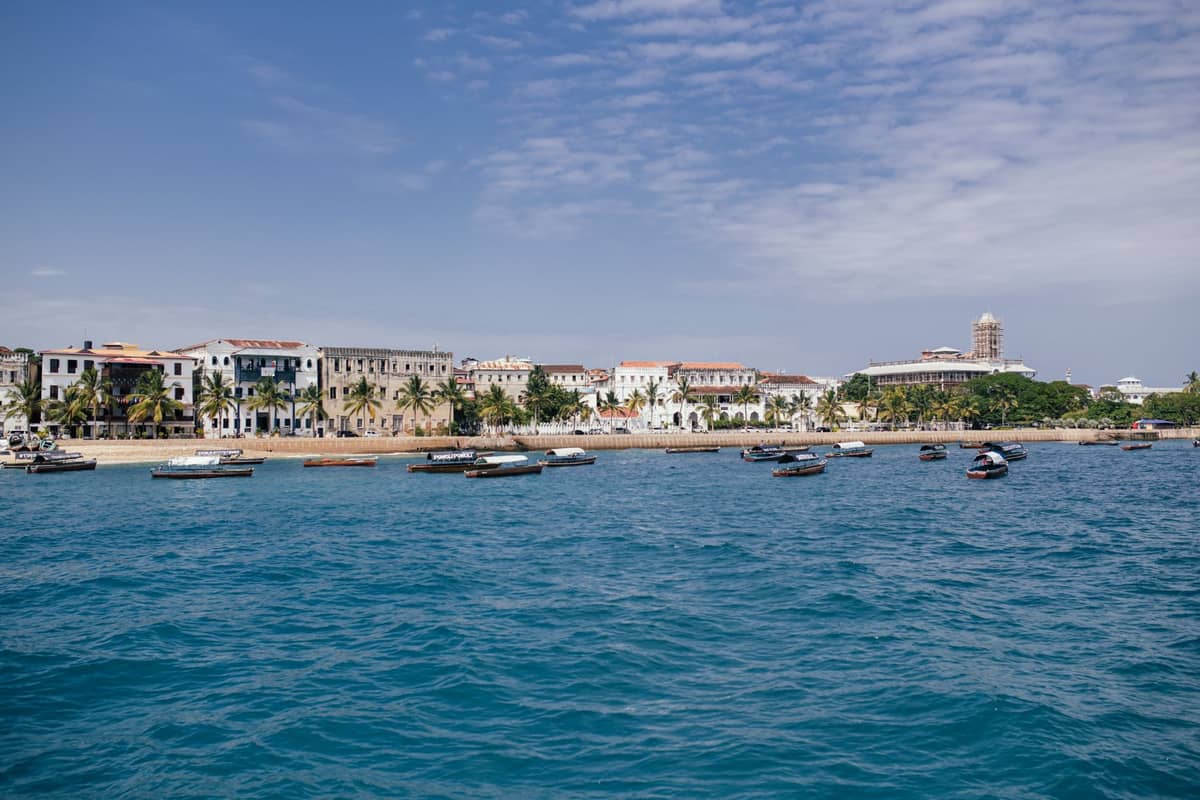
The route described here starts at the waterfront and moves inland before looping back. It connects the most significant sites without backtracking unnecessarily. Begin at Forodhani Gardens, the open seafront park that anchors the northern waterfront. In the evening this becomes a street food market, but in the morning it is quiet and gives you a clear view of the harbour and the fort opposite.
From Forodhani, cross the road to the Old Fort (also called Ngome Kongwe), the oldest standing structure in Stone Town, built by Omani Arabs in the late 17th century on the site of a Portuguese church. Admission is typically around $3; the interior courtyard hosts a small amphitheatre used for cultural events. It is worth spending 20 to 30 minutes here.
Continue south along the waterfront to the House of Wonders (Beit el-Ajaib), the largest building in Stone Town and a former ceremonial palace. As of recent years, the House of Wonders has been undergoing structural restoration following partial collapse of a facade section. Check its current status before planning to enter. Even if the interior is closed, the exterior and its position on the seafront are worth seeing.
A short walk south brings you to the Palace Museum (formerly the Sultans' Palace), which offers a more reliable indoor experience with exhibits on Zanzibar's Omani sultanate period. Nearby, the Old Dispensary is an ornate four-storey building with intricate carved balconies, built in the 1890s and now partially restored. It is one of the better examples of Stone Town's Indian-influenced architectural style and does not require an entrance fee to appreciate from the ground floor.
From the dispensary, head inland toward the Anglican Cathedral and the former slave market. This is the most historically significant and sobering part of the route. The cathedral was built in 1873, the year the slave market was officially closed, and the altar stands on the site of the whipping post. Admission to the cathedral and slave trade museum is typically around $3–5. Allow at least 45 minutes here, especially if you plan to read the memorial displays carefully. Our Zanzibar slave history guide provides deeper historical context.
ℹ️ Good to know
The slave market memorial includes underground holding cells that visitors can enter. The space is physically confined and emotionally heavy. It is appropriate for older children and adults but may not suit very young children or anyone with claustrophobia.
After the cathedral, make your way to Jaws Corner, a small square where older men gather to drink coffee and talk. It is not a formal attraction, but it is one of the most genuinely local spots in the old city. There are no signs, no ticket booths, and no tour commentary. A short coffee stop here costs almost nothing and is a useful contrast to the heritage circuit. From Jaws Corner, the route back toward the waterfront passes through the narrowest lanes in Stone Town, where you will encounter Zanzibar's famous carved doors in concentration. The doors, with their brass studs, Quranic inscriptions, and fish or chain motifs, are architectural statements of wealth and identity. Some of the finest examples are on Gizenga Street and Kenyatta Road.
Admission Fees, Opening Hours, and Practical Costs
Stone Town itself has no entry charge. You walk in freely and can wander every lane without paying anything. Individual sites operate independently with their own fees. The figures below are approximate and based on available travel sources; confirm locally before your visit, as prices in Tanzania are subject to change and may differ from what is posted online.
- Old Fort (Ngome Kongwe) Around $3 entry. Courtyard usually open 8 a.m.–6 p.m. Check for evening cultural events, which may require a separate ticket.
- Palace Museum Around $3. Standard heritage site hours, roughly 9 a.m.–5 p.m. Closed some public holidays.
- Anglican Cathedral and Slave Market Memorial Around $3–5 including the underground cells. Opens around 8 a.m. Guides are available on-site and worth engaging for context.
- Hamamni Persian Baths Small entry fee, typically under $2. The baths are the oldest surviving Persian baths in East Africa, built in the 1870s.
- House of Wonders Check current status before visiting. Restoration work has restricted access in recent years.
- Old Dispensary and carved doors Free to view from street level. No entry required.
⚠️ What to skip
Do not assume that a combined or bundled ticket exists for Stone Town's heritage sites. Each attraction is managed separately. Touts near the Old Fort may offer 'guided tours' that include inflated entry fees bundled into one price. Paying sites directly at the gate is always the safer approach.
Navigating the Lanes: Orientation and Logistics
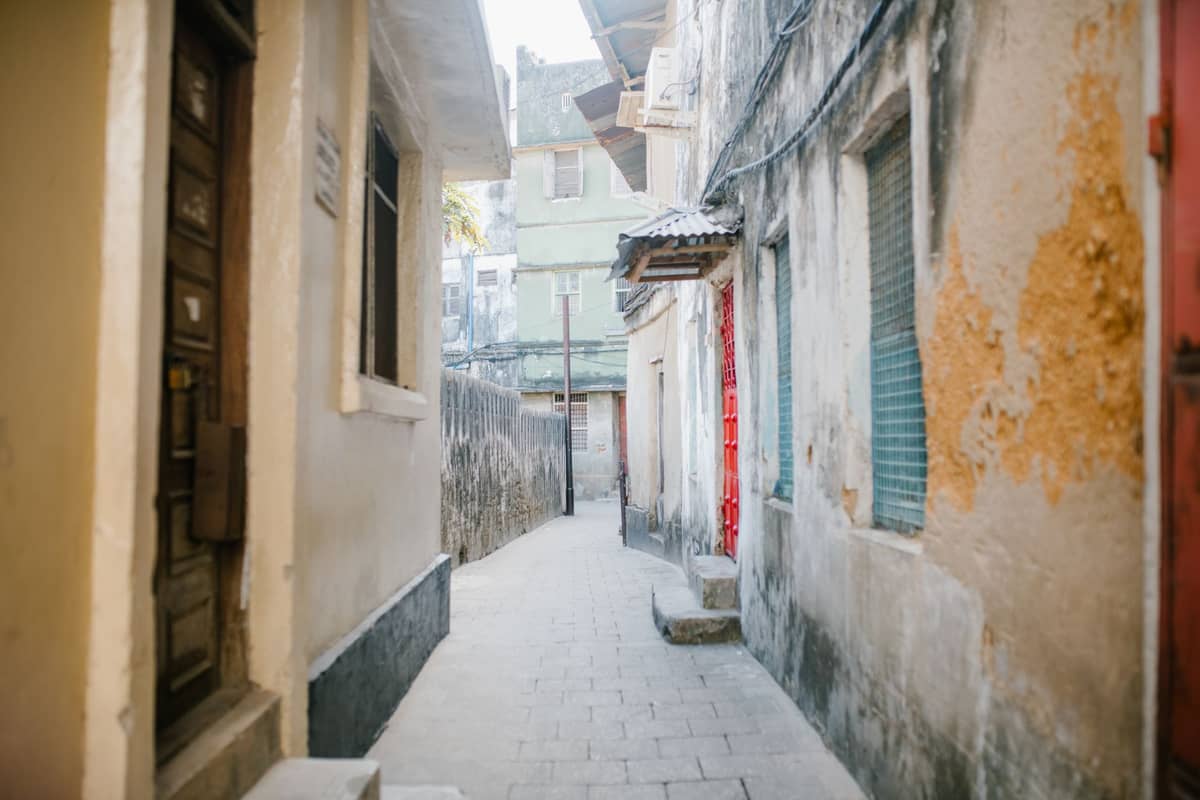
The single most important thing to accept before starting is that you will get lost. Stone Town's lanes do not follow a grid, they curve, dead-end, and double back on themselves. This is not a problem. The old city is small enough that you cannot go far wrong, and getting turned around in the interior lanes is where the most interesting incidental encounters happen: a spice stall, a woodcarver's workshop, a small mosque with an open courtyard.
A paper map or offline map download (Google Maps covers Stone Town reasonably well offline) is useful for locating specific buildings, but do not expect to navigate by street names. Lanes often have multiple names, and not all are signed. The waterfront is your consistent north-south reference point: if in doubt, head toward the sea and reorient from there.
Stone Town is walkable from most accommodation options in the old city. If you are staying on the beaches and doing Stone Town as a day trip, organised transport or a taxi to the waterfront makes the most sense. See the getting around Zanzibar guide for transport options from beach areas.
💡 Local tip
Start your walking tour before 9 a.m. The lanes are cooler, emptier, and photographically cleaner in the early morning. By 11 a.m., organised tour groups begin arriving and popular spots like Forodhani Gardens and the fort entrance get noticeably busier.
What to Wear, What to Expect, and What People Get Wrong
Dress code is not optional in Stone Town. This is a predominantly Muslim urban community, not a resort. Shorts and sleeveless tops that are perfectly acceptable at Nungwi or Paje are out of place here and will attract unwanted attention and occasional, justified disapproval. Wear clothes that cover your shoulders and knees. Lightweight cotton or linen works well in the heat. Both men and women should follow this guidance.
The most common tourist mistake in Stone Town is not the dress code, though. It is spending two hours on a group tour, ticking off the fort and the cathedral, and leaving without spending any time in the lanes. The walking route described here is designed to address that: it includes the key sites but also builds in time in the interior quarter where the city's actual character lives.
Persistent offers of unofficial guiding are common near the fort and along the waterfront. Some guides are genuinely knowledgeable; others will lead you to commission-paying shops. If you want a guided experience, Stone Town's architectural layers are best explained by someone with real historical knowledge. Ask your accommodation to recommend a licensed guide rather than accepting an approach cold on the street.
- Carry small denomination bills: TZS or small USD for entry fees, water, and coffee
- Bring water and sunscreen; shade in the interior lanes is irregular and hydration matters
- Photography inside mosques is generally not appropriate unless explicitly invited
- Friday afternoons see reduced access around mosques during prayer times
- The Darajani Market on Creek Road is a good food and spice stop on the inland edge of the old city
Best Time to Walk and Seasonal Considerations

June through October is the driest and most comfortable period for walking Stone Town. Temperatures are warm but not extreme, humidity is lower than at other times of year, and rain is unlikely to interrupt a half-day route. January and February are typically the hottest months; walking in the middle of the day is uncomfortable and most experienced visitors schedule their outdoor time for early morning and late afternoon.
March through May is the long rainy season. Heavy afternoon downpours are common and the lanes can flood briefly. Walking is still possible, and Stone Town actually sees fewer tourists during this period, which has its own value, but it requires flexibility and waterproof layers. November and December bring shorter, less predictable rains. December is increasingly busy with visitors, so expect more competition for tables, taxis, and spots at popular sites.
For the full picture on timing your Zanzibar trip, see the 3-day Zanzibar itinerary which integrates Stone Town with beach time and day trips in a realistic schedule.
FAQ
How long does a self-guided walking tour of Stone Town take?
A focused route covering the main landmarks, including the Old Fort, Anglican Cathedral, slave market memorial, and carved door streets, takes around 3 to 4 hours at a comfortable pace. Allow a full day if you want to enter multiple sites, eat lunch in town, and spend time in the interior lanes without a fixed schedule.
Is there an entry fee for Stone Town?
No. The old city itself is a public space with no general admission charge. Individual attractions charge separately. The Old Fort and Palace Museum are typically around $3 each; the Anglican Cathedral and slave market memorial are around $3–5. Confirm fees at each gate, as prices are subject to change.
Is Stone Town safe to walk around alone?
Yes, for most visitors in daylight hours. Stone Town is an active urban neighbourhood and standard urban precautions apply: keep valuables out of sight, be alert in very quiet lanes at night, and use your accommodation's advice on areas to avoid after dark. Solo female travellers should be aware of persistent but usually harmless attention in tourist areas near the waterfront.
What is the best starting point for a Stone Town walking tour?
The waterfront at Forodhani Gardens is the most logical starting point. It is easy to reach by taxi or on foot from most accommodation, it provides clear orientation with the harbour in front and the Old Fort immediately opposite, and early morning light on the gardens is pleasant before the heat builds.
Can I do Stone Town as a day trip from the beach resorts?
Yes, and it is one of the most worthwhile day trips from anywhere on the island. Taxis from Nungwi take around 45 to 60 minutes; from Paje or Jambiani, expect 45 to 75 minutes depending on traffic. Arrange transport back before sunset if you are not comfortable driving at night in an unfamiliar area.
Tickets & tours
Live prices and dates from our booking partner. If you book, we may earn a commission at no extra cost to you.
Planning a trip? Discover personalized activities with the Nomado app.