Zanzibar's Slave Trade History: Sites, Museums & Context
Zanzibar was the largest slave-trading port in East Africa. This guide covers the key sites, museums, and historical context that make Stone Town one of the most significant places to understand this chapter of world history — including what to expect, what gets glossed over, and how to visit responsibly.
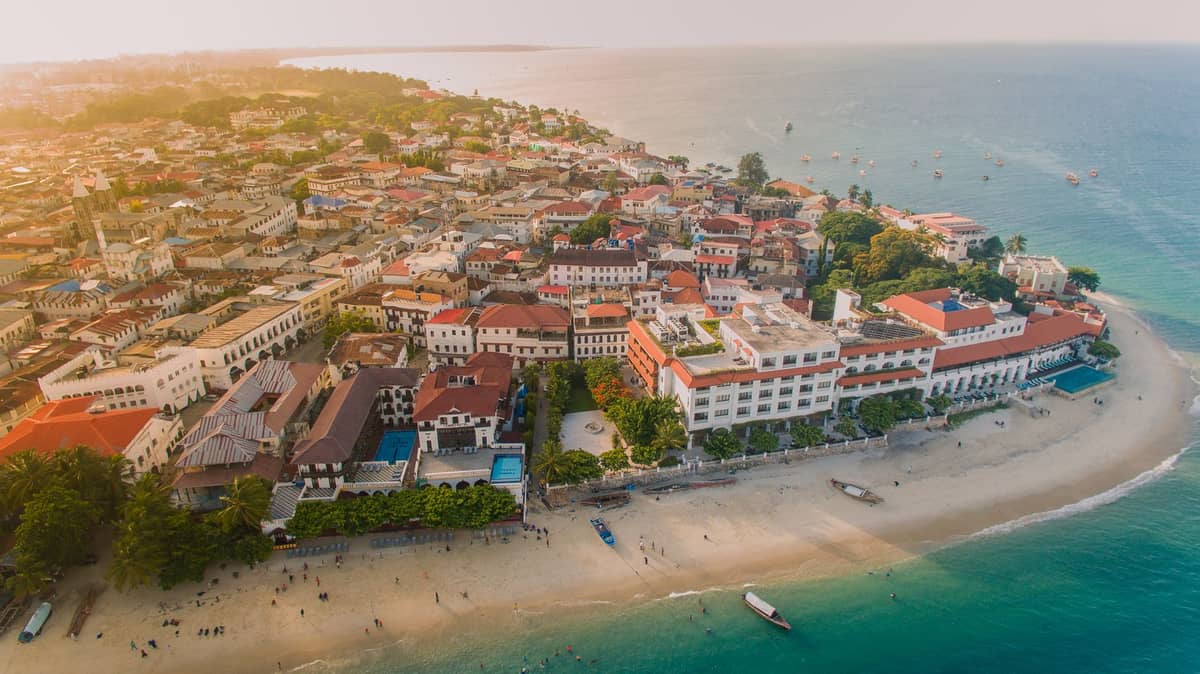
Tickets & tours
Live prices and dates from our booking partner. If you book, we may earn a commission at no extra cost to you.
TL;DR
- Stone Town served as a hub of the East African slave trade for centuries, with hundreds of thousands of enslaved people sold there over the 1830–1873 period.
- Christ Church Anglican Cathedral, built on the site of the last open slave market, is the single most important site to visit — combine it with the Slave Trade Museum for full context.
- The 1873 closure of the slave market did not end slavery itself — the distinction matters, and good guides will explain it.
- All major sites are walkable within Stone Town's UNESCO-listed historic centre; plan 2-3 hours minimum.
- Admission prices and opening hours change frequently — confirm directly with each site before visiting.
Why Zanzibar Was Central to the East African Slave Trade
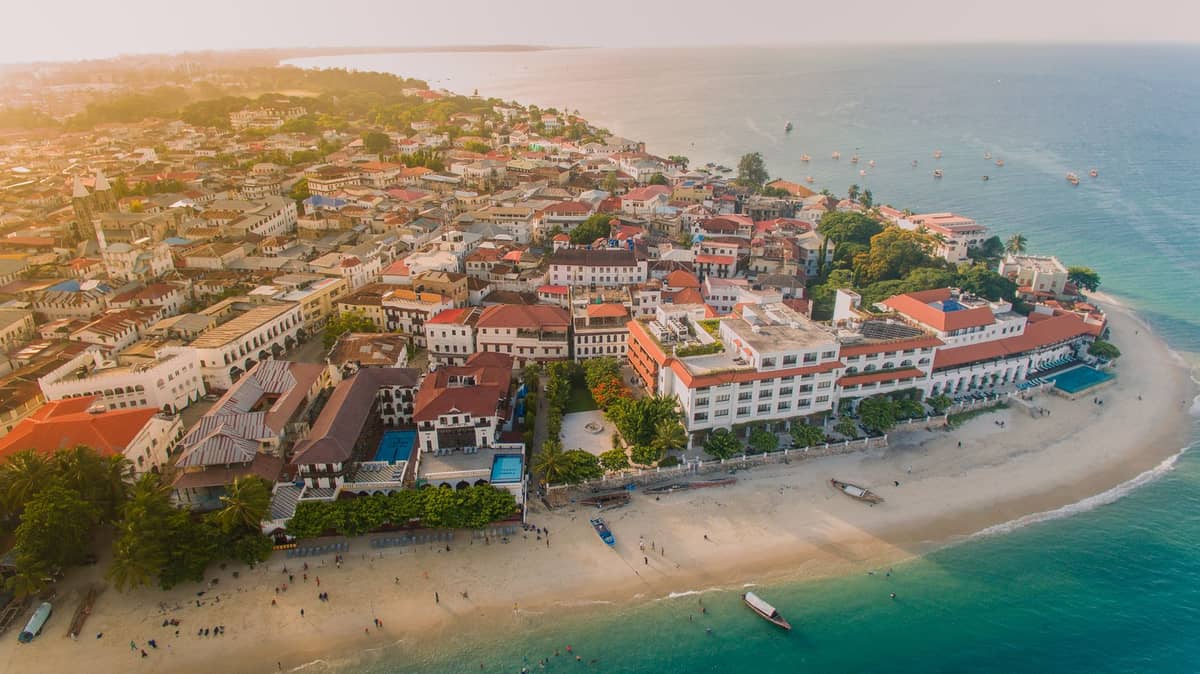
To understand the slave trade sites in Zanzibar, you need to understand why the island became its epicenter in the first place. Zanzibar's location off the Swahili Coast made it a natural crossroads between the African interior, the Arabian Peninsula, Persia, and India. Arab, Swahili, and eventually Omani traders used the island as a staging point for centuries before the trade expanded dramatically in the late 18th and early 19th centuries.
The key turning point came when the Omani Sultanate relocated its capital from Muscat to Zanzibar in 1840. Under Sultan Seyyid Said, the island became both a political capital and a commercial powerhouse. Clove plantations were established across Unguja and Pemba, and enslaved people were used as plantation labor. At the same time, the port became the main transit point for enslaved Africans being moved from the interior of the continent toward Arabia, Persia, and the Indian subcontinent. At its peak, Zanzibar was a major transit point for enslaved Africans being moved from the interior of the continent toward Arabia, Persia, and the Indian subcontinent.
This is not a peripheral footnote in world history. Zanzibar's slave market was, for a significant period, the largest in the Indian Ocean world. The trade's scale, its duration, and its entanglement with Zanzibar's prosperity make the island one of the most important places in the world to reckon with this history.
The Main Sites: What They Are and What You'll Find
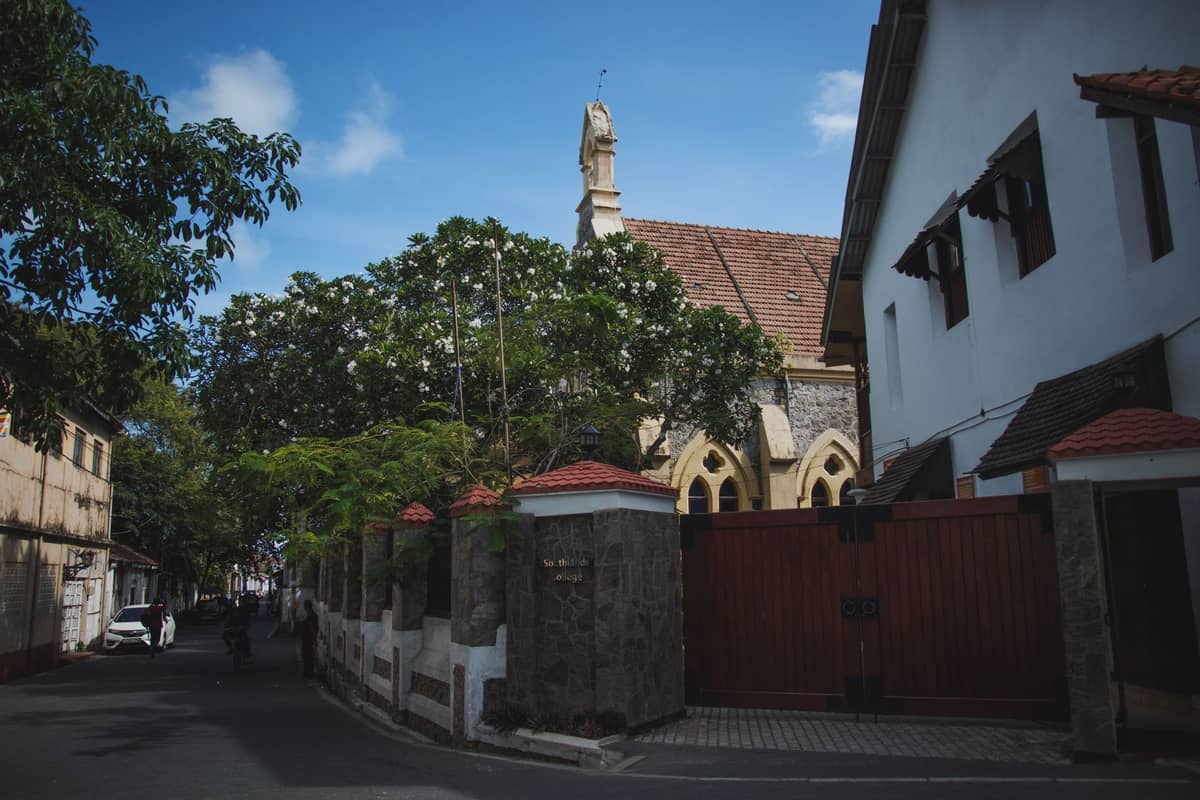
The most significant site is Christ Church Anglican Cathedral, which was deliberately built on the location of Stone Town's last open slave market after it was closed in 1873. The cathedral was completed in 1879, and its altar is said to stand on the exact spot where the whipping post once stood. Inside, you'll find a small altar decorated with a circle of dark wood to mark that location, and the cathedral contains a cross made from the tree under which David Livingstone's heart was buried in present-day Zambia. The Slave Trade Museum adjacent to the cathedral provides the historical depth that the cathedral itself cannot fully convey.
Beneath and beside the cathedral, you can visit the underground slave chambers where enslaved people were held before being sold. These are small, low-ceilinged rooms carved from coral stone. They are deliberately uncomfortable to move through — guides note that dozens of people were held in spaces designed for far fewer. The chambers are intact and unembellished, which makes them more affecting than many more curated memorial sites. Some visitors find the visit deeply moving; others find the presentation lacks sufficient interpretive context. A knowledgeable guide makes a significant difference here.
💡 Local tip
Book a guided tour rather than visiting independently. Local guides can explain the distinction between the 1873 market closure and the gradual, contested suppression of slavery that continued for decades afterward — a nuance most signage alone does not capture. Expect to pay around $10-20 USD for a guide, which is worth every cent.
The Mangapwani Slave Caves offer a different kind of site, around 25 km north of Stone Town. These caves were used to hide enslaved people after the official market closure in 1873, when the trade continued illegally. The caves consist of a natural cavern and a man-made holding cell cut from coral rock. They are raw and largely unrestored, which is both their strength and their limitation as an interpretive site. Getting there requires a taxi or organized transport; it is typically combined with a visit to the nearby coral cave and beach. If you want to understand that abolition was a long, contested process rather than a single event, Mangapwani makes that viscerally clear.
- Christ Church Anglican Cathedral & Slave Chambers The most important site. Built on the slave market grounds in 1879. Includes underground holding chambers and the Slave Trade Museum. Located in the heart of Stone Town.
- Mangapwani Slave Caves Coral-rock chambers used for illegal trade after the 1873 market closure. About 25 km from Stone Town. Raw, unembellished, and historically significant for understanding the post-abolition period.
- Slave Trade Museum (adjacent to Christ Church) The most focused interpretive resource on the island. Covers routes, scale, economics, and the abolitionist movement. Recommend visiting before the underground chambers.
- House of Wonders (Beit el-Ajaib) Zanzibar's former palace and museum, which contains exhibits on broader Swahili Coast history including the trade era. Note: the building sustained structural damage and its status should be confirmed before visiting.
The 1873 Abolition: What Actually Changed (and What Didn't)
One of the most important things to understand before visiting these sites is the gap between the closure of the slave market and the actual end of slavery. The 1873 treaty, signed under significant British diplomatic pressure on Sultan Barghash, closed Zanzibar's public slave market. This was a real milestone, and its symbolic weight is why Christ Church was built on that exact site.
But it did not end slavery. Enslaved people continued to be held on Zanzibar's clove plantations. The trade continued covertly, as the Mangapwani caves demonstrate. Formal abolition of the legal status of slavery in Zanzibar did not come until 1897, and the practical reality for many people changed only gradually after that. Responsible engagement with this history means holding both facts at once: the 1873 closure was significant, and it was also incomplete.
ℹ️ Good to know
David Livingstone, the Scottish missionary and explorer, used Zanzibar as a base for his campaigns against the East African slave trade. His presence in Stone Town connects the island's history to the broader abolitionist movement. The cross inside Christ Church Cathedral, made from the tree under which his heart was buried in Zambia, commemorates this connection.
Visiting Practically: How to Structure Your Time
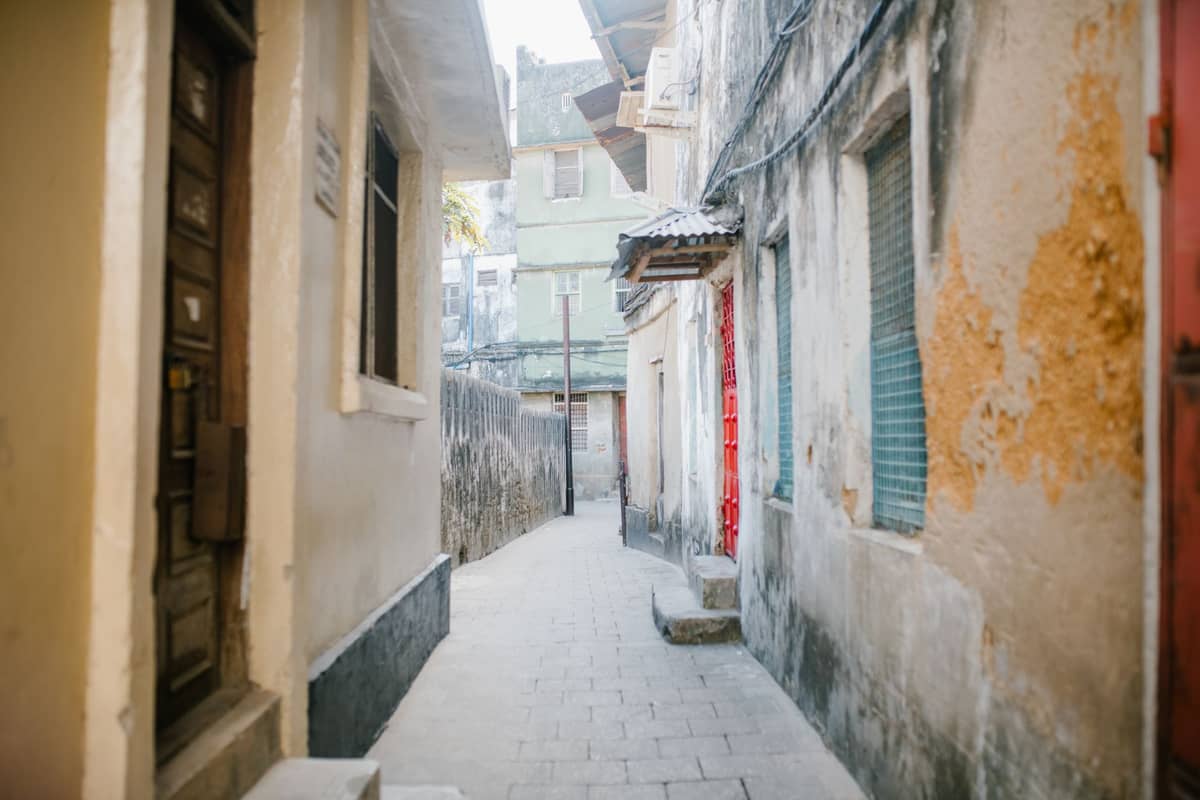
All of the main sites in Stone Town are within walking distance of each other inside the UNESCO World Heritage-listed historic centre. The narrow coral-stone lanes of Stone Town make navigation a deliberate, slow-paced activity — which is appropriate given the subject matter. A focused visit to Christ Church, the slave chambers, and the Slave Trade Museum takes a minimum of two hours if you read the exhibits and engage with a guide. If you also visit the House of Wonders and other historic sites, allow a full half-day.
For Mangapwani, plan a separate half-day, ideally combined with the nearby coral caves and beach. Most visitors take a taxi; the round trip from Stone Town takes around 1.5-2 hours including drive time. Some operators offer combined tours that include Mangapwani as part of a wider historical itinerary. If you are organizing your time across the island, consult a Stone Town walking guide to sequence the sites efficiently.
⚠️ What to skip
Opening hours and admission fees for Stone Town's museums and historical sites are not fixed and change without much notice. The House of Wonders in particular has had periods of restricted access due to structural issues. Always confirm current access and entry costs directly with the site or your accommodation before building your itinerary around a specific visit.
- Visit the Slave Trade Museum before entering the underground chambers — the context makes the physical experience more meaningful.
- Hire a local guide at the cathedral for the chambers visit; the standard of interpretation varies considerably between guides, so ask specifically about the post-1873 period.
- Dress modestly: Stone Town is a predominantly Muslim area and respectful dress is appropriate at all sites.
- Go in the morning when Stone Town is cooler and sites are less crowded with afternoon tour groups.
- Combine the historical sites with a walk past the Zanzibar Doors — the carved wooden doors of Stone Town's buildings reflect the same cross-cultural trade networks that drove the slave economy.
Broader Historical Context: Stone Town's Architecture and Trade
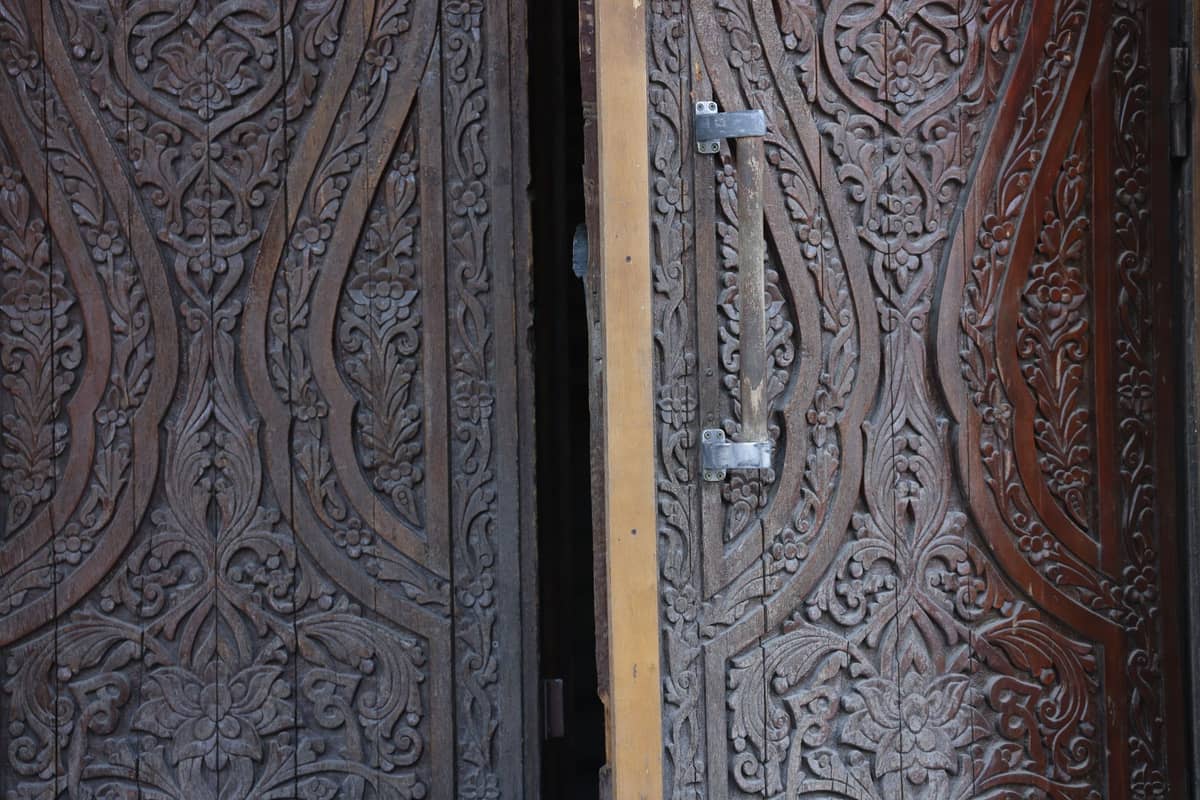
The slave trade did not exist in isolation from the rest of Zanzibar's history. Stone Town's distinctive architecture — the ornate carved wooden doors, the coral-rag buildings, the Arabic-style barazas (stone benches outside doorways) — reflects the same mercantile networks that made the island a trade center. The wealth generated by the slave trade and the clove economy funded much of what makes Stone Town architecturally extraordinary today. The Zanzibar Doors are beautiful, but they are also a material record of who had money and power in 19th-century Zanzibar.
Stone Town was granted UNESCO World Heritage status in 2000, recognized for its outstanding cultural and historical significance as a trading city. The UNESCO designation recognizes Stone Town’s cultural and historical significance as a trading city and its symbolic role in the suppression of slavery. If you want to understand how the built environment connects to this history, the Stone Town architecture guide goes deeper on which buildings reflect which periods and patrons.
Zanzibar's history is also inseparable from its Swahili culture, which developed over centuries as a synthesis of African, Arab, Persian, and Indian influences — carried along exactly the same trade routes that carried enslaved people. Understanding this does not diminish the horror of the trade; it does make the history more complete. The Zanzibar Swahili culture guide explores how that synthesis shaped the island's food, language, and social customs.
Approaching These Sites Responsibly
Visiting sites related to the slave trade requires a certain deliberateness. These are not background attractions to check off between beach days. The most common criticism of how some tourists engage with the sites is exactly that: a 45-minute group tour sandwiched between lunch and a spice market visit, processed as a box-ticking exercise. That approach serves no one.
The interpretation at some sites is improving, but there are still gaps. Signage at the slave chambers can be sparse, and the narrative sometimes skews toward European abolitionist figures rather than the enslaved people themselves or the local and African voices who resisted the trade. A good guide, some preparation, and a willingness to sit with difficult material will make the visit what it should be.
Photography inside the slave chambers is a matter of individual judgment, but many visitors choose not to photograph inside out of respect. Discuss this with your guide before entering. If you are planning a longer stay and want to go deeper into Zanzibar's history, consider combining the historical sites with a spice tour — the clove and spice economy was directly tied to the plantation labor system that the slave trade supplied.
FAQ
Where was the slave market in Zanzibar?
Zanzibar's main open slave market was located in what is now the site of Christ Church Anglican Cathedral in Stone Town. The market was closed in 1873 under British pressure, and the cathedral was built on the site in 1879. The underground slave chambers where people were held before sale are still accessible beneath and beside the cathedral.
Is the Zanzibar slave history appropriate to visit with children?
The slave chambers are physically confined, dark, and emotionally intense. Older children (roughly 12 and above) who are prepared for the context can find the visit meaningful and educational. For younger children, the experience may be distressing without sufficient contextual understanding. Use your judgment based on your child's maturity and preparation.
What is the difference between the slave market closure in 1873 and abolition?
The 1873 treaty closed the public slave market in Zanzibar City and banned the sea transport of enslaved people. However, it did not legally end slavery itself. Enslaved people continued to be held on Zanzibar's plantations, and covert trading continued (as evidenced by the Mangapwani caves). Formal legal abolition of slavery in Zanzibar did not come until 1897, and social and economic transformation was gradual over subsequent decades.
How long does it take to visit the slave history sites in Stone Town?
A focused visit to Christ Church Cathedral, the underground slave chambers, and the Slave Trade Museum takes a minimum of two hours. Allow a full half-day if you want to move at a thoughtful pace, engage with a guide, and visit related sites in Stone Town. The Mangapwani Slave Caves require a separate half-day trip, as they are approximately 20–25 km from Stone Town.
Can I visit the slave sites independently or do I need a guide?
You can visit independently, but a knowledgeable local guide adds significant value, particularly at the slave chambers where on-site interpretation can be limited. Guides are typically available at the cathedral entrance for a fee in the range of $10-20 USD. For Mangapwani, independent travel by taxi is straightforward, though the interpretive context at the site itself is minimal.
Tickets & tours
Live prices and dates from our booking partner. If you book, we may earn a commission at no extra cost to you.
Planning a trip? Discover personalized activities with the Nomado app.