Zanzibar Spice Tour Guide: What to Expect & Best Farms
A Zanzibar spice tour is one of the most rewarding half-days you can spend on the island, but the experience varies enormously depending on which farm you visit, which operator you book with, and what time of year you go. This guide covers all of it: the best farms near Stone Town, clear price breakdowns, seasonal considerations, and what separates a genuinely good tour from a rushed photo-op.
Tickets & tours
Live prices and dates from our booking partner. If you book, we may earn a commission at no extra cost to you.
TL;DR
- Most spice tours run 2-4 hours and visit farms in the Kizimbani or Kidichi areas, roughly 30-45 minutes inland from Stone Town.
- Prices start around $10 per person for shared group tours, but transfers and meals are often excluded from the headline rate.
- Tours run year-round, but June-October (dry season) offers the most comfortable walking conditions. See our guide to the best time to visit Zanzibar for the full seasonal picture.
- The 'spice island' reputation is real, but no single visit will show you every spice in full harvest — what you see depends on the season.
- A spice tour pairs naturally with a visit to Stone Town, making it an easy half-day addition to your itinerary.
Why Zanzibar Earned the Name 'Spice Island'
Zanzibar's identity as a spice producer stretches back centuries. In the 19th century, the Sultanate of Oman developed the island's interior into one of the world's most significant clove-producing regions. At peak production, Zanzibar and the neighboring island of Pemba supplied a substantial share of the global clove market. Cloves funded palaces, trade routes, and the very infrastructure that makes Stone Town a UNESCO World Heritage Site today.
Beyond cloves, the farms grow nutmeg, cinnamon, black pepper, turmeric, cardamom, vanilla, ylang-ylang, and a rotating cast of tropical fruits. This diversity is what makes a well-guided tour genuinely interesting rather than a single-crop walk. For historical context on how the spice trade intersected with Zanzibar's darker past, the Zanzibar slave history guide covers the connections that shaped the island's economy.
Where the Farms Are: Kizimbani, Kidichi, Dole, and Beyond
The commonly visited spice farms are clustered in the central-interior region of Unguja, roughly 20-30 km from Stone Town. The main areas are Kizimbani and Kidichi, with Dole and Tangawizi also appearing on many itineraries. Travel time from Stone Town by minibus or shared taxi is roughly 25-35 minutes, depending on traffic and your exact pickup point.
Kidichi is home to the Kidichi Spice Farm, one of the most frequently visited and historically significant farms on the island. It sits near the ruins of Persian baths built in the 1850s for Sultan Seyyid Said's wife, which adds a cultural dimension to the stop. Kizimbani farms tend to be slightly larger and are often used for longer tour formats that include a cooked Swahili lunch on site.
ℹ️ Good to know
No single farm has an official 'best' ranking. The quality of your visit depends more on your guide's knowledge than on which farm you go to. A good guide will identify plants by smell and texture, not just by name — that's the difference between an educational experience and a walk with labels.
Dole village is sometimes included as a secondary stop, particularly on tours that also cover the Jozani Forest or combine spice farm visits with a broader day trip around central Unguja. If your priority is depth over distance covered, stick to one or two farm areas rather than rushing through four stops in an afternoon.
What Actually Happens on a Spice Tour
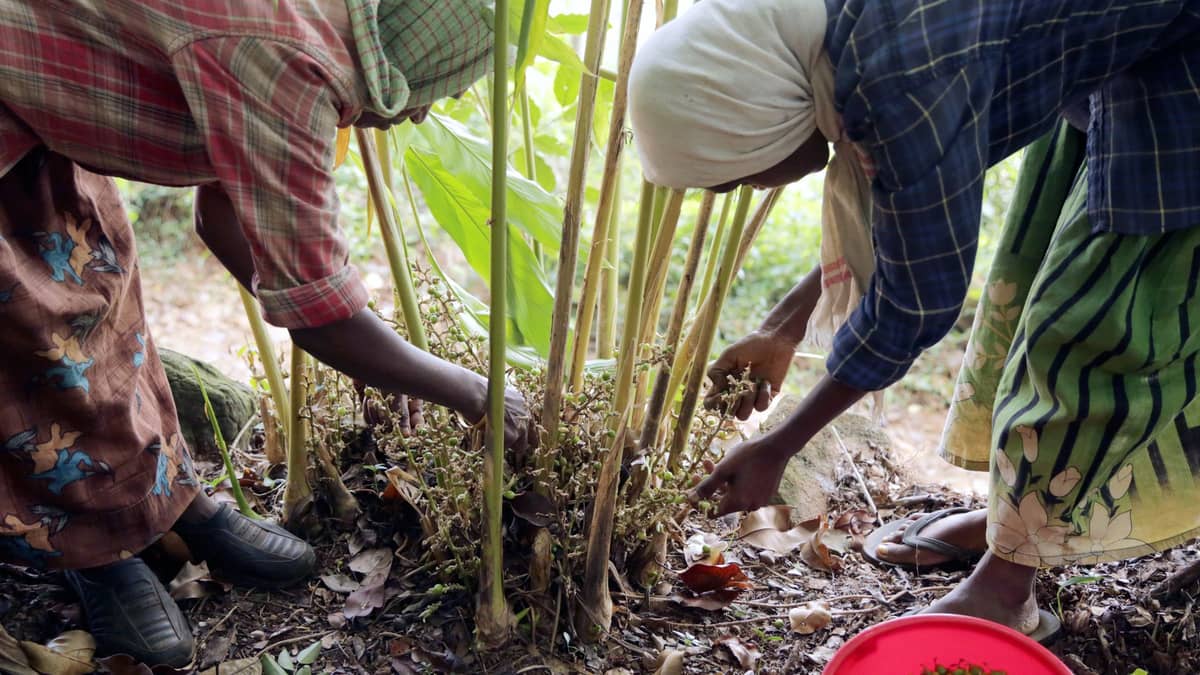
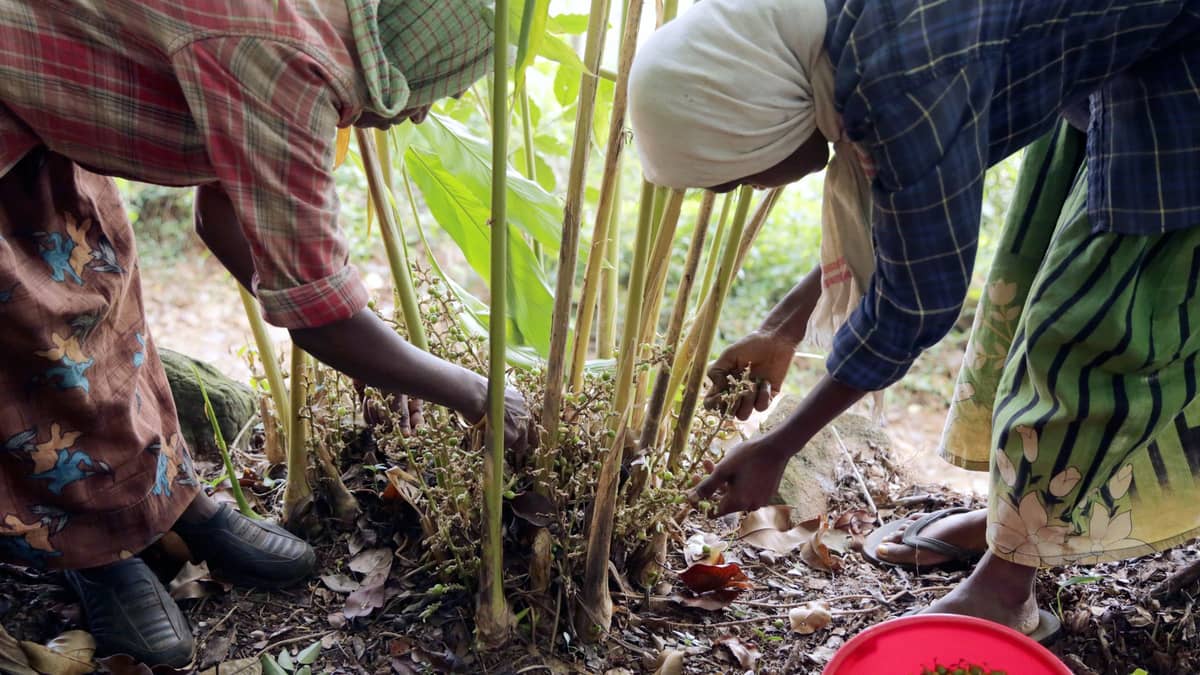
The typical format is a guided walk through working farm plots, lasting around 90 minutes to 2 hours at the farm itself, with an additional 30-60 minutes of travel each way. Your guide leads you through rows of trees, vines, and shrubs, breaking off leaves and husks for you to smell and taste. You will likely handle raw vanilla pods, scratch the bark of a cinnamon tree, taste fresh nutmeg (seed and mace), and chew black pepper straight off the vine.
Many tours include a demonstration of natural tree-climbing using a simple rope loop around the ankles, traditionally used to reach clove trees. Local farm workers often demonstrate this with remarkable speed. Some operators incorporate fruit tasting from whatever is in season: jackfruit, breadfruit, starfruit, and various varieties of banana are common. Tours that include a Swahili lunch will serve dishes cooked using spices grown on the property, which is genuinely worthwhile if you have the time.
- What's typically included Guided farm walk, spice and fruit tasting, tree-climbing demonstration, and a short explanation of each plant's uses and history.
- What's often extra Hotel pickup and drop-off, a cooked Swahili lunch, entry fees (some farms charge separately), and bottled water.
- What varies by operator Group size, tour language, whether a naturalist or a general guide leads the walk, and whether the farm visit is combined with other stops like Stone Town or Jozani.
- What to buy at the end Most farms have a small stall selling dried spices, essential oils, and handmade bags. Prices are negotiable, though not aggressively so. Clove oil, cinnamon sticks, and vanilla pods make practical purchases.
⚠️ What to skip
Budget tours advertising prices as low as $10 per person almost always exclude transfers from your accommodation. Add $10-20 per person for a shared taxi from Stone Town, or confirm your hotel pickup is included before booking. The final cost gap between a 'cheap' and a mid-range tour often narrows significantly once you account for extras.
Pricing, Booking, and What to Confirm Before You Pay
Shared group tours generally run from around $10-20 per person for the farm visit itself, with operators like Blue Green Zanzibar Tours and Haqqi Tours advertising entry-level rates in this range. Tours that include a Swahili lunch, hotel pickup, and smaller groups typically run $25-50 per person. Private tours for two to four people can reach $60-100 total depending on inclusions and operator. Prices quoted online should always be verified directly with the operator, as they can shift with exchange rates and seasonal demand.
Departure times vary: some operators run shared departures from Stone Town at around 9:30 a.m. and again at 2 p.m., with the morning slot preferable for cooler walking conditions and better light for photography. You can book through the operator directly, through your hotel concierge (who will typically add a margin), or through a recognized booking platform. If you are already planning a Stone Town walking tour, many operators bundle both into a single day for a small additional fee.
- Does the price include hotel pickup and drop-off, or is it from a central Stone Town meeting point?
- Is the Swahili lunch included, or is it available at extra cost on the day?
- How large is the group? Anything above 15 people significantly reduces the interactive quality of the walk.
- Is the entry fee to the farm included, or charged separately at the gate?
- Is the guide a trained naturalist, or a general tour guide?
✨ Pro tip
Book directly with the farm or operator rather than through a hotel middleman where possible. Show up with small bills in US dollars or Tanzanian shillings for tips, spice purchases, and any gate fees. Tipping your guide around $2-5 is customary and appreciated on shorter tours.
Seasonal Considerations: When to Go and What You'll See
Spice tours run year-round, and the farms are never 'empty' in any month. The plants are always there, growing and producing at different stages. What changes is which crops are in active harvest, how muddy the paths get, and how comfortable the walk feels. June through October is the dry season on Unguja and is generally a comfortable period for walking tours: paths are typically firmer, and rain is less frequent than during the long-rains period.
March through May brings the long rains (masika), and while tours continue, farm paths can become slippery and the heat is more oppressive. If you are visiting during this period, go in the morning and wear closed-toe shoes with grip. The short rains (vuli) in November and December are lighter and less disruptive. For a fuller seasonal breakdown, the guide to Zanzibar in December covers what to expect in the post-rain transition period.
Cloves are typically harvested between July and September, so visiting during this window gives you the best chance of seeing the harvest in action. Vanilla pods are more visible between September and December. Tropical fruits like jackfruit and breadfruit tend to peak between January and April. No guide can guarantee every crop will be at its peak during your visit, so adjust expectations accordingly.
Combining a Spice Tour with the Rest of Your Zanzibar Itinerary

A spice tour fits most naturally into a morning or early afternoon slot, leaving the rest of the day free for Stone Town exploration or a beach transfer. Many operators combine the farm visit with a stop at the Jozani Chwaka Bay National Park for a half-day that covers both the interior and the forest's red colobus monkeys. This combination is one of the most popular day trips on the island and works well as a standalone experience without a car rental.
If you are building a longer itinerary, the spice tour pairs well with the Zanzibar food scene since understanding the raw ingredients adds a layer of context to what you eat at the Forodhani Night Market or in local restaurants. For a structured way to fit everything in, the 3-day Zanzibar itinerary places the spice tour on day two, after an initial Stone Town orientation day.
Families with children generally find spice tours engaging up to about age 5-6, after which the hands-on tasting and tree-climbing demonstration tend to hold attention well. For more guidance on planning with young children, the Zanzibar with kids guide covers the logistics of getting around inland areas with a family group.
💡 Local tip
Wear lightweight, breathable clothing you don't mind getting dusty or brushed by vegetation. Closed-toe shoes are strongly recommended over sandals, especially in wetter months. Bring sunscreen, a hat, and a small water bottle — farm walks can run longer than scheduled if the group is engaged.
FAQ
How long does a Zanzibar spice tour take?
The farm walk itself runs 90 minutes to 2 hours. Allow roughly 25-35 minutes each way for transfers from Stone Town, plus time for lunch if included. Budget a full half-day (4-5 hours total) to avoid feeling rushed.
What is the best spice farm in Zanzibar?
There is no single official 'best' farm. Kidichi and Kizimbani are the most frequently visited and well-maintained. The quality of your experience depends heavily on the guide, not the specific farm. Ask operators specifically about guide qualifications before booking.
How much does a Zanzibar spice tour cost?
Shared group tours start around $10-20 per person for the farm visit alone. All-inclusive tours with hotel pickup, lunch, and a smaller group typically run $25-50 per person. Private tours for couples or small families can reach $60-100 total. Always confirm what is included before paying.
Can I do a spice tour independently without a guide?
Technically yes — you can hire a taxi to Kidichi or Kizimbani and pay the gate entry fee directly. However, without a knowledgeable guide, you will walk past most plants without knowing what you are looking at. The guide is the core value of the experience, not the farm itself.
Is a Zanzibar spice tour worth it?
For most visitors, yes — particularly if you have any interest in food, history, or agriculture. It is one of the few activities on Unguja that engages with the island's interior and its cultural identity beyond the beach. It is not worth it if you book purely out of obligation; go because you are curious, and you will get significantly more out of it.
Tickets & tours
Live prices and dates from our booking partner. If you book, we may earn a commission at no extra cost to you.
Planning a trip? Discover personalized activities with the Nomado app.