Zanzibar with Kids: Best Family-Friendly Experiences on the Island
Zanzibar works surprisingly well as a family destination, but it takes some planning. This guide covers the best beaches, wildlife encounters, cultural experiences, and practical logistics for traveling with children on Unguja, the main island.
Tickets & tours
Live prices and dates from our booking partner. If you book, we may earn a commission at no extra cost to you.
TL;DR
- Nungwi and Kendwa are the most reliably swimmable beaches for kids year-round because tides are less extreme than the east coast. Read more in our guide to the best beaches in Zanzibar.
- Jozani Chwaka Bay National Park offers a short, shaded forest walk with endemic Red Colobus monkeys — one of the most crowd-pleasing activities on the island for families with children of almost any age.
- East-coast beaches like Paje and Jambiani can expose wide reef flats at low tide, making swimming temporarily impossible. Always check tide times before planning your beach day.
- Prison Island combines a boat ride, giant tortoises, and snorkeling in one half-day trip — a reliable family favorite close to Stone Town.
- June to October is the most comfortable window for families: lower humidity, calmer seas, and better snorkeling visibility. See full seasonal detail in our best time to visit Zanzibar guide.
Choosing the Right Beach for Families
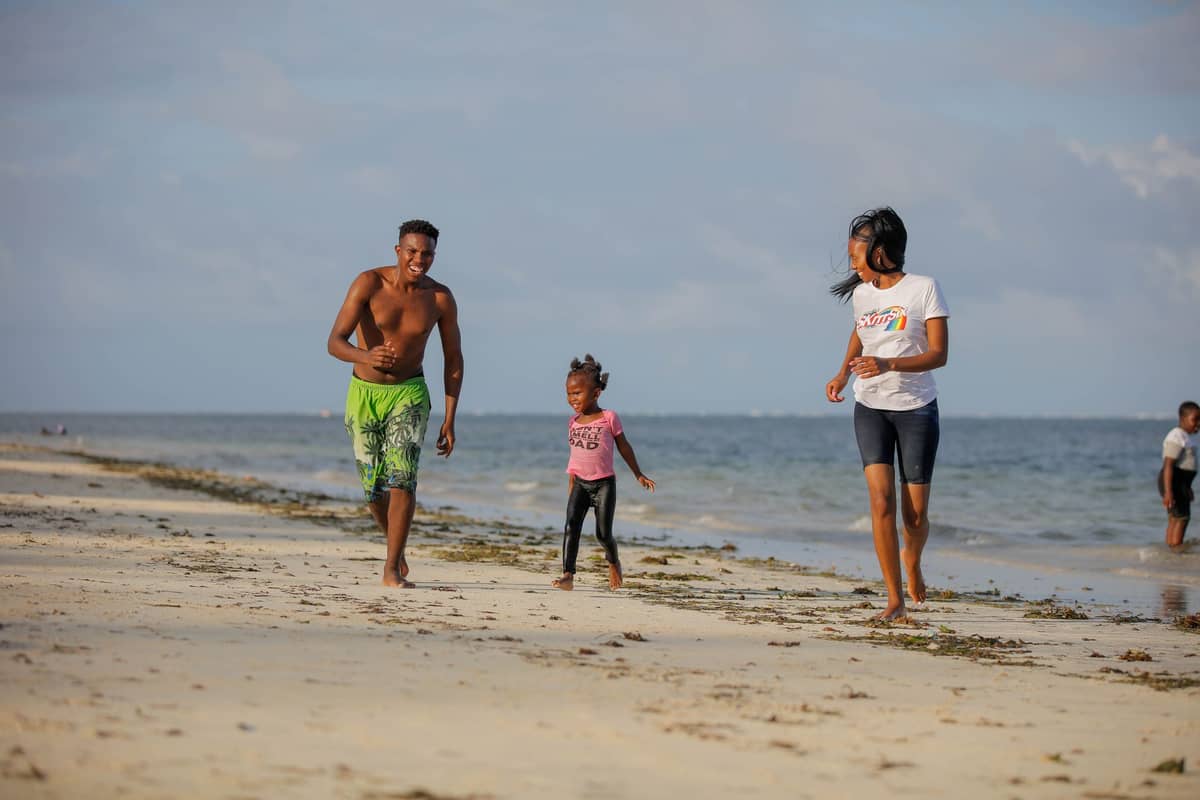
The single most important decision for families in Zanzibar is which beach to base yourself at. The island's geography means that tidal patterns vary dramatically by coast, and a beach that looks stunning in a photo might be a wide expanse of exposed reef flat for six hours a day. This is not a minor inconvenience when you have children who want to get straight into the water.
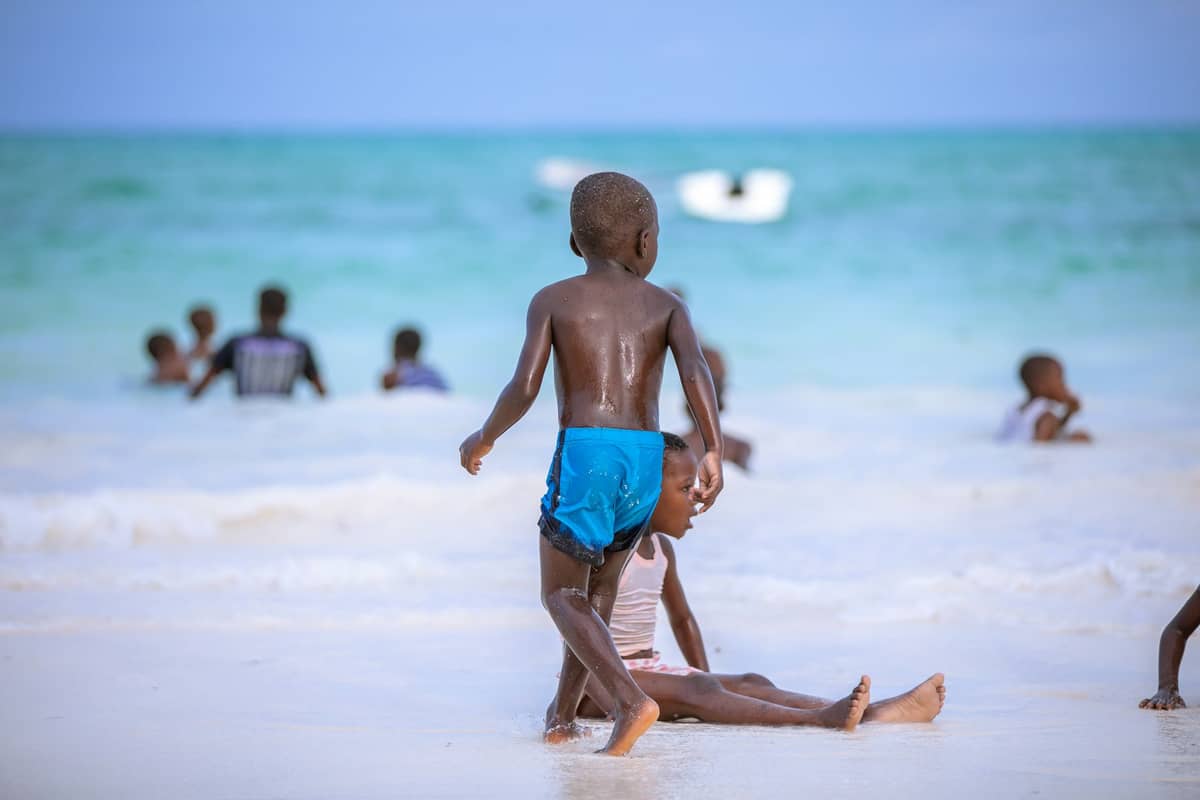
The north coast is the most family-friendly for consistent swimming. Nungwi and Kendwa both sit on the northwestern tip of Unguja where the reef configuration keeps tidal exposure manageable at most times of day. The water is warm, relatively calm, and shallow enough close to shore for younger children. Nungwi also has the Mnarani Natural Aquarium, a small tidal pool where sea turtles are rehabilitated before release — a genuinely good stop for kids that does not require a long boat ride.
The east coast, including Paje and Jambiani, is beautiful but tidal. At low tide, the water retreats hundreds of meters, leaving a reef flat that is interesting to explore but not swimmable. High tide brings the water back and the swimming is excellent — but you need to time your beach visits around the tide tables, which shift by roughly 45 minutes each day. Families who understand this and plan accordingly find the east coast rewarding; families who turn up expecting constant swimming can be frustrated.
⚠️ What to skip
Tide times matter everywhere in Zanzibar, but they are critical on the east coast. Download a local tide chart app or ask your accommodation for daily tide times on arrival. Even during the dry season, east-coast swimming windows can be short. A shallow-looking beach is not automatically safe: follow local guidance on currents and supervise children closely at all times.
Wildlife and Nature Experiences Children Will Actually Enjoy

Zanzibar's most reliable wildlife experience for families is Jozani Chwaka Bay National Park, located roughly in the centre of Unguja about 35 kilometers from Stone Town. The Red Colobus monkey found here exists nowhere else on earth, and the forest trail that brings visitors within a few meters of the troop takes around 45 minutes at a comfortable pace. The path is shaded, flat, and manageable for children from around age four upward. There is also a mangrove boardwalk that adds another 20-30 minutes and is a good way to explain a coastal ecosystem to curious older kids.
Prison Island, reached by a 20-25 minute boat ride from Stone Town's waterfront, packages three experiences into one half-day outing: the crossing itself, Aldabra giant tortoises (the oldest animals on the island are over 100 years old), and clear water for snorkeling around the island's edges. The tortoises are used to visitors and children can feed and photograph them at close range. Confirm with your boat operator whether the snorkeling is suitable for your children's age and swimming ability before booking, as conditions vary with season and tide.
Dolphin tours departing from Kizimkazi in the south are heavily marketed as a family activity, but they come with caveats. The trips are on open wooden dhows and involve a fairly exposed crossing. Dolphin sightings are not guaranteed, and some operators get uncomfortably close to the pods. For families with young children or those prone to seasickness, this can be a long trip that delivers less than expected. If you do go, choose a smaller, reputable operator, confirm what 'swimming with dolphins' actually means in practice, and manage expectations with children before you set off.
- Jozani Forest (Red Colobus trail) Best for: all ages from about 4 upward. Flat, shaded, around 45 minutes walking. Go in the morning before tour groups from Stone Town arrive.
- Prison Island (giant tortoises + snorkeling) Best for: ages 3 and up for the tortoises; confident swimmers for snorkeling. Half-day from Stone Town. Confirm snorkeling suitability with operator.
- Mnarani Turtle Sanctuary, Nungwi Best for: ages 3 and up. Small tidal pool with rehabilitating sea turtles. Short visit, low cost, pairs well with a Nungwi beach afternoon.
- Kizimkazi dolphin tours Best for: older children (8+) who are comfortable on open water. Manage expectations: sightings vary and responsible operators maintain distance from the dolphins.
Cultural Experiences Worth Doing with Children
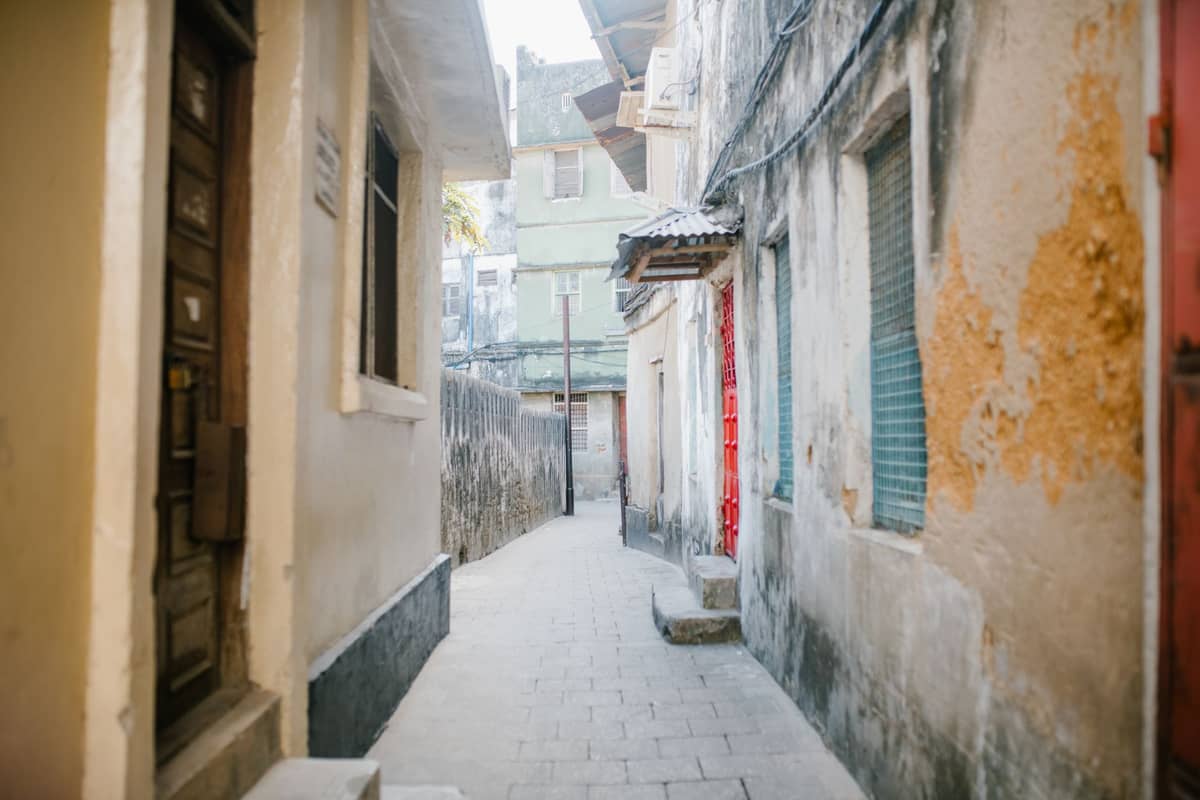
Stone Town is one of the most historically layered places in East Africa and walking through it with children can work well if you keep it to a couple of hours rather than a full day. The narrow lanes, rooftop cats, and ornate carved doors hold attention in a way that a standard museum visit does not. Hire a licensed guide for at least part of the walk: a good guide can translate the city's Swahili trading history into stories that children follow. Our Stone Town walking guide covers the key routes and landmarks.
Forodhani Gardens on the waterfront runs a nightly food market from around sunset. The setting is informal and the food is cooked in front of you: grilled seafood, Zanzibar pizza (a thin stuffed flatbread), sugarcane juice, and more. It is crowded, lively, and an easy way to let children try unfamiliar food without committing to a sit-down restaurant. Portions are small and priced individually, which makes it easy to order around picky eaters. Visit the Forodhani Gardens early in the evening to get the best selection and avoid the heaviest crowds.
A spice tour is marketed to almost every visitor to Zanzibar and families with curious children tend to get more from it than those without. The best tours involve walking through a working farm, tasting and smelling raw spices, and watching demonstrations of coconut climbing. Children who are into food or nature find this genuinely engaging. Those who are not can find it long. Half-day tours departing from Stone Town typically last 2-3 hours; a tour that includes a lunch of spice-infused local dishes is worth the slightly higher price. See what to expect in our Zanzibar spice tour guide.
💡 Local tip
Stone Town's lanes are almost impossible to navigate by car and challenging with a stroller. If you have very young children or toddlers, a soft carrier is far more practical than a pushchair for any urban exploration in the historic centre.
Water Activities: Snorkeling, Sailing, and What to Avoid
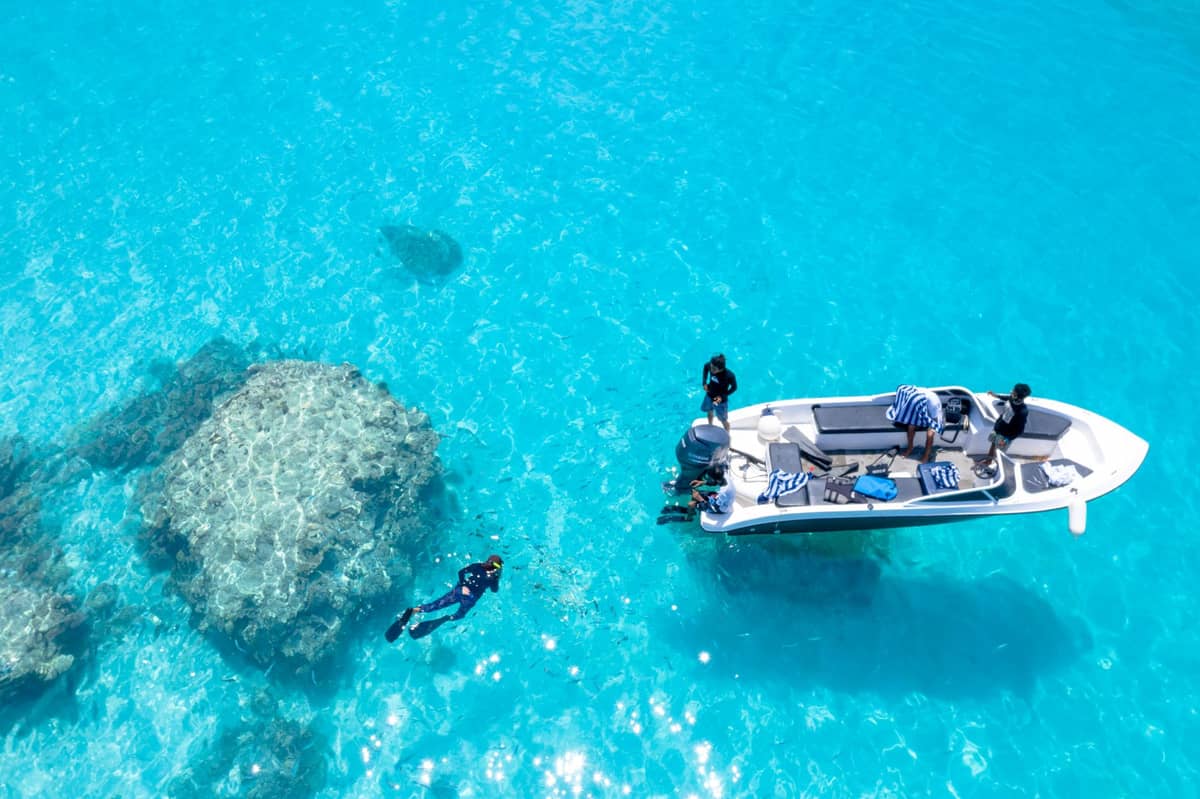
Snorkeling is one of the highlights Zanzibar offers families, but the quality depends heavily on where and when you go. Mnemba Atoll, off the northeast coast near Matemwe, is widely regarded as the best snorkeling site around Unguja. The coral is healthier and the fish diversity higher than most nearshore reef areas. However, Mnemba is reached by a boat crossing of around 30-45 minutes that can be rough in certain conditions, and day-trip prices vary significantly between operators. Confirm the departure point, sea conditions for that day, and whether the trip is appropriate for your children's swimming ability before booking.
For families not ready for an open-water crossing, snorkeling off the reef at Nungwi or at Prison Island offers a reasonable alternative. Visibility and coral health are lower than Mnemba, but the logistics are simpler and the conditions more predictable. A good mask and snorkel is worth bringing from home or buying locally rather than relying on the often-degraded rental equipment that some operators provide.
Dhow sailing is a distinctly Zanzibari experience and short sunset dhow trips from Nungwi or Stone Town are available for families. These are generally calm, scenic, and suitable for children. Longer dhow excursions covering multiple stops in a full day are popular but require children who are comfortable with extended time on a boat without shade. Bring reef-safe sunscreen, hats, and more water than you think you need.
✨ Pro tip
Book water-based activities for the morning wherever possible. Wind and chop tend to increase in the afternoon across most of Zanzibar's coast, making boat trips rougher and snorkeling visibility lower. Morning departures also give you more flexibility if conditions require a schedule change.
Practical Logistics for Families
Getting around Unguja with children is most practical by hired car or private taxi. Dala-dala shared minibuses serve routes across the island and are very inexpensive, but they are cramped, have no air conditioning, and run on no fixed timetable. They work fine for solo travelers and are an authentic way to travel, but for families with young children and luggage they add friction rather than value. For guidance on all transport options, see our getting around Zanzibar guide. Note that Uber, Grab, and Careem do not currently operate on the island; arrange taxis through your accommodation or agree fares in advance.
The airport, Abeid Amani Karume International Airport (ZNZ), sits about 3 miles south of Stone Town. A taxi to Stone Town runs around $10-15 and takes roughly 20 minutes. If you are heading directly to a beach resort from the airport, most operators offer hotel transfers that should be arranged in advance. These transfers are the most stress-free option when arriving with children and luggage.
- Accommodation: look for resorts with shallow pools, gardens, or direct beach access rather than simply the closest option to Stone Town. A quiet base reduces the need for daily long drives.
- Food: Zanzibar's restaurants cater well to families in beach resort areas. Stone Town has fewer child-friendly menus but Forodhani Gardens and cafes around the waterfront fill the gap.
- Health: pack a basic first-aid kit, reef-safe sunscreen, oral rehydration salts, and any prescription medications. Confirm current health requirements including vaccinations and malaria prophylaxis with a travel health clinic before departure.
- Water: do not assume tap water is drinkable. Use bottled or filtered water for drinking and brushing teeth, and carry extra for children on excursion days.
- Connectivity: accommodation in resort areas typically provides reliable enough WiFi for downloading offline maps and tide charts before excursions.
Zanzibar is a conservative, predominantly Muslim island. Swimwear is appropriate at beach and resort areas but covering up when walking through villages, markets, or Stone Town is both respectful and appreciated. This is worth explaining to older children before arrival as part of understanding the local culture. Our Zanzibar Swahili culture guide covers customs and etiquette in more detail.
When to Go: Seasons and What They Mean for Families
June through October is the most consistent window for a family trip. Humidity is lower, skies are mostly clear, and the Indian Ocean is calmer, which matters for any boat-based activity. Water temperatures remain warm year-round, so there is no cold-water concern at any time of year.
December through February brings another mostly dry period, but temperatures and humidity are higher than the June-October window. Beach days are still excellent and this period overlaps with European and North American school holidays, which makes it popular. Expect more crowds at key sites and higher accommodation prices.
March through May is the long-rain season. Heavy rain can arrive suddenly, sea conditions deteriorate, and snorkeling visibility drops significantly as runoff affects the water. Some smaller guesthouses close entirely during this period. For a family trip centered on beach and marine activities, the long rains are worth avoiding.
FAQ
What age is Zanzibar suitable for children?
Zanzibar works well for children of most ages, but the practical experience varies. Babies and toddlers require careful management in the heat and need more logistical preparation. Children from around 4-5 can engage with the Red Colobus monkeys at Jozani, the giant tortoises at Prison Island, and beach time. From age 7-8, snorkeling, spice tours, and Stone Town walks become genuinely absorbing. Teenagers tend to get the most from the combination of culture, water sports, and independence that a beach-based trip allows.
Which beach in Zanzibar is best for families with young children?
Nungwi and Kendwa on the north coast are the most reliably family-friendly beaches because the tidal range is smaller than on the east coast. The water is generally swimmable throughout the day. Kendwa in particular tends to be slightly calmer than Nungwi, which has more tourist infrastructure and boat traffic. East-coast beaches like Paje and Jambiani are beautiful but the tide-dependent swimming requires more planning.
Is it safe to travel to Zanzibar with kids?
Zanzibar is generally considered safe for families. Petty theft exists, particularly in Stone Town, so standard precautions apply: keep valuables secure, do not leave bags unattended on the beach, and use official taxi services rather than accepting rides from strangers. The main health concerns are sun exposure, dehydration, and mosquito-borne illnesses. Consult a travel health clinic before departure to confirm current recommendations on vaccinations and malaria prevention.
Do I need to worry about the tides if I'm staying at a beach resort?
Yes, particularly on the east coast. Even if your resort has a pool, tidal patterns affect when swimming in the sea is possible and how shallow or deep the water is at any given time. Ask your accommodation for daily tide information and plan excursions accordingly. North-coast resorts at Nungwi and Kendwa are significantly less affected by this issue.
How long should a family trip to Zanzibar be?
A week is the comfortable minimum for families. It allows 2-3 days at a beach base, a day for Stone Town and Prison Island, a day for Jozani forest and a spice tour, and travel days at each end. Shorter trips are possible but feel rushed, particularly with the adjustment time that young children need after a long flight. For a more detailed itinerary framework, see the one-week Zanzibar guide.
Tickets & tours
Live prices and dates from our booking partner. If you book, we may earn a commission at no extra cost to you.
Planning a trip? Discover personalized activities with the Nomado app.