Best Beaches in Zanzibar: A Complete Guide to Every Coastline
Zanzibar's beaches are not all equal. Tides, winds, crowds, and access vary dramatically between the north, east, and west coasts. This guide breaks down every major beach so you can pick the right one for how you travel.
Tickets & tours
Live prices and dates from our booking partner. If you book, we may earn a commission at no extra cost to you.
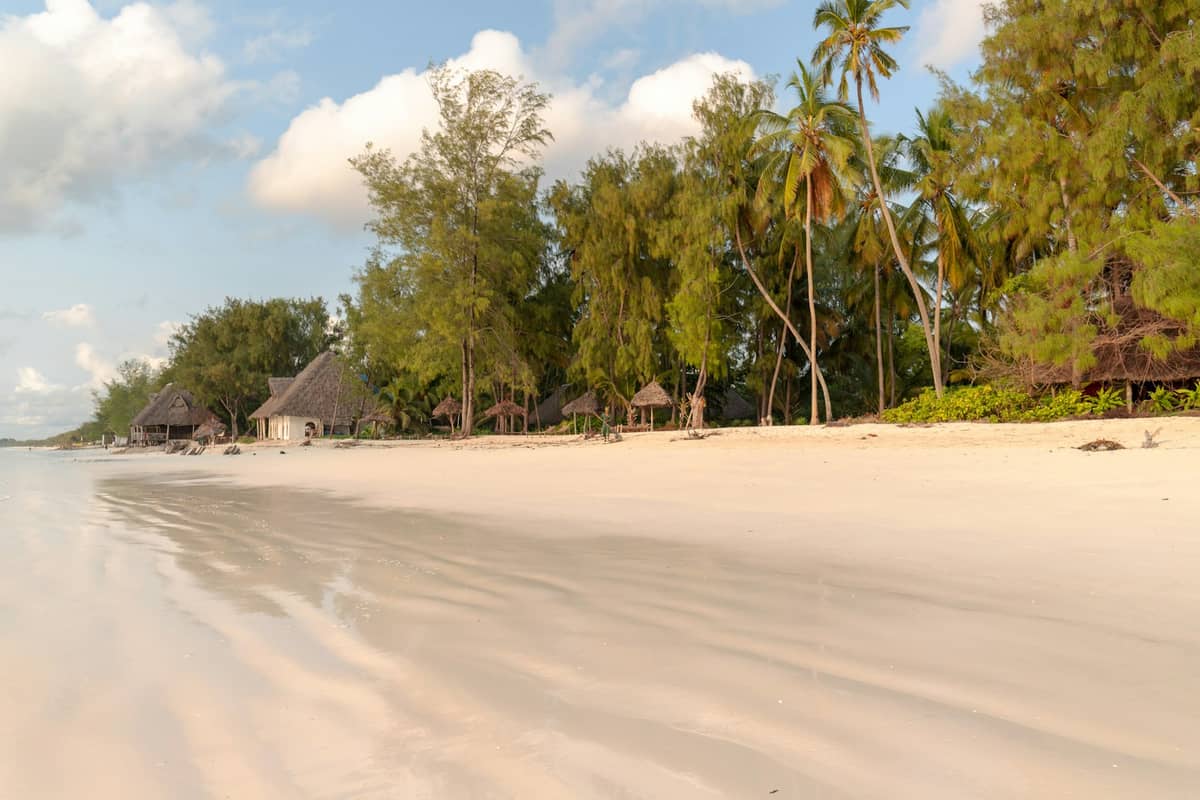
Zanzibar's coastline stretches across four distinct zones, each with its own personality. The north is calm and deep at all tides. The east catches trade winds and has dramatic low-tide reef exposure. The west faces Stone Town and offers quick access to sandbanks. Before you book, it's worth reading our guide to where to stay in Zanzibar and understanding how tides work on the east coast, where swimming can be limited for several hours a day. For those combining beaches with culture, the one-week Zanzibar itinerary shows how to cover the island without backtracking. Every beach here is ranked within its category so you can build the trip that fits your pace.
💡 Local tip
East-coast beaches like Paje, Jambiani, and Bwejuu sit behind coral reefs. At low tide, the lagoon can be ankle-deep and too shallow to swim. Always check local tide times before planning your beach day — your guesthouse can help.
North Coast: Year-Round Swimming & Sunset Views
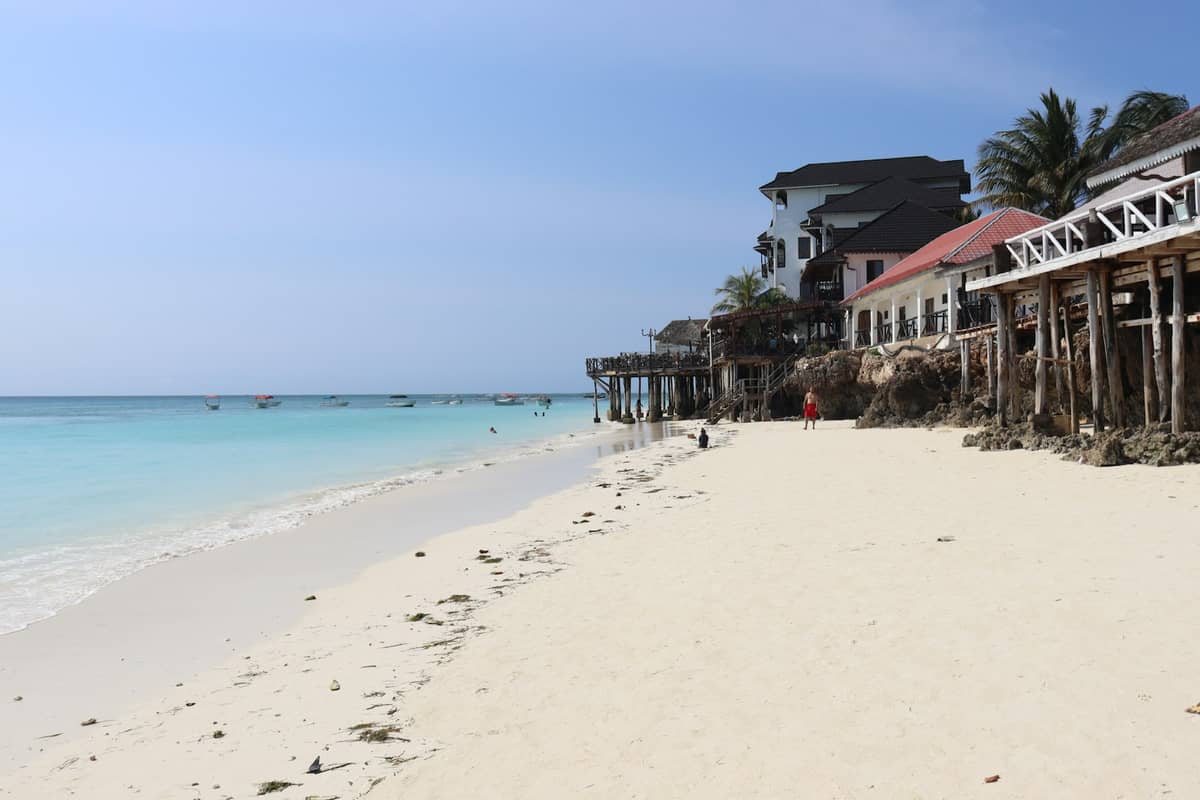
The northern tip of Unguja is where most first-time visitors land, and with good reason. Nungwi and Kendwa both sit outside the main reef line, meaning the water is deep enough to swim at any hour of the day. Sunsets here are spectacular. The trade-off is that these beaches are busier and more resort-heavy than the east coast, so if you want seclusion, read on.
1. Swim at Any Tide at Nungwi Beach
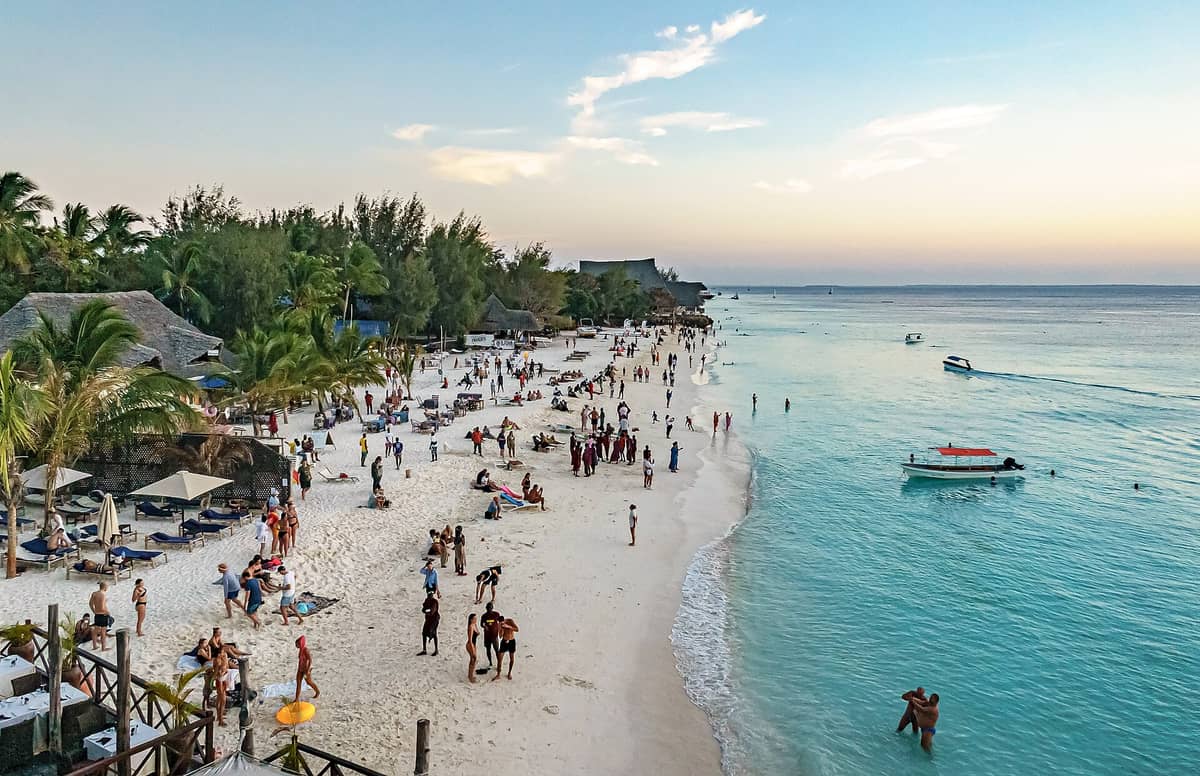
Zanzibar's most popular beach earns its reputation. Deep water at all tides means you can swim morning or afternoon without checking a tide chart. Sunsets facing west are among the island's finest, and the bar scene is lively without being overwhelming.
Explore1. Swim at Any Tide at Nungwi Beach
Zanzibar's most popular beach earns its reputation. Deep water at all tides means you can swim morning or afternoon without checking a tide chart. Sunsets facing west are among the island's finest, and the bar scene is lively without being overwhelming.
Explore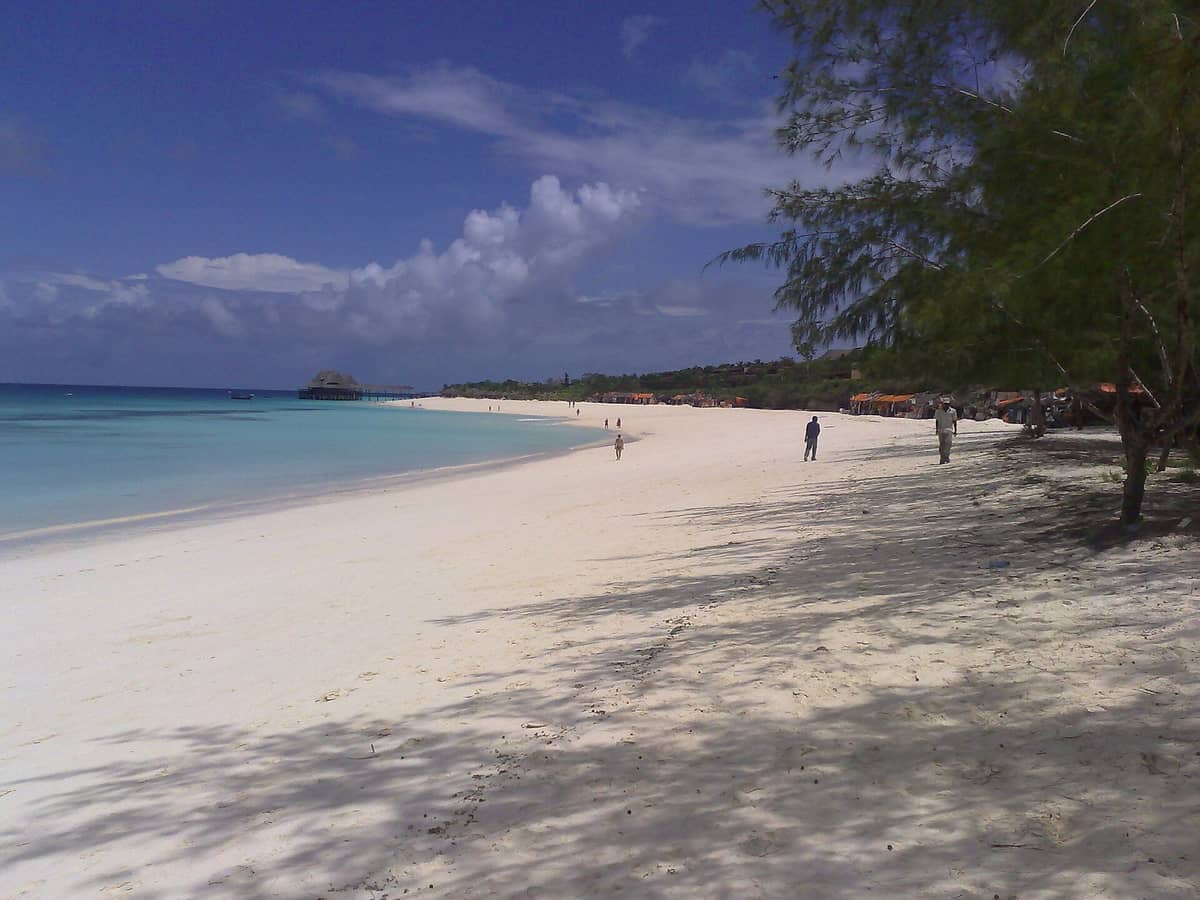
2. Relax Without the Crowds at Kendwa Beach
Just 3km south of Nungwi, Kendwa has the same tide-free swimming but a noticeably more laid-back atmosphere. Fewer day-trippers, a softer pace, and the monthly Full Moon Party for those who want a big night — or a good excuse to stay longer.
Explore2. Relax Without the Crowds at Kendwa Beach
Just 3km south of Nungwi, Kendwa has the same tide-free swimming but a noticeably more laid-back atmosphere. Fewer day-trippers, a softer pace, and the monthly Full Moon Party for those who want a big night — or a good excuse to stay longer.
Explore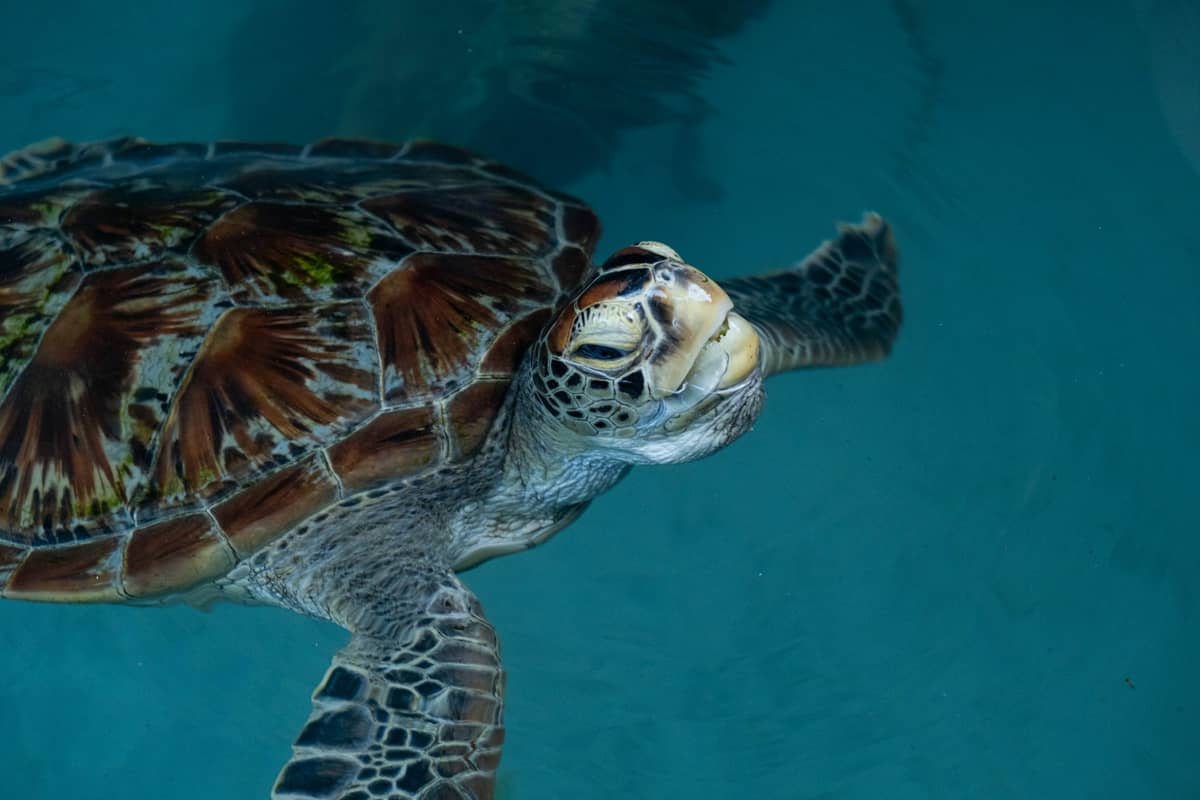
3. Visit the Sea Turtles at Nungwi's Marine Sanctuary
Right on Nungwi Beach, this community-run pond rehabilitates injured green and hawksbill turtles before ocean release. It takes 20 minutes and costs a small fee. A genuinely worthwhile stop if you're already at the beach, especially with children.
Explore3. Visit the Sea Turtles at Nungwi's Marine Sanctuary
Right on Nungwi Beach, this community-run pond rehabilitates injured green and hawksbill turtles before ocean release. It takes 20 minutes and costs a small fee. A genuinely worthwhile stop if you're already at the beach, especially with children.
ExploreNortheast Coast: Quiet Sands & World-Class Diving
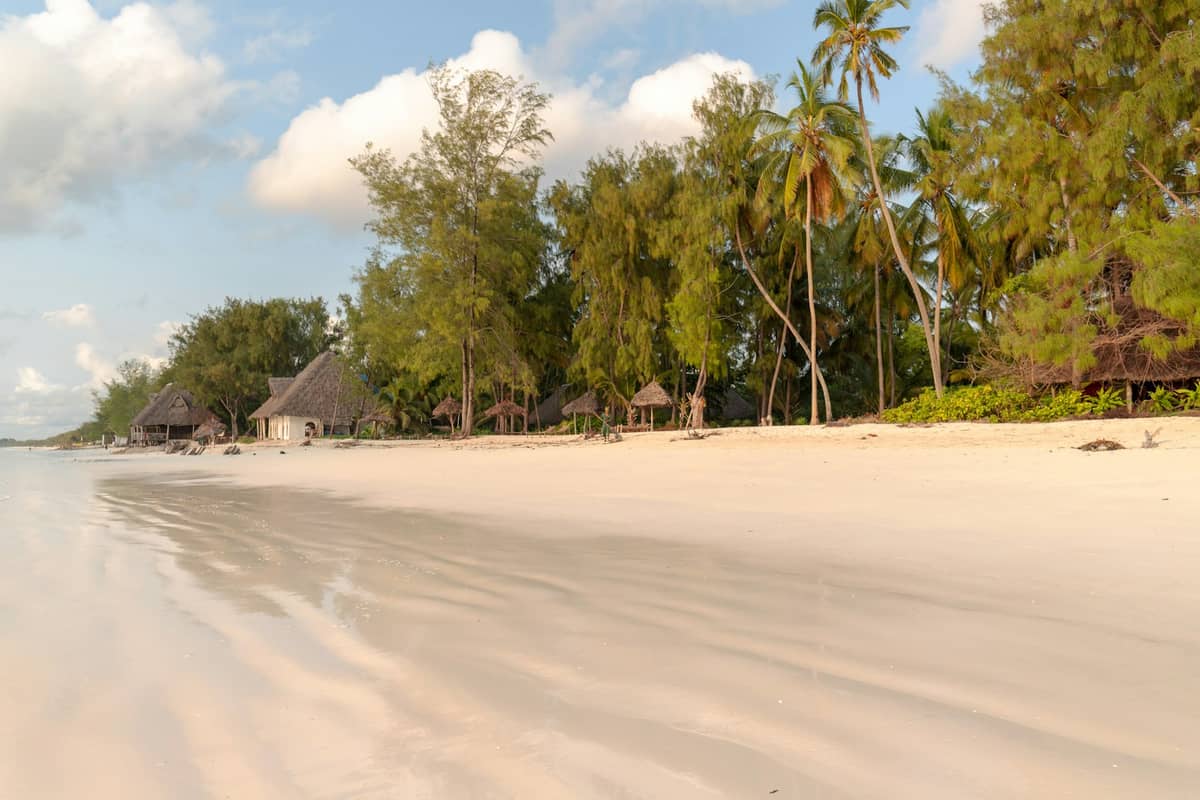
The northeast is Zanzibar's quietest stretch of coastline. Matemwe is the main village here, and its beach is the jumping-off point for Mnemba Atoll, one of the Indian Ocean's finest dive sites. If you're combining beaches with underwater exploration, this corner of the island deserves serious consideration. See our Zanzibar diving guide for detail on Mnemba and the other top dive sites.
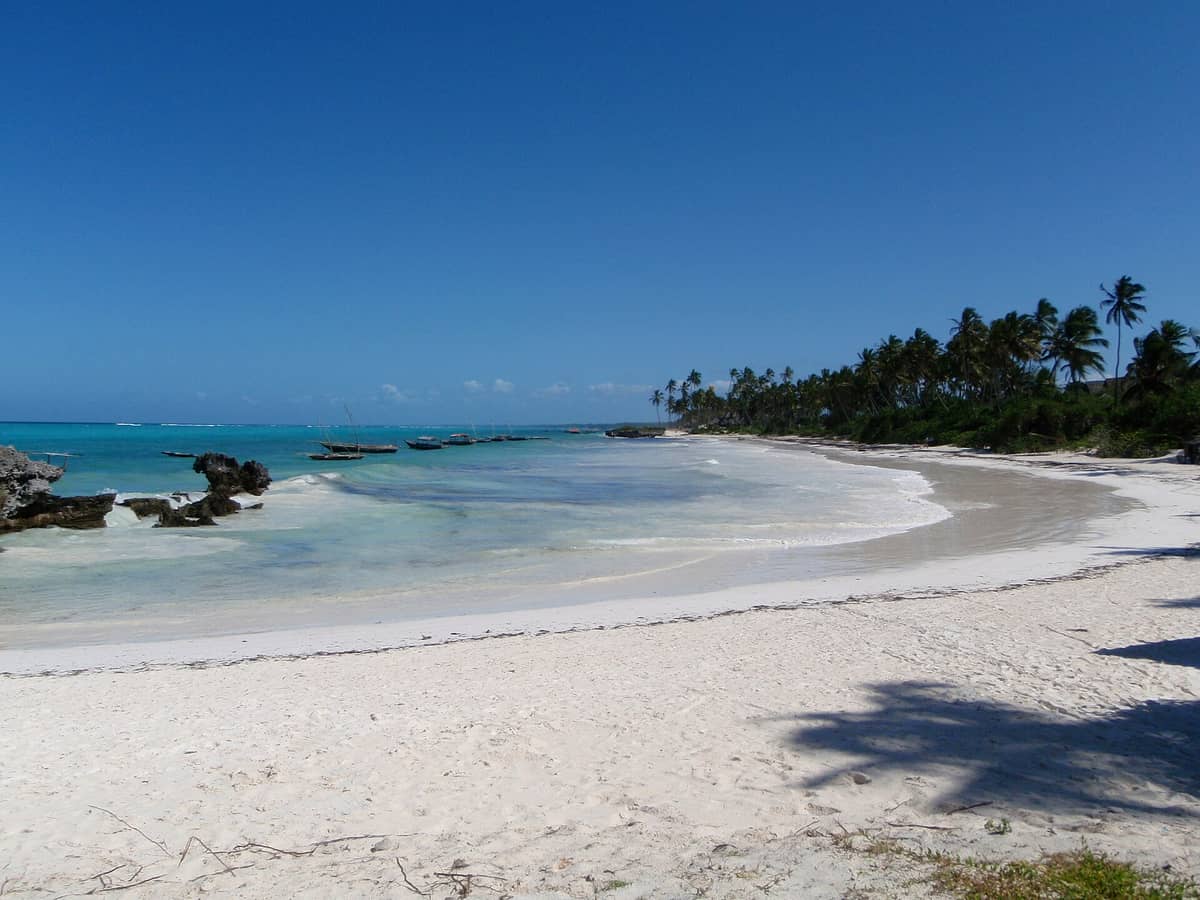
4. Escape the Crowds at Secluded Matemwe Beach
Fine white sand backed by casuarina trees and a shallow reef lagoon, with almost no day-trippers. Matemwe draws luxury travellers and serious divers rather than party-seekers. Swimming is tide-dependent but conditions here are generally gentler than further south.
Explore4. Escape the Crowds at Secluded Matemwe Beach
Fine white sand backed by casuarina trees and a shallow reef lagoon, with almost no day-trippers. Matemwe draws luxury travellers and serious divers rather than party-seekers. Swimming is tide-dependent but conditions here are generally gentler than further south.
Explore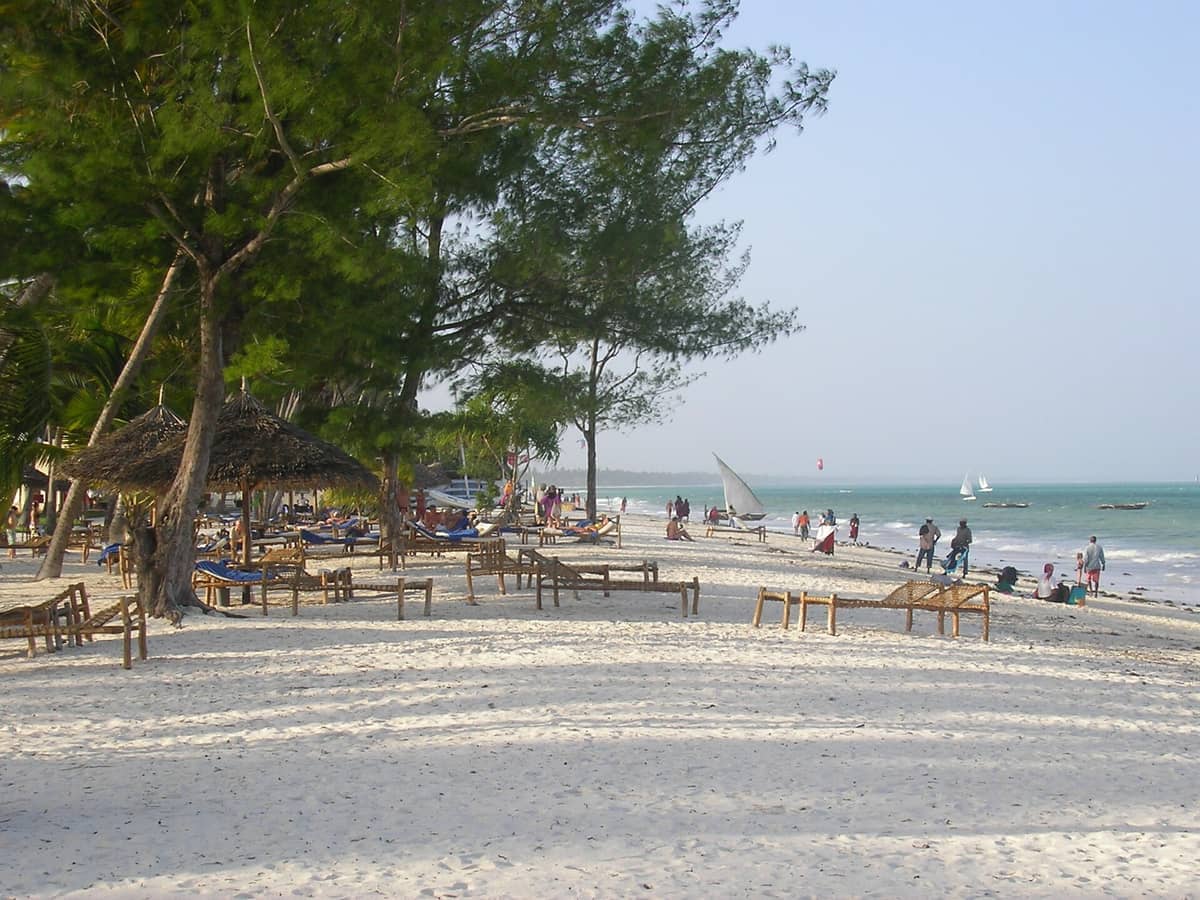
5. Find All-Inclusive Comfort at Kiwengwa Beach
A long, reef-protected beach on the northeast coast with wide sand and calm lagoon water suited to families and resort guests. Most visitors here are on all-inclusive packages, so independent travellers will find it quiet outside the resort zones.
Explore5. Find All-Inclusive Comfort at Kiwengwa Beach
A long, reef-protected beach on the northeast coast with wide sand and calm lagoon water suited to families and resort guests. Most visitors here are on all-inclusive packages, so independent travellers will find it quiet outside the resort zones.
Explore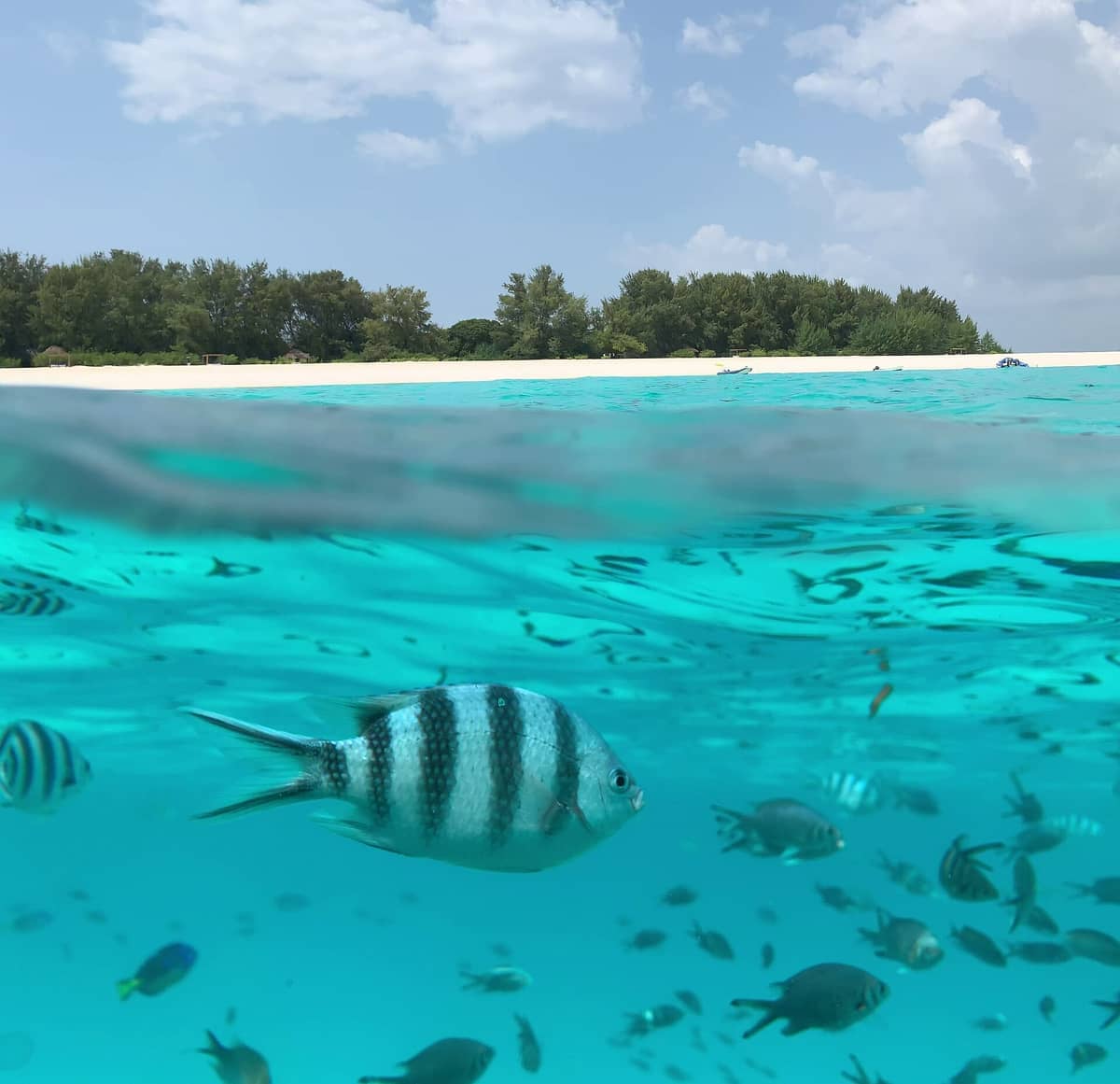
6. Snorkel with Dolphins and Turtles at Mnemba Atoll
Accessed by boat from Matemwe, Mnemba is a protected marine reserve with some of the clearest water in the Indian Ocean. Dolphins, reef sharks, and sea turtles are common sightings. Day-trip snorkelling tours depart most mornings — book through your accommodation.
Explore6. Snorkel with Dolphins and Turtles at Mnemba Atoll
Accessed by boat from Matemwe, Mnemba is a protected marine reserve with some of the clearest water in the Indian Ocean. Dolphins, reef sharks, and sea turtles are common sightings. Day-trip snorkelling tours depart most mornings — book through your accommodation.
ExploreEast Coast: Kite Winds, Reef Lagoons & Village Life
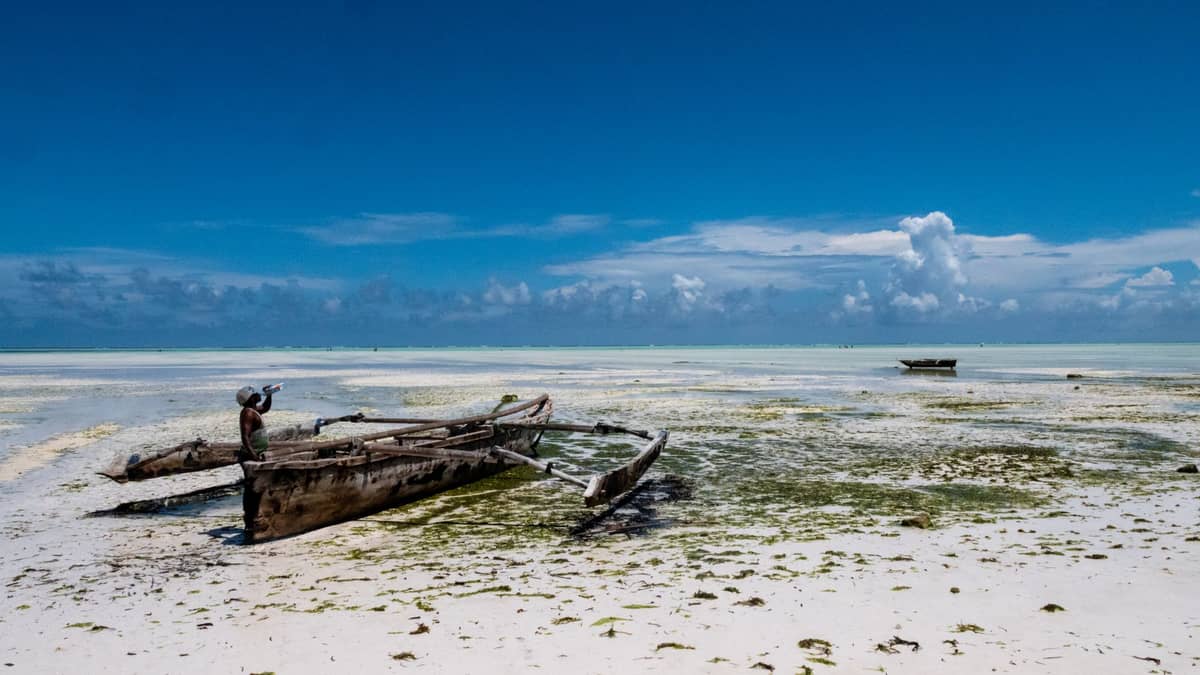
The east coast is a different Zanzibar entirely. Trade winds blow consistently from June to October, tide cycles expose broad coral flats, and the pace is slower than the north. This is where you come for kitesurfing, seaweed farm walks, and staying in a small guesthouse rather than a resort. For a longer look at this part of the island, the kitesurfing guide is the best starting point.
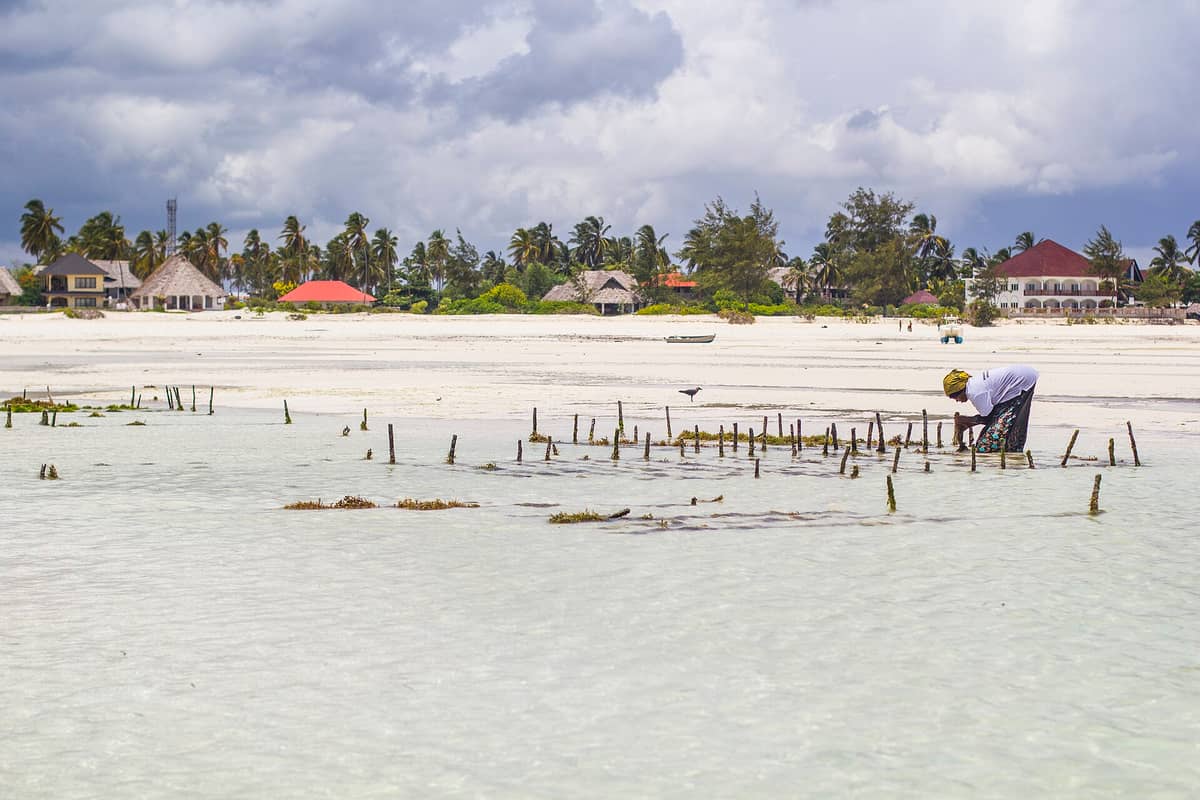
7. Learn to Kitesurf at Paje Beach
Paje is the east coast's most developed beach and the island's kitesurfing capital. Consistent trade winds, a wide lagoon, and multiple kite schools make it ideal for beginners and advanced riders. At high tide, swimming is excellent. Seafood restaurants line the beachfront.
Explore7. Learn to Kitesurf at Paje Beach
Paje is the east coast's most developed beach and the island's kitesurfing capital. Consistent trade winds, a wide lagoon, and multiple kite schools make it ideal for beginners and advanced riders. At high tide, swimming is excellent. Seafood restaurants line the beachfront.
Explore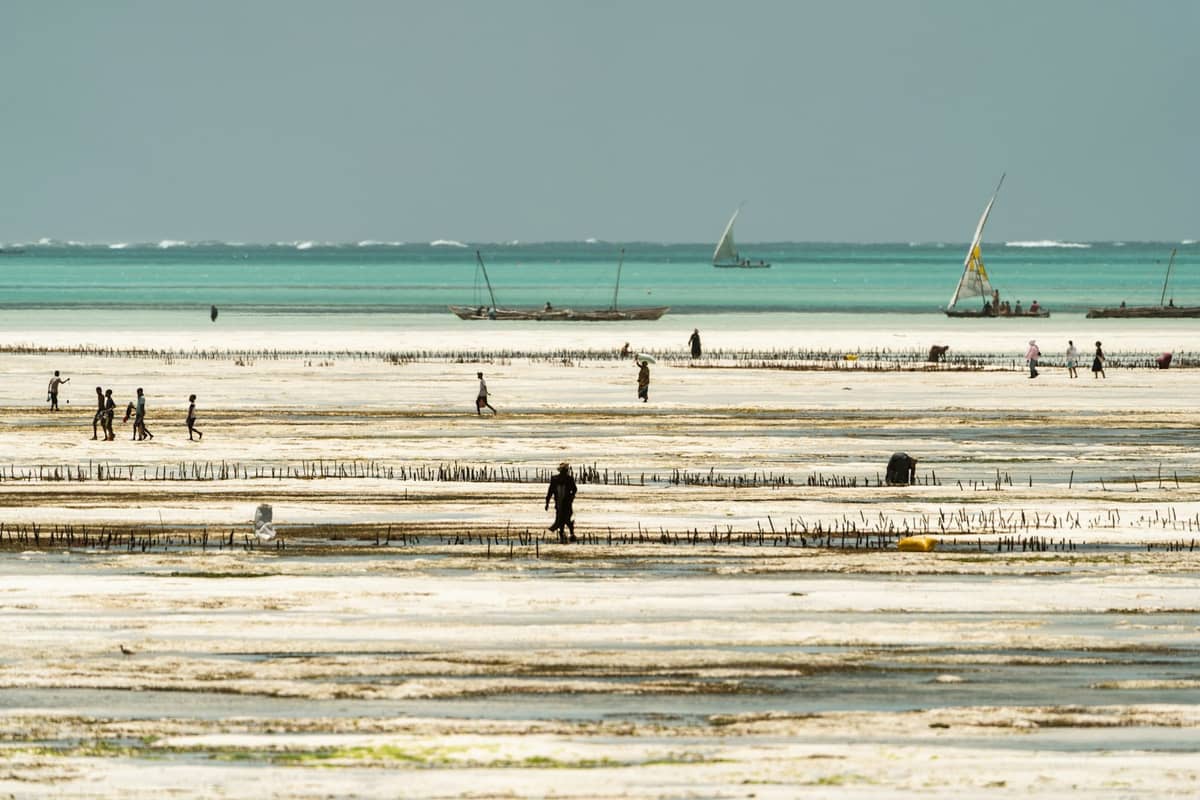
8. Walk Jambiani's Long, Unfussy Shoreline
Jambiani's beach stretches for several kilometres with traditional fishing boats, seaweed farms, and almost no tourist infrastructure beyond a string of small guesthouses. Tides apply here, so check times before swimming. Best for travellers who want an authentic east-coast stay.
Explore8. Walk Jambiani's Long, Unfussy Shoreline
Jambiani's beach stretches for several kilometres with traditional fishing boats, seaweed farms, and almost no tourist infrastructure beyond a string of small guesthouses. Tides apply here, so check times before swimming. Best for travellers who want an authentic east-coast stay.
Explore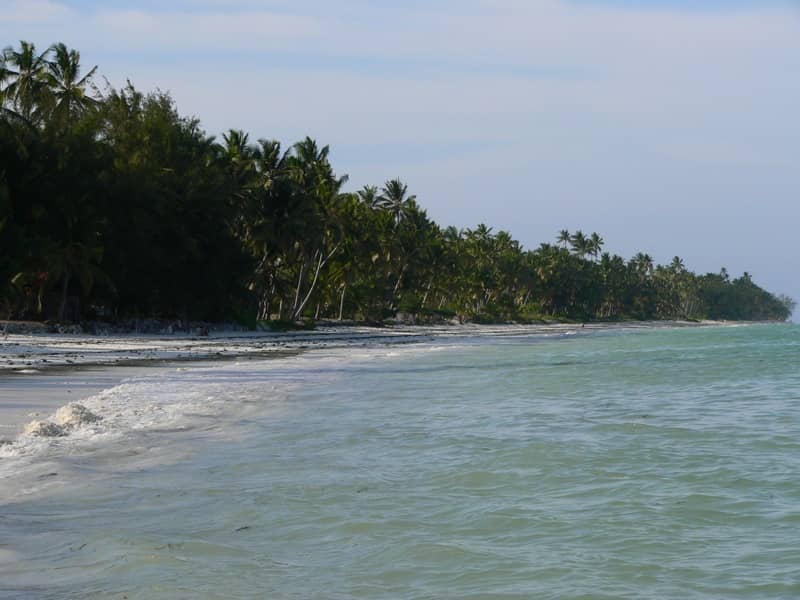
9. Find True Quiet at Bwejuu Beach
Between Paje and Jambiani, Bwejuu sees fewer visitors than either neighbour. Palm trees shade the waterfront, seafood is fresh and cheap, and the village atmosphere is genuine. A good choice if Paje feels too busy and you still want to be on the east coast.
Explore9. Find True Quiet at Bwejuu Beach
Between Paje and Jambiani, Bwejuu sees fewer visitors than either neighbour. Palm trees shade the waterfront, seafood is fresh and cheap, and the village atmosphere is genuine. A good choice if Paje feels too busy and you still want to be on the east coast.
Explore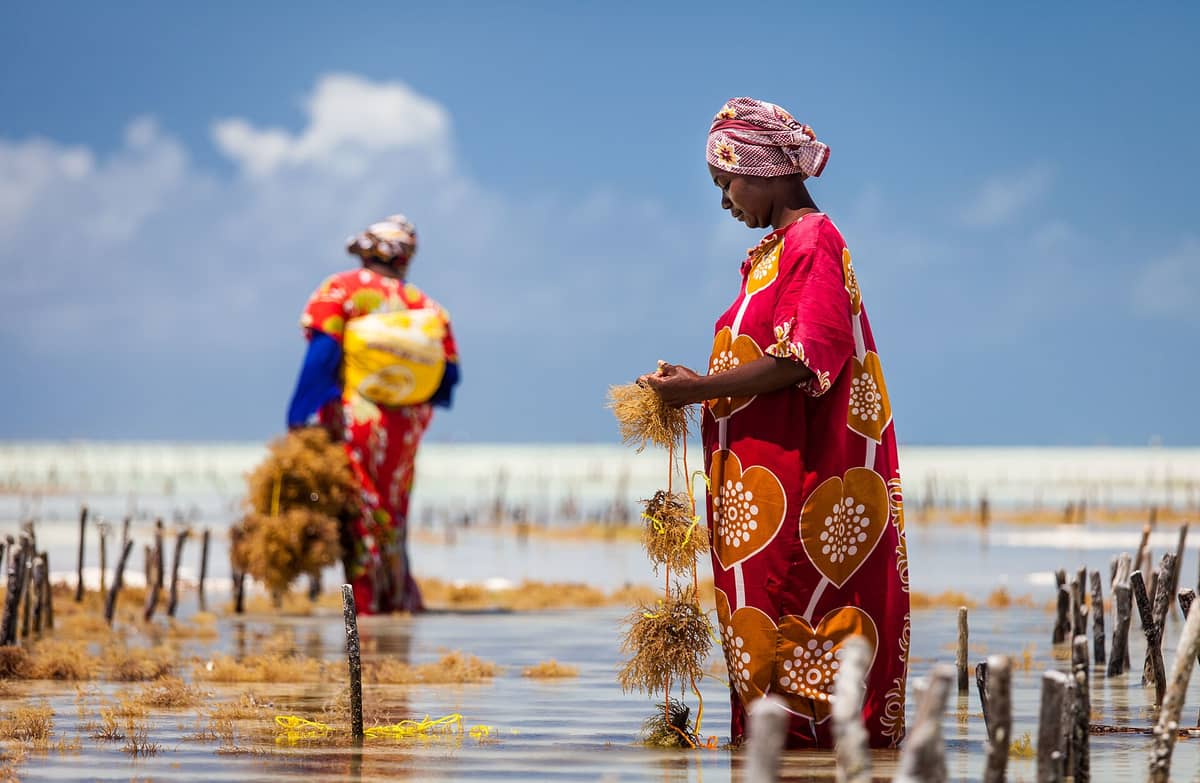
10. Walk Among the Seaweed Farms at Jambiani
Local women tend rows of cultivated red algae in the shallow lagoon at low tide — a photogenic and economically important part of east-coast life. Guided walks take about an hour and provide real context for what you see along the beach each morning.
Explore10. Walk Among the Seaweed Farms at Jambiani
Local women tend rows of cultivated red algae in the shallow lagoon at low tide — a photogenic and economically important part of east-coast life. Guided walks take about an hour and provide real context for what you see along the beach each morning.
Explore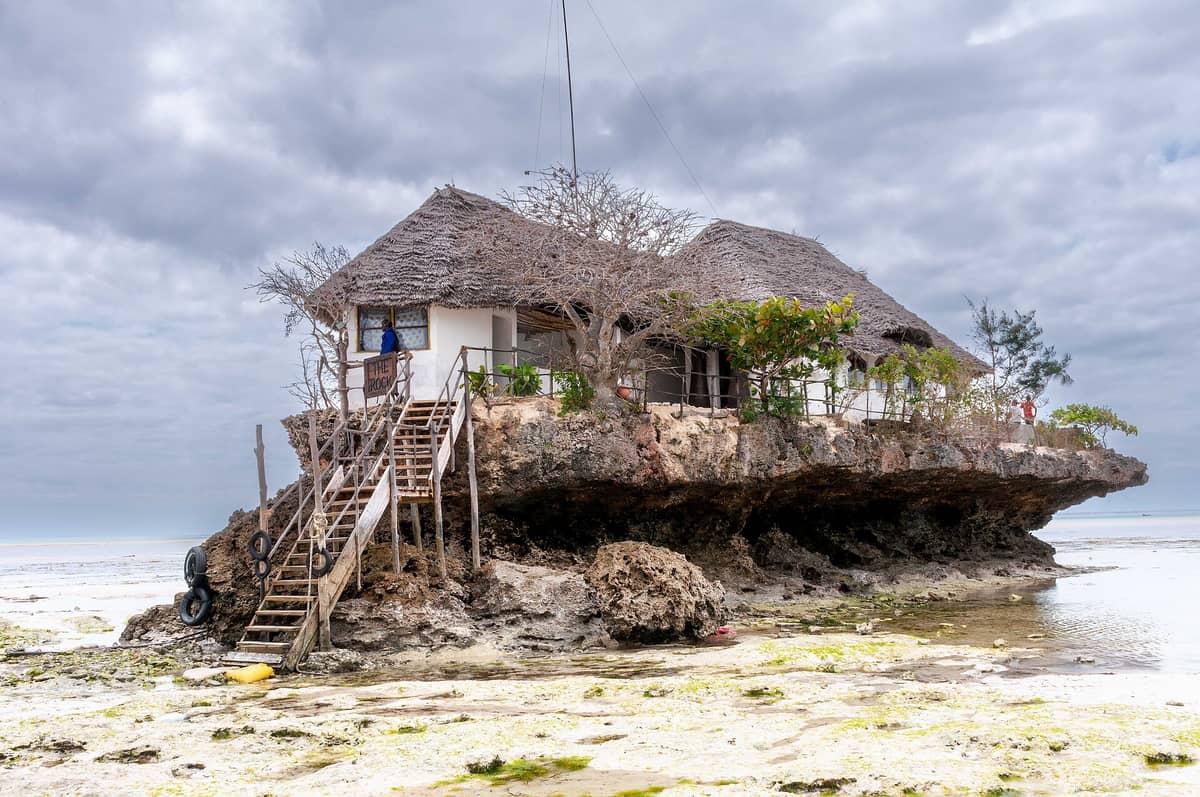
11. Lunch at The Rock, Zanzibar's Most Iconic Ocean Perch
Sitting on a coral rock off Michamvi Peninsula on the east coast, this seafood restaurant is Zanzibar's most photographed spot. At high tide it's accessible by boat, at low tide on foot. Book well in advance — tables fill weeks ahead in peak season.
Explore11. Lunch at The Rock, Zanzibar's Most Iconic Ocean Perch
Sitting on a coral rock off Michamvi Peninsula on the east coast, this seafood restaurant is Zanzibar's most photographed spot. At high tide it's accessible by boat, at low tide on foot. Book well in advance — tables fill weeks ahead in peak season.
ExploreWest Coast & Island Escapes: Stone Town's Doorstep
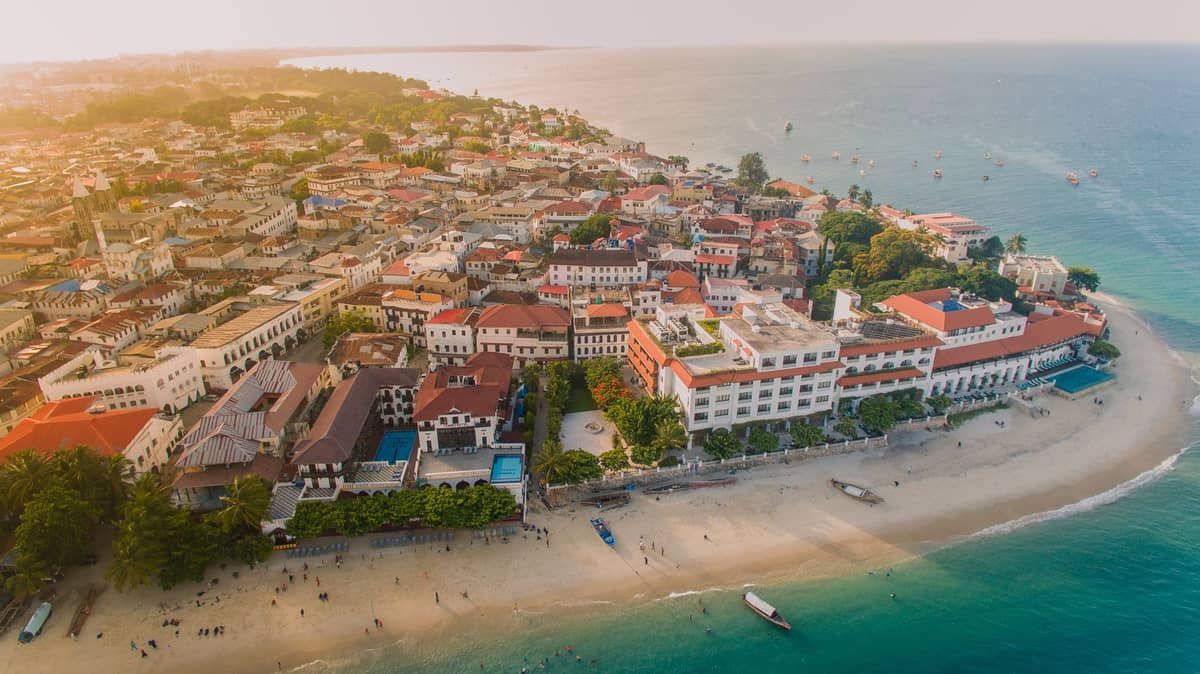
The west coast faces the Zanzibar Channel and Stone Town. Sunrises happen elsewhere, but sunsets here are extraordinary. Nearby islands and sandbanks are reached by short dhow rides from the waterfront, making them ideal add-ons to any Stone Town stay. For broader context on the Stone Town area, the Stone Town walking guide pairs well with these day trips.
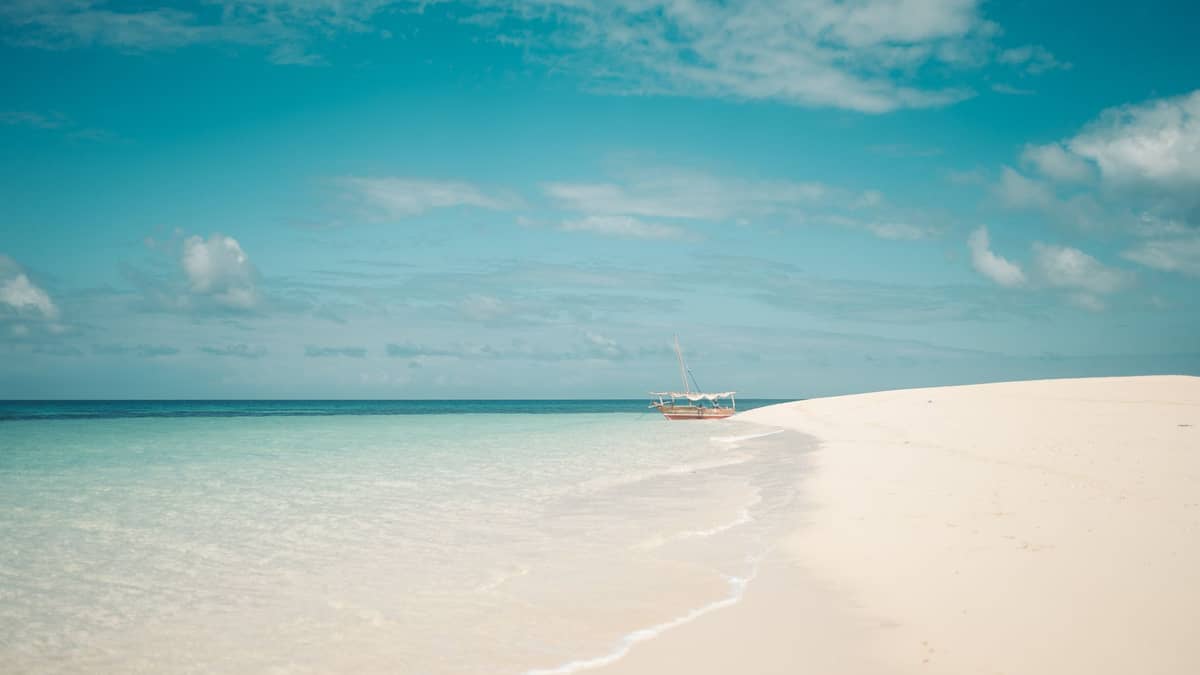
12. Spend a Morning on Nakupenda's Deserted Sandbank
A white sandbank that appears at low tide just 20 minutes by boat from Stone Town. Tours typically include snorkelling, a seafood lunch, and a swim before the tide returns. One of the most rewarding half-days you can spend near the capital without going far.
Explore12. Spend a Morning on Nakupenda's Deserted Sandbank
A white sandbank that appears at low tide just 20 minutes by boat from Stone Town. Tours typically include snorkelling, a seafood lunch, and a swim before the tide returns. One of the most rewarding half-days you can spend near the capital without going far.
Explore
13. Meet Centenarian Tortoises on Prison Island
A 15-minute boat ride from Stone Town brings you to this small island with Aldabra giant tortoises, some over 100 years old. The surrounding water is calm and clear for snorkelling. Best visited in the morning before day-trip groups arrive. Marine fees apply.
Explore13. Meet Centenarian Tortoises on Prison Island
A 15-minute boat ride from Stone Town brings you to this small island with Aldabra giant tortoises, some over 100 years old. The surrounding water is calm and clear for snorkelling. Best visited in the morning before day-trip groups arrive. Marine fees apply.
Explore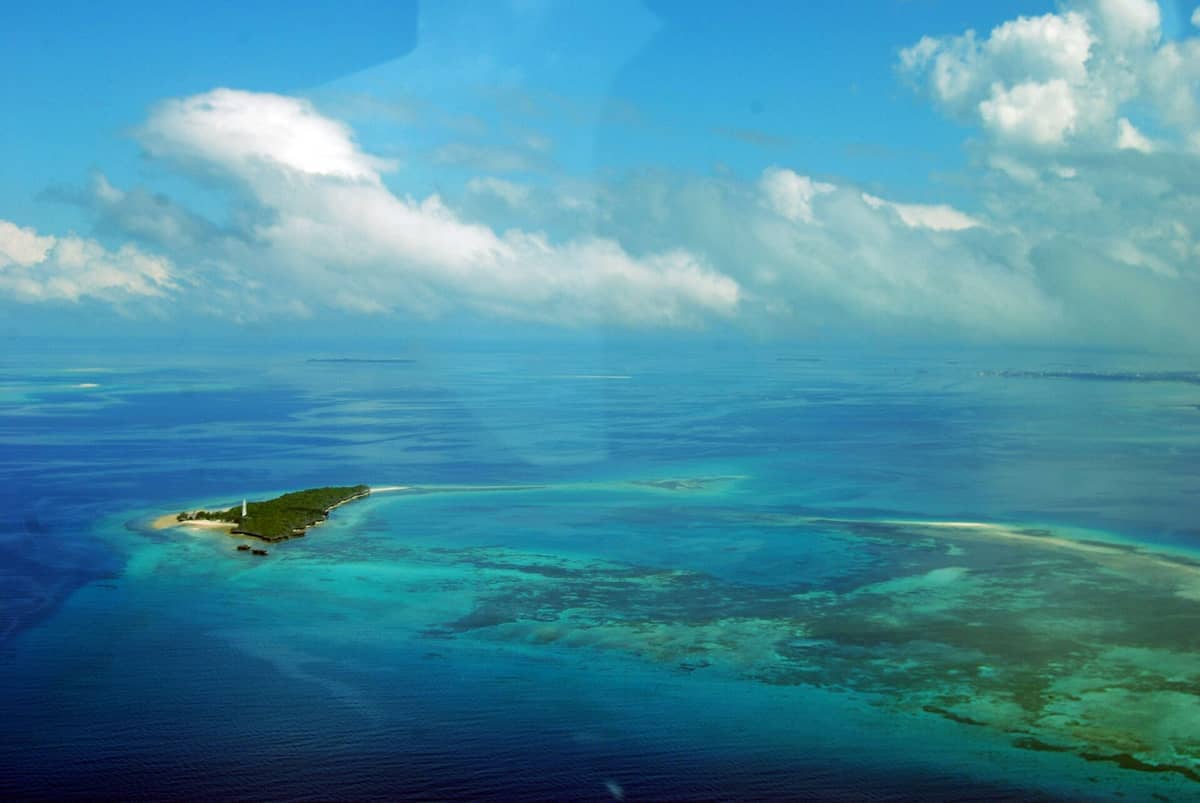
14. Snorkel a Pristine Reef at Chumbe Island
Southwest of Stone Town, Chumbe is a private marine reserve protecting one of the Indian Ocean's most intact coral ecosystems. Day visits are limited in number and must be booked ahead. The snorkelling is outstanding, and the island has forest trails and a historic lighthouse.
Explore14. Snorkel a Pristine Reef at Chumbe Island
Southwest of Stone Town, Chumbe is a private marine reserve protecting one of the Indian Ocean's most intact coral ecosystems. Day visits are limited in number and must be booked ahead. The snorkelling is outstanding, and the island has forest trails and a historic lighthouse.
Explore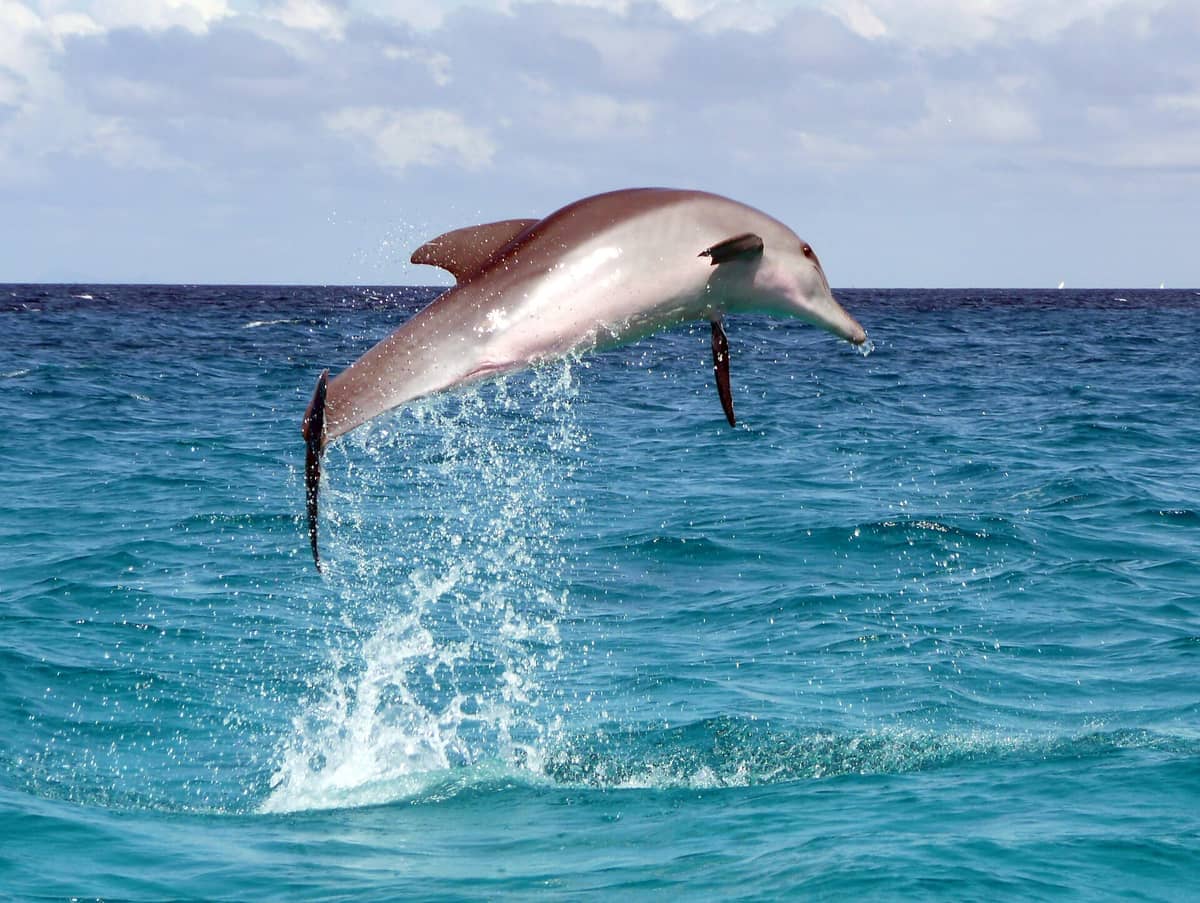
15. Spot Dolphins and Sea Turtles in Menai Bay
Zanzibar's largest marine protected area covers mangroves, seagrass beds, and coral reef off the southwest coast. Boat tours from Fumba village often encounter spinner dolphins and sea turtles. A calmer alternative to the crowded Kizimkazi dolphin tours further south.
Explore15. Spot Dolphins and Sea Turtles in Menai Bay
Zanzibar's largest marine protected area covers mangroves, seagrass beds, and coral reef off the southwest coast. Boat tours from Fumba village often encounter spinner dolphins and sea turtles. A calmer alternative to the crowded Kizimkazi dolphin tours further south.
ExploreBeyond the Sand: Nature and Conservation Worth Pairing with Beach Days

The best Zanzibar trips combine beach time with at least one inland or conservation experience. Jozani National Park and the surrounding area sit roughly equidistant from the east and west coasts, making it an easy half-day detour. The Zanzibar with kids guide has more on how to structure days that mix beaches with wildlife.
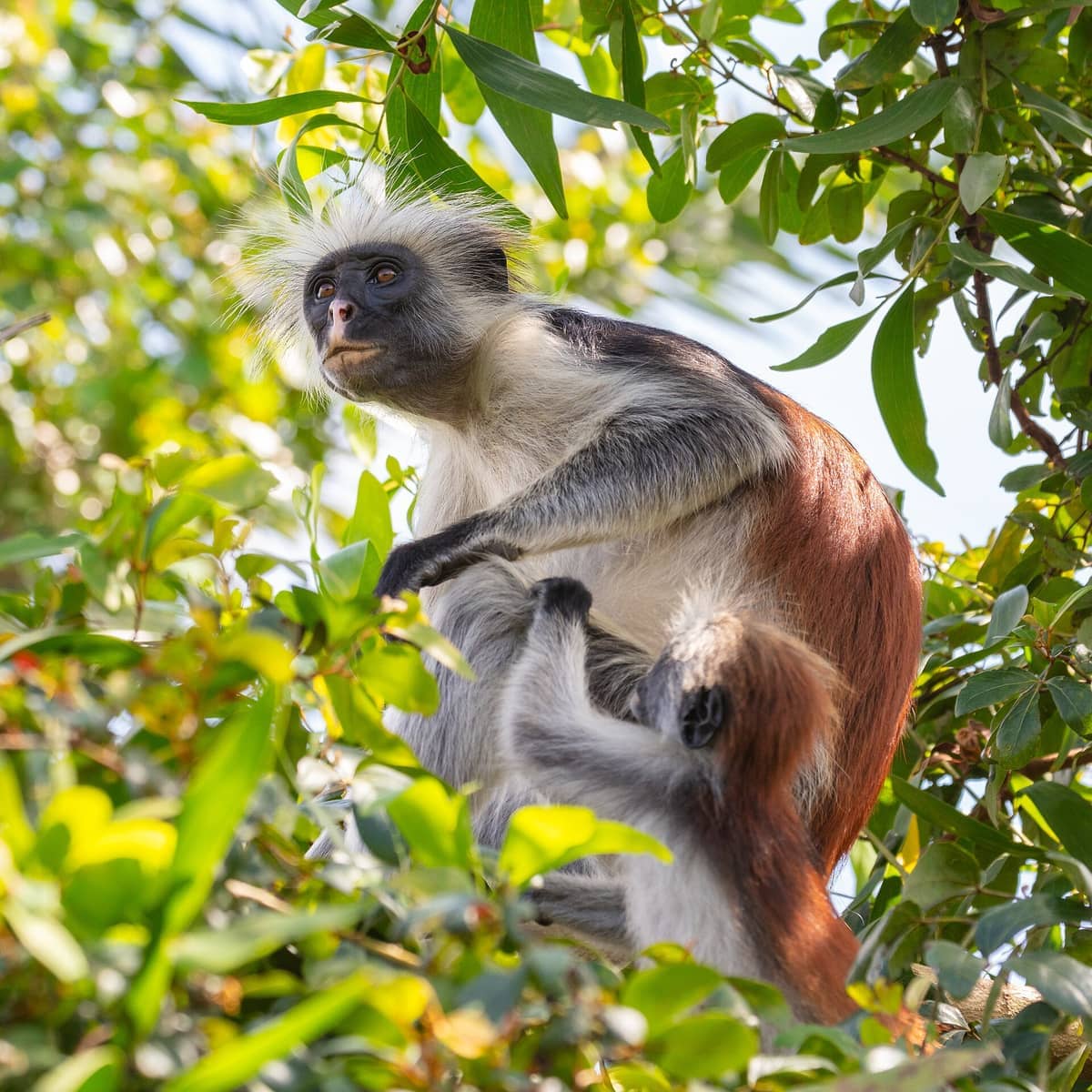
16. See the Endemic Red Colobus Monkey at Jozani Forest
Zanzibar's only national park protects the last significant population of the Zanzibar red colobus, found nowhere else on earth. A guided walk takes about 90 minutes through coral rag forest and mangroves. Pairs well with a Paje or Jambiani beach stay nearby.
Explore16. See the Endemic Red Colobus Monkey at Jozani Forest
Zanzibar's only national park protects the last significant population of the Zanzibar red colobus, found nowhere else on earth. A guided walk takes about 90 minutes through coral rag forest and mangroves. Pairs well with a Paje or Jambiani beach stay nearby.
Explore
17. Walk Through a Tropical Butterfly Garden at Jozani
Adjacent to Jozani National Park, this community project breeds and releases indigenous butterfly species. A 30-minute walk-through garden is colourful and educational, and entrance fees support local conservation. Easy to combine with the red colobus monkey walk next door.
Explore17. Walk Through a Tropical Butterfly Garden at Jozani
Adjacent to Jozani National Park, this community project breeds and releases indigenous butterfly species. A 30-minute walk-through garden is colourful and educational, and entrance fees support local conservation. Easy to combine with the red colobus monkey walk next door.
Explore✨ Pro tip
Marine park entry fees in Zanzibar increased in 2025. Confirm current charges directly with your tour operator or the site before visiting Chumbe Island, Mnemba Atoll, or Prison Island. Digital payment is now accepted at several sites.
FAQ
Which beach in Zanzibar is best for swimming?
Nungwi and Kendwa on the north coast are the safest bets for swimming at any time of day, as they sit outside the main reef line and have deep water at all tides. East-coast beaches like Paje and Jambiani are beautiful but have reef lagoons that become very shallow at low tide, limiting swimming for several hours.
What is the best beach in Zanzibar for kitesurfing?
Paje Beach on the east coast is Zanzibar's kitesurfing centre. Consistent trade winds blow from roughly June to October, and several established kite schools offer lessons for beginners. Advanced riders also use Jambiani and Bwejuu during peak wind season.
When is the best time to visit Zanzibar's beaches?
June to October is the dry season with reliable sunshine, strong trade winds on the east coast, and low humidity. December to February is also dry and hot, with calmer conditions on all coasts. The long rains typically run from mid-March to May and some beach hotels close during this period.
Which Zanzibar beach is best for families?
Kendwa and Nungwi work well for families because the water is calm and deep at all tides. Prison Island nearby offers giant tortoises. On the east coast, Paje has a wide, shallow lagoon that is safe for children at high tide, though you need to time visits around the tides.
How do I get to Zanzibar's beaches from Stone Town?
Shared transfer services like the Zanzibus run to Nungwi and Kendwa for around €9 and take about 1.5 hours. Dala-dala minibuses cover most routes for a fraction of the cost but take longer. Private taxis are faster but prices vary, so agree a fare before departing. Always verify current fares and departure times with your accommodation.
Tickets & tours
Live prices and dates from our booking partner. If you book, we may earn a commission at no extra cost to you.
Planning a trip? Discover personalized activities with the Nomado app.