Zanzibar Kitesurfing Guide: Paje, Conditions & Schools
Paje is one of the Indian Ocean's most reliable kitesurfing destinations, with two distinct wind seasons, a sheltered reef lagoon, and schools catering to every level. This guide covers the wind windows, tide realities, lesson costs, and practical logistics so you can plan a session that actually works.
Tickets & tours
Live prices and dates from our booking partner. If you book, we may earn a commission at no extra cost to you.
TL;DR
- Paje, on Zanzibar's southeast coast, is the island's kitesurfing hub, offering a reef-sheltered lagoon ideal for beginners and freestylers alike.
- Two main wind seasons: Kaskazi (mid-December to March, lighter winds around 12–16 knots) and Kusi (June to October, stronger at 15–18 knots). See our best time to visit Zanzibar guide for broader seasonal context.
- Tide timing matters as much as wind: low tide leaves the inner lagoon very shallow; high tide reduces usable beach for launching.
- Group lesson packages start around €154 for 4 hours; private tuition runs roughly €195 for 3 hours. Prices vary by school, so confirm before booking.
- April–May and seasonal transition periods are generally unreliable. If kitesurfing is the main reason you're visiting, don't plan around those months — check the Zanzibar in July guide for peak Kusi season details.
Why Paje Is Zanzibar's Kitesurfing Capital
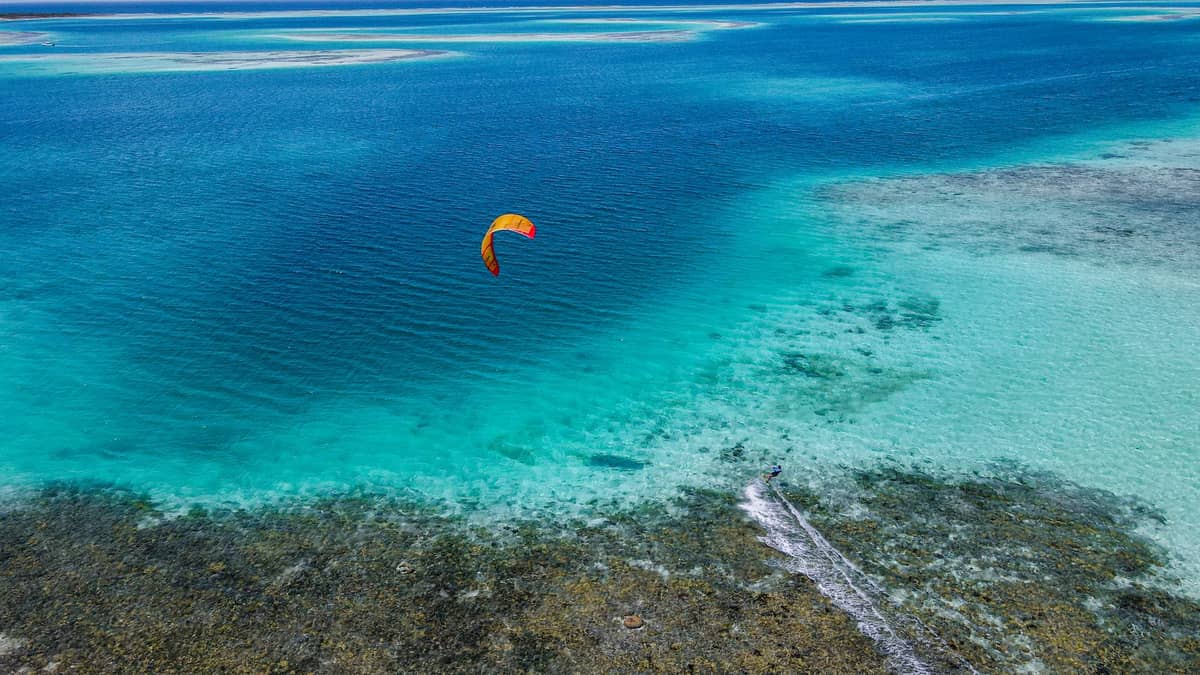
Paje sits on Unguja's southeast coast, roughly 50 kilometres from Stone Town by road. The village itself is small, but its beach has become one of the Indian Ocean's most established kitesurfing destinations. The reason is geography: a coral reef running roughly parallel to the shore creates a wide, shallow lagoon that stays relatively calm even when the wind is picking up. That combination of consistent thermal and trade winds funnelled across the ocean, combined with protected flat water close to shore, makes it genuinely beginner-friendly without being boring for experienced riders. For more on what else the southeast coast offers, see our guide to Paje.
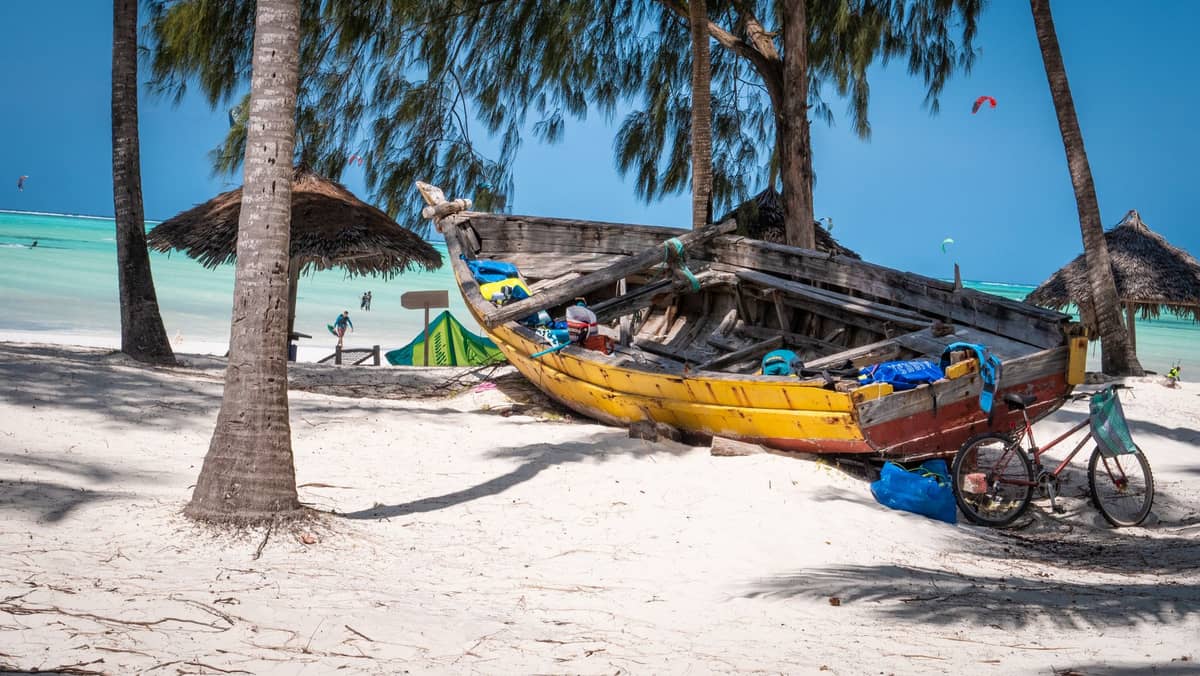
What Paje is not: a party beach for non-kiters, or a place with much going on beyond the water. The village has grown up around the schools, with guesthouses, kite-focussed cafes, and gear shops lining the beachfront. If you're travelling with a non-kiting partner, factor that into your accommodation choice. Jambiani, about 10 kilometres south, offers a quieter alternative base with access to the same lagoon system.
Wind Seasons: Kaskazi vs. Kusi
Zanzibar's wind patterns follow the monsoon cycle, and understanding the difference between the two seasons is the single most important planning decision you'll make.
- Kaskazi (mid-December to March) The northeast monsoon delivers lighter, more variable winds, typically in the 12–16 knot range. This is the better season for beginners: the wind is manageable, the water temperature is warm, and beach space is less crowded. The trade-off is occasional lulls and gusty days when conditions deteriorate quickly.
- Kusi (June to October) The southeast monsoon is Paje's premium season. Winds average 15–18 knots with frequent higher gusts, providing reliable power for intermediate and advanced riders. Sessions are more consistent day to day, and the schools are at their busiest. Book lessons well in advance if you're arriving in July or August.
- Transition periods (April–May and November) These months sit between monsoons and offer the least predictable conditions. Wind can disappear for days at a time. Unless you're combining kitesurfing with other activities and don't mind waiting for wind, these are months to avoid if kiting is the priority.
✨ Pro tip
Even within the Kusi season, wind strength can vary significantly week to week. Check iKitesurf or Windguru for Paje-specific forecasts in the 7–10 days before your trip. A strong forecast for your first few days is worth more than arriving at the theoretical peak of the season with no wind.
The Tide Factor: What Most Articles Don't Tell You
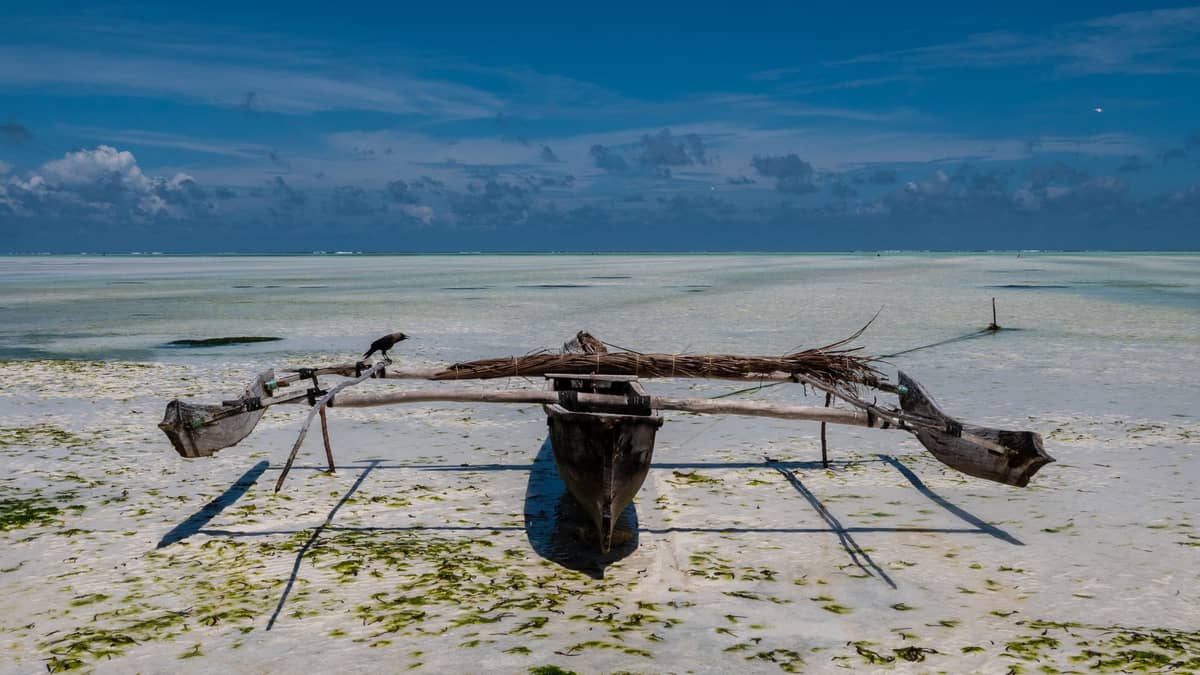
Wind forecast: good. Tide: low. Session: potentially frustrating. This is the most common planning mistake at Paje, and the schools know it well. The reef lagoon's water depth changes dramatically with the tide cycle. At low tide, the inner section can be shallow enough to ground your board and expose coral heads. At high tide, the launch beach narrows considerably, which creates crowded conditions and limits the space for setting up and launching kites safely.
The optimal window is typically the two to three hours around a rising or high tide, when the lagoon has enough depth to ride freely but you still have beach space. If you're booking lessons, ask the school to schedule your session around tide times, not just the daily forecast. Any reputable school in Paje will do this as a matter of course, but it's worth confirming when you book.
⚠️ What to skip
Do not assume that a strong wind forecast guarantees a good day on the water. Low tide at Paje can make conditions genuinely hazardous for beginners, with shallow water over sharp coral. Always cross-reference the tide table with your wind forecast before committing to a session time.
Kitesurfing Schools in Paje: What to Expect and What It Costs
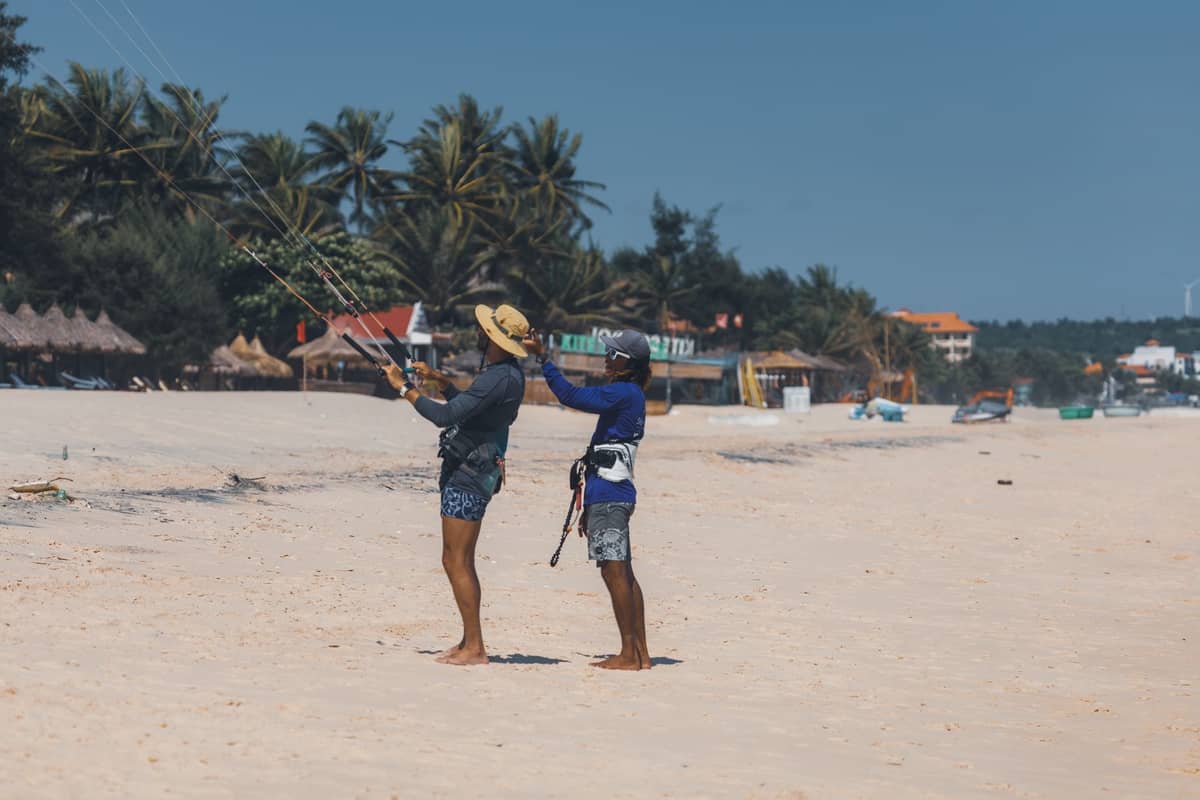
Paje has several established schools operating on the beach, most affiliated with international instructor certification bodies such as IKO (International Kiteboarding Organisation). All reputable schools use safety-release systems and provide helmets and impact vests for beginners. The quality gap between schools is less about instruction and more about student-to-instructor ratios and how well they manage the lagoon space on busy days.
Paje Kitesurf is one of the best-known operators, with structured packages and stated opening hours of 8:30 a.m. to 6:30 p.m. Their listed prices and packages may change; check the school’s current price list and confirm directly before booking. A 5% surcharge applies to online payments. These figures are provided as a reference only — confirm current pricing directly with the school before booking, as rates can change seasonally.
- Group lessons More economical and good for social learners. Typical group sizes are 2–4 students per instructor. Expect more waiting time between turns in the water during peak season.
- Private lessons Significantly faster progression, especially for the first 3–6 hours. Worth the premium if you have limited days or are returning to build on previous skills.
- Equipment rental Most schools offer gear rental once you're certified or at an independent riding level. Rates vary; expect to pay per hour or per session. Bring your own wetsuit rash guard to keep costs down.
- Age and fitness Paje Kitesurf accepts students from age 8. Kitesurfing demands reasonable upper-body strength and swimming ability. Most schools require you to be a competent swimmer before taking lessons.
💡 Local tip
If you've done kite theory elsewhere or have a partial IKO certification, bring your logbook or digital proof of hours. Many schools in Paje will honour prior training and let you skip the early ground-school stages, which saves both time and money.
Getting to Paje and Practical Logistics
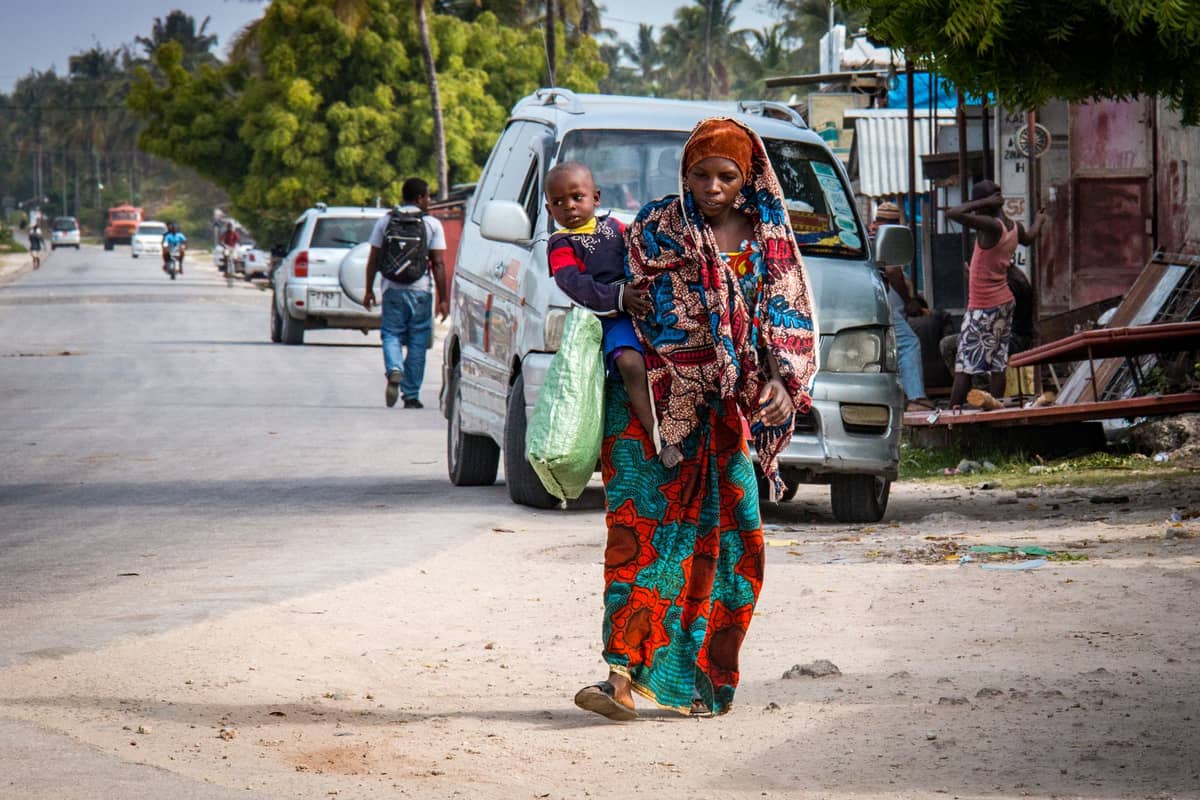
Paje is approximately 50 kilometres southeast of Stone Town by road. From Abeid Amani Karume International Airport (ZNZ), the drive takes around 45–60 minutes depending on road conditions and the route taken. A shared dala-dala minibus can get you there cheaply but involves a change in Stone Town and adds significant time with gear. For kitesurfers travelling with a large bag of equipment, a private taxi or pre-arranged hotel transfer is the practical choice. Expect to pay in the range of $20–35 from the airport to Paje, though fares vary, so agree the price before you get in. For broader transport options on the island, the getting around Zanzibar guide has detailed advice.
Accommodation in Paje ranges from budget guesthouses at under $30 per night to mid-range beach bungalows at $80–150. Most kitesurfing-oriented guesthouses are clustered directly on the beach road and will have gear storage and rinse facilities. If you're on a tighter budget, Paje is covered in our Zanzibar budget guide, which includes accommodation options across the southeast coast.
Currency: US dollars are widely accepted in Paje's kite schools and beach restaurants, though paying in Tanzanian shillings (TZS) sometimes gets you a better effective rate. Bring small denominations. ATM access in Paje itself is limited, so withdraw cash in Stone Town or at the airport before heading south.
Beyond the Kite: Combining Kitesurfing with Zanzibar's Other Attractions
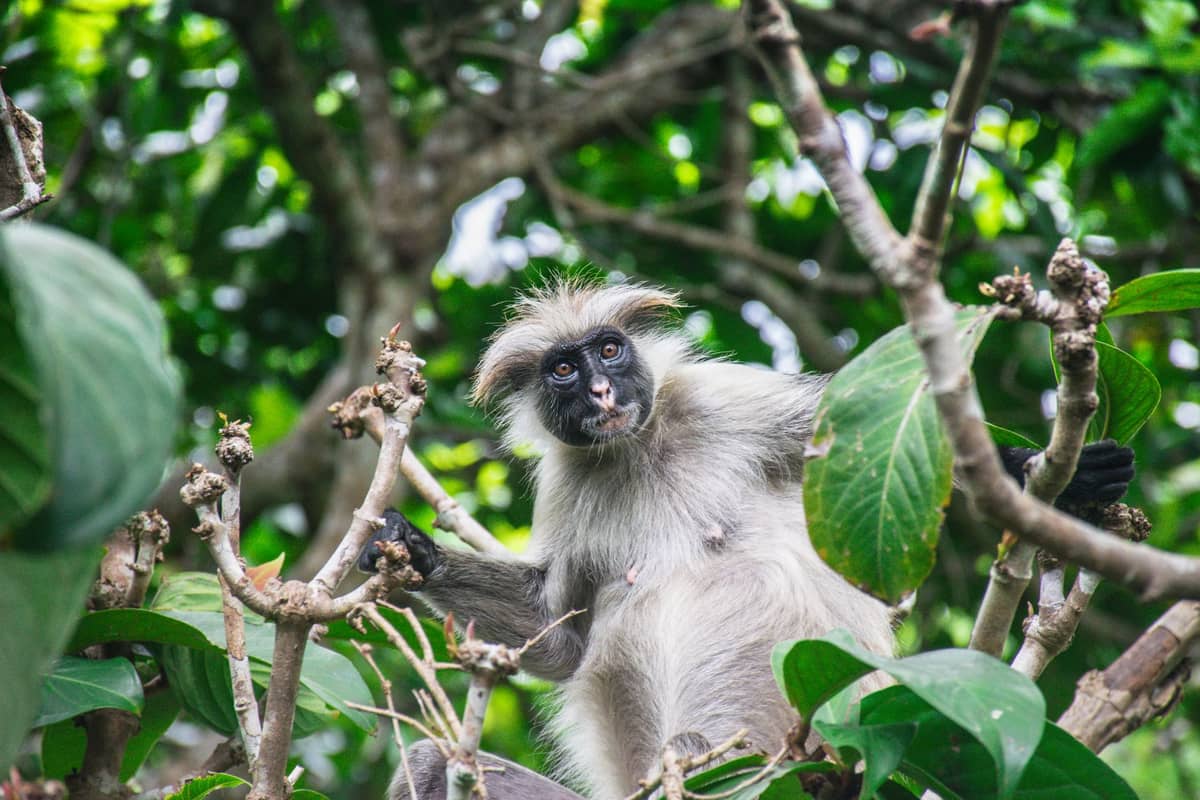
Wind doesn't blow every day, and even dedicated kiters usually want something to do on rest days. Paje and the surrounding southeast coast have enough to fill several days. The Jambiani seaweed farm offers a fascinating look at a local industry that operates on the same tidal flats you're riding over. Jozani Chwaka Bay National Park, about 15 kilometres north of Paje, is the only place in the world to see the Zanzibar red colobus monkey in its natural habitat. It's an easy half-day trip.
For a full day away from the beach, Stone Town rewards the effort. The historic core is a UNESCO World Heritage Site with Arab, Persian, Indian, and Swahili architectural layers built up over centuries. The Stone Town walking guide covers the key sites efficiently. If you want to combine the trip with broader island activities, the things to do in Zanzibar guide organises options by area and interest.
FAQ
What is the best time of year for kitesurfing in Zanzibar?
The Kusi season (June to October) offers the most consistent winds, typically 15–18 knots from the southeast. July and August are peak months. The Kaskazi season (mid-December to March) is better for beginners due to lighter, more forgiving winds. Avoid April, May, and November if kitesurfing is your priority — these transitional months are unpredictable.
Do I need prior experience to kiteboard in Paje?
No. The sheltered reef lagoon makes Paje one of the better places in the world to learn from scratch. Schools accept complete beginners and typically structure courses across multiple days. You do need to be a confident swimmer. Most schools accept students from age 8.
How much do kitesurfing lessons cost in Paje?
As a reference point, Prices vary by school and package; check Paje Kitesurf’s current published price list and confirm rates directly before booking, as they may change seasonally.
Why does the tide matter for kitesurfing at Paje?
Paje's lagoon sits inside a coral reef, so water depth changes significantly with the tides. At low tide, the inner section can be too shallow to ride safely and may expose coral. At high tide, the usable beach space for launching shrinks. The best sessions are typically timed around rising or high tide. Any reputable school will factor this into lesson scheduling, but it's worth asking about when you book.
Is Paje the only place to kitesurf in Zanzibar?
Paje is by far the most developed hub with the most schools, gear rental, and infrastructure. Jambiani, a few kilometres south, has some kitesurfing activity and is worth considering if you prefer a quieter atmosphere. The northern beaches around Nungwi and Kendwa lack the sheltered lagoon conditions that make Paje suitable for learning. For most visitors, Paje is the practical choice.
Tickets & tours
Live prices and dates from our booking partner. If you book, we may earn a commission at no extra cost to you.
Planning a trip? Discover personalized activities with the Nomado app.