Best Time to Visit Zanzibar: A Month-by-Month Guide
Zanzibar's tropical monsoon climate shapes everything from beach conditions to hotel prices. This guide breaks down every month of the year so you can choose the right time for your trip — whether you're chasing perfect skies, dolphin season, or lower prices.
Tickets & tours
Live prices and dates from our booking partner. If you book, we may earn a commission at no extra cost to you.
TL;DR
- June to October is the best overall window: dry, cooler (around 26–28°C), and ideal for beaches and diving near Kizimkazi.
- January and February are hot (up to 32°C) but mostly dry — a solid alternative if you want fewer crowds than peak season.
- April is the wettest month and the one to genuinely avoid: persistent heavy rain disrupts outdoor activities and some accommodation closes.
- The short rains in November–December are often overstated — showers tend to be brief, and prices are lower than peak season.
- For a full picture of what to do once you've picked your dates, see the complete Zanzibar activity guide.
Understanding Zanzibar's Climate
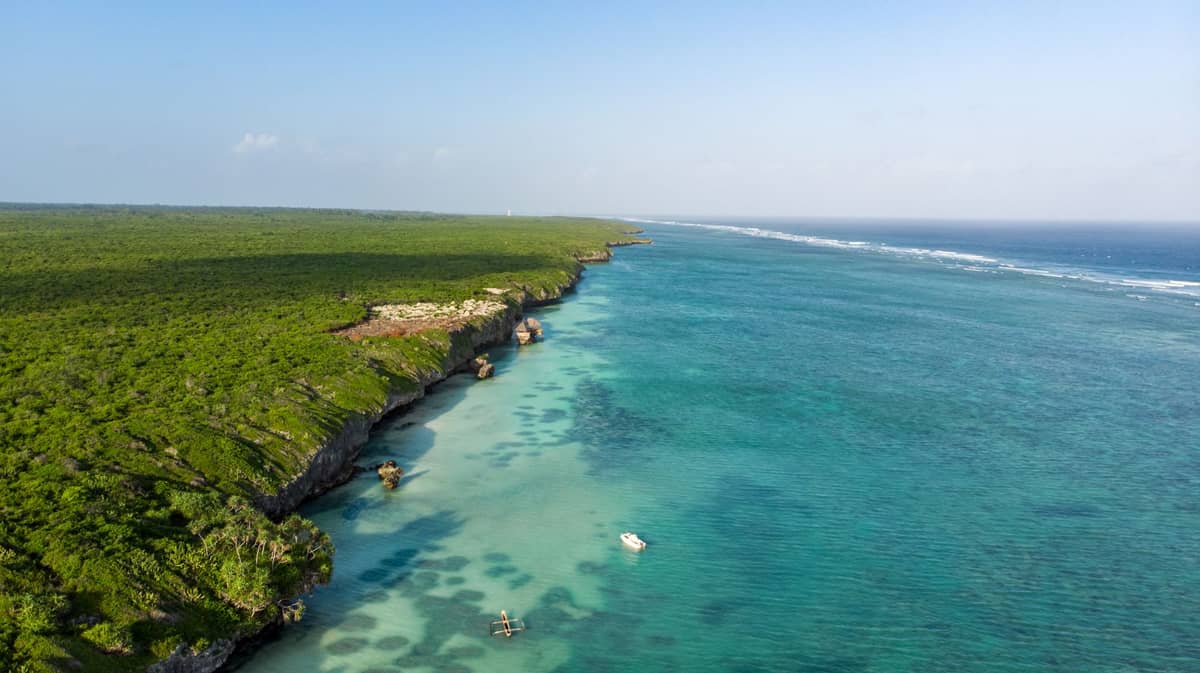
Zanzibar (specifically Unguja, the main island) has a tropical monsoon climate influenced by two monsoon systems. The northeast monsoon, known locally as the Kaskazi, brings drier, slightly cooler air from roughly November through March. The southeast monsoon, the Kusi, drives the long rainy season from around March through May. Daytime temperatures stay within a fairly tight band year-round — typically 26°C to 32°C — so 'cool season' is relative. What actually changes is humidity, rainfall, and wind.
The island has two distinct rainy periods. The long rains, called Masika, run from March to May, with April reliably the wettest month. The short rains, Vuli, fall in November and December. This distinction matters because the two seasons behave very differently. The long rains are genuinely heavy and persistent — April in particular can see multi-day downpours that close roads and limit water activities. The short rains are more erratic: often just afternoon showers that clear within an hour, leaving the rest of the day perfectly usable.
⚠️ What to skip
Don't let the phrase 'short rains' mislead you into underpacking. November and December can still produce significant downpours, especially in the first half of November. Pack a light waterproof layer regardless of when you travel.
Month-by-Month Breakdown
- January & February Hot (up to 32°C), humid, but relatively dry. Seas are generally calm on the west coast, making this a good time for snorkeling around Prison Island. Crowds are moderate — lower than June–September but not as quiet as May. Prices sit at mid-range. Dolphin-watching near Kizimkazi is reliable this time of year.
- March The long rains begin, typically in the second half of the month. Early March can still be pleasant, but book with a flexible cancellation policy. Prices start to drop as demand softens.
- April The wettest month. Avoid if you're prioritizing beach time or water sports. Some smaller guesthouses and dive operators close or reduce operations. Prices are at their lowest, but the trade-off in weather quality is real.
- May Still rainy but improving toward the end. A budget-friendly month for travelers willing to accept intermittent wet weather. Reefs benefit from reduced visitor numbers and nutrient-rich water after the rains.
- June & July The dry season begins. Cooler air (around 26–28°C), lower humidity, excellent visibility for diving, and reliable beach conditions. July sees increased arrivals from European summer holidays — book accommodation early. Whale shark sightings belong mainly to Mafia Island and Leven Bank, not Unguja's east coast.
- August & September Peak season in earnest. Weather is consistently good, beaches are at their best, and prices reflect that. Nungwi and Kendwa are particularly busy. Book everything in advance.
- October A transitional month. The dry season winds down and short rains approach, but October itself is often still quite dry and less crowded than August–September. A good value window if you can take the slight weather uncertainty.
- November Short rains begin. Showers are frequent but usually brief. Prices drop noticeably. Good for budget travelers and those interested in cultural experiences in Stone Town, where rain disrupts outdoor activities less than beach trips.
- December Short rains continue through mid-December, then conditions typically improve toward Christmas and New Year. The final week of December is one of the busiest — and most expensive — periods of the year as international visitors arrive for the holidays.
Best Time for Specific Activities
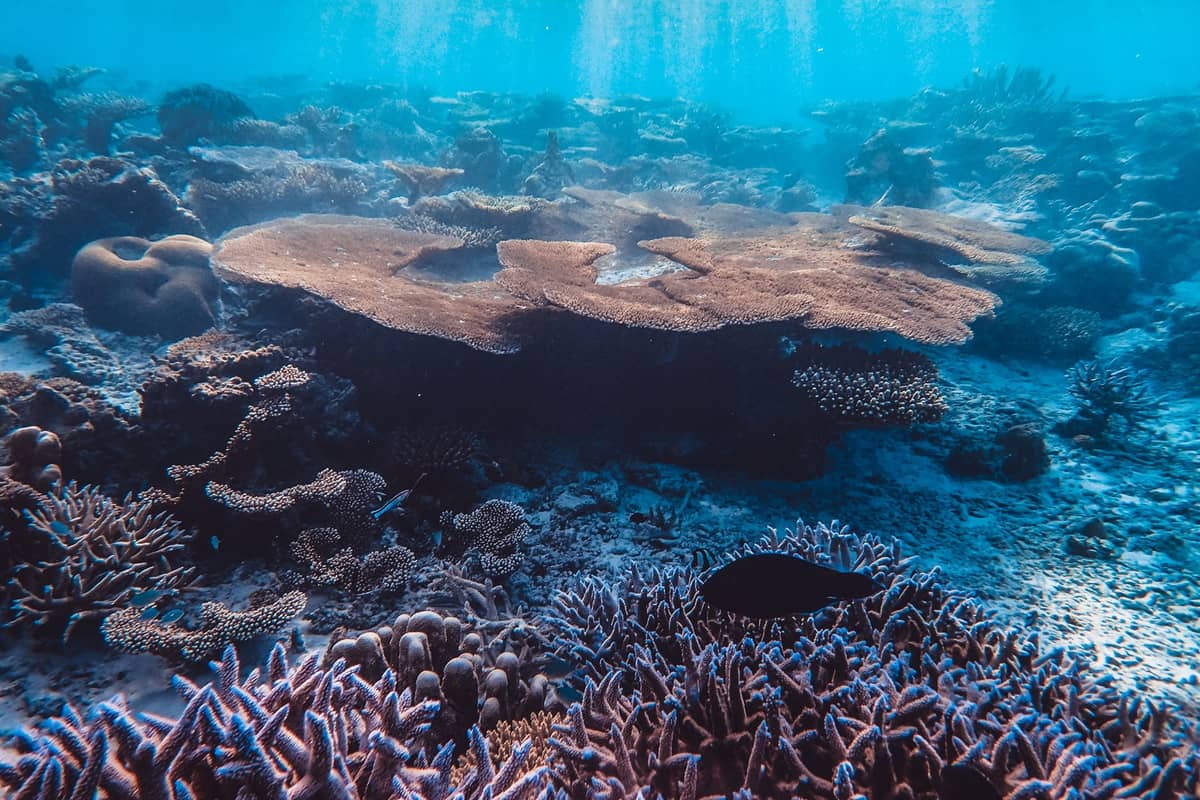
Your ideal travel window depends heavily on what you want to do. For scuba diving and snorkeling, June through October offers the best underwater visibility — often exceeding 20 meters on the east coast reefs and around Mnemba Atoll. For diving, June through October is often recommended for favorable conditions. Whale shark sightings are associated with Mafia Island and Leven Bank, rather than being a reliably seasonal feature near Matemwe and Zanzibar’s east coast.
Kitesurfers have a different calculation. The southeast trade winds that drive the Kusi monsoon also power the kites: June through September offers the strongest, most consistent winds, especially along the southeast coast near Paje. There's a secondary kite season from December through February when the northeast monsoon delivers lighter but usable winds. See the Zanzibar kitesurfing guide for details on spots and schools.
If dolphin encounters near Kizimkazi are on your list, dolphins are present year-round in the bay, but the calmer seas of January–February and June–October make boat trips more comfortable and reliable. Spice tours run year-round but are arguably most rewarding between June and October when the drier weather makes walking the farm tracks more pleasant. Check the Zanzibar spice tour guide for what to expect.
✨ Pro tip
If you're combining Tanzania mainland safari with Zanzibar, the June–October dry season works for both. Wildlife concentrates around water sources on the mainland during the same months that Zanzibar beaches are at their best. This makes planning a seamless combined trip significantly easier.
Crowds, Prices, and Practical Realities
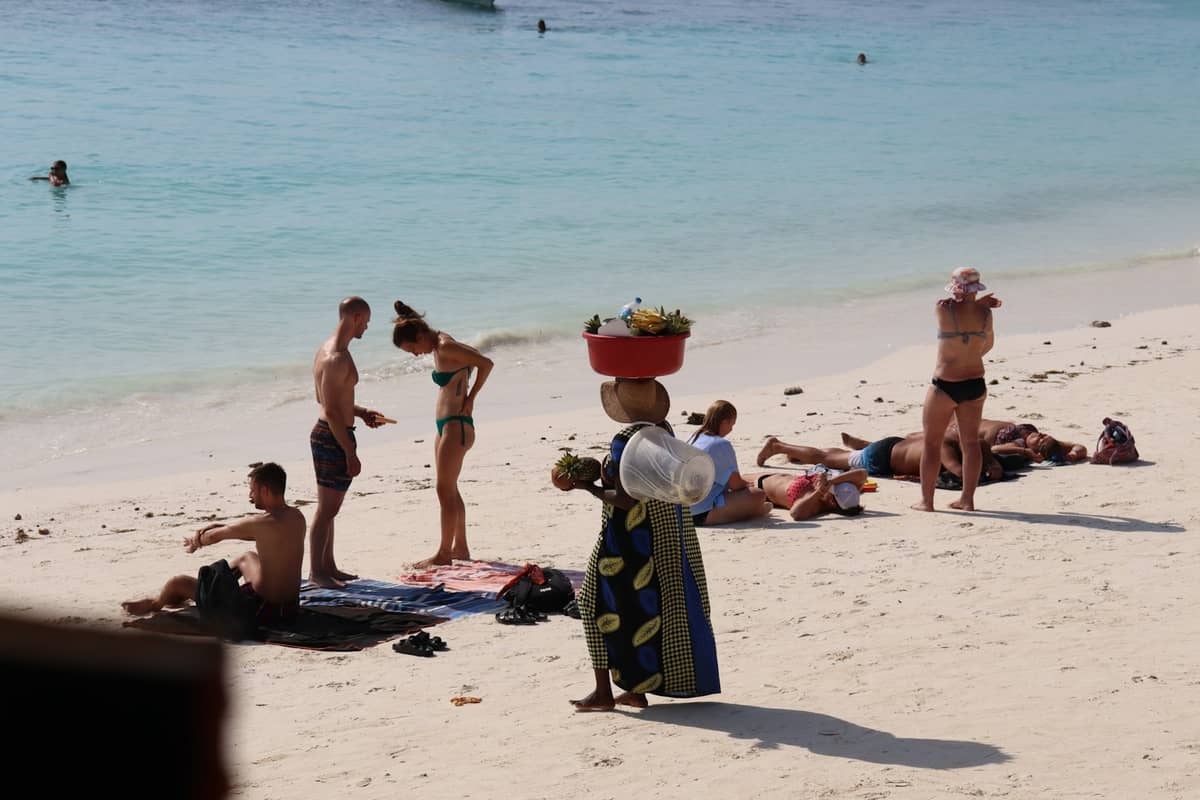
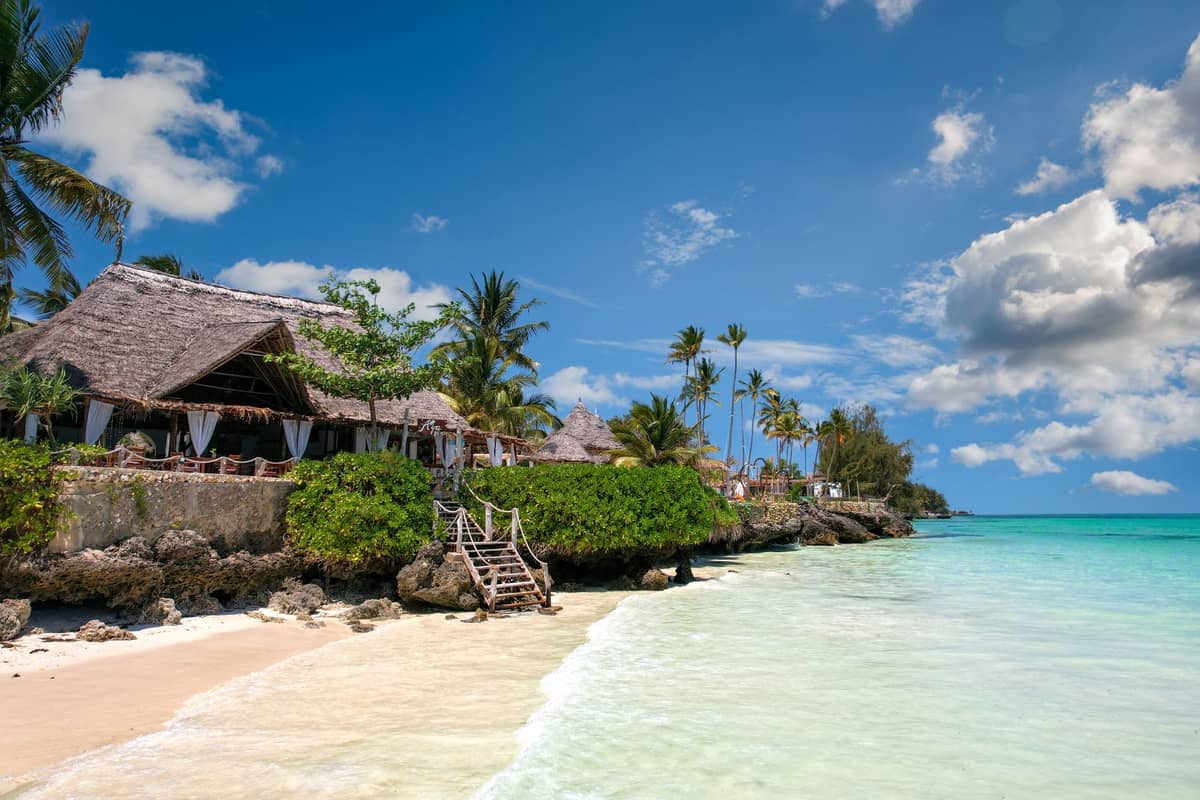
Peak season (June to October, plus late December) brings the best weather but also the highest accommodation rates and fuller beaches. At Nungwi and Kendwa in particular, sun loungers at popular beach bars can fill by mid-morning in August. If you want the north coast's famous white sand without the crowds, early June or late September offers a better balance than the peak August weeks.
Budget travelers willing to accept some weather risk will find the best value in May, early June, October, and November. Accommodation prices can drop by 30–50% compared to peak months, and popular restaurants and dive boats are less stretched. For a full breakdown of how to stretch your budget, the Zanzibar budget guide covers accommodation, food, and transport costs across the island.
- Peak season (June–October, late December): highest prices, best weather, book 2–3 months ahead for popular properties
- Shoulder season (January–February, early June, October): good weather, moderate prices, more flexibility on short-notice bookings
- Low season (March–May, November–mid-December): lowest prices, genuine weather risk in April, some businesses reduce hours or close
- Holiday surcharge: the Christmas–New Year window (roughly Dec 24–Jan 2) sees prices spike to peak or above-peak levels despite the short rains having recently ended
Stone Town is worth visiting in any season. The historic city's architecture, markets, and food scene are all-weather experiences. Forodhani Gardens evening food market operates year-round, though heavy rain can reduce vendor turnout. If you're spending significant time in the city, the Stone Town walking guide is worth reading before you go.
Rainy Season: The Honest Assessment
The 'rainy season' label puts many travelers off, but it covers a wide range of actual conditions. There is a meaningful difference between April — when rain can be near-continuous for days — and November, when you might get a sharp one-hour shower each afternoon followed by clear skies. The internet tends to lump both together, which is unhelpful.
April is the one month worth genuinely avoiding if beaches and water sports are your priority. Roads to more remote beaches can become difficult, some dive operators suspend operations, and the general dampness makes sightseeing less pleasant. Even budget-focused travelers should weigh whether the savings justify the limitations. For every other 'rainy' month, the situation is more nuanced and depends on your specific plans.
ℹ️ Good to know
Coral reefs often look particularly rich and colourful in May, just after the long rains flush nutrients into the water. Dive operators who stay open during this period sometimes report excellent encounters with marine life, even if visibility is slightly lower than in peak season. Worth considering for dedicated divers on a budget.
Which Traveler Type Should Visit When
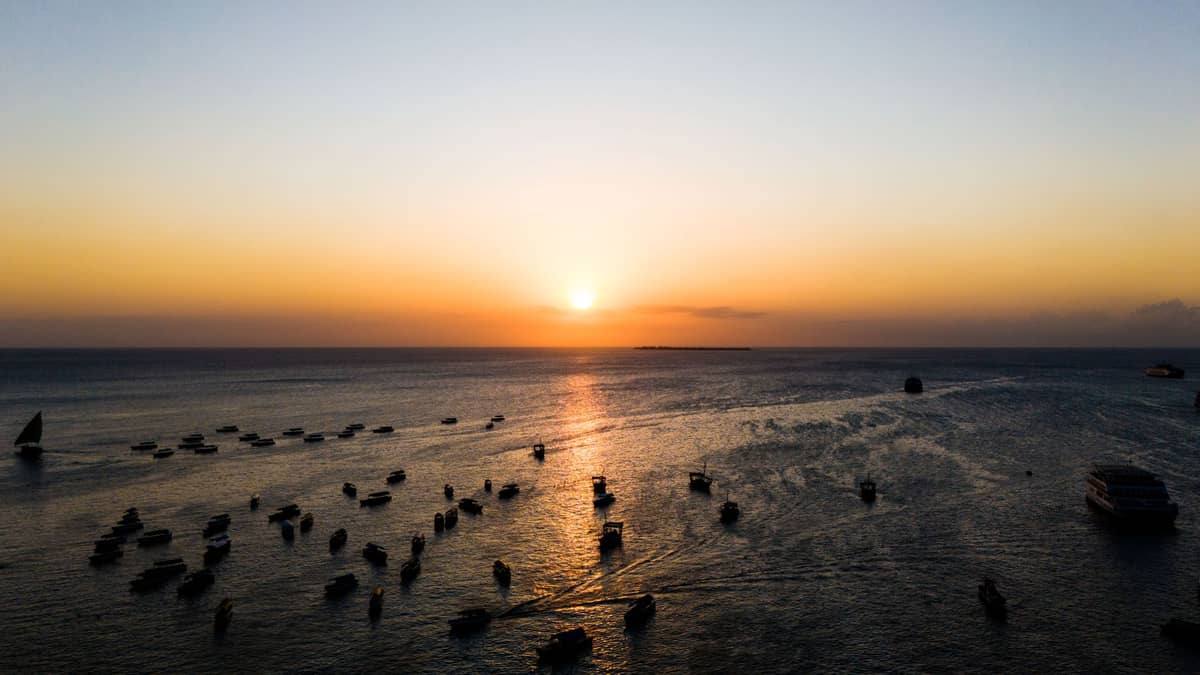
Honeymooners and luxury travelers: June through September offers the most reliable conditions. Luxury properties on the north and east coasts are at full operation, and the calm Indian Ocean is ideal for dhow cruises and sundowner excursions. The Zanzibar honeymoon guide has more on choosing between north-coast sunset beaches and the quieter east coast.
Families with children benefit from the same dry-season window. July and August align with school holidays in the UK and much of Europe, making them the most family-heavy months. For tips specific to traveling with younger kids, the Zanzibar with kids guide covers age-appropriate activities and which areas suit families best.
Solo travelers on a longer trip have more flexibility. October and early November hit a sweet spot: weather is transitioning but still often pleasant, accommodation is easier to negotiate, and the island feels less like a resort conveyor belt. Read the solo travel guide for Zanzibar for safety, logistics, and which areas work best when you're on your own schedule.
FAQ
What is the best time to visit Zanzibar?
June to October is the most consistently good period: dry weather, daytime highs around 29–31°C, and favorable conditions for beaches, diving, and snorkeling. If that window doesn't suit your schedule, January and February are a solid alternative — warm and mostly dry, with fewer crowds than peak season.
What is the best month to visit Zanzibar for good weather?
July and August offer the most reliably dry and comfortable conditions, but they're also the busiest and most expensive months. June and September give you nearly the same weather with slightly fewer visitors and more competitive prices.
Is it worth visiting Zanzibar during the rainy season?
It depends on the month. April is the wettest and most disruptive — genuinely worth avoiding for beach holidays. November and May are much more manageable, with rain often limited to afternoon showers. Budget travelers who can work around the weather often find these months rewarding.
What is the best time to visit Tanzania and Zanzibar together?
June through October is a good window for combining both. The dry season aligns well across mainland Tanzania (for safari in the Serengeti and Ngorongoro) and Zanzibar (for beaches and diving). Animals concentrate around water sources during this period, and Zanzibar's weather is at its most reliable.
How hot is Zanzibar in December?
December temperatures sit around 28–30°C. The short rains are usually tapering off by mid-December, and the final week of December is often warm and sunny — though it's one of the priciest times of year. If you're visiting in December, our guide to Zanzibar in December covers what to expect in more detail.
Tickets & tours
Live prices and dates from our booking partner. If you book, we may earn a commission at no extra cost to you.
Planning a trip? Discover personalized activities with the Nomado app.