Solo Travel in Zanzibar: Tips, Safety & Best Areas
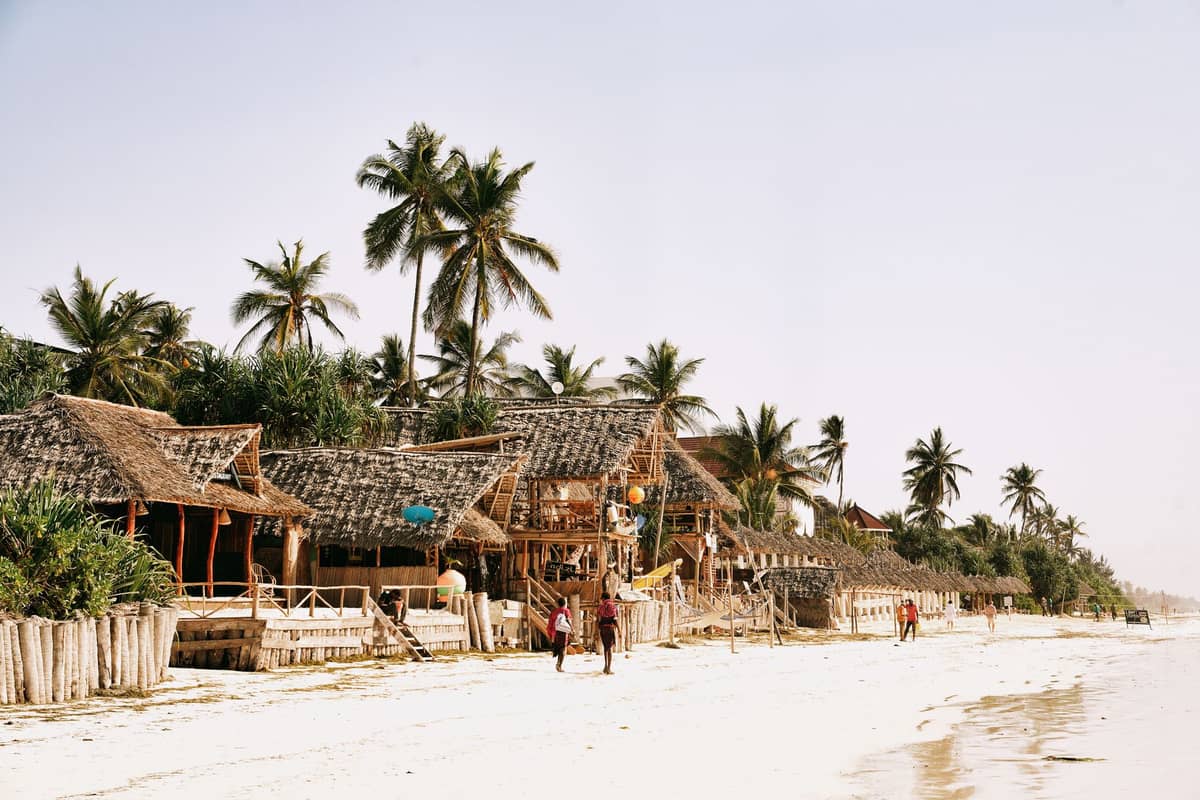
Zanzibar rewards independent travelers with spice-scented alleys, turquoise reefs, and some of East Africa's most sociable guesthouses. This guide covers everything you need to plan a confident solo trip: the safest areas, realistic costs, cultural etiquette, and how to move around the island without a group.
Tickets & tours
Live prices and dates from our booking partner. If you book, we may earn a commission at no extra cost to you.
TL;DR
- Zanzibar is generally manageable for solo travelers, but petty crime and harassment in Stone Town require real vigilance, especially after dark.
- Stone Town is the best base for your first night or two; beach villages like Nungwi and Paje are more relaxed and better for longer stays.
- Zanzibar is part of Tanzania but has its own mandatory visitor insurance requirement — buy it before you travel through the official Zanzibar Insurance Corporation portal.
- Dala-dala shared minibuses are the cheapest way to get around; taxis cost $10–15 from the airport to Stone Town, but always agree the fare before you get in.
- The best time for solo travel is June to October (dry season). See the full breakdown in our best time to visit Zanzibar guide.
Is Zanzibar Good for Solo Travel?
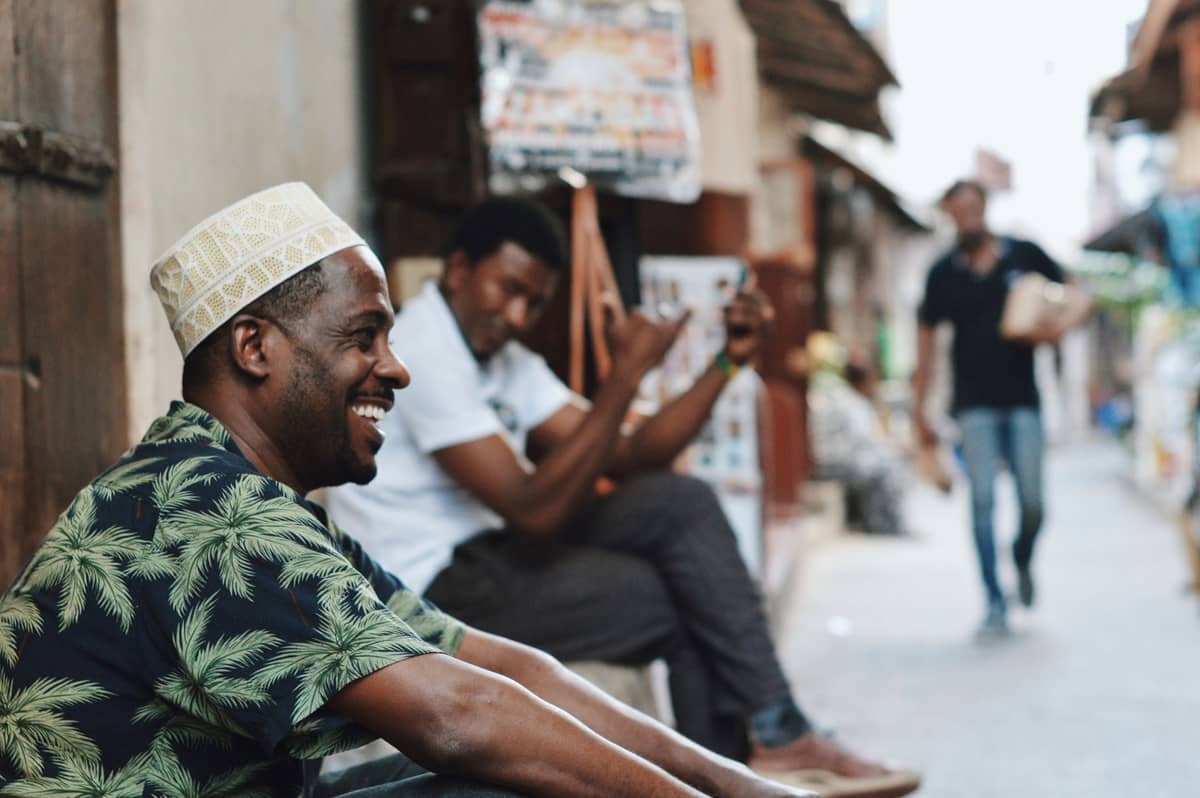
The short answer is yes, with caveats. Zanzibar (specifically Unguja, the main island) has a well-developed tourism infrastructure, a strong hostel and guesthouse scene, and a culture that is generally welcoming to foreign visitors. Most solo travelers leave with nothing but positive memories. That said, the UK Foreign, Commonwealth and Development Office reports incidents of violent crime in Stone Town, hotels, and popular beach areas, and advises travelers to avoid walking alone at night and to keep valuables out of sight. Solo female travelers in particular should be prepared for persistent attention from touts and beach vendors, which is rarely dangerous but can be exhausting.
The key is managing expectations and adjusting behavior accordingly. Zanzibar is a predominantly Muslim island with conservative social norms outside of tourist areas. Dressing modestly away from the beach, learning a few words of Swahili, and being firm but polite with unwanted attention will transform your experience. For a realistic picture, read our Zanzibar safety guide before you book.
⚠️ What to skip
Zanzibar is part of Tanzania but operates a separate mandatory visitor insurance scheme. All foreign tourists entering Zanzibar must purchase a policy through the Zanzibar Insurance Corporation (inbound.visitzanzibar.go.tz), either online before arrival or at a port of entry on arrival. This is distinct from your travel insurance and is not optional. Failing to arrange it can cause delays at immigration.
Best Areas to Stay as a Solo Traveler
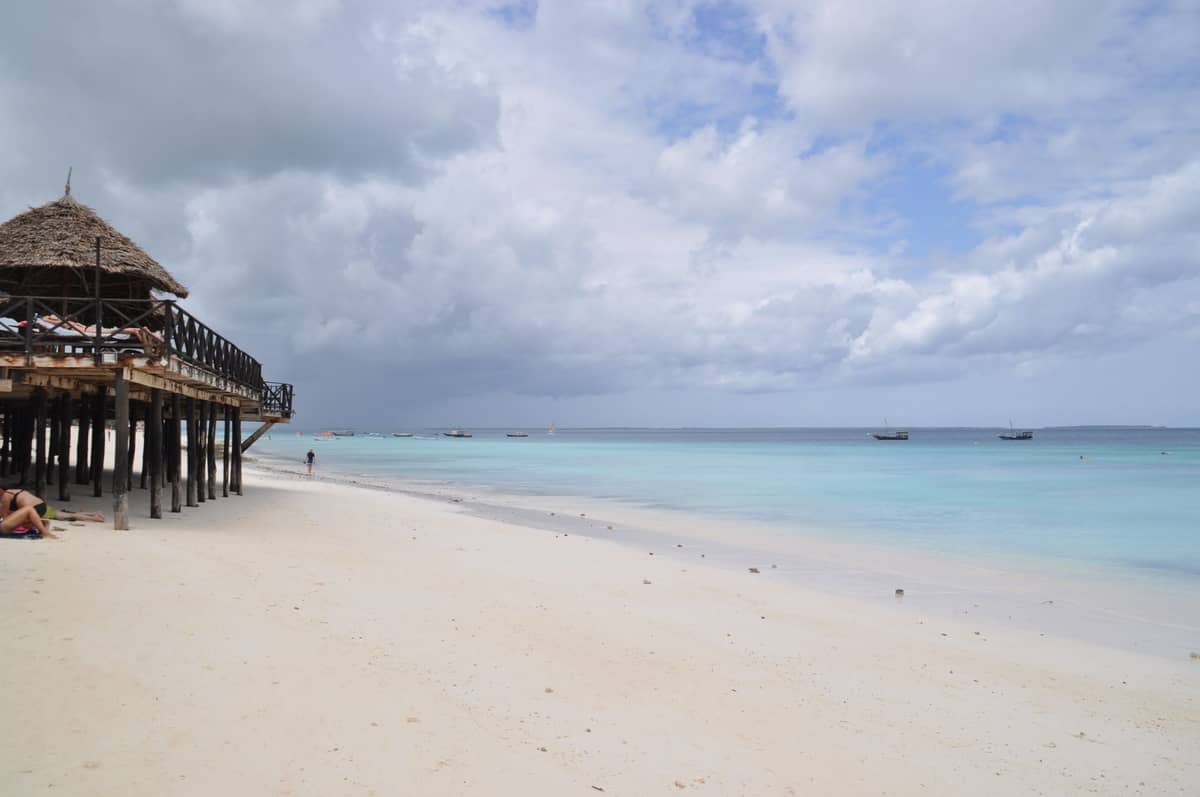
Where you base yourself shapes your entire trip. Each area on Unguja has a different energy, and the right choice depends on whether you want to meet other travelers, explore history, dive, or simply decompress on a quiet beach.
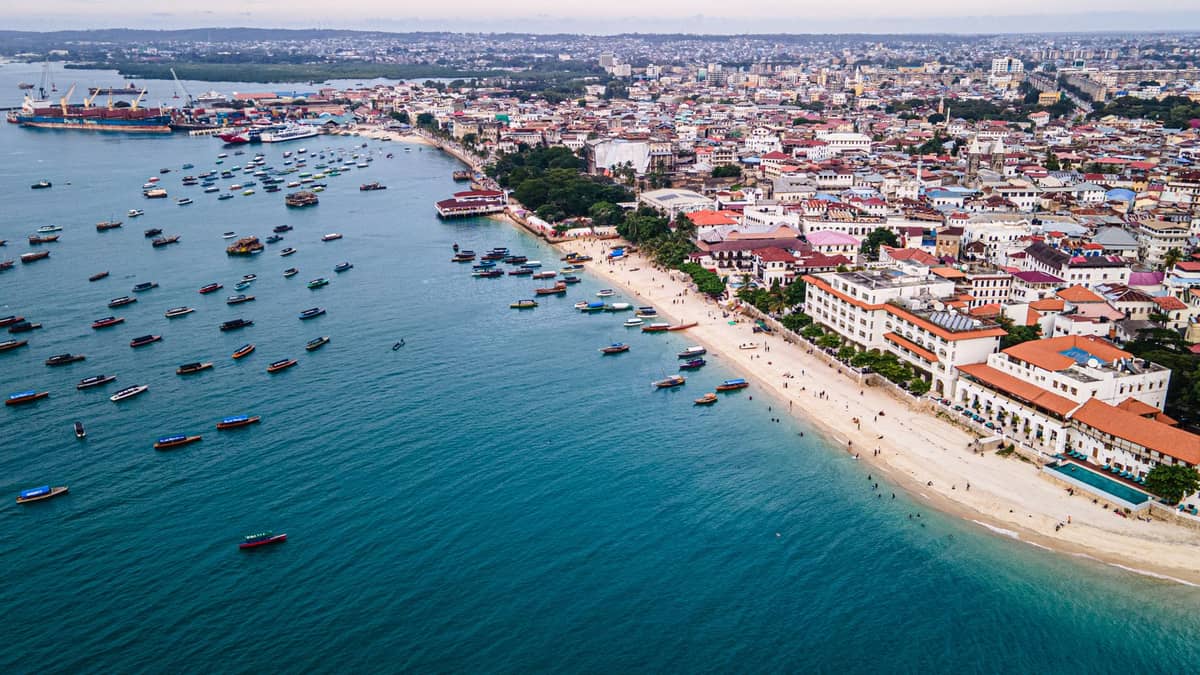
- Stone Town The historic heart of Zanzibar City is the best first base. It concentrates everything — UNESCO-listed architecture, ferry connections, tour operators, and a genuine local atmosphere. Guesthouses range from $15–25/night for a dorm bed to $80+ for a boutique double. The trade-off: it requires more street awareness than beach areas, particularly at night.
- Nungwi (North) The most developed beach village, with a social hostel scene, consistent surf, and proximity to Kendwa's famous full moon parties. Great for meeting other solo travelers. Can feel crowded July–August and over Christmas-New Year.
- Paje (Southeast) The kitesurfing capital of the island attracts an active, international crowd. The southeast coast has a more laid-back vibe than Nungwi, and the guesthouses here fill with long-stay travelers, making it easy to find company. Windy conditions June–September are ideal for kite sessions.
- Jambiani (Southeast) More locally flavored than Paje, with a fishing community, seaweed farming operations open to visitors, and quieter stretches of beach. A good choice if you want cultural depth alongside the coastline.
- Matemwe (Northeast) Quieter and less developed, with direct access to Mnemba Atoll for snorkeling and diving. Suits solo travelers who prioritize marine experiences over nightlife.
💡 Local tip
Book your first two nights in Stone Town before you arrive. The ferry from Dar es Salaam can be delayed, and arriving in an unfamiliar city without accommodation sorted adds unnecessary stress. From Stone Town, you can scout the rest of the island and book onward accommodation once you've spoken to other travelers about current conditions.
Getting to Zanzibar and Around the Island

Zanzibar is served by Abeid Amani Karume International Airport (IATA: ZNZ), located on Unguja roughly 3 miles south of Zanzibar City, about a 20-minute drive from Stone Town. International flights connect via Nairobi, Addis Ababa, Doha, and other regional hubs. The alternative is the ferry from Dar es Salaam on the Tanzanian mainland, operated by Azam Marine among others; the crossing takes roughly two hours and offers a scenic approach to Stone Town's waterfront. Always verify current schedules and book through the operator's official platform, as departure times change seasonally.
From the airport, a taxi to Stone Town costs around $10–15; agree the price before you get in. The dala-dala shared minibus (route 505) is far cheaper at around TZS 500, but the stop is several hundred meters from the terminal and services can be infrequent. Uber, Grab, and Careem do not operate in Zanzibar. For getting around the island, our Zanzibar transport guide covers every option in detail, including motorbike hire and shared taxis.
Within the island, dala-dalas are the cheapest way to travel between towns, running fixed routes for a few hundred shillings. They are authentic, often crowded, and an experience in themselves. For more flexibility, renting a scooter or hiring a private taxi for a day (typically $40–60) gives you the freedom to reach beaches and villages that public transport skips entirely. Solo travelers who hire scooters report that it is one of the best decisions they make on the island, though road conditions outside of the main routes can be rough.
Safety Tips Specific to Solo Travelers
Zanzibar's crime profile is mostly opportunistic rather than violent: phone snatching, bag grabs, and scams targeting tourists who look disoriented. Stone Town's narrow alleys are confusing by design, and looking lost makes you a target. Download offline maps before you land. In beach areas, leave laptops and passports in your accommodation's safe. On the beach itself, take only what you need for the day.
- Avoid walking alone in Stone Town after dark. Take a taxi or share a ride with people from your guesthouse.
- Be cautious with unsolicited invitations or 'helpful' strangers who appear without prompting — a common setup for overpriced tours or worse.
- Solo female travelers: cover shoulders and knees in Stone Town and Zanzibar City; swimwear is fine on the beach but inappropriate even a few meters inland in non-resort areas.
- Use the official ferry terminal in Dar es Salaam and buy tickets from the operator directly — counterfeit tickets and unofficial touts are a documented problem.
- Keep a copy of your passport, visa, and insurance documents in a separate bag or on a secure cloud service.
- The Tanzanian shilling is the official currency, but US dollars (post-2006 bills preferred) are widely accepted. ATMs in Stone Town and larger beach villages are generally reliable, but carry enough cash when heading to remote areas.
✨ Pro tip
The best natural deterrent against beach harassment is to look purposeful and acknowledged. If you're sitting on the beach and vendors approach, a firm 'Hapana asante' (no thank you) in Swahili, delivered without extended eye contact, works far better than a hesitant English refusal. Once you engage in extended conversation, you've entered a negotiation.
Cultural Etiquette and Local Customs
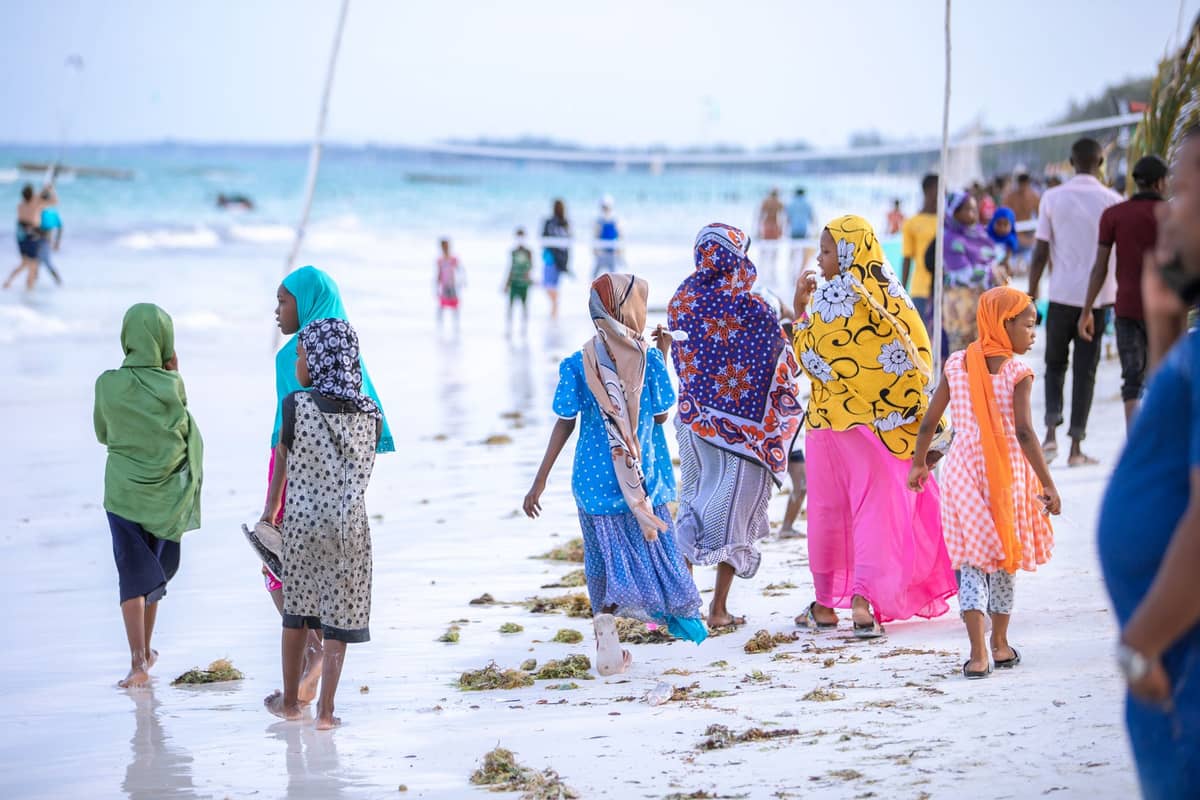
Zanzibar is a predominantly Muslim society, and respecting that shapes how well your trip goes. The gap between tourist-zone behavior and local norms is real, and bridging it with basic awareness goes a long way. For deeper context on Swahili culture and local customs, the Zanzibar Swahili culture guide is worth reading before you go.
During Ramadan, eating, drinking, or smoking in public during daylight hours is deeply disrespectful, even for tourists. Outside of Ramadan, these restrictions are relaxed in tourist areas, but the general principle of discretion still applies. Photographing people, particularly women, without clear permission is a fast way to create friction. In Stone Town's markets and alleys, ask first. Tipping is appreciated but not universally expected; small amounts for guides and restaurant staff are always well-received.
What to Do as a Solo Traveler
The practical advantage of solo travel is that you can join any group tour or activity without a partner. Zanzibar's tour ecosystem runs almost entirely on group bookings, meaning solo travelers slot in easily. A spice tour from Stone Town (usually half a day, around $20–30 including transport) is consistently one of the highest-rated experiences on the island and attracts a sociable mix of travelers. Snorkeling trips to Mnemba Atoll and dolphin-watching in Kizimkazi operate on the same group model.
In Stone Town itself, a self-guided walk is one of the best free activities on the island. The Stone Town walking guide covers the key sites including the historic carved Zanzibar doors, the Slave Trade Museum, and the waterfront. For evening social life, Forodhani Gardens night market is where solo travelers naturally congregate over grilled seafood and sugarcane juice — cheap, lively, and no reservation required.
If you have more than a few days, consider combining Zanzibar with a mainland Tanzania safari. The logistics are straightforward, and the contrast between the island and the Serengeti or Selous is extraordinary. Our Zanzibar and Tanzania safari combo guide explains the routing and costs.
FAQ
Is Zanzibar safe for solo female travelers?
Zanzibar is manageable for solo female travelers, but it requires more preparation than many beach destinations. The main issues are persistent attention from vendors and touts, and cultural conservatism outside tourist zones. Dressing modestly in Stone Town and non-resort areas (covering shoulders and knees), avoiding walking alone after dark, and staying in well-reviewed guesthouses with secure facilities all significantly reduce friction. Many solo female travelers visit without serious incident; the key is being prepared rather than being deterred.
Do I need a visa for Zanzibar?
Zanzibar is part of Tanzania, so entry requirements follow Tanzanian immigration rules. Visa-on-arrival is available for many nationalities at Abeid Amani Karume International Airport. Separately, foreign visitors entering Zanzibar must purchase inbound travel insurance through the Zanzibar Insurance Corporation, either online beforehand or at a port of entry on arrival. Always check the current requirements through the Tanzania Immigration Department, as rules change and depend on your nationality.
What is the best time of year to travel to Zanzibar solo?
June to October is the most reliable window: dry weather, calmer seas, and good visibility for snorkeling and diving. January and February are also largely dry and less crowded than peak European summer. The long rains (roughly March to May) bring heavy downpours that can ground boat trips and make beach activities unpleasant. The short rains (November) are generally lighter and less disruptive. High season (July–August and December–January) means more travelers and easier socializing, but higher prices and more competition for accommodation.
How much does a solo trip to Zanzibar cost per day?
Budget travelers staying in dorms or simple guesthouses, eating at local spots, and using dala-dalas can get by on around $40–60 per day. A mid-range solo budget that covers a private room in a guesthouse, one or two activities, and restaurant meals runs $80–130 per day. Add a half-day group tour ($20–40), a scooter rental ($20–30/day), or a dive ($50–70) and you'll see how daily costs scale quickly. Stone Town and the southeast coast are generally cheaper than Nungwi, which has more resort-style pricing.
Can I meet other travelers in Zanzibar?
Yes, easily. Stone Town's guesthouses and hostels attract a steady flow of solo travelers and backpackers. Beach areas like Nungwi and Paje have a strong communal scene at guesthouses and beach bars. Group tours (spice farms, snorkeling trips, sunset dhow cruises) are natural mixing points. If your itinerary includes the Kendwa full moon party, expect an especially social night. The solo travel experience in Zanzibar is genuinely sociable if you choose the right accommodation and activities.
Tickets & tours
Live prices and dates from our booking partner. If you book, we may earn a commission at no extra cost to you.
Planning a trip? Discover personalized activities with the Nomado app.