Mnemba Atoll Marine Reserve: Zanzibar's Premier Reef Experience
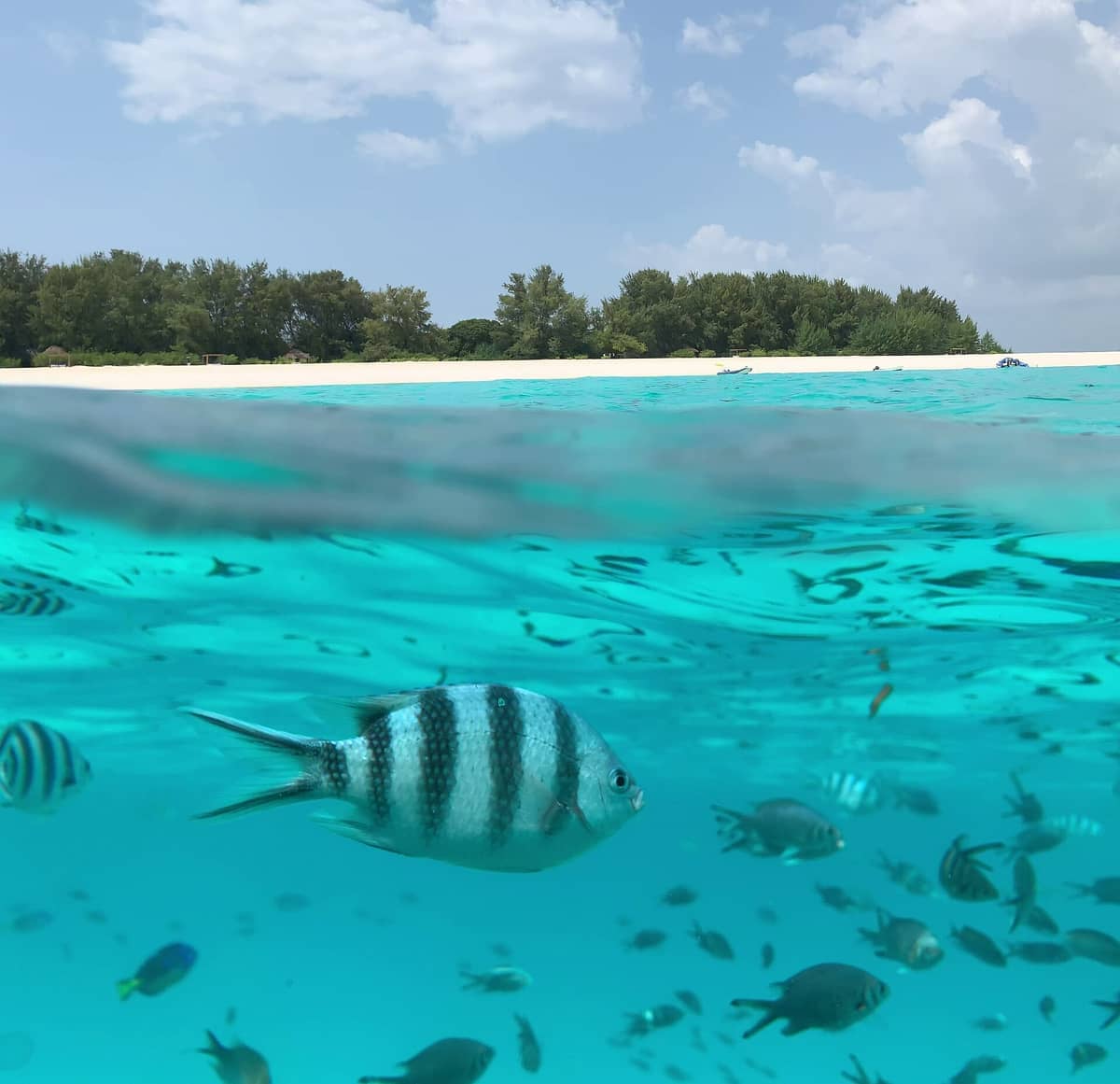
Mnemba Atoll Marine Reserve sits roughly three kilometers off Zanzibar's northeastern coast, surrounding a small private island with some of the most intact coral reef in East Africa. Snorkelers float above vast fields of hard coral while spinner dolphins arc through the shallows, and green turtles rest on the sandy bottom below. For anyone serious about marine life, this is the water they came to Zanzibar to find.
Quick Facts
- Location
- Off the northeastern coast of Unguja (Zanzibar), accessible by boat from Matemwe or Nungwi
- Getting There
- Hire a taxi or arrange a transfer to Matemwe or Nungwi, then join a guided boat trip; no public transit reaches the departure beaches
- Time Needed
- Half day (most tours run 4–6 hours including boat transit)
- Cost
- For visitors from outside East Africa: US$10 adults / US$5 children (5–15) in the conservation area; US$25 adults / US$10 children in the special zone around Mnemba Island. Fees reported as of September 2025 — confirm with your operator before travel
- Best for
- Snorkelers, divers, wildlife enthusiasts, and couples looking for a serious reef experience
- Official website
- mnembaisland.com/about
What Mnemba Atoll Actually Is
The Mnemba Island Marine Conservation Area (MIMCA) was officially created in 2002 and covers approximately 337.3 square kilometers of ocean along the northeastern coast of Unguja. At its center sits Mnemba Island, a small, privately owned coral island that is home to a single luxury lodge and off-limits to general visitors. The draw is not the island itself but the reef surrounding it: a shallow reef system that shelters marine species.
The reserve is divided into zones, and the fees you pay reflect which zone your boat enters. The outer conservation area has a lower entry fee, while the special zone immediately around the island commands a higher rate. Most reputable snorkeling and diving operators include the relevant conservation fee in their tour price, but it is worth confirming before you book.
ℹ️ Good to know
Fee clarification: As of 1 September 2025, the conservation area fee for visitors from outside East Africa is US$10 per adult and US$5 per child aged 5–15. The special zone around Mnemba Island is US$25 per adult and US$10 per child. Always confirm which zone your tour covers, and whether fees are included in the tour price or charged separately at the boat.
What You Will See Underwater
The atoll's reef system is among the healthiest along the East African coast. In the shallower sections, large table corals and branching Acropora formations rise close to the surface, making them accessible to snorkelers without any diving experience. The water clarity on a calm morning can be startling: visibility of 20 to 30 meters is common outside the monsoon season, meaning you can see the reef floor from the boat before you even enter the water.
Green turtles are genuinely common here, not a rare sighting. They graze on seagrass beds in the lagoon and surface regularly to breathe, often unconcerned by snorkelers who keep a respectful distance. Spinner dolphins, recognizable by their aerial acrobatics, are frequently seen in the waters around the atoll, particularly on the approach by boat. The reef fish population is dense: parrotfish, angelfish, surgeonfish, and large grouper are all standard sightings. For divers, the outer wall drops into deeper water and is home to eagle rays, reef sharks, and occasional whale sharks during peak season.
Those interested in the broader marine ecology of the region will find useful context in the guide to Zanzibar's coral reefs, which covers reef health, threats, and the best sites across the archipelago.
Tickets & tours
Live prices and dates from our booking partner. If you book, we may earn a commission at no extra cost to you.
Zanzibar catamaran and snorkelling tour to Mnemba Marine Park
From 114 €Instant confirmationFree cancellationNyerere National Park two-day safari with two game drives
From 866 €Instant confirmationFree cancellationSerengeti National Park private three-day safari from Zanzibar
From 2.144 €Instant confirmationFree cancellationZanzibar north coast sunset dhow cruise
From 42 €Instant confirmationFree cancellation
How to Get There
Mnemba Atoll is reached entirely by boat. The two most common departure points are Matemwe, on the northeastern coast, and Nungwi at the island's northern tip. Matemwe is closer to the atoll and the more typical launching point for snorkeling day trips. Most operators based in Matemwe can reach the reef in under 30 minutes by motorized dhow or speedboat.
Neither Matemwe nor Nungwi is served by direct public dala-dala routes that are straightforward for tourists to navigate. The practical approach is to either base yourself at one of the beach areas and book through your accommodation, or arrange a taxi transfer from Stone Town. The drive from Stone Town to Matemwe takes roughly 90 minutes. See the guide to getting around Zanzibar for specifics on taxi costs and transfer logistics.
💡 Local tip
If you are already staying in Matemwe or Nungwi, book your atoll trip through your guesthouse or hotel rather than through agents in Stone Town. Locally based operators are typically closer to the departure beach, know the daily conditions, and often run smaller groups.
Best Time to Visit and Conditions
The northeast coast of Unguja is most sheltered during the dry season, roughly June through October, when the southeast trade winds keep the water calm and visibility high. This is when the Mnemba experience is at its most photogenic: glassy morning water, clear skies, and minimal swell. July and August are peak season and the most crowded months on the reef, though even then the atoll rarely feels overrun compared to more famous dive destinations.
The long rains (masika) run approximately from April into May and make sea conditions unpredictable. Most operators reduce or cancel atoll trips during this period. The short rains (vuli) fall around November to December and are less disruptive, though surface visibility can drop and swells can make the boat ride uncomfortable. January through March generally brings calmer conditions but with some variability.
For a more complete picture of when different parts of Zanzibar are at their best, the best time to visit Zanzibar guide breaks down conditions month by month.
⚠️ What to skip
Morning departures almost always offer better visibility and calmer water than afternoon trips. Wind and surface chop typically build through the day on the northeast coast. If given a choice of departure time, always choose the earliest slot available.
Snorkeling vs. Diving: Which Trip to Book
Snorkeling trips to the atoll are the most accessible option and genuinely rewarding at the surface level. The shallow reef sections, typically between 1 and 6 meters, hold dense coral and most of the species people come to see. You do not need to be a strong swimmer, though confidence in open water and comfort with a snorkel mask make a significant difference to enjoyment. Most operators provide basic equipment; if you have your own mask and fins, bring them.
Scuba diving at Mnemba opens up the outer reef wall, which is a different experience altogether. Soft corals, larger pelagic species, and greater depth make this one of the better dive sites in the region. Operators offering dive-specific trips will typically require proof of certification. Conditions and site details are covered in detail in the Zanzibar diving guide.
Practical Details and Photography
Bring sunscreen that is reef-safe (mineral-based, without oxybenzone or octinoxate), as chemical sunscreens damage coral tissue and are increasingly restricted at marine reserves in the region. A rash guard or thin wetsuit top is more practical than sunscreen for full days on the water. The Zanzibar sun at sea level is intense, and reflected light off the water accelerates burning.
For underwater photography, even a basic waterproof compact camera or a phone in a dry case will capture the shallow reef section effectively. The light is best in the mid-morning hours when the sun angle penetrates the water column cleanly. Colors are most accurate without a filter in water this clear and this shallow.
There are no facilities at the atoll itself: no restrooms, no food stalls, no shade structures. Responsible operators bring drinking water and a basic lunch on longer trips, but you should ask in advance. Dehydration is a real concern on a half-day boat trip in tropical sun.
Who Should Reconsider This Trip
Anyone prone to seasickness should think carefully before booking, particularly during the short rains or on days with any swell. The boat ride to the atoll crosses open water and can be rough in less-than-ideal conditions. Ginger tablets or seasickness medication taken the night before and morning of the trip are a sensible precaution.
Travelers with very young children may find the experience logistically difficult: no shade, no facilities, and long periods on a moving boat can be hard on toddlers. Families should consider whether a beach-based activity or a visit to the Mnarani Turtle Sanctuary might be a more comfortable introduction to Zanzibar's marine wildlife for small children.
Accessibility is limited by the nature of the site. Reaching the reef requires boarding a boat from a beach and entering the water. The available sources do not verify any provisions for wheelchair users or visitors with significant mobility impairments. Anyone with relevant access needs should contact operators directly before booking.
Insider Tips
- Book a dedicated snorkeling or diving operator based in Matemwe rather than a general tour sold at Stone Town hotels. Local operators know which reef sections are in best condition at any given time and can adjust based on daily conditions rather than running a fixed route.
- The boat ride to the atoll is part of the experience. Keep your eyes on the water from the moment you leave shore: spinner dolphins frequently accompany boats heading toward the island and this open-water encounter can be as memorable as the reef itself.
- Ask your operator explicitly whether the special zone fee is included in your tour price. Some operators include only the outer conservation area fee; visiting the inner zone around the island requires an additional payment and is worth the difference for snorkelers.
- Carry a small dry bag for your phone and any cash. Bags stored at the front of open boats get wet without warning in any kind of chop, and there is nowhere to dry out electronics once you are on the water.
- If you are combining Mnemba with a stay on the northeast coast, Matemwe beach itself offers excellent house reef snorkeling at high tide and is a worthwhile evening activity that costs nothing beyond the walk to the water.
Who Is Mnemba Atoll Marine Reserve For?
- Snorkelers wanting a proper coral reef rather than a degraded coastal fringe
- Certified divers looking for East Africa-quality wall and pelagic diving
- Couples wanting a focused, scenic half-day on the water
- Wildlife-focused travelers hoping to see turtles, dolphins, and reef sharks in their natural habitat
- Photographers looking for clear, shallow-water reef conditions
Nearby Attractions
Other things to see while in Matemwe:
- Matemwe Beach
Matemwe Beach sits on Unguja's northeast coast, where a shallow reef flat stretches far out to sea at low tide and the village behind the palms still moves at its own pace. It suits travelers who want genuine seclusion, good snorkeling access, and a window into coastal Swahili life without the resort-strip atmosphere found further north.
Planning a trip? Discover personalized activities with the Nomado app.